Sleeping Pads
Three Sleeping Pads Compared: Warmth, Comfort, and Value
The Rab Ionosphere 5, REI Helix, and Sea to Summit Ether Light XT compared on R-value, baffle design, comfort, sizing, and price.
Introduction
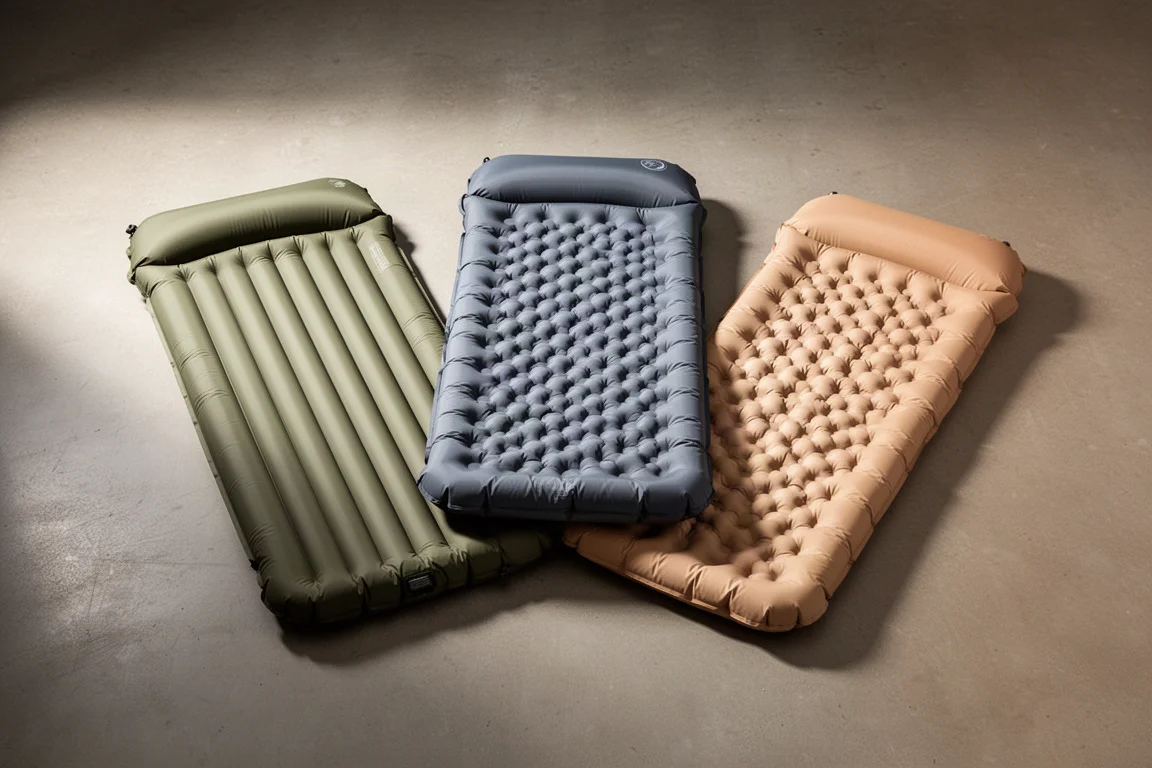
Sleeping pads have quietly become one of the most competitive categories in camping gear. Three-season pads that once topped out with an R-value in the mid threes now routinely land in the mid fours, and two relatively new entries are pushing that shift further: the Rab Ionosphere 5, the first sleeping pad from Rab, and the REI Helix. Sitting alongside them is the Sea to Summit Ether Light XT, a pad that has long set the benchmark for comfort but asks for warm weather in return.
Each of the three solves a slightly different problem, and the differences show up in the details: insulation strategy, baffle layout, and how much usable space a regular size actually gives you.
What Matters Most in a Sleeping Pad
Three things decide whether a pad works for you: how warm it keeps you, how comfortably it supports your body, and what it costs relative to both. R-value covers the first, and the current generation of three-season pads sits higher than it did a few years ago.
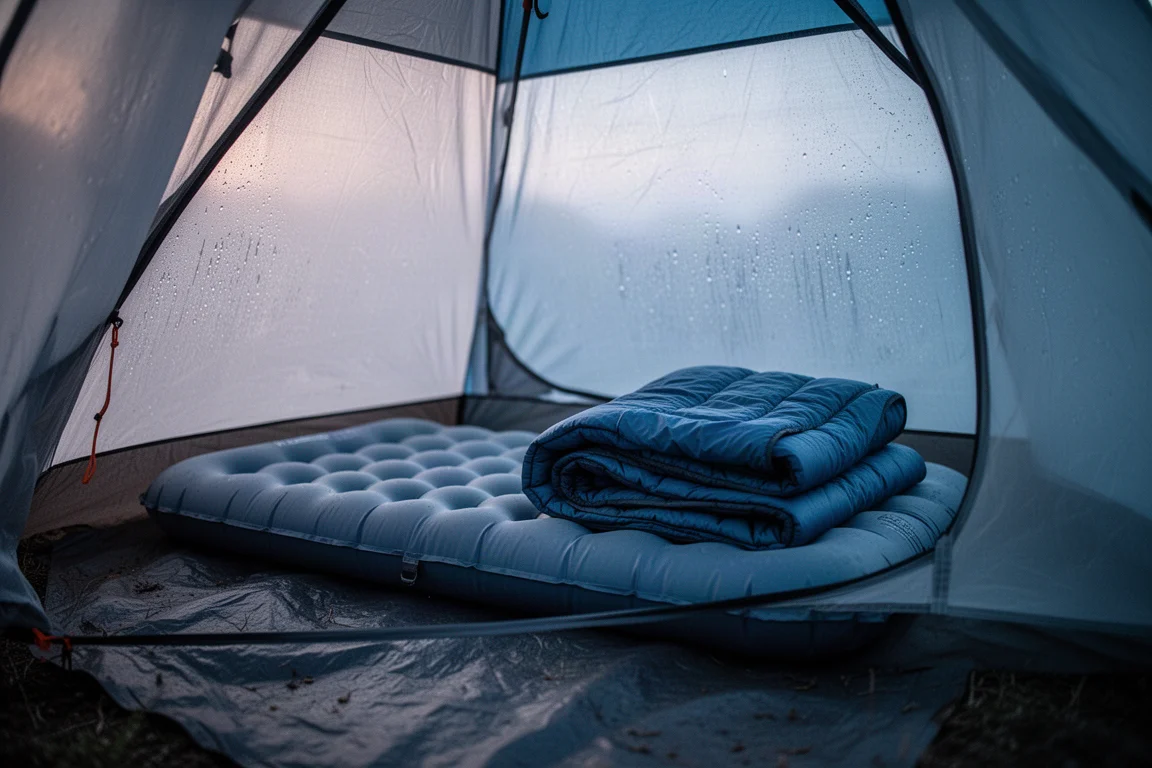
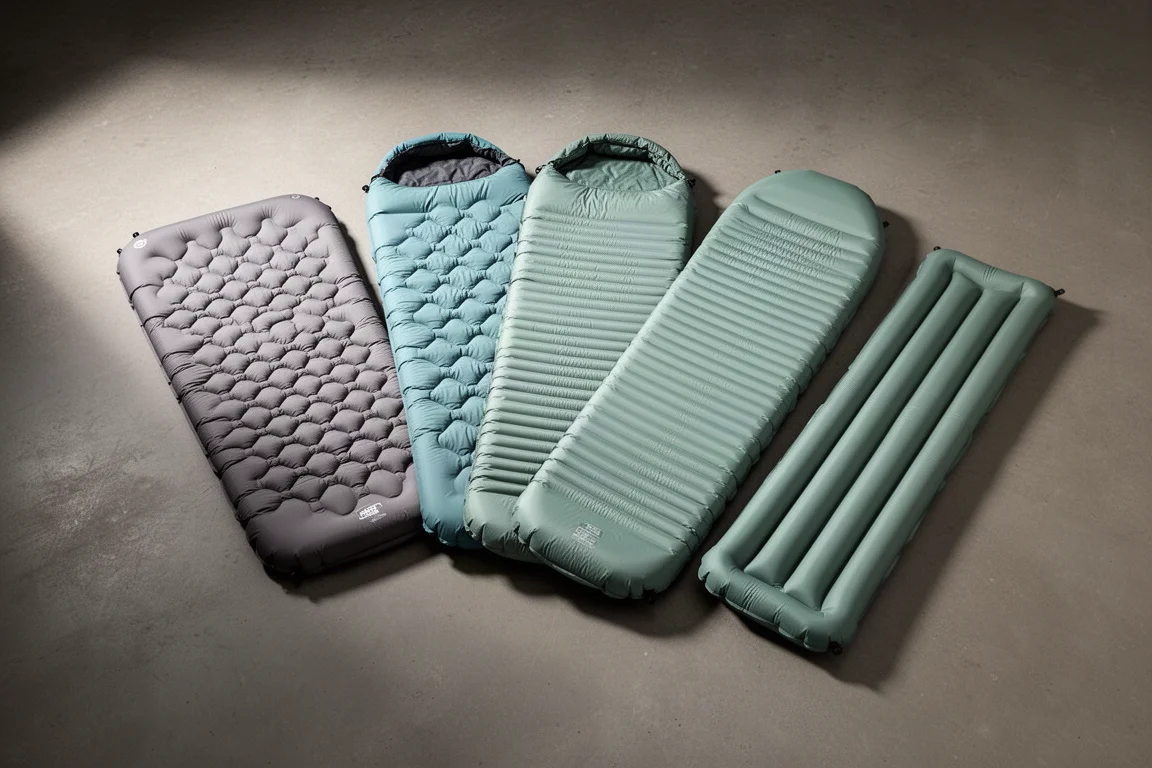
Insulation strategy matters as much as the number. Reflective insulation, the internal layer that cuts radiative heat loss, was once associated mainly with Therm-a-Rest pads and is now appearing more widely. Synthetic insulation goes after a different problem: convective heat loss, the air movement inside the pad that gets worse as you roll around at night. Baffle design handles comfort. Horizontal baffles are the least comfortable layout on the market, while vertical and dimpled designs do a better job of keeping pressure off your shoulders and hips.
Rab Ionosphere 5: Vertical Baffles and Reflective Warmth
The Ionosphere 5 is Rab’s first sleeping pad, and it arrives with an R-value of 4.8 for the regular size at $180 USD, which undercuts many pads that sell for over $200. It combines two insulation approaches: a reflective layer to reduce radiative heat loss and a synthetic sheet that stretches from the bottom of the pad to the top to limit air movement as you toss and turn. Convective heat loss is one of the hardest factors to capture in a rating, so that second layer is a meaningful addition rather than a marketing detail.
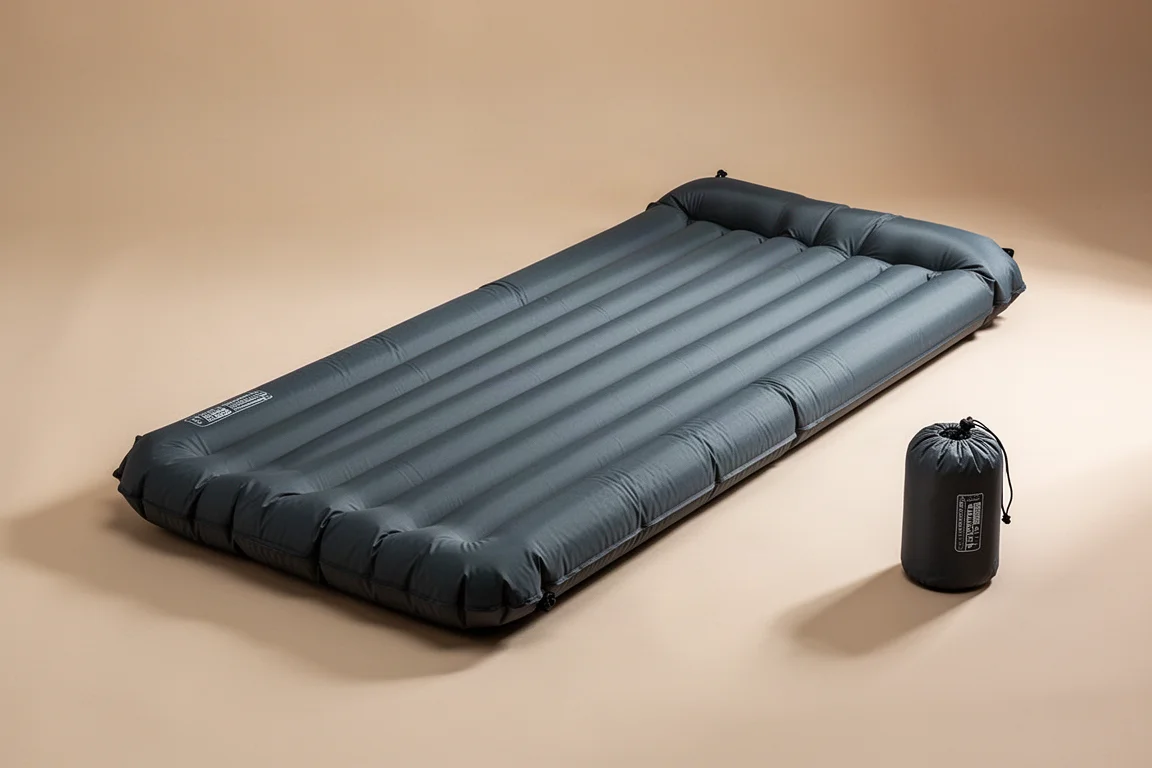
Comfort comes from vertical baffles and raised sides. Vertical baffles are the layout least likely to leave your arms numb overnight, and the raised edges help keep you centred on the pad. Among vertical-baffle designs, the Ionosphere 5 has proven the most comfortable in use.
The main caveat is sizing. The regular size sleeps smaller than other regular pads, so anyone who moves around at night may want to step up to the large for comparable comfort.
REI Helix: Dimpled Baffles at a Lower Price
The Helix costs $160 USD for the regular size and is discounted regularly, at times to around $100, which makes it one of the stronger value options in this group. Its R-value of 4.9 is slightly higher than the Ionosphere 5, and it relies on reflective insulation rather than adding a synthetic layer.
Instead of synthetic fill, REI appears to have addressed convective heat loss through structure. The dimples on the top and bottom surfaces do not line up exactly, which suggests two separate cells, one on each side of the pad, that limit how much air can move through the interior.
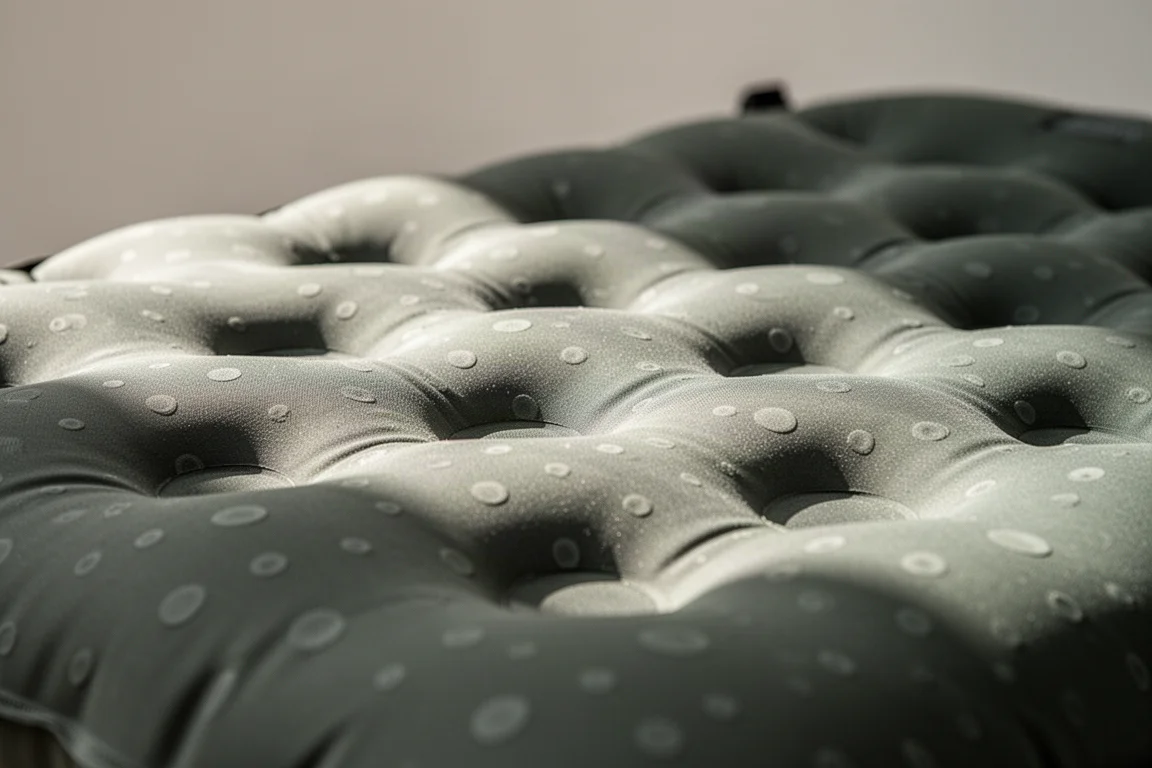
The dimpled or quilted baffling is the standout feature. The raised and recessed sections break up pressure points, so side sleepers are less likely to wake with a sore shoulder or hip. It is the only baffle layout in this comparison that supported a full night of uninterrupted sleep.
Sizing is another point in its favour. The regular length and wide width version balances weight against surface area well, and there is enough room to roll over without feeling like you are about to slide off the edge.
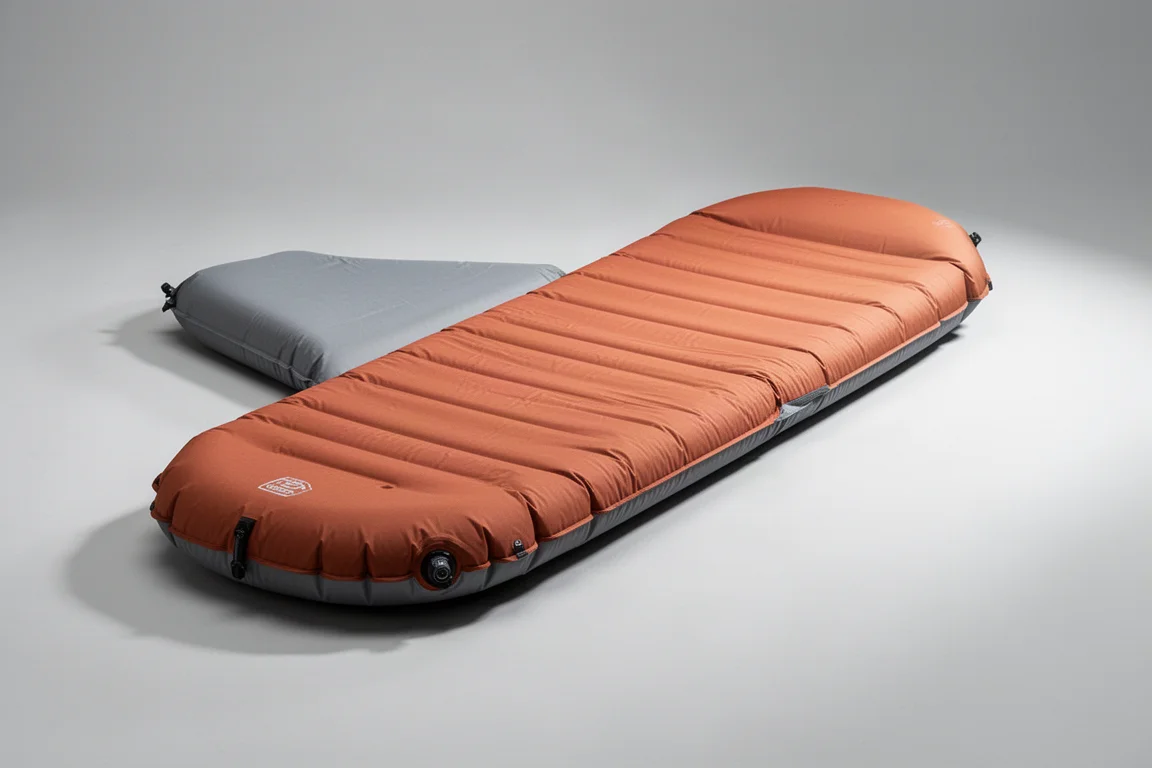
Sea to Summit Ether Light XT for Warm Weather
The Ether Light XT remains the comfort reference point in this group. It is still slightly more comfortable than the Helix, with a plush feel that is hard to match.
Warmth is where it falls short. The Ether Light XT runs cold, and it works best in warm summer conditions rather than shoulder-season or cold-weather trips. If comfort is the priority and your trips are consistently warm, it still holds up well. If you camp in the cold, the Ionosphere 5 and the Helix are the stronger choices.
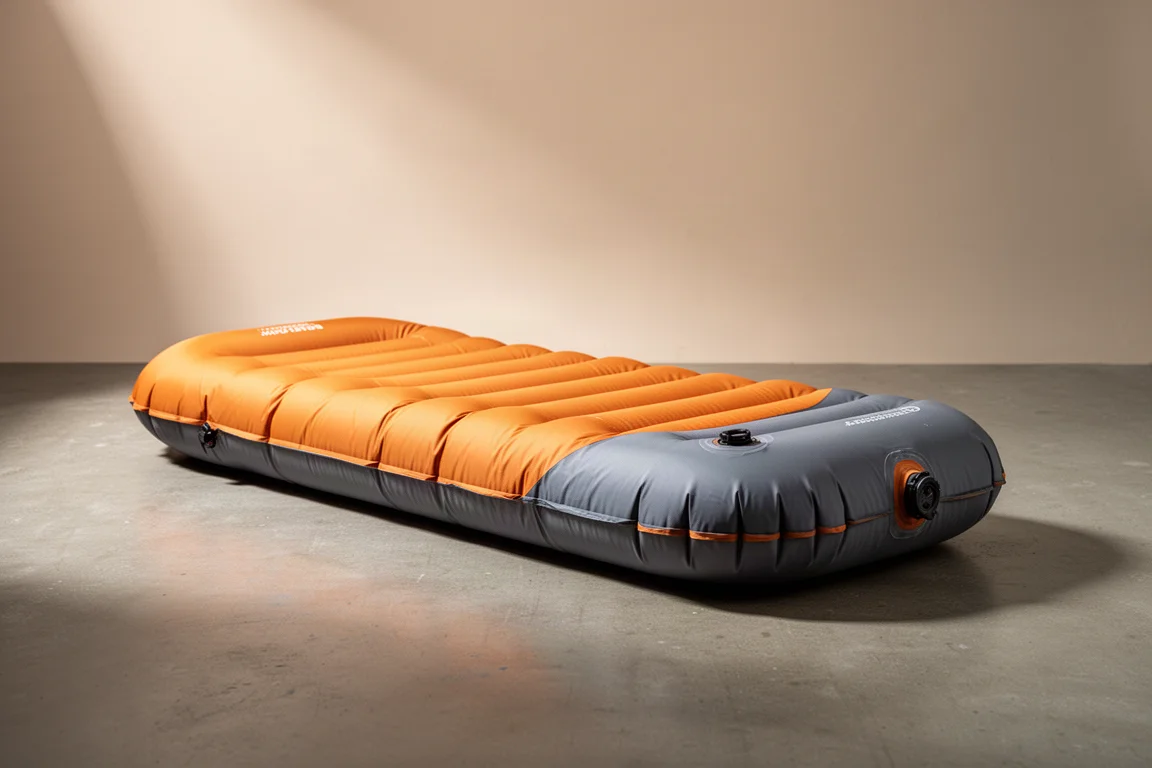
Warmth and Packed Size Compared
Both newer pads have been used in subfreezing conditions on cold ground and stayed warm, which lines up with their ratings: 4.9 for the Helix and 4.8 for the Ionosphere 5. On paper the difference is small, and in practice both behave like genuine three-season pads rather than fair-weather options.

Footprint and packed volume separate them more clearly. The Ionosphere 5 regular is compact on the ground, so a larger size is the safer pick for taller sleepers. The Helix in regular length and wide width gives up a little packed volume in exchange for noticeably more usable surface area, which is a fair trade for anyone who changes position during the night.
Sizing Notes Before You Buy
Sizing is the detail most likely to disappoint. A regular pad from one brand is not the same as a regular pad from another, and the Ionosphere 5 is a clear example: it sleeps smaller than other regular pads, so the large is worth considering if you move around at night. The Helix in regular length and wide width is a good middle ground between weight and room to stretch out.
Buying Advice for Cold Sleepers and Side Sleepers
If you sleep cold or camp outside the summer months, R-value should lead the decision. The Helix at 4.9 and the Ionosphere 5 at 4.8 both qualify, and both pair reflective insulation with structures that limit internal air movement.

Side sleepers should weight baffle design heavily. The dimpled surface of the Helix is the most forgiving on shoulders and hips, while the Ionosphere 5 leans on vertical baffles and raised sides, a layout that keeps arms from going numb and helps you stay centred.
Value is the last filter. The Helix undercuts the Ionosphere 5 at list price and is discounted often, while the Ionosphere 5 still costs less than many pads that sit above $200 and was expected to reach major retailers beyond its initial launch. The Ether Light XT stays the comfort pick for warm-weather trips only.
Conclusion
Rab and REI are pushing the sleeping pad market in a useful direction: warmer ratings, more thoughtful baffle designs, and prices that undercut much of the established competition. The REI Helix is the easiest recommendation for most three-season campers, thanks to its 4.9 R-value, pressure-relieving dimpled surface, and frequent discounts. The Rab Ionosphere 5 is the pick for anyone who prefers vertical baffles and wants strong warmth at a price below many premium pads, provided you size up. The Sea to Summit Ether Light XT remains the most comfortable pad of the three, and the one to choose only if your camping happens in warm weather.
Further reading
Related Reviews
Sleeping Pads
Best Backpacking Sleeping Pads 2026: Nine Pads Rated on Price, Comfort, Warmth, and Weight
Nine backpacking sleeping pads compared on price, comfort, warmth, and weight, from a $65 summer pad to a year-round option rated at R-7.3.
Sleeping Pads
Best Backpacking Sleeping Pads: Comfort, Warmth, and Weight Compared
A practical comparison of the Nemo Quasar 3D, Therm-a-Rest NeoAir XTherm Max, and Big Agnes Rapide SL for backpackers choosing between comfort, warmth, and packed weight.
Sleeping Pads
Best Backpacking Sleeping Pads: Ultralight, Winter, Comfort and Budget Picks
A practical roundup of the sleeping pads that stand out for ultralight weight, winter warmth, pressure relief and value, plus three popular pads that fell short.