Sleeping Bags
Best Three-in-One Sleeping Bag Systems: The North Face One Bag vs Big Agnes Lone Ranger Ultralight
Two modular sleep systems that cover summer through winter with a single purchase, plus the real trade-offs in weight, price, and temperature certification.
Introduction
Choosing a sleeping bag usually comes down to a temperature range. If you mostly camp in summer, a 45°F bag is plenty. If you want to extend trips into spring and fall, a 20°F bag is the safer pick. The harder question is what to do if you also want to camp in winter but only have the budget for one bag.
That is the problem three-in-one sleep systems are built to solve. Instead of owning several bags, you own one layered system that changes rating depending on how you configure it. Two designs stand out right now: The North Face One Bag and the Big Agnes Lone Ranger Ultralight three-in-one sleep system. Both are clever, both have real limitations, and they solve the same problem in noticeably different ways.
How Three-in-One Sleep Systems Work
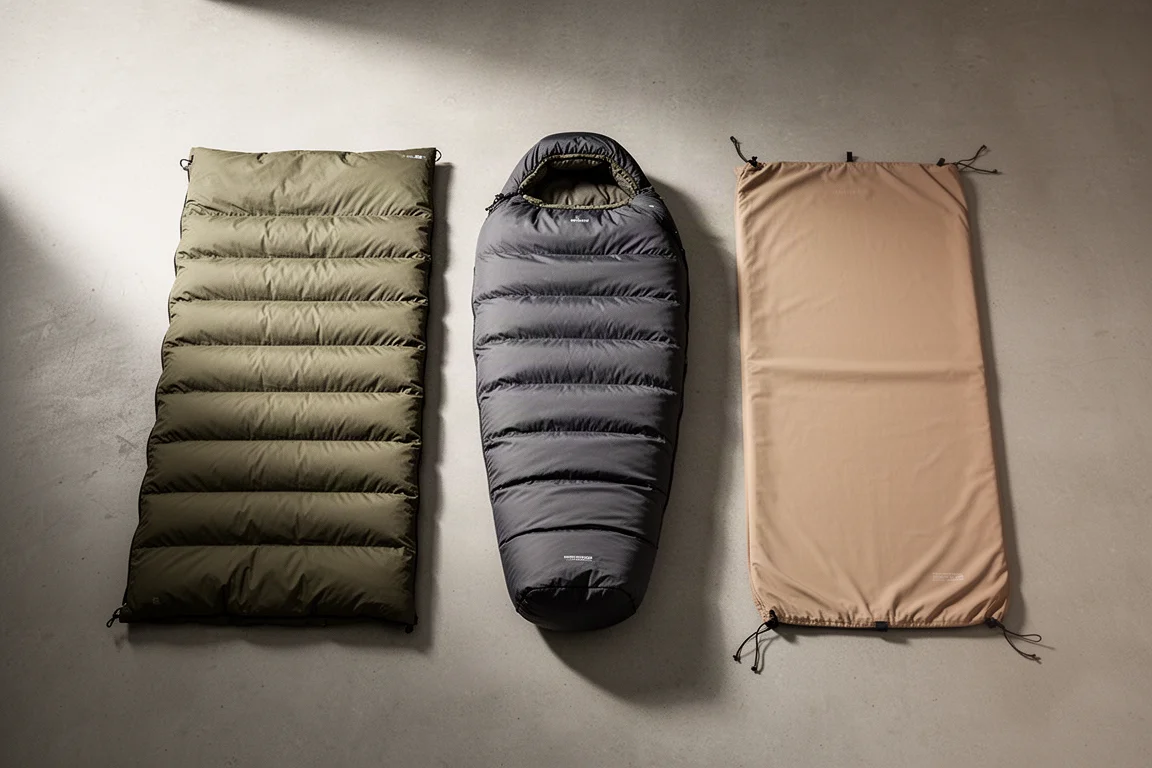
The core idea behind both systems is layering, an approach borrowed from the modular sleep systems originally developed for military use. Rather than treating a sleeping bag as a single fixed object, each system splits insulation into separate pieces that can be combined or removed depending on the forecast.
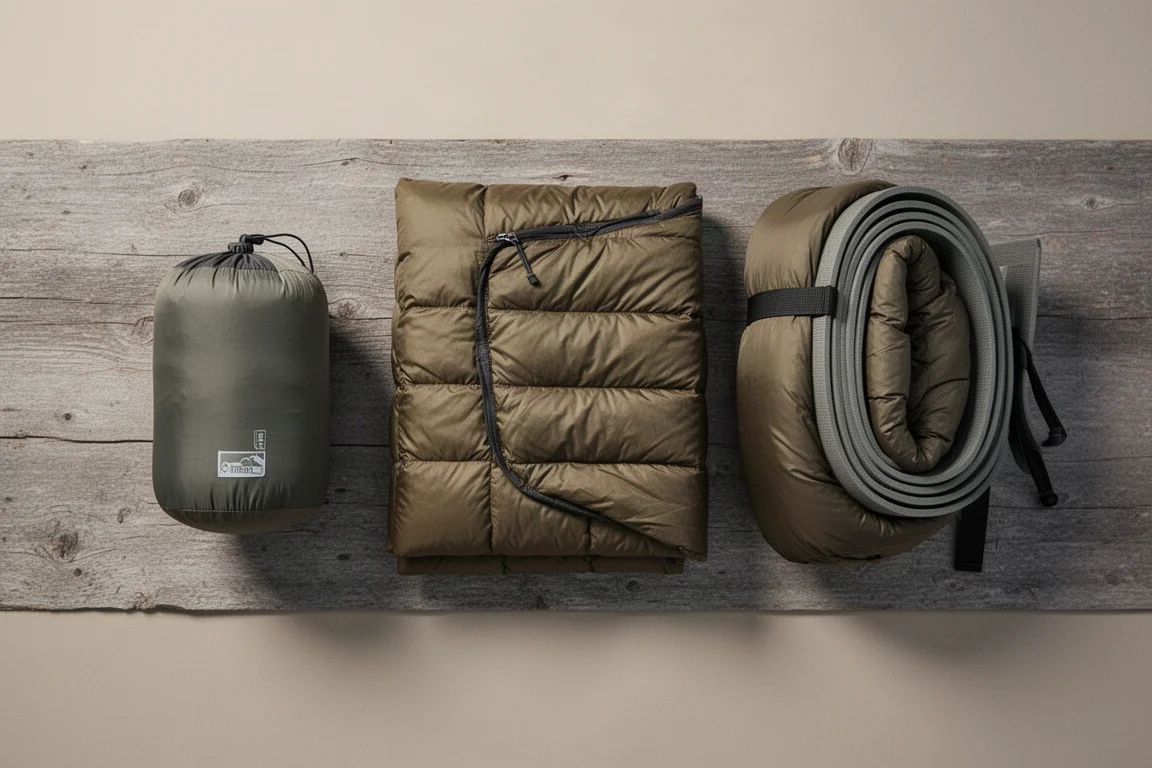
The North Face takes the simpler route. A common thin synthetic base stays with you in every configuration, and you swap insulating layers over it to create a 40°F bag, a 20°F bag, or a combined 5°F bag.
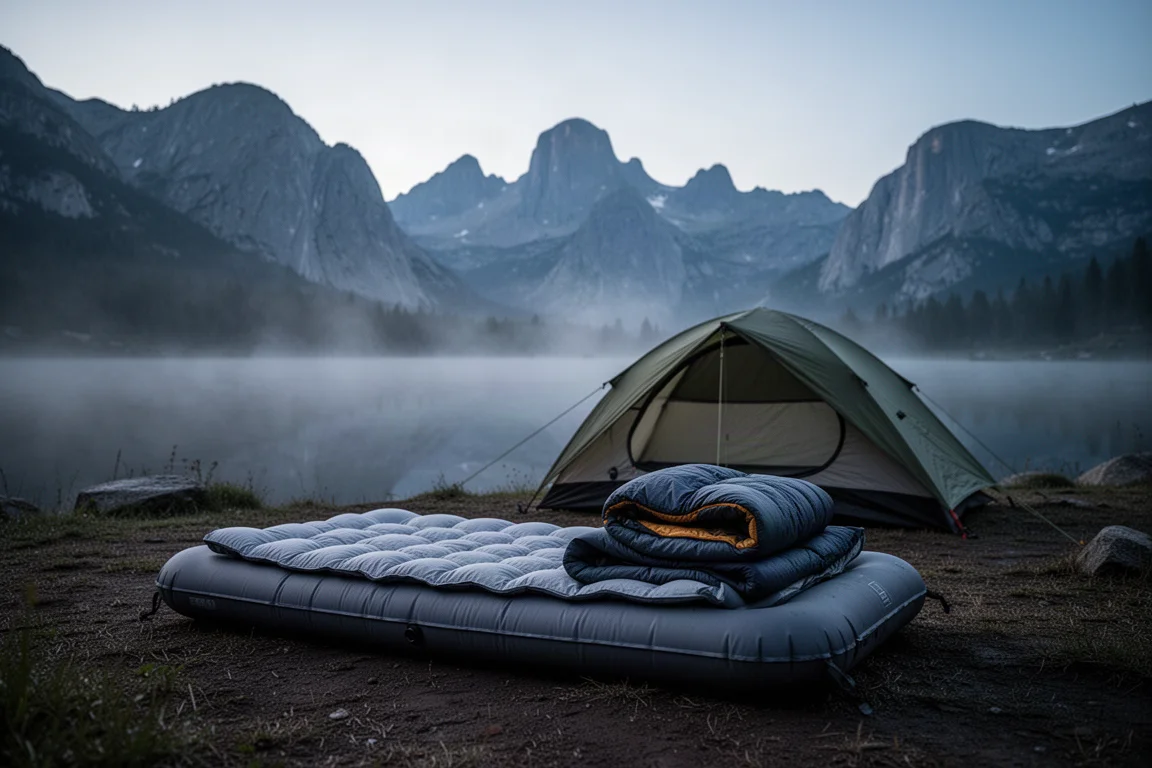
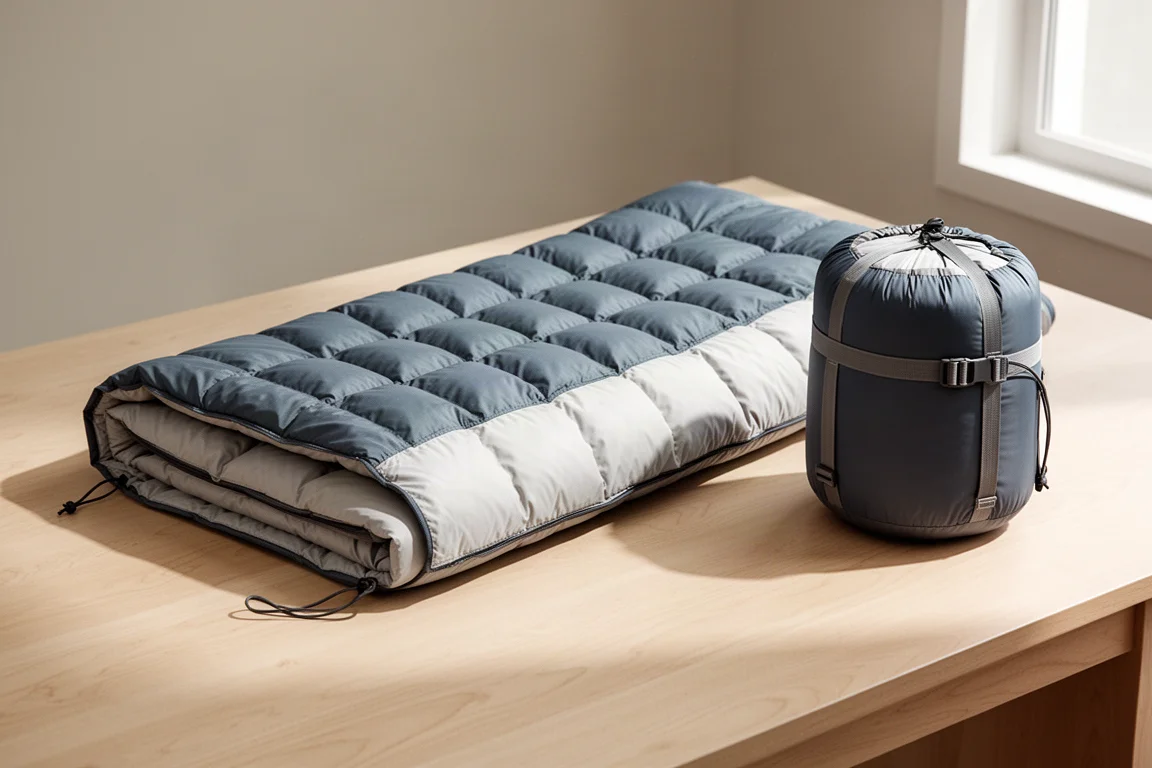
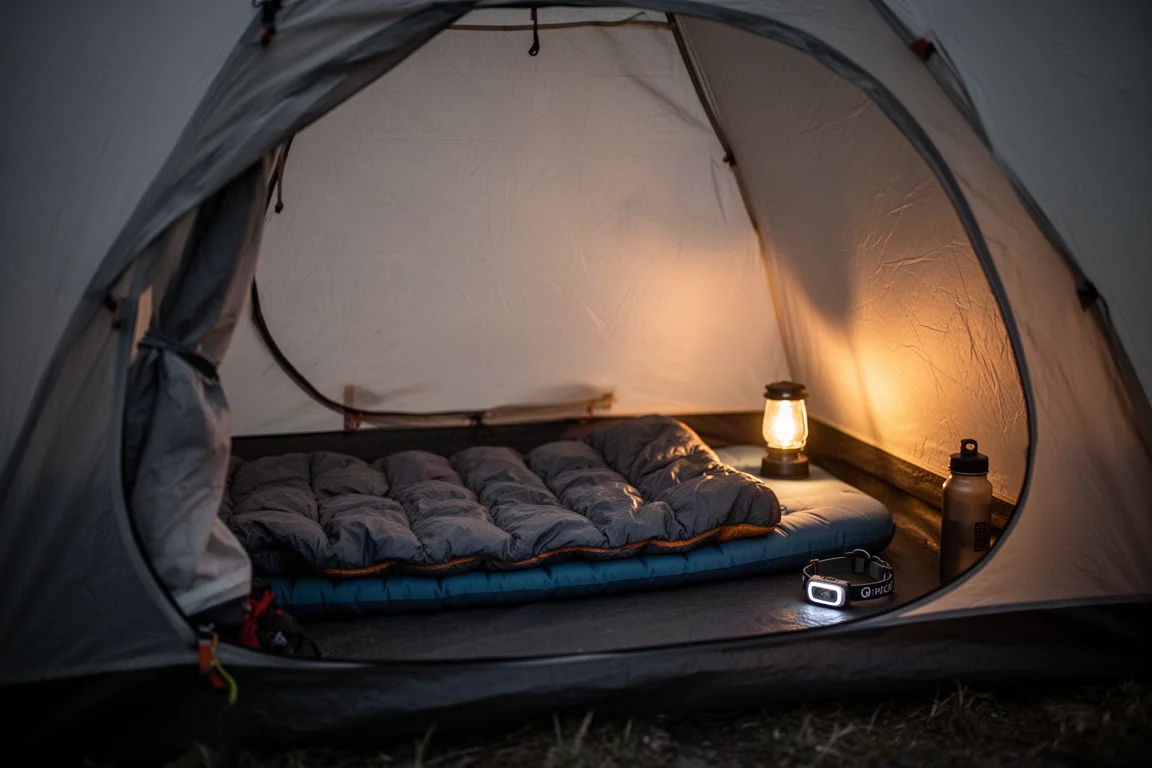
Big Agnes modifies the concept. Instead of a shared base, the system uses a sheet-like attachment that sits over your sleeping pad, similar in spirit to a Zen Bivy sheet. The sheet adjusts to either a 25-inch or a 20-inch pad simply by tightening a drawstring. Sewn onto the top of that sheet is a quilt-like down blanket rated to 45°F, which is a sensible target for summer nights in the mountains. The system also includes a completely separate 20°F sleeping bag that works on its own, or nests inside the 45°F bed to create a 0°F setup.
That versatility is the real appeal. Previously you either bought three separate bags or quilts, or you picked one temperature rating and tried to make it work everywhere. A modular system makes a wider range of conditions accessible without a closet full of gear.
The North Face One Bag: Modular Warmth at a Lower Price
The North Face One Bag delivers three temperature configurations from one purchase, and it is the more affordable way into this category. Its published ratings are also certified in all three configurations, which means you can be reasonably confident about how each setup should perform.
The trade-off is weight. In its lightest 40°F configuration, the One Bag still weighs more than 2 lb. For a 40°F bag, that is heavy, and the reason is structural: the design uses synthetic insulation, which is heavier than down, and it also makes you carry the zippers and hardware for the 20°F layer even when that layer is not attached. In practice, removing layers does not save as much weight as you would expect.
The rest of the lineup follows the same pattern. In 20°F mode the bag weighs a little more than 2.5 lb, and in the combined 5°F configuration it comes in at a little over 3.5 lb. There is also a gap between the marketing and the paperwork: the published ISO certificate indicates the bag will feel cold at 8°F in its coldest configuration, which is a more cautious figure than the 5°F rating on the label.
Big Agnes Lone Ranger Ultralight: Lighter Layers and More Flexibility
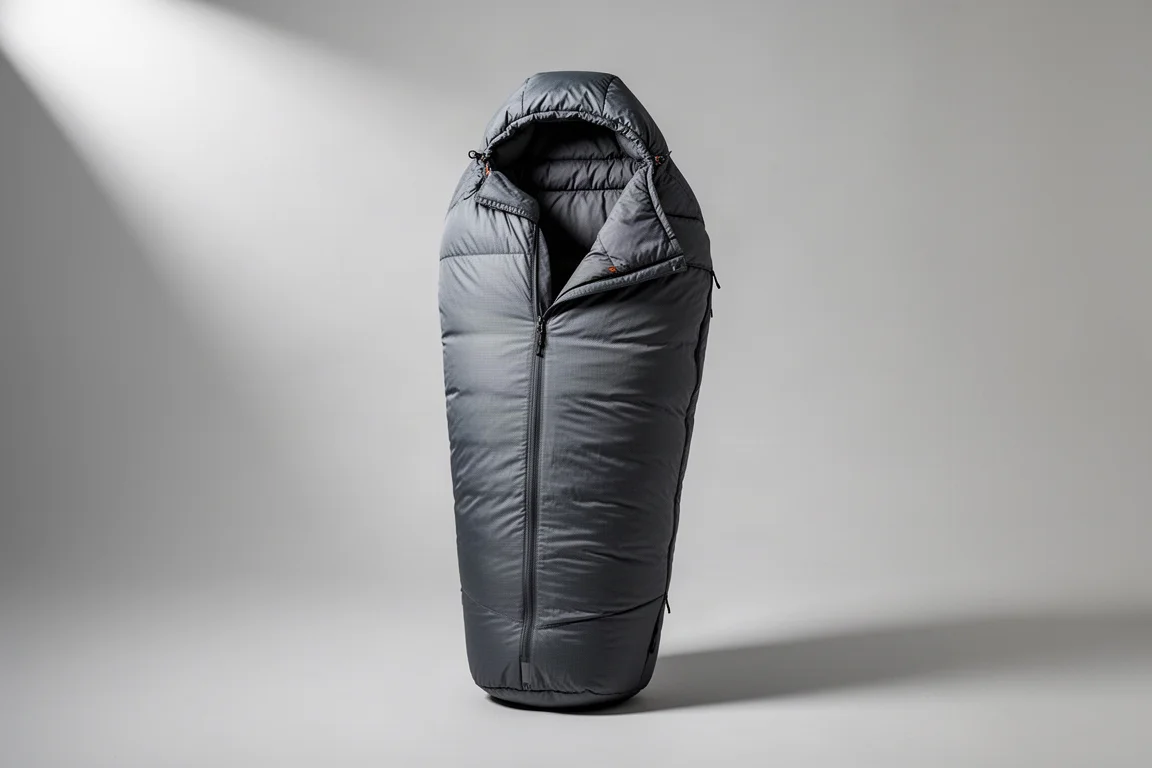
The Lone Ranger Ultralight takes the same layering concept and pushes it in a lighter, more flexible direction. All of its layers use lightweight down rather than synthetic fill, and the warmest configuration eliminates insulation on the back entirely. That is a deliberate choice, because insulation compressed under your body cannot keep you warm anyway, so leaving it out saves both weight and bulk.
The numbers reflect that thinking. Running just the 45°F quilt layer, you carry about 1 1/4 lb. The included 20°F bag weighs less than 2 lb on its own. In the combined 0°F configuration the system comes in around 3 1/4 lb, and that figure is for the long version, which is naturally heavier than the regular size.
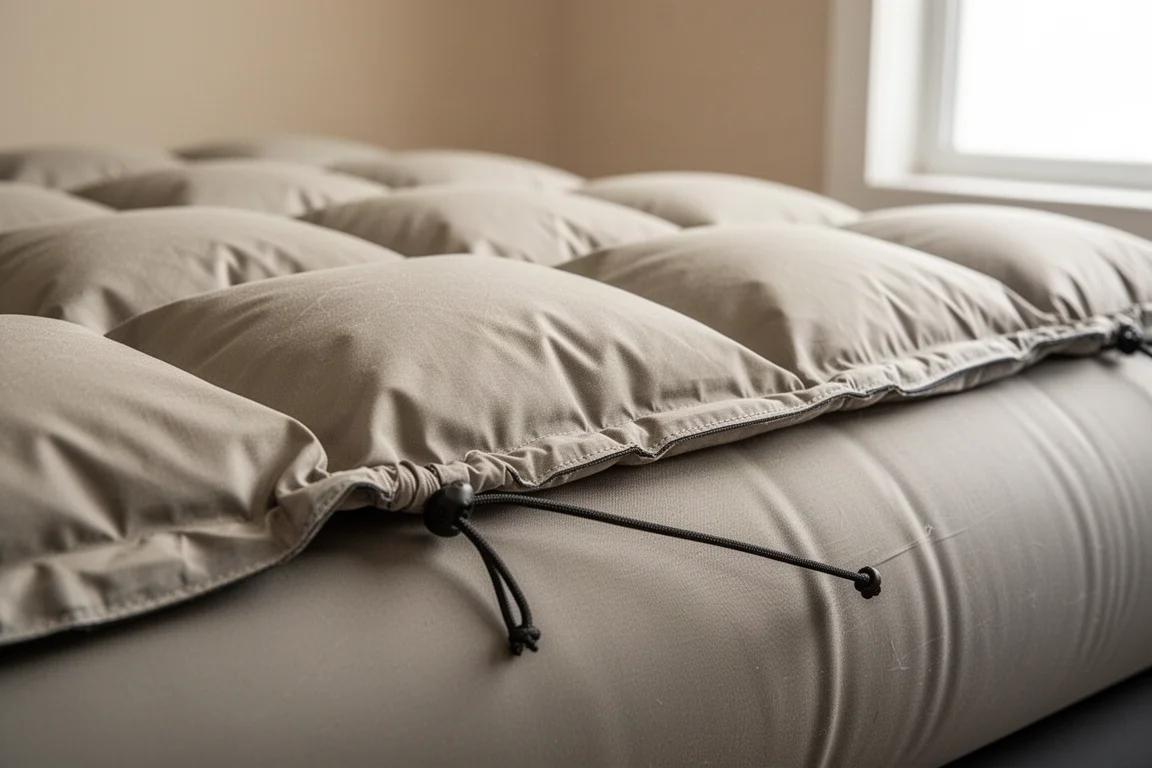
Big Agnes also built both layers to function as standalone sleeping bags. That means you can hand the top layer to a friend and the bottom layer still works as a complete bag, something the North Face design does not allow.
There are two meaningful drawbacks. The first is price: the long ultralight 0°F system runs close to $650 for the complete setup, more than twice the cost of The North Face One Bag. For roughly the same money you could buy two or more dedicated sleeping bags with very little compromise, which undercuts the main reason to buy a modular system in the first place. Big Agnes does offer other versions, including a 15°F ultralight system, a non-ultralight three-in-one system, and a women’s specific three-in-one system, each at a different price.
The second drawback is certification. Only the coldest configuration carries a certified rating, so the 20°F bag used alone and the 45°F layer used alone rely on the brand’s own judgment rather than independent verification. The published ISO certificate for the coldest configuration indicates the system will feel cold at 4°F rather than the marketed 0°F. The top layer also uses a sewn-through construction, which can create cold spots even when there is enough insulation, though that is rarely a problem on a summer-rated layer.
Temperature Ratings: What the Certifications Actually Cover
Temperature ratings are the part of this category that rewards a little caution. The North Face certified its ratings in all three configurations, so you have a consistent reference point for the 40°F, 20°F, and combined 5°F setups.
Big Agnes certified only the coldest configuration. You can have the same level of confidence at the bottom of the range, but the individual layers are less certain on their own.
Both brands also present their headline numbers a little more optimistically than their own published certificates suggest. The Big Agnes system is marketed as a 0°F setup while its certificate points to feeling cold at 4°F, and The North Face One Bag is marketed at 5°F while its certificate points to feeling cold at 8°F. Measuring loft at home can give you a better sense of whether a rating is realistic, but loft alone does not account for construction details such as sewn-through versus box baffle design.
Weight, Warmth, and Price Compared
Put the two systems side by side and the priorities become clear.
In the warmest single layer, Big Agnes asks you to carry about 1 1/4 lb for its 45°F configuration, while The North Face asks for more than 2 lb in its 40°F configuration. At the mid rating, the included Big Agnes 20°F bag is under 2 lb, while the One Bag sits a little above 2.5 lb in 20°F mode. At the cold end, Big Agnes reaches 0°F at roughly 3 1/4 lb, and The North Face reaches 5°F at a little over 3.5 lb.
Those last two figures deserve context. The Big Agnes weight is for the long version while the North Face weight is for the regular size, so a like-for-like comparison of regular sizes would favour Big Agnes by a wider margin. On weight, the Lone Ranger Ultralight wins in every configuration. On price and on certified ratings across the full range, The North Face One Bag wins.
A Lower-Cost Alternative: Layering Two Quilts
You do not need to buy either system to get most of the benefit. Backpackers have layered quilts for years, and doing it yourself is often cheaper and more versatile.
A 20°F quilt and a 40°F quilt, purchased together for roughly the cost of the Big Agnes system, give you two quilts that each perform well at their own rating and can be combined when the temperature drops. Layered together, a 20°F and a 40°F quilt insulate down to about -10°F. Two 20°F quilts layered together reach roughly -20°F.
Three practical notes before you try it. Do not attempt this with sleeping bags, because the narrow confines of a bag crush the insulation of the inner bag and reduce its warmth. Make sure your sleeping pad is rated for the same cold as your combined quilts. And order the quilt you plan to use on top slightly wider, so it covers all the way to the edge of the bottom quilt.
Buying Advice
Choose The North Face One Bag if budget matters most and you want certified ratings in every configuration. It is the cheaper entry into modular sleeping, it covers 40°F, 20°F, and a combined 5°F setup, and its limitations are mostly about carried weight rather than capability. Riders of shoulder seasons and mild winter nights will find it works well, provided you accept that the lightest configuration is still over 2 lb.
Choose the Big Agnes Lone Ranger Ultralight if weight and flexibility matter more than price. It is lighter in every configuration, its layers double as standalone bags, and its pad sheet adapts to both 25-inch and 20-inch pads. Just go in with clear expectations: it costs close to $650 in the long ultralight 0°F version, only the coldest configuration is certified, and the marketed ratings for both systems are a touch more optimistic than their published certificates.
If neither price feels right, the two-quilt approach delivers comparable warmth for similar or lower cost, at the expense of a slightly less integrated setup.
Conclusion
Three-in-one sleep systems are a genuinely useful idea, and both of these designs show why the category is worth watching. The North Face One Bag makes modular sleeping affordable and backs its ratings with certification in all three configurations, at the cost of weight. The Big Agnes Lone Ranger Ultralight is lighter and more flexible, with layers that work independently, but it asks for roughly twice the money and certifies only its coldest setting. Match the system to the trips you actually take, and either one can replace a shelf full of bags.
Further reading
Related Reviews
Sleeping Bags
Best Down Sleeping Bags Under $300: Four Backpacking Options Worth a Look
Four down sleeping bags that stay under $300, compared on fill power, baffle design, hood comfort, and packed size.
Sleeping Bags
Best Sleeping Bags and Sleep Systems: Five Premium Down Picks Compared
Five premium down sleeping bags and sleep systems compared on warmth, weight, construction, and value.
Sleeping Bags
Big Agnes Lost Ranger UL 3-in-1 Sleeping Bag System Review: One Bag, Three Setups
A practical look at the Big Agnes Lost Ranger UL 3-in-1 Sleeping Bag System, covering how the three configurations work, where it shines, and the details worth weighing before buying.