Sleeping Pads
Best Thick Sleeping Pads 2026: Four Ultra-Comfort Backcountry Pads Compared
A side-by-side comparison of four thick, comfort-focused sleeping pads, covering pressure relief, stability, warmth and value.
Introduction
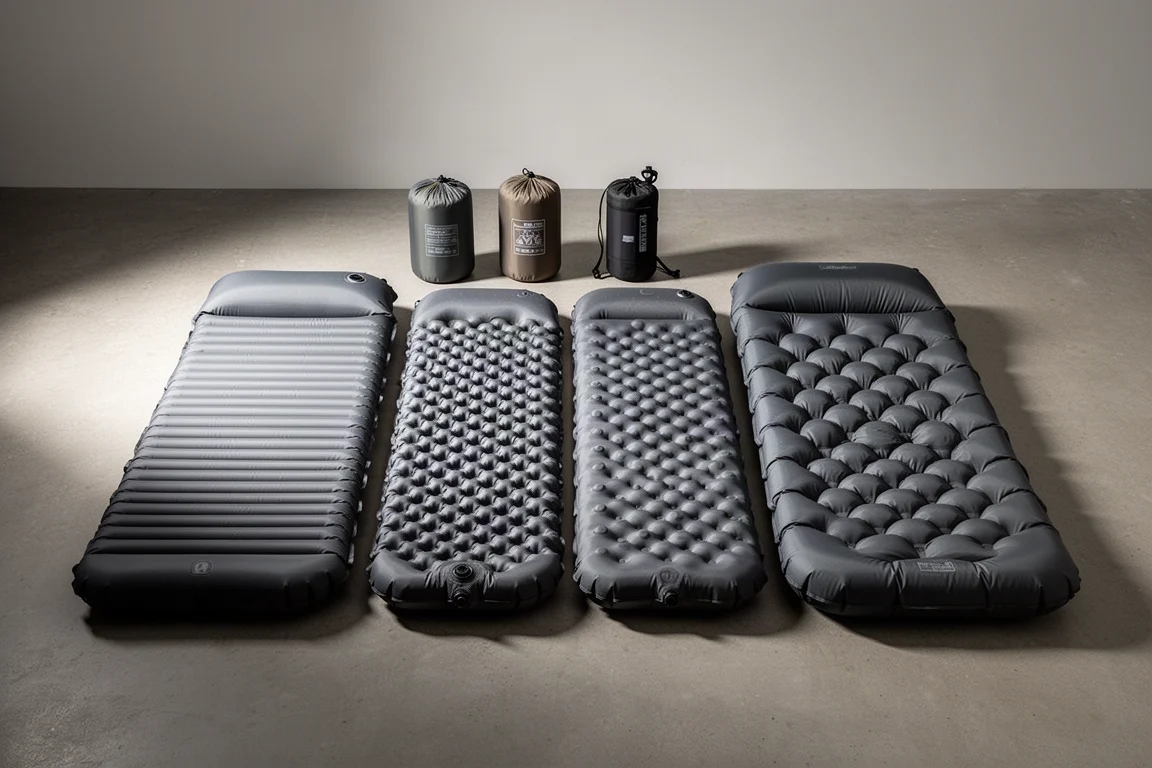
Sleeping pad comfort has moved quickly in the last few years. The thickest, plushest backpacking pads now come close to a mattress at home, and the four pads in this comparison sit at the very front of that trend. The Therm-a-Rest NeoLoft, the Sea to Summit Ether Light XR, the Nature Hike NKTR 8.8 and the Big Agnes Campmeister Deluxe are all recent releases, and they are rarely put head to head.
Each one promises the most comfortable night available in the backcountry. This comparison focuses on the two factors that decide whether you actually wake up rested: pressure relief and stability. Warmth matters just as much, but mild conditions made it impossible to measure properly. All four pads have been used in temperatures down to freezing and stayed warm enough for a comfortable night.
Below is how each pad performed, what it costs, who it suits, and where the compromises sit.
How These Pads Were Evaluated
All four pads were inflated to roughly 70 percent of their full capacity, which turned out to be the sweet spot for each of them. None became meaningfully more comfortable with more air, and releasing a little air added cushioning while reducing effective warmth.
Pressure relief was judged on two things working together: how stretchy the top surface feels, and how the baffle design supports it. A numb arm while side sleeping, or constant shifting while lying on your back, are the clearest signs that a pad is not relieving pressure well.
Stability was judged by edge support and by how much a pad behaves like a balloon when you change position. For anyone who moves around a lot at night, stability can matter more than pressure relief.
Therm-a-Rest NeoLoft: Best Pressure Relief
The NeoLoft is the thickest pad in this group at 4.6 inches, 26 inches wide, 833 g in the regular wide, and priced at $250. It pairs a stretchy top surface with insulation rated at an R value of 4.7 that performs well below freezing.
It delivered the best pressure relief of the four. The stretchiness of the top surface combined with the extra thickness makes a bigger difference than baffle shape alone. Horizontal baffles have historically caused arm numbness for side sleepers, but that was not the case here.
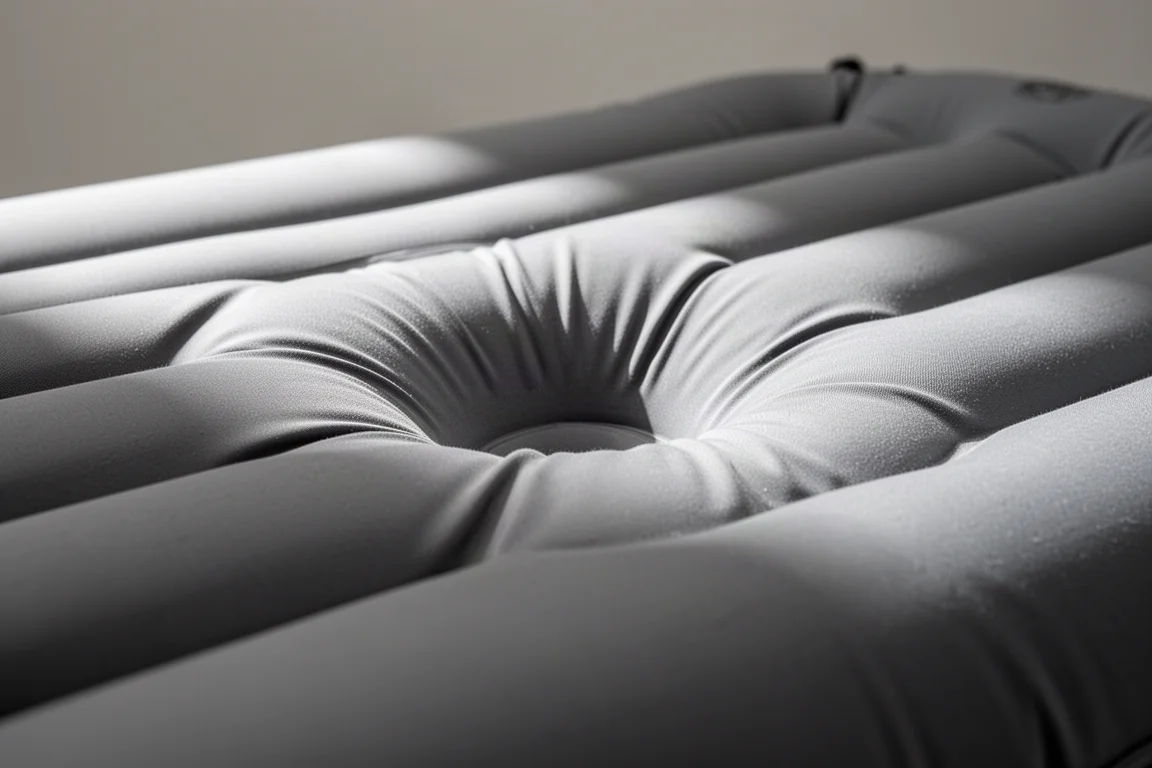
The trade-off is stability. The NeoLoft sits at the bottom of the group for edge support: near the sides it feels as though you could roll off, and at lower inflation you might actually do so. It also moves more like a balloon than the other three when you shift position.
Sea to Summit Ether Light XR: The Well-Rounded Option
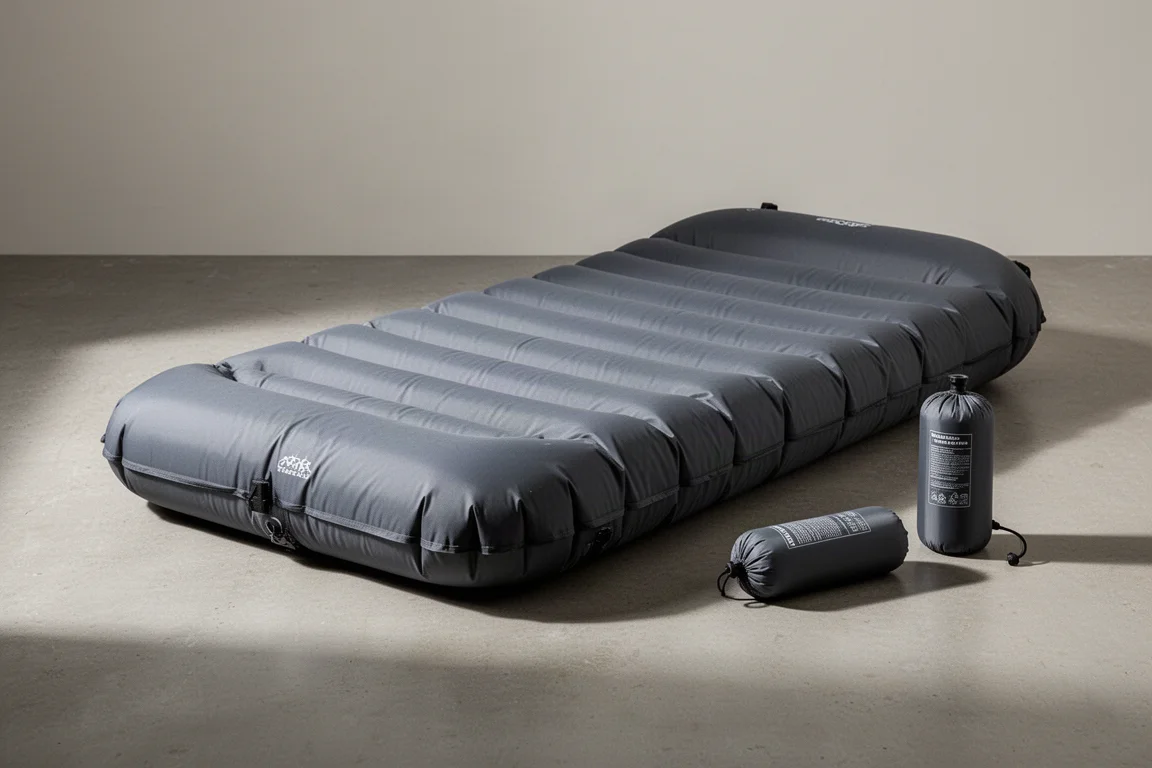
The Ether Light XR costs $240 and weighs 625 g in the regular wide. It is 4 inches thick, 25 inches wide, and carries an R value of 4.1. It builds on the Ether Light XT, one of the first pads to use a dimpled baffling system and a design that pushed comfort even when it cost some weight.
The XR introduces a new insulation type, drops a little weight, and is noticeably warmer than the XT, which was that pad’s biggest weakness.
Pressure relief ranked last of the four. The dimpled baffling remains one of the best systems available, but the materials and structure carry over from a design that is now around five years old, and the top surface is the stiffest and firmest here. It is still comfortable, just not as pressure-relieving as the newer pads.
Stability is where it shines. It ties for the best edge support of the group, the full width is usable, and it feels solid when you change position.
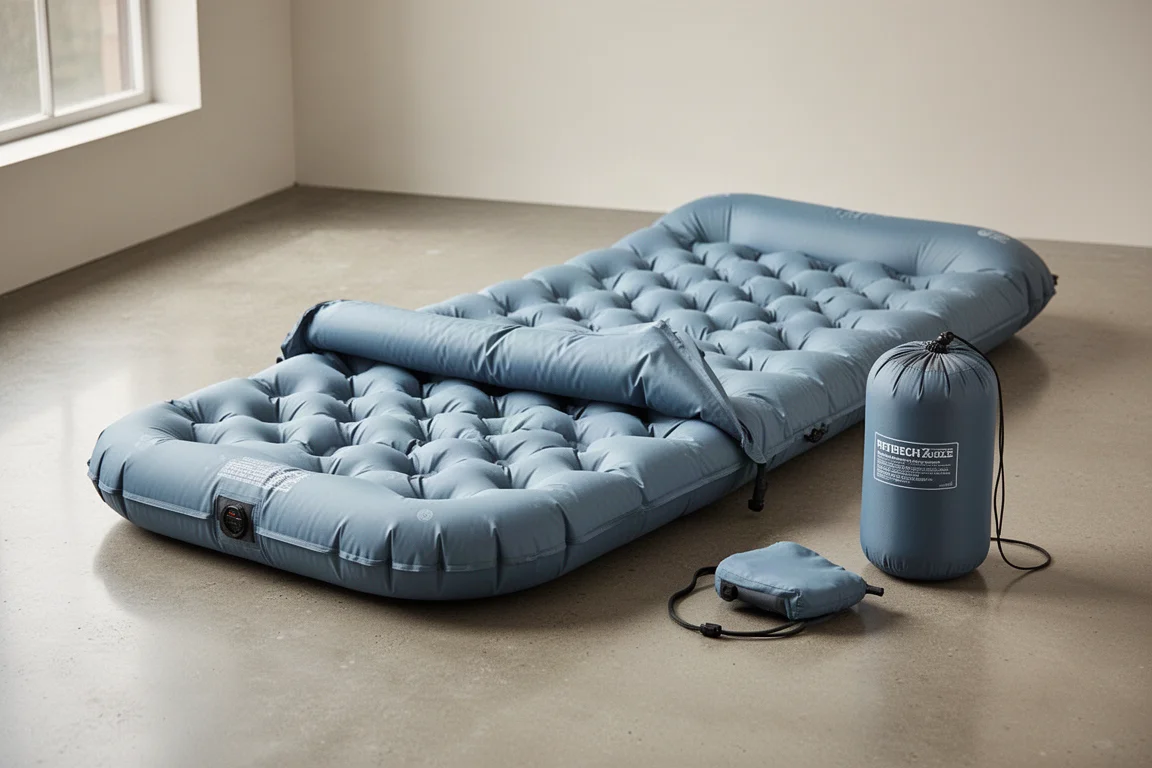
Nature Hike NKTR 8.8: Best Value
At $115, the NKTR 8.8 costs roughly half as much as the other three. It weighs 657 g in the long wide, measures 4.3 inches thick and 24 inches wide, and is built around the same broad baffle approach as the Ether Light XR.
The claimed R value of 8.8 is where expectations need tempering. Real-world warmth lands closer to the NeoLoft’s 4.7 and stays comfortable down to around freezing, which is more than enough for most trips.
Pressure relief ranked third. The baffling uses smaller raised areas with less travel than the Ether Light XR, which reduces pressure relief, but a top surface with a little more give helps make up the difference.
Stability is good, with full usable width and dependable edge support, though it feels a little more like a balloon than the Ether Light XR or the Campmeister when you move around. The valve works well and the pad feels well made overall. The open question is long-term durability, since there is not much field data on how it holds up over many nights.
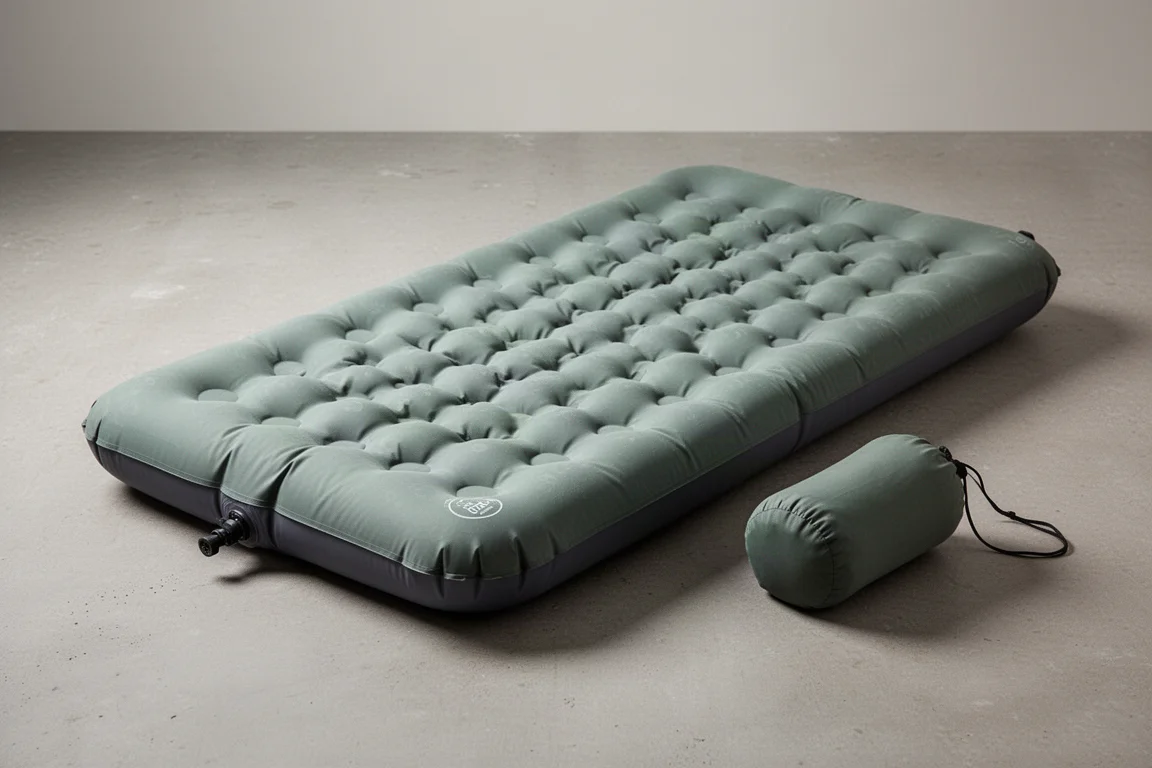
Big Agnes Campmeister Deluxe: The Widest Option
The Campmeister Deluxe is the most expensive pad here at $300, and the heaviest at 1,228 g in the long extra wide. It measures 30 inches wide and 3.5 inches thick, with an R value of 7, and it builds on the now discontinued Boundary Deluxe.
Width is the headline. At 30 inches it is the widest pad in this comparison and one of the few extra-wide pads you can realistically carry backpacking. Pressure relief ranked second, thanks to a modified dimpled baffling system and a top surface with good give that makes for a supportive feel.
Stability ties for best in the group: you can use the full width, and it stays solid when you shift position. The catch is thickness. It is the thinnest pad of the four, so heavier sleepers may bottom out. For a larger person, or anyone who wants more room to spread out, it may be the only option that fits the brief.
Buying Advice: Which Pad Fits Your Sleep Style
Choose the NeoLoft if pressure relief and cushioning come first. Choose the Campmeister Deluxe if width is the priority, since it is the only genuinely extra-wide option here. Choose the Nature Hike NKTR 8.8 if value matters most and you can accept a more modest real-world warmth figure. Choose the Ether Light XR if you want a single balanced pad that handles most trips without drama.
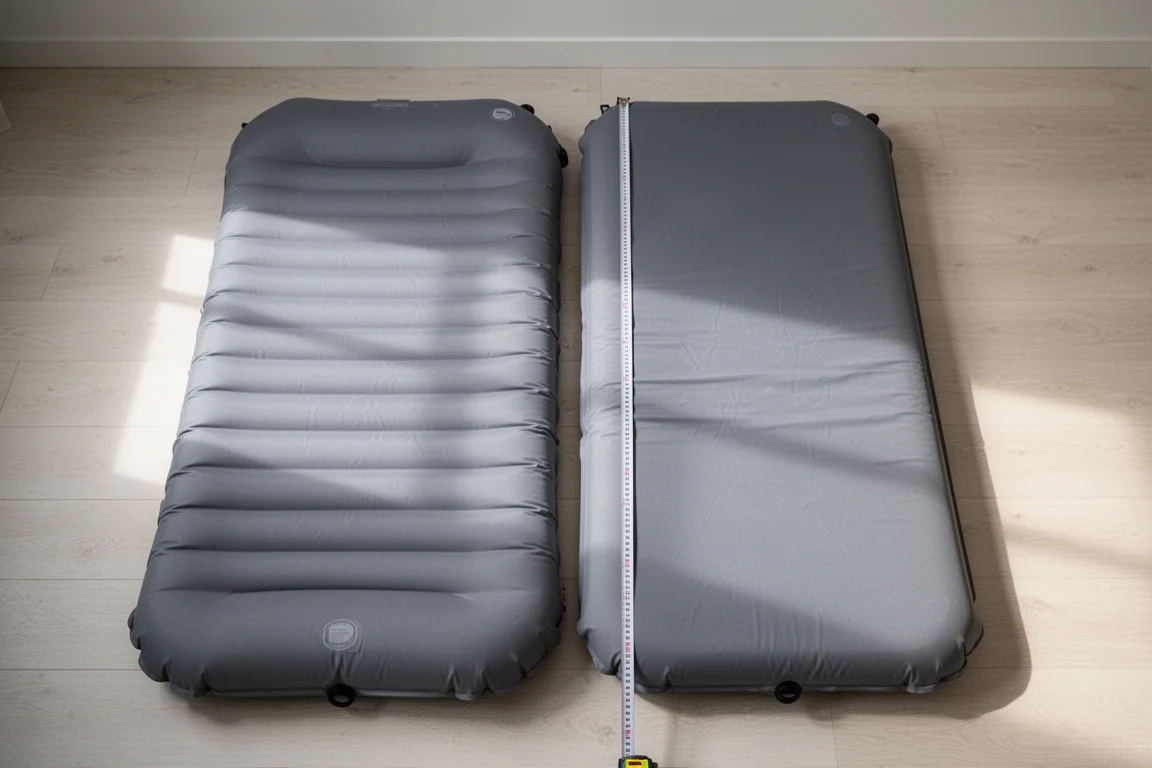
Two practical notes before you commit. Inflating to around 70 percent of full capacity was the sweet spot for all four pads, and letting out a little more air adds cushioning at the cost of warmth. And if you move around a lot at night, weigh stability as heavily as pressure relief, because the two do not always arrive together.
Pads that match this level of comfort are rare, and most alternatives are noticeably thinner.
Conclusion
All four of these pads are genuinely comfortable, and the differences between them come down to priorities rather than quality. The NeoLoft leads on pressure relief and thickness. The Campmeister Deluxe is the only truly wide option and stays solid at the edges. The Nature Hike NKTR 8.8 delivers most of the comfort for about half the price. The Ether Light XR is the all-rounder, and its improved warmth over the pad it replaces is a real step forward.
Match the pad to how you sleep: cushioning and thickness for side sleepers who feel pressure points, width and stability for restless sleepers, and price for anyone building a kit on a budget. Any of the four will make a backcountry night considerably more comfortable than a thin, older pad.
Further reading
Related Reviews
Sleeping Pads
Best Backpacking Sleeping Pads 2026: Nine Pads Rated on Price, Comfort, Warmth, and Weight
Nine backpacking sleeping pads compared on price, comfort, warmth, and weight, from a $65 summer pad to a year-round option rated at R-7.3.
Sleeping Pads
Best Backpacking Sleeping Pads: Comfort, Warmth, and Weight Compared
A practical comparison of the Nemo Quasar 3D, Therm-a-Rest NeoAir XTherm Max, and Big Agnes Rapide SL for backpackers choosing between comfort, warmth, and packed weight.
Sleeping Pads
Best Backpacking Sleeping Pads: Ultralight, Winter, Comfort and Budget Picks
A practical roundup of the sleeping pads that stand out for ultralight weight, winter warmth, pressure relief and value, plus three popular pads that fell short.