Astrophotography
Best Telescope Mounts for Astrophotography: Strain Wave Drives and Proven Workhorses
From the ZWO AM5 to the Sky-Watcher Wave 150i, a look at the equatorial mounts astrophotographers are choosing for faster setups and travel-friendly imaging.
Introduction
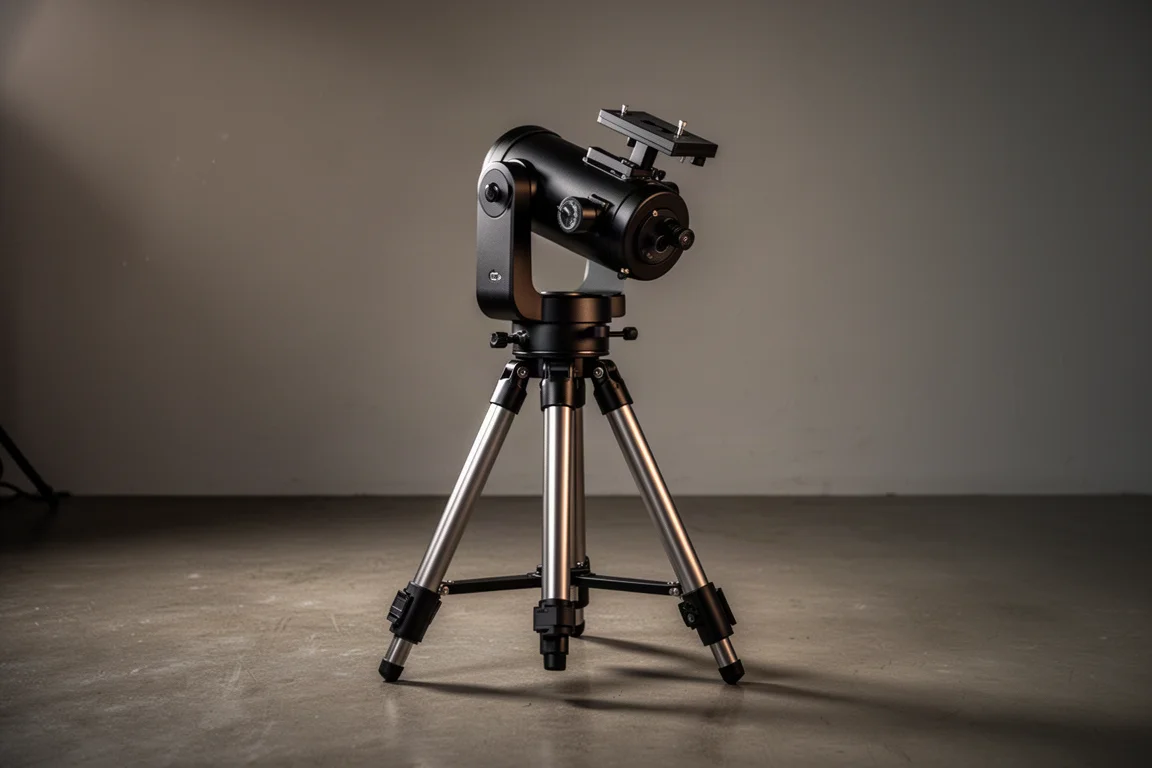
Your telescope mount is the cornerstone of any deep sky astrophotography setup. It tracks the apparent motion of the night sky so you can shoot long exposures, and it is one of the first pieces of equipment worth investing in properly.
In recent seasons, a new category has reshaped the market: strain wave drive mounts. These compact, counterweight-free heads have won over a huge share of the amateur community, and nearly every major manufacturer now offers one. Here is how the leading options compare.
Why Strain Wave Drive Mounts Took Over
Strain wave gearing replaces the worm gears of a traditional German equatorial mount. The result is a mount that can operate without counterweights while still handling moderately sized loads, with little to no backlash.
They are not more accurate trackers than traditional equatorial mounts, and in some cases slightly worse, but with autoguiding this becomes a non-issue for most imagers today. What you gain is faster setup, less total weight, and genuine portability, and those are two huge elements of this hobby where clear skies demand you react quickly.
The Community Favorite: ZWO AM5
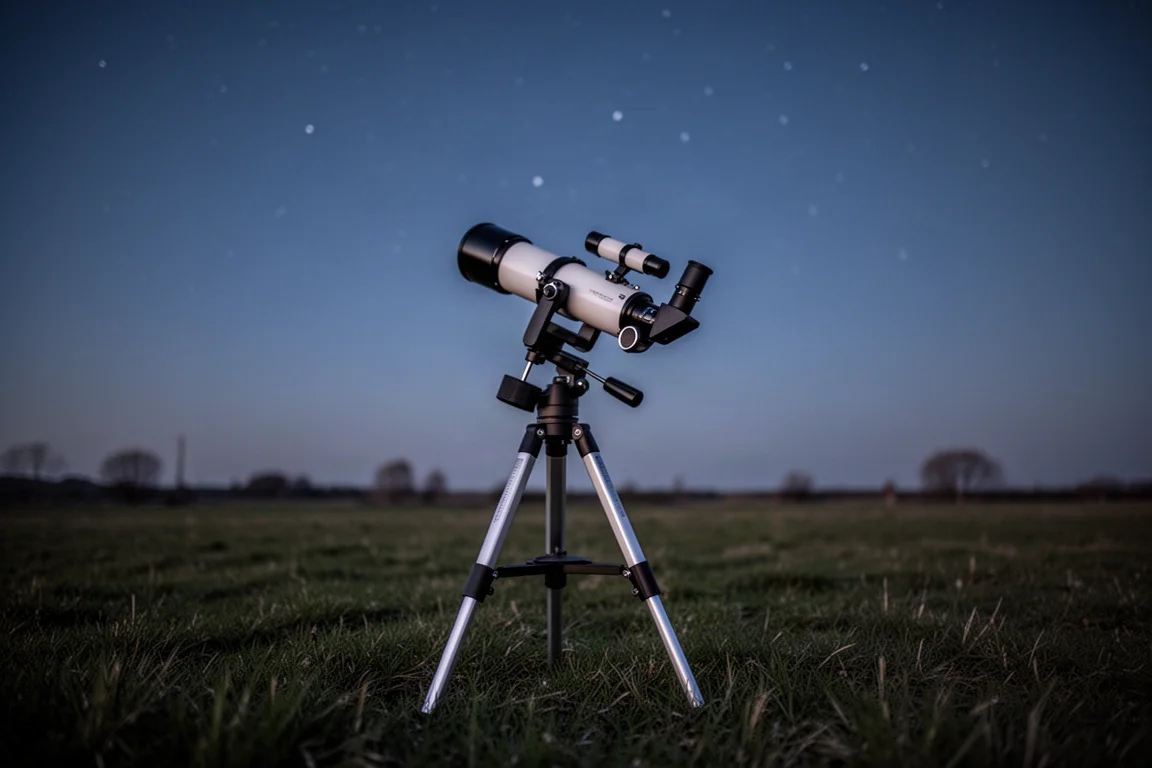
The ZWO AM5 is the mount that put strain wave drives on the map, and it is easy to see why. It handles payloads up to 28 lbs without a counterweight, polar aligns quickly with the ASIAIR tool, and packs down small enough to travel in a personal item bag on an airplane. It has already flown to star parties in Oklahoma and Florida.
The official documentation lists a maximum practical focal length of 900 mm, though many users successfully run larger telescopes on it. In practice, it has delivered spot-on tracking with refractors in the 500 to 800 mm range, producing images with clean, round stars.
The Lighter Sibling: ZWO AM3
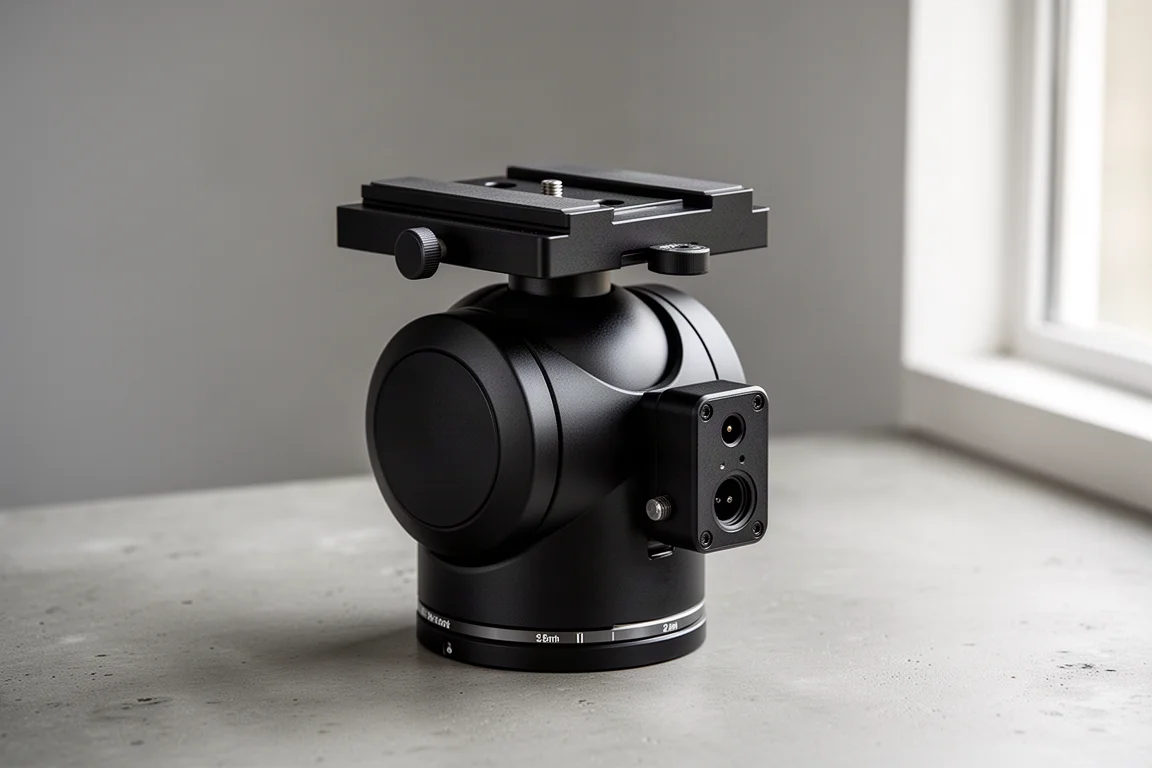
The ZWO AM3 shares the same strain wave philosophy in a smaller, lighter package suited to more compact refractors and travel rigs. It has produced some genuinely excellent images and remains a reliable recommendation for anyone building a portable deep sky setup.
Alternatives in the Same Class: iOptron and Pegasus Astro
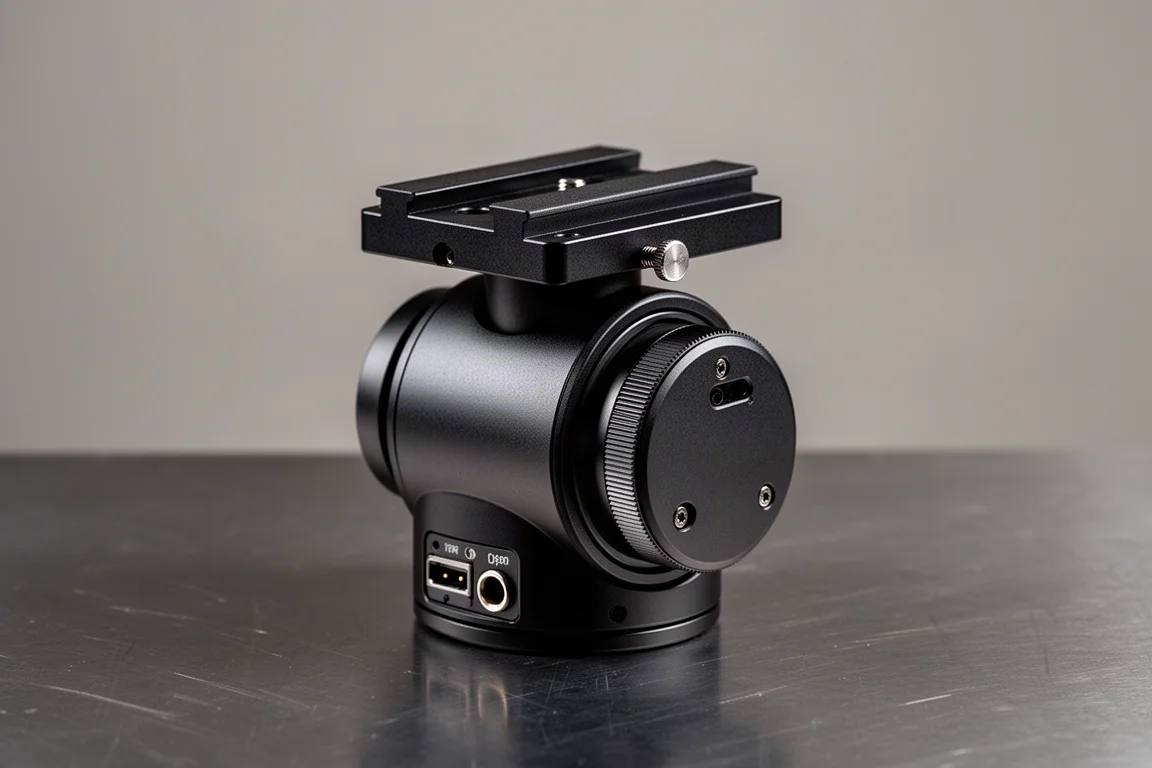
The AM5 is not the only strain wave option. The iOptron HAE29 goes head-to-head with it, offering the same 28 lb payload capacity in a package that weighs only 8 lbs. It can be controlled from imaging software like N.I.N.A. on a mini PC or laptop if the ASIAIR experience is not for you.
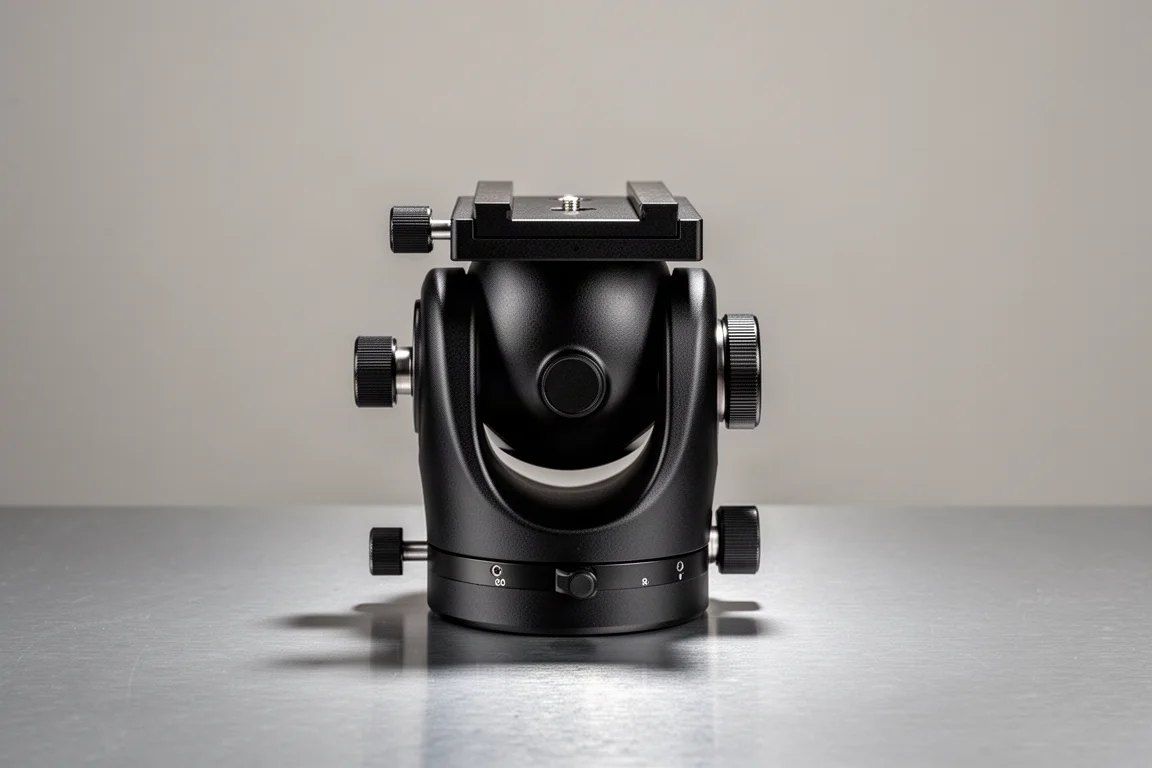
Step up a class and the iOptron HAE43 matches the Pegasus Astro NYX-101 tier, offering more payload headroom for heavier optical tubes.
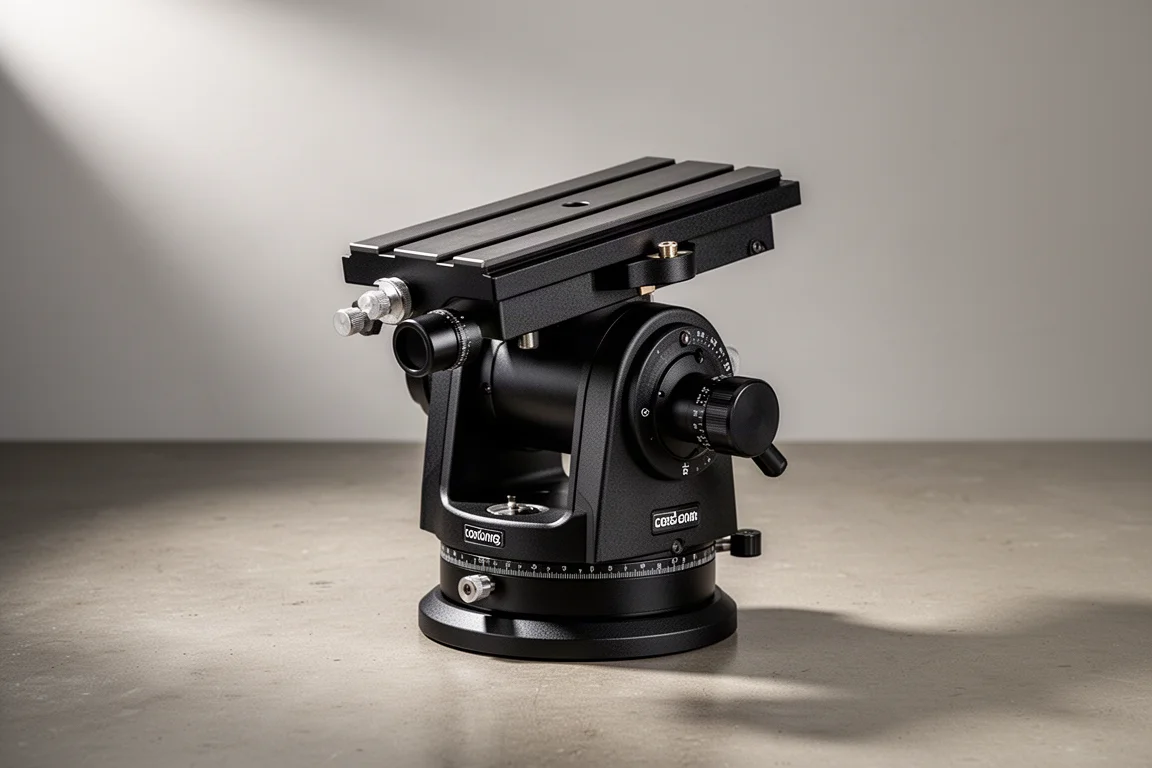
The Pegasus Astro NYX-101 sits in a class above the AM5 with a maximum payload of 44 lbs without counterweights, at a correspondingly higher price. For imagers planning to grow into larger refractors or compact SCTs, that extra capacity is worth considering.
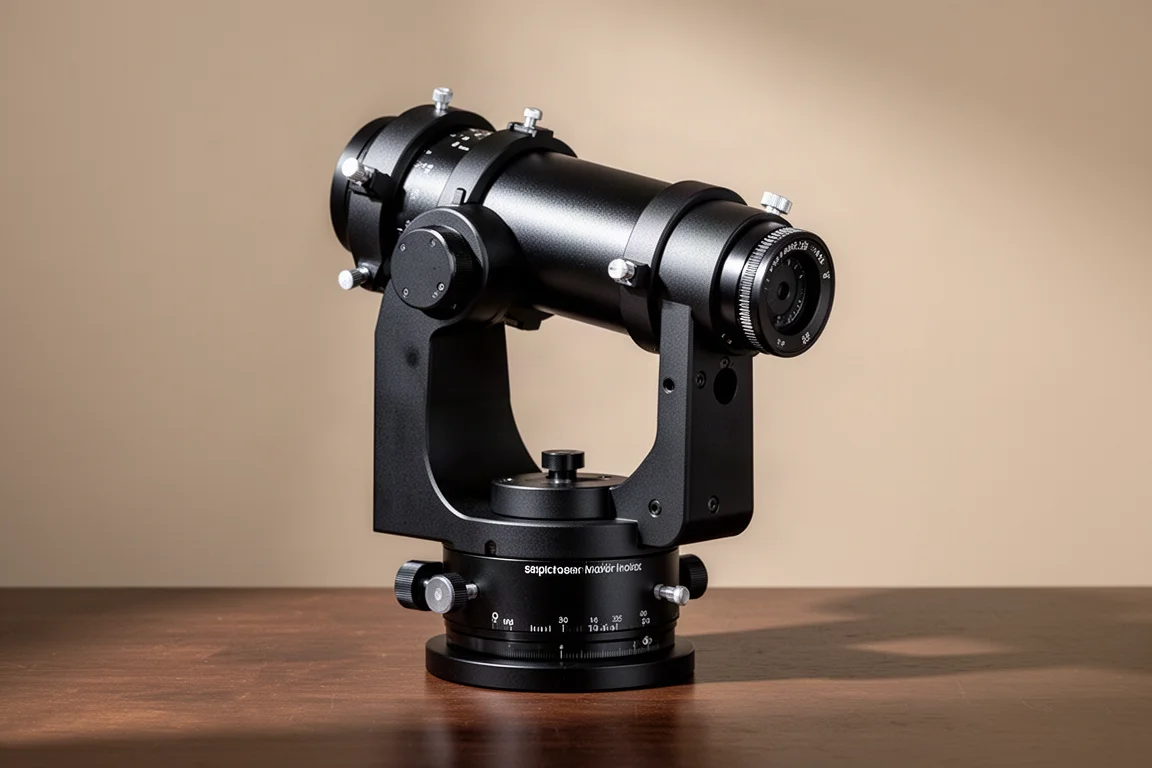
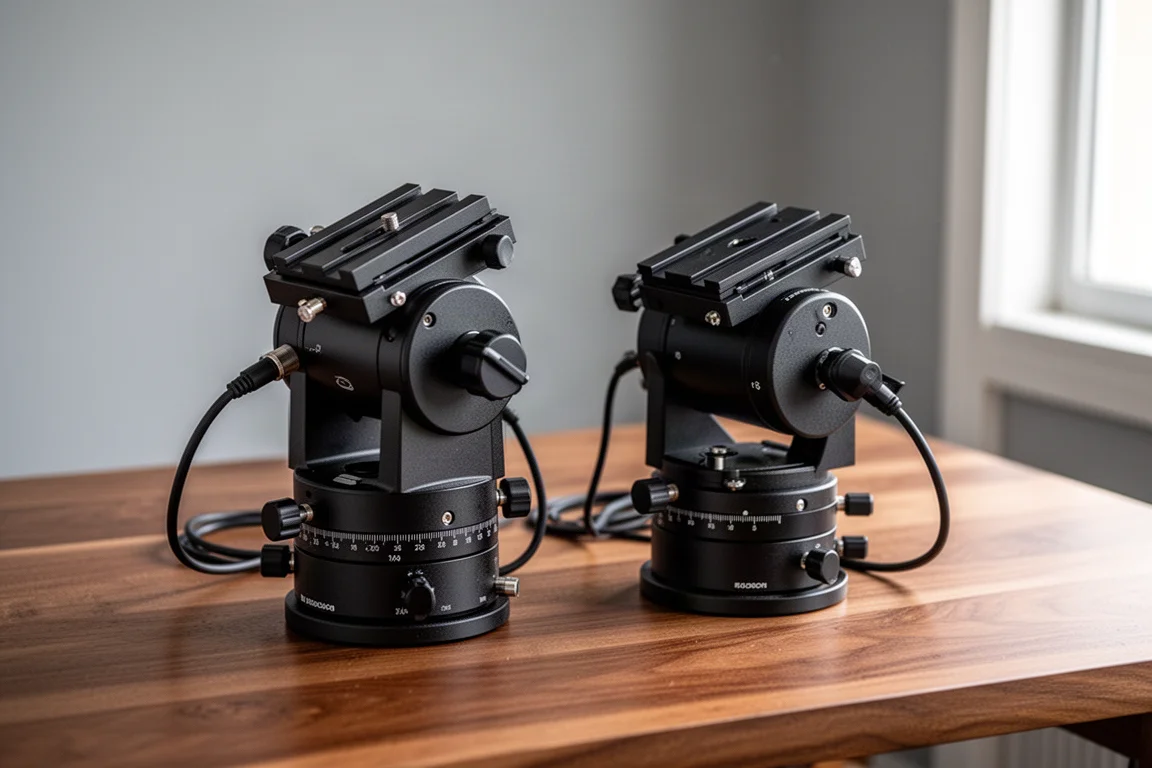
Sky-Watcher’s New Wave: 100i and 150i
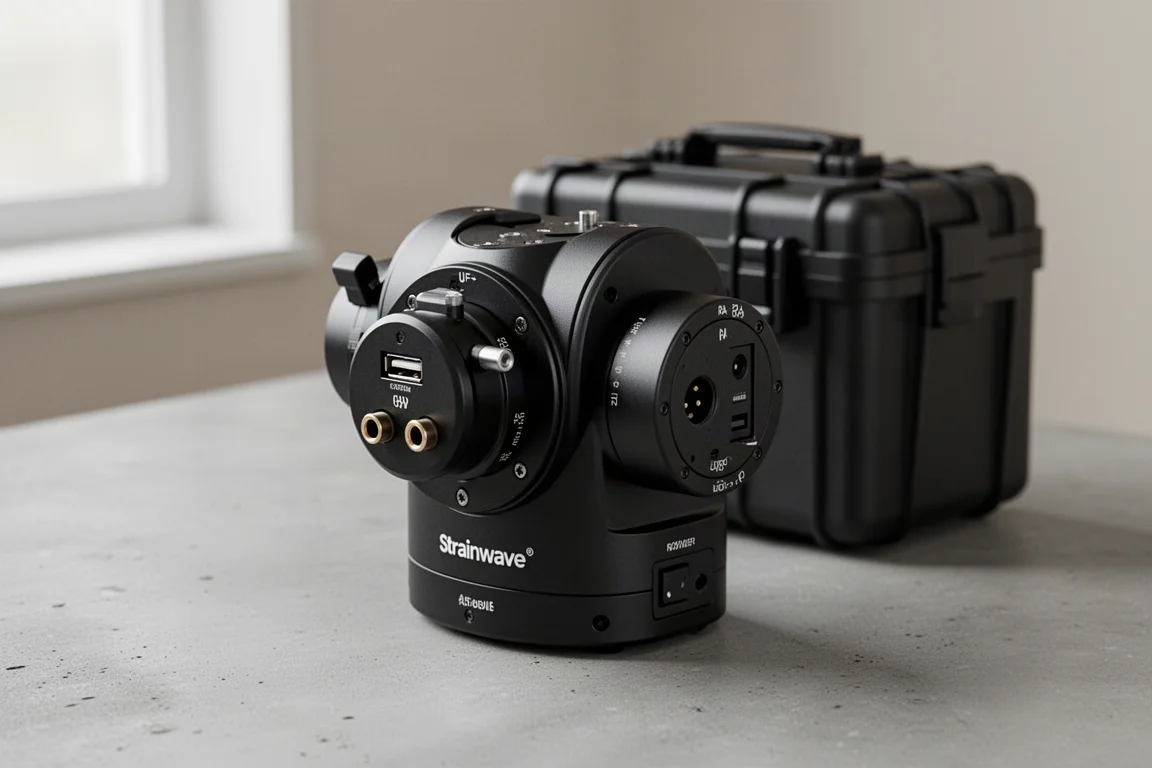
Sky-Watcher entered the strain wave market with the Wave 100i and Wave 150i, and both bring useful distinctions. The Wave 100i handles 22 lbs without counterweights, sits slightly above the AM3 in weight and price, and offers tandem alt-azimuth and equatorial capability, plus a side-by-side plate that lets you run two telescopes, ideal for outreach.
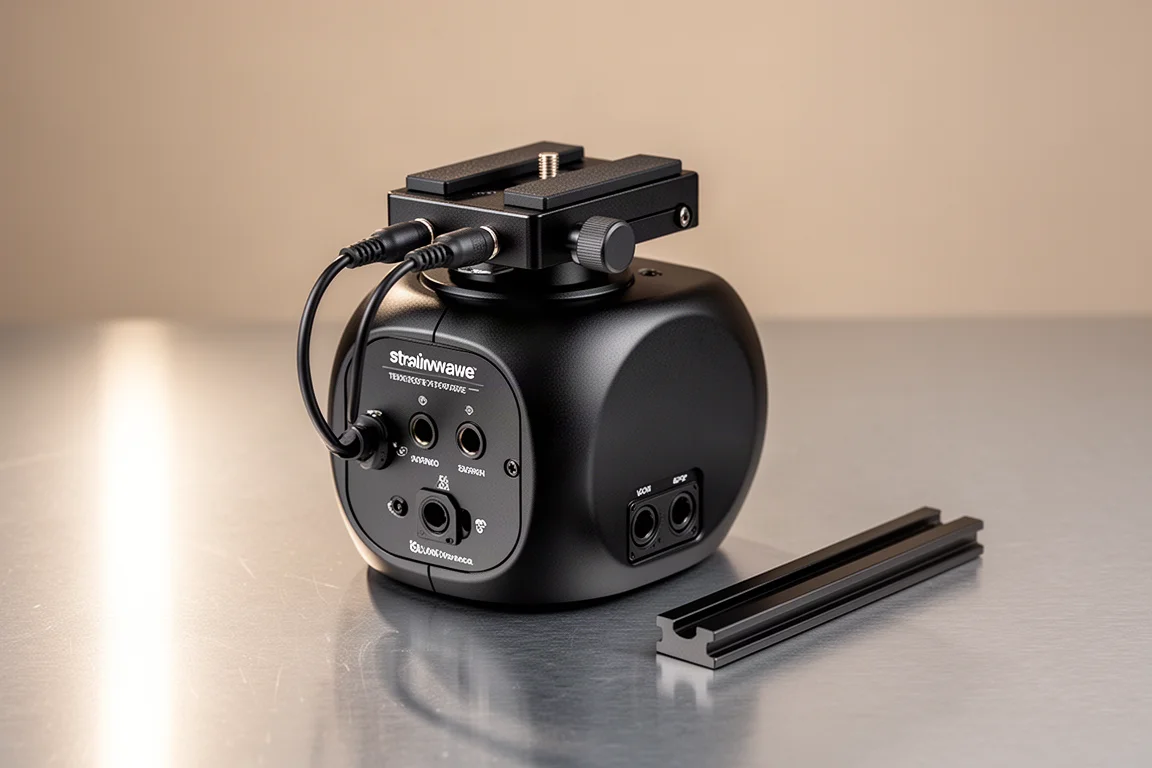
The Wave 150i pushes capacity to 33 lbs without counterweights. It features cable management routed through the saddle, a clutch assembly for balancing both axes, optional steel tripods for maximum rigidity, an optional hand controller, and built-in Wi-Fi with app control. It is priced a little above the comparable AM5 and HAE29.
The Proven Workhorse: Sky-Watcher EQ6-R Pro
Not everyone needs to switch. The Sky-Watcher EQ6-R Pro remains a dependable traditional German equatorial mount that many astrophotographers, including seasoned imagers, continue to use for the bulk of their projects throughout the year.
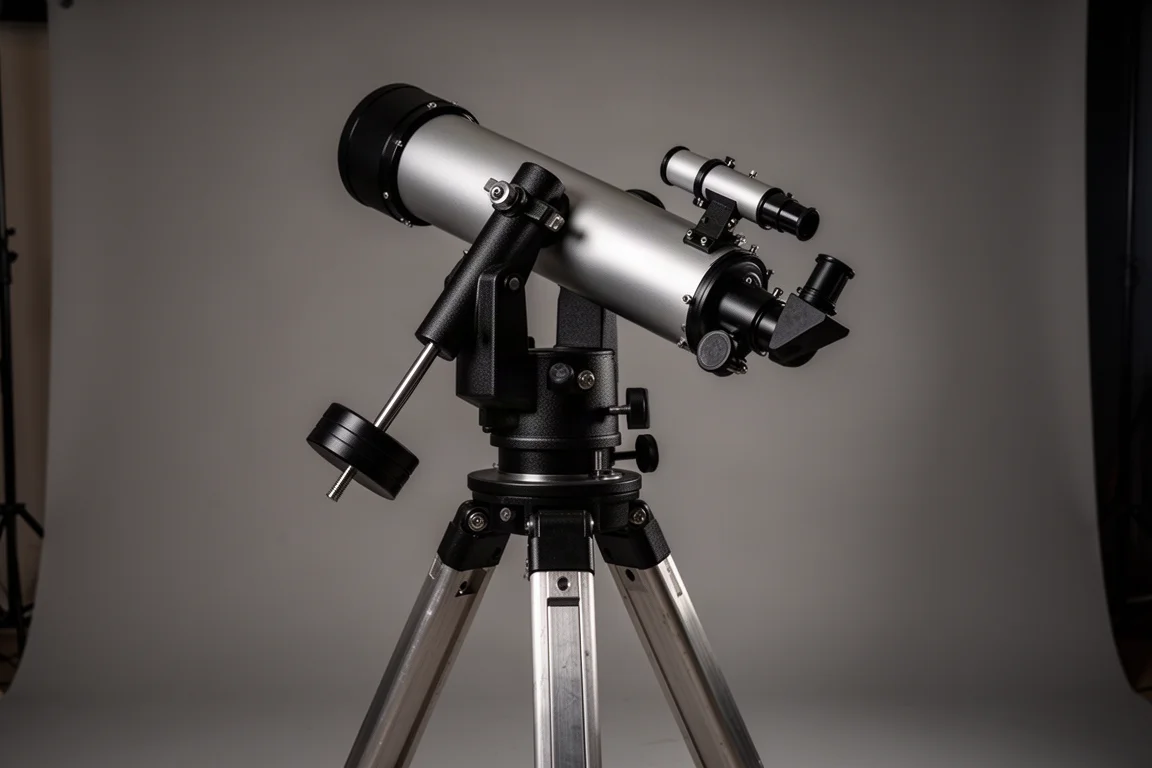
If you image with larger telescopes that genuinely require counterweights, a mount in this class is still the right tool.
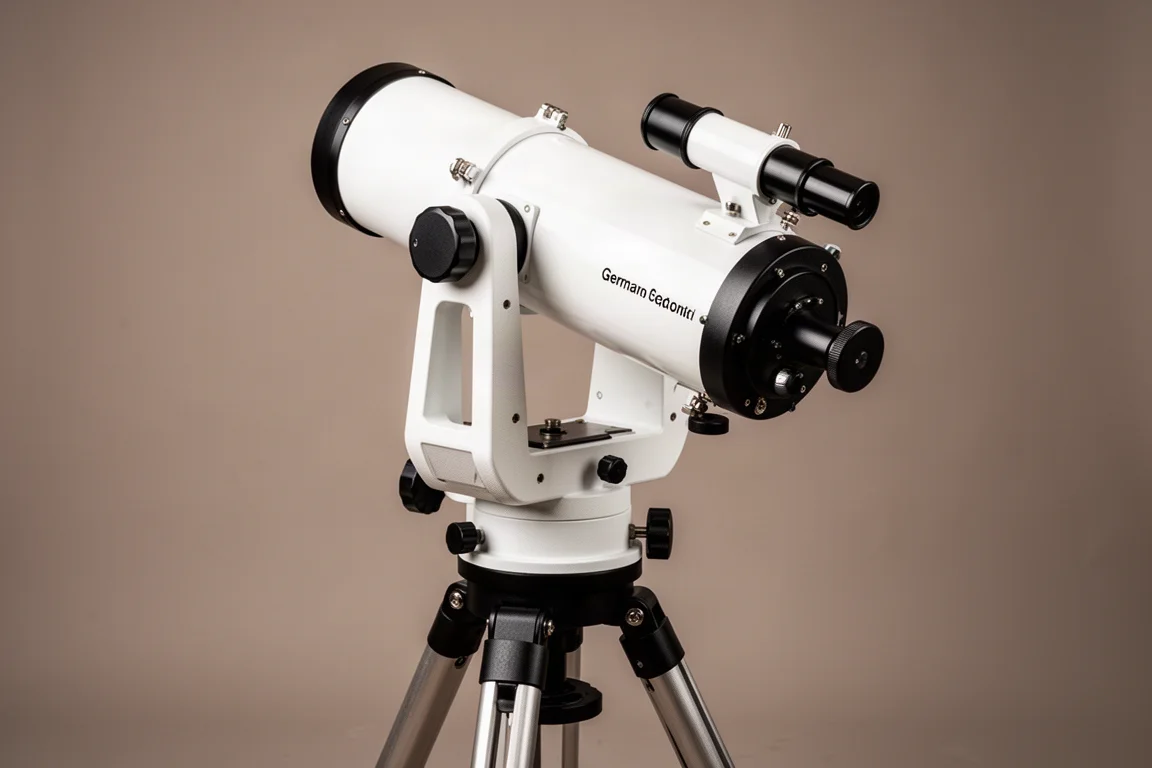
Do You Still Need a Traditional German Equatorial Mount?
If you already own a solid German equatorial mount, there is no urgent reason to upgrade. Strain wave mounts do not track more accurately, and periodic error still needs correcting with autoguiding.
But the advantages in setup time, weight, and ease of use are real, and manufacturers are clearly all in on this technology. For beginners and compact refractor users, a strain wave mount is now an easy recommendation over a traditional equatorial design.
Buying Advice
For most imagers starting out or upgrading from a heavier setup, the ZWO AM5 hits the sweet spot of capacity, portability, and community support. If you prefer controlling your mount from a mini PC, the iOtron HAE29 is a strong rival. Heavier rigs should look at the Pegasus Astro NYX-101 or iOptron HAE43, while Sky-Watcher loyalists will feel at home with the Wave 100i or Wave 150i.
Conclusion
Strain wave drive mounts nearly match the performance of traditional German equatorial mounts in a package half the size, and that changes how quickly you can be imaging on a clear night. Match the payload capacity to your telescope, plan for autoguiding, and any of these mounts can carry your deep sky projects for years.
Further reading
Related Reviews
Astrophotography
ASKAR FRA400C Review: A Versatile 400mm Refractor for Astrophotography and More
The ASKAR FRA400C is a compact 72mm refractor that balances reach, versatility, and portability for astrophotographers and visual observers.
Astrophotography
Askar SQA106 Review: A Premium 106mm Astrograph With Exceptional Optics
The Askar SQA106 is a premium 106mm quintuplet astrograph with impressive sharpness across full-frame sensors, though its price and weight demand careful consideration.
Astrophotography
Astro Imaging Gear 2026: Eight New Products Worth Watching
A look at the most interesting new astrophotography and astronomy products announced this year, from fast telescopes to smart cameras and wireless accessories.