Astronomy
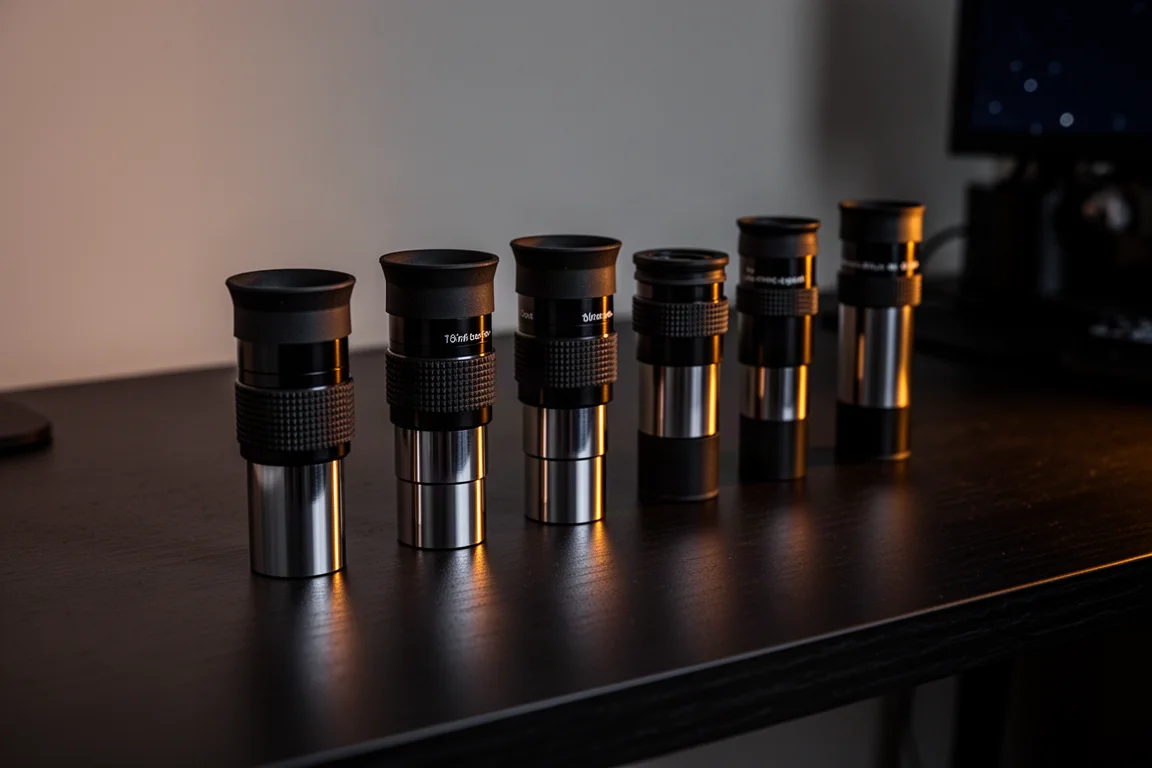
Best Telescope Eyepieces: A Practical Guide to Building a Core Set
Five eyepieces that cover the full magnification range for a 12-inch F5 reflector, plus the numbers that matter before you buy.
Introduction
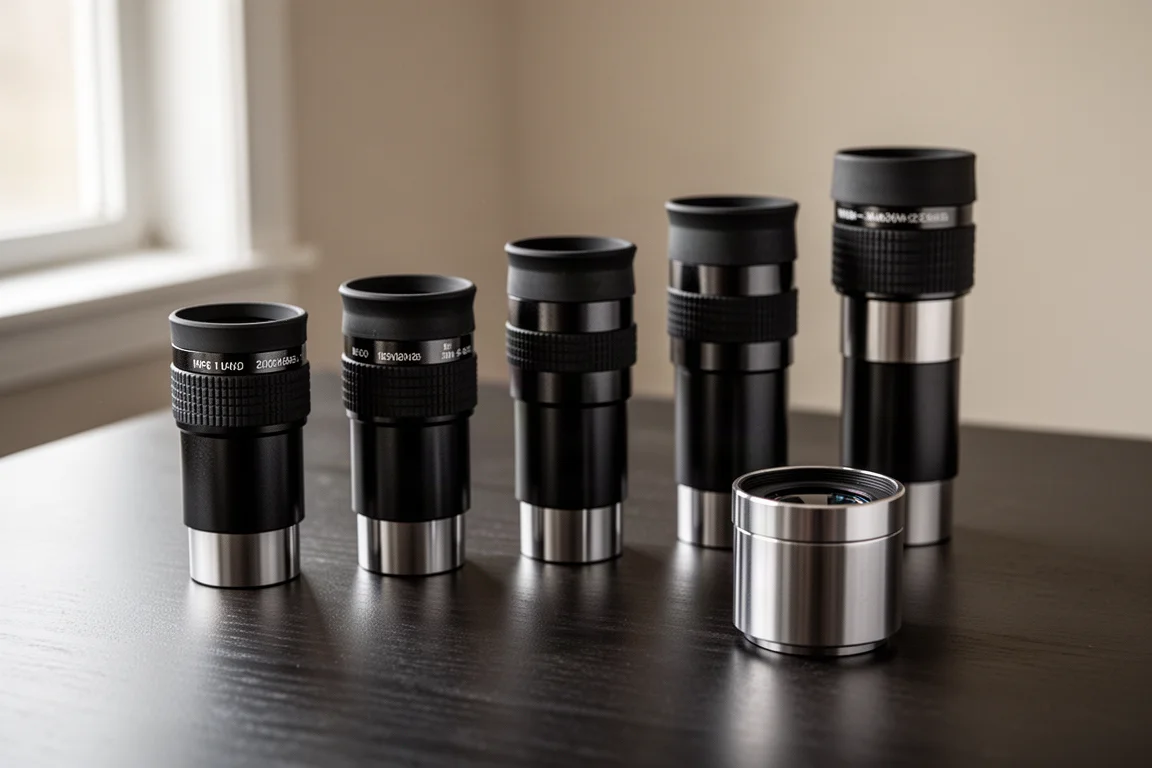
Buying a telescope is the exciting part. But the eyepieces you choose matter just as much if you want incredible views of the night sky. After years of observing through two telescopes and dozens of eyepieces, a clear pattern has emerged: a small, well-chosen set of four or five eyepieces covers nearly every observing situation. Here is how to think about the numbers, followed by the five eyepieces that make up a proven core collection for a 12-inch F5 reflector.
What Matters Before You Buy
Most people new to the hobby ask how high they can push magnification. A better question is how wide you can see the sky around an object. This is the apparent field of view. Most eyepieces bundled with a telescope offer around 50 degrees. Moving up to 60, 70, or 80 degrees shows you more surrounding space and gives you more time to observe as a target drifts across the field, which matters if you do not own a tracking telescope. Some designs push beyond 100 degrees, but the more degrees of sky you can see, the higher the price in most cases. Something in the 60 to 80 degree range is a sensible sweet spot.
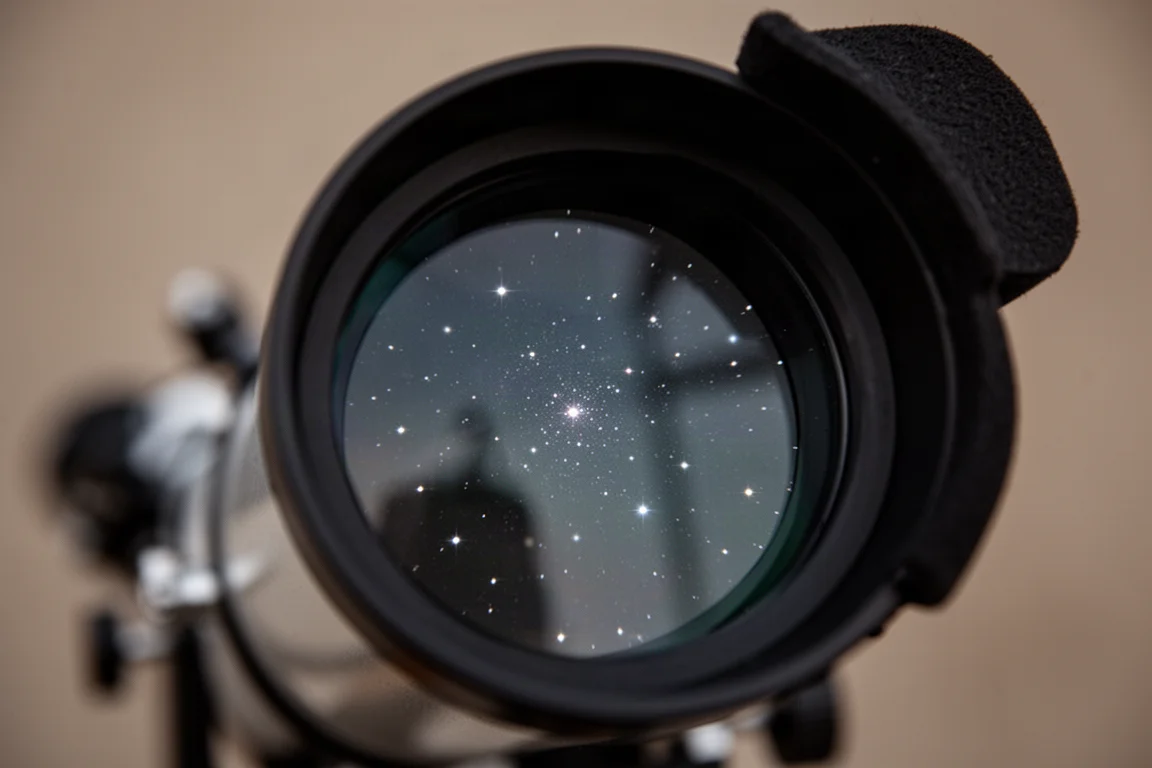
Comfort matters too, and that comes down to eye relief: the distance your eye needs to be from the eyepiece to take in the full field of view. Around 13 mm is about as low as most observers can comfortably go, with 15 mm or higher being much more comfortable.
How High Can You Go on Magnification
Magnification is simply the focal length of your telescope divided by the focal length of the eyepiece. A 12-inch Dobsonian with a 1500 mm focal length paired with a 6 mm eyepiece delivers around 250x. The theoretical ceiling is your aperture in inches multiplied by 40, but views at 500x require near-perfect seeing conditions, cold outdoor temperatures, and a fully cooled mirror, and even then such nights can be counted on one hand.
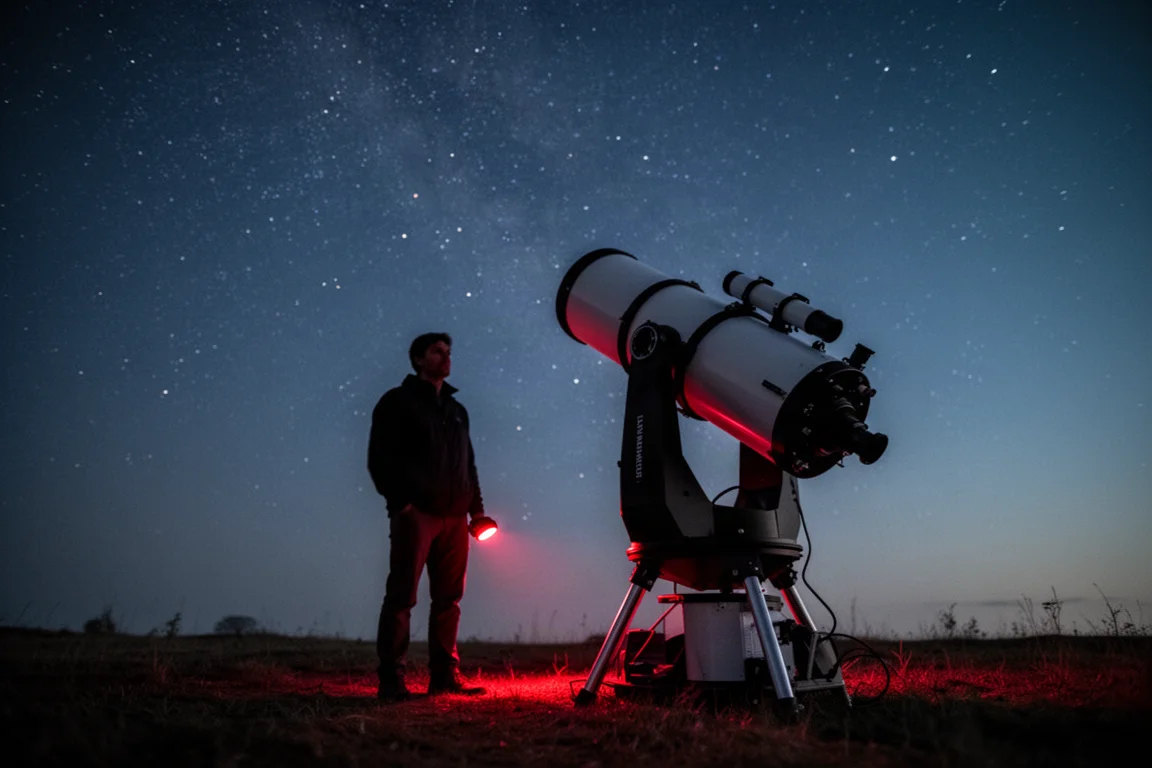
A more realistic limit is 20 to 25x per inch of aperture, which puts a 12-inch telescope between 250x and 300x on most nights.
How Low Can You Go: Exit Pupils
The exit pupil is the width of the beam of light entering your eye. Lower magnification creates a larger exit pupil; higher magnification creates a smaller one. Calculate it by dividing the eyepiece focal length by your telescope’s focal ratio. For an F5 reflector with a 30 mm eyepiece, that is roughly a 6 mm exit pupil. Avoid going larger than 7 mm, especially with a reflector, and keep in mind that maximum pupil size shrinks with age. A collection spanning exit pupils from 6 mm down to 1 mm gives you a wide range of choices for hunting down objects.
The Highest Magnification: Tele Vue Delos 6mm
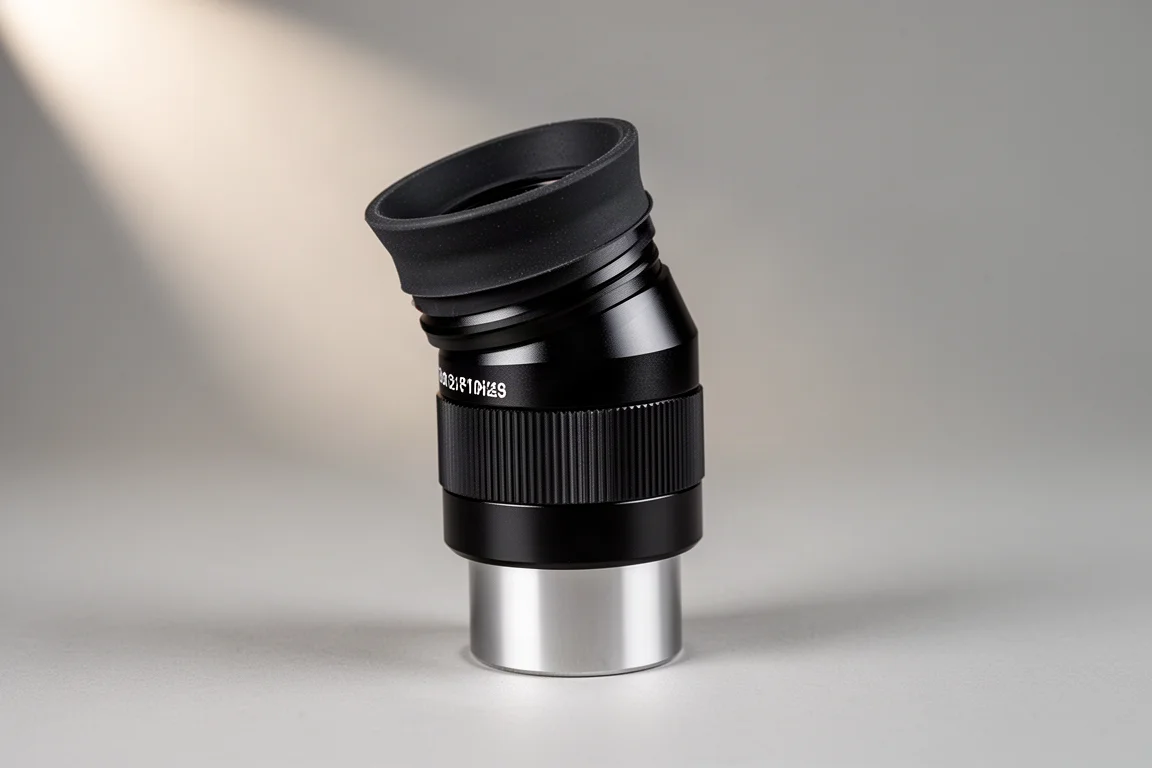
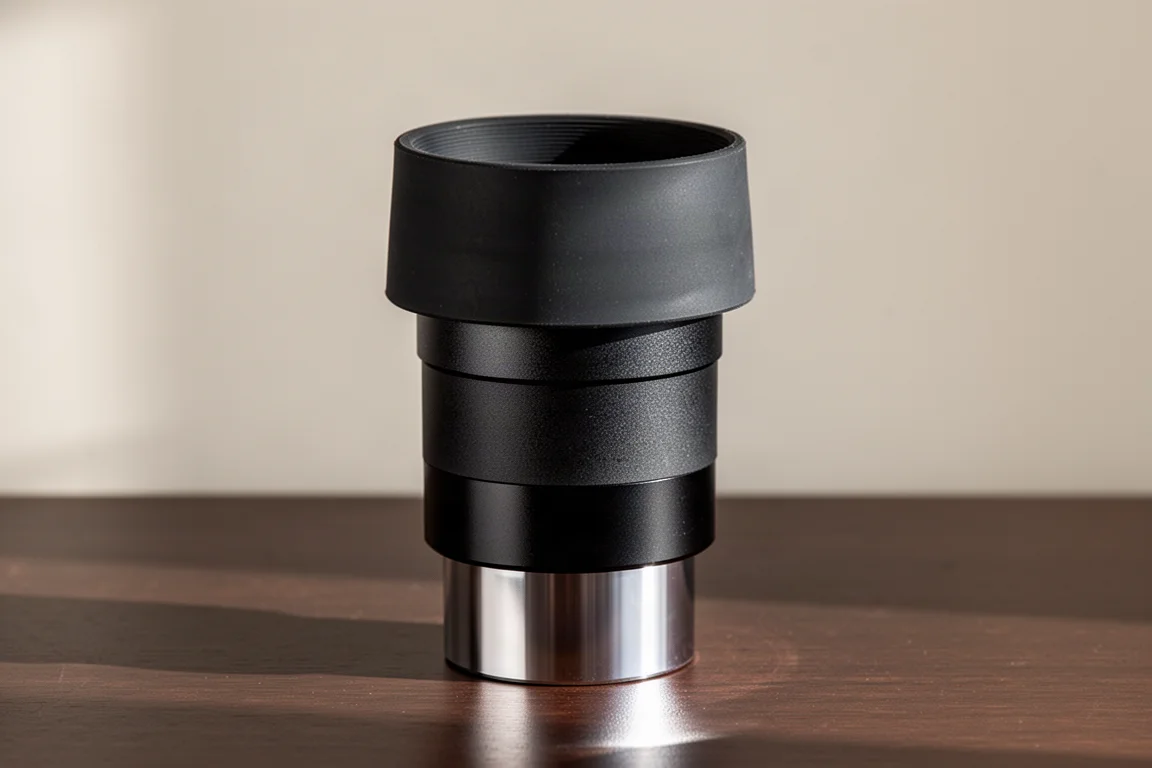
The 6 mm Delos from Tele Vue is the top of the magnification range, with a 72-degree apparent field of view, 250x magnification in a 12-inch F5 reflector, around a 1.2 mm exit pupil, and a true field of view of 0.29 degrees. What stands out about the Delos line is the adjustable eye guard, which lets you dial in the ideal eye relief whether you wear glasses or not, with up to 20 mm available.
The Workhorses: Tele Vue Delos 10mm and 14mm
These two Delos eyepieces handle the vast majority of nightly observing. The 10 mm Delos delivers 150x, a 2 mm exit pupil, and a 0.48-degree true field. The 14 mm Delos gives 107x, a 2.8 mm exit pupil, and a 0.67-degree true field. On any given night, one or both of these covers most views of open clusters, planetary nebulas, globular clusters, and galaxies. Many experienced observers note that the most-used eyepiece on any given night tends to sit around a 2 mm exit pupil, and these two land squarely in that zone.
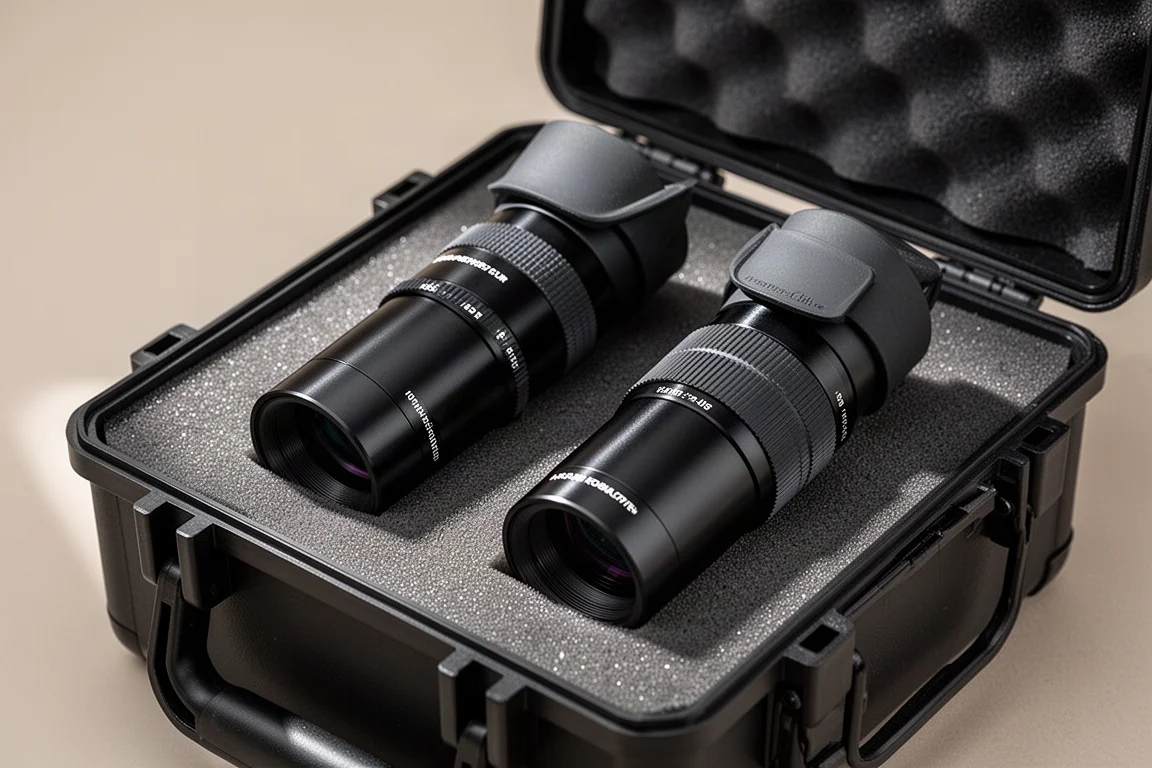
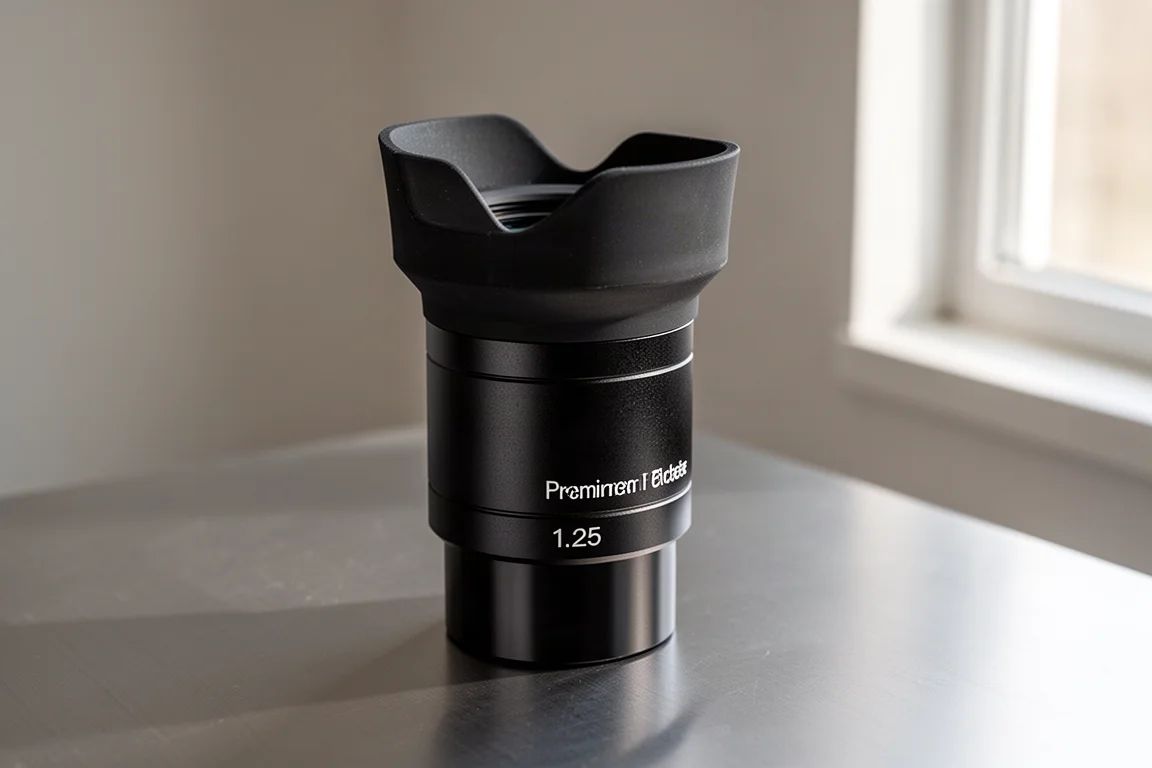
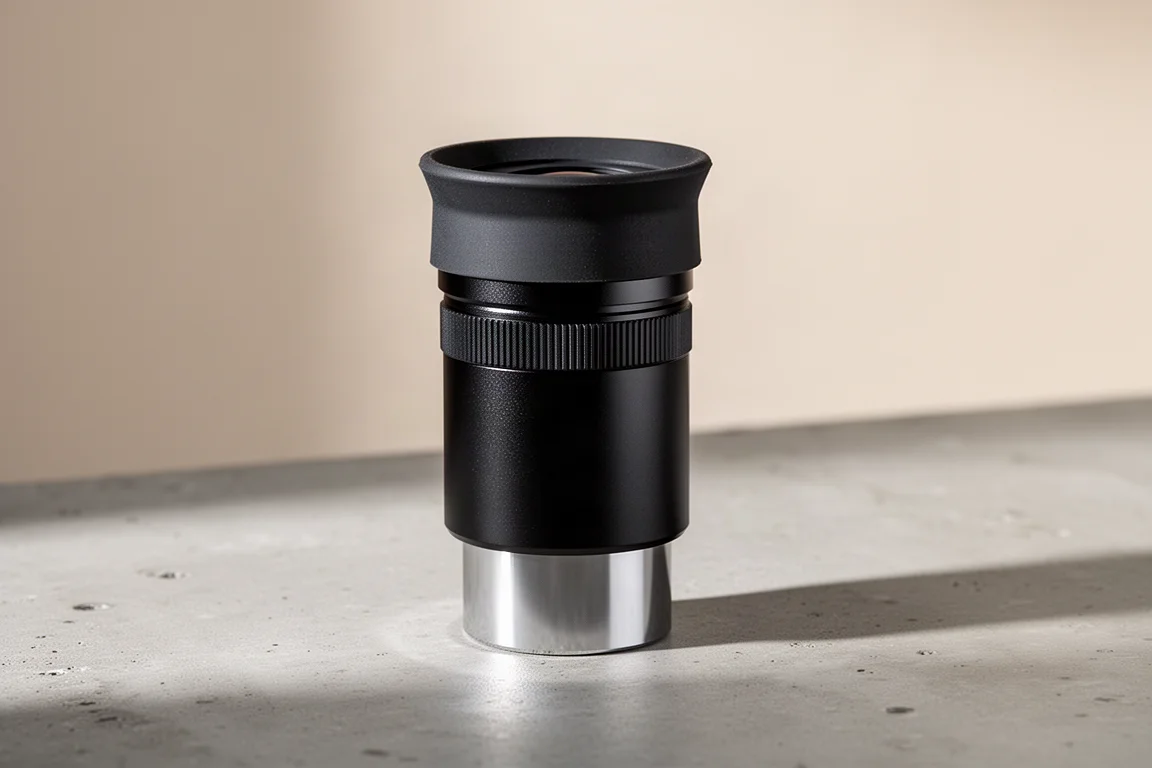
The Star-Hopper: Tele Vue Panoptic 24mm
The 24 mm Panoptic is the eyepiece most nights start with, used to star-hop to faint deep-sky objects. It offers a 68-degree apparent field of view at 63x, a 4.8 mm exit pupil, 1.1 degrees of sky, and 15 mm of eye relief. It is an excellent eyepiece that delivers the widest possible view through a 1.25-inch eyepiece.
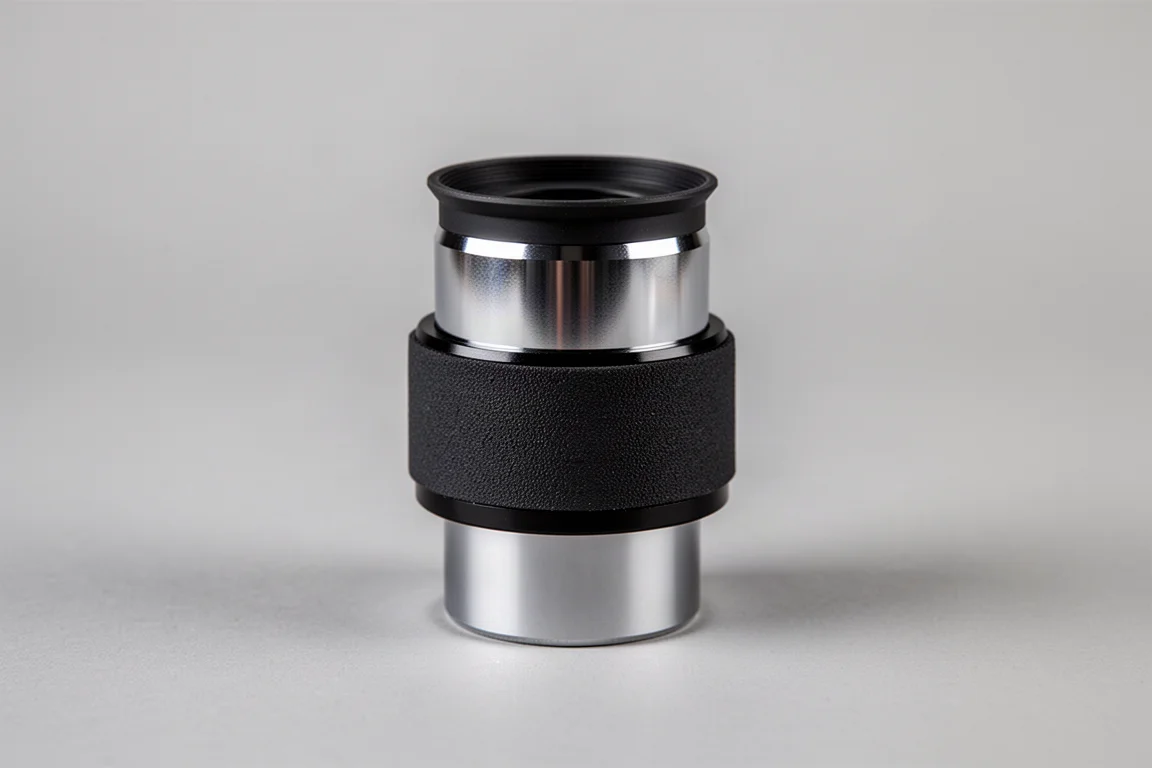
The Low-Power Explorer: APM 30mm UFF
The APM 30 mm UFF rounds out the collection at the low-power end. It offers a 70-degree field of view, 50x magnification, 22 mm of eye relief, a 6 mm exit pupil, and shows 1.4 degrees of sky. This is about as low as magnification should go in this setup, but the wide field delivers incredible views of larger deep-sky objects like the Pleiades, the Double Cluster, and the Andromeda galaxy.
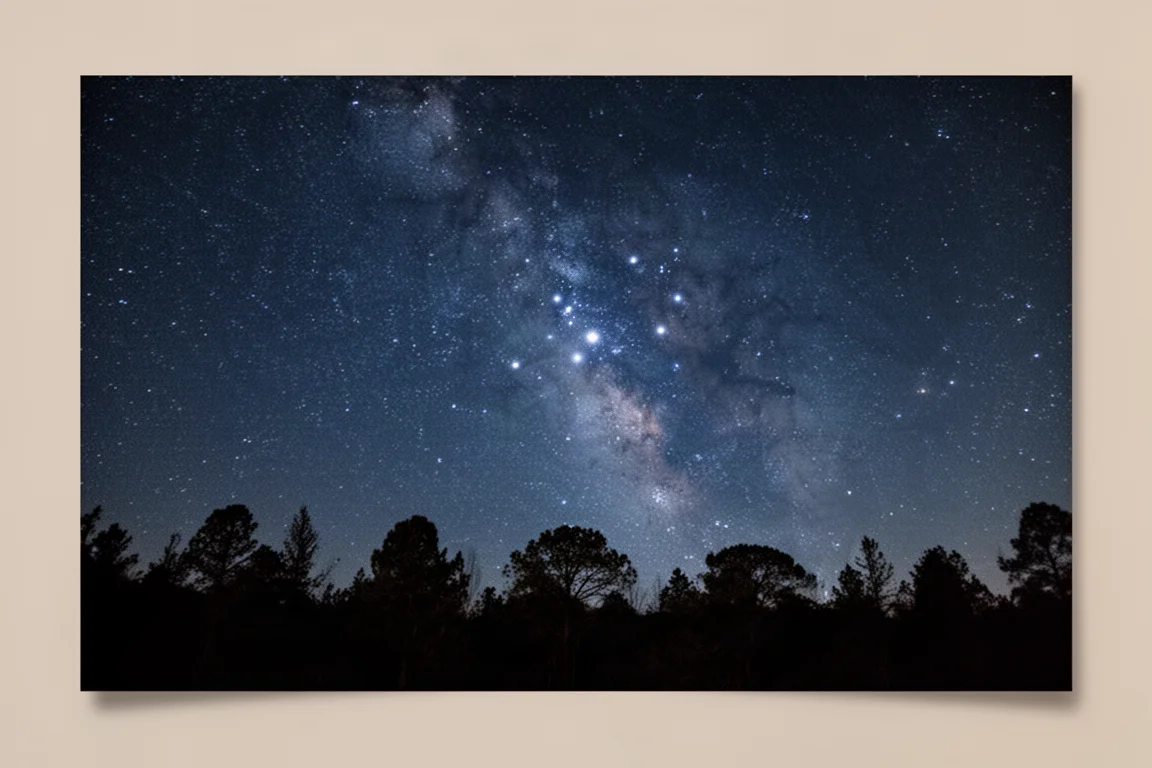
The performance of this set in an F5 reflector, even without a coma-correcting Paracorr, has genuinely impressed, with nearly pinpoint stars almost all the way to the edge of the field.
Buying Advice for Your Own Setup
These choices were made for a 12-inch F5 reflector, so keep your own telescope in mind. Your budget and where you live will greatly influence the eyepieces you end up choosing. Two resources that have helped many observers over the years are The Backyard Astronomer’s Guide and the forums at cloudynights.com, where hundreds of eyepieces are debated and analyzed in detail. Work out your telescope’s focal length and focal ratio first, then pick eyepieces that land in the 60 to 80 degree field-of-view range with at least 15 mm of eye relief.
Conclusion
A focused set of five eyepieces, spanning exit pupils from about 6 mm down to 1 mm, covers everything from sweeping wide-field views of large deep-sky objects to rare nights of stunning high magnification on the Moon and Jupiter. Match the numbers to your own telescope, and you will have a collection that serves you well for years of observing. Clear skies.
Further reading
Related Reviews
Astronomy
Astronomy Gifts for Dads: Binoculars, Telescopes and Accessories Worth Giving
A practical gift guide covering stargazing binoculars from around $50, beginner telescopes under $500, and accessories under $100.
Astronomy
Best Filters for EAA in Light Pollution: What Short-Exposure Testing Actually Showed
Five astronomy filters and two noise reduction tools tested under light polluted skies for electronically assisted astronomy, with practical results for broadband and narrowband targets.
Astronomy
Six Premium Eyepieces That Transform a Beginner Telescope
A hands-on comparison of Tele Vue Panoptic, Tele Vue Nagler, and Baader Hyperion eyepieces, and why upgrading the stock eyepieces is the best first move in stargazing.