Backpacking Gear
Best Synthetic Backpacking Insulation: A Quilt and Puffy Jacket Shortlist
Two down-free Enlightened Equipment picks and one down parka, with real-world weights, customization notes, and the trade-offs worth understanding before you buy.
Introduction
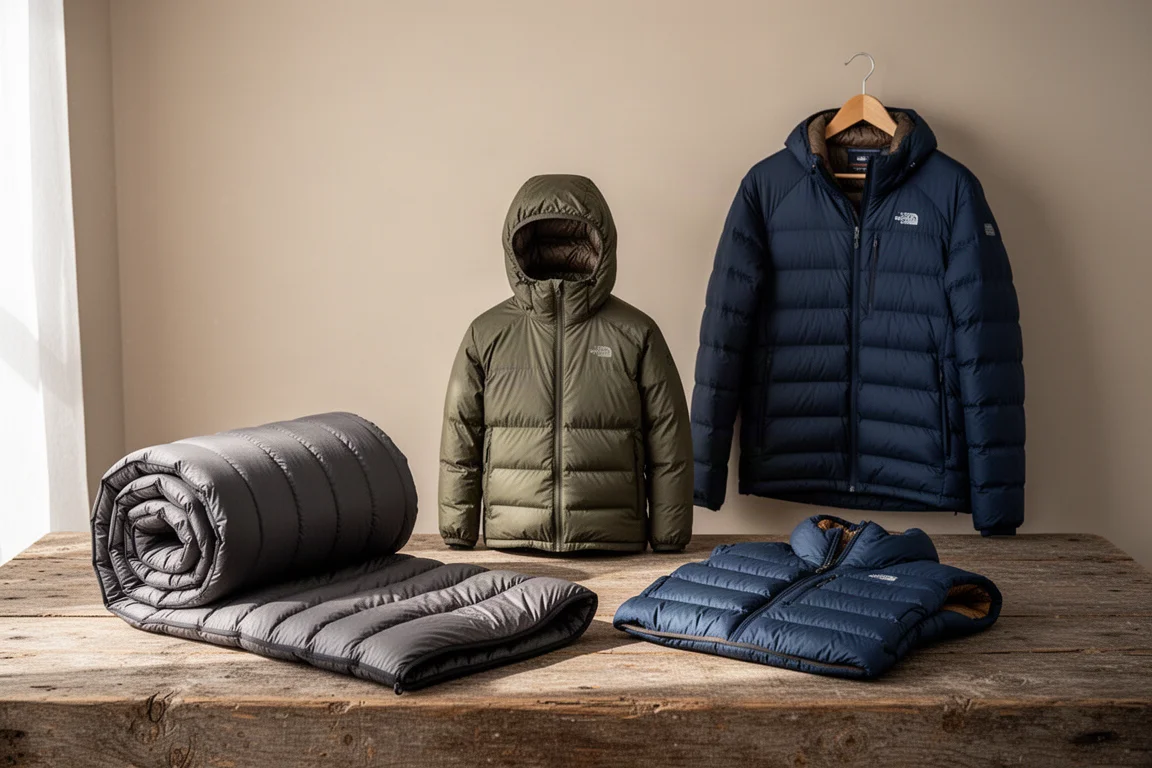
Insulation is the part of a backpacking kit that decides whether a cold night is merely uncomfortable or genuinely miserable. Down has long been the default answer, and for good reason: it is warm for its weight and it compresses small. But down is not the right answer for every hiker. Some people react to it, some prefer to avoid animal-derived materials, and some simply want insulation that keeps working when conditions turn damp.
That is where synthetic fills earn their place. The three picks below come from four years of steady use on backpacking trips: two synthetic Enlightened Equipment pieces that have become go-to gear, and one down parka that remains the warmest and loftiest option for anyone who can wear down comfortably.
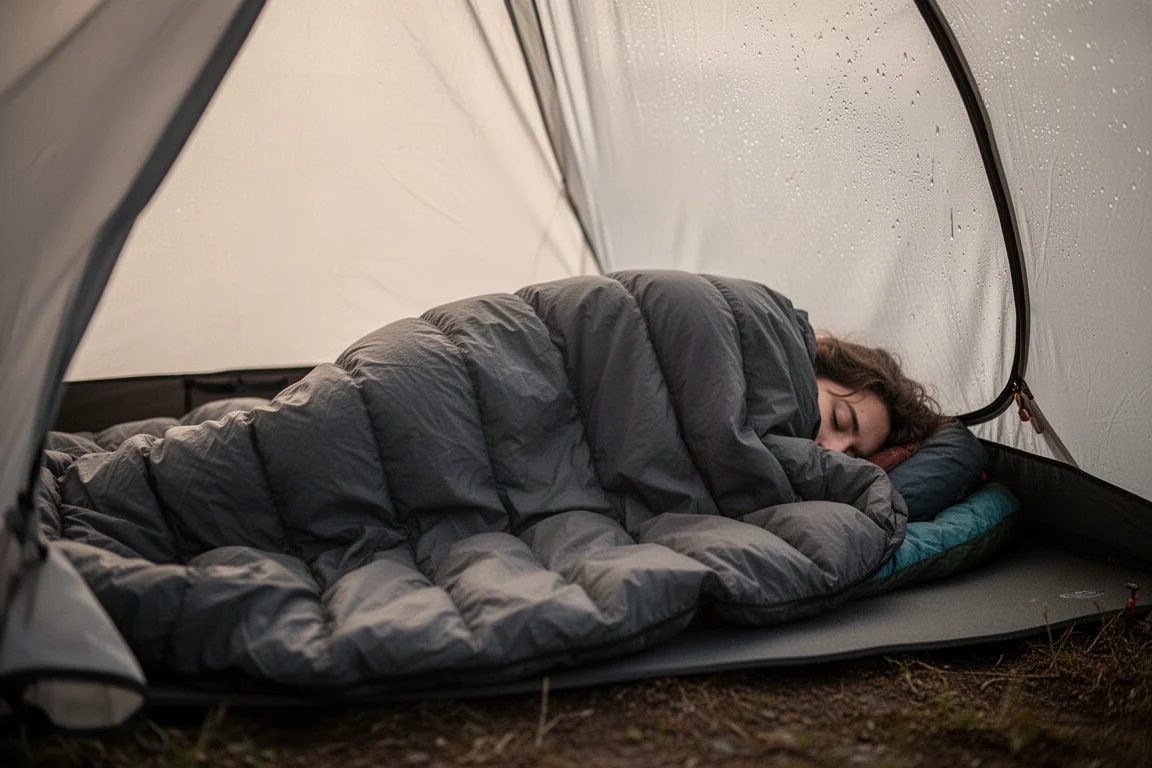
What follows is not a spec-sheet comparison. It is a practical look at how each piece is configured, what it weighs and costs in the build described here, and where the trade-offs actually land once you are carrying it mile after mile.
What to Know Before Choosing Synthetic Insulation
Two synthetic fill types are common in backpacking quilts. Apex insulation is built as a continuous sheet inside the quilt. UP insulation behaves more like down in the way it lofts. The difference shows up in how a finished quilt feels and, more importantly for most backpackers, in how much it weighs.
Weight is usually the deciding factor. A quilt that uses Apex and can be ordered in a narrow width can come out several ounces lighter than comparable UP-filled quilts, which matters if you are already carrying camera gear or other heavy kit.
Synthetic insulation also behaves differently from down once the weather turns. It is bulkier, heavier, and less packable, and it will not feel as warm and cozy as a good down piece. In exchange it costs less, and it keeps some insulating properties when it gets wet, which down does not.
That trade-off is the whole decision in a nutshell. You give up some warmth-to-weight and some packability, and you gain lower cost, better behaviour in wet conditions, and a down-free option for hikers who need one.
Best Synthetic Quilt: Enlightened Equipment Apex Enigma Custom
Enlightened Equipment builds the Apex Enigma as a customizable quilt, and that customization is the reason it earns a spot here. You choose the length, the width, the temperature rating, and the colour and denier of the fabric on both the inside and the outside. Every one of those choices feeds into the final weight of the finished quilt.
The build described here is a regular length, a slim width, and 10-denier fabric inside and outside, with a 20-degree rating. That 20-degree option was the lowest synthetic rating available, which is worth knowing if you sleep cold and want a quilt that can handle trips that dip below freezing.
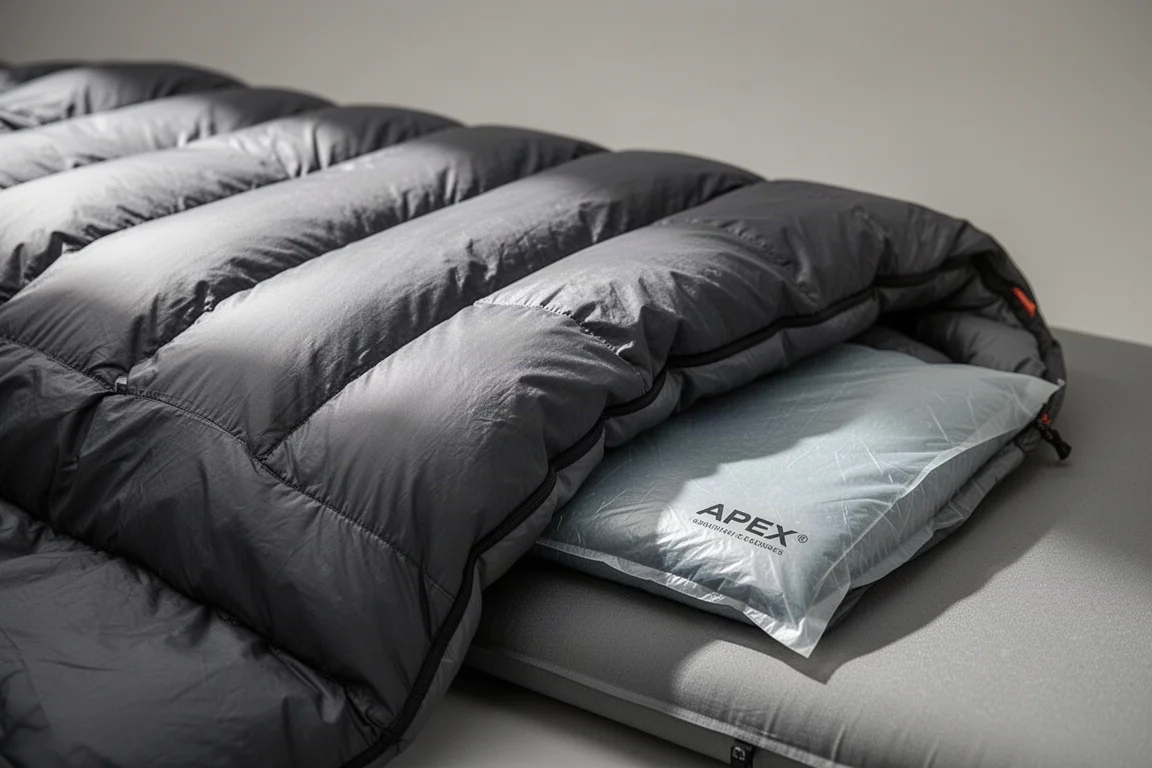
The slim width is what makes the weight story work. The total comes to 26.88 ounces, which is several ounces lighter than other UP-insulated quilts on the market, and the price was $230 for that custom configuration.
On warmth, be realistic about what synthetic fill delivers. It does not match a good down quilt for warmth and coziness, and it takes up more room in a pack. What it does is stay useful in damp conditions and keep a down-sensitive sleeper comfortable night after night. The 10-denier fabric has also proven more durable than expected, with no abrasion problems against a sleeping pad after four years of regular use.
Best Synthetic Puffy Jacket: Enlightened Equipment Women’s Torrid Apex Jacket
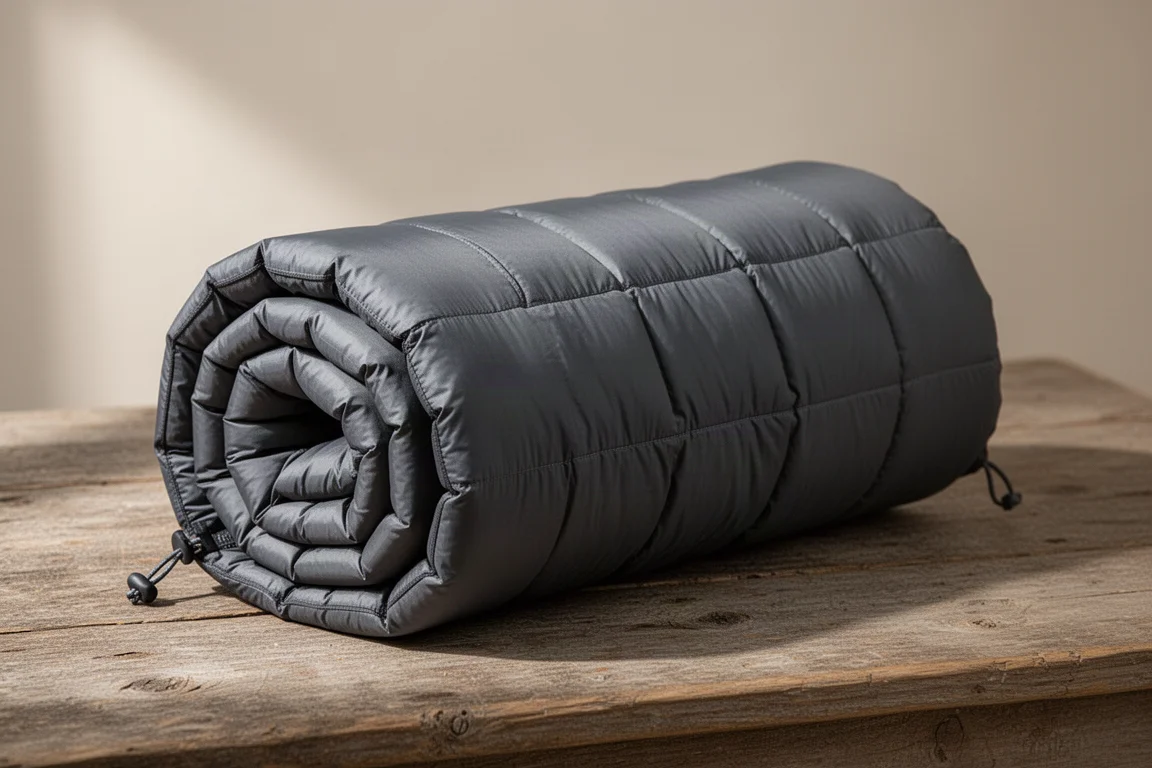
The Women’s Torrid Apex Jacket follows the same customization logic as the quilts. You pick the fabric on the outside and on the inside, and you choose between a collar and a hood.
The configuration described here is a medium with a hood and 10-denier fabric inside and outside. It weighs 7.75 ounces and cost $175. Like the quilt, it has been in steady use for four years, and the lightweight fabric has held up without issue.
What it is not is a furnace. A good down parka will feel warmer and loftier, and this jacket does not pretend otherwise. What it offers instead is a down-free layer that is light enough to carry without thinking about it, warm enough for shoulder-season trips and cold camp mornings, and customizable enough to match the way you actually use it.
When Down Still Wins: Montbell Plasma 1000 Parka
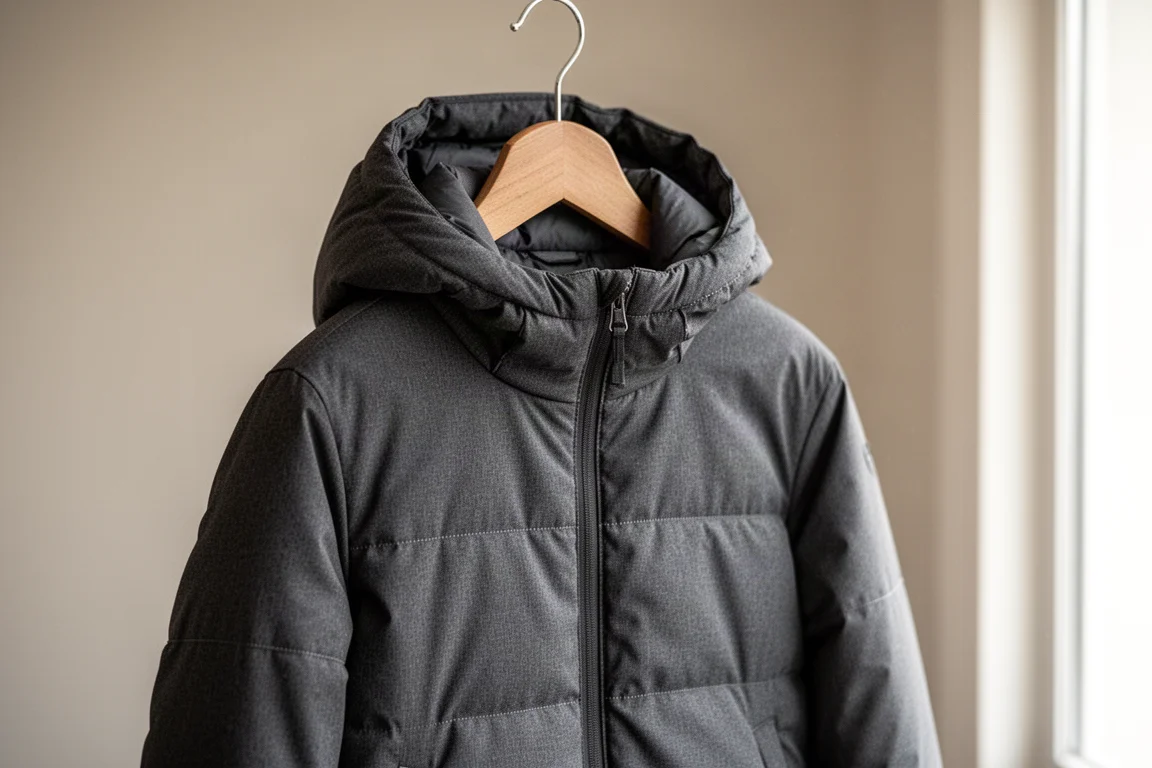
It is worth being honest about what synthetic insulation gives up. A high-quality down parka such as the Montbell Plasma 1000 remains the warmer and cozier option, with a loft and warmth that is difficult to match. If you have worn one, you know the feeling: it is like wearing a cloud.
That matters if down works for you. For hikers who do not react to down and have no reason to avoid it, a down parka delivers more warmth for the weight and packs smaller than a synthetic equivalent. Nothing in the synthetic category changes that.
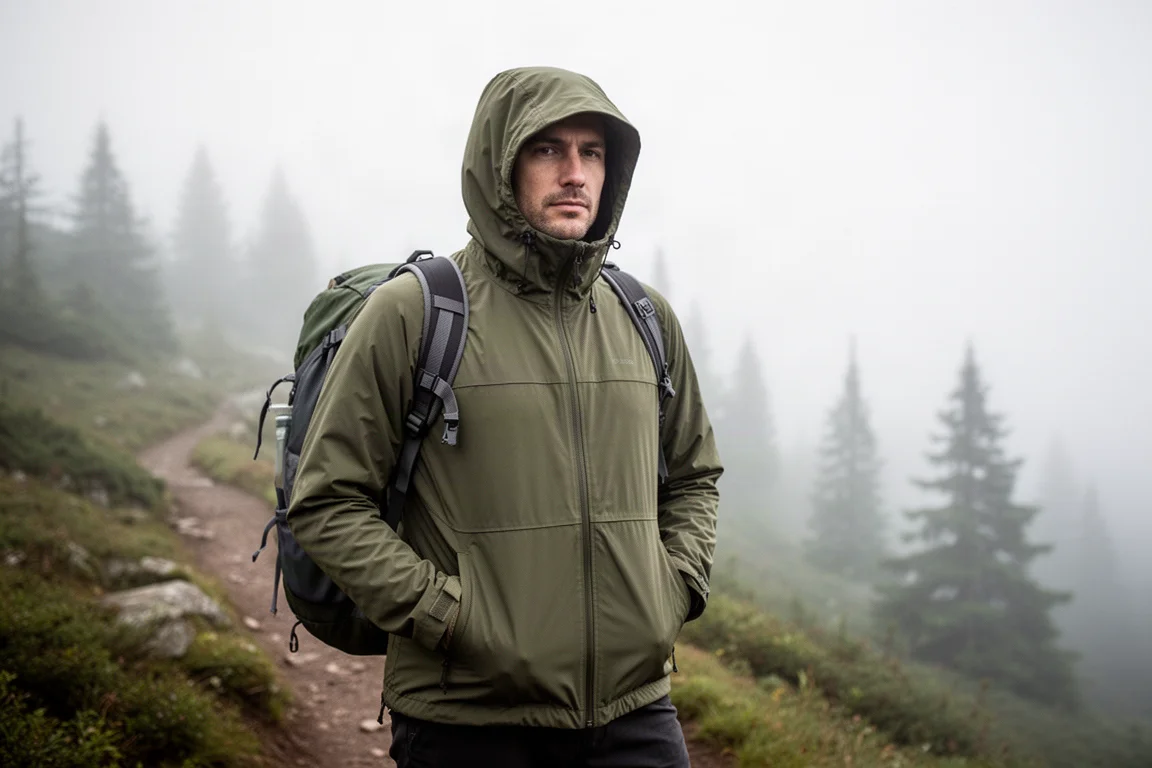
The catch is the same one that sends many backpackers toward synthetic in the first place. If you react to down, a down parka is the wrong purchase no matter how warm it feels, and down loses its insulating value once it gets wet. For those hikers, the Apex Enigma and the Torrid Apex are the practical answer, and the Plasma 1000 is best understood as the benchmark they are measured against.
Durability and Long-Term Value
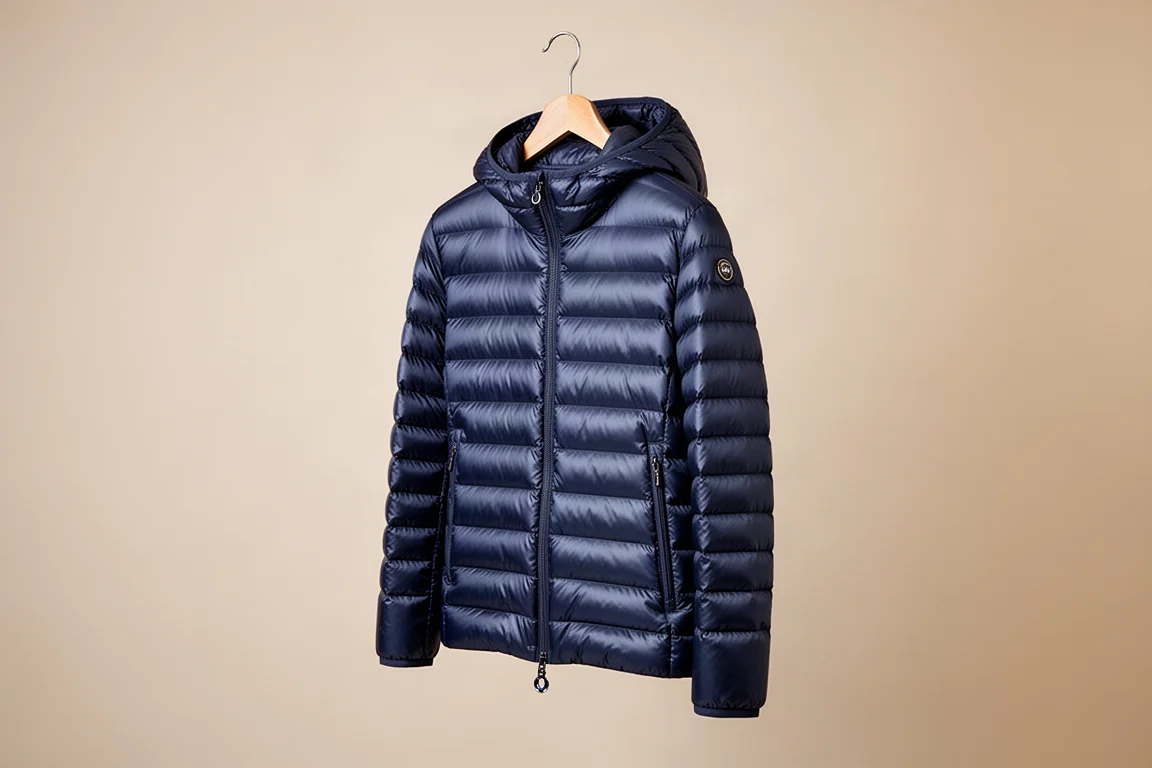
Both Enlightened Equipment pieces have now been in regular use for four years, and the 10-denier fabric on each has held up. There were early worries that the lighter fabric would abrade against a sleeping pad, but that has not happened in practice, which is reassuring if you are weighing a light denier against a heavier one.
On value, the numbers are straightforward. A custom synthetic quilt at $230 and a custom synthetic puffy at $175 are meaningful outlays, but they sit below comparable down options, and synthetic fill is generally the more affordable route into a warm sleep system. If you want to keep costs down and do not mind carrying a little more bulk, synthetic is the sensible direction.
Buying Advice
Match the insulation to the problem you are actually solving. If you react to down, or you would rather not use it, start with the Enlightened Equipment Apex Enigma Custom for sleeping and add the Women’s Torrid Apex Jacket as your camp layer. That pairing covers the two pieces where down-free insulation matters most, and both can be configured to your own measurements and temperature needs.
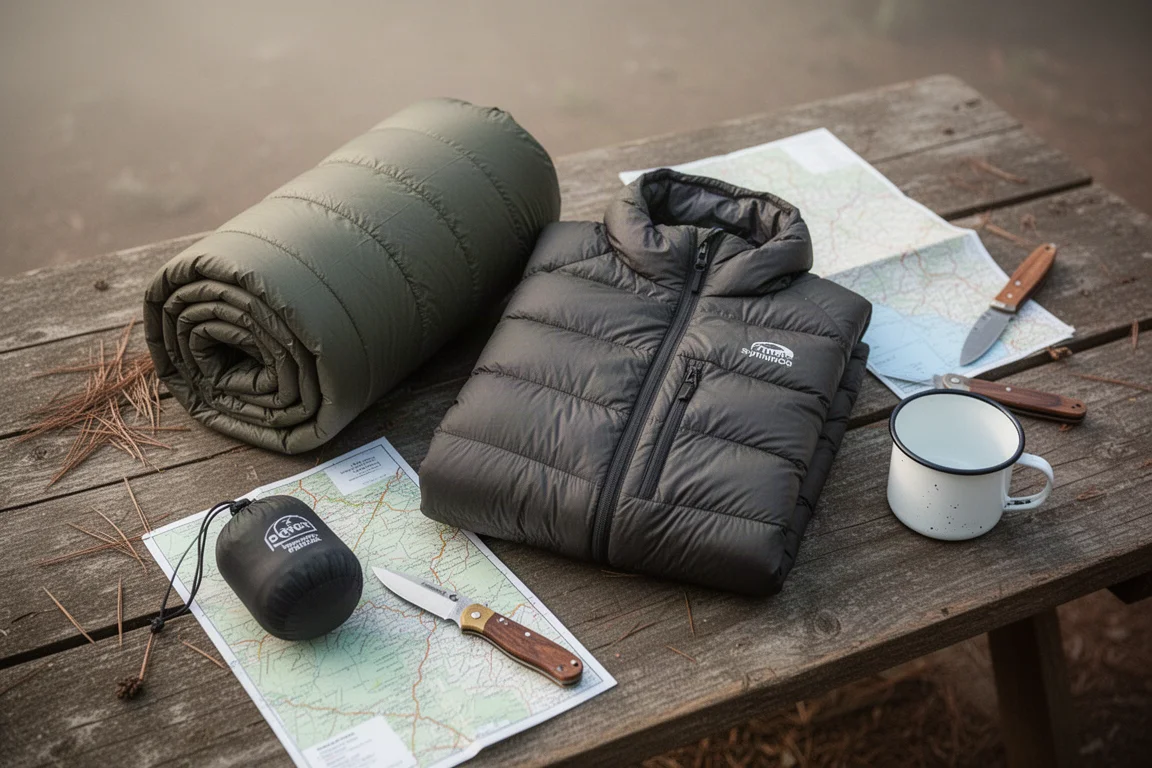
Timing is worth planning around. Quilts that are already in stock ship quickly, in the region of seven business days, while a customized build carries a lead time closer to eleven weeks. If you have a trip on the calendar, order early rather than assuming a custom quilt will arrive at short notice.
If down suits you and warmth is the priority, the Montbell Plasma 1000 Parka is the loftier, cozier choice, and it will simply feel warmer and more comfortable than a synthetic layer. If you sleep cold, it also makes sense to order the lowest temperature rating available on a synthetic quilt rather than the one that matches your average trip, since a rating you can trust is worth more than an optimistic one.
Conclusion
Synthetic insulation asks you to accept more bulk and a little less warmth for the weight, and in return you get lower cost, better performance when wet, and a quilt or jacket you can actually use if down is off the table. The Enlightened Equipment Apex Enigma Custom and the Women’s Torrid Apex Jacket both deliver on that trade-off, with enough customization to tune weight and fit to your own trips. If down is not an issue for you, the Montbell Plasma 1000 Parka remains the warmer and more luxurious option.
Further reading
Related Reviews

Backpacking Gear
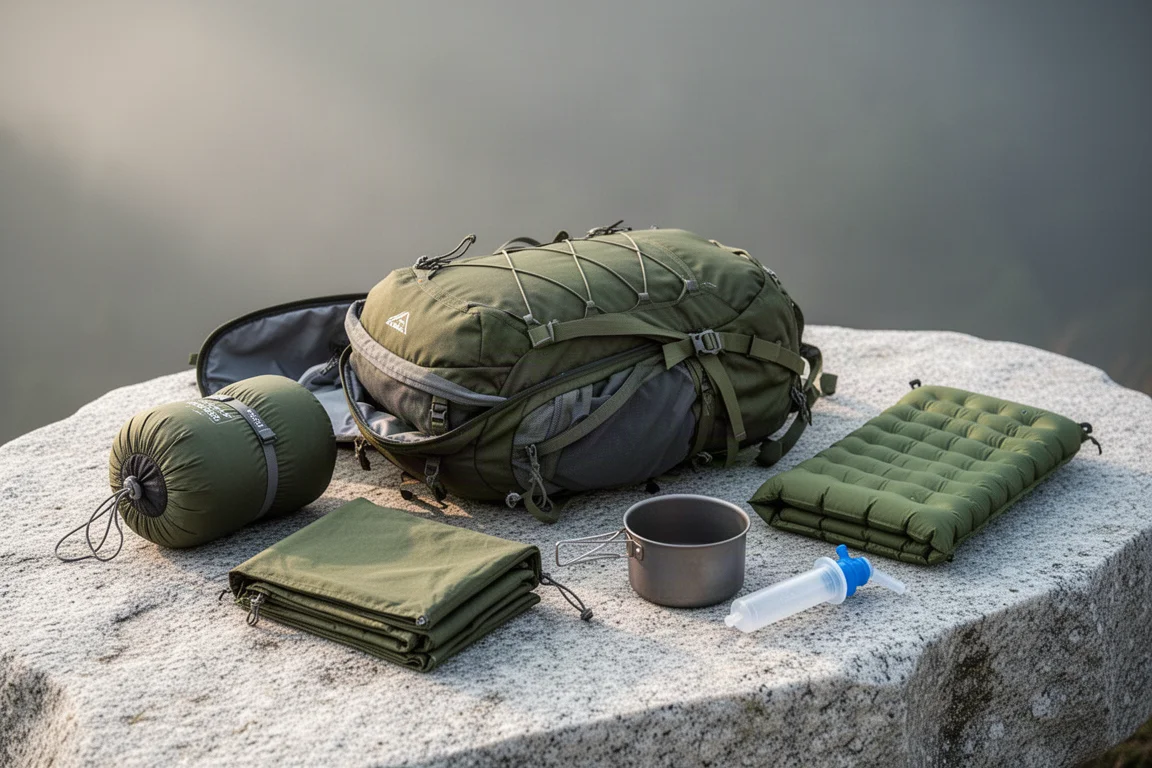
Building a 10 lb Base Weight: An Ultralight Backpacking Gear List
A practical walkthrough of the ultralight pieces behind a 10 lb base weight, from a 765 g pack and a roomy one-person tent to a full camp chair and a dependable water filter.
Backpacking Gear
A 15-Pound Lightweight Backpacking Gear List for Solo Trips
A beginner-friendly 15-pound backpacking setup built from easy-to-find gear, with notes on what each piece does, how it packs, and where to spend your attention.
Backpacking Gear
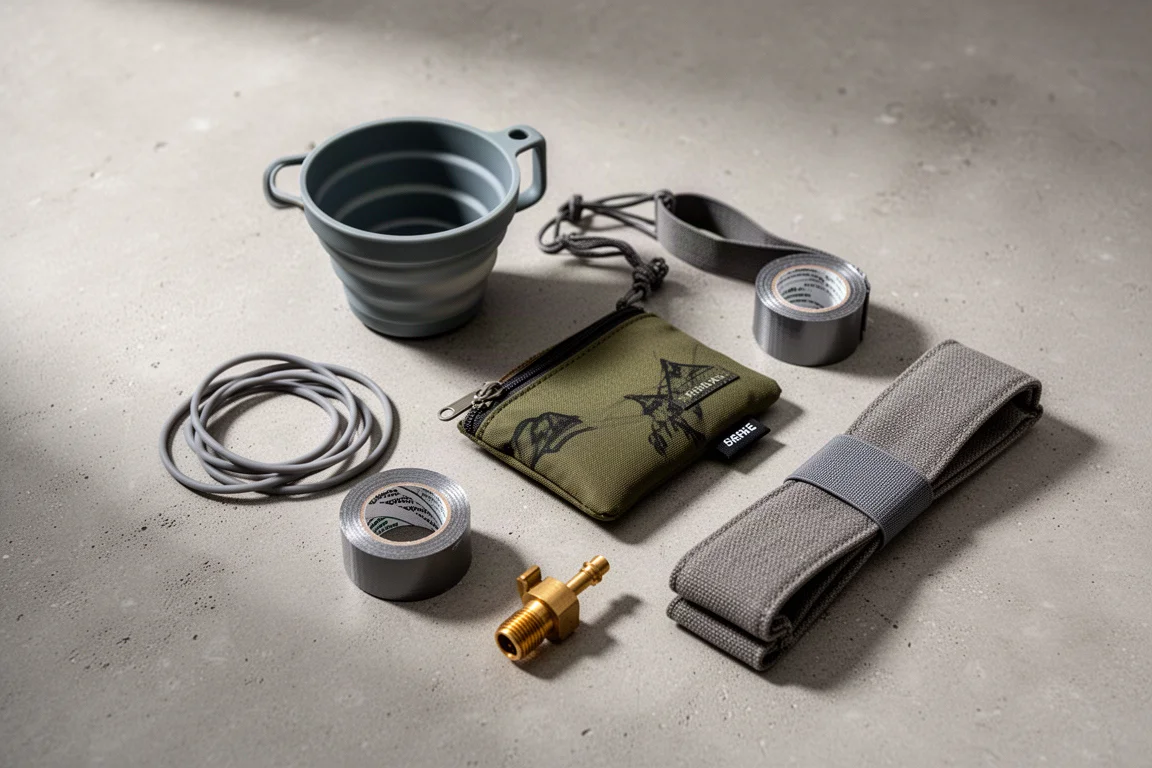
8 Ultralight Backpacking Gear Upgrades Worth Carrying
Eight small, affordable backpacking upgrades that solve real trail annoyances, from a pillow that stays put to a fuel valve that rescues leftover canister gas.