Camping Tents
Best Summertime Tents: Mesh Coverage, Fly Design, and Two Designs Compared
What to look for in a three-season summer tent, plus a close look at two designs that show how mesh coverage and fly geometry decide whether you sleep cool or sweat all night.
Introduction
Warm-weather camping lives or dies on airflow. A tent can look the part in photographs and still leave you sweating through the night, because the features that keep a shelter comfortable in summer are structural rather than cosmetic. Three-season tents, the category that covers late spring, summer, and early fall, are built for exactly this window, and the difference between a good one and a poor one is visible before you ever pitch it.
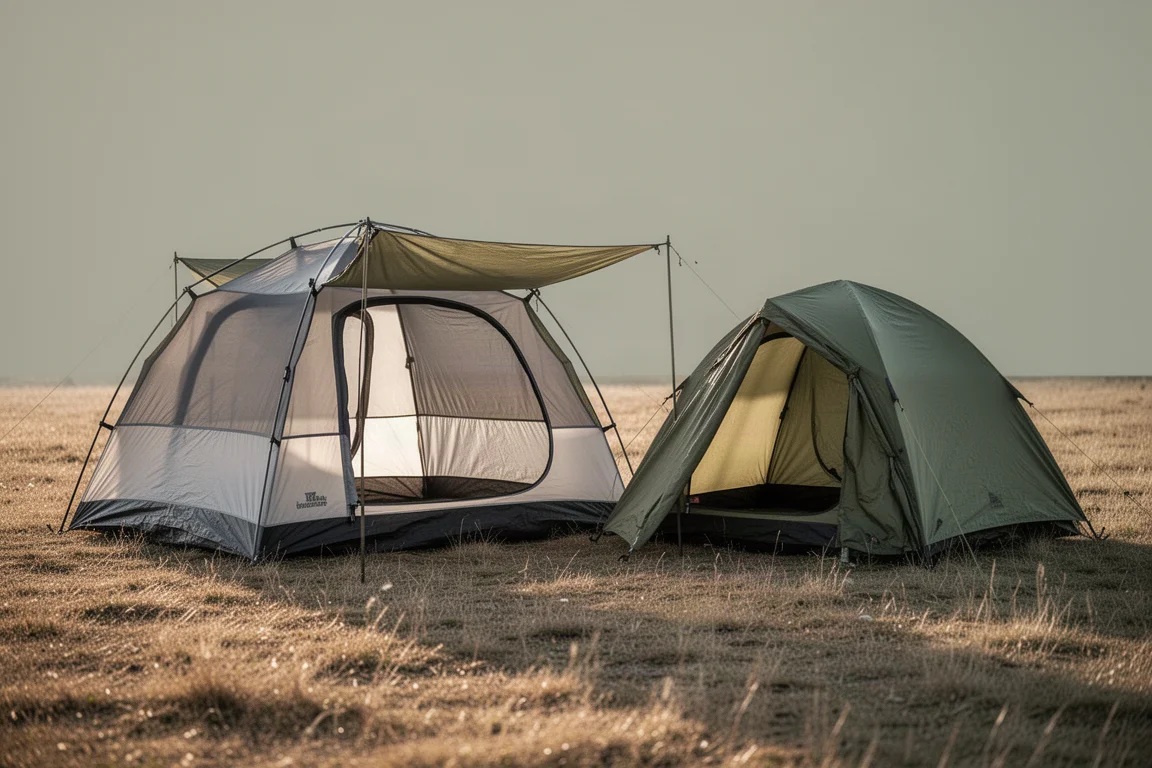
Two designs illustrate that gap clearly. The Teton Sports Mountain Ultra shows what a warm-weather shelter should look like, with a mesh-dominated inner body and a fly that leaves room for air to move underneath. The Free Soldier one-person tent takes the opposite approach, with solid fabric panels wrapping the body and a fly that drops close to the ground. Tent size is not the point here. The same principles apply to one-person, two-person, and larger shelters.
What Makes a Good Summertime Tent
A three-season tent is aimed at the warmer half of the year, with the primary focus on summer and the hotter months. Its central job is simple to state and easy to get wrong: let cool air in, and let heat out. That comes down to three things, which are mesh coverage across the inner body, the placement of any fabric panels, and the geometry of the fly.
Mesh is what makes airflow possible in the first place. It lets the breeze pass through the body of the tent and gives heat somewhere to go. Fabric does the reverse. It holds heat rather than letting it pass, blocks moving air, and blocks breeze, which is precisely what you do not want when the nights are warm and humid.
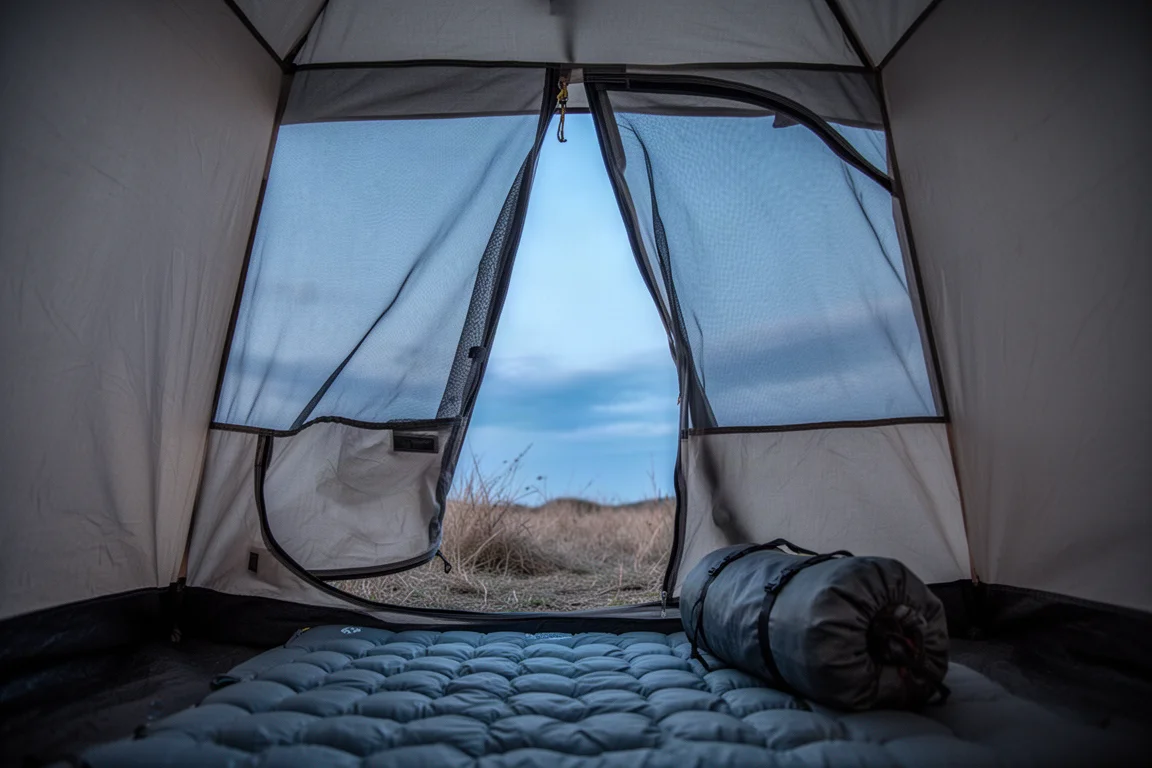
Placement matters as much as quantity. A tent with a reasonable-looking mesh-to-fabric balance can still sleep hot if the fabric sits at the height where you actually lie, because the panels then hold heat in around the head and the feet, the two areas where trapped warmth is felt first. Mesh at the very top of a shelter helps far less than mesh at floor level, since nobody sleeps at the apex.
Why Mesh Coverage Matters in Warm Conditions
Airflow is the whole point of a summer tent, and the only reliable way to get it is through mesh. Cool night air and a moving breeze need an unobstructed path into the shelter, and heat needs an equally clear path out. Anything that blocks that path, whether a wide fabric panel or a fly pressed flat against the body, works against comfort in warm conditions.
This is why a body covered almost entirely in mesh is the most dependable starting point. It guarantees that the air reaching the tent also reaches the person inside it, rather than stopping at a layer of fabric a few inches away. On a still, humid night, that difference is the difference between sleeping and lying awake.
Teton Sports Mountain Ultra: A Strong Warm-Weather Design
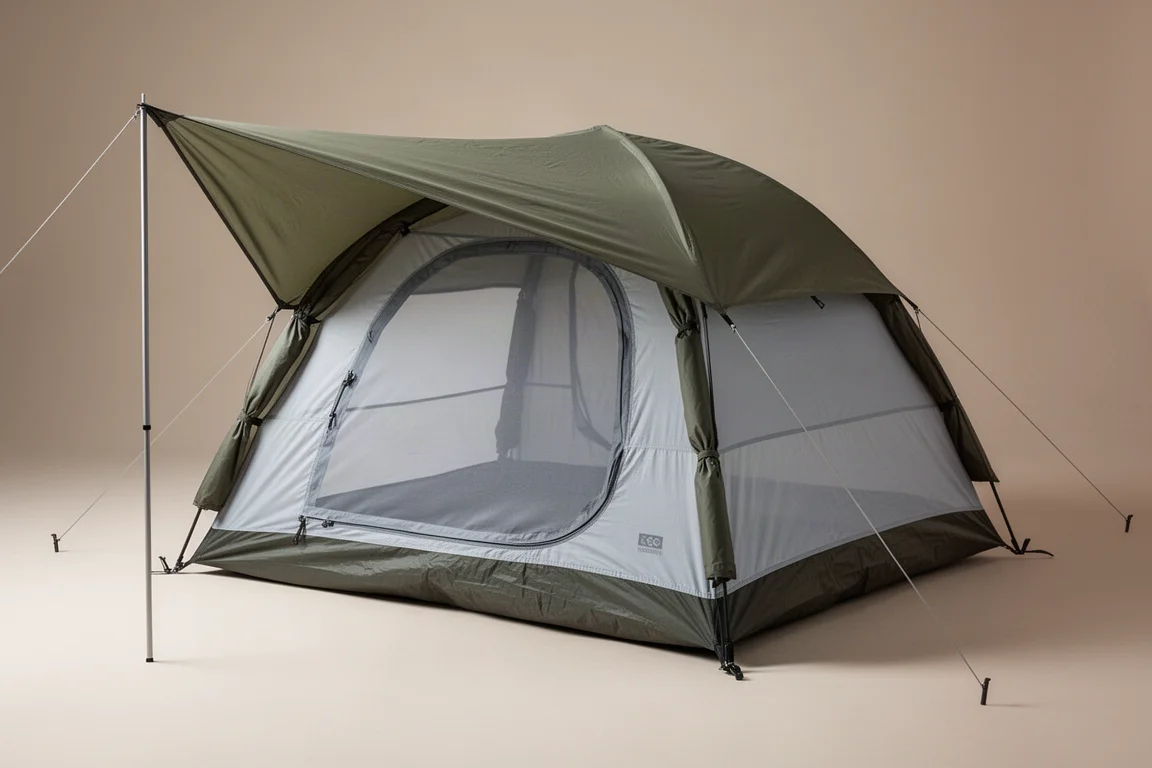
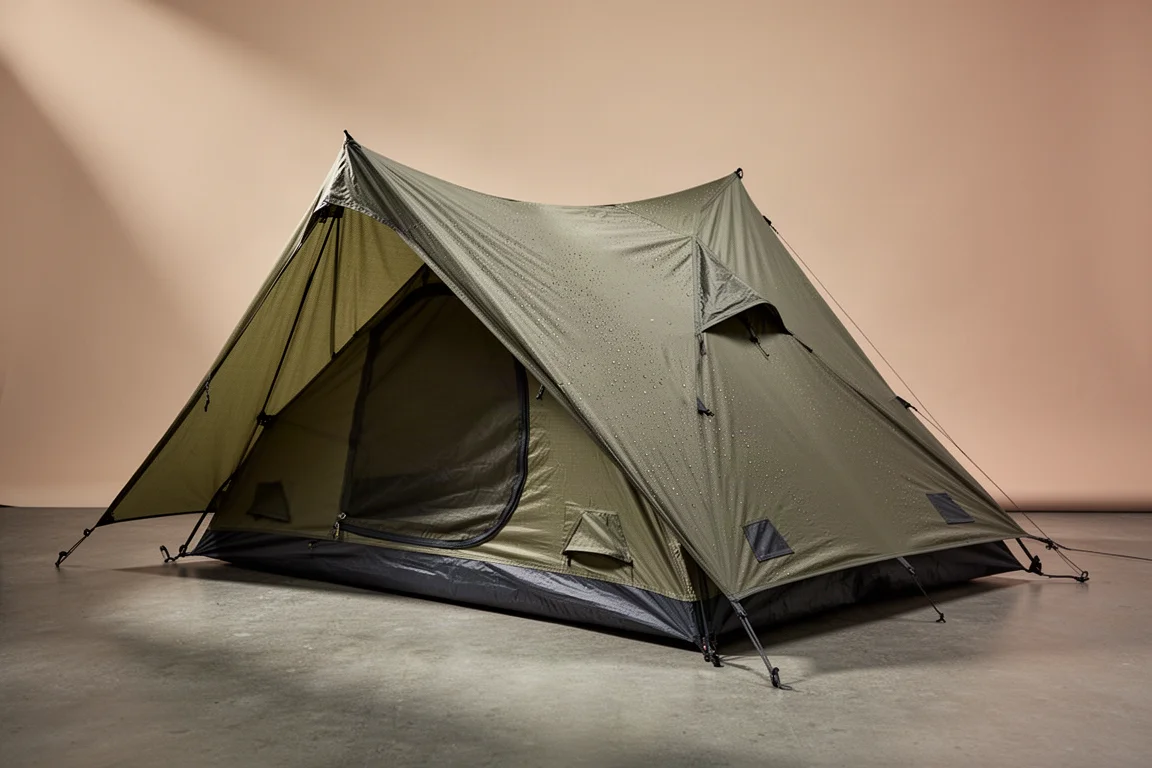
The Teton Sports Mountain Ultra begins with a bathtub floor for waterproofing, and from there the body is mesh from the ground up, with no fabric panels interrupting the surface. Air enters and heat escapes across the whole body rather than only at the top, which is exactly the behaviour a three-season shelter should deliver.
The fly follows the same logic. It sits roughly five inches above the ground at its lowest point, leaving a clear gap for air to travel underneath and into the body. The doors stake out and pull away from the tent, and the sides can be staked out and pulled away as well, so the fly never rests flat against the mesh and smothers the airflow it is meant to protect.
That combination matters most on still, humid nights, when cross ventilation from the sides and the gap under the fly are doing the real work. It is also the part of a tent’s design that a simple photograph of a pitched shelter rarely makes obvious, so it is worth checking directly on any tent you are considering.
Where Fabric-Heavy Designs Go Wrong
Fabric is cheaper to manufacture than mesh, and that economic reality explains a great deal about the tent bodies on the market today. A shelter can be advertised as three-season with excellent airflow while carrying large fabric panels around the sides and over the sleeping area. The mesh near the top may be genuine, but it sits above the occupant, while the fabric below traps heat and blocks the breeze at the height where a person actually lies.
This is not limited to inexpensive tents. Fabric-heavy designs appear at high price points as well, including shelters in the region of $400. Price is not a reliable indicator of warm-weather performance, and a costly tent can still be the wrong one for summer.
Free Soldier One-Person Tent: Limited Airflow by Design
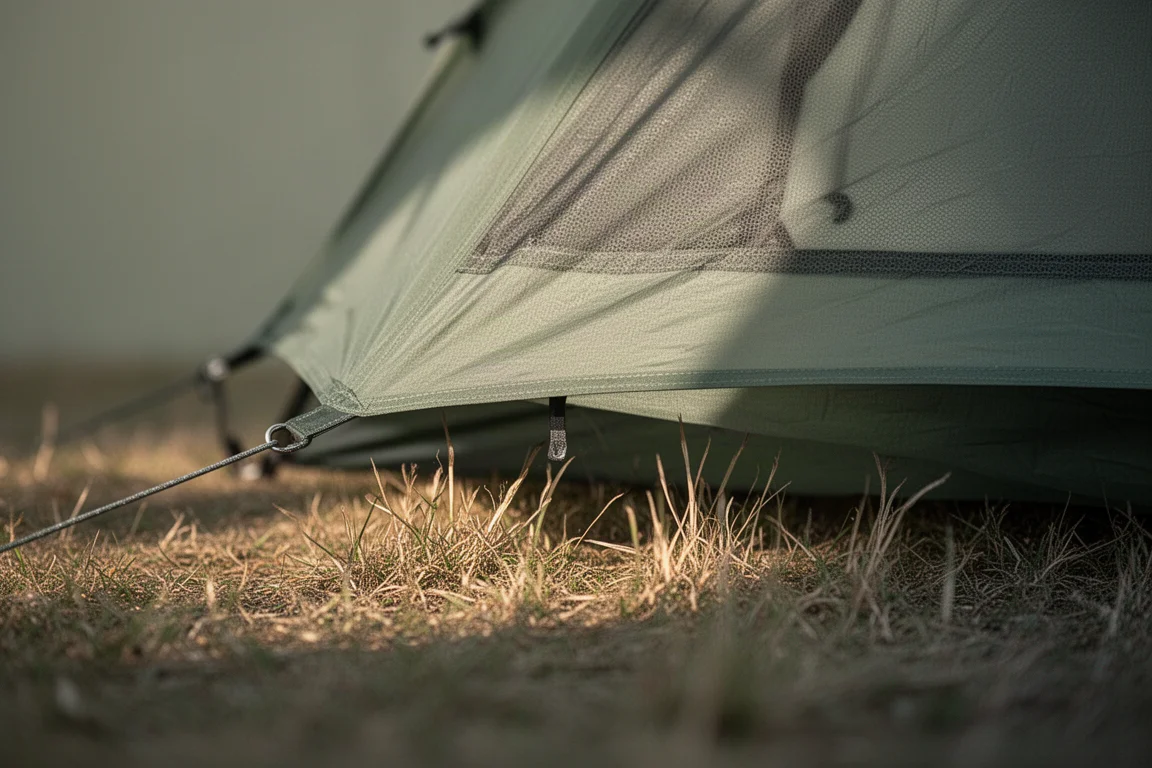
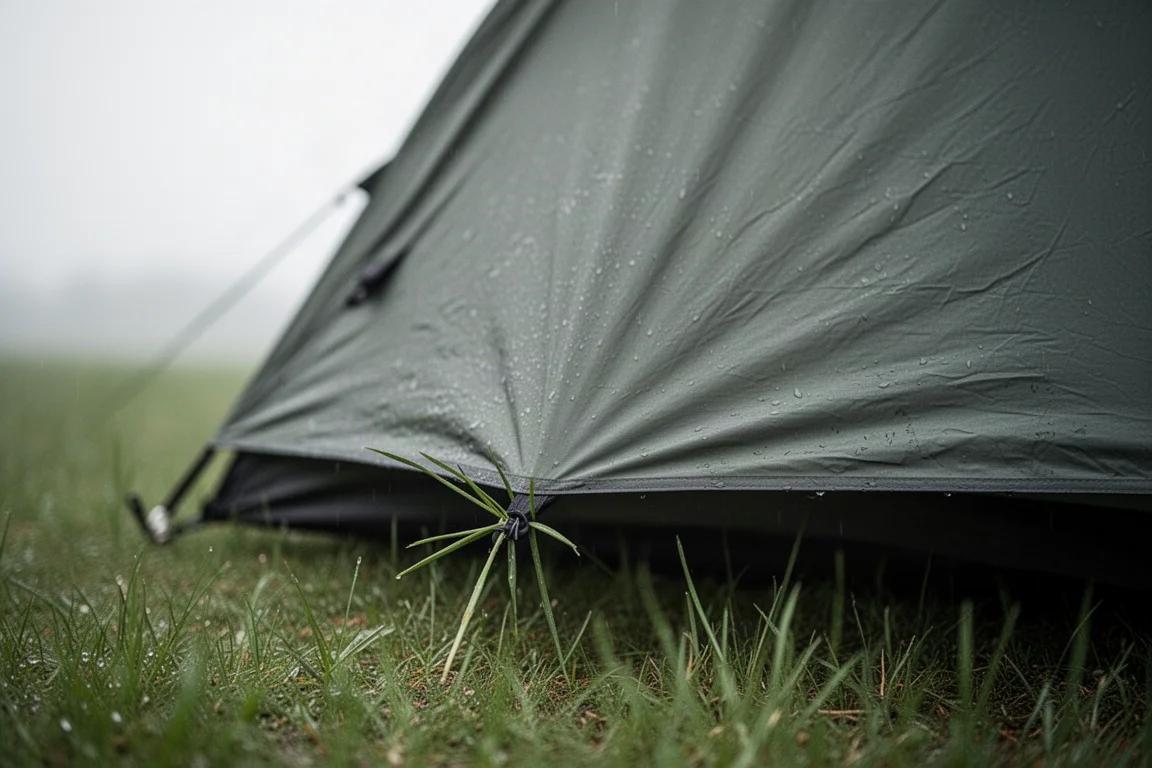
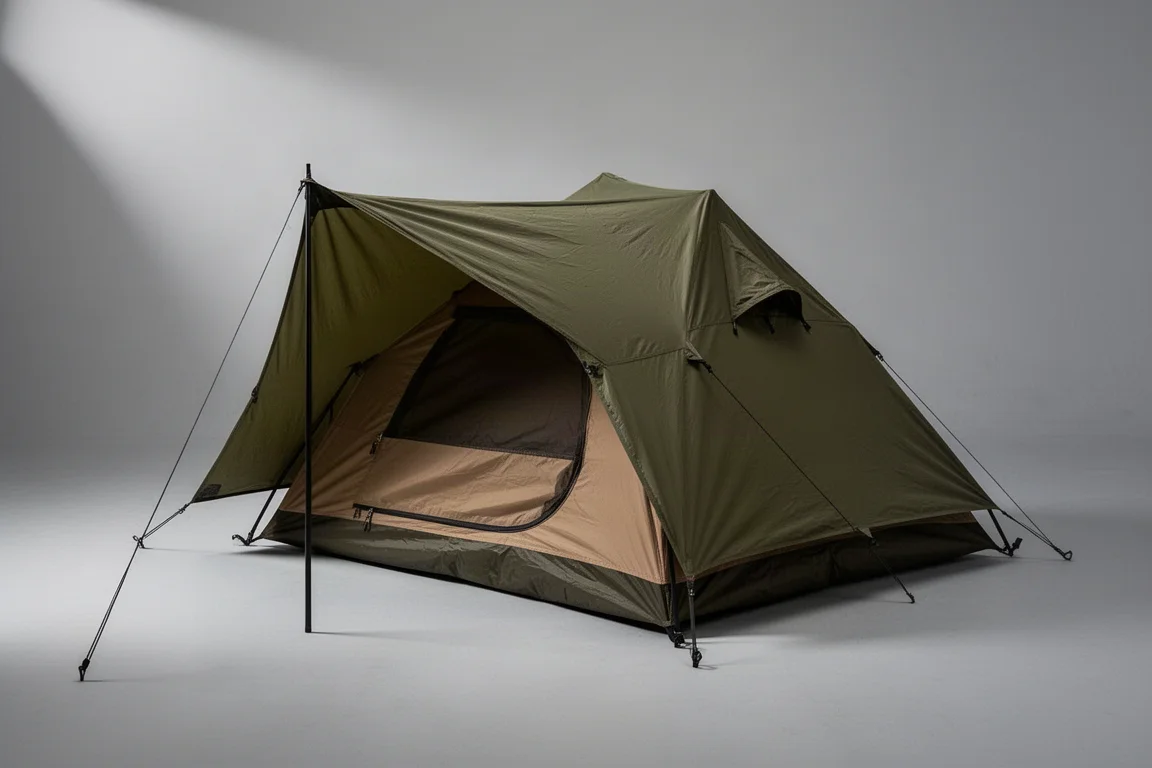
The Free Soldier one-person tent illustrates the pattern clearly. A substantial fabric section wraps around the body, with additional fabric at the top, and the fly extends almost to the ground, leaving only about three inches of separation at its greatest point. Air has almost no path to travel underneath the fly and into the tent body.
The sides compound the problem. The fly cannot be staked out and pulled away from the body, so the fabric lies directly against the shelter on both sides. With no gap at the hem and no standoff along the flanks, cross airflow is largely eliminated. The practical result on a warm night is a hotter interior, higher humidity, and a greater likelihood of condensation building up inside.
Some mesh at the apex does not change the outcome, because the fabric panels still sit between the occupant and the moving air. The build is closer to what a cold-weather shelter needs, where blocking wind and retaining heat are the goals, than to what a summer tent requires.
Tent Fly Design and Ground Clearance
Two fly details decide how much air reaches the body. The first is ground clearance. A fly that hangs very low restricts airflow, while a hem lifted clear of the ground lets air pass underneath. The second is standoff. The fly should be able to be staked out and pulled away from the body on each side. When neither is possible, airflow drops sharply, and humidity and condensation become likely companions.
Vents are a secondary consideration. They are nice to have, but they do not make or break a tent, and they carry a real risk because the stitching and seams around them can leak. Even very good tents sometimes let water in at a vent. Vents also have to be closed when the weather turns, which is exactly when a camper might be counting on them. The airflow you can rely on comes from the doors and the sides, not from a vent.
How to Evaluate Any Tent Before You Buy
Marketing copy is not a specification sheet, and it is worth treating the description of any tent with a degree of scepticism. The reliable method is to examine the shelter itself and answer a few concrete questions. How much of the inner body is mesh, and where does the remaining fabric sit? Does the fly stand well clear of the ground, or does it drape to the turf? Can the sides and the doors be staked out and pulled away from the body? Are there fabric panels around the head or the feet, where trapped heat is felt first?
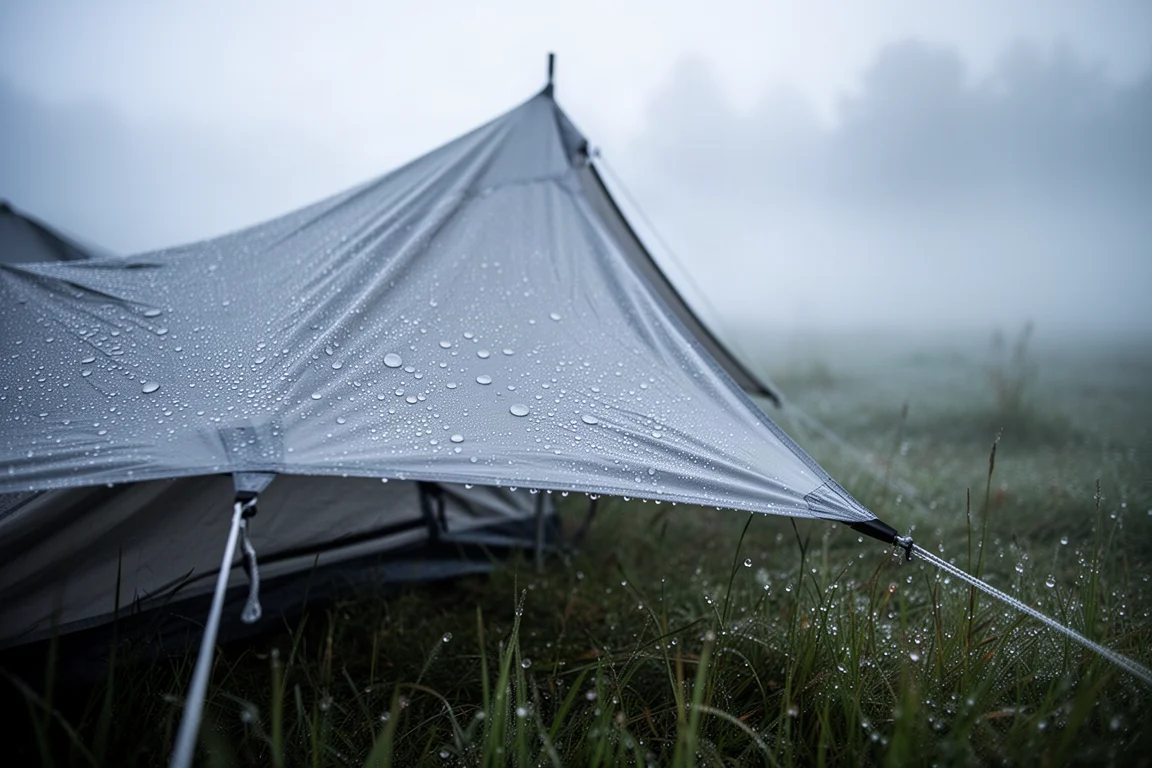
Those checks take a few minutes, and they cut through claims that do not hold up under scrutiny. A body that is mostly mesh, paired with a fly that stands off both the ground and the sides, is doing the work a warm-weather shelter is supposed to do. Anything less is a compromise that shows up on the first humid night.
Conclusion
For summer camping, prioritise mesh coverage across the inner body and a fly that leaves room for air to move underneath and along the sides. The Teton Sports Mountain Ultra follows that blueprint closely, while the Free Soldier one-person tent demonstrates how fabric panels and a low-hanging fly work against comfort in warm conditions. Read the description, then look at the design, because the design is what you will actually sleep in.
Further reading
Related Reviews
Camping Tents
3F UL Gear Taiji Two-Person Tent Review: Field Waterproofing Results and Buying Advice
The Taiji pairs an attached fly with a removable inner, but sustained rain exposed untaped vent seams that need sealing before this shelter can be trusted.
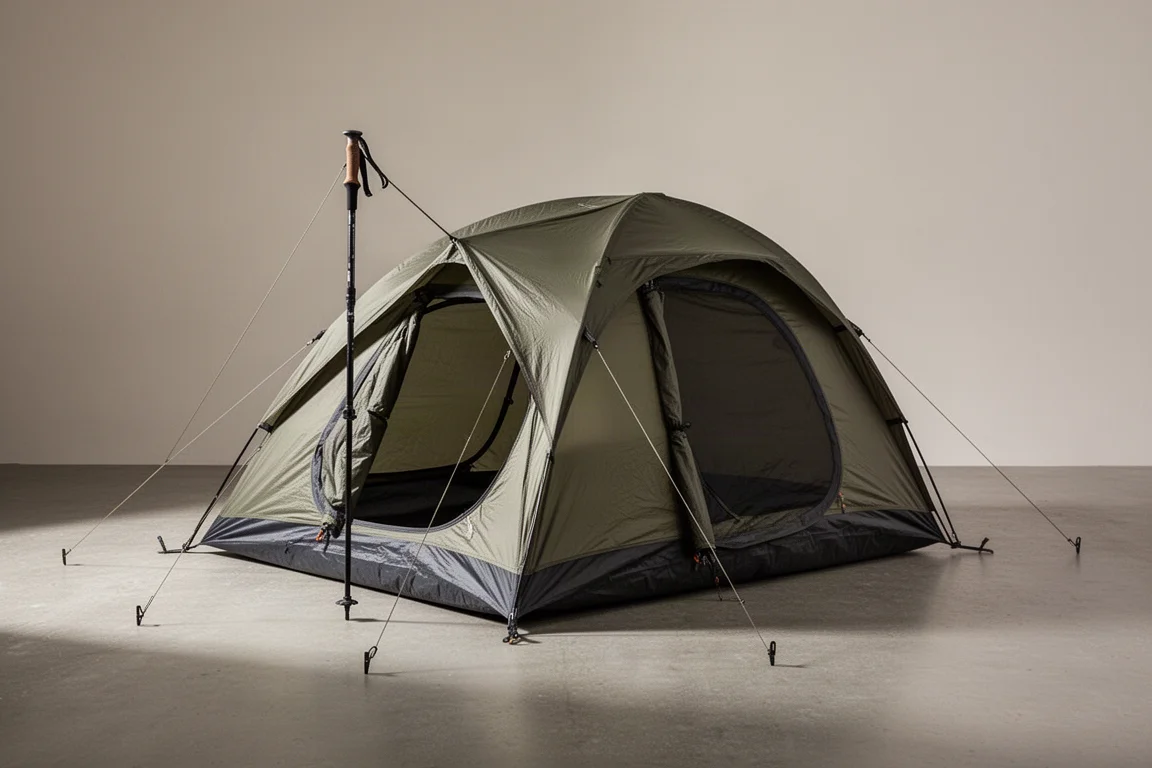
Camping Tents
3FUL Gear Lanshan 2 Pro 4-Season Review: A Sub-$200 Single-Wall Trekking Pole Tent
An early look at the 3FUL Gear Lanshan 2 Pro 4-Season, covering its straightforward pitch, generous interior space, and the condensation and seam-sealing questions that come with any single-wall shelter.
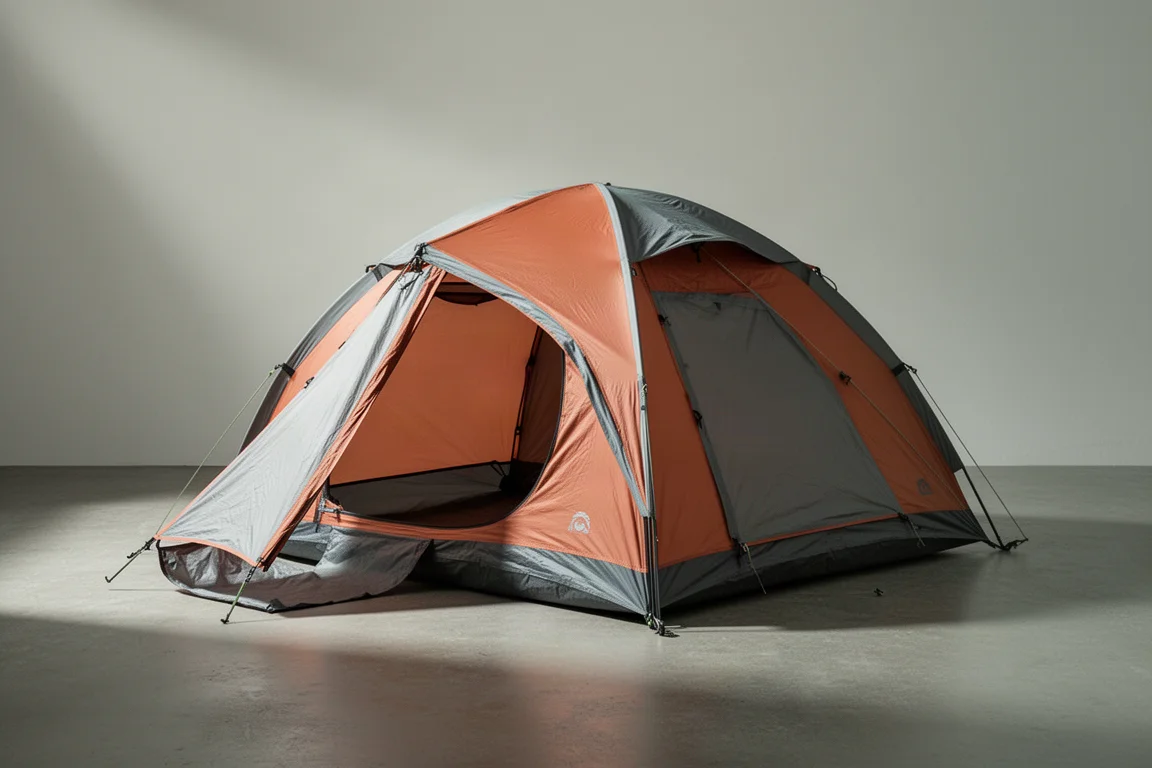
Camping Tents
Alps Mountaineering Lynx 1-Person Tent Review: Big Value in a Small Budget Tent
A close look at the Alps Mountaineering Lynx 1-Person Tent, covering real interior dimensions, materials, setup time, ventilation limits, and who should buy it.