Backpacking Gear
Best Summer Backpacking Gear: 4 Ultralight Upgrades Worth Packing
Four warm-weather upgrades that cut weight and manage heat, from a ventilated ultralight pack to two sleeping pads and a four-ounce mid-layer.
Introduction
Summer backpacking is often treated as the easy season, which is exactly why so much of the gear people carry is heavier than it needs to be. Cold-weather kit is designed around safety margins. Warm-weather kit can be designed around comfort, sweat management, and low weight instead.
The four products below each address a specific problem that shows up once temperatures rise: a pack that keeps air moving across your back, two sleeping pads that trade insulation for lighter weight, and a thin active layer for the cool hours after sunset. None of them are mandatory, and none of them replace the rest of your kit. They are simply the upgrades that tend to pay off most on a summer trip.
What to Look For in Summer Backpacking Gear
The first thing to accept about summer gear is that insulation matters less. A sleeping pad’s R-value is one half of what keeps you warm overnight, with your quilt or bag making up the other half. When mountain nights settle into the mid-40s, a lower R-value pad becomes a reasonable trade for a lighter pack.
Ventilation is the second consideration. Heat and humidity make sweat the dominant discomfort on a climb, and a heavy load makes it worse. A pack that holds its body away from your back can let moisture evaporate instead of soaking your shirt.
Breathability is the third. In humid conditions, even the most breathable rain gear can leave you soaked in sweat, so a light active layer often does more for comfort than a heavier insulated jacket. The trade-off is straightforward: gear optimized for warm nights will not carry you through a shoulder-season cold snap, so keep the colder-weather pieces for the trips that need them.
Best Summer Backpack: Zpacks Arc Air Ultra
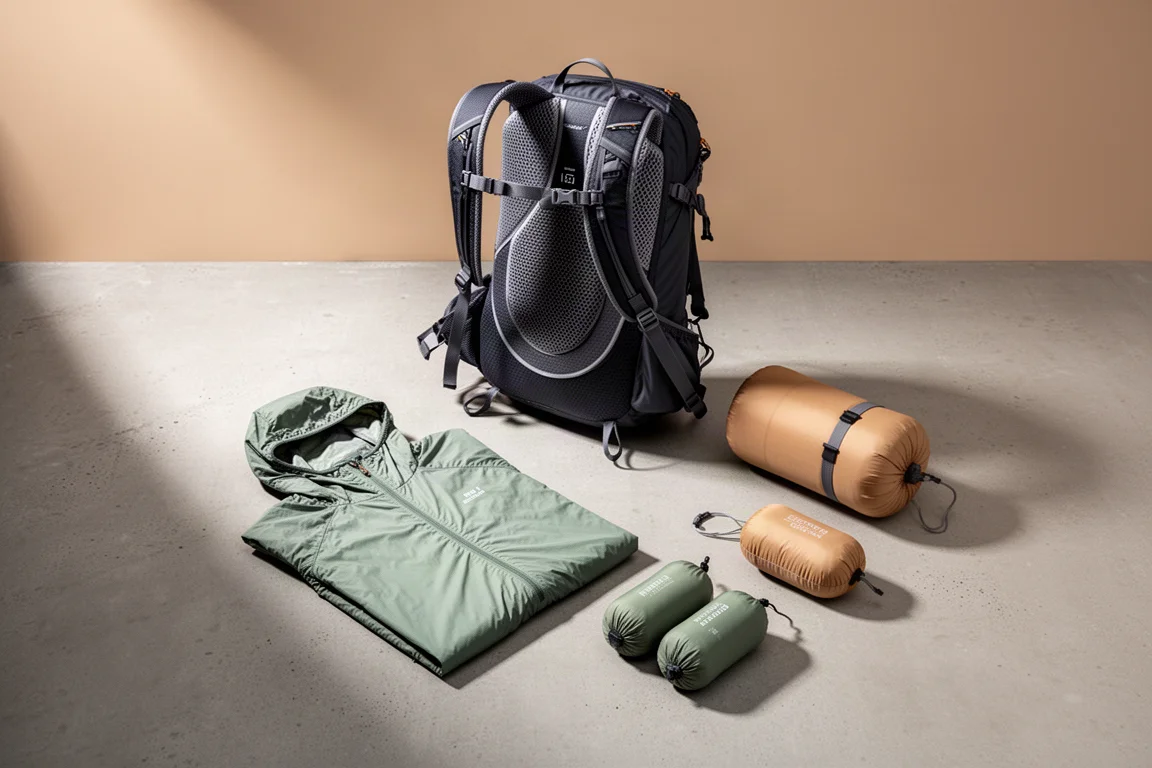
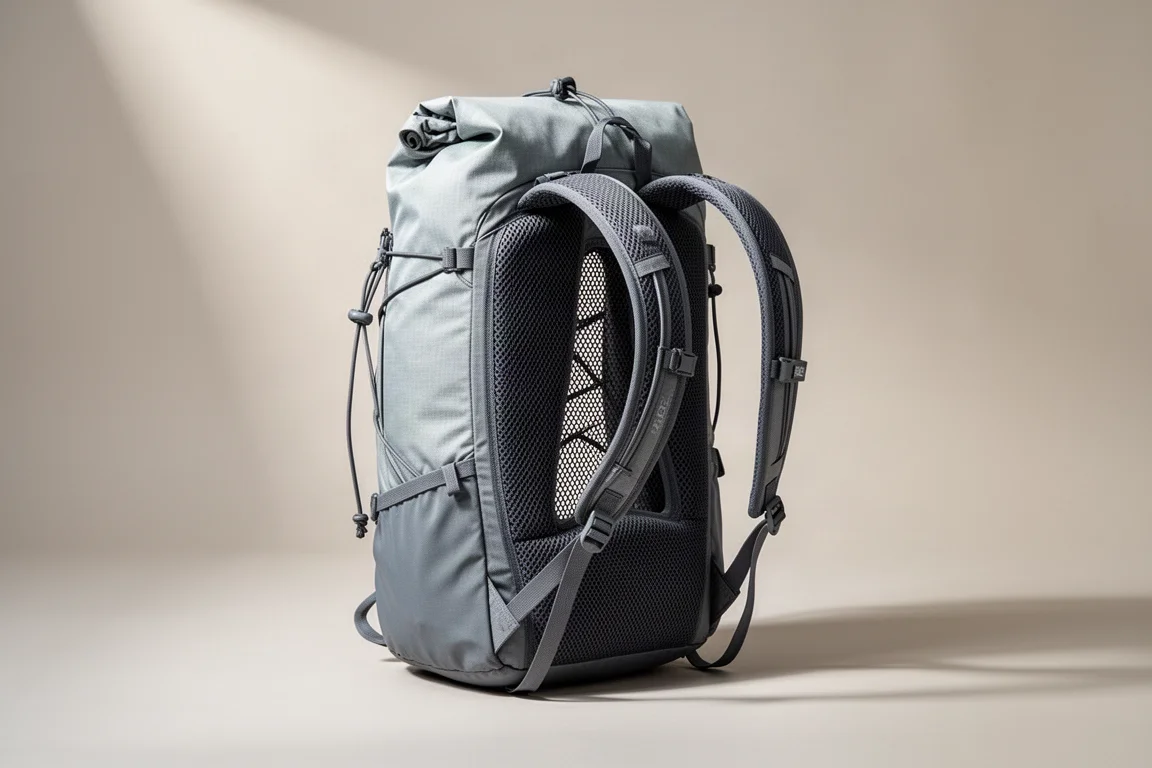
The Zpacks Arc Air Ultra weighs 20 oz, which is remarkable for a pack with any kind of frame at all. Its frame is a flexible, almost external structure that bends into an arc, paired with a mesh backing panel. Only the mesh and the top and bottom of the pack touch your back, so sweat can evaporate rather than collect.

That design makes the most sense for hikers who feel the heat first and the load second. Ventilated packs have traditionally been heavy, and carrying a heavy load uphill is one of the few things guaranteed to make a summer hike hotter. The Arc Air Ultra is the uncommon combination of genuine back ventilation and an ultralight carry weight.
Best Ultralight Sleeping Pad: Therm-a-Rest UberLite
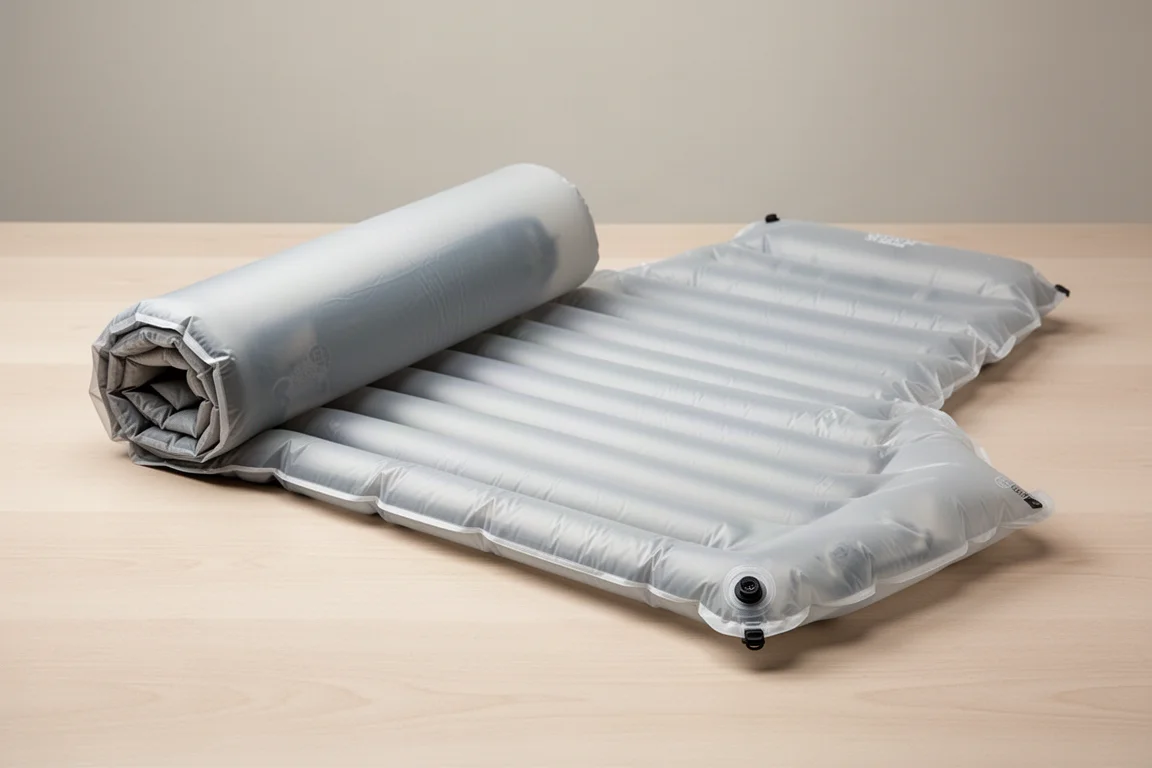
At 8 oz, the Therm-a-Rest UberLite is one of the lightest ways to get off the ground. Its R-value of 2 is deliberately modest, which is exactly the point in summer. Even in the mountains, warm-season overnight lows can sit in the mid-40s, and a pad with a lower R-value is a sensible choice when insulation is not the priority.
R-value still deserves attention. It is half of what keeps you warm at night, and the UberLite is not the pad to bring when temperatures drop. For mild summer trips where every gram counts, though, it is a clean way to cut weight from your sleep system.
Best Value Summer Sleeping Pad: Klymit Static V
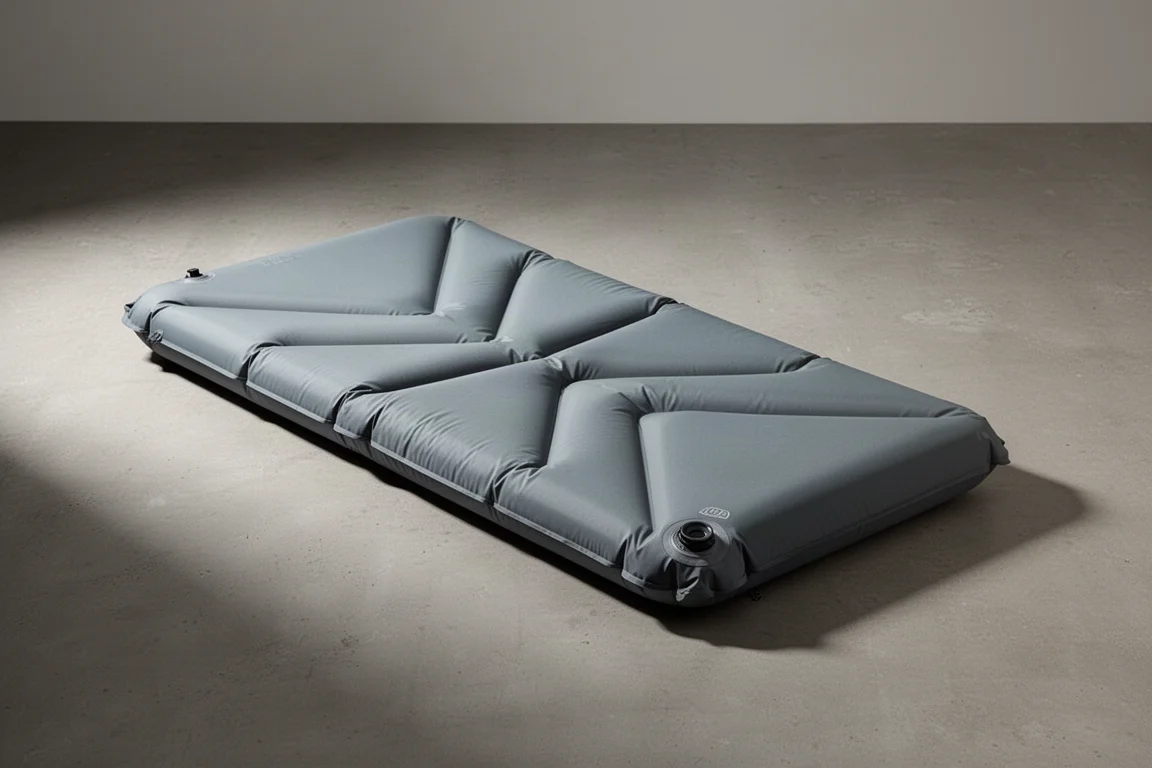
The Klymit Static V takes the opposite approach to the UberLite. It is affordable at $54, and its welded chamber design creates valleys where the pad is only millimeters thick. That construction is the reason it performs poorly in cold weather, since those thin sections offer almost no insulation.
In summer, that weakness stops mattering. The welded design does not hurt comfort and may even improve it, which makes the Static V a strong candidate for warm-weather trips where a low R-value is acceptable and comfort per dollar is the real metric.
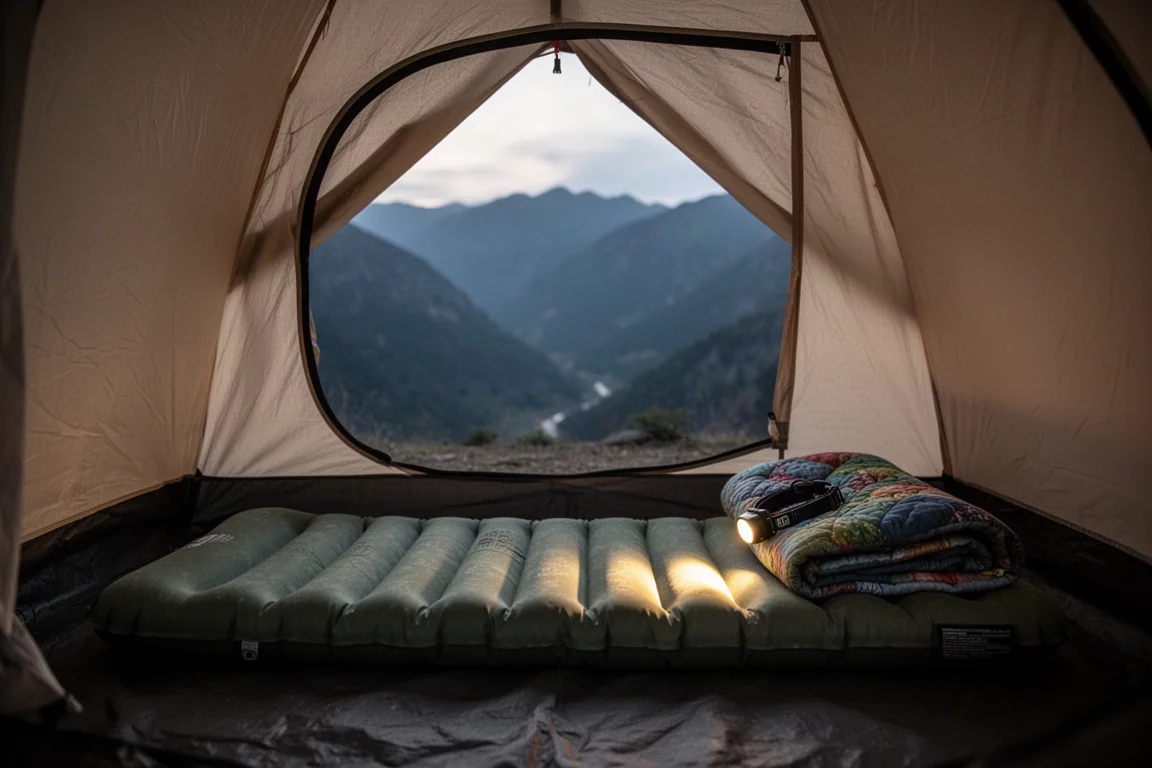
For backpackers who want a comfortable night’s sleep without spending much, the Static V is one of the easiest recommendations on this list. Pair it with a light quilt on a mild trip and the whole sleep system stays simple and inexpensive.
Best Summer Mid-Layer: Farpoint Alpha Cruiser
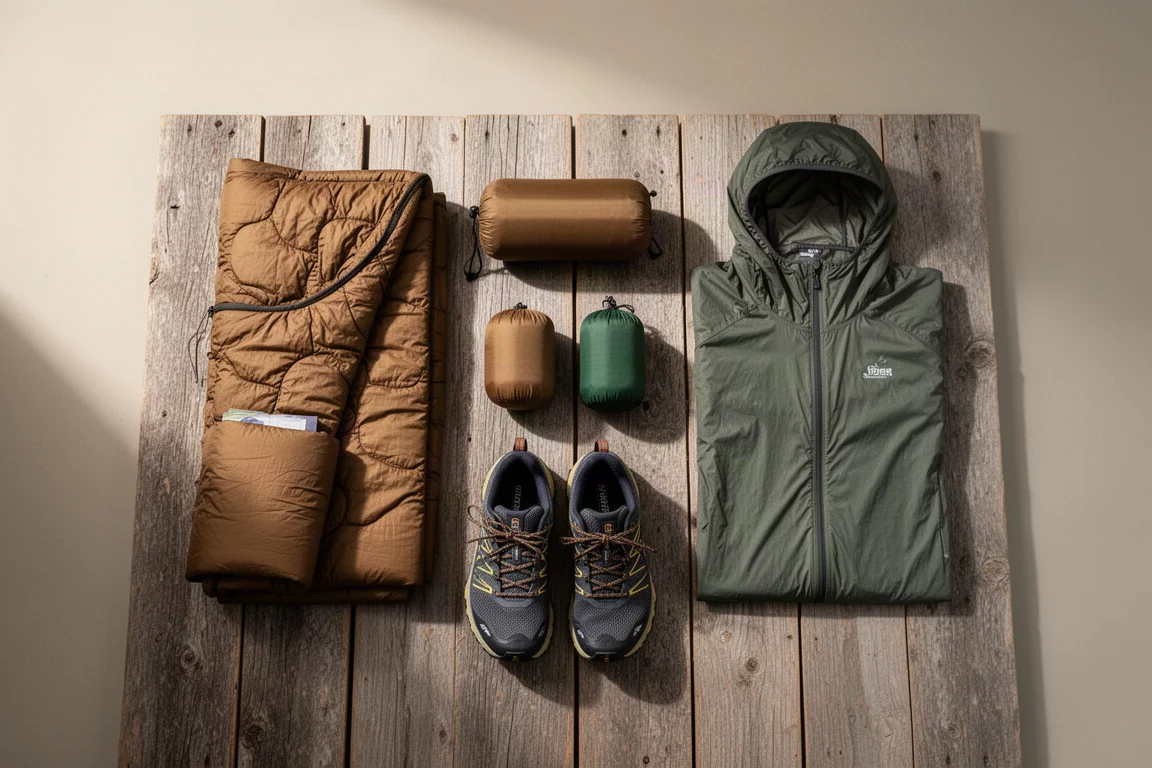
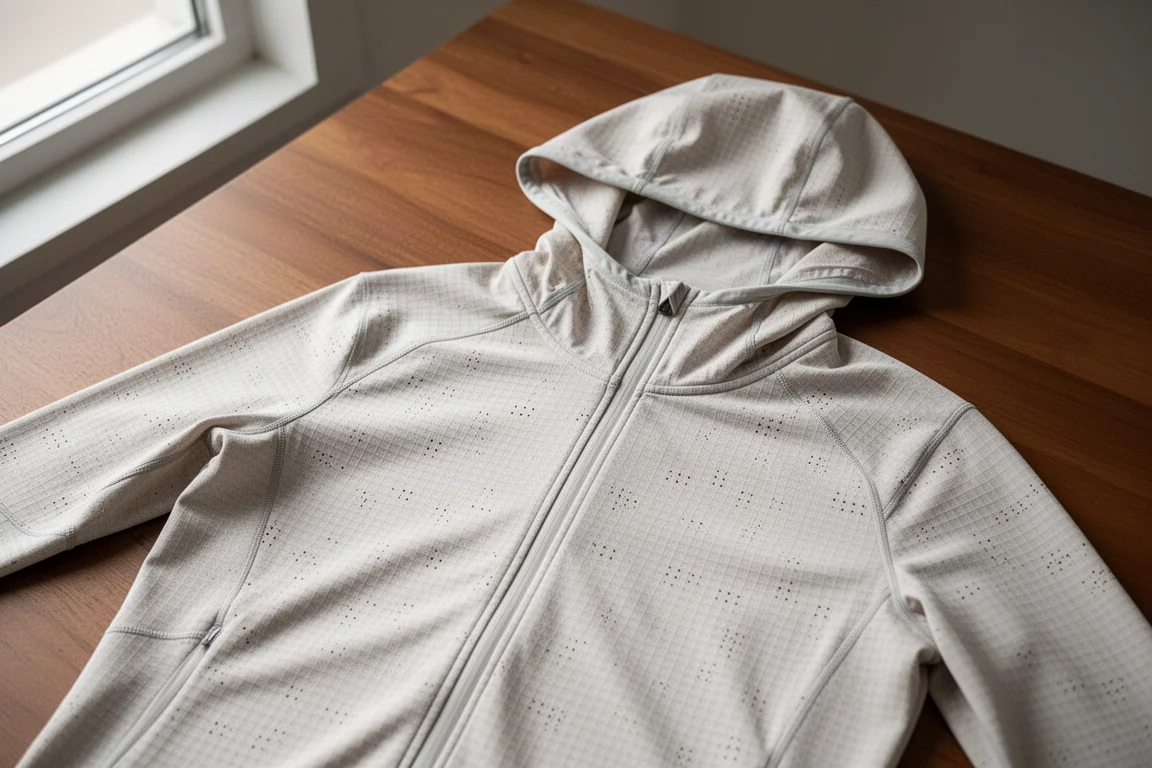
Evenings in the mountains can still turn cool in summer, and the Farpoint Alpha Cruiser is built for exactly that window. It weighs just 4 oz and is designed primarily as an active layer, with enough warmth for a cool summer evening after the sun goes down.
The unusual part is the fabric. Holes in the material are part of the design rather than a defect, and they are what keep the layer so light and breathable while still holding enough loft to take the edge off. Anyone buying one should expect to see them.
Buying Advice: Building a Lighter Summer Kit
Start with the problem you actually have. If sweat and heat are what wear you down, a ventilated ultralight pack like the Zpacks Arc Air Ultra addresses the root cause. If your pack already works and your sleep system is the heavy part, the decision is about insulation: the Therm-a-Rest UberLite cuts weight for mild nights, while the Klymit Static V keeps the cost low and the comfort high. If you tend to get cold once the sun sets, the Farpoint Alpha Cruiser covers that gap for four ounces.
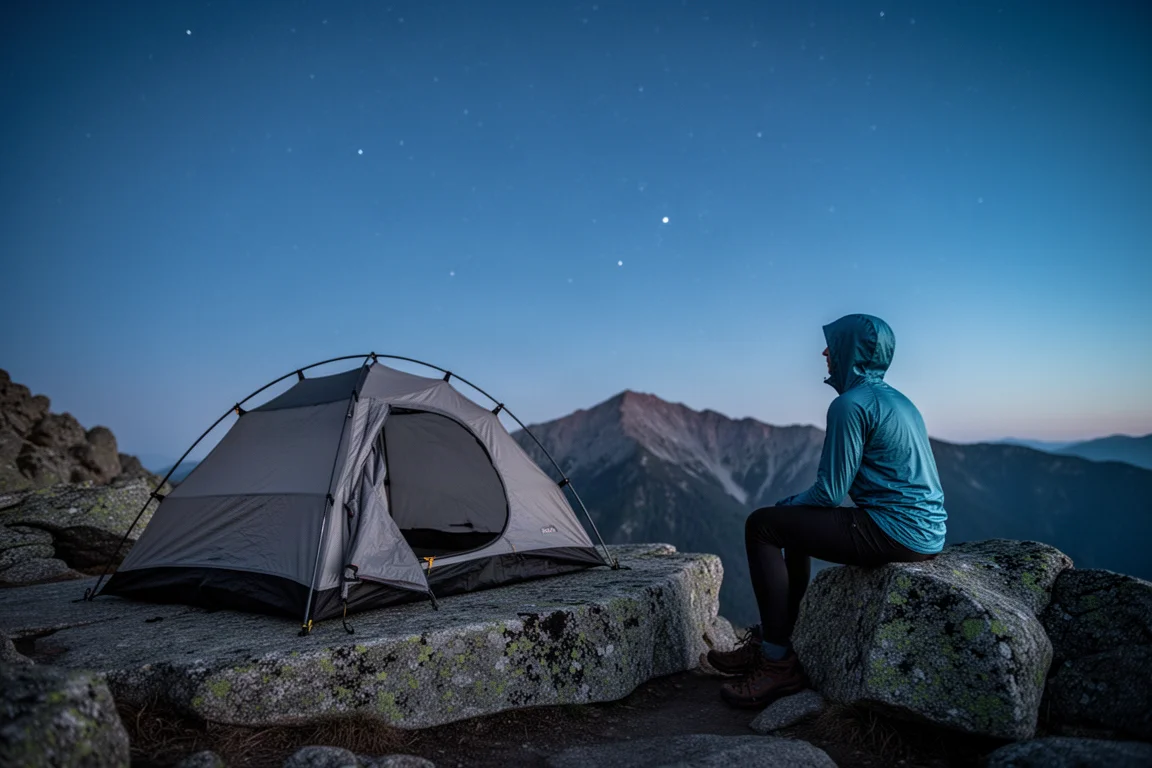
There are other summer categories worth a look as well, including lightweight quilts, compact trekking umbrellas for humid climates, and sub-ounce head nets for buggy stretches of trail. The common thread is that each one trades cold-weather capability for something more useful in warm conditions. That trade is worth making for a summer trip, as long as you keep the warmer gear for the seasons that demand it. A low R-value pad and a four-ounce layer are excellent in July and a poor idea in November.
Conclusion
Summer backpacking rewards gear that is chosen for the conditions in front of you rather than the worst conditions imaginable. The Zpacks Arc Air Ultra solves heat with ventilation at 20 oz, the Therm-a-Rest UberLite and Klymit Static V solve sleep weight at two very different price points, and the Farpoint Alpha Cruiser handles cool evenings for four ounces. Pick the one that matches the problem you feel most, and the rest of your kit gets easier to carry.
Further reading
Related Reviews

Backpacking Gear
Building a 10 lb Base Weight: An Ultralight Backpacking Gear List
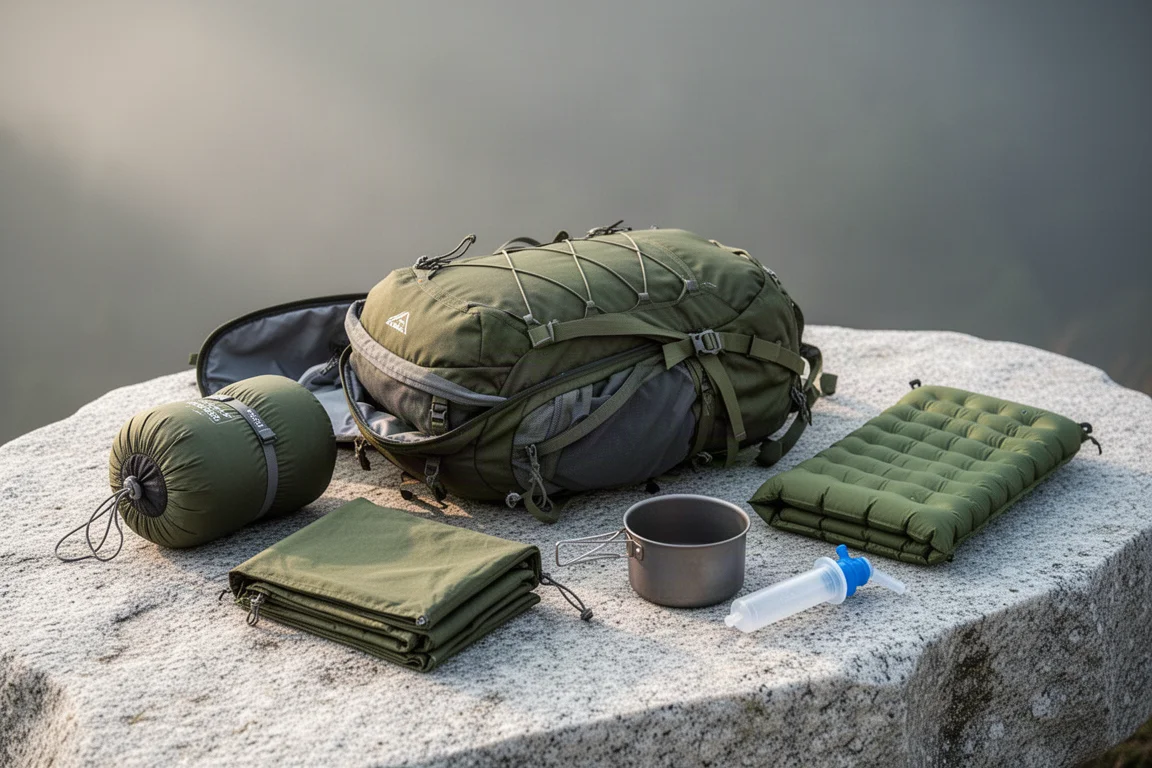
A practical walkthrough of the ultralight pieces behind a 10 lb base weight, from a 765 g pack and a roomy one-person tent to a full camp chair and a dependable water filter.
Backpacking Gear
A 15-Pound Lightweight Backpacking Gear List for Solo Trips
A beginner-friendly 15-pound backpacking setup built from easy-to-find gear, with notes on what each piece does, how it packs, and where to spend your attention.
Backpacking Gear
8 Ultralight Backpacking Gear Upgrades Worth Carrying
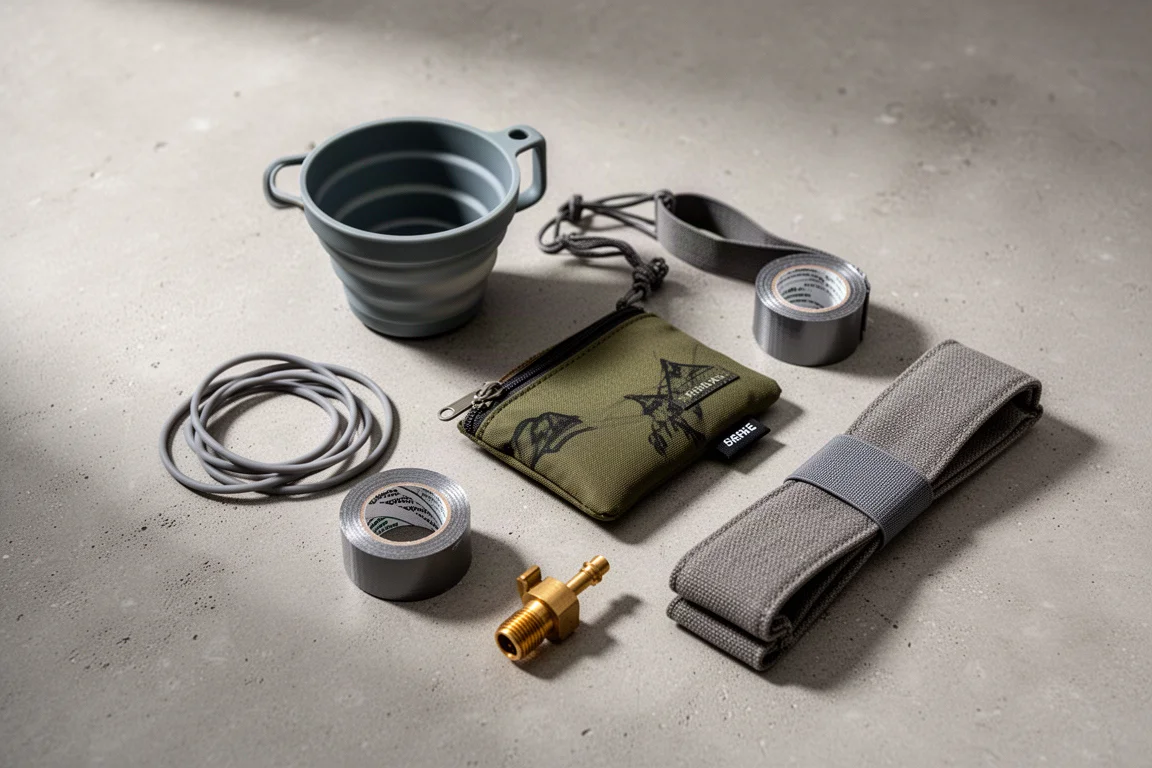
Eight small, affordable backpacking upgrades that solve real trail annoyances, from a pillow that stays put to a fuel valve that rescues leftover canister gas.