Cycling Computers
Best Sub-£200 Cycling Computers: Seven Affordable Head Units Worth Considering
A practical roundup of seven sub-£200 cycling computers, covering navigation, sensor support, battery life and the kind of rider each unit suits.
Introduction
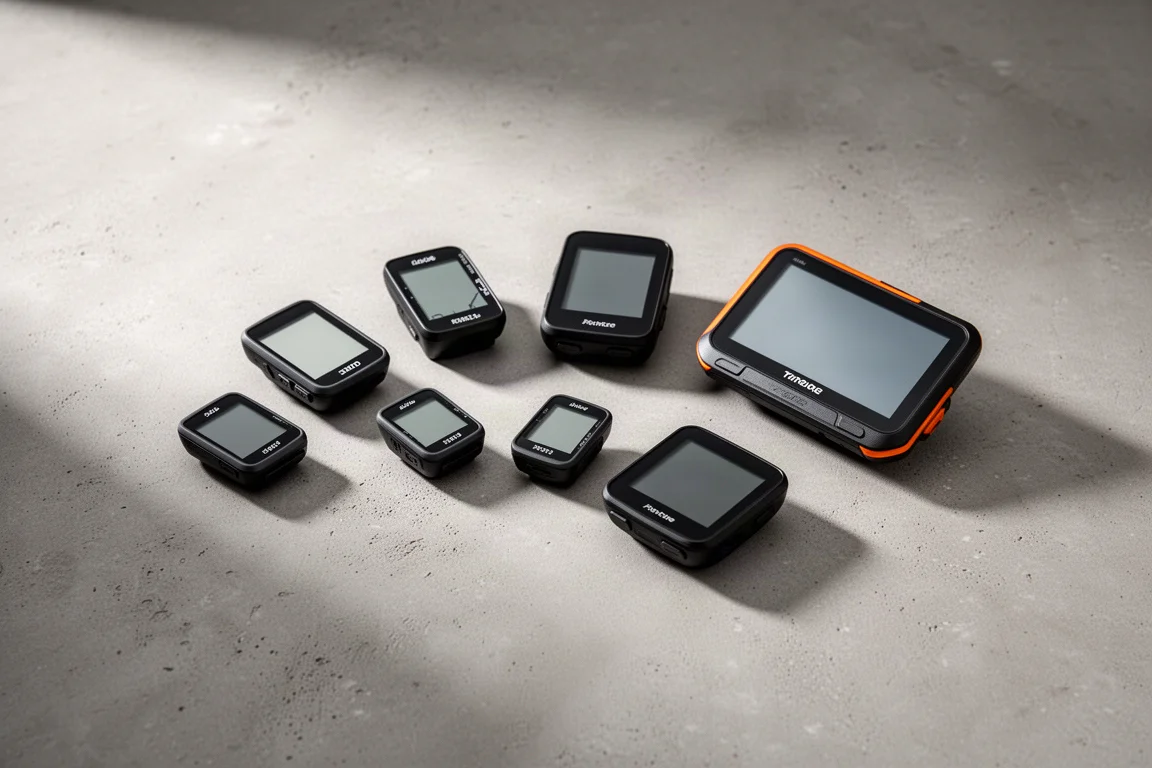
Top-end cycling computers can cost as much as £500, but much of what makes them useful has filtered down into a far more affordable bracket. Every unit in this roundup comes in under £200, and several of them cover the essentials that matter most on the road: dependable sensor pairing, clear ride metrics, Strava live segments and, in some cases, full navigation.
The compromises are real, though. Cheaper head units tend to trade away screen size, button layout, battery life or sensor support, and those differences matter more in daily use than a long feature list suggests. Below is a look at seven sub-£200 computers, what each one does well and the kind of rider it is likely to suit.
What to Expect From a Sub-£200 Cycling Computer
Price in this bracket buys different things depending on the model. Some computers spend the budget on connectivity and training features, others on a colour touchscreen, and a few deliberately strip everything back to a handful of numbers.

The main dividing lines are navigation, sensor support and battery life. Units with mapping and touchscreens tend to be bulkier and shorter on runtime, while the simplest models can run for days and cost far less. Sensor support is the other key split: most units here pair over Bluetooth and ANT+, but not all, so it is worth checking before you buy if you ride with a power meter or a heart rate strap.
Bryton Rider 420
Bryton is one of the newer names in the category, and the Rider 420 shows why it is worth a look. It costs a little more than £100 once you have shopped around, yet it carries 77 functions, all of them reachable through the computer itself or through the companion app.
On the connectivity side it covers Bluetooth and ANT+, so power meters, speed sensors and cadence sensors all pair without fuss. Strava live segments and imported TrainingPeaks workouts can be run out on the road, and the unit can draw on any one of five GPS networks, which is useful if you ride outside your home region.
The learning curve is the main catch. The interface can be tricky to get to grips with at first, although it starts to make sense once you are in, and the buttons sit in an unusual place. An out-front mount helps, but sourcing one has proved awkward and it is not included in the box. For riders who want the kind of feature set usually found on units at nearly twice the price, it remains a strong option.
CatEye Quick Wireless
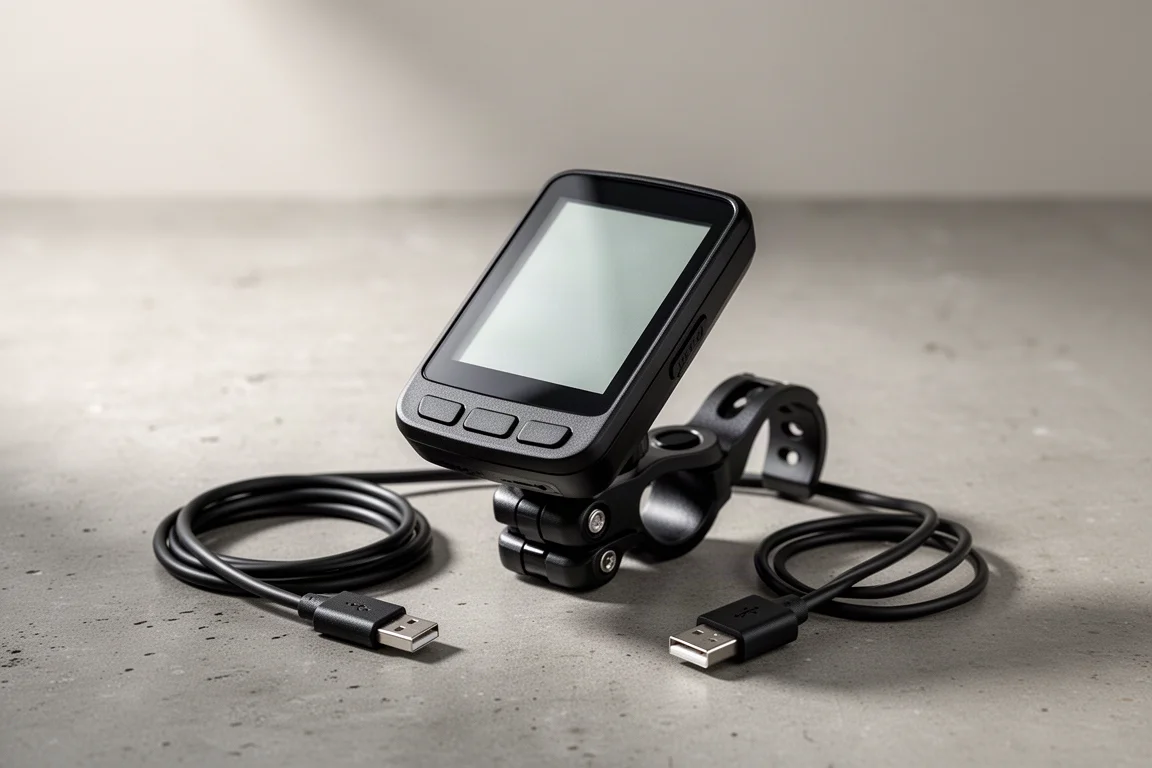
The Quick Wireless is about as simple as a cycling computer gets. Its entire function list is speed, distance, time and a clock, and that is the point: it removes heart rate, power data and navigation entirely and simply tells you how far you have been and how long it took.
The design is sleek, helped by the out-front handlebar mount included in the box, which gives the bars a clean look. Battery life is quoted in years rather than hours, which is a refreshing change from rechargeable head units.
Serious riders and anyone who needs navigational functionality will look elsewhere, and rightly so. For beginners and commuters, though, it covers what most rides actually require at an affordable price.
Lezyne Super Pro GPS
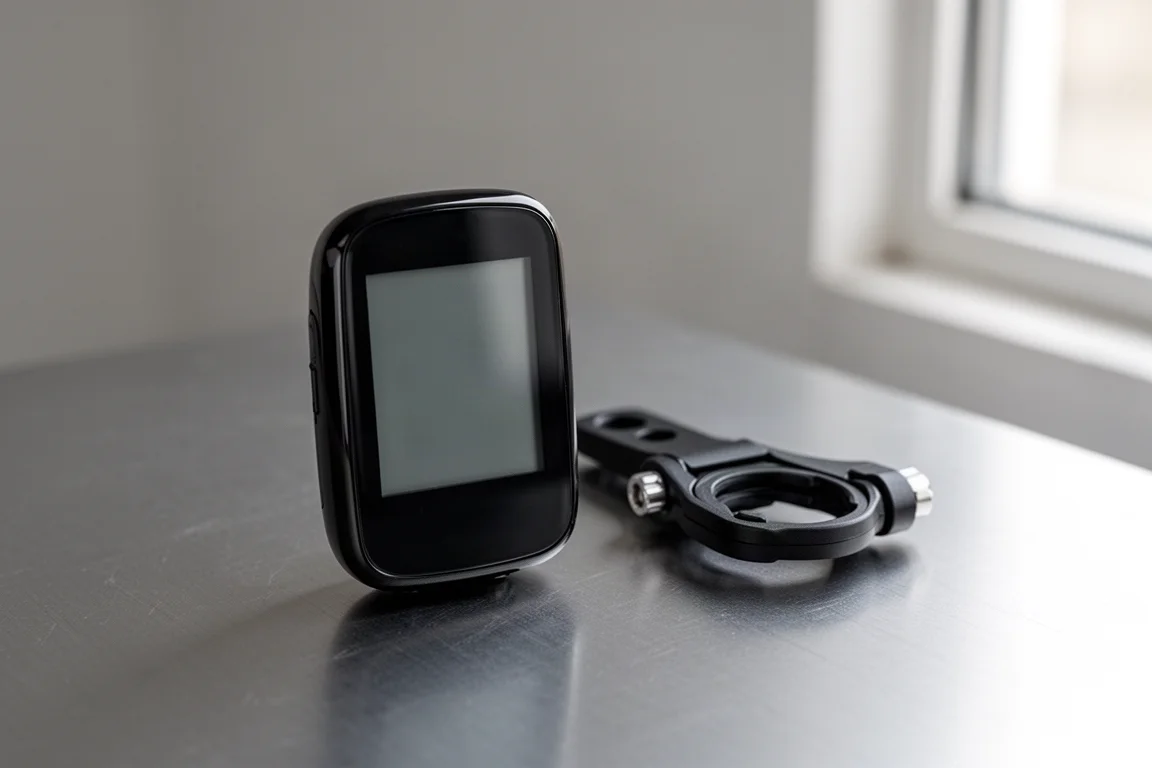
The Super Pro GPS is not one of the best-looking computers on the market, but it is one of the most valuable. Navigation is built in, and there is a smartphone app for setup and control, along with support for power, cadence and the other metrics you would expect.
Strava live segments and live tracking are included as well. The screen is small and can be hard to read, and only a few metrics are visible at any one time, with those fields controlled through the app.
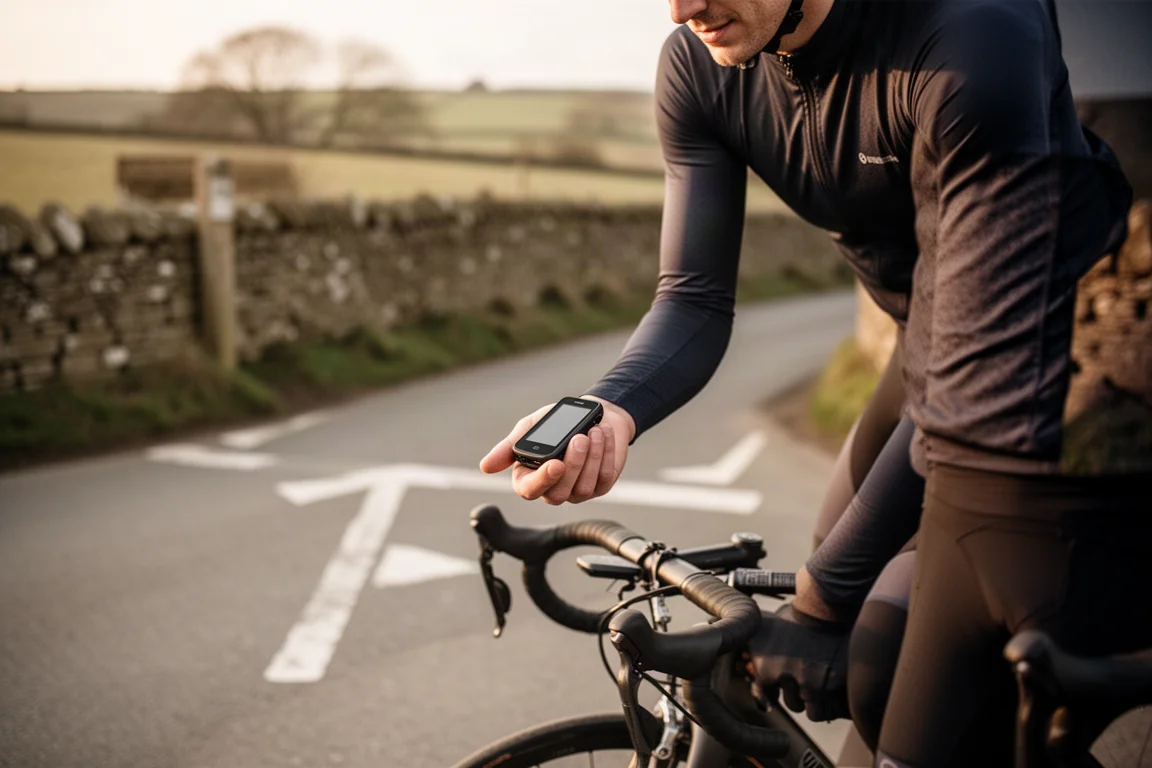
Priced at around £135, and often found for a little less once you shop around, it makes a convincing case for performance-focused riders who are working to a budget.
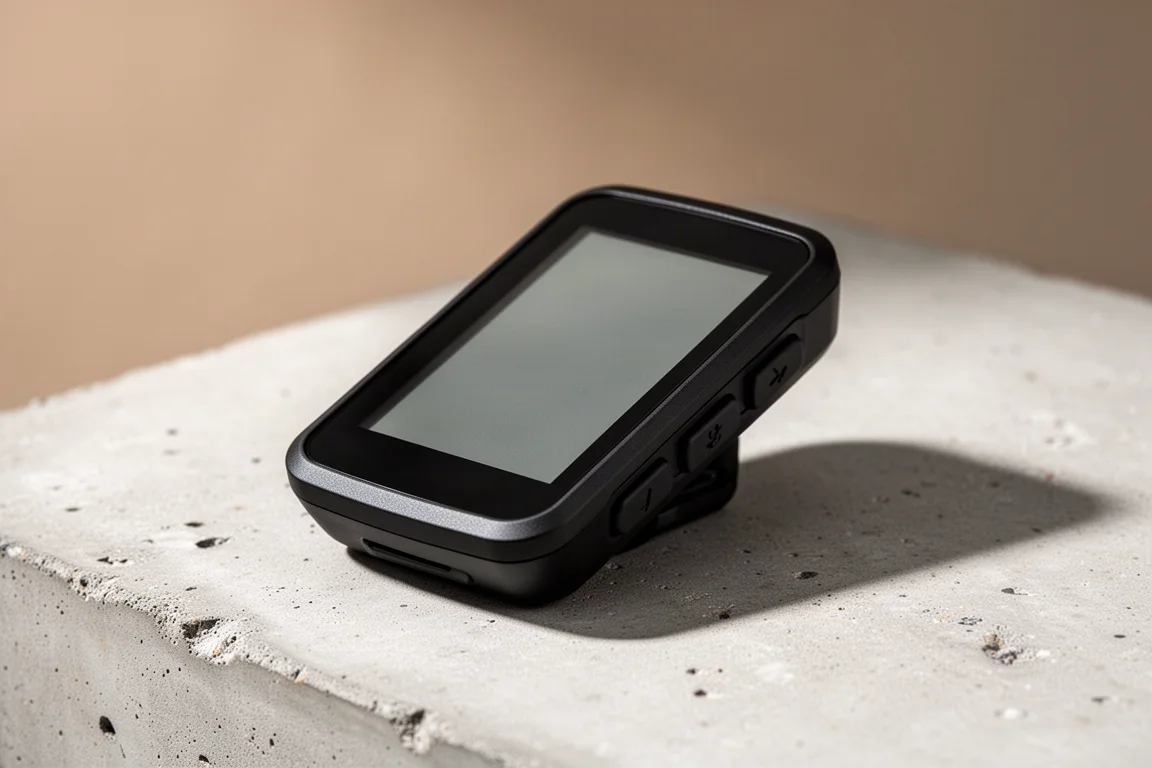
Polar M460
The M460 brings some genuinely advanced features to this price bracket. Polar Flow, the companion app, handles setup and also lets you keep a personal diary of the rides you have been doing. Strava integration is strong enough to include live segments, and smartphone notifications come through to the unit so you are never without a message or an email.
Battery life is around 16 hours, which puts it roughly on par with its competitors, but the integrated front light is unique here. It will not light the road ahead, though it does make you more visible, and that extra margin of visibility is genuinely appealing.
There are real downsides. The screen measures 35mm by 35mm, so only four data metrics fit on screen at once, and the button placement makes cycling through screens awkward rather than intuitive. There is no ANT+ either, so you are limited to sensors that also offer Bluetooth. The front light also pushes the price above rivals that include mapping and navigation, which is worth weighing up.
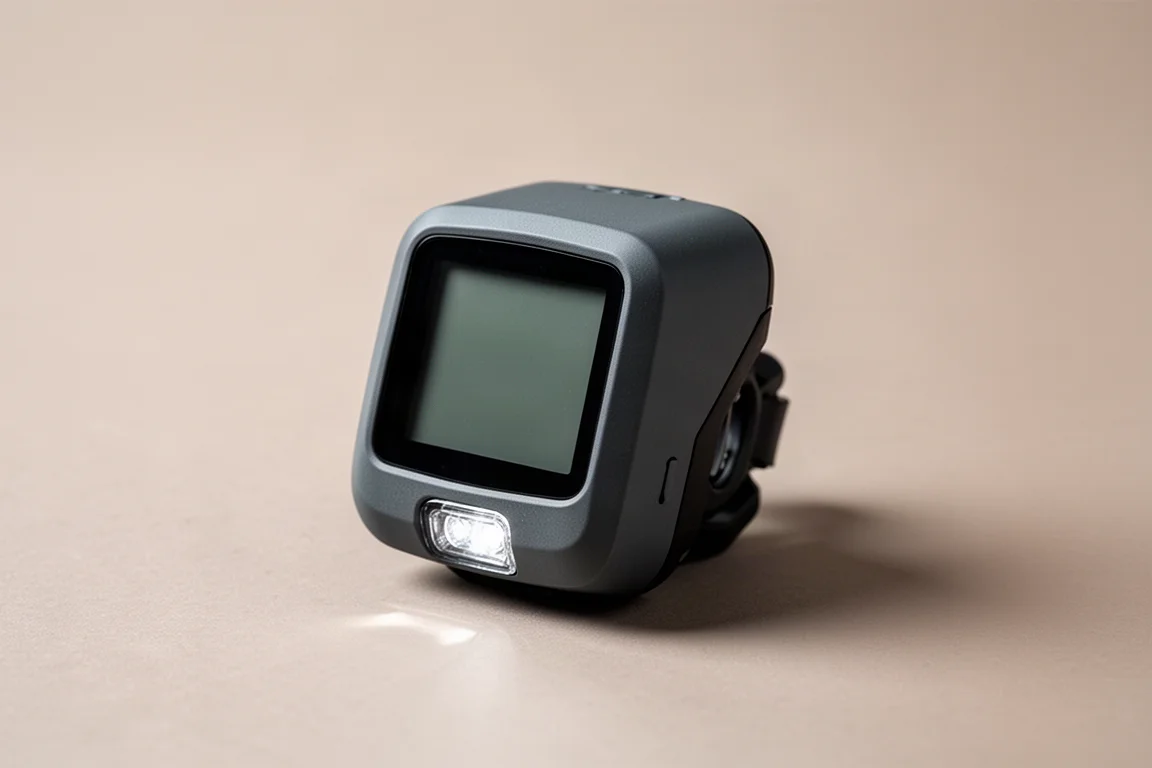
Mio Cyclo 210
The headline feature of the Cyclo 210 is its excellent touchscreen and graphics, bringing that kind of display to a new price point. The trade-offs are a decidedly average 10-hour battery life, likely down to the power-hungry screen, and a bulkier body than most units here.
Mio also offers its own mapping software, so routes can be planned on a computer and synced to the head unit. On the device itself, busy roads are shown in brown and quieter ones in purple, which makes it easy to see where is worth heading. You can also type an address straight into the head unit and it will plot a route, so plans can change mid-ride and still get you there safely.
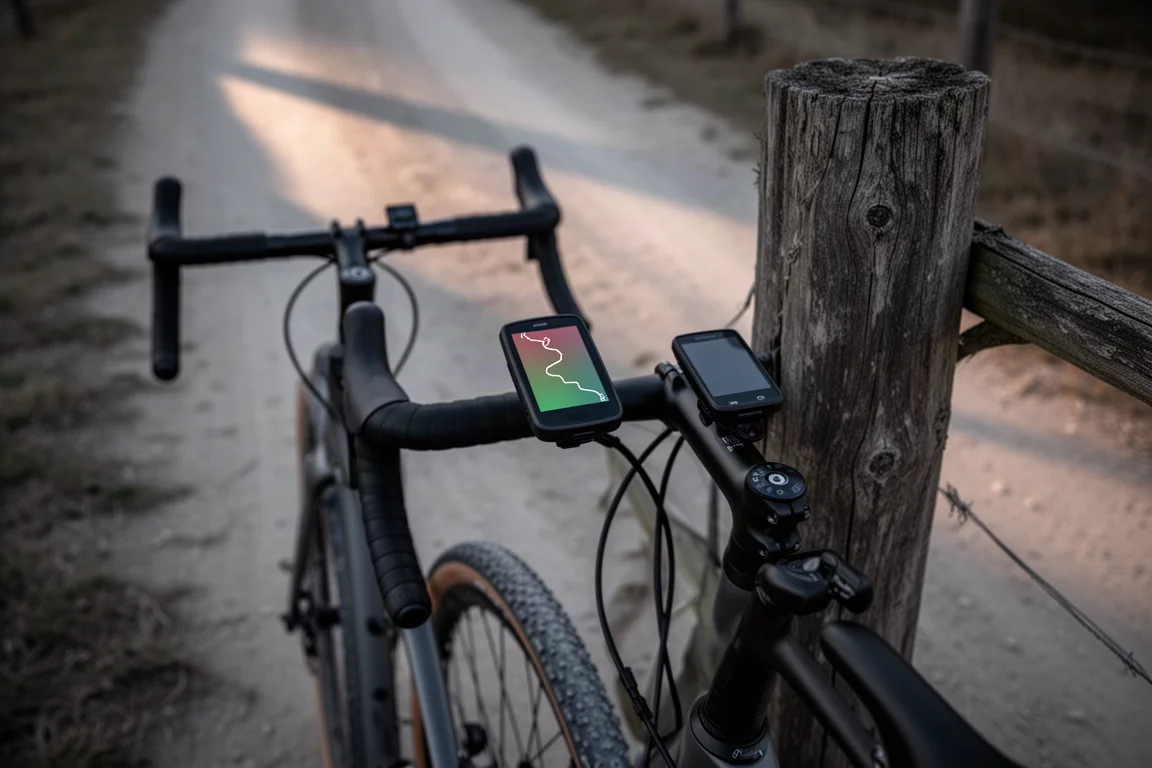
The limitations are significant, however: no external sensors can be connected at all, which rules out specific training sessions out on the road for most riders. That makes it a better fit for gravel riders and long-distance riders who care more about a clear navigational screen than performance metrics. On value for money, the colour touchscreen makes a strong case.
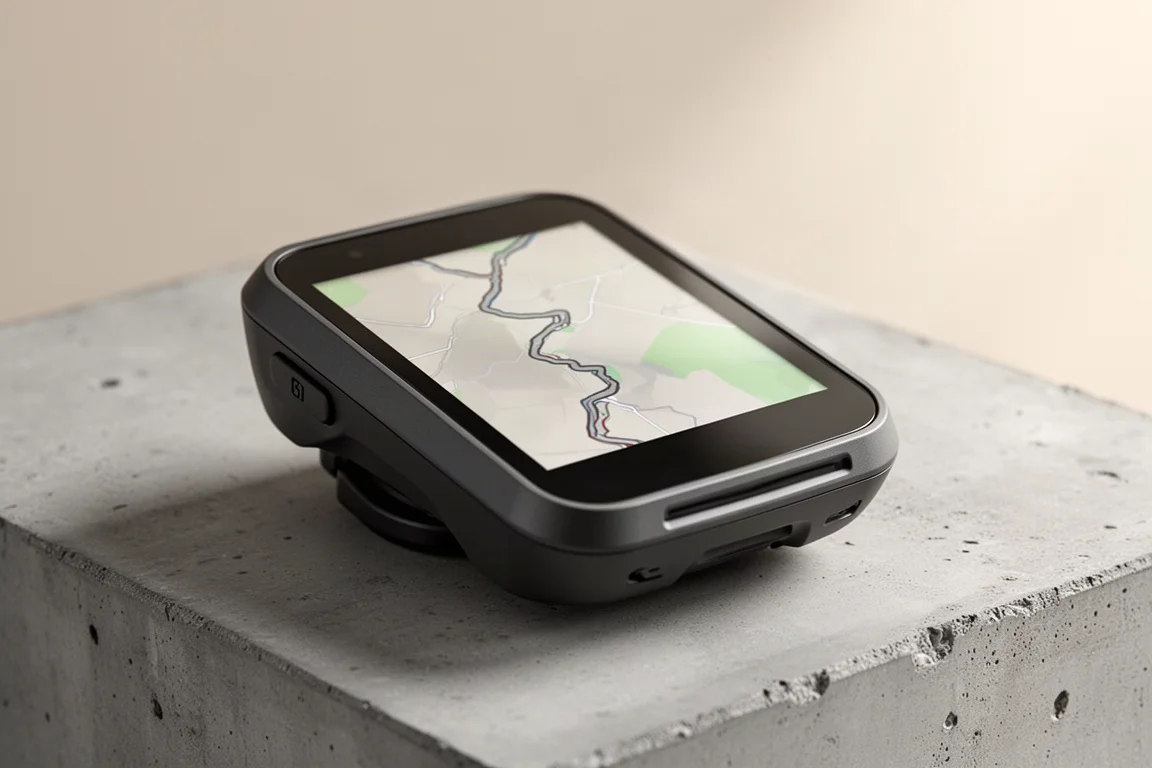
Garmin Edge 130 Plus
The Edge 130 Plus is about as simple as they come, with only a couple of buttons for moving between screens. It supports both Bluetooth and ANT+, so normal sensors pair without trouble, and Strava live segments can be loaded onto the unit.
There is no touchscreen, and navigation is entirely button-based. Once paired with a smartphone, however, the head unit can receive calls and text notifications, and live tracking and incident detection are available too.
Experienced riders who value performance will appreciate that all their usual sensors pair at a lower cost. The catch is battery life: a claimed 12 hours is not especially long next to the other units here. There is no mapping either, which is where this model falls furthest behind the rest of the group. If you know your routes and ride similar roads most of the time, the numbers it provides will work perfectly well.
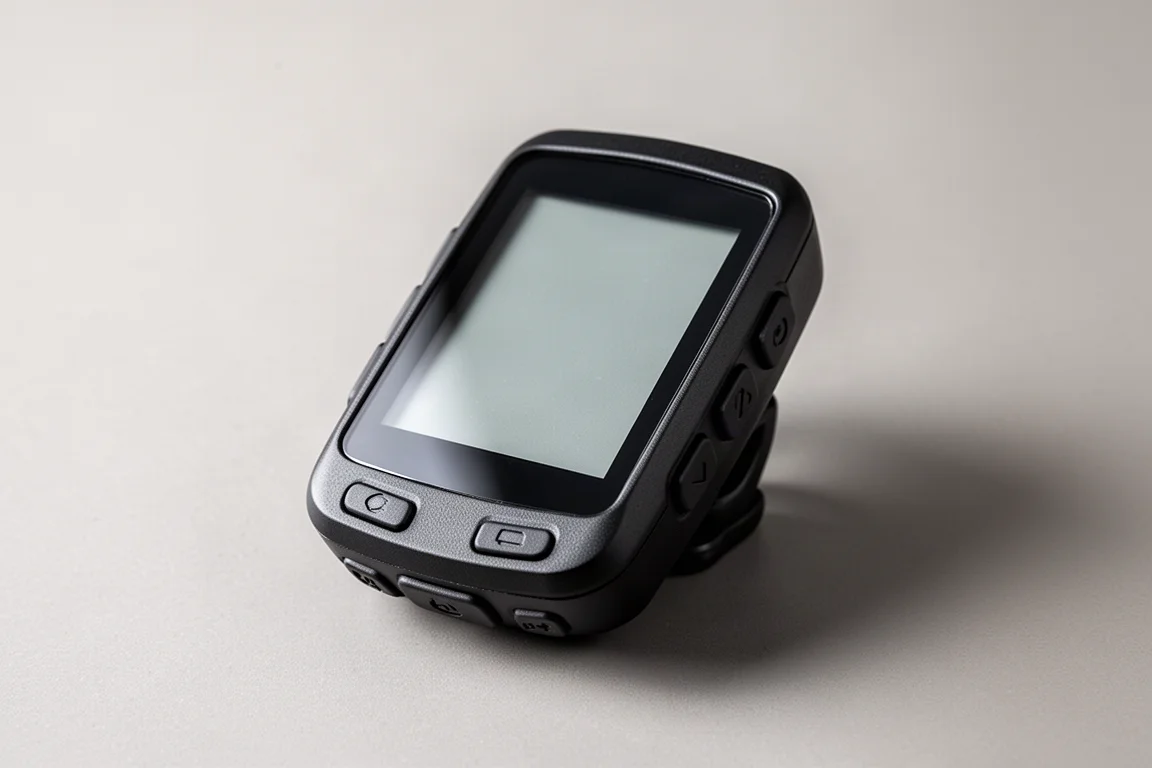
Lezyne Mega XL GPS
The Mega XL GPS punches well above its weight, and the natural comparison is a Garmin Edge 530. Alongside sensor connectivity, phone notifications, offline maps, re-routing and GPS navigation, it can also take on structured workouts, something usually reserved for high-end units.
It is not the most beautiful computer, and the screen is not colour, but that is where the money has been saved. The display is functional, and the design leaves room for a larger battery, which gives it up to 48 hours of runtime. That figure is remarkable for a unit in this bracket.
The Mega XL GPS also connects to the Lezyne Ally smartphone app, so navigation can be controlled on the phone and beamed across to the head unit. For anyone who is not set on a colour touchscreen, it feels like a genuine bargain.
Buying Advice
Choosing between these units comes down to what you actually need on a ride. If you want the widest feature set for the least money and can live without full mapping, the Bryton Rider 420 is hard to argue with. Riders who want navigation and training metrics on a budget will find the Lezyne Super Pro GPS or the Lezyne Mega XL GPS more compelling, especially if battery life matters.
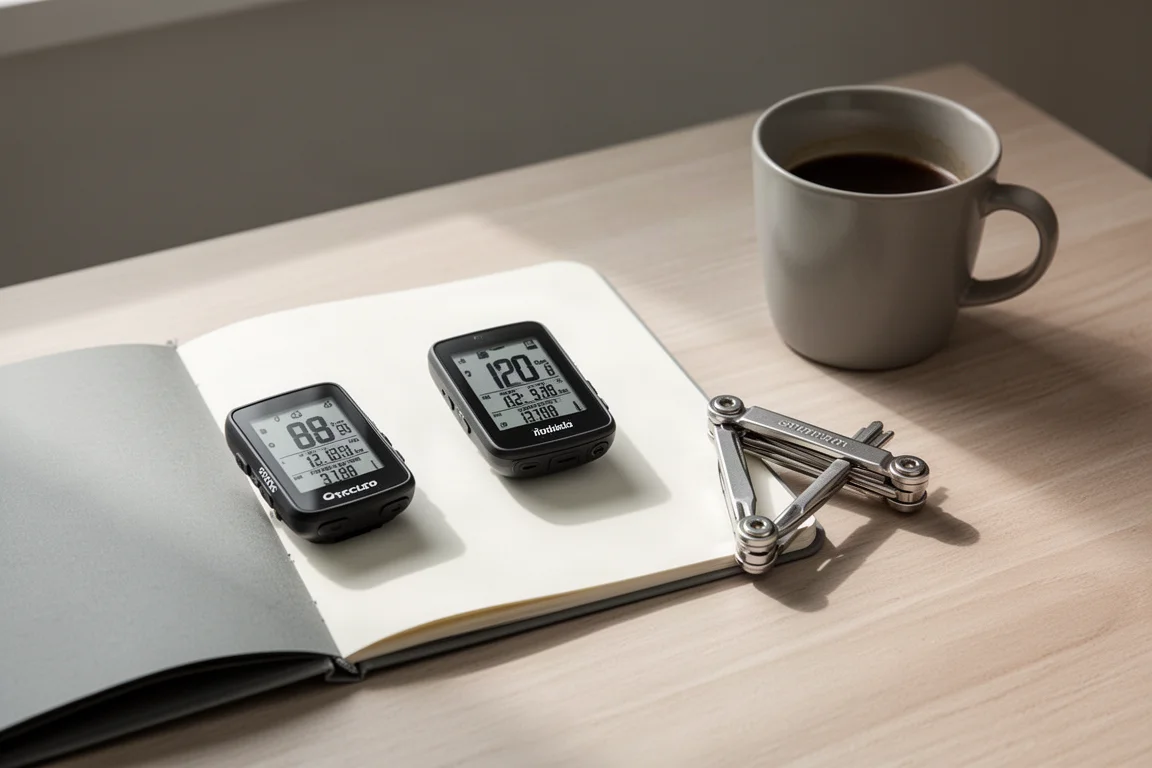
If your priority is a clear, colour route screen, the Mio Cyclo 210 delivers that, provided you can live without external sensors. Simplicity has its own value too: the CatEye Quick Wireless suits beginners and commuters, while the Garmin Edge 130 Plus is a sensible pick for riders who know their routes and want dependable numbers. The Polar M460 stands out for smart features and its integrated front light, though its small screen and lack of ANT+ are worth accepting knowingly.
A useful rule is to buy for the rides you do most often rather than the ones you imagine doing. Every unit here sits under £200, so the decision is less about budget and more about matching features to your habits.
Conclusion
The cycling computer market can look like a two-horse race, but there are plenty of options beyond the biggest names, and several of them pack real capability. The Bryton Rider 420 stands out for the sheer amount of functionality it delivers for a little over £100, while the Lezyne Mega XL GPS offers mapping, structured workouts and up to 48 hours of battery life for riders who can do without a colour touchscreen.
Whichever you choose, the practical checks are the same: confirm the sensor support you need, decide whether navigation matters, and weigh battery life against screen quality. Get those three right and any of these units will serve you well for a long time on the road.
Further reading
Related Reviews
Cycling Computers
Best Cycling Computers: 11 Options Compared
A practical look at 11 cycling computers, from the premium Garmin Edge 1050 to the budget Coros Dura, with strengths, trade-offs, and buying advice.
Cycling Computers
Best Cycling Computers 2026: 10 Head Units Across Every Price Point
A practical guide to ten cycling computers, from a $9.99 wired unit to solar-assisted flagship head units with colour mapping, sensor pairing and long battery life.
Cycling Computers
Best Cycling Computers Under £200: Seven Capable Head Units Compared
Seven cycling computers below £200 compared on navigation, sensor support, battery life and everyday value.