Hi-Fi Audio
Best Streaming DACs and All-in-One Systems 2026: Seven Options Compared
Seven streaming DACs, preamps, and all-in-one players compared on architecture, streaming support, power, and long-term listenability.
Introduction
Audiophile tradition has long held that a serious system means separate boxes: a power amplifier, a preamplifier, a DAC, and a source, each with its own chassis and its own power supply. That approach still has real merit. It also means more money, more cables, and frequently fewer features than a single well-chosen device can offer.
This roundup looks at seven products that approach the same problem from different angles. Some are purist DAC and preamp designs with no streaming at all. Others bundle a streamer, a DAC, and a full integrated amplifier into one chassis. Prices run from just under $2,000 to $3,800, and the right choice depends less on the specification sheet than on how you actually listen.
What Matters in a Streaming DAC or All-in-One
Before comparing individual products, it helps to separate the decisions that genuinely change day-to-day ownership.
Streaming built in, or not. A device with no network connection needs a separate streamer to reach streaming services. That adds cost, a second power supply, and another box on the shelf. A device with streaming built in removes all of it.
Digital architecture. Some designs share DAC chips and power supplies between channels. Others go dual mono, with dedicated DAC chips and dedicated power supplies for each channel. In theory, that extra separation reduces crosstalk and improves stereo imaging and contrast between the speakers.
Clocking. A temperature-controlled clock keeps the timing crystal at a steady temperature, so heat from the unit itself or from the room cannot disturb the rhythm of the digital signal. The goal is to suppress jitter and noise before they take hold.
Usability and tuning. Streamers that run a full software platform offer deep customization, including EQ and PEQ. That flexibility can be genuinely powerful, and it can also be a learning curve. Simpler designs trade those options away for a shorter path to good sound.
Headphone amplification. A built-in headphone stage can replace a separate amplifier, provided it has enough power and the gain settings to drive demanding headphones.
Speaker power, where relevant. All-in-one players that include an integrated amplifier need enough output for the speakers you own or plan to buy. Power ratings vary widely across this group.
Visual cohesion. If you intend to stack two components, matching chassis widths and screen sizes matter more than most buyers expect.
EverSolo Z10: Purist Performance Without the Extras
The Z10 is what happens when an already capable DAC and preamp is stripped of features and convenience in exchange for a higher performance ceiling. Unlike the DMP-A8, it is a dual mono design from the ground up, with dedicated DAC chips and a separate linear power supply for each channel. In theory, that extra separation reduces crosstalk and gives better stereo imaging and more contrast between the speakers.
A temperature-controlled clock keeps the timing crystal at a stable temperature, which is intended to suppress jitter and noise before they start. The Z10 also adds a large 8.8 inch display and a built-in headphone amplifier rated at up to a full watt with three gain settings, enough on paper to drive demanding headphones that would otherwise need a separate amplifier.
What it gives up is significant. There is no built-in streamer, no Ethernet, and no Wi-Fi, so streaming services are out of reach without an added source. Bluetooth is included for casual listening and for app-based control. There are also no tone controls, EQ, or PEQ, which means there is no way to soften the presentation if a recording is bright.
In practice, the differences against the DMP-A8 are audible but subtle: a slightly lower noise floor, a better sense of separation between instruments, and a touch more intelligibility in the upper midrange and treble. The Z10 is also a little more articulate in that region, and at times it can sound leaner or cooler than the A8. Its clearest win is centre imaging, where vocals lock into place with notable focus and separation. That same exactness can turn edgy on brighter recordings, which is where the missing tone controls become a real limitation.
EverSolo DMP-A8: The More Versatile Reference
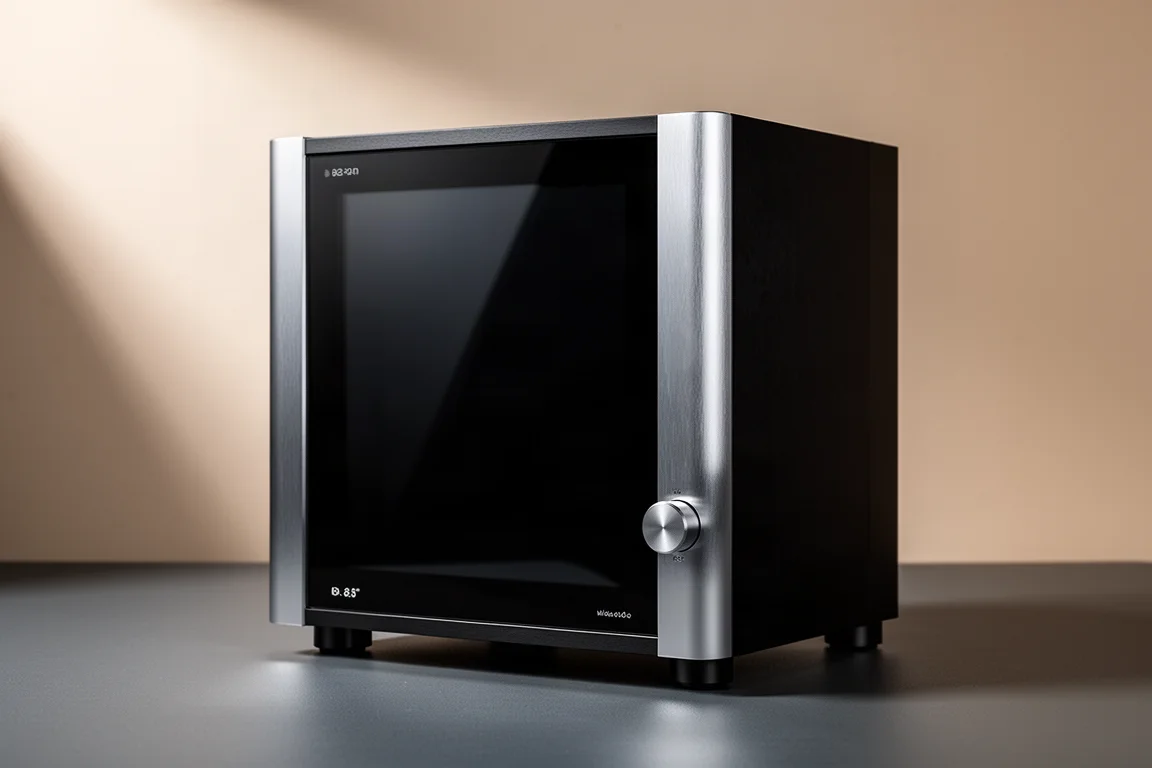
The DMP-A8 shares the Z10’s neutral, colourless character but takes a different route to it. It uses AKM 4499 EX DAC chips and shares resources between channels rather than dedicating a chip and a linear power supply to each one. It also includes a built-in streamer, so streaming services work without an extra box.
Its real advantage is flexibility. The A8 offers a deep level of DSP customization, including EQ and PEQ, in what amounts to a high-performance streaming computer with a world-class DAC behind it. That level of control is impressive and occasionally paralyzing. There is a genuine learning curve, and buyers who would rather not act as their own technical support may find a simpler product easier to live with.
Where the Z10 is exacting, the A8 is softer around the edges. It is less precise, but that often makes music feel more organic and natural rather than clinical. Given that the Z10 retails at $2,000 and still requires a separate streamer to reach streaming services, the A8 is the better value of the two and the more versatile performer.
EverSolo T8: The Matching Streamer and the Stack Question
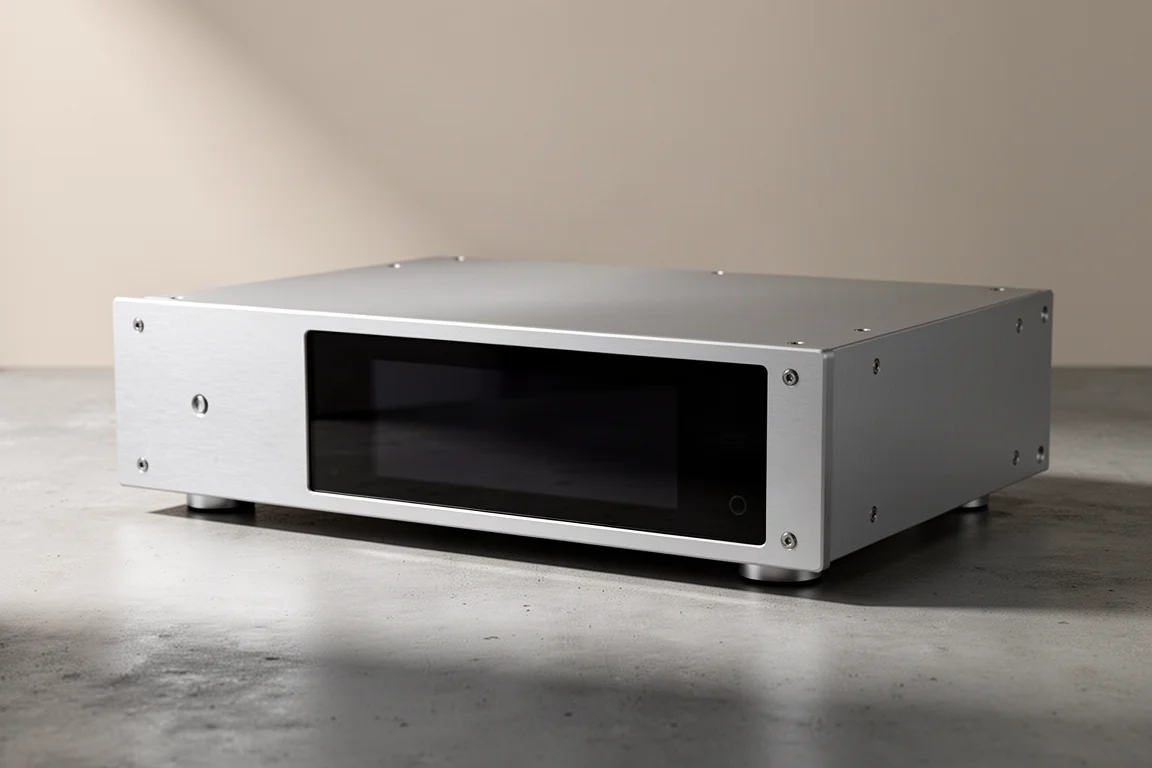
The T8 is the streamer intended to pair with the Z10, and it closes the Z10’s biggest functional gap by adding network streaming. It does not solve the aesthetic one. The two components use different chassis widths and different screen sizes, so a Z10 and T8 stack lacks visual cohesion.
That is an odd oversight for a brand that is normally focused on design, and it matters more when the two-piece combination costs around $3,400. Anyone considering the Z10 should price the pair together rather than the DAC and preamp alone.
Cambridge Audio EXN100: Streamlined Musicality
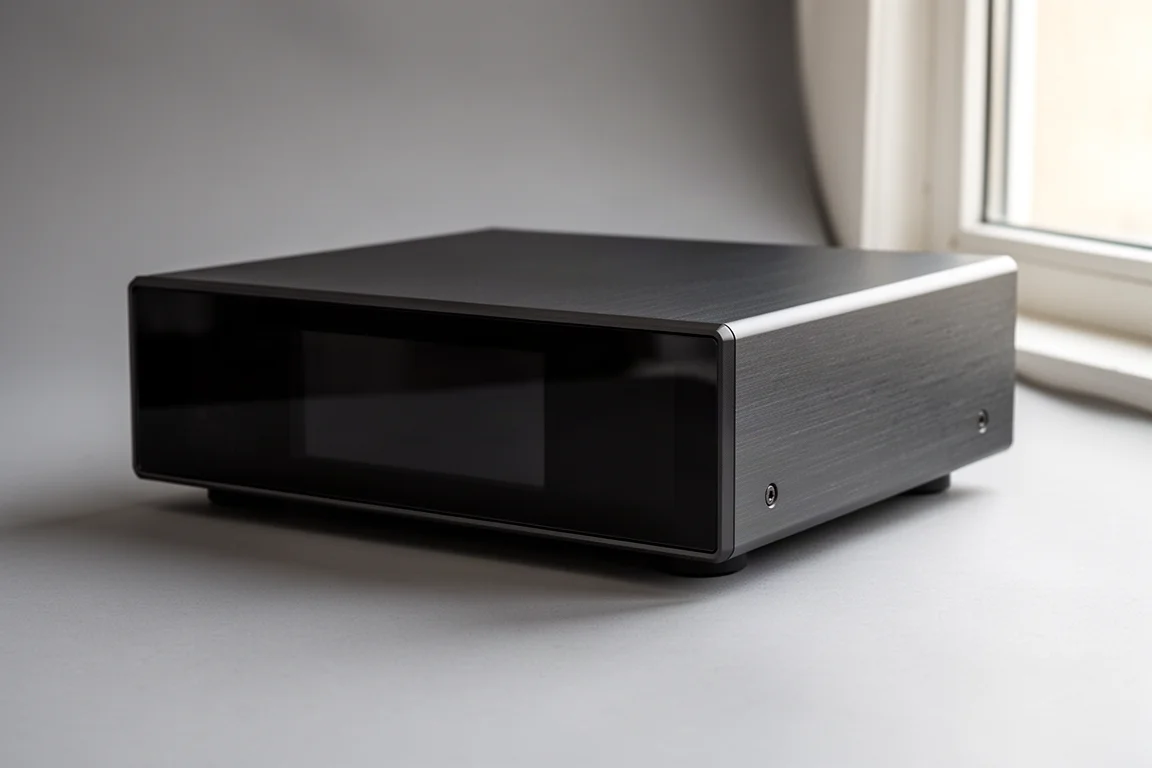
The EXN100 occupies a similar space to the DMP-A8, and it is a powerhouse in its own right. Like the Z10, it works as a DAC and a preamp, but it adds a built-in streamer and an interface that almost anyone can pick up and use.
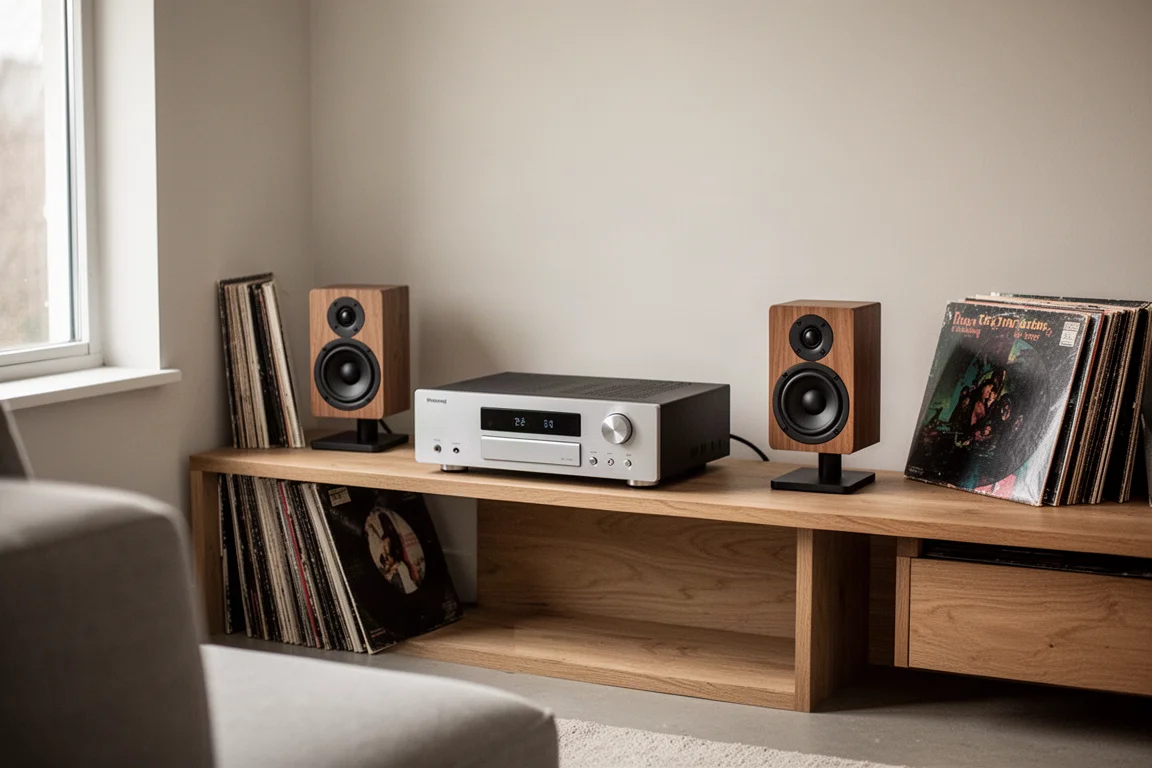
For listeners who want a slightly less exacting and more musical presentation without giving up streaming or everyday usability, it is one of the most appealing options here. It also costs less than either of the EverSolo designs while giving up relatively little in real-world performance.
Naim Uniti Atom: Approachable Luxury in One Box
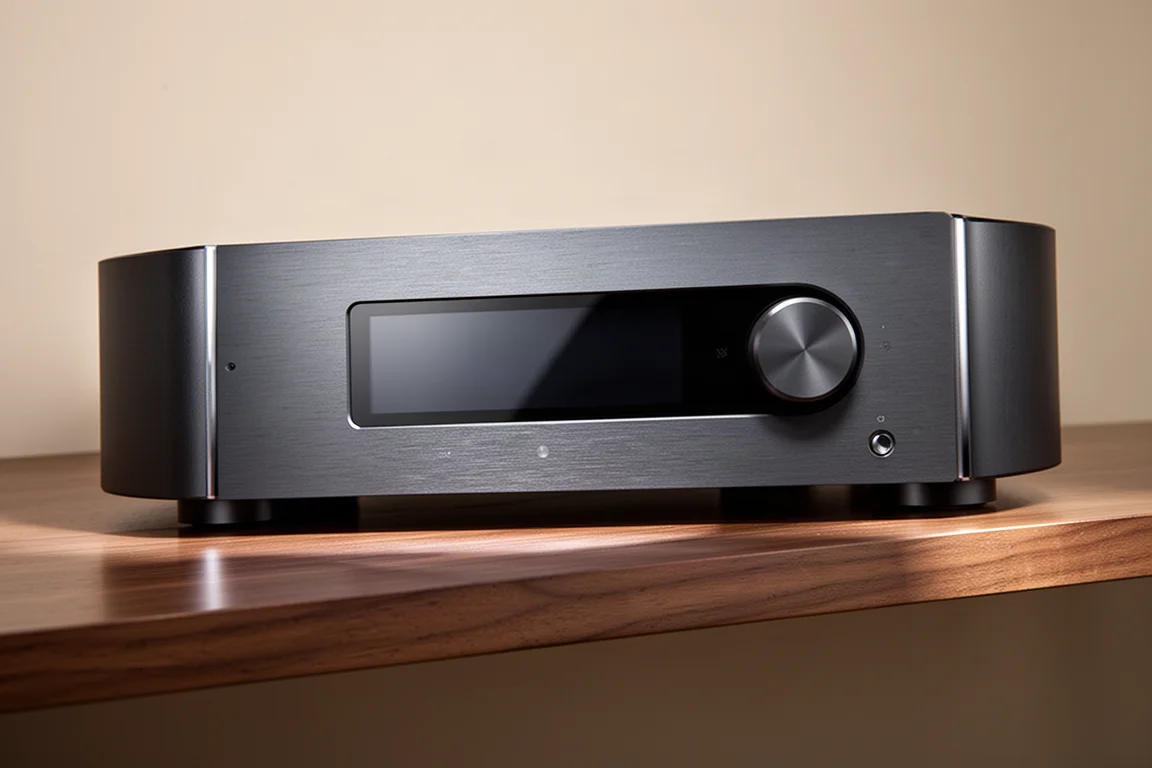
The Uniti Atom is not a strict DAC and preamp, and it should be judged on different terms. It combines a high-end DAC, a streamer, and a genuine Class AB integrated amplifier in a single chassis for $3,800.
Set against a Z10 and T8 stack at roughly $3,400, the Atom asks about $400 more and returns a full amplifier as well as a source. Buyers who obsess over measurements will not find it as impressive on paper as the EverSolo designs. Buyers who want an approachable luxury all-in-one will find few brands that execute the idea better.
NAD C700 V2: A Complete System for Less
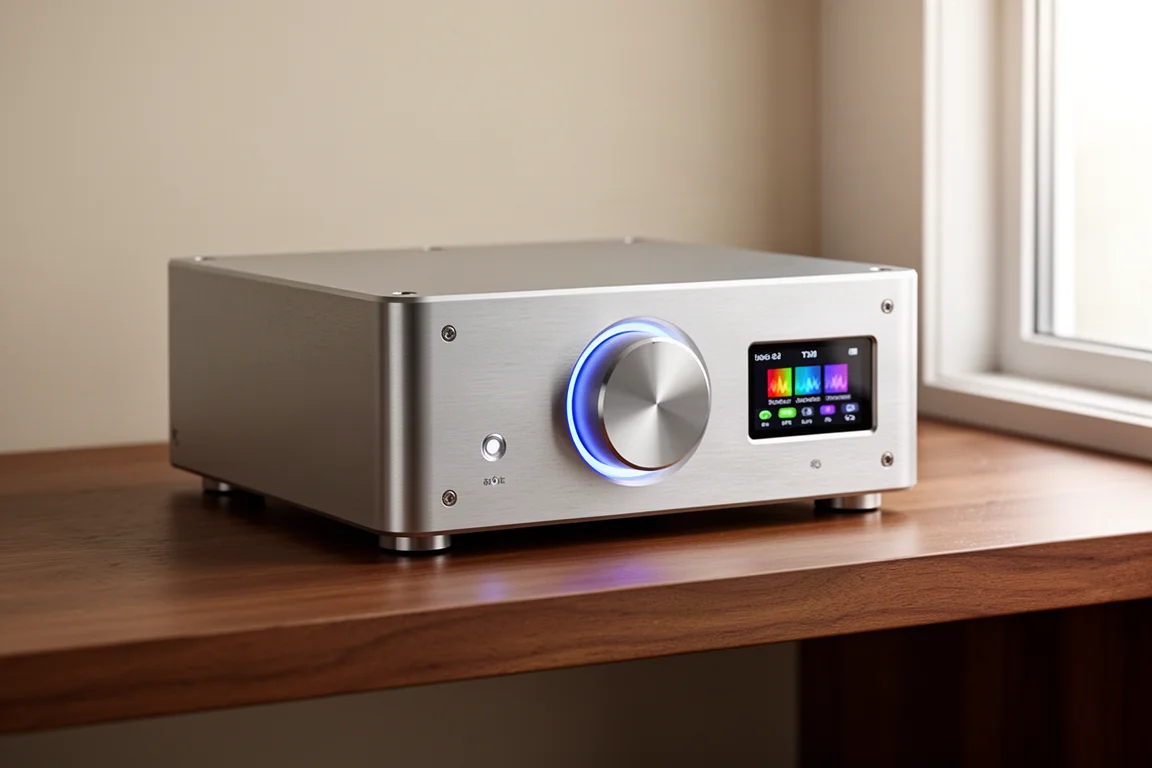
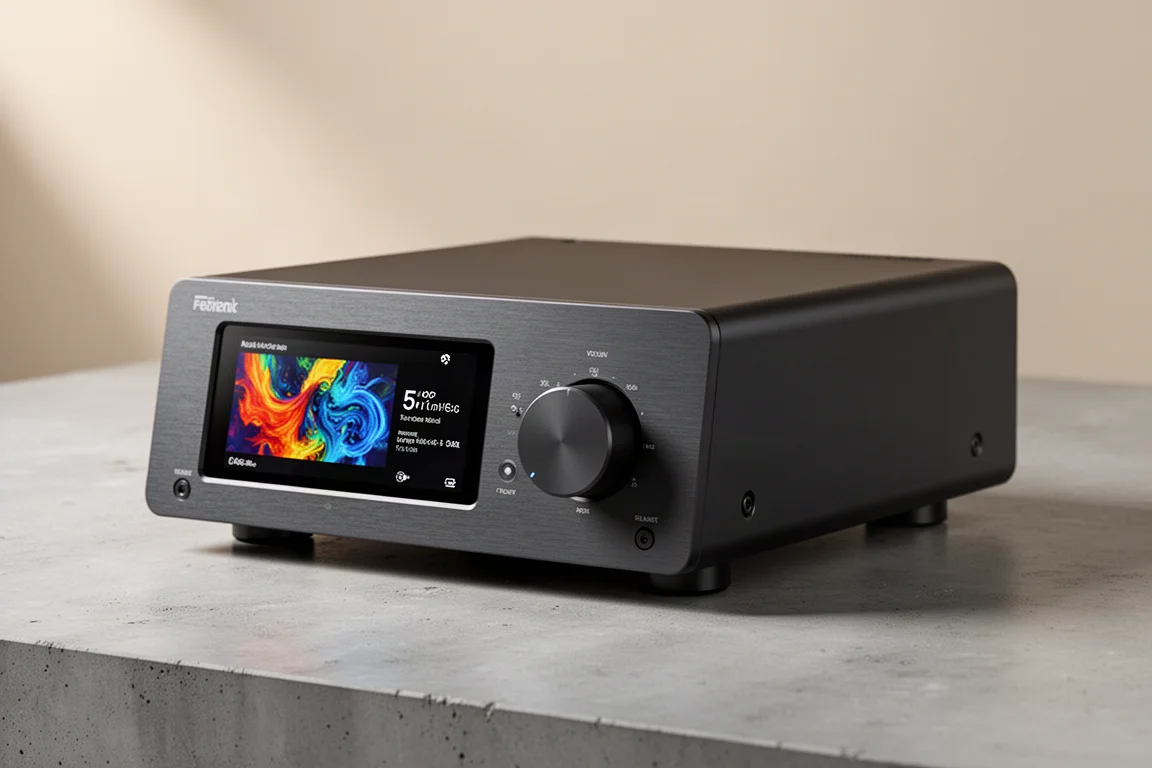
The C700 V2 is the most affordable route to a complete system in this group. At just under $2,000, it is a full integrated amplifier rather than a DAC and preamp: 80 watts of power, a solid ESS Saber DAC, and NAD’s BluOS streaming platform. A 5 inch colour display can showcase album art.
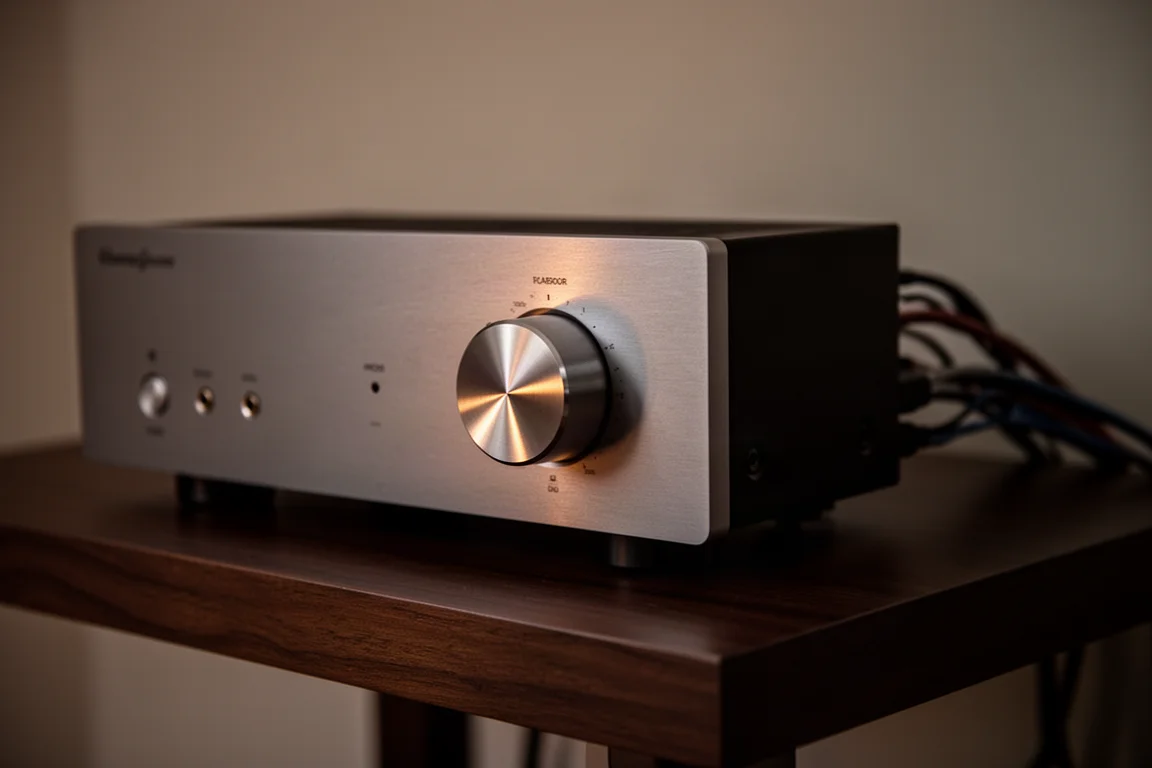
It will probably not measure like the Z10. What it does offer is a complete high-performance system for roughly the price of the Z10 alone, one that sounds great and stays out of your way.
Rotel RAS 5000: High-Power Value
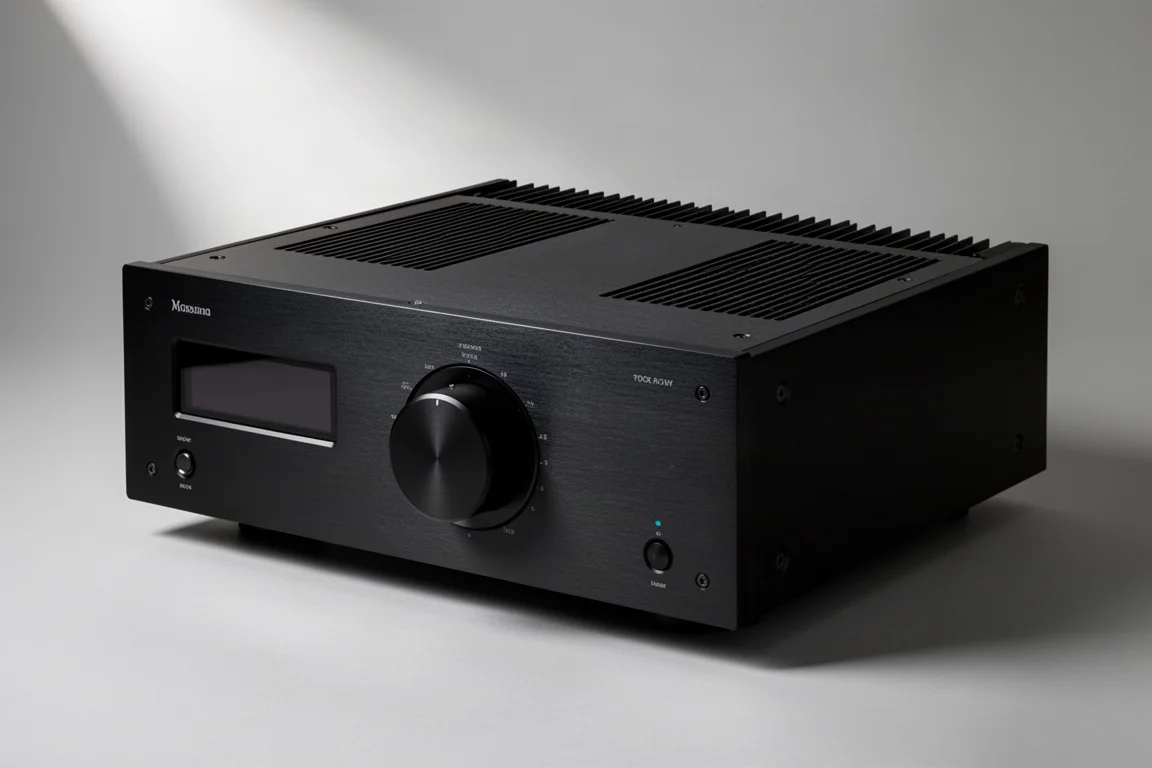
If the Naim and the NAD lean too far toward lifestyle design, the Rotel RAS 5000 is the alternative. It carries significant audiophile credibility and packs 140 watts per channel into 8 ohms, a full 100 watts more than the Naim Uniti Atom. That is enough real-world output to handle just about any speaker likely to be paired with it.
It is not as sleek as the Atom, and that is the trade-off. On value it is hard to argue with: the RAS 5000 costs about $500 less than a Z10 and T8 stack while saving you from buying a separate streamer, preamp, DAC, and power amplifier.
Buying Advice: Matching the Device to Your Habits
The specification sheet rarely settles this decision. Habits do.
If you chase the last degree of detail, enjoy comparing measurements, and accept that bright recordings will sound bright, the Z10 delivers a level of focus the alternatives do not match. Budget for a streamer as well, and check how the stack looks together before committing.
If you want every track in your library to stay enjoyable, the DMP-A8 and the Cambridge Audio EXN100 are safer long-term choices. The A8 rewards the time you put into its software. The EXN100 asks for almost none.
If you would rather buy once and stop thinking about it, the all-in-one route makes sense. The Naim Uniti Atom is the luxury option, the NAD C700 V2 is the value option, and the Rotel RAS 5000 is the choice for speakers that need real power. In every case, total system cost matters more than the price of a single box.
Conclusion
The Z10 is a world-class standalone DAC and preamp. It has a bigger, brighter, and more legible screen than the DMP-A8, and a straightforward user experience that many listeners will prefer. For absolute performance, it is the sharper instrument.
It is also highly specialised. Add a streamer and the value proposition becomes harder to justify, especially since the DMP-A8 gives up so little ground and remains the more versatile performer. For most listeners, the A8 is still the one to beat.
Above all, the only person who has to like the sound of your system is you. Choose the presentation you actually enjoy, then match the box count to your patience for managing it.
Further reading
Related Reviews
Hi-Fi Audio
Accuphase C-57 vs Allnic H-7000V: Two High-End Phono Stages Compared
A fully balanced solid-state phono stage with a pitch-black noise floor meets a tube design built for well-loved records. Here is how to choose between them.
Hi-Fi Audio
Active vs Passive Hi-Fi: Five Components for a Modern System
Five components that define modern active and passive hi-fi systems, with the strengths, trade-offs and setup details worth weighing before you buy.
Hi-Fi Audio
Advance Paris A10 Apex Review: A Hybrid Integrated Amplifier That Covers a Lot of Ground
A French hybrid integrated amplifier with a class A tube preamp stage, analogue power meters, and an internal DAC and phono stage good enough to make extra boxes unnecessary.