Hi-Fi Audio
Best Stereo Systems Under $1,500: Three Two-Channel Builds Worth Copying
Three complete two-channel hi-fi builds under $1,500, each with a different character, plus a lower-cost amplifier option worth knowing about.
Introduction
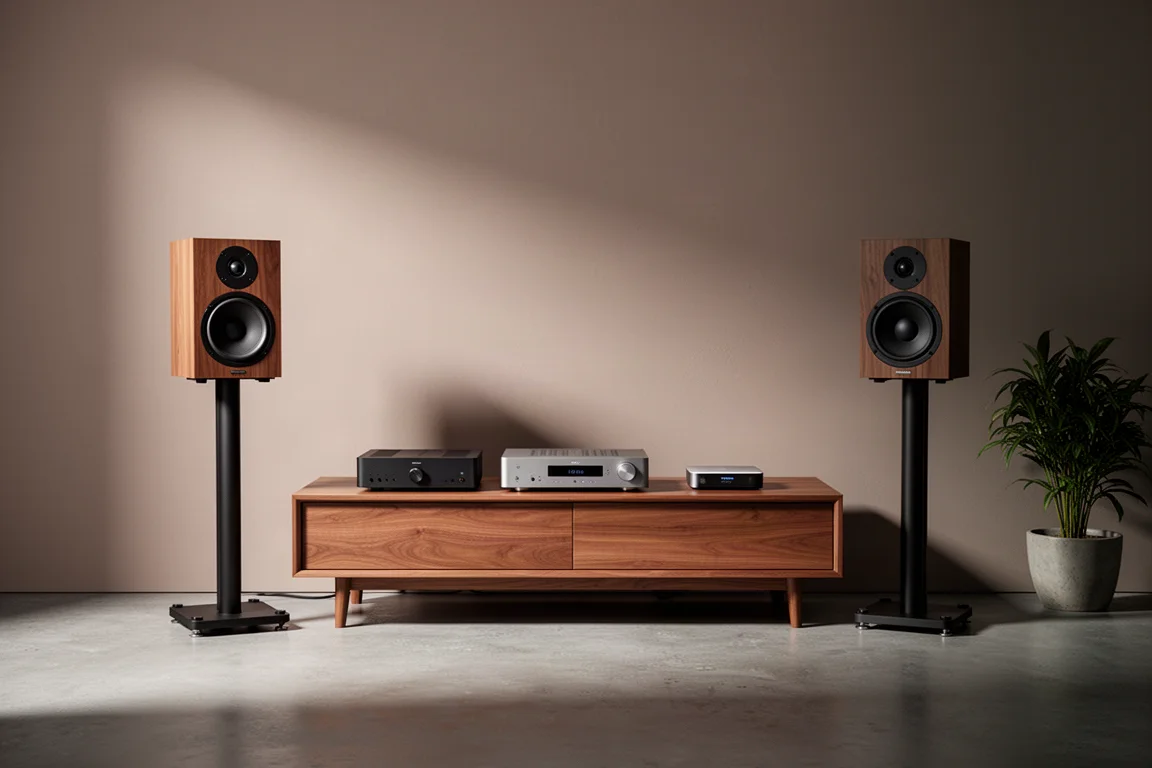
A $1,500 budget is enough to build a genuinely capable two-channel system, provided you spend it deliberately. Powered speakers are the simplest path, but a traditional setup built from passive speakers, an amplifier, and a separate source gives you more room to upgrade one part at a time.
This guide covers three complete builds that stay under $1,500, each with a different sonic character, plus a lower-cost amplifier option for anyone who wants to keep more of the budget in reserve.
How to Think About a $1,500 Two-Channel System
The three builds below follow the same formula: a pair of speakers, an integrated amplifier or a preamp and power amp combination, and a source component. None of them uses an AV receiver. Receivers remain an efficient way to get a lot of performance for less money, but these builds are aimed at listeners who want a conventional hi-fi layout.
If you would rather keep things simple, a pair of powered speakers is a legitimate answer. The Kanto ORA and REN lines come in under $700, and the Klipsch The Sevens sits just under $1,200. Both routes include HDMI, built-in DACs, and wireless connectivity, and HDMI ARC means the system can also serve as your television’s audio.
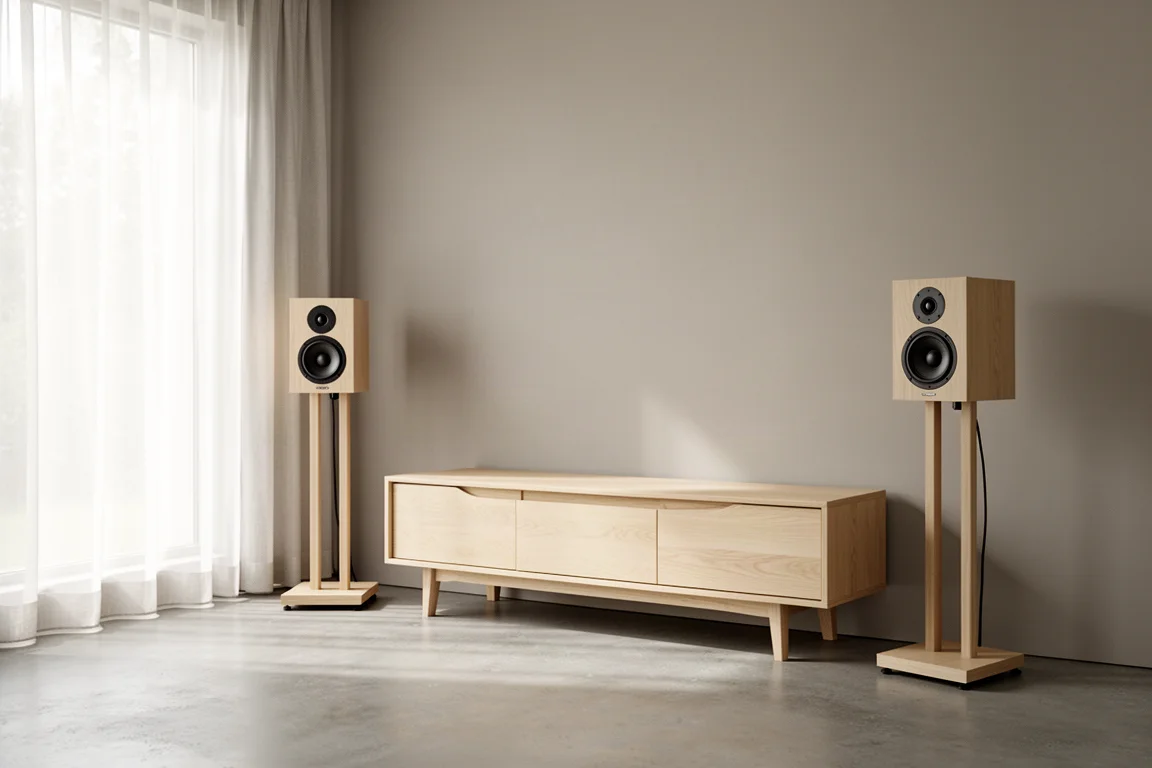
For a passive system, three variables matter most. First, how much power the amplifier delivers and how demanding the speakers are. Second, whether you want HDMI so the system can connect to a TV. Third, whether you want a subwoofer output for later expansion. It also helps to plan the accessories early, because speaker stands, cables, and a CD player or turntable all come out of the same $1,500.
System 1: The Best Value Starter Build
This is the build to start with if you are moving up from computer speakers, a pair of earbuds, a single portable smart speaker, or a guitar-amp-styled desktop speaker. The speakers and amplifier together come to $998, and adding a streamer brings the total to somewhere between $1,150 and $1,300, which leaves room for stands and cables. A fully automatic turntable such as the Audio-Technica AT-LP60X at $199 would take the system to the full $1,500.
ELAC Debut 3.0 Bookshelf Speakers
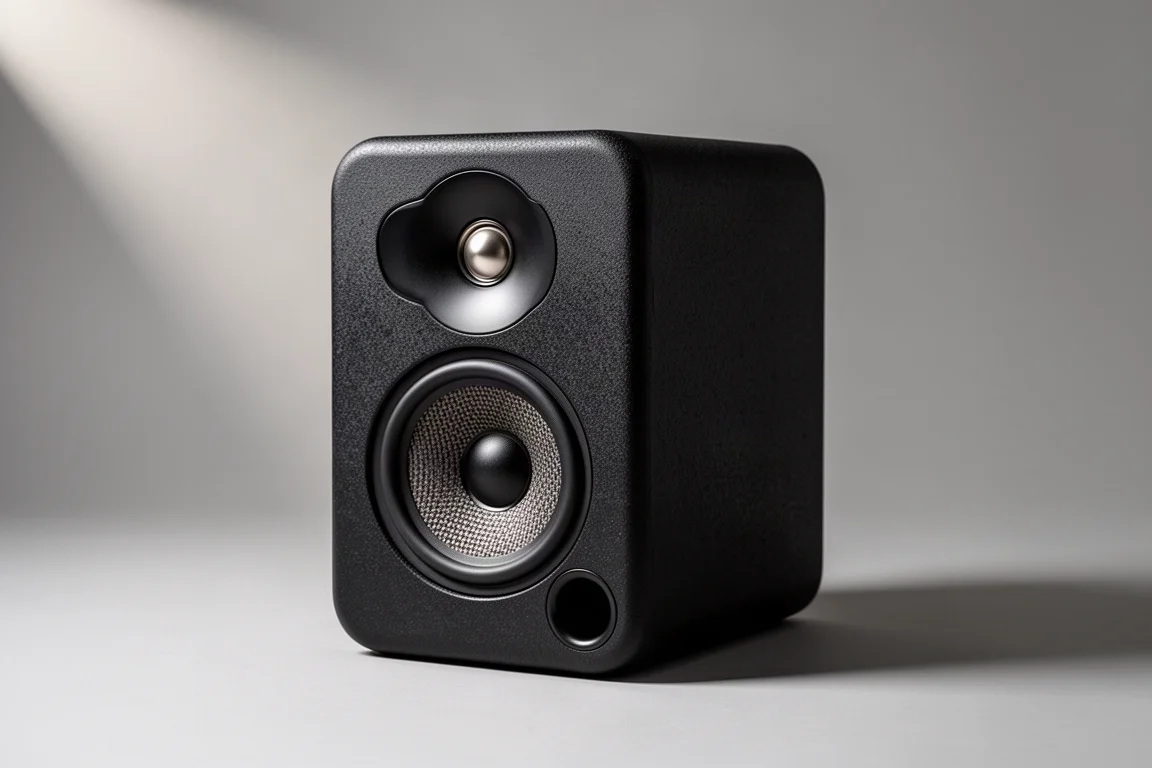
The Debut 3.0 is a two-way bookshelf speaker priced at $499 for the pair, and it delivers performance across the frequency range, from bass to treble, that goes well beyond what the price suggests. For a first serious system, that combination of value and even-handed sound is hard to argue with.
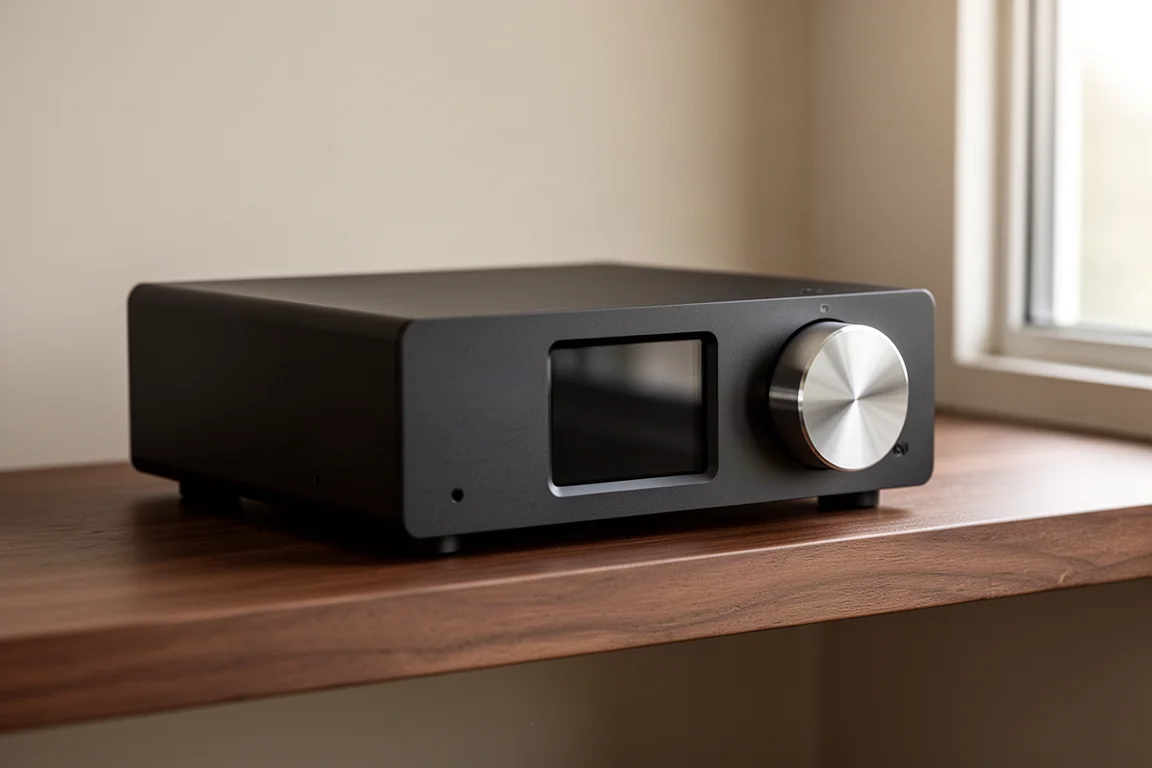
Rotel A8 Integrated Amplifier
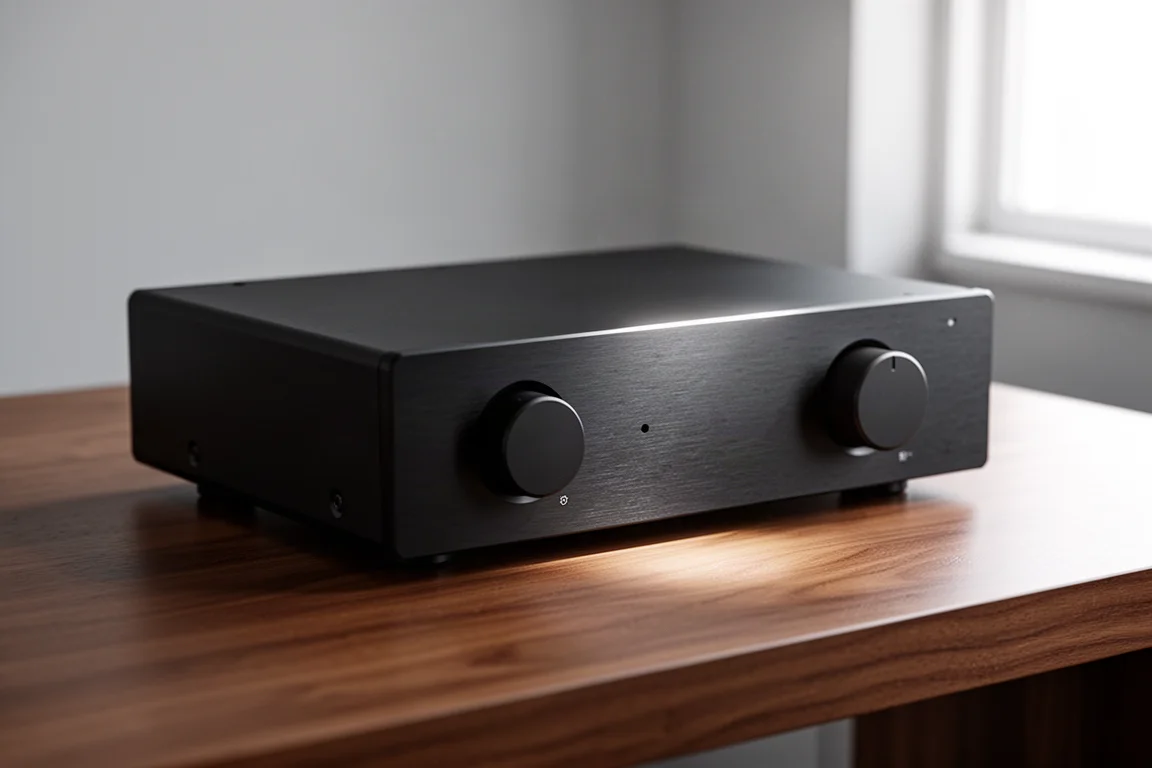
The Rotel A8 matches the speakers at $499 and keeps the system easy to live with. Its compact size means it does not demand much shelf space, and it pairs naturally with the Debut 3.0 for a straightforward starter setup.
WiiM Ultra Streamer
At $329, the WiiM Ultra is specified here for one specific reason: HDMI. That connection lets the Rotel and ELAC system hook up to a television, so the same setup handles music and movies, and the result will be a clear step up from any television’s built-in speakers. Listeners who do not need HDMI can spend less on the WiiM Pro Plus at $219 or the WiiM Pro at $149, accepting slightly less flexibility in return.
System 2: More Bass and Presence
If you want more low-end weight and a livelier presentation without giving up quality, this build trades some budget for a larger woofer and an amplifier that can drive a wider range of speakers. If Sonos is not the right fit for you, the EverSolo Play is an all-inclusive streamer, DAC, and integrated amplifier at $699 that keeps the total near $1,400, and the WiiM Amp at $300 saves even more.
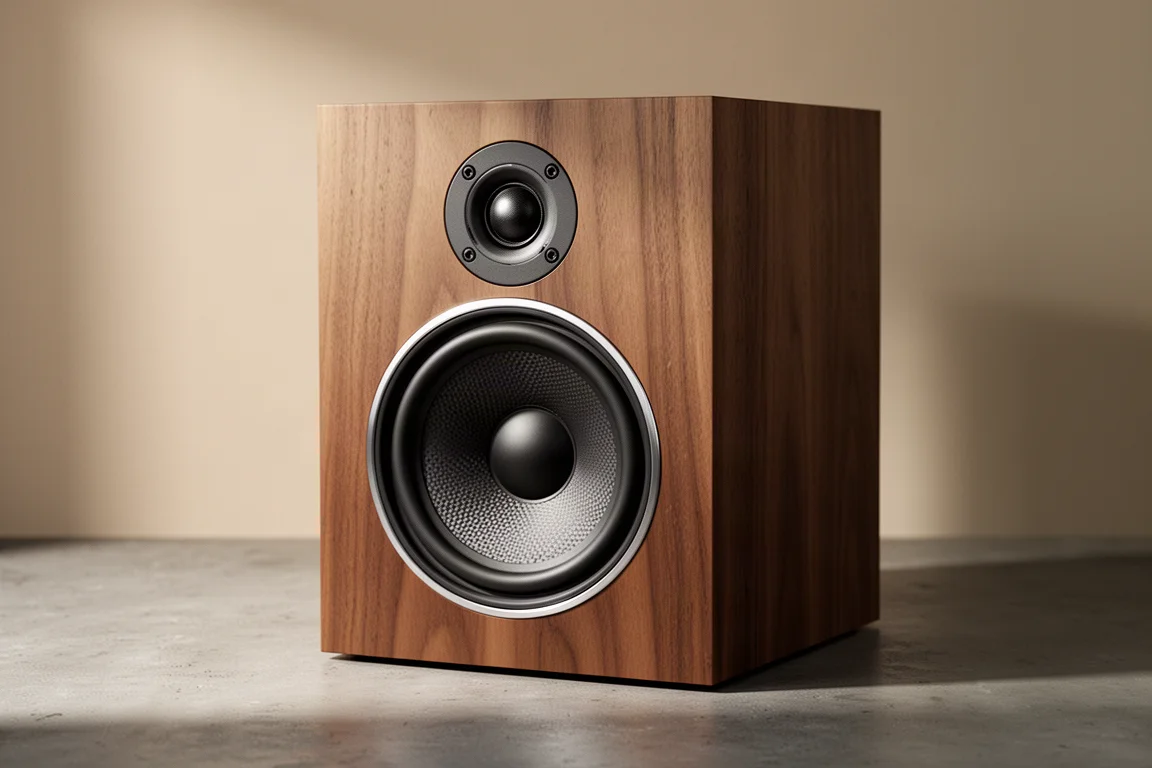
Monitor Audio Bronze 100
The Bronze 100 is priced at $725 for the pair, and its punchy 8-inch woofer plays to below 40 Hz in a typical room. For many listeners that will supply the extra kick usually associated with a subwoofer, while the bass stays controlled rather than boomy. The cabinet is also stylish and easy to place in a living space.
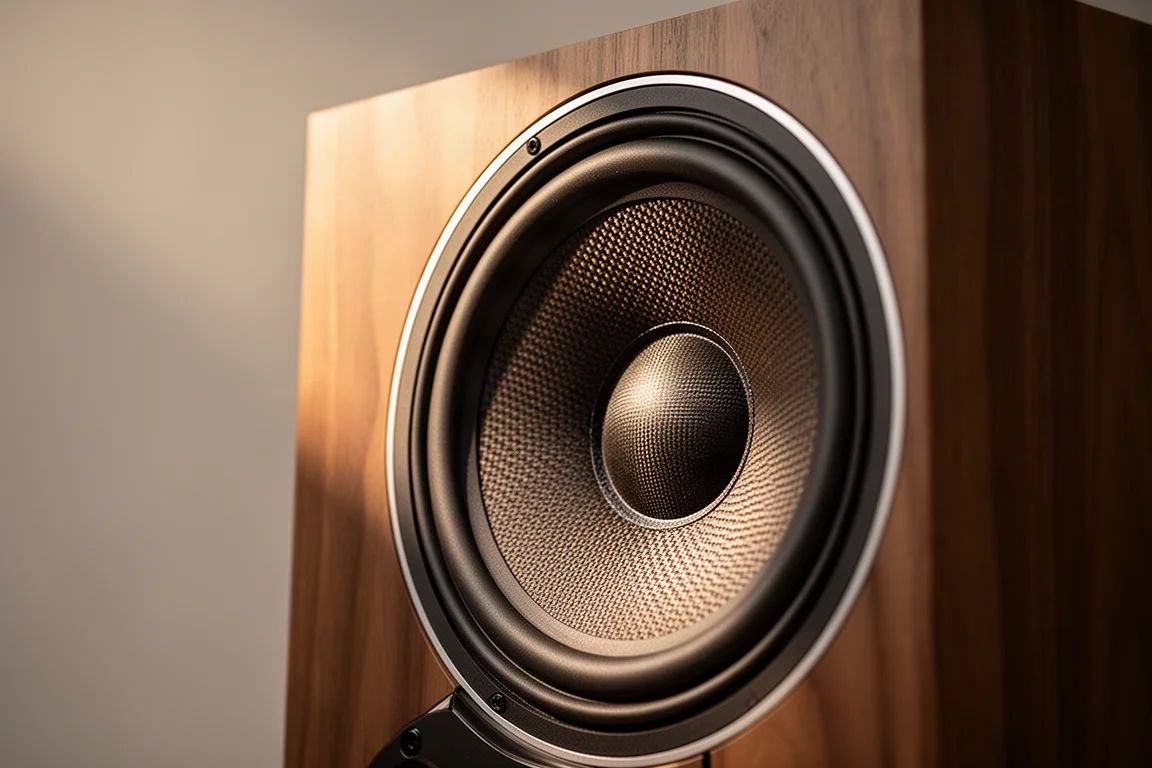
What makes the Bronze 100 a strong pick at this price is the balance it strikes. It sounds bigger and plays deeper than its size suggests, yet it keeps enough refinement that critical listeners will not dismiss it as a party speaker.
Sonos Amp
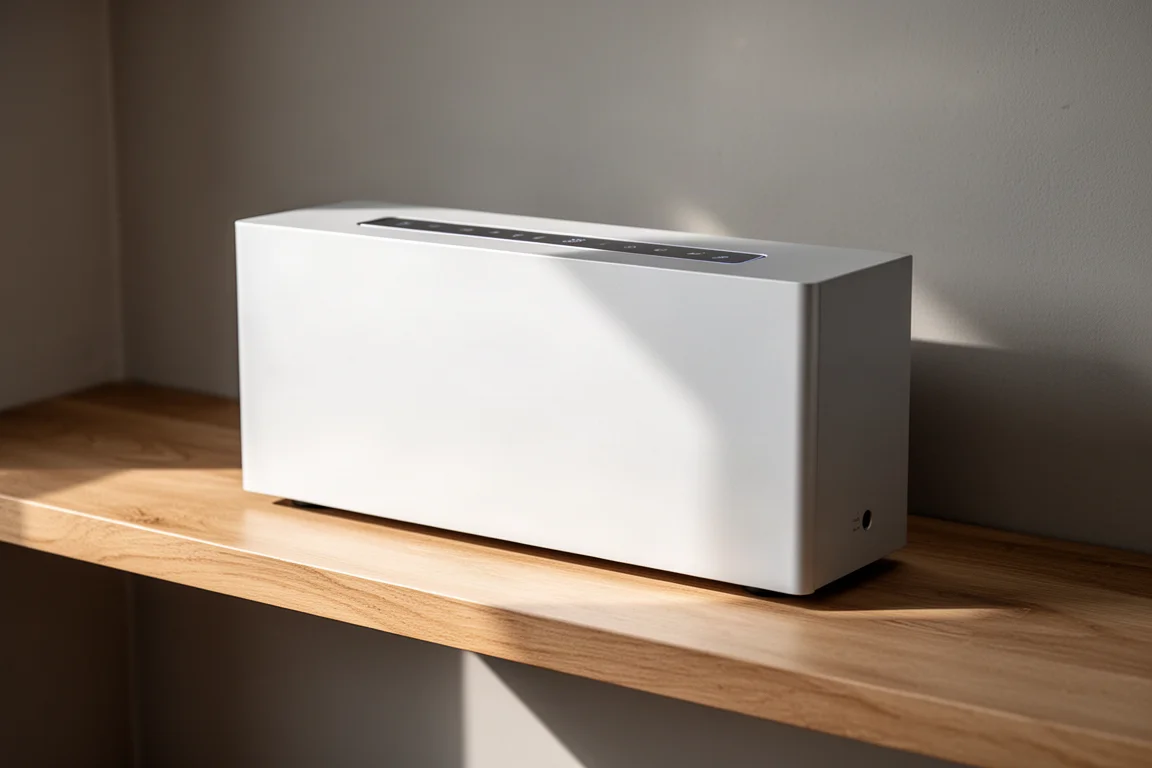
The Sonos Amp is an all-in-one integrated amplifier and streaming solution at $699. It delivers 125 watts of class D power and includes HDMI connectivity, which makes it flexible enough to drive the Bronze 100 and a wide range of other speakers. It also has a subwoofer output for adding a sub later, and the built-in streaming platform can be expanded elsewhere in the home with additional Sonos components, all controlled through the Sonos app. Pairing it with the Bronze 100 brings the system in at around $1,400.
System 3: Refinement and Neutrality
This build is for listeners who value a clean, neutral presentation and a setup that looks good and stays easy to use. It is as comfortable playing music in the background as it is for focused listening.
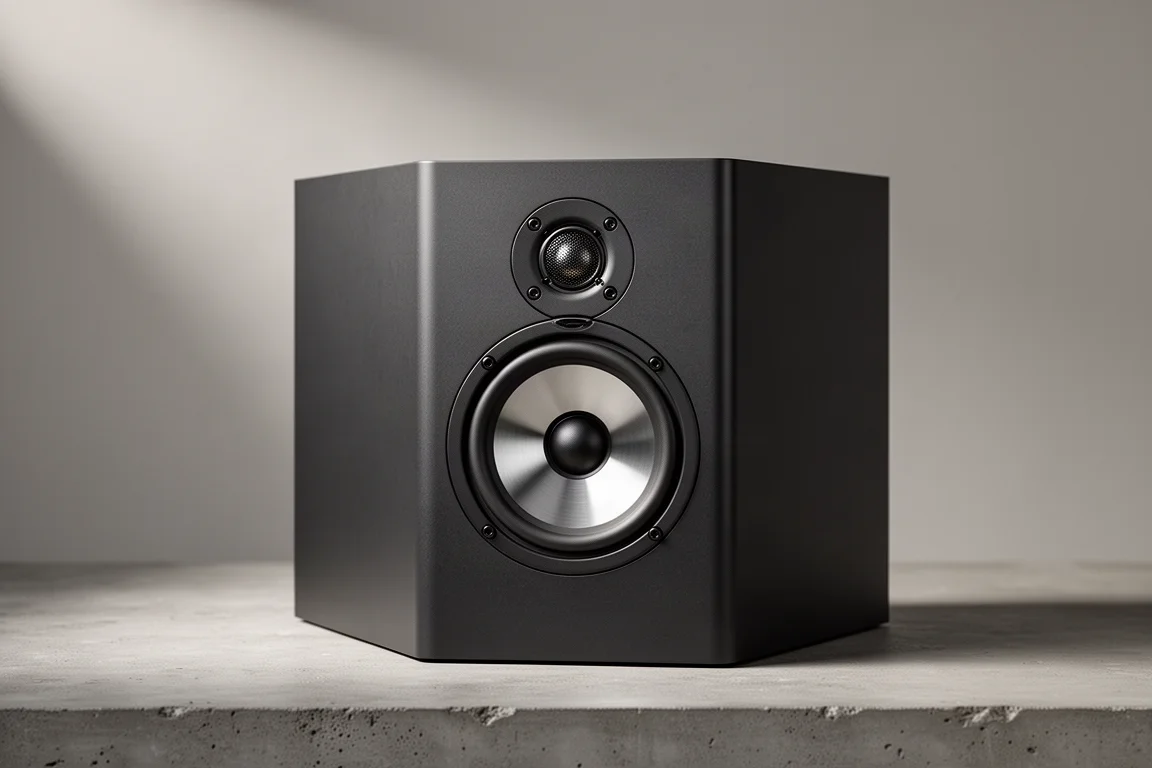
KEF Q3 Meta
The Q3 Meta is priced at $900 and is the larger of the two bookshelf models in the Q Meta series. It plays down to near 40 Hz with the neutral tuning the series is known for, which makes it suitable for a wide range of genres and recording qualities. One thing to keep in mind: the Q3 Meta benefits from amplifier power, so inexpensive class D amps are not an ideal match.
Denon PMA-600NE
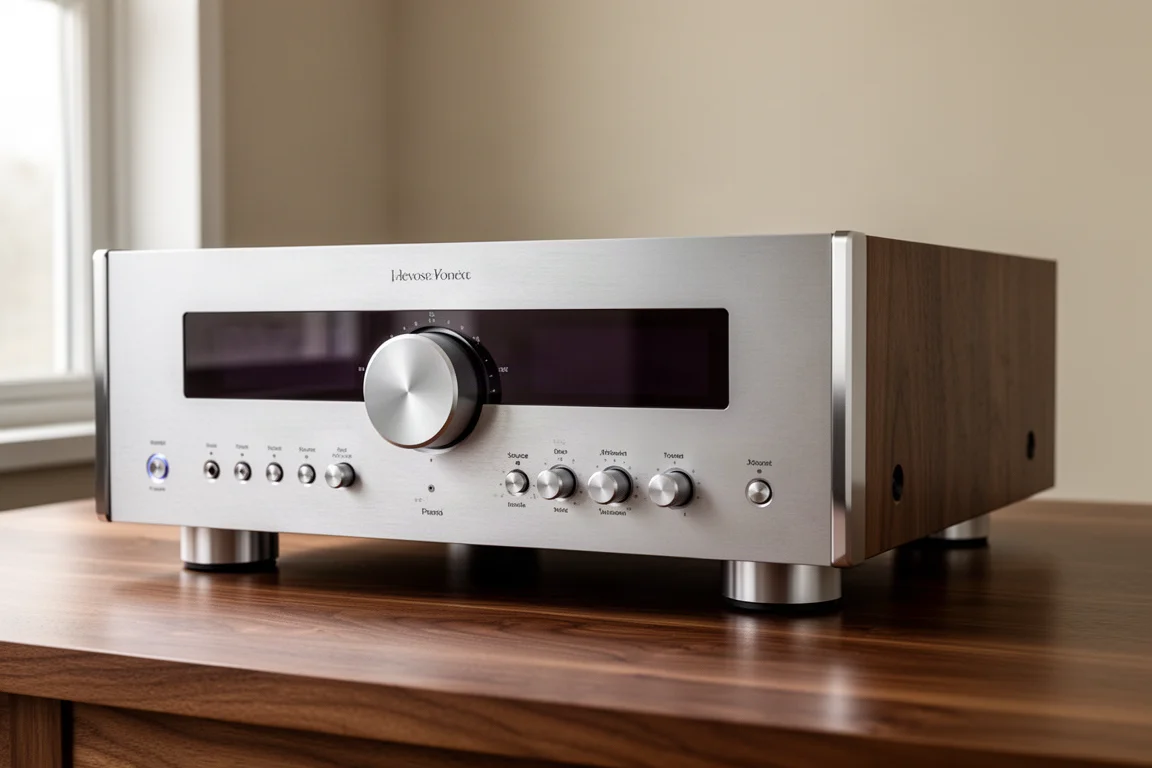
The Denon PMA-600NE supplies 70 watts of power for $599 and includes analog and digital inputs with a built-in DAC, plus Bluetooth, so apps already installed on your phone can serve as the source. Together with the Q3 Meta, the system comes to $1,499.
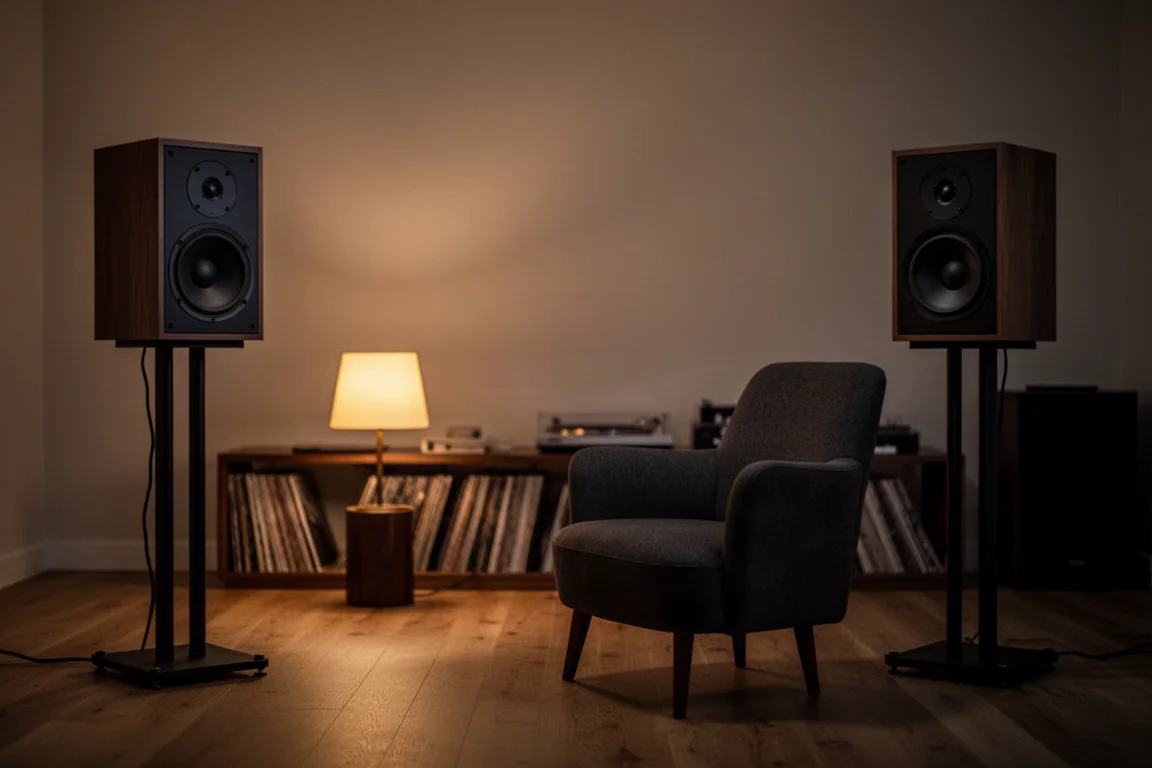
The pairing produces a smooth, easy-going sound, which some listeners may find a touch polite. If you want something equally refined but with more sparkle and a stronger sense of detail, the Bowers & Wilkins 607 S3 sits at a comparable price and delivers a noticeably different character. Denon’s own CEOL, which adds a slot-loading CD player, HDMI, and HEOS streaming, is priced at $649 and pushes the total about $100 over budget.
A Lower-Cost Amplifier Option: WiiM Amp
The WiiM Amp costs $300 and includes a recent addition of basic room correction, which does work and can improve the experience depending on the room. It is a better match for the Monitor Audio Bronze 100 than for the KEF Q3 Meta. That combination comes in at $1,025 and leaves a healthy amount for a CD player and a pair of stands.
One caution applies to this class of chip-based amplifier generally. With speakers whose nominal impedance starts at 4 ohms and dips lower, or when playing complex music at higher volumes, these amplifiers can run into difficulty. The Sonos Amp does not have that limitation and comfortably drives a much wider range of speakers.
Buying Advice
Start with the speakers. They shape the sound more than any other component in the chain, and they are the part you will live with the longest. From there, choose an amplifier that can drive them comfortably. If your speakers are relatively demanding, a design with more power and headroom, such as the Sonos Amp, is the safer choice than a compact chip-based amplifier.
HDMI is worth paying for if the system will double as television audio. It is the difference between a music-only setup and one that replaces the sound from your TV’s built-in speakers. A subwoofer output is the other feature to think about, since it lets you add low-end extension later without replacing the amplifier.
Finally, remember that stands and cables come out of the same budget. Leave room for them, or plan to add them in a second step. A $1,500 system assembled this way should tell you fairly quickly whether a larger investment in the hobby is money well spent.
Conclusion
None of these builds is the only answer at this price. What they share is a sensible allocation of a $1,500 budget: speakers that punch above their price, an amplifier that suits them, and a source that fits how you actually listen. Pick the character that matches your room and your music, and the rest of the decisions get much easier.
Further reading
Related Reviews
Hi-Fi Audio
Accuphase C-57 vs Allnic H-7000V: Two High-End Phono Stages Compared
A fully balanced solid-state phono stage with a pitch-black noise floor meets a tube design built for well-loved records. Here is how to choose between them.
Hi-Fi Audio
Active vs Passive Hi-Fi: Five Components for a Modern System
Five components that define modern active and passive hi-fi systems, with the strengths, trade-offs and setup details worth weighing before you buy.
Hi-Fi Audio
Advance Paris A10 Apex Review: A Hybrid Integrated Amplifier That Covers a Lot of Ground
A French hybrid integrated amplifier with a class A tube preamp stage, analogue power meters, and an internal DAC and phono stage good enough to make extra boxes unnecessary.