Phono Accessories
Best Step-Up Transformers for Moving Coil Cartridges: Six Options to Consider
Six step-up transformers for low-output moving coil cartridges, from a vintage Supex to the adjustable Zesto Allasso, with the strengths and trade-offs of each.
Introduction
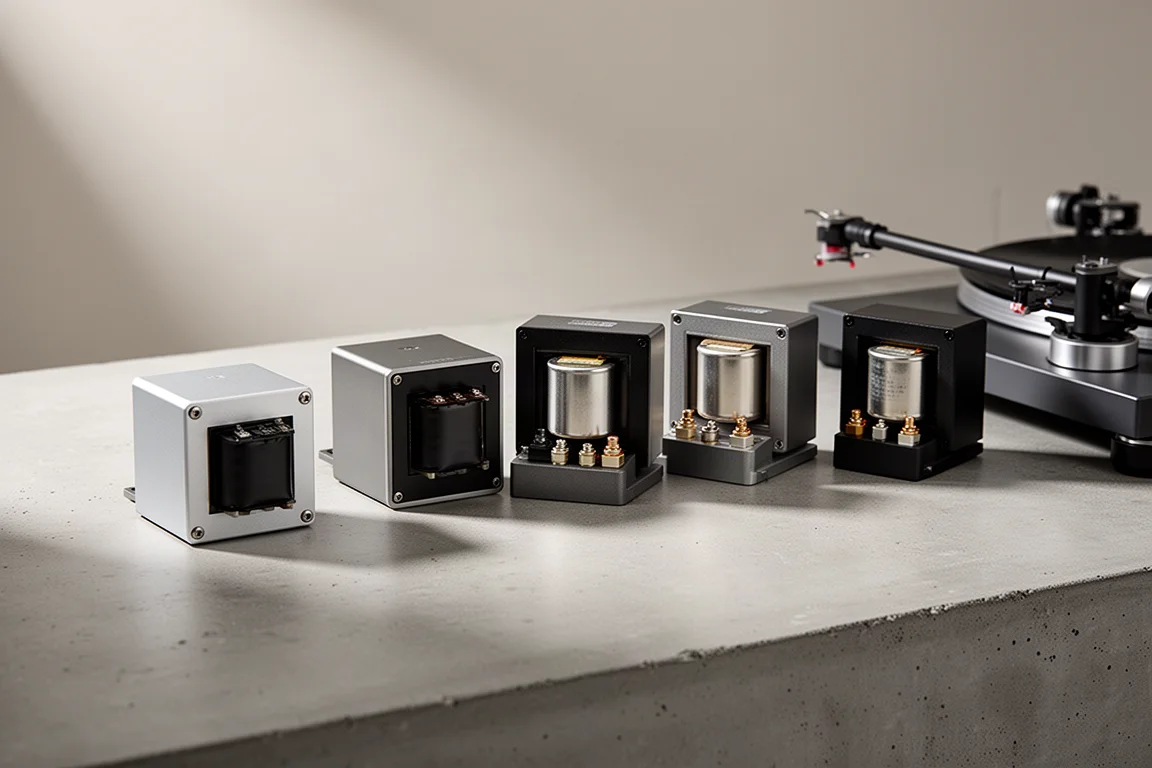
Low-output moving coil cartridges are prized for their detail and refinement, but they need a great deal of voltage gain before a phono stage can work with them properly. For decades, the standard answer was a step-up transformer: a small passive device that lifts the cartridge signal to a level a moving magnet input can handle.
This guide covers six step-up transformers that represent very different approaches to the same job, from a vintage unit that has been in service for more than forty years to a modern design with adjustable gain and loading. Each one has its own character, and the differences between them are as pronounced as the differences between cartridges.
What a Step-Up Transformer Does
High-gain moving coil inputs only became common on phono preamps in the early 1980s, and they were not widespread until the middle of that decade. Before then, owners of low-output moving coil cartridges used either a step-up transformer or a separate head amp. The transformer route is straightforward: the turntable’s phono leads connect to the transformer’s input, and a second cable runs from the transformer’s output into the moving magnet input of the phono preamp. The voltage gain is supplied passively, with no mains connection and no active circuitry.
That last point matters. Gain from an electronic moving coil stage comes from additional circuitry, and that extra gain usually costs some clarity. A transformer supplies gain without adding noise or distortion of its own.
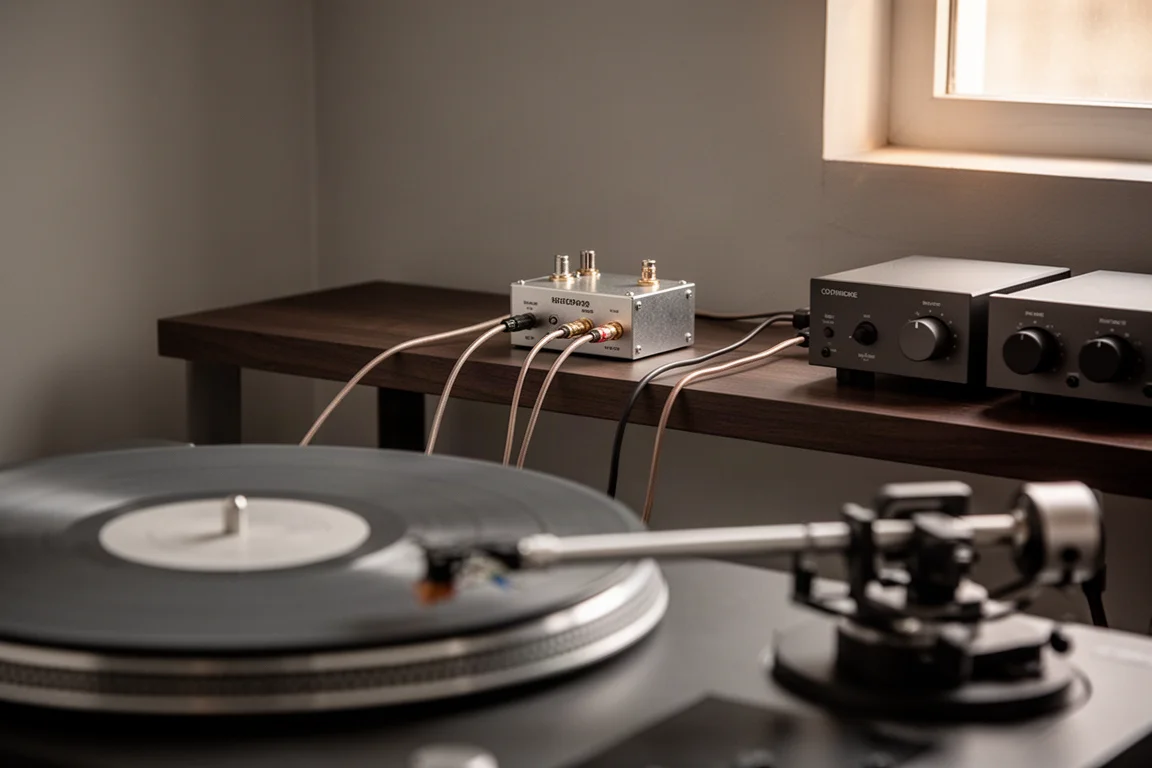
The practical result is a sound that opens up rather than closes down. Quieter passages become easier to follow, the music feels more expansive, and there is simply less between the record and the speakers. Going back to a moving coil input directly tends to sound toned down and flatter by comparison.
How These Transformers Differ
Step-up transformers are not interchangeable, and the differences are not subtle. Some are punchy and muscular, others are clearer and more immediate, and some add warmth and body. The right choice depends as much on the cartridge as on personal taste, which is why it helps to think in terms of flavors rather than a single best option.
There are trade-offs to weigh. A transformer means another box and another pair of cables in the signal path, and a unit that is not positioned carefully can pick up hum or noise. Step-up transformers are not for every system, but when they are set up well, the payoff is substantial.
Supex SDT 1000
The Supex SDT 1000 is a moving coil step-up transformer from the era when transformers were the only practical way to run a low-output moving coil cartridge. This particular unit has been in service for more than forty years and was originally used with a Supex 900 low-output moving coil cartridge feeding a preamplifier that offered only a moving magnet input.
It is the oldest design in this group and the one that prompted this whole comparison. As a vintage piece it represents an earlier generation of transformer design, and it remains a useful reference point for what a well-made step-up transformer can do.
Audio Note S1
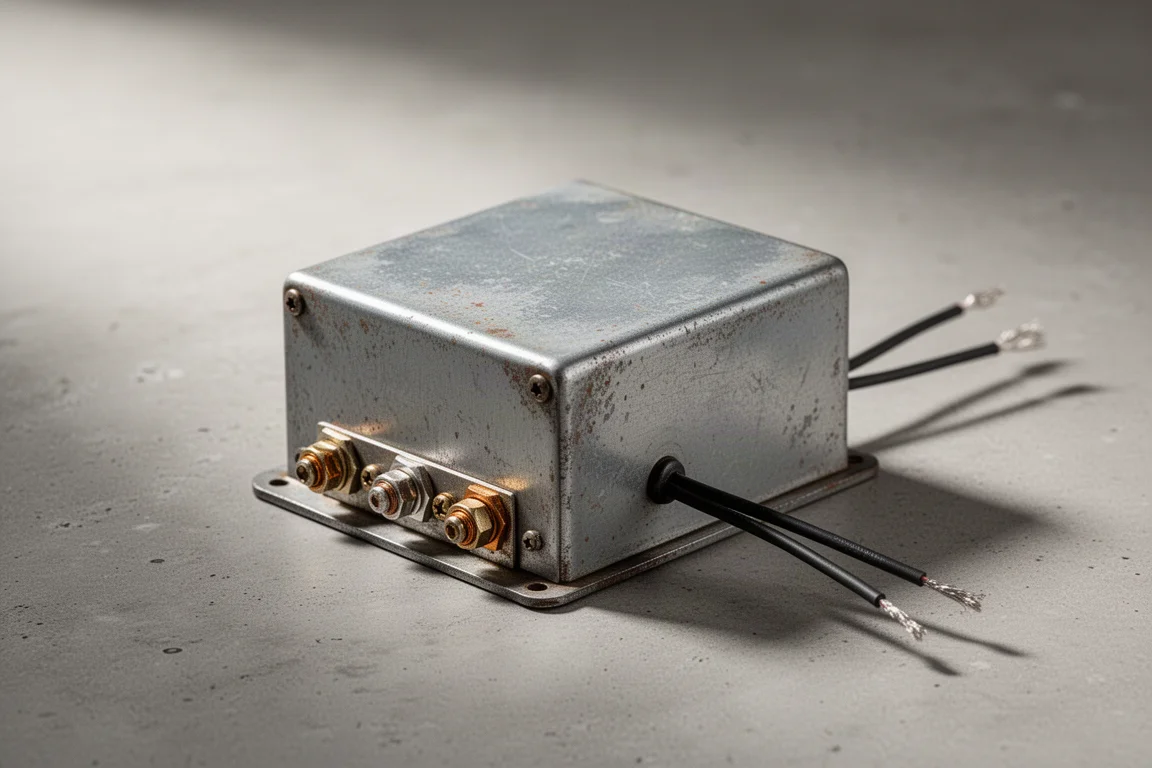
The Audio Note S1 raises the bar further. Paired with an Ortofon SPU No. 1, it delivered a more powerful and more dynamic presentation with greater tonal color, and it made a familiar cartridge sound like a considerably better one. Going back to the moving coil input after listening through the S1 felt like a step down.
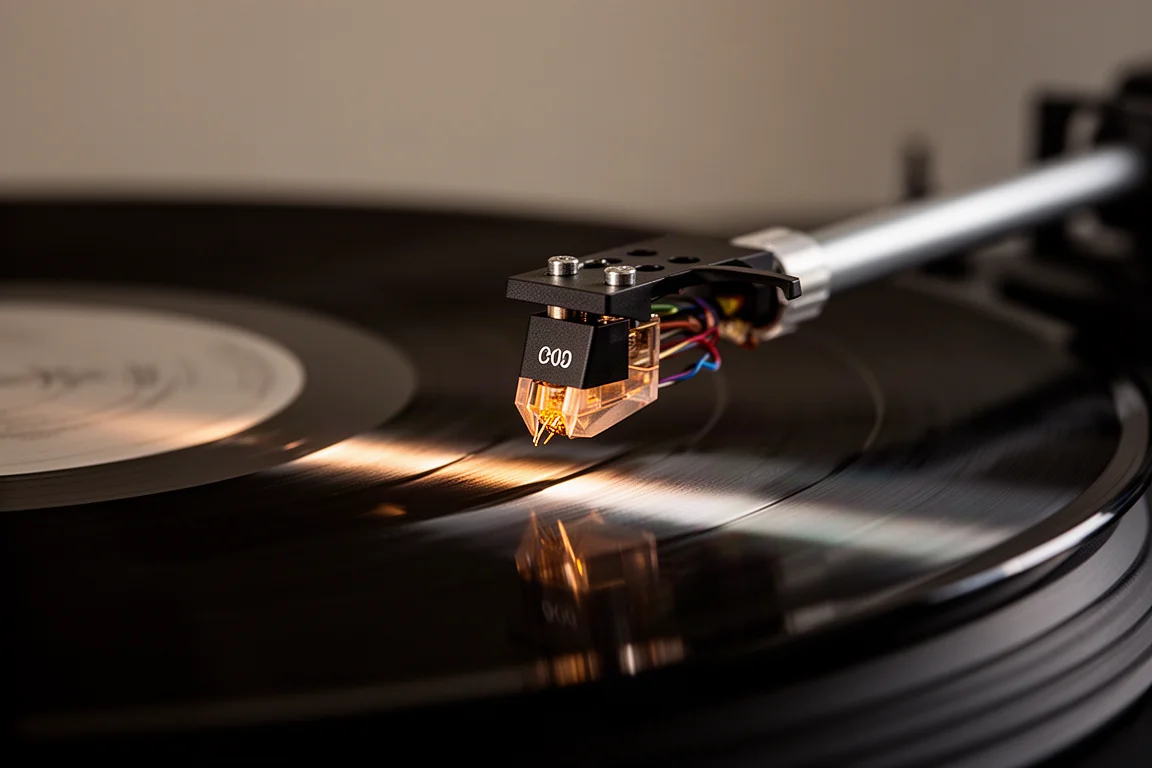
That sense of increased dynamic range is the clearest argument for the transformer approach. Quiet passages stay intelligible, the music builds with more force, and the quieter parts of a recording come through with less in the way. The S1 remains a strong option for anyone who wants that extra sense of scale from a fixed, well-built transformer.
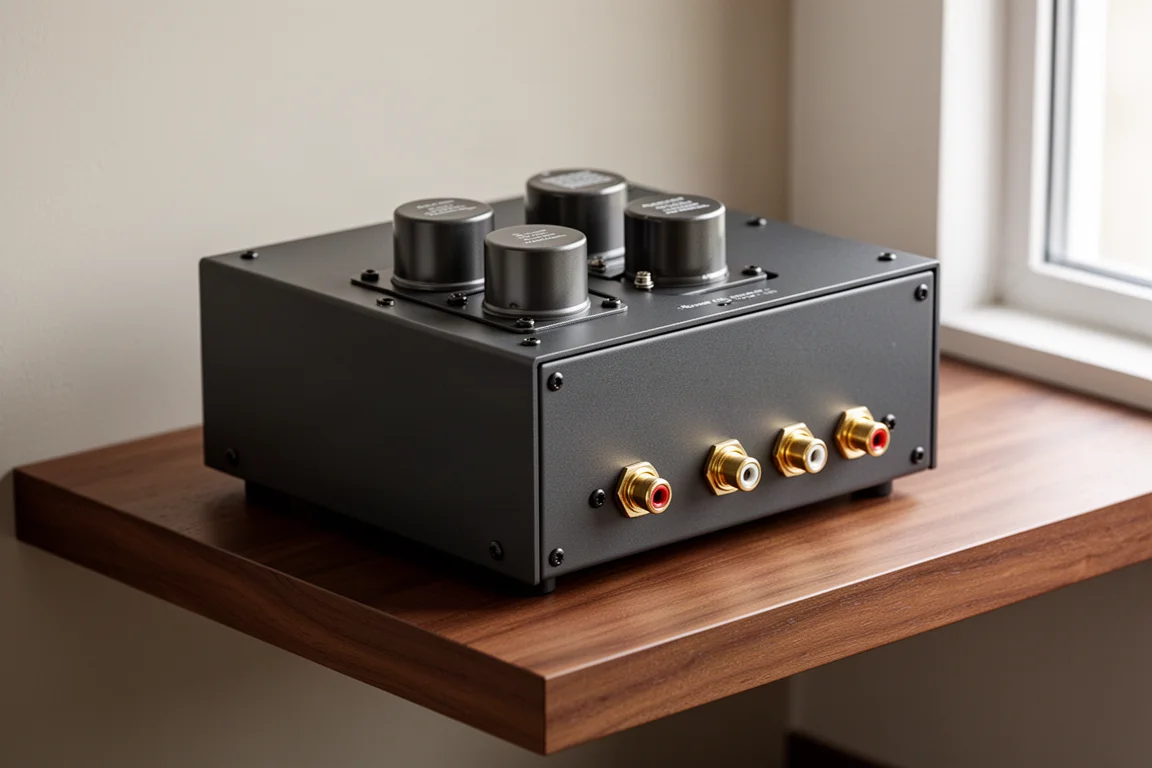
Audio Note S2
The Audio Note S2 sits one step above the S1 in the range, and it builds on the same character with more of everything: more body, more warmth and more control. With a heavily compressed early pressing that sounded strident and harsh through a moving coil input, the S2 mellowed the sound enough to make the music enjoyable again, adding warmth and body without sacrificing the detail.
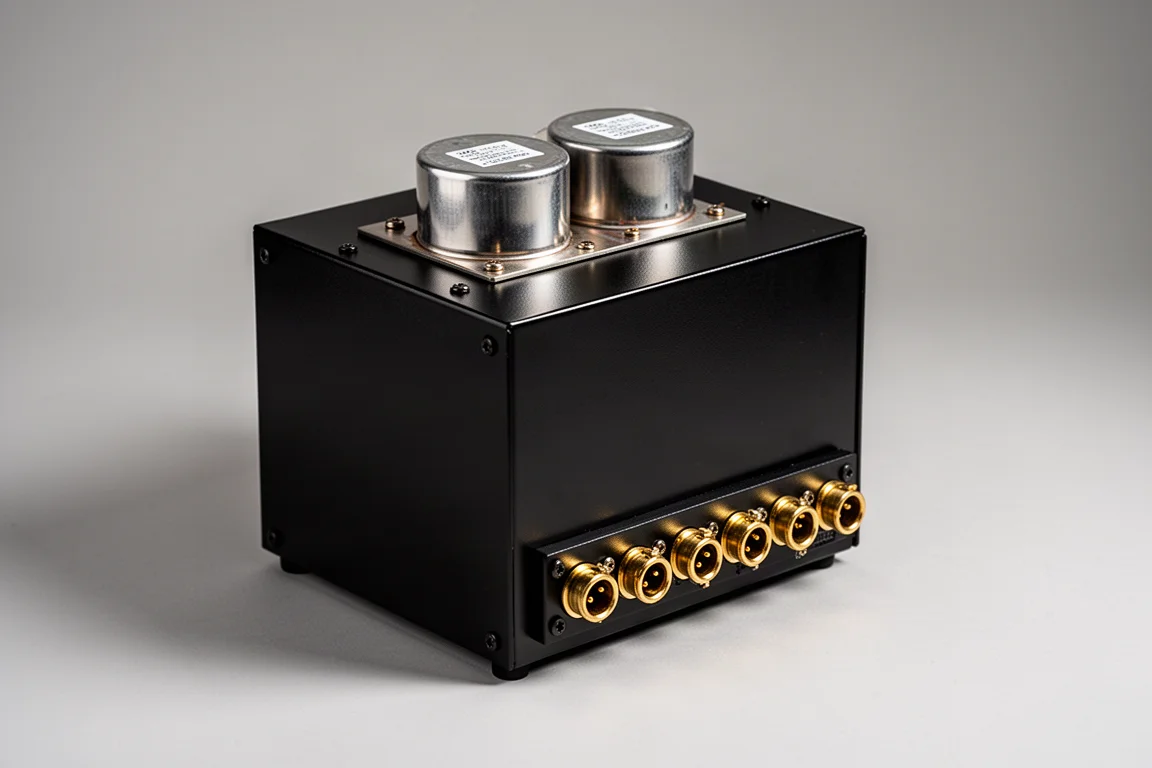
Altec 4722
The Altec 4722 was not designed as a phono step-up transformer at all. It began life as a microphone transformer, and at some point listeners discovered that it works extremely well with phono cartridges. It is typically used with a base from Ned Clayton, and those bases can be found on the second-hand market for very little money.
Where the Ojas transformer adds muscle, the Altec 4722 goes the other way: clearer, more vivid and more immediate. With a warm-sounding cartridge such as a Zu-modified Denon 103, that clarity was preferable to extra richness. It also paired very well with a Lyra Delos, delivering a result that was not as refined or as deep as the Zesto Allasso but still very good.
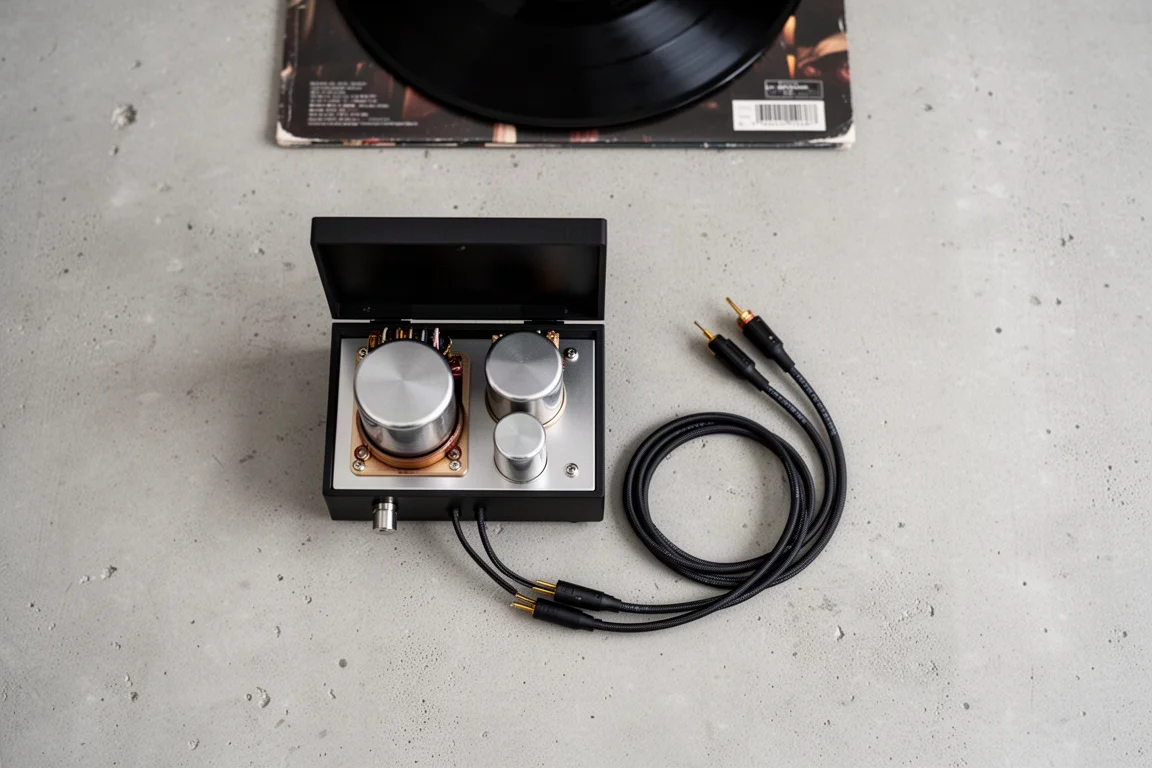
For listeners who value transparency over weight, the Altec 4722 is one of the most interesting options here, especially given how affordable the mounting base can be.
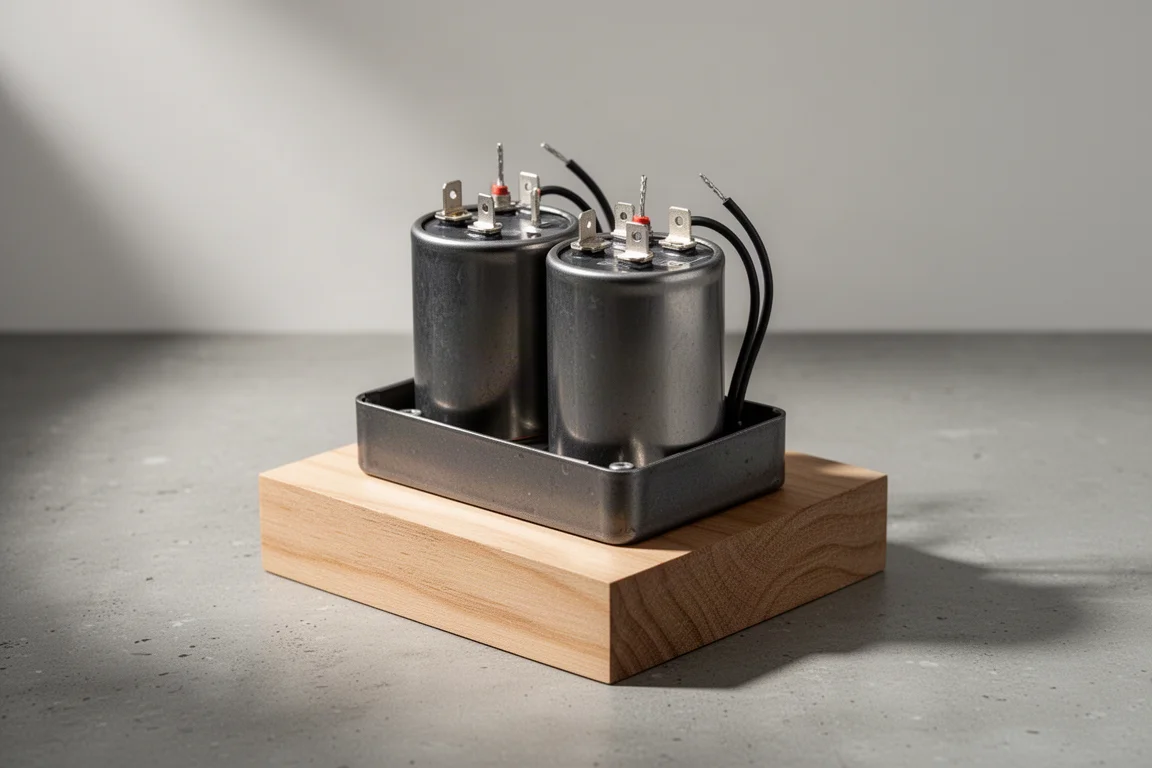
Ojas Step-Up Transformer
The Ojas step-up transformer is a plug-in module designed for the Ned Clayton base and sold under Devin Turnbull’s company. Its personality is unmistakable: powerful, punchy and dynamic, with strong bass and a real sense of drive. On bass-heavy material it added muscle and presence to bass lines and drums.
That character is not always what a system needs. With a warm-sounding cartridge such as the Zu-modified Denon 103, the combination tipped into sounding too warm, too rich and too opulent. With an early, heavily compressed pressing, however, the extra bass fullness and power worked in its favor. It is a transformer that rewards matching to the cartridge and the record.
Zesto Allasso
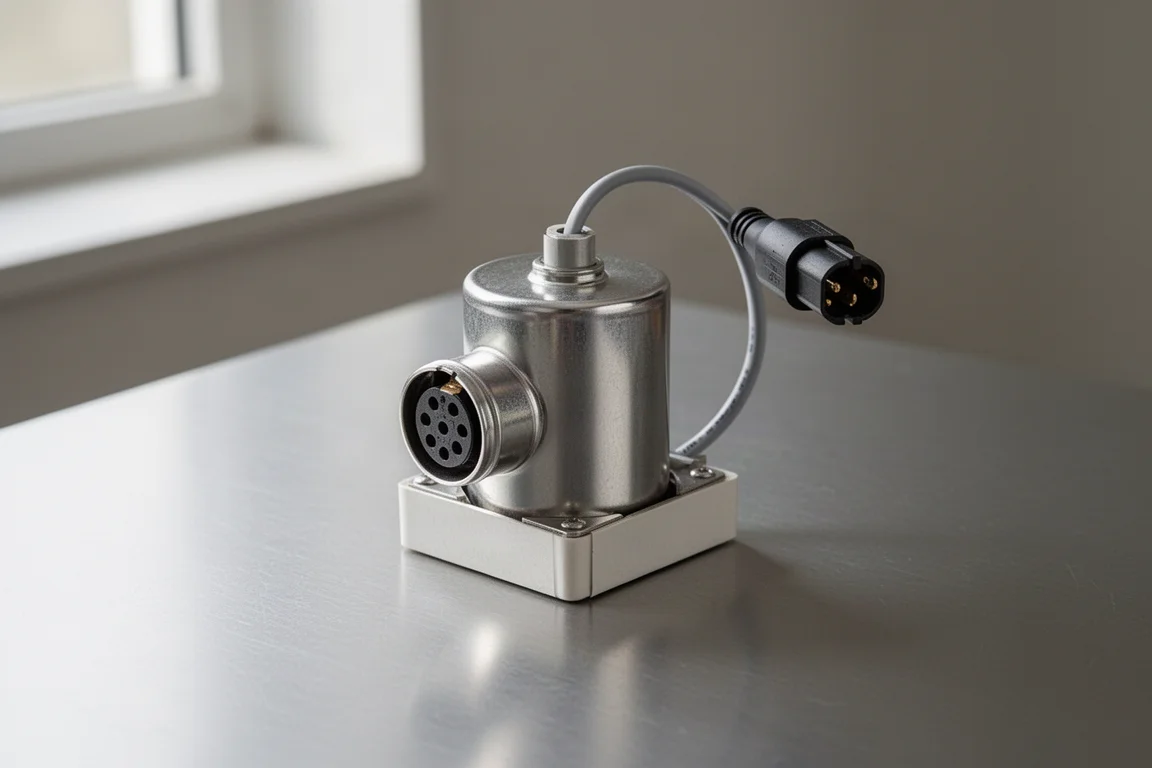
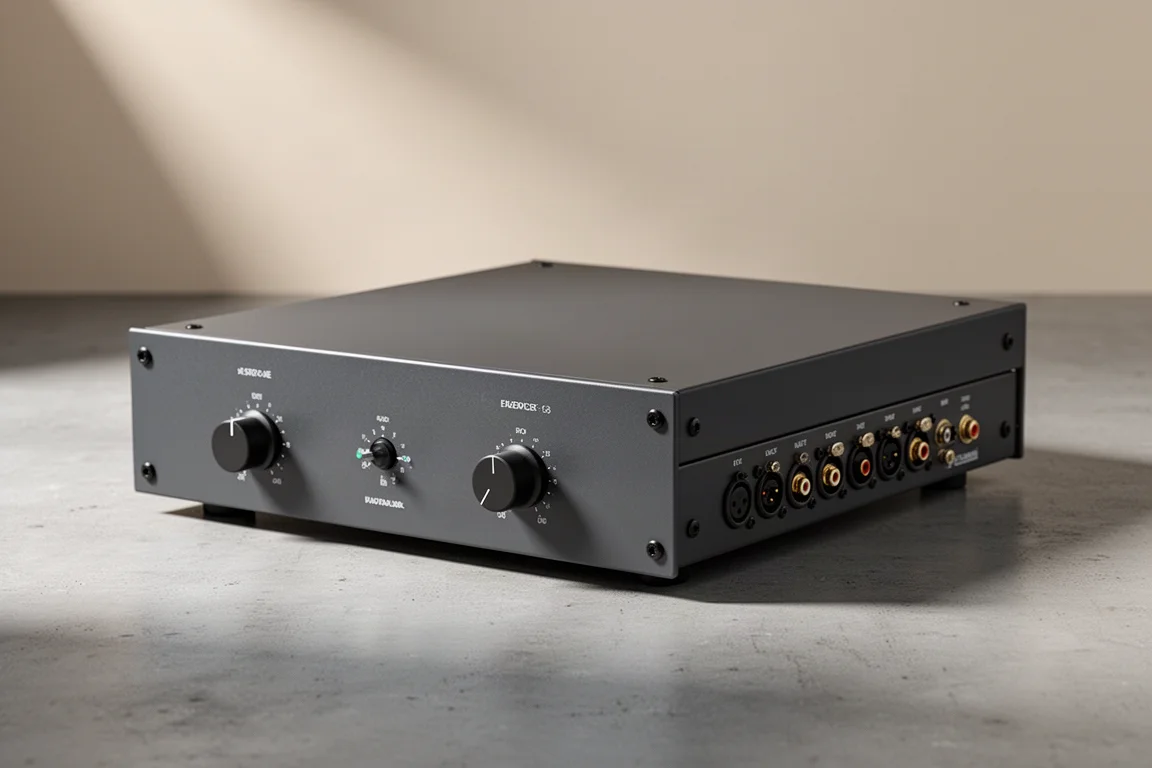
Zesto is best known for its tube electronics, and the Allasso is its step-up transformer. Like every transformer here it is a passive device with no mains connection, but unlike the others it offers variable gain and impedance settings. That adjustability makes it by far the most flexible option in this group. Instead of matching a fixed transformer to a single cartridge, you can adjust the Allasso to suit whichever cartridge you are running at that moment.
The results back that up. The Allasso produced the best sound heard from a Lyra Delos in this group, combining refinement and depth that the simpler transformers could not quite match. It is also the most expensive transformer discussed here, which is the main thing to weigh against its flexibility.
Buying Advice
The choice between these transformers comes down to how many cartridges you run and how much you enjoy changing the sound of your system.
If you own several low-output moving coil cartridges and want one box that can serve all of them, the Zesto Allasso’s adjustable gain and loading settings are a major advantage, and the price reflects that. If you prefer to tune your system by swapping components, a small collection of fixed transformers makes more sense. The Altec 4722 is the clearest and most immediate of the group, the Ojas is the most muscular, and the two Audio Note models sit between those extremes with a warmer and more expansive presentation. The Supex SDT 1000 is a reminder of how long this approach has been delivering results.
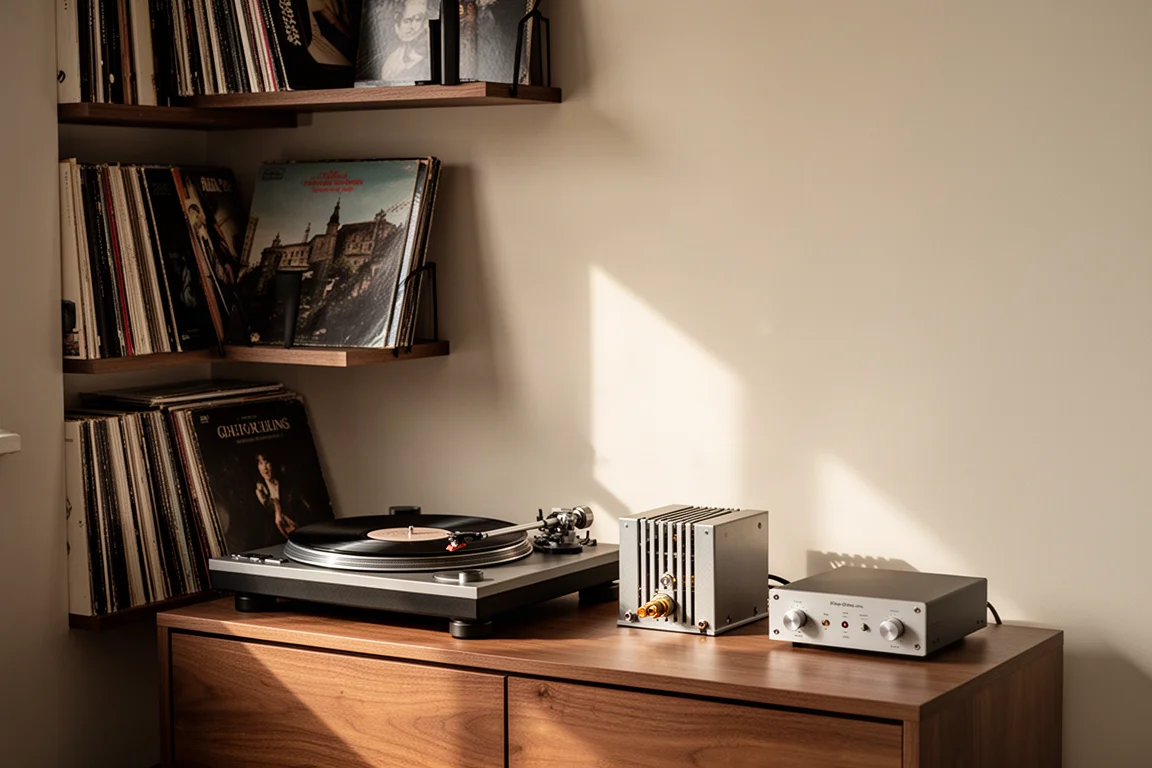
Whichever route you take, plan for the practical side as well: an extra box, an extra pair of cables, and careful placement to keep hum and noise out of the signal path.
Conclusion
Step-up transformers are not an automatic upgrade, and they are not right for every system. But for owners of low-output moving coil cartridges, they offer a way to add gain passively and to shape the sound of a cartridge to taste. The six options here cover the full range of that idea, from a forty-year-old Supex to the highly adjustable Zesto Allasso. The most useful next step is to consider which cartridges you actually run, then choose the transformer that matches the character you want to hear.
Further reading
Related Reviews

Backpacking Gear
Building a 10 lb Base Weight: An Ultralight Backpacking Gear List
A practical walkthrough of the ultralight pieces behind a 10 lb base weight, from a 765 g pack and a roomy one-person tent to a full camp chair and a dependable water filter.

Road Bikes
10 New Road Bikes Worth Watching: Aero, Titanium, Steel and Endurance Standouts
A practical roundup of 10 new road bikes, from aero flagships chasing single-watt gains to titanium, steel and endurance platforms built for real roads.

Bikepacking Gear
11 Bikepacking Essentials for Long-Distance Cycling
Eleven bikepacking essentials for long-distance cycling, from a steel gravel frame and a two-person tent to helmet lights, packable gloves, and a frame bag that puts weight in the right place.