Drill Bits
Best Step Bits for EDC Kits and Everyday Drilling: Three Worth a Look
Compact 1/4-inch hex step bits that cover a range of hole sizes with a single tool, including an affordable option under $7 and larger bits for tougher jobs.
Introduction
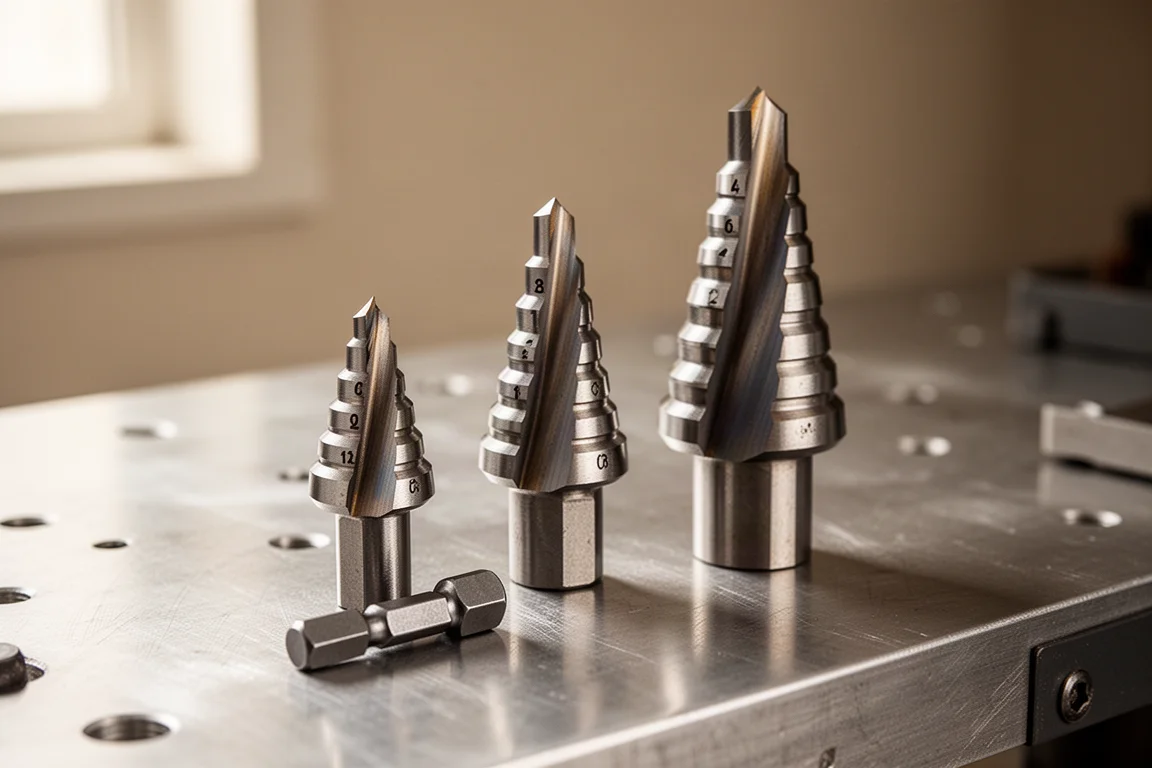
Step bits occupy a strange middle ground between everyday carry tool and genuine workshop hardware. A single bit covers a whole range of hole sizes in one go, and the smallest versions shrink down to almost nothing, which makes them one of the more functional intersections between an EDC tool and a daily-use tool.
This roundup looks at three options: a compact 1/8-inch to 1/4-inch bit that costs under $7, a large heavy-duty bit from Klein Tools in the $60 range, and a higher-quality 1/8-inch to 1/2-inch option from DeWalt that has earned a permanent spot in an everyday carry kit. Each one solves a slightly different problem, so the right choice depends entirely on how and where you drill.
Why a 1/8 to 1/4 Inch Step Bit Belongs in Your Kit
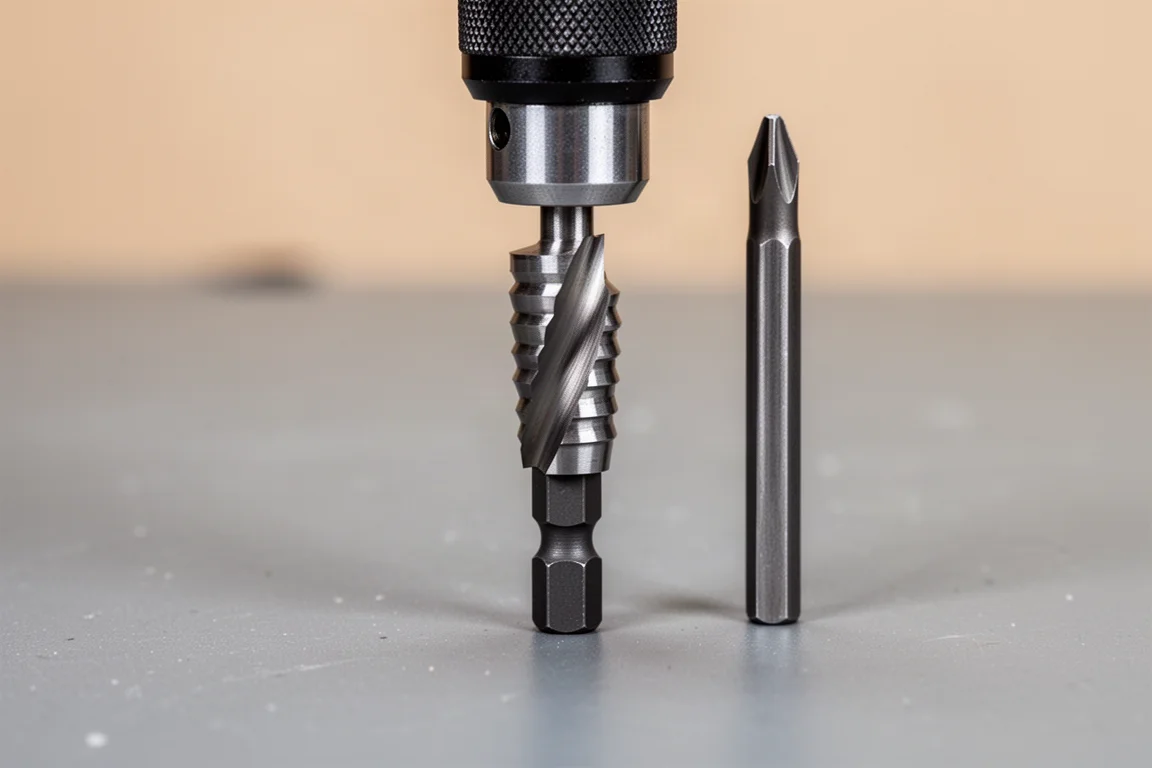
The appeal of the smallest class of step bits starts with the profile. These bits are no larger than a standard 1/4-inch driver bit, which means they drop straight into any 1/4-inch bit holder, quick-lock driver, or compact multi-tool. Compared with a traditional driver bit like a Milwaukee Shockwave Phillips, the step bit is the same length and width, yet it does something no Phillips bit can: it drills holes.
That opens up a surprising amount of utility. Because the bit is so small, it is the kind of tool you can have anywhere, ready to drill a 1/8-inch to 1/4-inch hole in a wide range of materials without carrying five separate drill bits. The Think Work version is available in both high-speed steel and high-speed steel cobalt variants, and it has proven popular enough to sell out shortly after gaining attention.
How Step Bits Actually Work
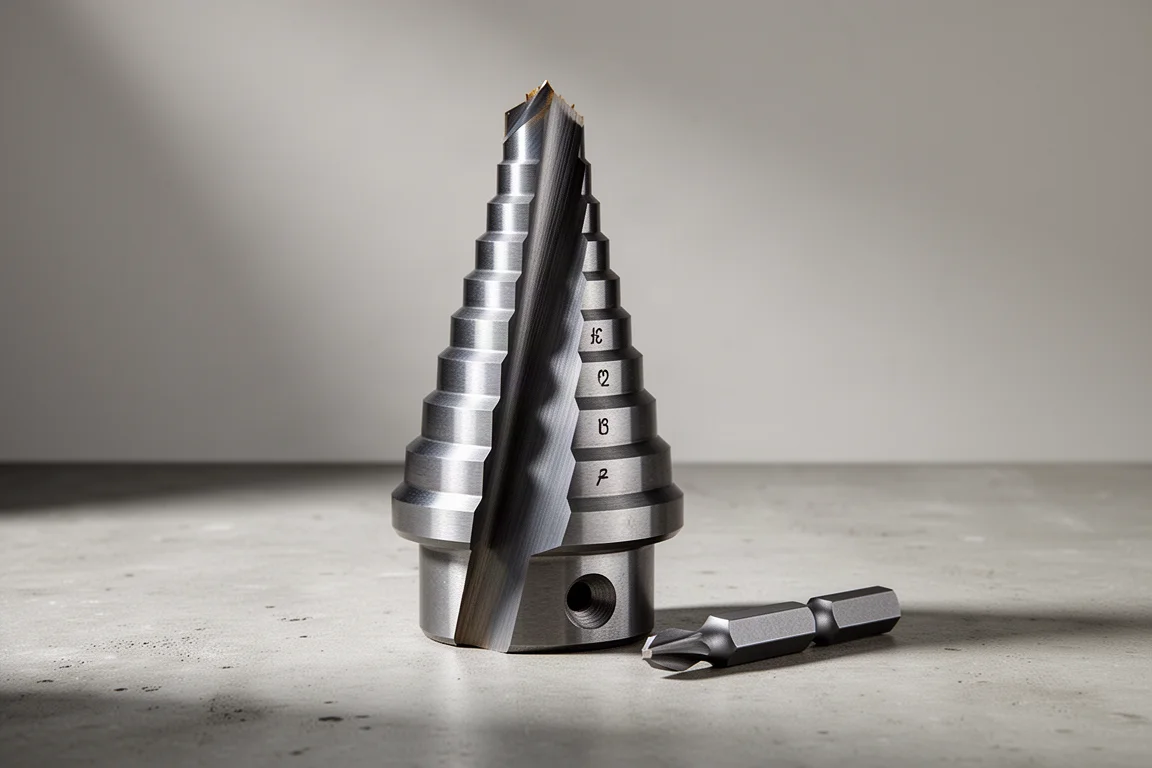
A step bit is a conical drill bit machined into a series of stepped diameters. Each step corresponds to a specific hole size, so instead of switching between bits, you drill until you reach the step that matches the hole you need.
In practice, the technique is simple: pop the bit in, test the hole, and if the fastener, dowel, or bolt needs a little more room, bump it up one more step and try again. It is a quick iterative workflow that works especially well in thin material.
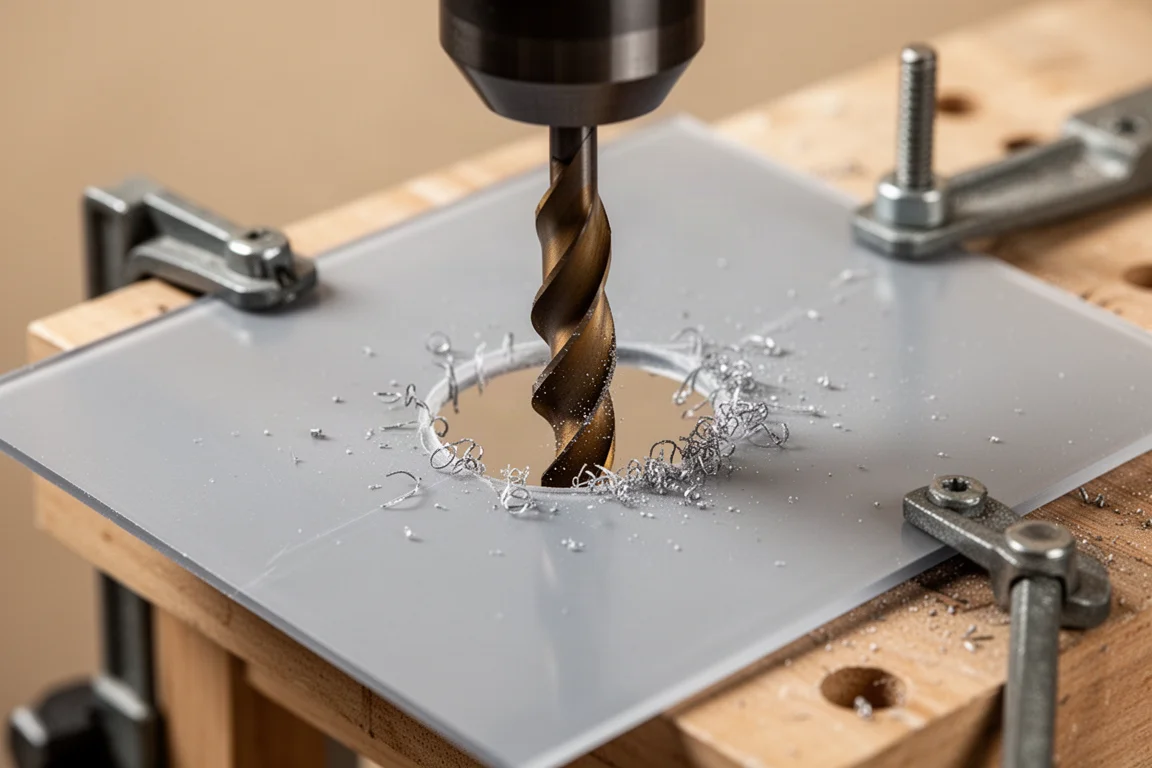
The key limitation to understand: the useful cutting area at any given size is only the thin band of that one step. If you are drilling all the way through a thick workpiece like a 2x4, a step bit forces you to work at the largest diameter the whole way through, which is not what it is designed for. Step bits shine in thinner metal, plastic, and even wood, where you can go straight to the size you need. In metal, controlling the bit across the steps makes cutting fast and controlled.
Think Work 1/8 to 1/4 Inch Step Bit: The Affordable EDC Pick
The Think Work step bit covers 1/8-inch to 1/4-inch drilling in a single compact bit, with high-speed steel and high-speed steel cobalt versions available. It is the same diameter as a standard driver bit, so it fits any 1/4-inch driver and can even be started by hand in softer materials. It drills a clean quarter-inch hole remarkably fast in plastic and thin stock, and in metal you can simply step through the five sizes for controlled cutting.
The most striking thing about this bit is the price. It has been listed at under $7 on Amazon, which puts it in impulse-purchase territory for a genuinely useful drilling tool. The company sells these in sets of larger step bits as well, but the micro-bit version is the one that makes the most sense as a have-anywhere tool. Availability has fluctuated, so it is worth checking current stock.
Klein Tools Step Bit: The Heavy-Duty Option
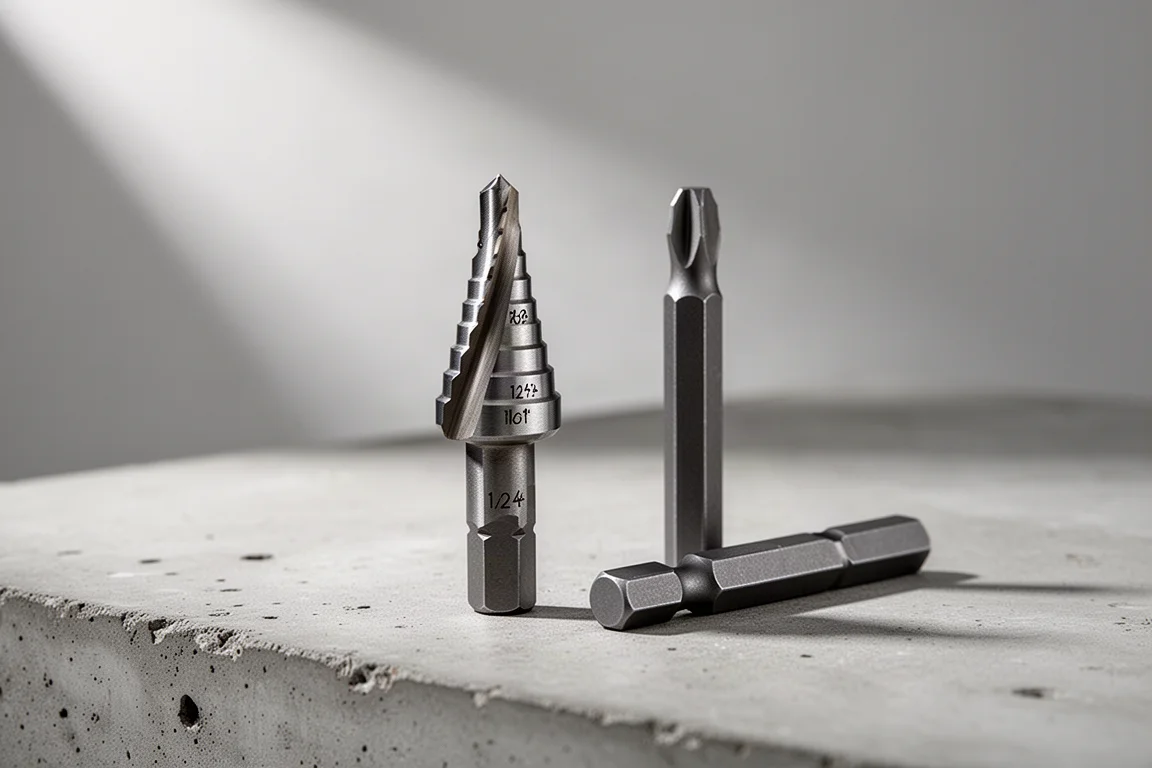
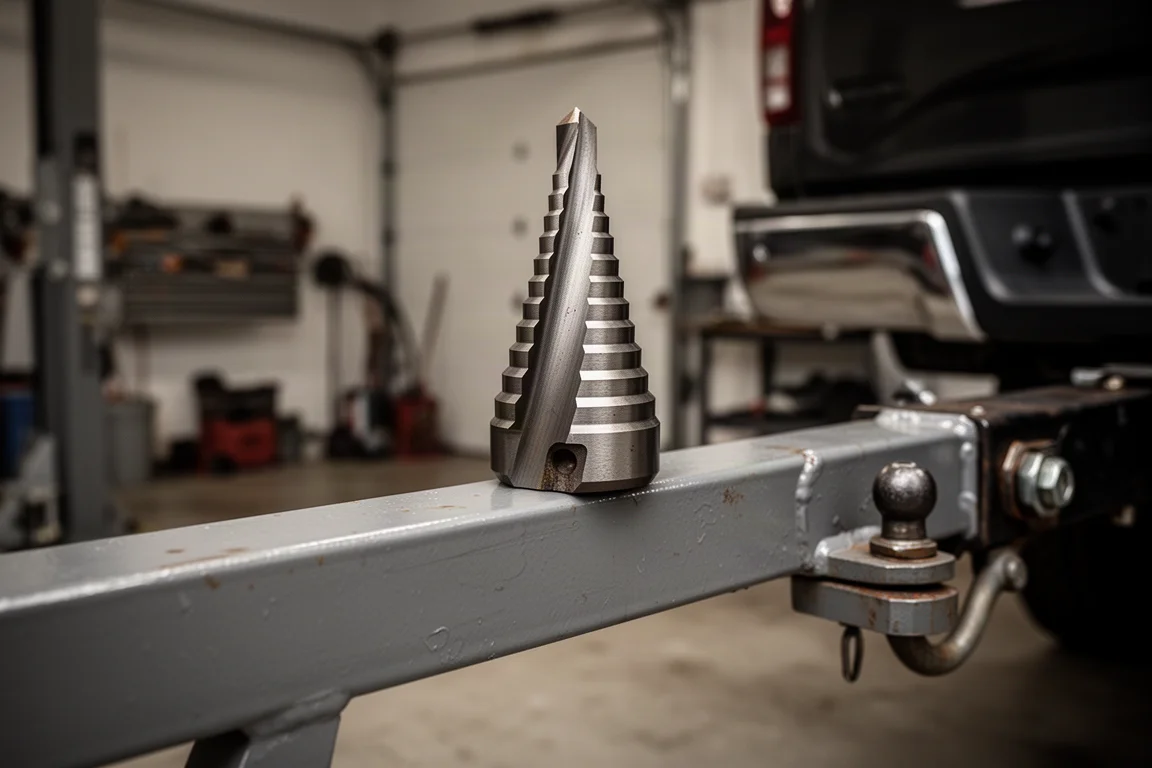
At the opposite end of the scale sits the larger step bit class, and Klein Tools is a well-regarded name here. A 3/8-inch Klein step bit can run up into the $60 range, which reflects the kind of work these bits are built for: thick, demanding material rather than quick EDC fixes.
The size range is the point. A larger step bit picks up at a quarter inch and steps all the way to 3/4 inch, giving you a big spread of hole sizes in one tool. The practical use case is serious fabrication work, such as drilling into a vehicle frame to bolt on a 2-inch trailer hitch receiver. That is exactly the kind of job where a heavy-duty step bit earns its price.
DeWalt Step Bit: A Quality EDC Upgrade
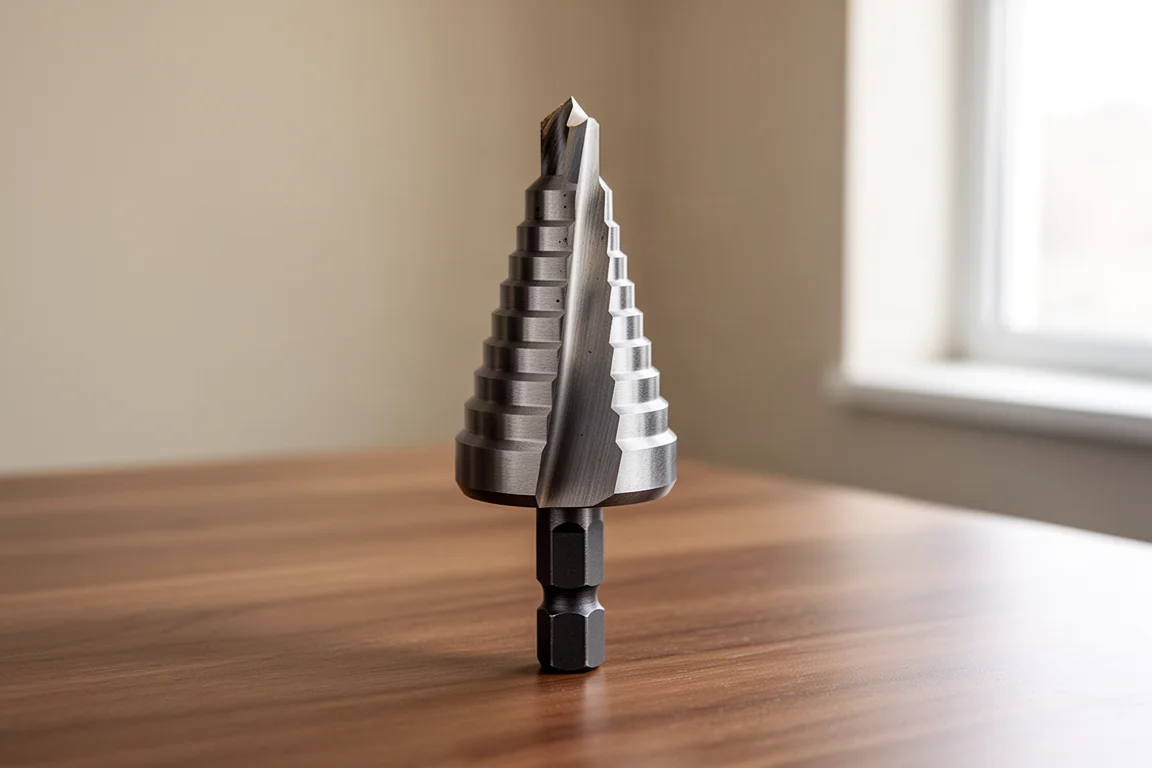
DeWalt makes several versions of the mid-size step bit, and the 1/8-inch to 1/2-inch option is the one that works as a quality everyday carry upgrade. It is built to a noticeably higher standard than the micro-bits, though the exact coating or steel grade is not clearly marked, and the size markings on the steps can become difficult to read after use. In practice, most people simply pop it in, test the hole, and step up as needed rather than relying on the markings.
This bit includes a quick-lock shank, so it can be thrown into an EDC pouch or a driver without fuss. There is some size overlap with the smaller 1/8-inch to 1/4-inch bits, since the quarter-inch mark sits somewhere within its range, but the extra reach up to half an inch makes it the more capable single tool. It suits an overlanding or vehicle kit where a slightly larger, tougher bit makes sense.
Buying Advice
Pick based on where the bit will live. If you want a small, cheap, have-anywhere drilling tool for your EDC pouch or multi-tool kit, the Think Work 1/8-inch to 1/4-inch bit is the clear pick at under $7, with the cobalt version worth considering for more metal work. If you are drilling into vehicle frames or other thick, demanding material, the Klein Tools large step bit is the right class of tool, just budget for the $60 range. If you want one mid-size bit that covers everything from 1/8 inch to 1/2 inch with higher build quality and a quick-lock shank, the DeWalt is the strongest all-round choice.
Conclusion
Step bits replace a whole pile of individual drill bits with one conical tool, and the compact versions have quietly become some of the most useful small tools you can carry. Whether you start with the affordable Think Work micro-bit, the heavy-duty Klein, or the quality DeWalt, the workflow is the same: drill, test, step up. For anyone who regularly fabricates quick solutions, a step bit is an easy recommendation.
Further reading
Related Reviews

Backpacking Gear
Building a 10 lb Base Weight: An Ultralight Backpacking Gear List
A practical walkthrough of the ultralight pieces behind a 10 lb base weight, from a 765 g pack and a roomy one-person tent to a full camp chair and a dependable water filter.

Road Bikes
10 New Road Bikes Worth Watching: Aero, Titanium, Steel and Endurance Standouts
A practical roundup of 10 new road bikes, from aero flagships chasing single-watt gains to titanium, steel and endurance platforms built for real roads.
Bikepacking Gear
11 Bikepacking Essentials for Long-Distance Cycling
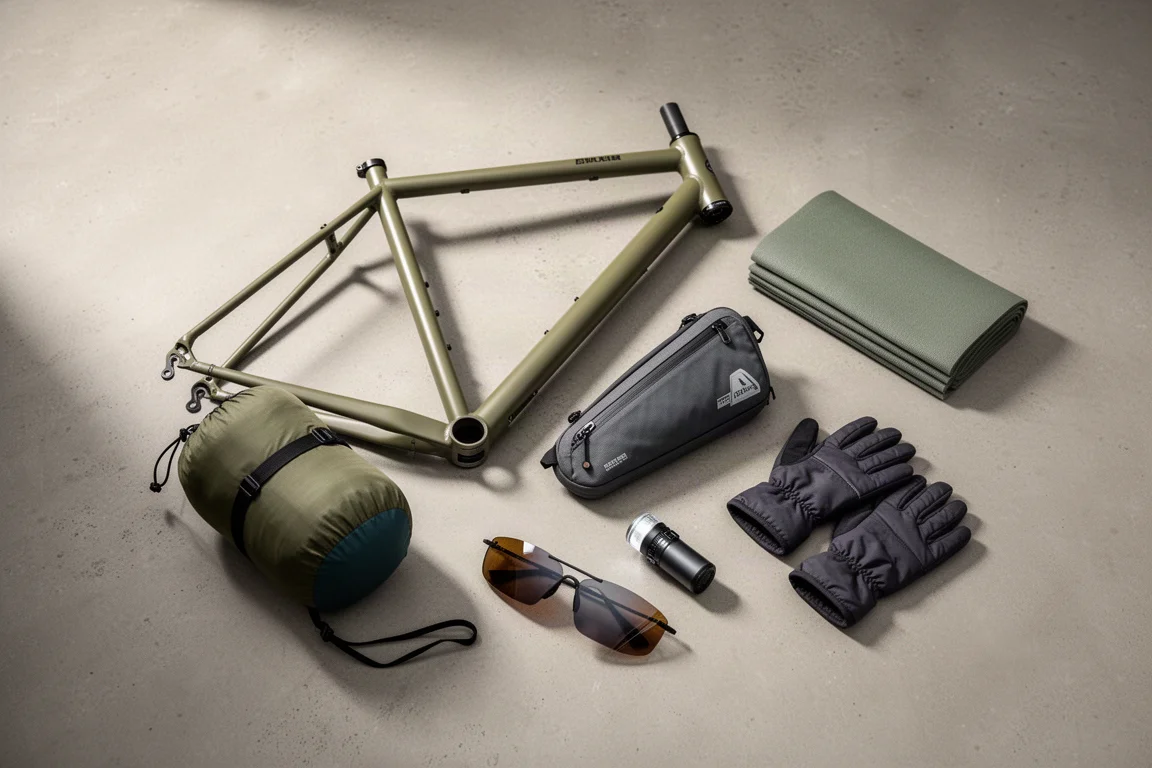
Eleven bikepacking essentials for long-distance cycling, from a steel gravel frame and a two-person tent to helmet lights, packable gloves, and a frame bag that puts weight in the right place.