Hi-Fi Speakers
Best Stand-Mount Speakers Between £2,000 and £3,000: Nine Models Worth Knowing
Nine stand-mount speakers from £1,800 to just over £3,000, with the strengths, trade-offs, and system-matching notes that matter before you buy.
Introduction
Stand-mount speakers between roughly £2,000 and £3,000 a pair occupy one of the most competitive corners of the hi-fi market. At this level, cabinet construction, driver quality and crossover design all take a clear step up, so the differences between models come down less to raw ability and more to character: how much midrange warmth a speaker brings, how far down it reaches, how much treble energy it puts into the room, and how much detail it is willing to reveal.
The nine speakers below cover that ground. Some are long-established British monitors, some are modern three-way designs, and two are considerably more affordable stand mounts that make useful reference points when weighing up value. Prices shown are per pair as quoted.
How to Choose a Stand-Mount Speaker in This Price Band
Sensitivity and impedance are the usual starting point. A rating of 86.5 dB into a nominal 4-ohm load looks demanding on paper, but real-world driveability depends on the design as much as on the numbers, and some speakers in this group are easier to drive than their specifications suggest. An amplifier with modest power and good current delivery usually works better than chasing wattage figures.
Placement matters just as much. Distance from the wall behind the speaker, the angle of toe-in and tweeter height all change the balance noticeably, and designs with ribbon or air motion transformer tweeters are especially sensitive to vertical positioning.
Tonal balance is the other decision. Several speakers here lean neutral or slightly cool in the treble, which is excellent for detail but can sound lean with forward-sounding electronics, and warm amplification is a common and effective answer. It is also worth deciding how revealing you want the system to be, because a highly transparent speaker will expose shortcomings in sources and recordings as readily as it shows off good ones.
Neat Petite Classic: Small, Neutral, and Surprisingly Dynamic
The Neat Petite Classic is the most compact speaker in this group at £2,000 a pair, and its cabinet is small enough to sit on a bookshelf, which makes it one of the few genuinely flexible options here.
What stands out is the balance. It is surprisingly dynamic for its size, resolving enough to make differences between recordings obvious, and neutral in tone, which keeps it easy to live with across a wide range of music.
ATC SCM19: A Studio-Derived Midrange
At £2,595 a pair, the ATC SCM19 draws strongly on the company’s professional monitor heritage. The midrange is the headline: it is the most celebrated part of the design, and the rest of the frequency range holds up well rather than simply supporting it.
That balance makes the SCM19 a natural first choice for listeners who put voices and acoustic instruments at the centre of their listening.
Quad Revela 1: Reference Performance for Less
The Quad Revela 1 is the least expensive speaker in this group at £1,800 a pair, and when it is driven properly it is the benchmark here for performance below £3,000. That condition matters: it wants an amplifier with enough current to stay in control, and it rewards the investment.
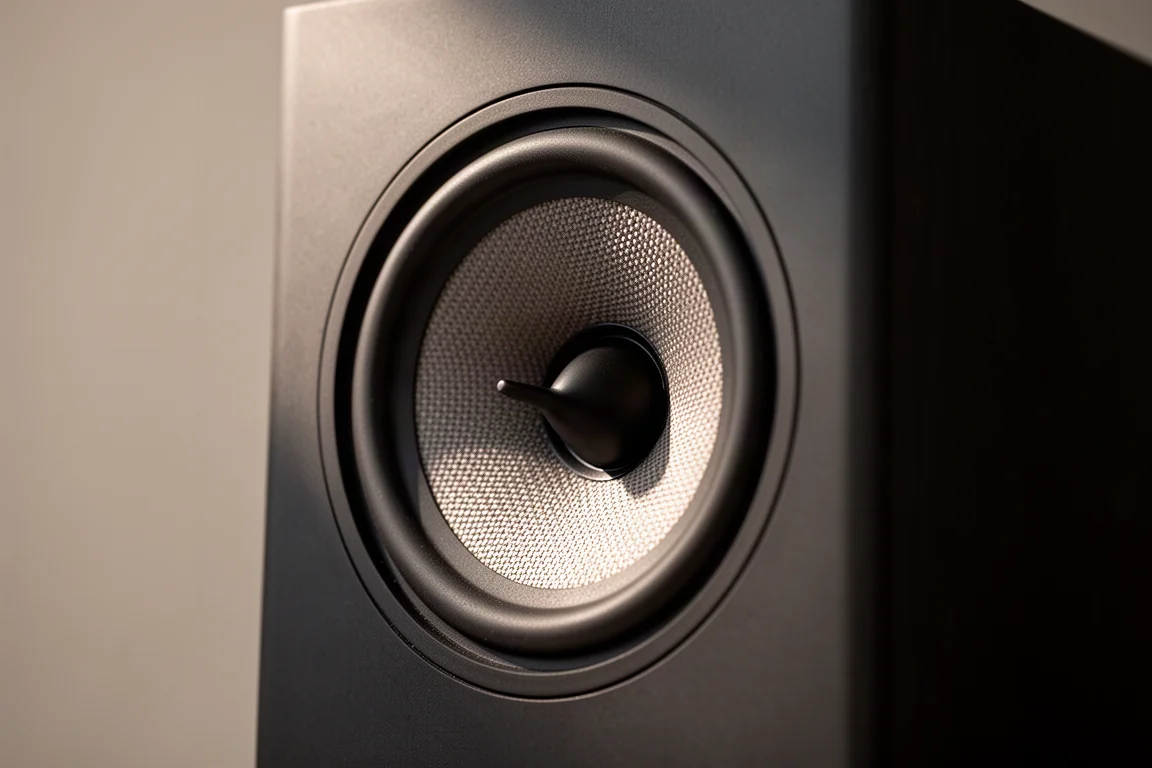
Set against the Monitor Audio Gold 100 6G, the Revela 1 gives up a little clarity but adds acoustic mass to the bass and midrange. That fuller balance makes it the safer choice in systems that are not especially revealing, and it is the main reason the lower price tag should not be read as a limitation.
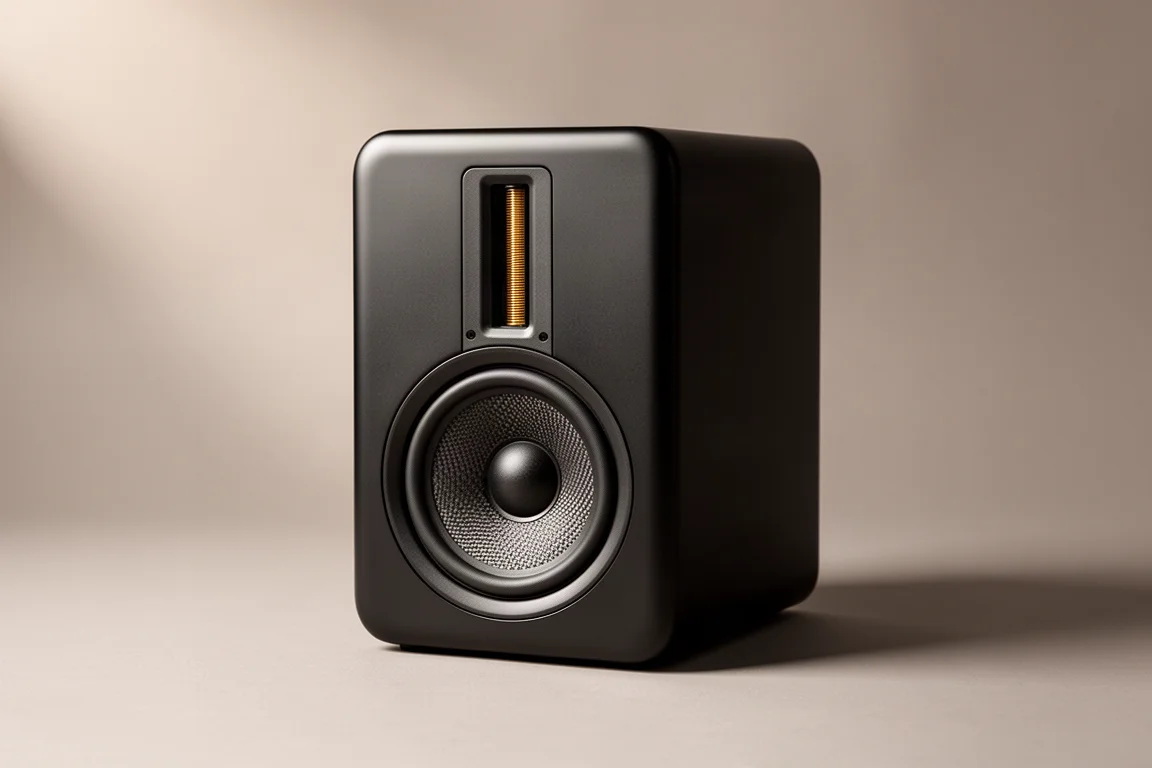
ProAc DB1: A Modern Relative of a Modern Classic
The ProAc DB1 sells for £2,740 a pair and is closely related to the ProAc 1SC, a stand-mount widely held to be one of the finest of its type. The DB1 carries that lineage into a current model rather than a vintage one.
For anyone drawn to the traditional ProAc presentation, this is the most direct route to it without searching the used market.
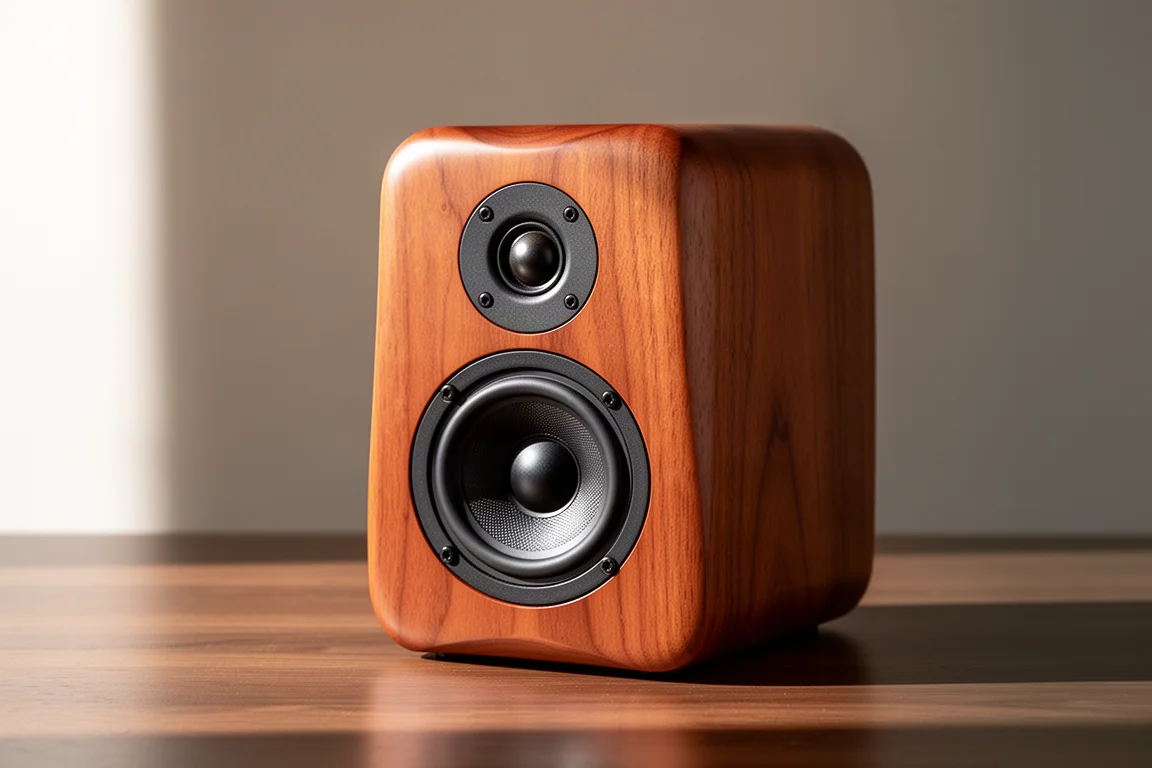
Spendor Classic 3/1: A Traditional British Monitor, Updated
The Spendor Classic 3/1 sits a whisker above the £3,000 mark and is an updated version of a traditional British monitor design that goes back to Spendor’s founding in the late 1960s. It is generally very well regarded, and the long design lineage behind it is a large part of the appeal.
This is a speaker for listeners who want the traditional British monitor character rather than a modern reinterpretation of it.
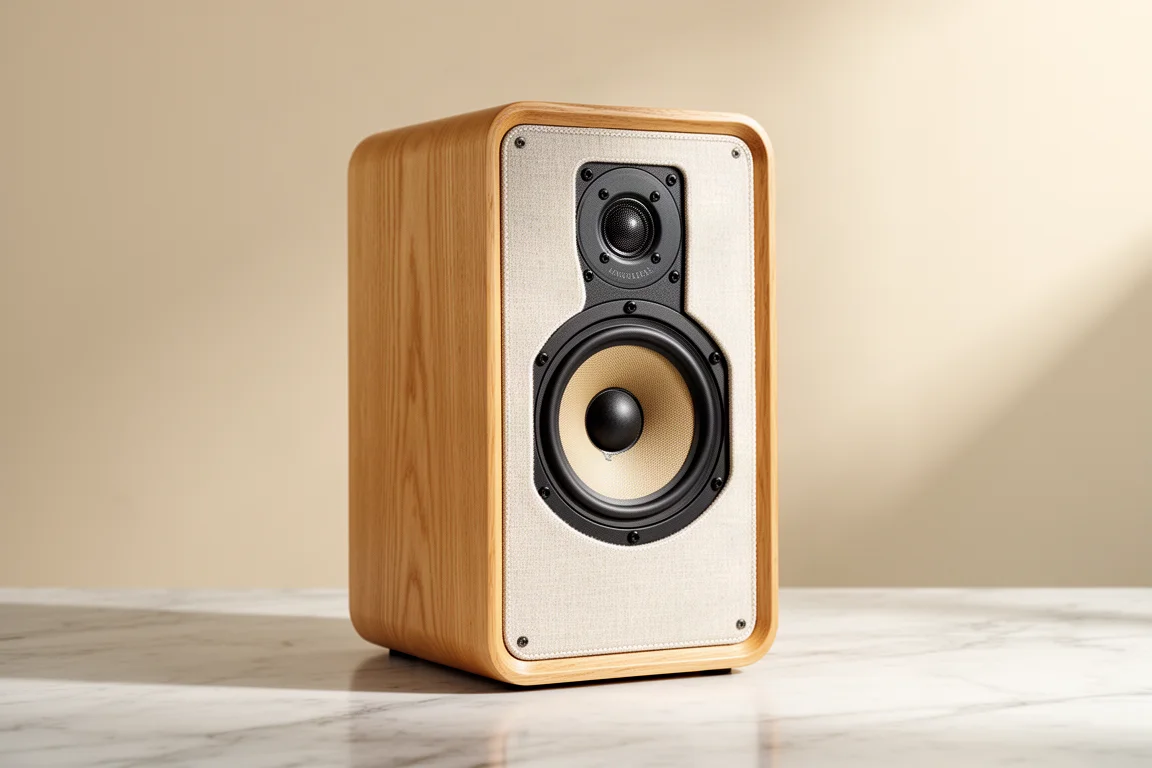
Falcon Acoustics LS3/5A: The BBC Legacy, Faithfully Made
The LS3/5A is the most storied design in this group, and its reputation rests almost entirely on its midrange. Falcon Acoustics builds its version to the original BBC specification rather than updating the formula, and that fidelity is what pushes the price to £2,995 a pair.
For listeners who want the classic sound itself rather than a modern speaker inspired by it, staying close to the original specification is the whole point.
Monitor Audio Gold 100 6G: Three-Way Clarity and Control
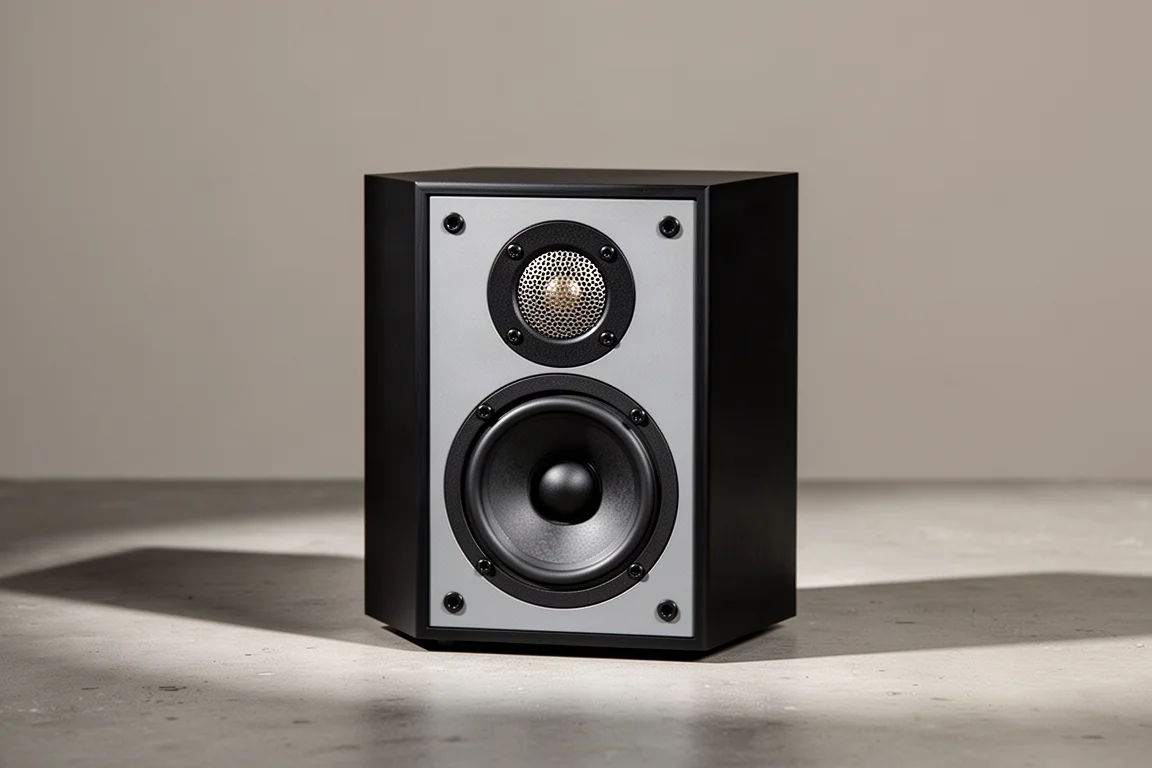
The Monitor Audio Gold 100 6G is the larger of the two stand mounts in the sixth-generation Gold range, which also includes a centre channel and an on-wall model for home cinema alongside two floorstanding designs. At £3,000 a pair, it is also the only three-way speaker in Monitor Audio’s portfolio that is not a floorstander.
Each cabinet measures 448 by 230 by 357 mm and weighs 14 kg, so this is a substantial stand mount. It is available in high-gloss black, satin white, and a sustainable man-made ebony finish called Makassar, and the fit and finish is excellent throughout.
The driver complement explains the three-way layout. A 203 mm ceramic-coated aluminium-magnesium alloy cone handles the low frequencies from 49 Hz to 700 Hz, quoted in free space, and the dimples moulded into the cone are designed to lower distortion and breakup nodes when combined with an optimised cone profile. Monitor Audio calls this hexagonal diaphragm technology, a trickle-down from one of its £70,000 designs. The same cone material and geometry appear in the 76 mm midrange driver, which covers 700 Hz to 2,600 Hz. Above that sits the MPD, or micro pleated diaphragm, tweeter, a folded ribbon design that pushes air out of the diaphragm in the manner of an accordion.
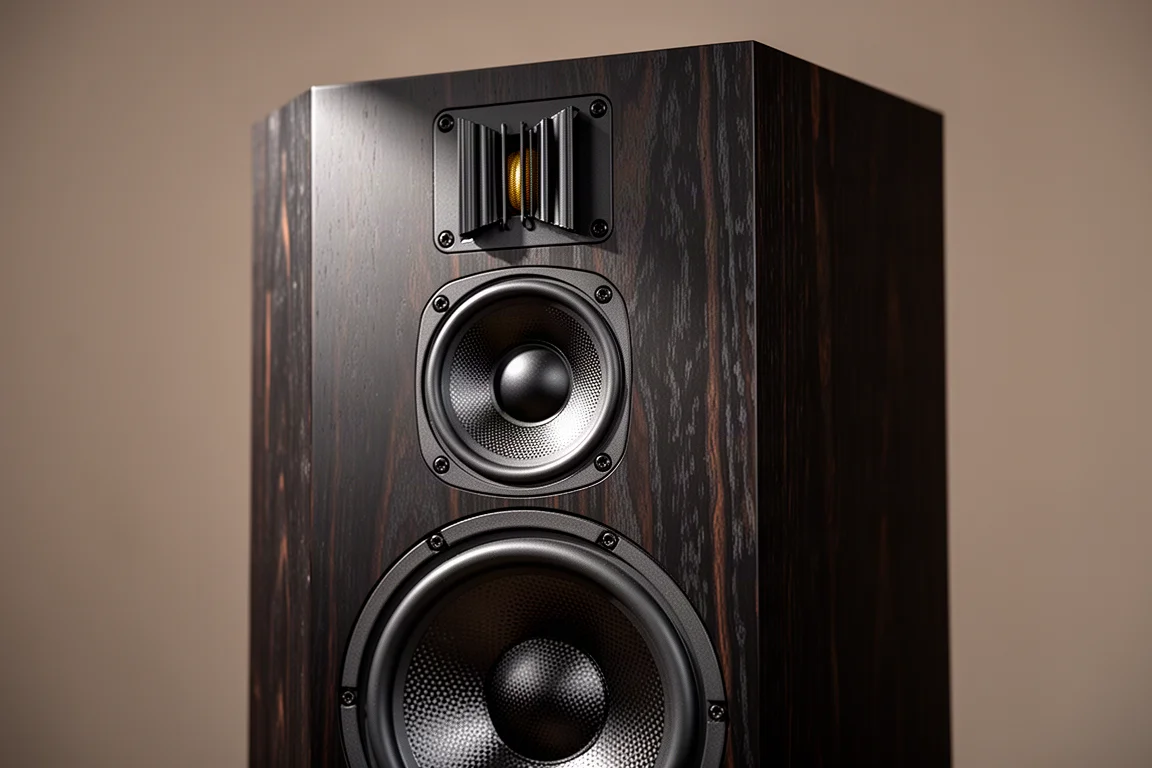
Two cabinet details are worth noting. The tweeter sits higher on the baffle than usual, which is why an aluminium spine runs across the top panel: it provides baffle step compensation so the Gold 100 6G keeps a tonality consistent with the rest of the range. On the rear there is a rib-flared port to reduce chuffing noise and two sets of reasonable quality binding posts, and replacing the supplied links with good quality speaker cable jumpers is worthwhile if you want to hear the speaker at its best.
In use, the Gold 100 6G is rated at 86.5 dB sensitivity into a nominal 4-ohm load, yet it proves reasonably easy to drive in practice. It is a revealing speaker and responds clearly to improvements upstream, so a modest streamer and DAC make a decent starting point while a higher-quality source brings obvious gains. Amplifier choice matters more than power. Warm-sounding amplification suits it, and a low-powered integrated with a very transparent midrange drove it without any sense of strain. A tube amplifier running in triode mode produced a fuller, warmer presentation at the cost of some punch and detail, which is a useful option if the balance feels too cool.
Sonically, the Gold 100 6G is class-leading in several areas: bass definition, midrange transient attack, the quietness of the background that lets fine detail emerge, the openness of the soundstage, and the precision of the stereo image. It carries far more timbral information than the Silver 100 7G, and vocals and instruments are better defined and more firmly focused. Where it differs is in weight. The Gold is rated down to 49 Hz in free space and gives up a little bass extension next to the more affordable Silver 100 7G, which is quoted as reaching 35 Hz in-room. The two figures are not measured under the same conditions, but the difference is audible. The speakers arrive pre-run, and a further 60 hours of listening did not loosen the bass noticeably; the balance may warm slightly after a few hundred hours of use.
The tonal balance is slightly cool, which is consistent with Monitor Audio’s house sound. Compared with the Quad Revela 1, the Gold has tighter bass, a crisper attack to midrange transients and a more precise soundstage, while the Quad adds acoustic mass to the bass and midrange. On some recordings the Gold can sound lean and dry, and vocals and acoustic instruments can seem to have been put on a diet. It also takes on far more expensive company: it extracts a similar amount of information from recordings as a £5,000 pair of Alta Audio Alcesses, which goes deeper in the bass with a fuller and more relaxed midrange.
Placement repays attention. In a domestic room, a starting point of 75 cm from the wall behind the speaker, measured from the front baffle, worked well, with the speakers moved slightly closer together to increase lower midrange coupling and a reduced toe-in angle to trim the energy arriving directly from the tweeter. As with any ribbon or air motion transformer design, vertical dispersion is tight, so the tweeters should sit at ear height. Room treatment helps, but speaker position and listening position remain the most effective tools for dealing with bass behaviour.
Monitor Audio Silver 100 7G: Value and Scale Below £1,000
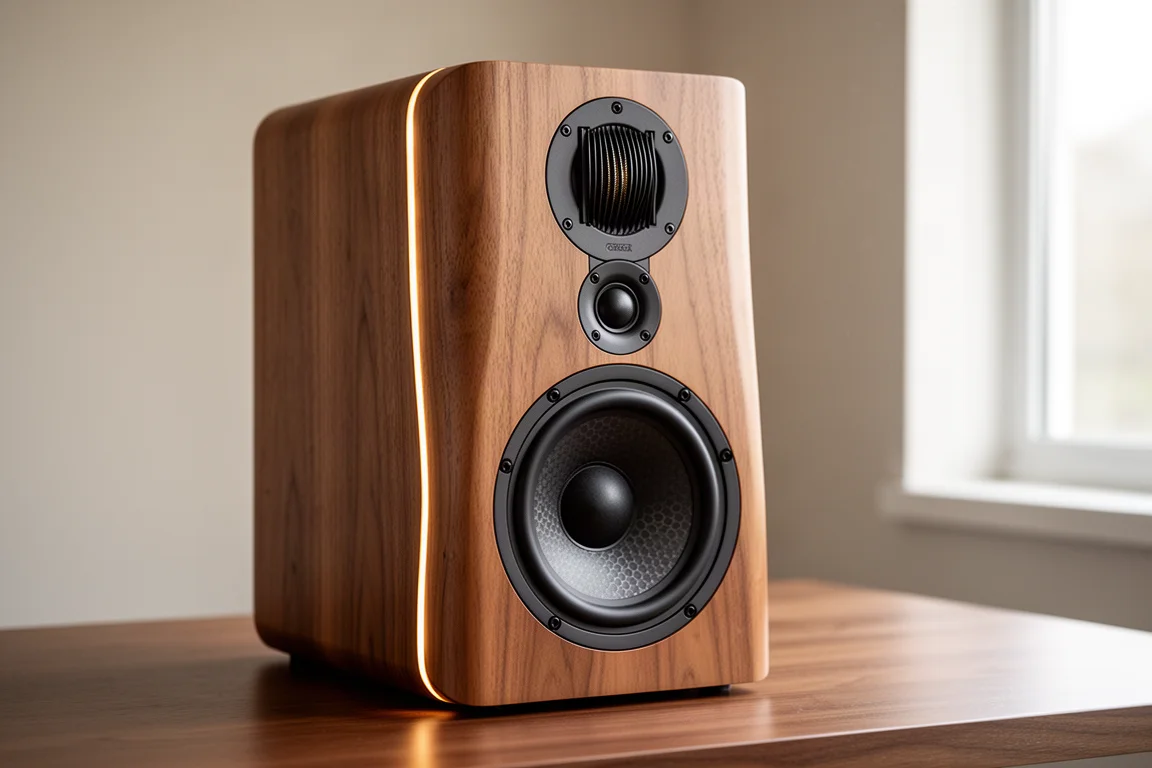
The Silver 100 7G is a different proposition at well under £1,000 a pair, but it is the most useful reference point in this group because it shows how much the Gold series adds. It uses a 200 mm woofer in a fairly large cabinet, which gives it excellent dynamics and bass extension, and it is rated down to 35 Hz in-room.
It is a touch bright, and it needs a little care: a reduced toe-in angle and partnering equipment with some tonal richness keep it on the right side of lively. Set up well, it competes with speakers costing twice as much, which is rare at any price.
Against the Gold 100 6G it gives away resolution, definition and soundstage focus, but it holds an advantage in bass weight and extension.
Monitor Audio Silver 50: Compact Near-Field Option
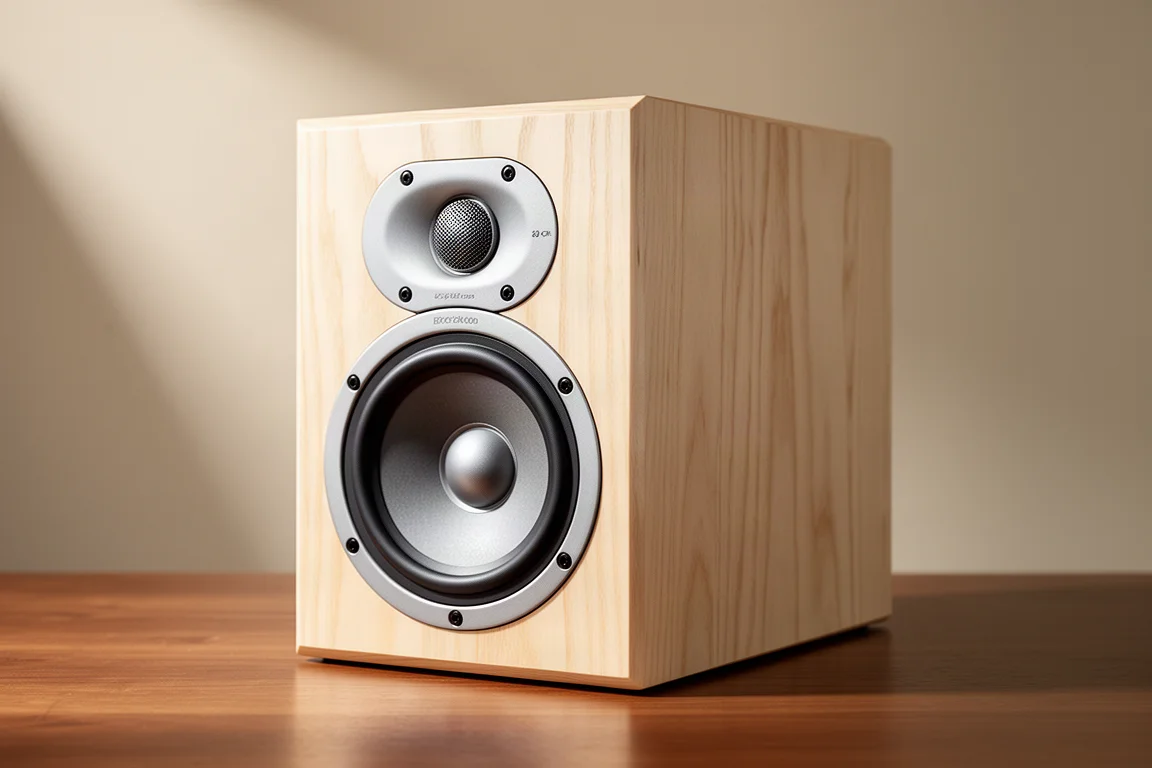
The Silver 50 is the smallest of the Silver stand mounts and the one to consider for near-field listening or genuinely small spaces, where a larger cabinet would overwhelm the room. Monitor Audio’s designs below £1,000 are among the strongest performers in that price band, which makes the Silver 50 a sensible entry point if the budget is tighter than the rest of this group.
Buying Advice: Matching Amplifiers, Rooms, and Tone
The speakers here are capable enough that system matching matters more than the specification sheet, and two habits make the biggest difference.
First, match the amplifier to the speaker’s character rather than its price. The Monitor Audio house sound is slightly cool in the treble, so warm-sounding amplification brings out a fuller midrange, and the Gold 100 6G does not need large amounts of power to play with authority. The Quad Revela 1 is the opposite case: it needs an amplifier with enough current to stay composed, and that is worth budgeting for.
Second, treat the room as part of the system. Distance from the wall behind the speaker, toe-in angle and tweeter height change the balance more than most equipment swaps, and ribbon and air motion transformer tweeters are especially sensitive to listening height.
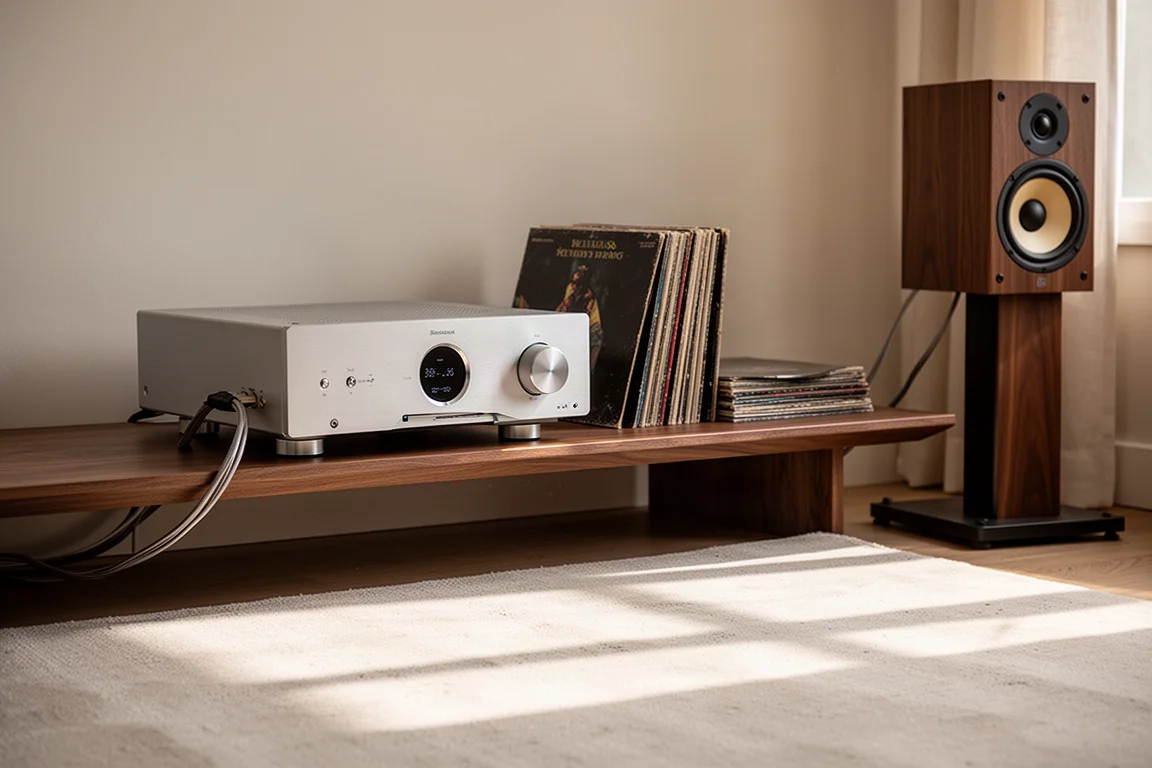
A final point on budget. These speakers are revealing enough to expose the rest of the chain, so leave room in the plan for a decent source and proper stands rather than spending the entire budget on the speakers themselves. If the budget is tighter, the Silver 100 7G and the Silver 50 show how much performance is available for far less.
Conclusion
This group offers nine very different answers to the same question. The Neat Petite Classic suits small spaces and neutral tastes, the ATC SCM19 puts the midrange first, and the Quad Revela 1 delivers reference-level performance at the lowest price here provided the amplifier is up to it. The ProAc DB1 and the Spendor Classic 3/1 carry traditional British monitor thinking forward, while the Falcon Acoustics LS3/5A stays faithful to the BBC original.
The Monitor Audio Gold 100 6G is the most resolving speaker of the group, with class-leading bass definition, transient attack and imaging, as long as a slightly cool tonal balance and warm amplification suit the rest of your system. Whichever you choose, matching the speaker to the amplifier and the room will do more for the result than any single upgrade.
Further reading
Related Reviews
Hi-Fi Speakers
1723 THX Tower vs 1528 Bookshelf: Which Speaker Fits Your Room?
Two speakers at roughly the same price, built very differently. How the 1723 THX tower and the 1528 bookshelf compare on construction, bass, power needs, and sound.
Hi-Fi Speakers
Acoustic Energy AE 300 Review: Deep Bass From a Compact Standmount
A two-way standmount with real wood veneer, surprising low-end weight, and a warm, easygoing character. Here is what to know before buying.
Hi-Fi Speakers
Acoustic Energy AE1 40th Anniversary Review: A Modern Take on a British Classic
A compact standmount that revives a 1980s favorite with all-new parts, a warm mid-centric balance, and a price of £1,499 per pair.