Backpacking Gear
Best Spring Backpacking Gear: 8 Pieces Built for Cold, Unpredictable Conditions
Eight backpacking pieces put through a spring trip in the Canadian Rockies, from an ultralight pack and a condensation-resistant tent to a quilt, sleeping pads, a hood, and camp shoes.
Introduction
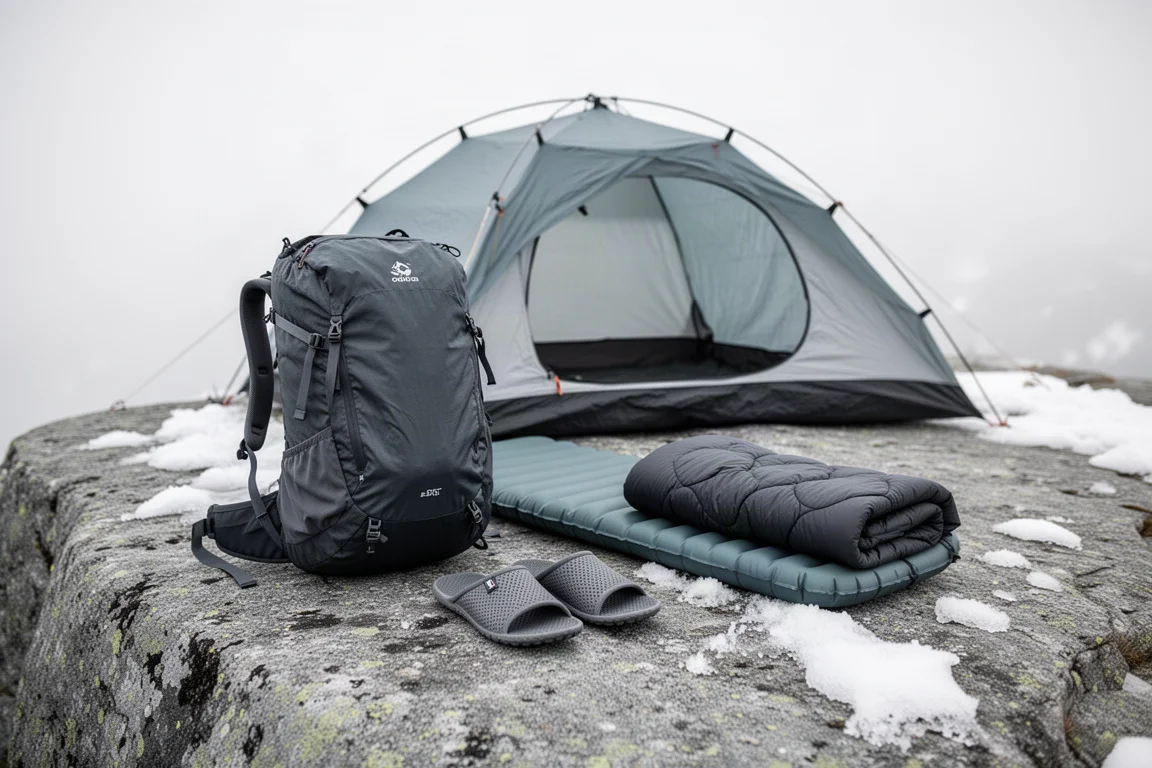
Spring in the Canadian Rockies tests gear in ways summer never does. Temperatures swing hard between afternoon and dawn, water sources disappear without warning, the ground stays frozen in shaded sections, and snow can appear above a certain elevation with no notice at all. A shoulder-season trip is a useful way to find out which pieces of a kit hold up once conditions stop being predictable.
The objective for this trip was a mountain lake roughly five miles up a creek. The distance is modest. The ground is uneven, the trail is easy to lose, and there was no way of knowing how much snow waited higher up. Seven items were carried on the trip: a frameless ultralight pack and its optional hip belt, a one-person tent, a sleeping pad, a quilt, a quilt-compatible hood, a pillow topper, and a pair of camp shoes. One closely related sleeping pad that belongs in the same buying conversation is covered alongside them.
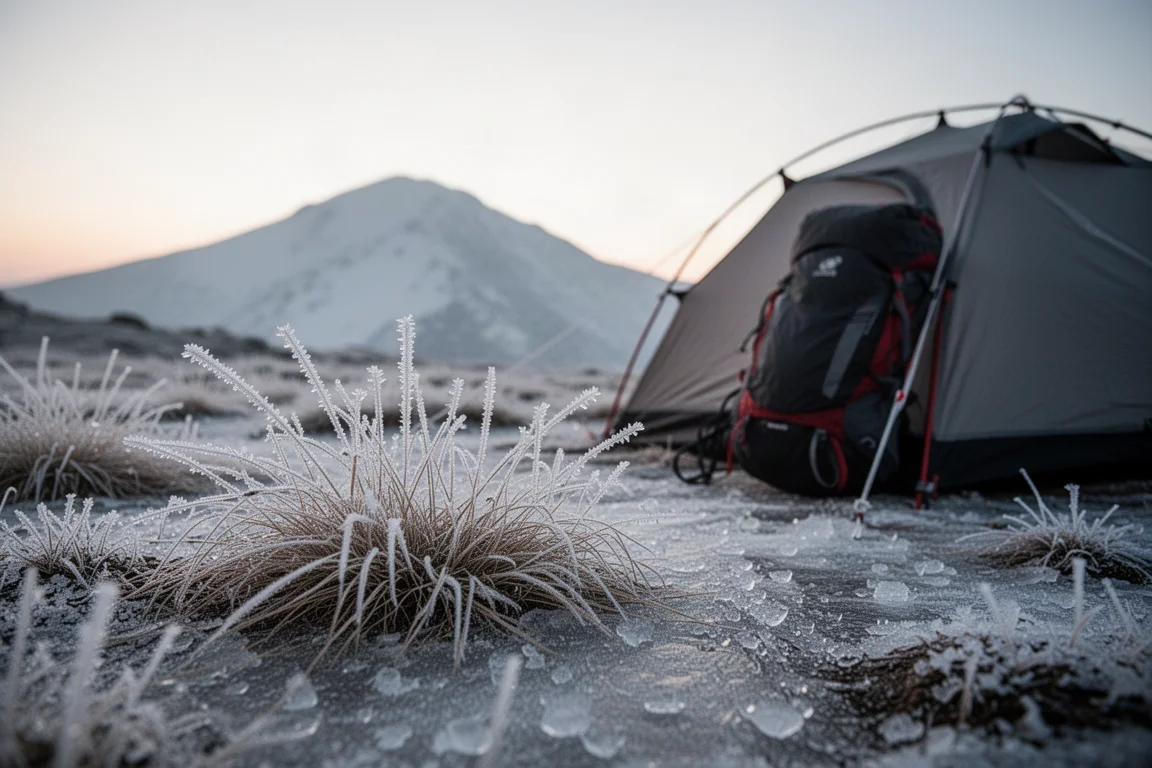
The season set the agenda. The creek draining the lake was completely dry on the way up, which turned hydration into a genuine problem until a flowing stream appeared a couple of kilometres from camp. The lake itself was still frozen, with only small pools of open water at the edge. Overnight, the temperature dropped to -2 C and frost formed on the ground.
How These Items Were Tested
Testing followed the conditions rather than a fixed protocol. Every item had to answer at least one shoulder-season question: frozen ground, sub-freezing air, wet ground beneath a shelter, a heavier pack than usual, or moisture collecting inside a tent.
The pack carried a 30 lb total load for the whole trip. The tent was pitched with the door closed and both vents open, which gives condensation the best possible chance to form. The sleeping pad, quilt, and pillow were assessed across a full night at -2 C with frost on the ground. The camp shoes were used for the walk to store food away from camp and for a night trip out of the tent.
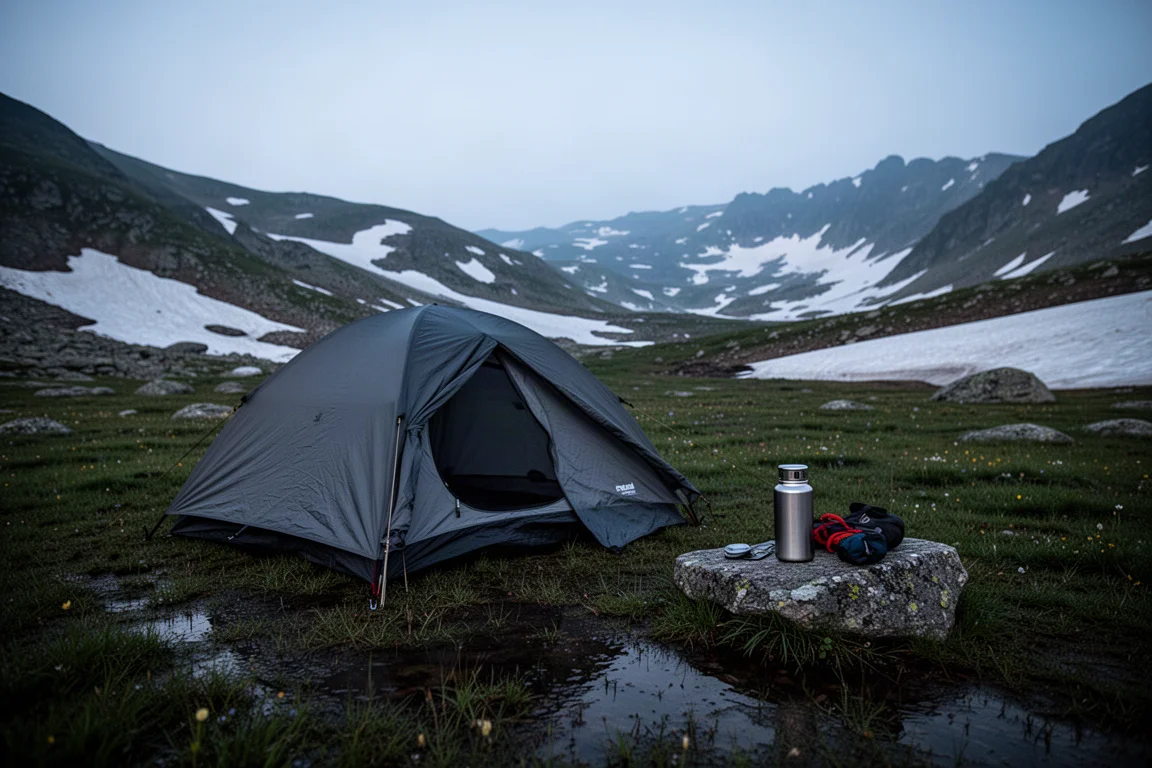
Conditions did not cooperate in every case. A condensation test only means something when the air is damp, the ground is wet, and the sky is clear, and even then a light breeze can clear a shelter before morning. Where a test could not be pushed far enough, that limit is stated plainly rather than smoothed over.
Durston Wapta 30: An Ultralight Pack With an Optional Hip Belt
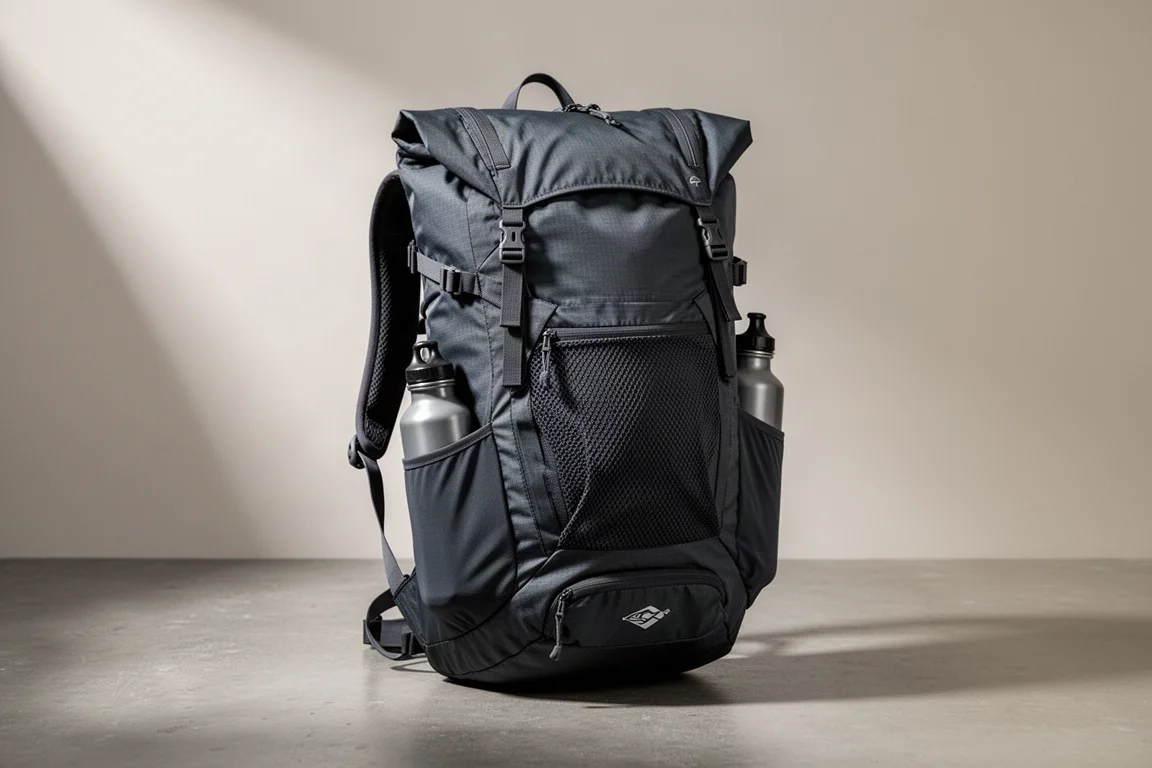
The Wapta 30 is usually carried without a hip belt, because it handles a 5 lb to 8 lb base weight very well on its own. This trip deliberately pushed it harder, with a 30 lb total load and the hip belt fitted.
With the pack fully loaded, the hip belt moved some weight onto the hips and took strain off the shoulders and traps. It is a minimal hip belt, and because the pack has no frame or load lifters, the split lands closer to 50/50 between hips and shoulders rather than the 80/20 a framed pack can manage. Above roughly 20 lb, most people will prefer having it. A thru-hiker on a multi-month route may not need it at all, since shoulder and trap strength builds quickly in the first weeks on trail.
The second question was bear canister carry. A full-size canister will not fit inside the pack, but the V strap across the top holds it firmly in place with very little shifting. It is not the pack to choose if a canister is a permanent fixture, but for a week or two of canister carrying on an otherwise light trip, the arrangement works well.
Durston X-Dome 1+: A One-Person Tent That Shuts Out Condensation
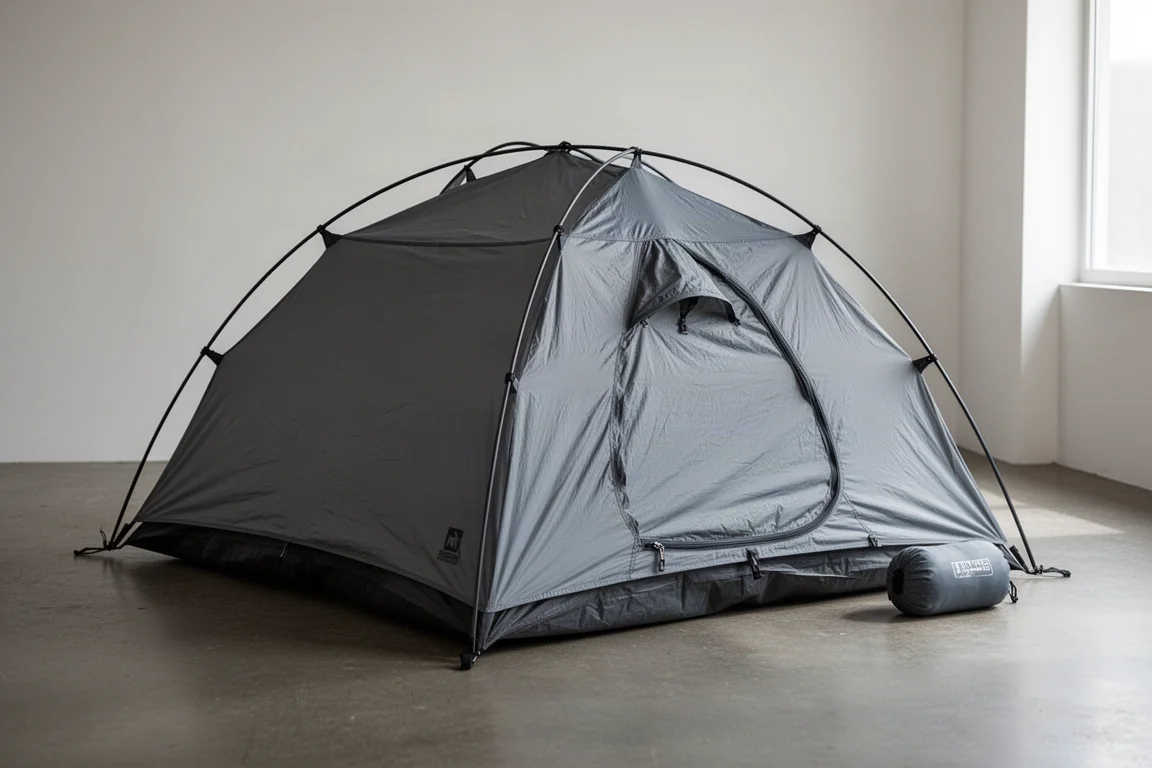
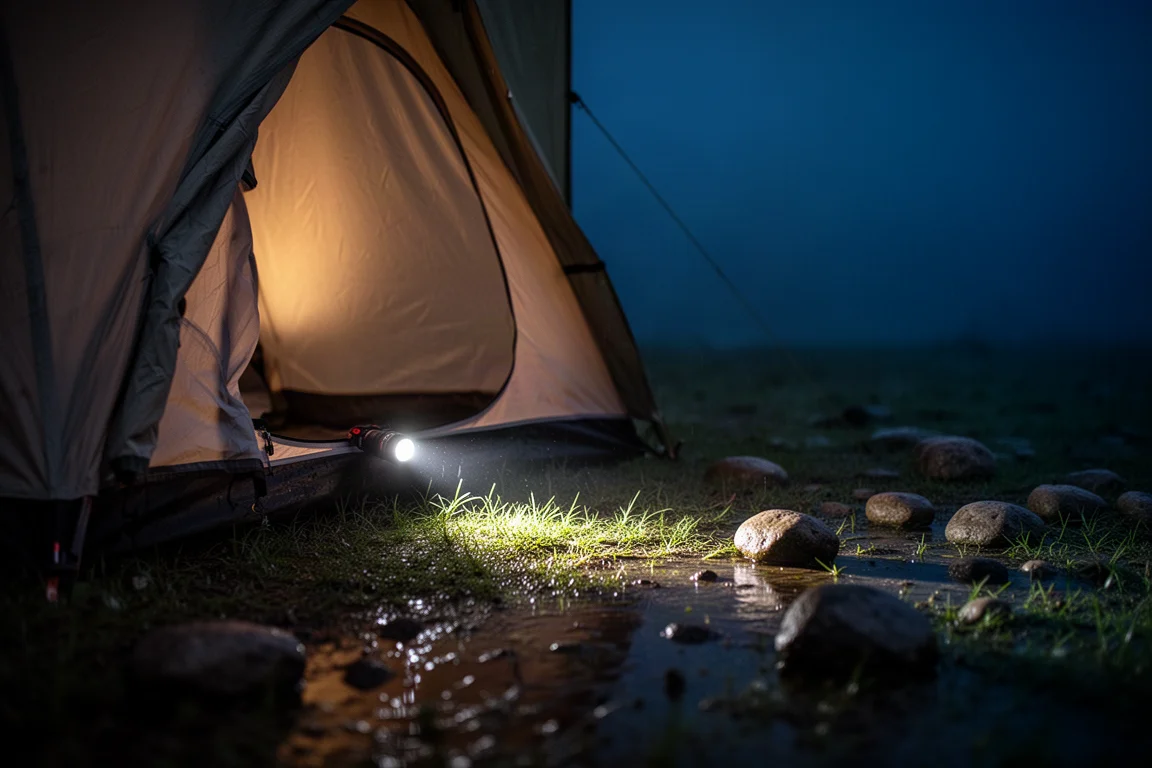
Condensation is the hardest thing to test honestly, because it depends on wet ground, cold air, clear skies, and no overhead cover. This trip delivered all four, with the door closed and both vents left open overnight.
The morning inspection found nothing inside. Two factors may explain it. The pair of vents at the top of the tent sets up a cross breeze that pulls moist air out, where many one-person tents offer only a single vent. There may also be something in the relationship between the inner mesh and the outer fly, possibly a temperature gradient that discourages condensation from forming, though that remains an open question.
The honest result is that the test failed to find the tent’s limit rather than the tent failing. Colder, wetter, more sheltered conditions are still needed to establish where condensation resistance ends. Until then, this stays one of the strongest one-person shelters in its class.
Sea to Summit Ether Light XT: Comfort-Led Warmth for Shoulder Season
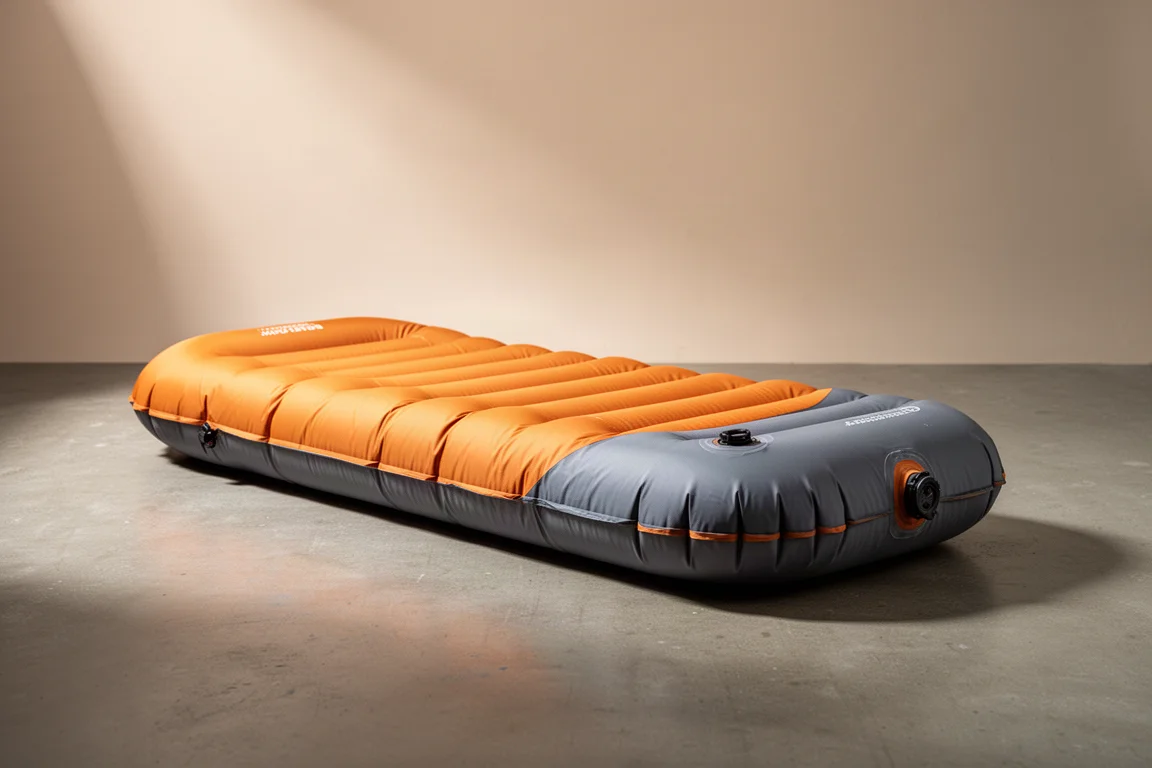
An R value of 4.1 does not make a winter pad, and expectations were set accordingly. An overnight low of -2 C with frost on the ground is a fair shoulder-season test.
The pad stayed warm all night, including through the coldest stretch around 4 a.m., and comfort was better than on earlier trips with the same pad. Sleep continued through the night with only one position change. That combination of weight, warmth, and comfort is what makes it a strong all-around option.
The 4.1 R value is best treated as a boundary rather than a target. It is enough for nights just below freezing on cold ground, which is exactly what this trip delivered, and it is not a substitute for a higher-R pad on a genuine winter trip.
Anyone weighing this pad against the NEMO Tensor All Season is choosing between priorities rather than quality. Both sit at the top of the all-around category, and the decision comes down to whether comfort matters more than weight and warmth.
Rockfront 600 Quilt: Lots of Features, More Weight Than Expected
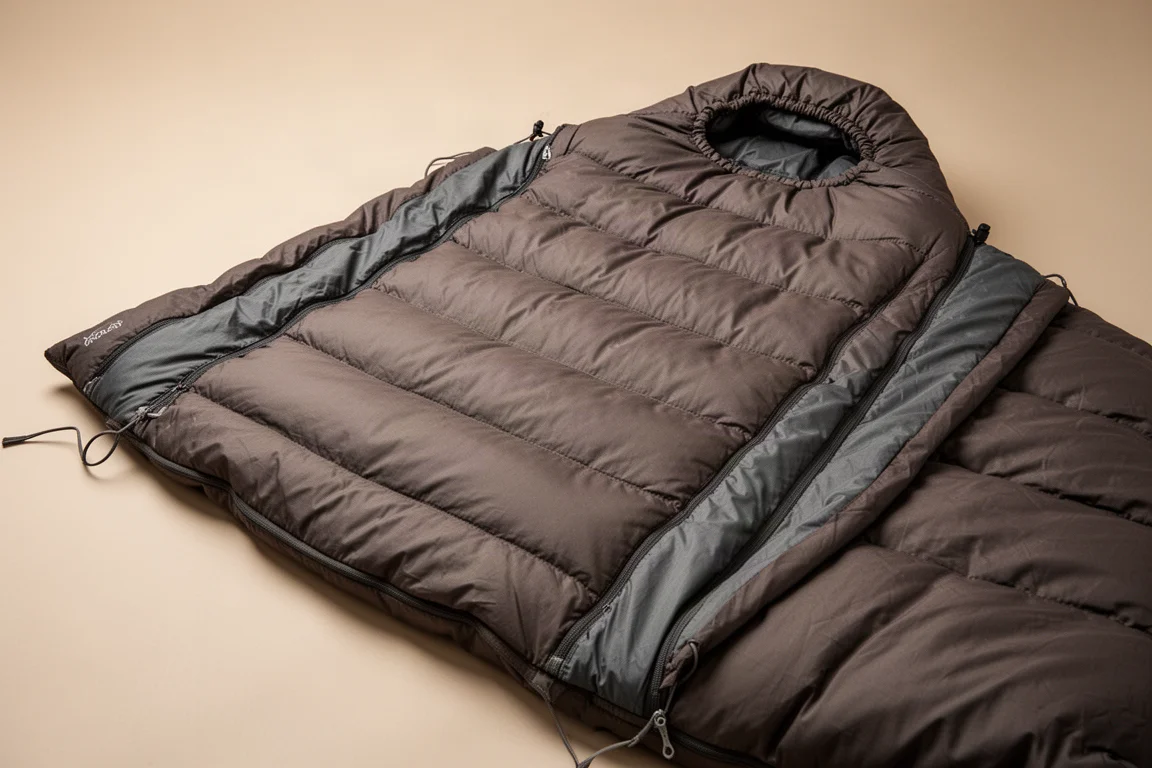
The Rockfront 600 is not built as a winter quilt, but it carries a set of features aimed squarely at shoulder-season draft control. An elastic edge tension system runs along the sides and can be cinched to lock the quilt onto the pad. A draft tube runs the full length of both side edges to fill gaps between quilt and pad. A neck draft tube and a cinch close the quilt around the shoulders.
The overnight test came down to one question: does it sleep warm at just below freezing? It did. The side draft tubes and the neck cinch performed well, with no cold spots along the edges. The edge tension system, tightened and loosened before sleep, made little perceptible difference, though it adds negligible weight and does not reduce function.
The problem is mass. At just under a kilogram, the quilt should have been warm enough to need venting heat on a -2 C night. Being merely warm enough is a thin return for that weight, especially against lighter quilts that would have handled the same night comfortably. The likely cause is the baffle design, since baffles that are too short can keep down from lofting fully, which reduces warmth without changing weight. Other Rockfront quilts have performed very well around freezing, so the shortfall here is specific to how this model balances warmth against its weight.
Rockfront Snorkel System: Managing Moisture Around the Face
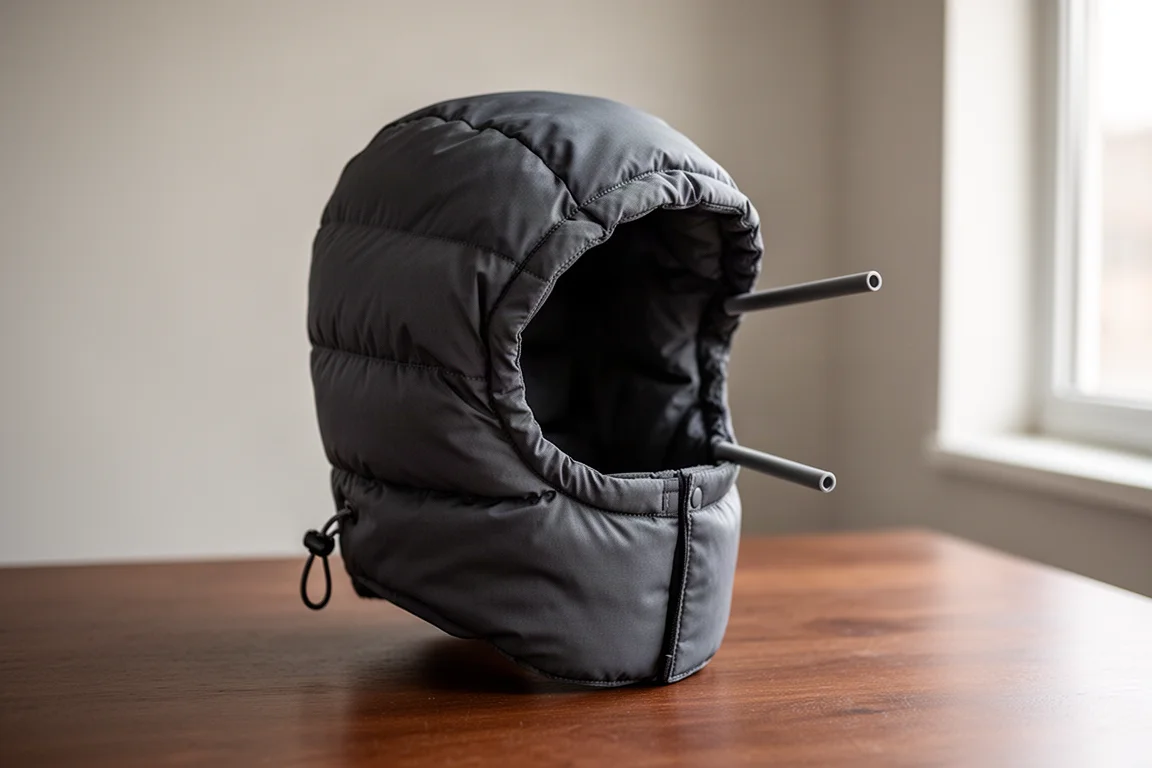
Breath is the quiet enemy of down insulation. Moist air leaving the face works into a hood and the top of a quilt over a night, and loft suffers as a result.
The Rockfront snorkel system addresses that directly. It is a down hood with a synthetic tube that protrudes from the face opening, giving exhaled moisture somewhere to go before it reaches the down in the hood or the quilt beneath. It is designed to pair with the Rockfront quilt rather than to stand alone.
Zpacks Pillow Topper: Modular Cushion and Insulation
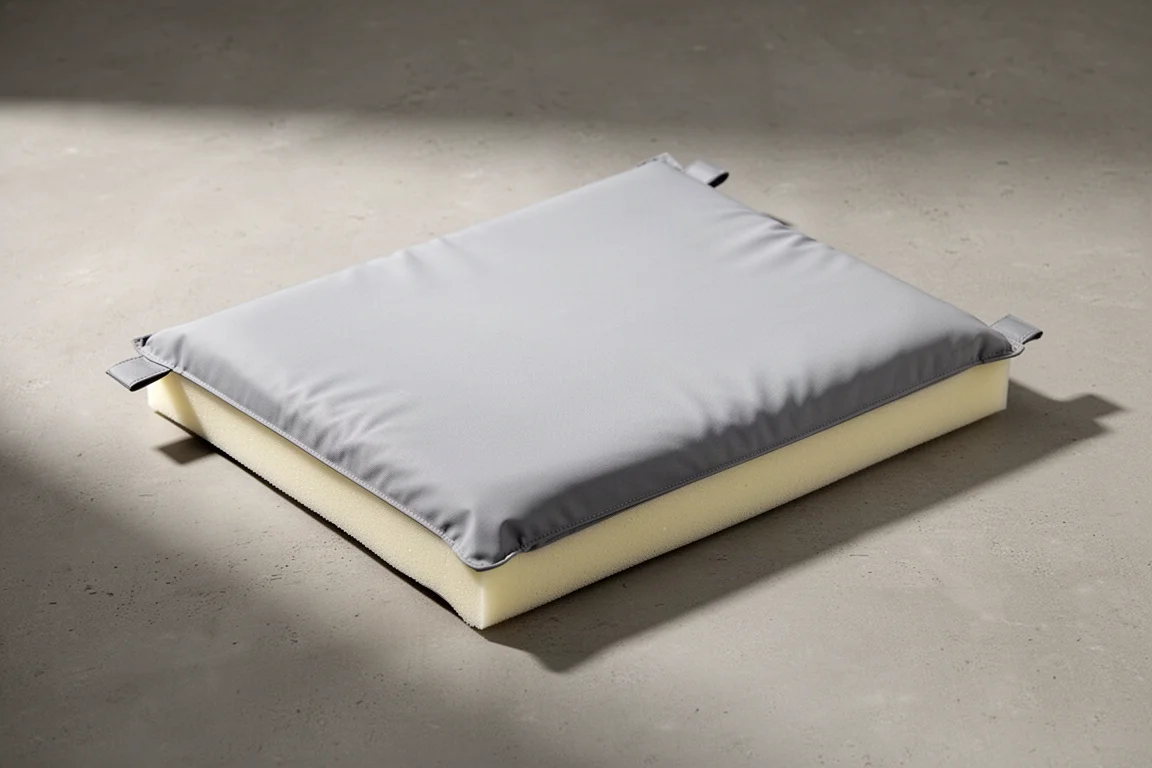
The pillow topper is a layer of synthetic insulation inside a small sleeve, with a pad attachment system and two loops underneath that fit almost any pillow. It adds cushioning and warmth, and both pillow pieces together weigh around 120 g.
Results were mixed. Height, insulation, softness, and cushioning all delivered. The weak point is where the strap sits: because it is attached to the topper rather than the pillow, the pillow can flip over during the night and the topper shifts around. A practical fix is to move the pad strap off the topper and onto the pillow directly, and to use pillows that carry their own pad straps.
Zpacks Camp Shoes: Slipper Mode for Camp
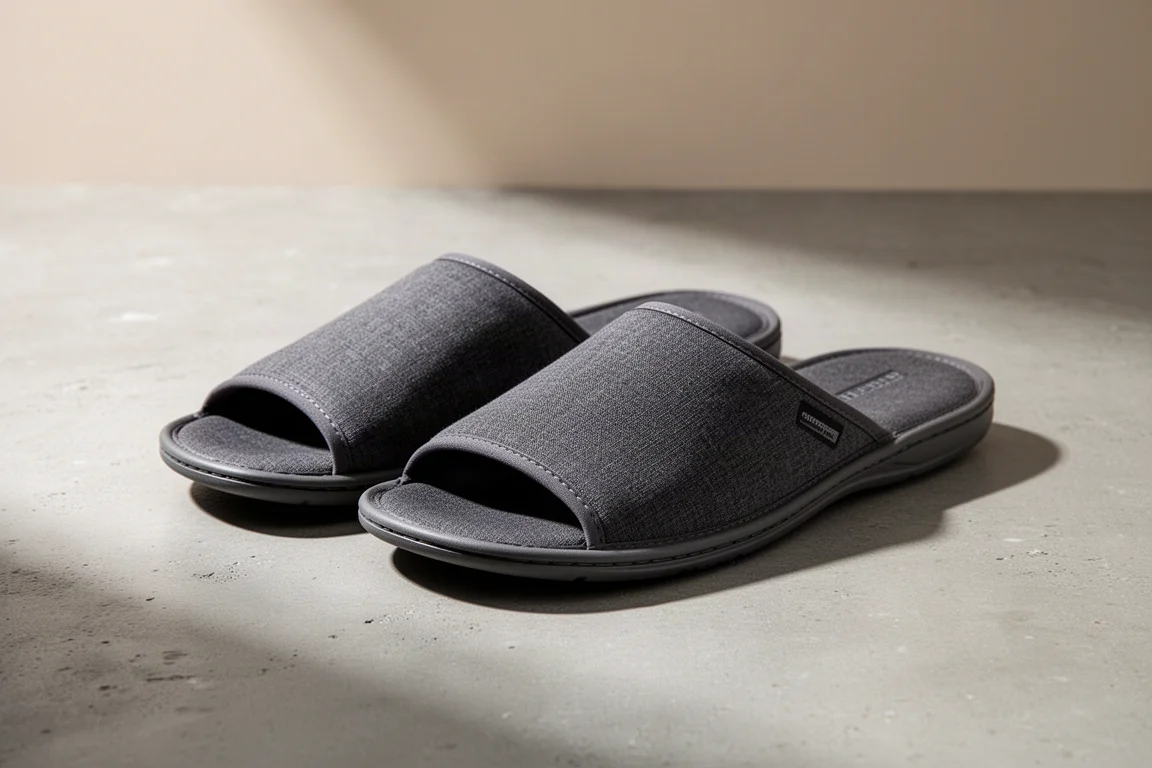
The camp shoes are extremely light, and the main difference from the strap-style ultralight sandals used previously is the covered toe area. That adds a little weight and, in exchange, brings more durability and comfort. The sole blocks sharp rocks and sticks well, and the fit holds the foot securely.
The feature that changes the calculation is slipper mode. Instead of wrapping the elastic around the back of the ankle, the foot slides straight in like a house slipper.
For a night trip out of the tent, that is the difference between a quick slide-on and fumbling with straps while half asleep. They weigh about twice as much as the strap-style sandals, and that is the whole trade-off. For anyone who leaves the tent after dark, the convenience earns its place.
NEMO Tensor All Season: The Light-and-Warm Alternative
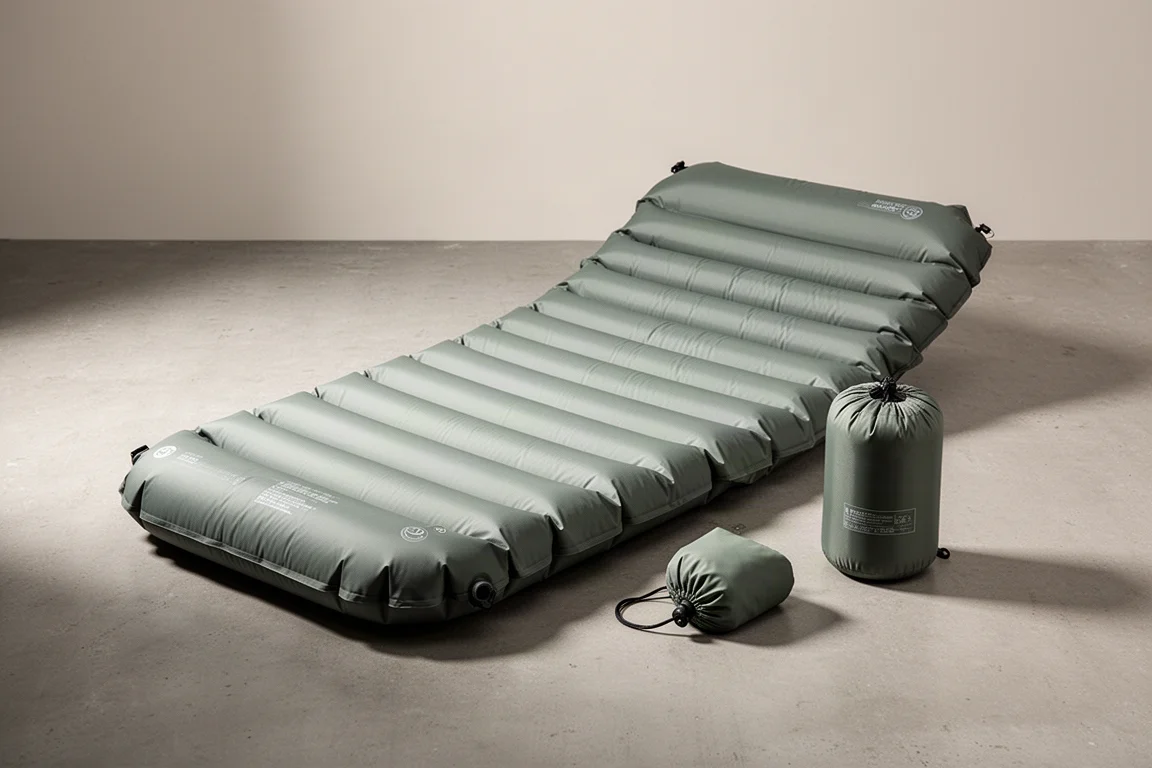
The Tensor All Season holds the top spot among all-around sleeping pads, ahead of the Ether Light XT on weight and warmth rather than on comfort.
With the Ether Light XT performing as strongly as it did on this trip, the two pads now sit level with each other at the top of the category. The choice is straightforward: Tensor All Season for weight and warmth, Ether Light XT for comfort.
Overall Buying Advice
Read across the whole kit, the trip sorted these items into clear roles. The Wapta 30 remains an excellent light pack, and the hip belt is worth carrying once loads climb above roughly 20 lb. The X-Dome 1+ keeps proving itself in cold, wet conditions, and the Ether Light XT delivered the warm, comfortable night its R value promised.
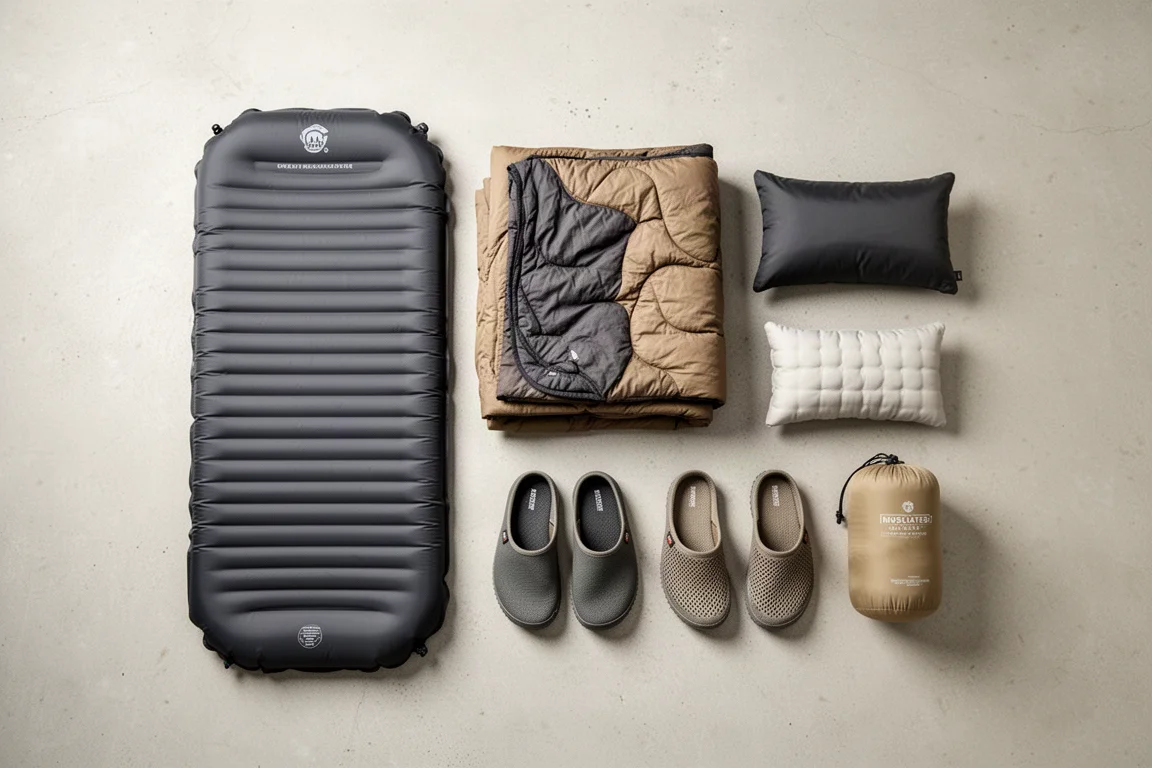
The quilt is the piece to think hardest about. Its draft control works, but at just under a kilogram it needs to deliver more warmth than it did on a night that only reached -2 C. Anyone shopping for a shoulder-season quilt should weigh the feature set against the mass and decide which matters more. The snorkel system and the pillow topper are supporting pieces that make the most sense for someone already committed to a quilt-based sleep system, and the camp shoes are an easy recommendation for anyone who leaves the tent at night.
Conclusion
Spring backpacking rewards gear that behaves predictably when the forecast stops helping. The pack, tent, and sleeping pad all answered the questions asked of them: the hip belt made a 30 lb load more manageable, the tent stayed dry inside through a cold clear night, and the Ether Light XT stayed warm and comfortable on frozen ground at -2 C.
The quilt is the one piece that did not fully justify its weight, despite working as intended on draft control. The pillow topper and camp shoes are small additions that solve specific irritations, and the NEMO Tensor All Season remains the pad to pick when weight and warmth come first. Match each piece to the conditions you actually expect, and the kit will hold together when spring throws its worst at it.
Further reading
Related Reviews

Backpacking Gear
Building a 10 lb Base Weight: An Ultralight Backpacking Gear List
A practical walkthrough of the ultralight pieces behind a 10 lb base weight, from a 765 g pack and a roomy one-person tent to a full camp chair and a dependable water filter.

Backpacking Gear
A 15-Pound Lightweight Backpacking Gear List for Solo Trips
A beginner-friendly 15-pound backpacking setup built from easy-to-find gear, with notes on what each piece does, how it packs, and where to spend your attention.

Backpacking Gear
8 Ultralight Backpacking Gear Upgrades Worth Carrying
Eight small, affordable backpacking upgrades that solve real trail annoyances, from a pillow that stays put to a fuel valve that rescues leftover canister gas.