Home Audio
Best Speakers Under $500: 14 Standout Options Worth Auditioning
A practical roundup of 14 bookshelf speakers that sit at or under $500, from warm and bass-rich designs to neutral all-rounders and ribbon-tweeter clarity.
Introduction
Choosing a speaker under $500 is less about finding the single best model and more about finding the one that matches your taste. Two speakers can measure similarly and still feel completely different in a room. One will sound warm and full, another will push vocals forward, and a third will aim for neutrality and let the recording speak for itself.
This roundup covers 14 bookshelf speakers that sit at or below the $500 mark, at least once current discounts are applied. Some are bass-rich, some are lively, and a few are built for listeners who want balance above all else. Each entry notes what the speaker does well and where it asks for a compromise.
What to Look For in a Sub-$500 Speaker
Three things matter most at this price. First, efficiency determines how hard a speaker is to drive. More efficient designs play louder on modest amplification, while less efficient ones need more power before they open up.
Second, the character of the tweeter and midrange shapes almost everything you hear. A horn-loaded design tends to sound immediate and forward. A soft dome or metal dome tweeter can sound smoother or more detailed depending on the implementation, and a ribbon tweeter can reveal layers that domes often blur.
Third, cabinet quality decides how much of what you hear is music and how much is resonance. Better bracing and finishing at this price usually show up as a cleaner midrange and a more stable stereo image.
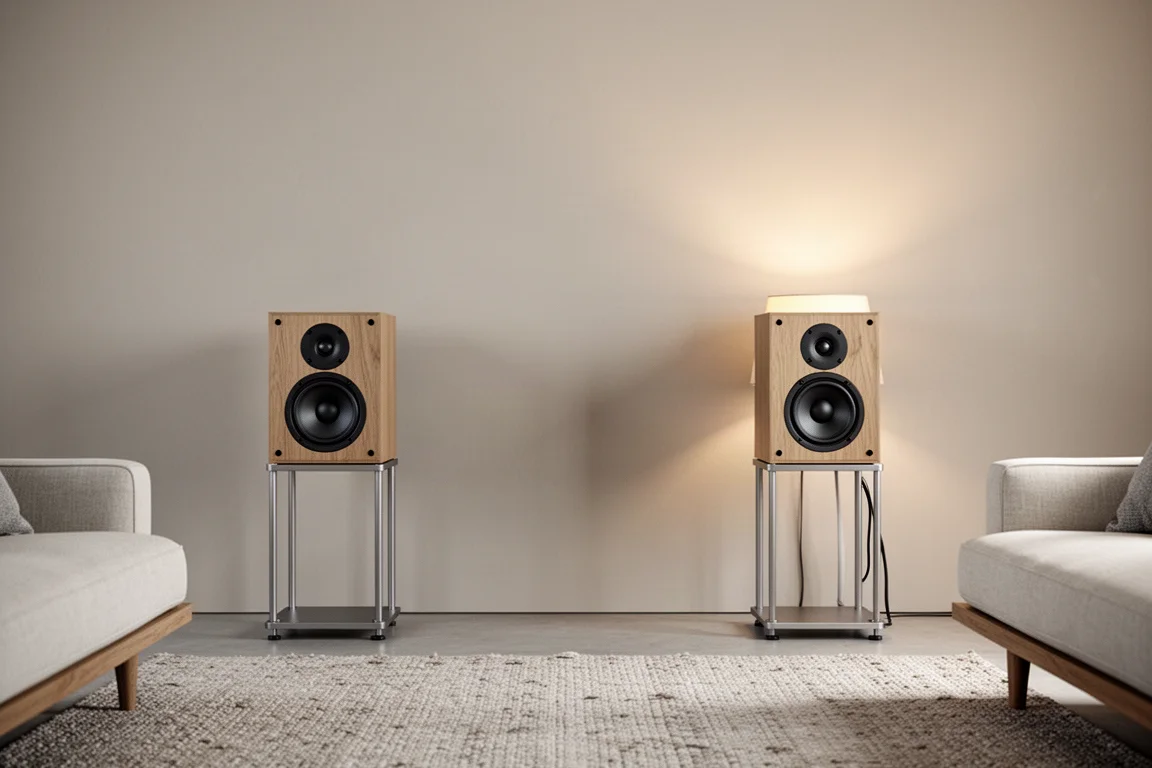
One more practical note: room size and placement often matter more than the last few percent of performance. A compact speaker on a desk and the same speaker on stands in a larger room behave like two different products, so it pays to match cabinet and driver size to the space you actually have.
ELAC Debut 3.0: Big Bass From a Small Cabinet
The Debut 3.0 is the latest generation of ELAC’s entry series, built around a two-way design with an aluminum dome tweeter. It comes in two sizes: a 5-inch model that sits around $400, and a 6-inch model that moves above the $500 mark.
What makes it stand out is how much low-end weight it delivers for its size. The tuning is generous in the bass and slightly rolled off at the top, so it sounds full and easy rather than bright or aggressive. Imaging and soundstage depth are strong for the money, which makes it a convincing first step into higher-fidelity listening.
The trade-off is twofold. If you want a speaker that sparkles on top and sounds exciting at first listen, this is not that speaker. And the Debut 3.0 benefits from a bit of amplifier power before it sounds its best.
Klipsch RP-600M Mark II: Horn-Loaded Energy
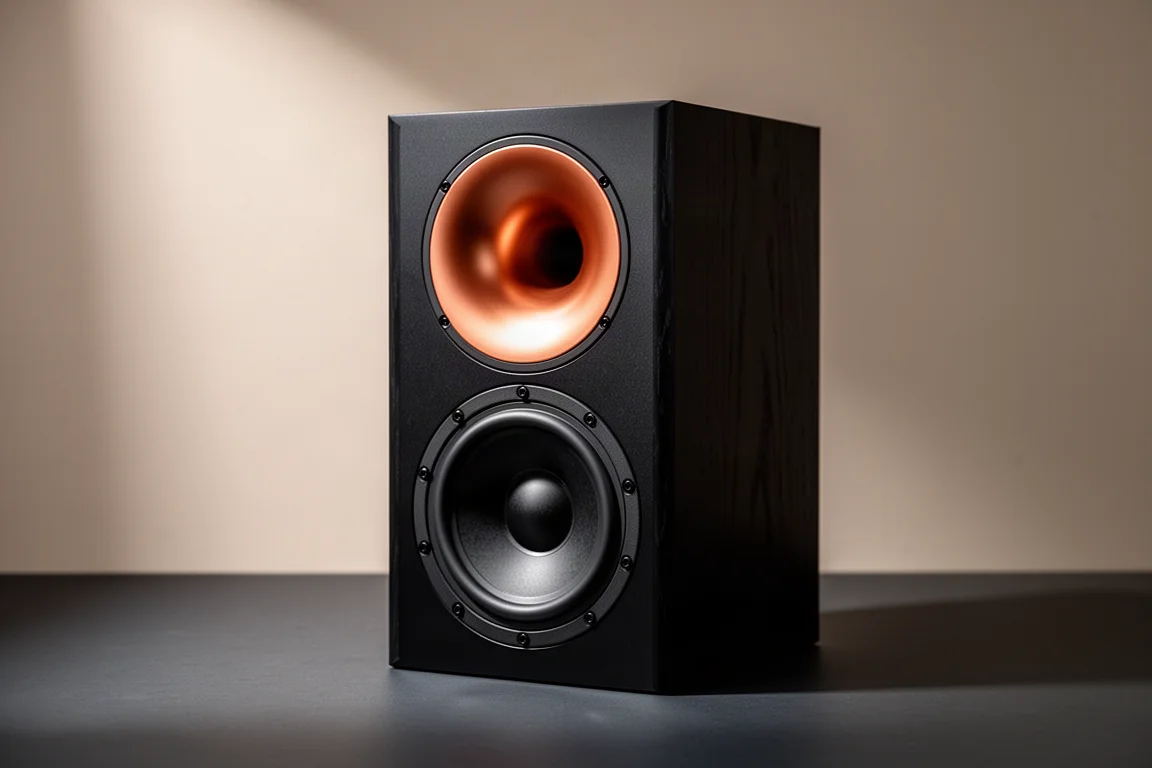
The RP-600M Mark II keeps the horn-loaded design that defines the Klipsch sound and refines it. A horn presents music differently from a conventional dome, and the result here is a presentation with a lot of presence in the upper midrange, roughly around the 2 kHz region.
That emphasis brings vocals, both male and female, and percussion forward in the mix. Detail is plentiful, and the speaker is far more efficient than the ELAC, so it plays louder on less power. The Mark II version is a little more relaxed than the original, which makes it easier to live with over long sessions.
Klipsch RP-600M Mark I: The Value Version
The first-generation RP-600M is still widely available, and it is frequently discounted to around $350, which makes it one of the strongest value propositions in this roundup. It shares the horn-loaded character of the Mark II but pushes the upper midrange a little harder.
If you like that forward, energetic personality, the original is arguably the better buy of the two, because the character it offers is exactly what draws people to Klipsch in the first place. If you prefer something slightly gentler, the Mark II is the safer choice.
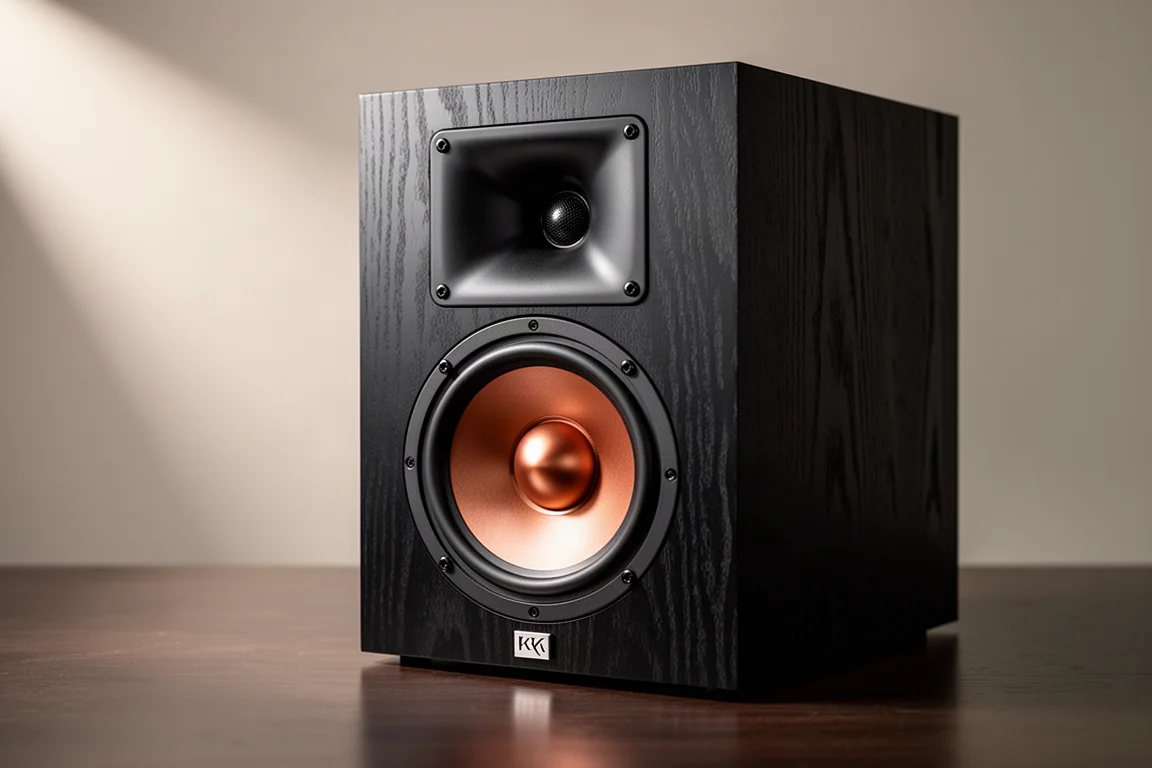
Klipsch RP-500M: The More Balanced Klipsch
The RP-500M is the smaller sibling in the Klipsch line and, for many listeners, the more balanced one. It keeps the efficiency and liveliness that make the brand appealing, but it spreads its emphasis more evenly across the frequency range.
That makes it a useful middle ground: more engaging than a strictly neutral speaker, less forward than the RP-600M. For listeners who want the Klipsch energy without the upper midrange spotlight, this is the one to audition first.
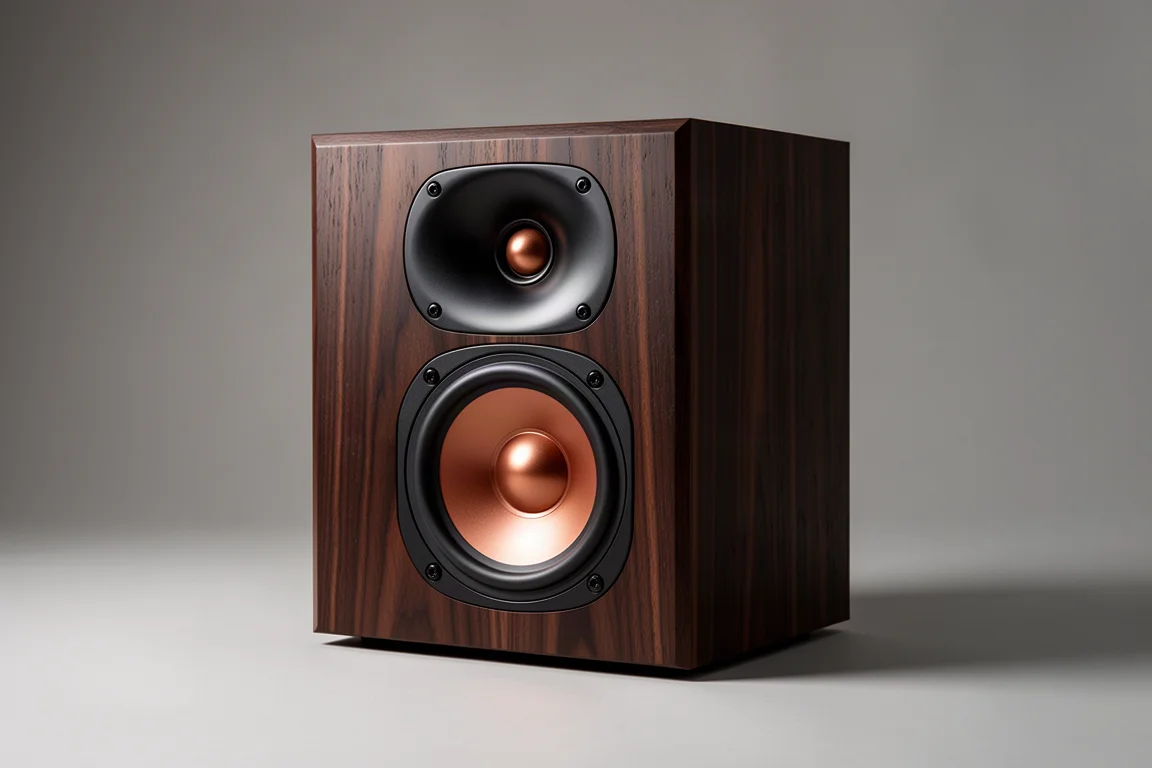
Q Acoustics 3020i: Neutral, Balanced, and Easy to Live With
The 3020i comes from Q Acoustics’ most affordable series and represents the latest generation of that line. It is a deliberately neutral speaker, sitting between the warmth of the ELAC and the forwardness of the Klipsch.
Q Acoustics is particularly good at cabinet construction, so cabinet resonance stays low and the sound stays clean. The result plays well with essentially any genre, which is exactly what an aspiring listener should be looking for. The only risk is that neutrality can read as restraint: some listeners find this kind of balance a little uneventful next to a more colorful speaker. It has been selling around $400 with discounts applied.
If your priority is hearing the recording rather than the speaker’s personality, this is one of the most sensible choices here. Pair it with decent amplification and it disappears into the music.
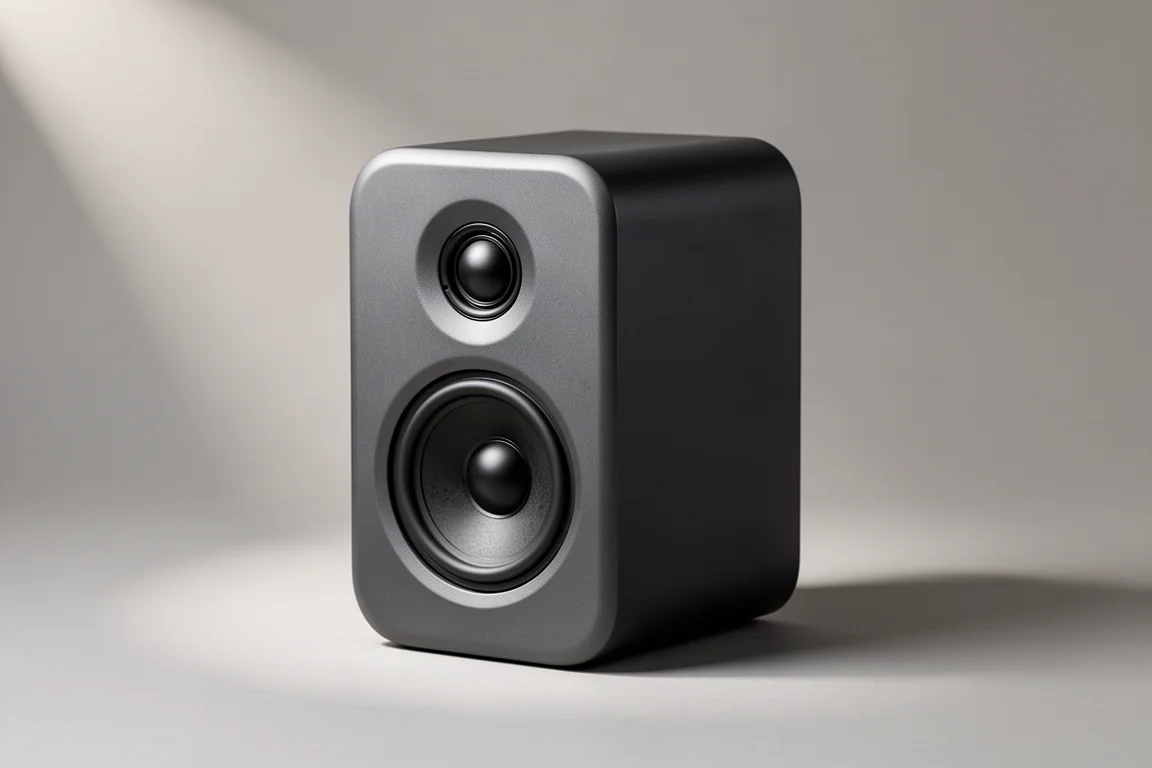
Cambridge Audio SX50: A Compact Desktop Favorite
The SX50 is the smaller of Cambridge Audio’s two entries in this roundup, and it is one of the most affordable speakers here. It is small, compact, and easy to place, which makes it a natural fit for a desktop setup.
Sound-wise it is lively and punchy without being tiring. There is no sibilance to speak of, and it stays more exciting than the strictly neutral options while remaining less polarizing than either the warm ELAC or the forward Klipsch. For most listeners shopping at the low end of this price bracket, it is a very safe recommendation.
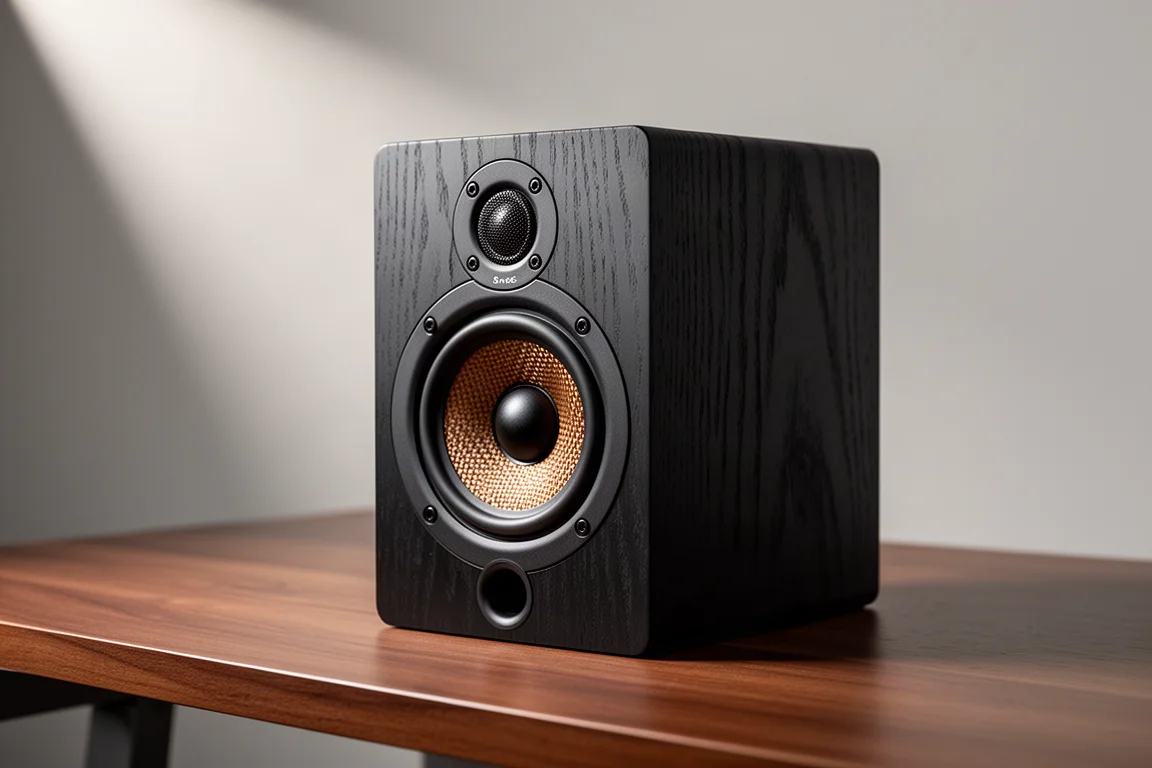
Cambridge Audio SX60: Small Speaker, Big Room
The SX60 takes the same character as the SX50 and scales it up. It can fill a larger room, particularly if you run a high-pass filter and hand the lowest frequencies to a subwoofer.
Like its smaller sibling, it is punchy and engaging without being fatiguing. If you want a single pair that works on a desk and in a living room, this is the more flexible of the two.
Wharfedale Diamond: Warm Neutral With Class-Leading Build
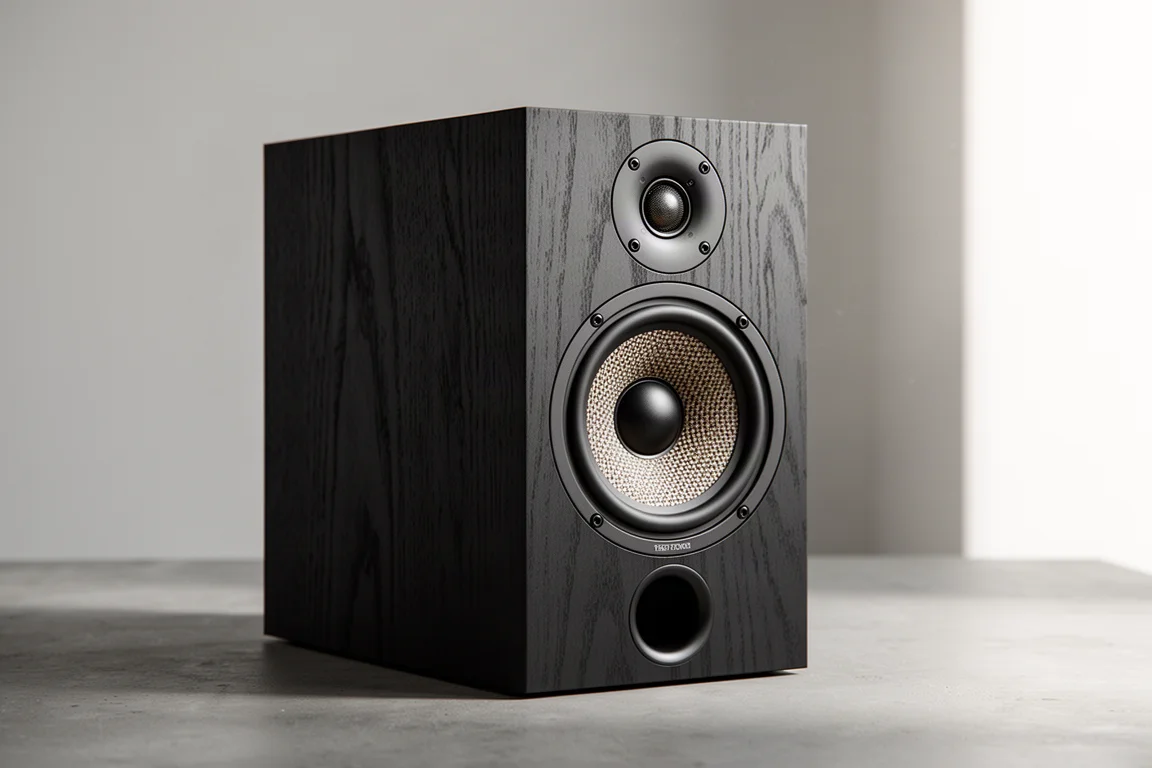
The Diamond series has been around a long time and includes several models, with the 5-inch version landing under $500. The tuning is neutral with a slight lean toward warmth, making it a touch softer than the Q Acoustics 3020i.
It is not the punchiest or the most extended speaker in this group, and that is the point: it is a comfortable, forgiving listen. Where it stands apart is construction. The finishing and cabinet quality are class-leading at this price, which is rare and worth paying attention to if you care about how a speaker looks and lasts as much as how it sounds.
Polk Signature Elite ES20: Fun, V-Shaped, and Versatile
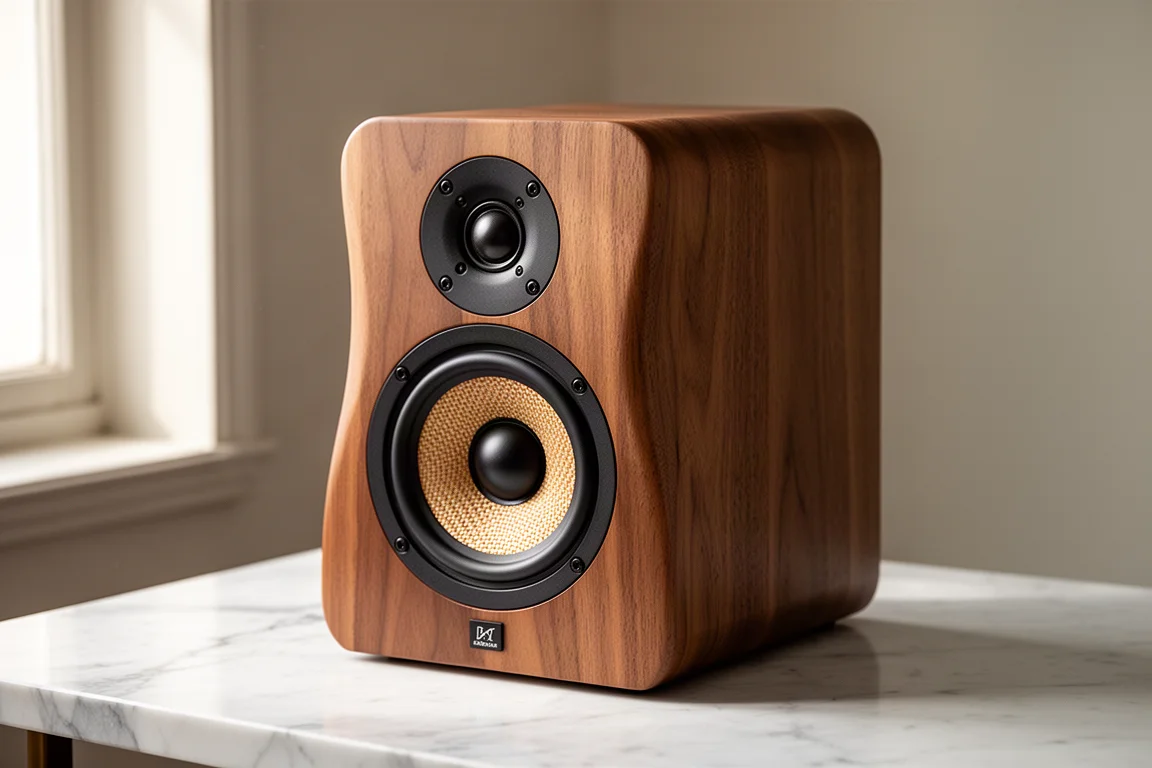
The ES20 is the larger of Polk’s two Signature Elite models here, and it is not trying to be a neutral, refined audiophile speaker. It is a fun speaker, and it is honest about it.
The low end has pop, the top end has sizzle thanks to a soft dome tweeter, and the midrange is clean but slightly recessed, which produces a gentle V-shaped response. That makes it excellent for rock and for casual listening sources where a bit of personality helps. It is available in a range of colors, and even its retail price stays under the $500 line.
Polk Signature Elite ES15: A More Refined Sibling
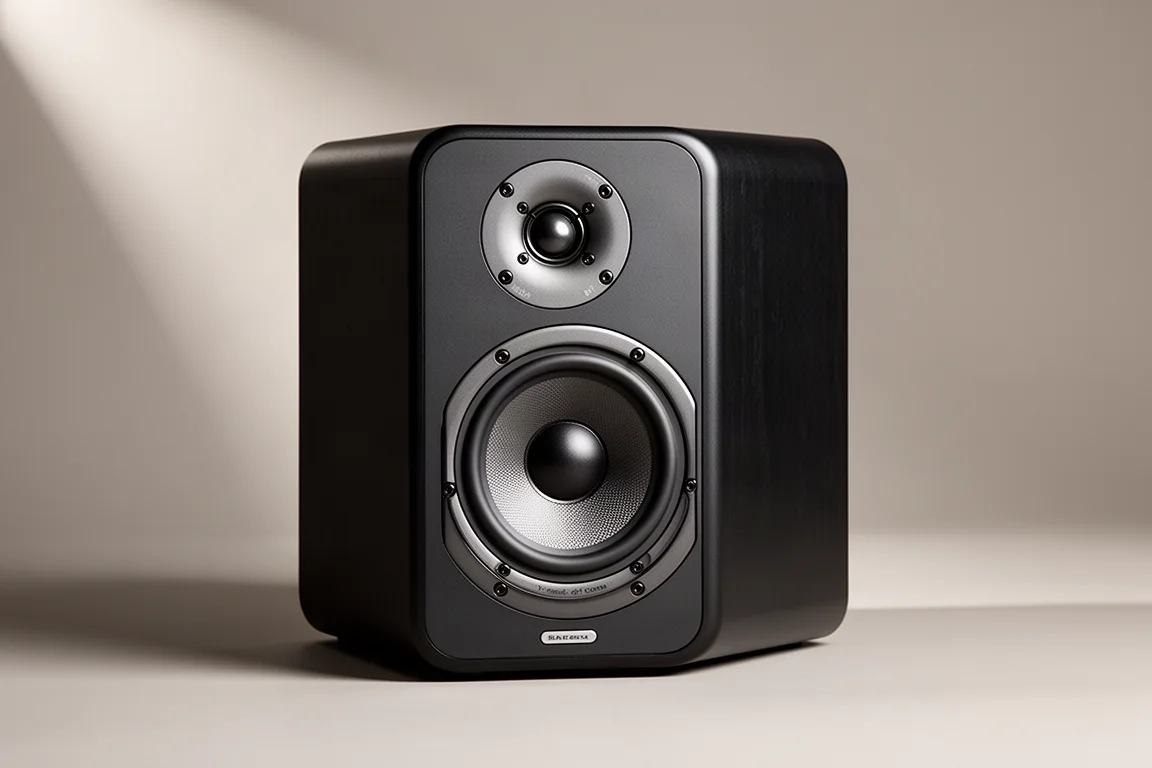
The ES15 is the smaller Signature Elite model and a slightly more refined take on the same idea. It keeps the lively character of the ES20 but sounds a little more controlled, with some air on top from the same style of soft dome tweeter.
If you want the Polk personality in a smaller cabinet, or you simply prefer a more composed presentation, the ES15 is the better fit. Neither model is the right choice if your goal is perfectly flat neutrality, and both are a good choice if you want listening to be enjoyable rather than analytical.
Paradigm Monitor SE Atom: A Long-Running Value Pick
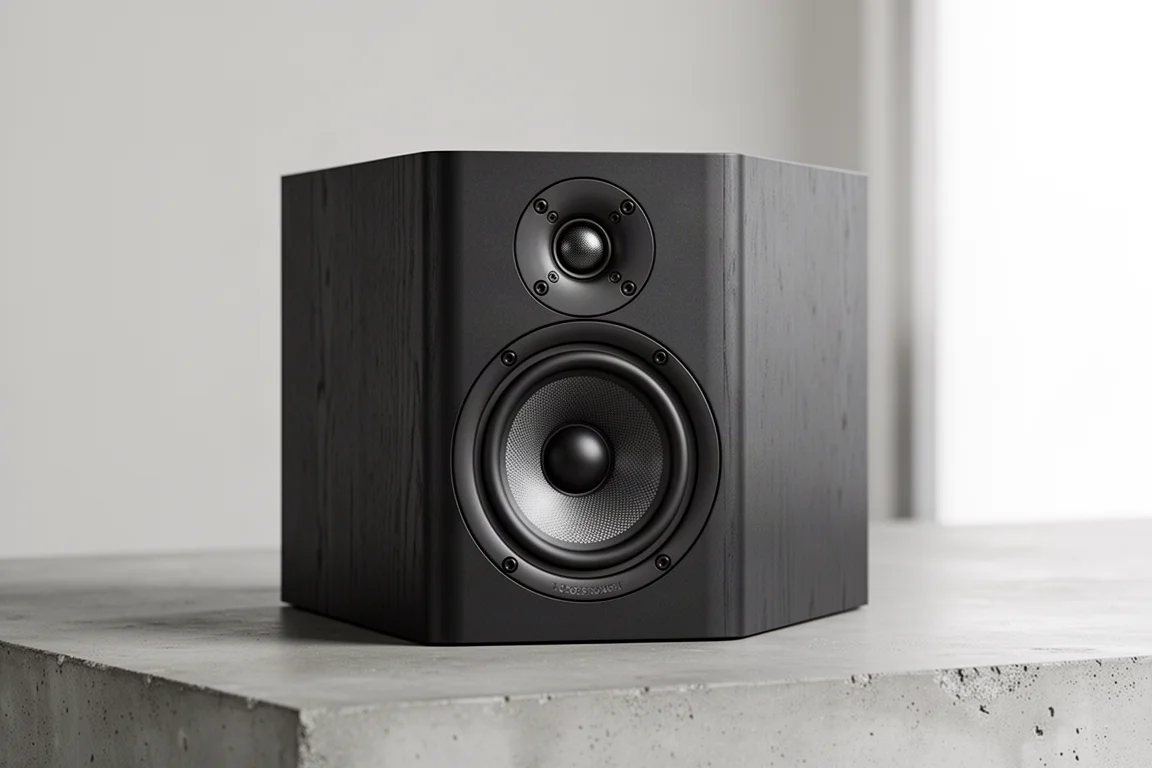
The Monitor SE Atom has been in production for years, and the reason is straightforward: it is very good for the money. It uses an aluminum dome tweeter and delivers a lively, entertaining sound that lands somewhere near the Klipsch RP-500M in character, though less forward in the upper midrange.
There is a slight recess in the midrange, less pronounced than the Polk’s, and the tweeter can show a hint of sibilance at times. Even so, it is less fatiguing than the more aggressive Klipsch models. At around $300, with roughly $100 off at times, it is one of the easiest recommendations in this roundup because almost nobody dislikes it.
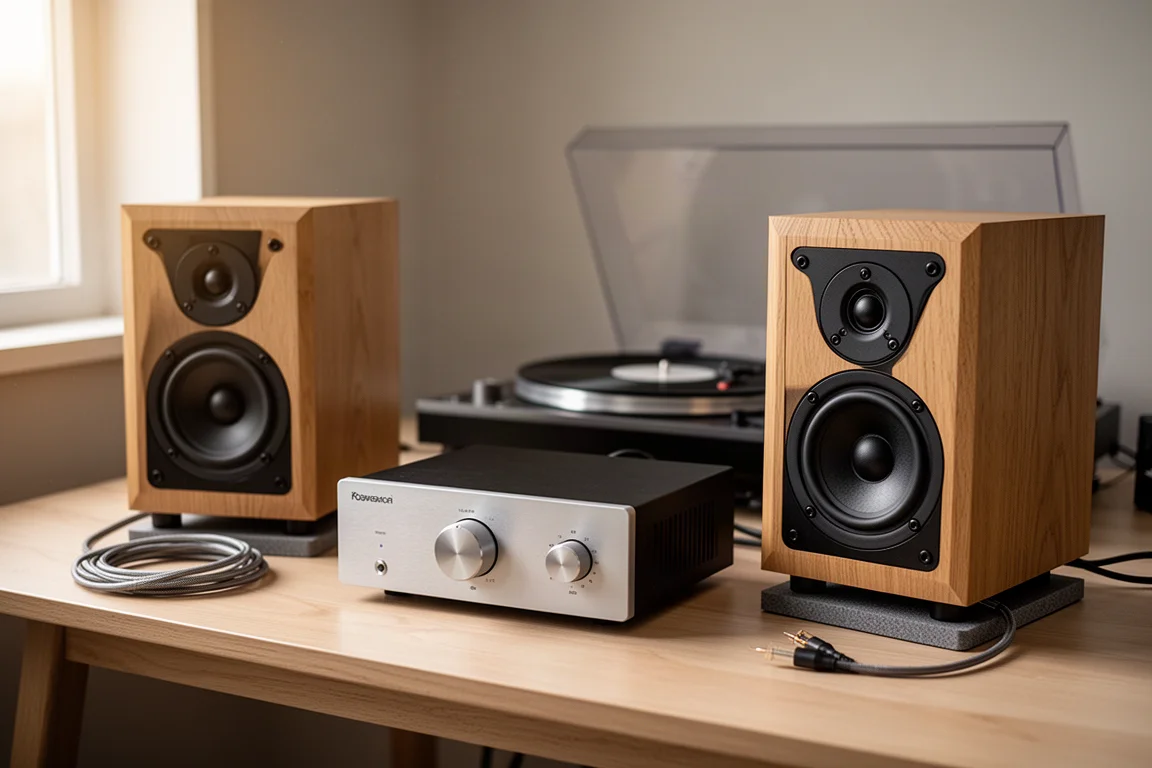
For a first serious pair of speakers, that combination of price, build, and forgiving character is hard to argue with.
Dali Oberon 1: Nuanced Bass and Honest Neutrality
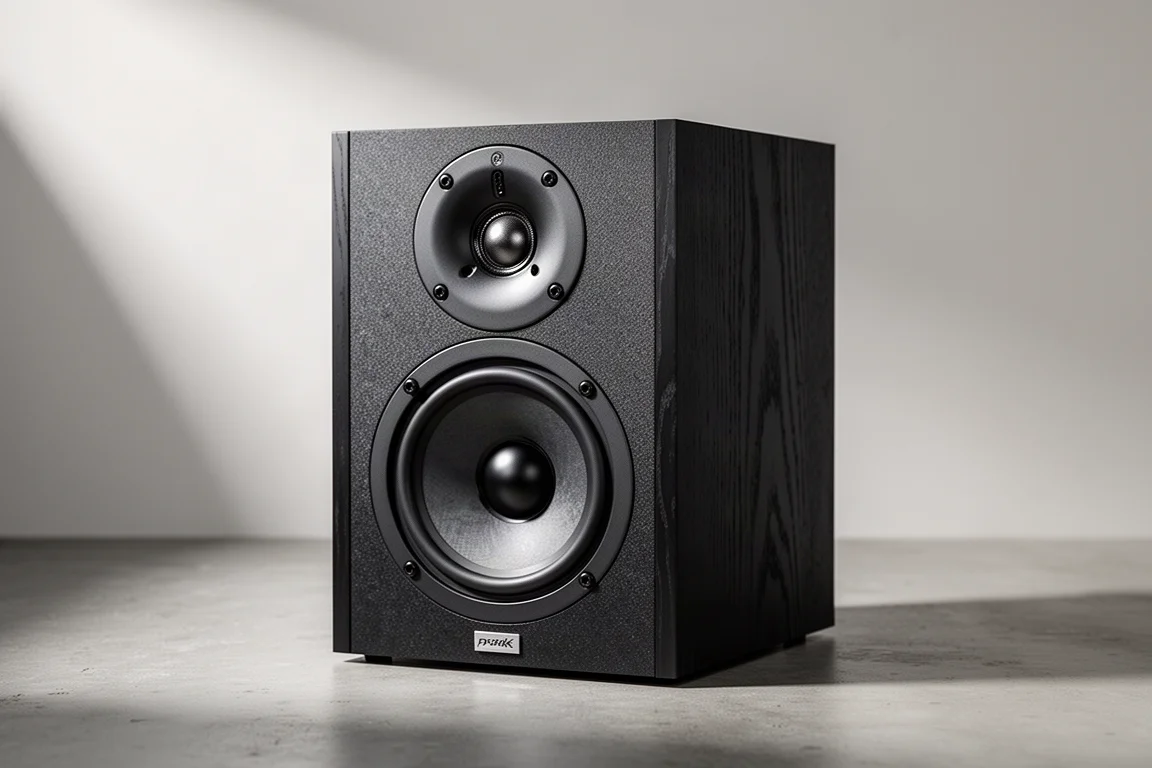
The Oberon 1 is the most expensive speaker here on paper, with a list price around $750, but it has been available at prices well below that, which puts it in reach of this roundup. Dali puts real effort into its woofers, and it shows: the bass is tight, quick, and articulate, with a level of nuance that is unusual at this price.
It is not the most exciting speaker on the list. What it offers instead is solid neutrality, a well-built cabinet, and a willingness to reflect the character of the electronics feeding it while still letting the music through. For the money it is currently selling for, it is one of the strongest value plays here.
JBL Studio 630: A Deeply Discounted Crowd-Pleaser
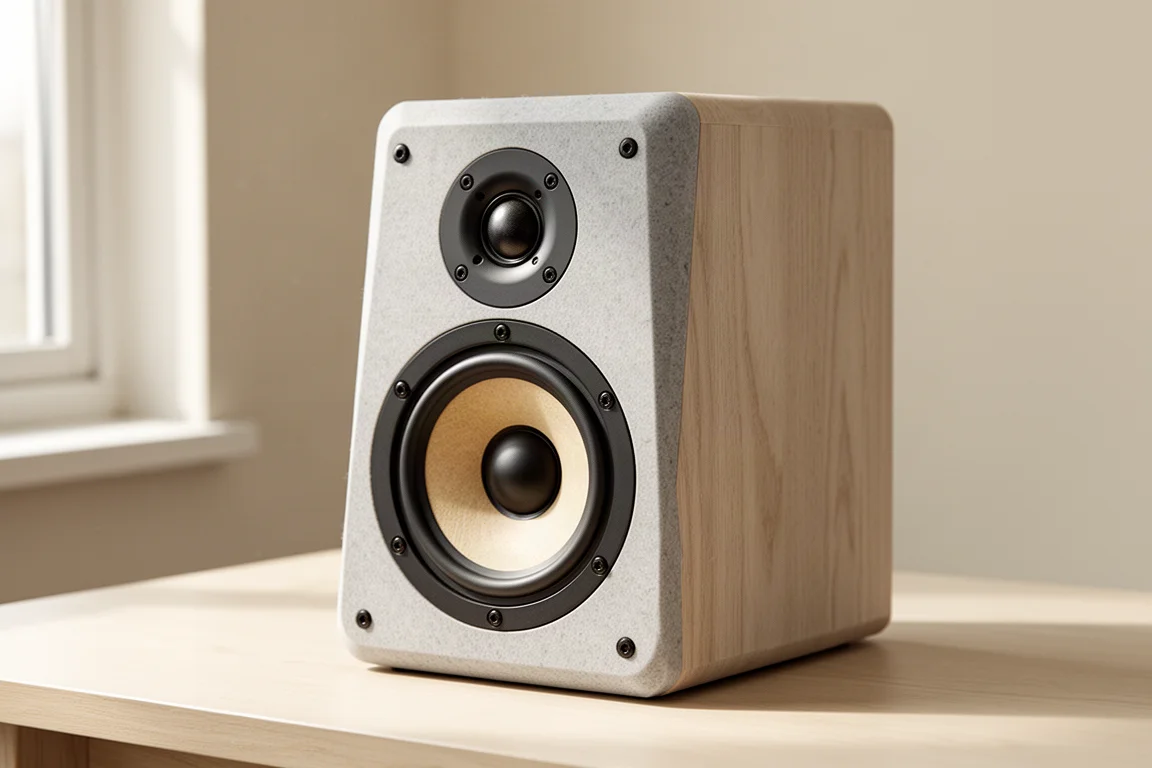
The Studio 630 has been discounted heavily, dropping by $270 to around $499.95, and it has a strong following among the listeners who own it. It is also a good-looking speaker, which matters more than some enthusiasts admit.
JBL’s speakers in this segment tend to sound fairly neutral with a little extra presence in the upper midrange and a bass response that is more controlled than punchy. That makes the Studio 630 a sensible pick for listeners who want balance with a bit of liveliness, and the current pricing makes it worth a closer look.
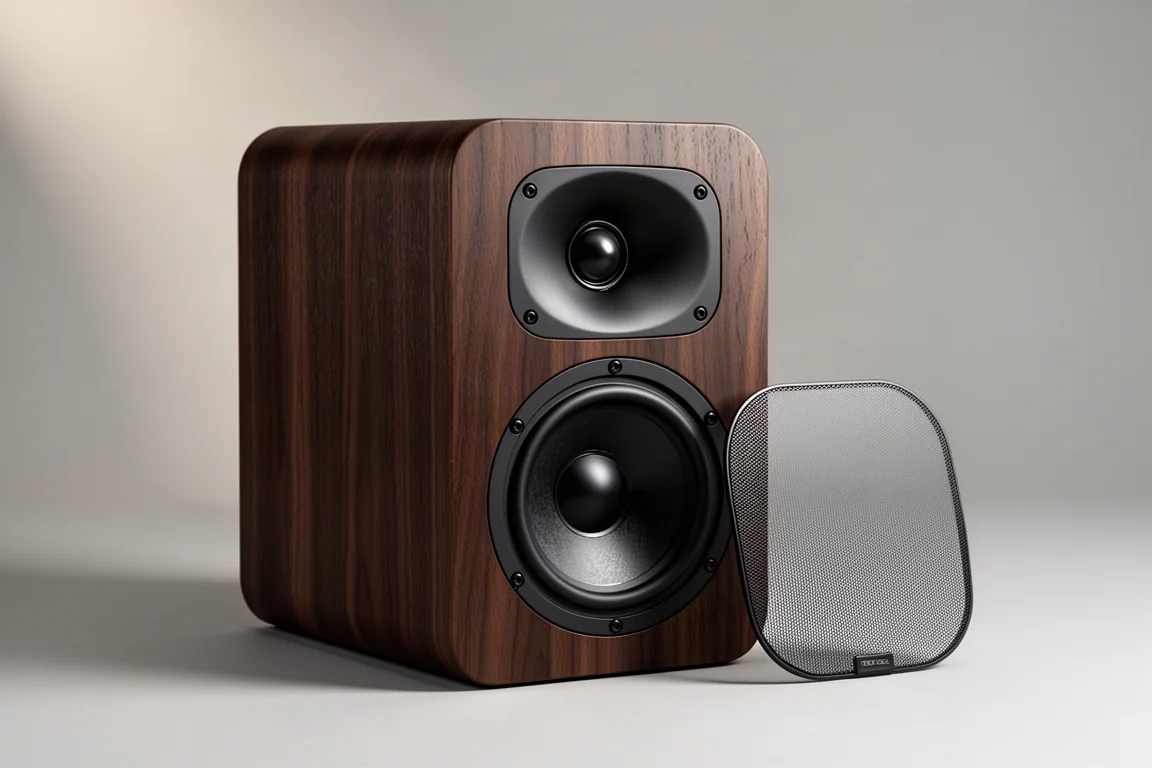
Emotiva XB2: Ribbon Tweeter Clarity
The XB2 lists at around $550 but is regularly discounted below $500, and it is the only speaker in this roundup with a folded ribbon tweeter. That matters, because a ribbon tweeter can reproduce a level of clarity that soft dome and metal dome designs rarely match.
The result is addictive on familiar music: details that usually hide in the mix become audible. Add a punchy, clean, and balanced overall presentation, and you have a speaker that rewards careful listening. If clarity is your priority, this is the model to shortlist.
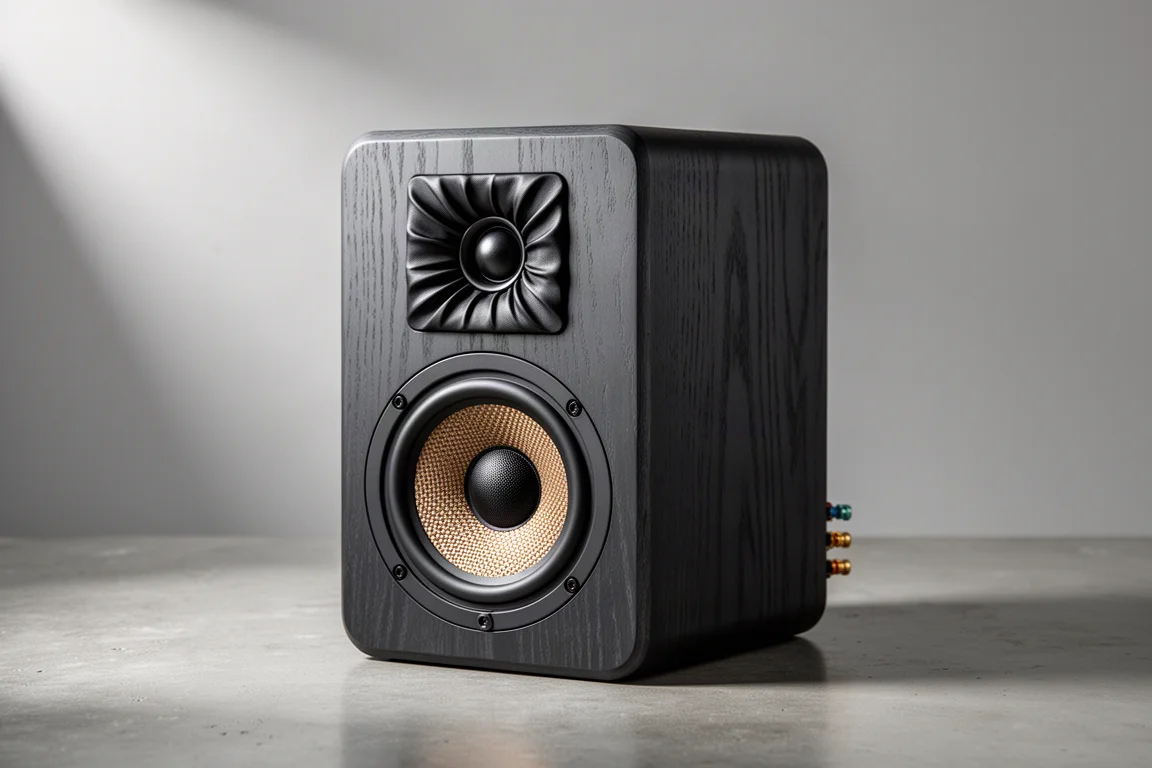
Buying Advice: Matching a Speaker to Your Room and Taste
The most useful question is not which speaker is best, but which speaker suits the way you listen. If you want weight and warmth, the ELAC Debut 3.0 and the Wharfedale Diamond deliver it. If you want energy and presence, the Klipsch models are the obvious direction, with the RP-500M offering the most balanced version of that character.
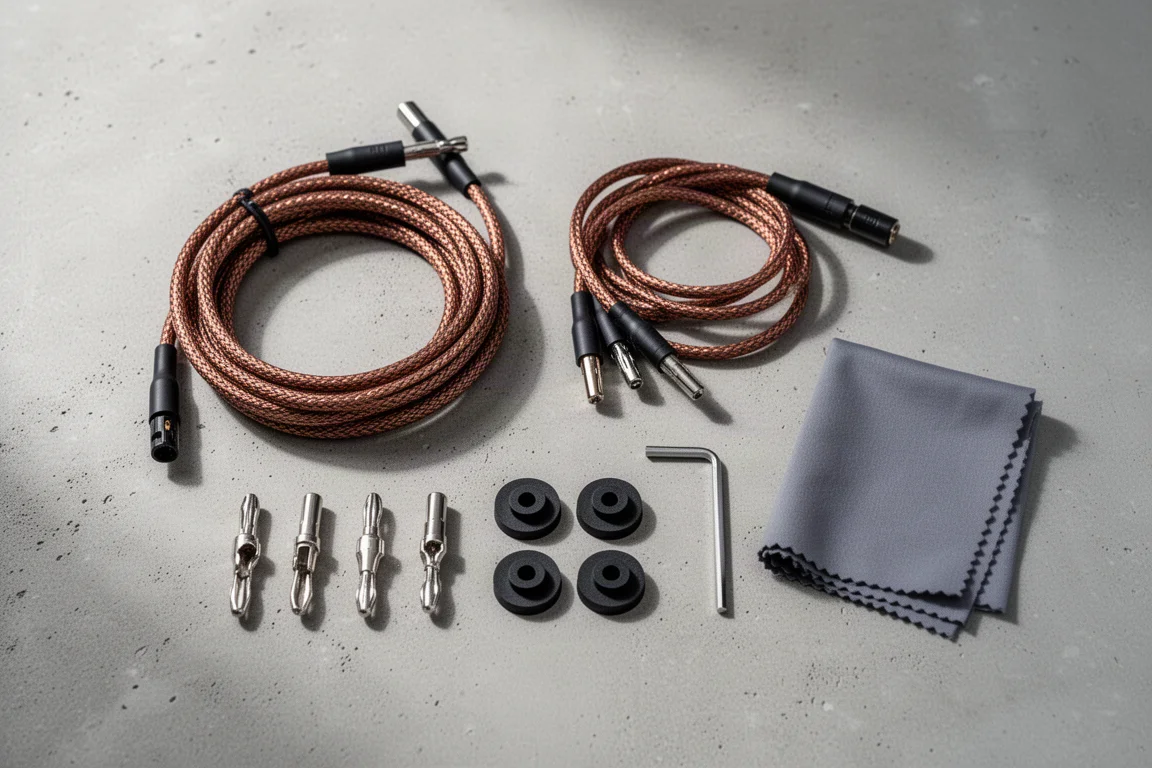
If you want a speaker that works with everything, the Q Acoustics 3020i, the Cambridge Audio SX50 and SX60, and the Paradigm Monitor SE Atom are the safest bets. If you want fun over accuracy, the Polk Signature Elite pair fits. And if you want maximum detail, the Emotiva XB2 and its ribbon tweeter are the standout.
Also worth remembering: the Dali Oberon 1 sits above this price bracket at list price and is only a candidate because of current discounts, while the JBL Studio 630 and the Emotiva XB2 depend on sale pricing to land under $500. Check the current price before you commit, and pair any of these with an amplifier that has enough headroom for the speaker’s efficiency.
Conclusion
There is no single best speaker under $500, only the best speaker for a particular room and a particular set of ears. Warm, neutral, forward, and detailed are all available at this price, and the differences between them are bigger than the specifications suggest.
Start with the character you want, then match cabinet size to your space and efficiency to your amplifier. Whichever way you go, the speakers here all have something worth appreciating, even the ones that do not match your taste.
Further reading
Related Reviews
Home Audio
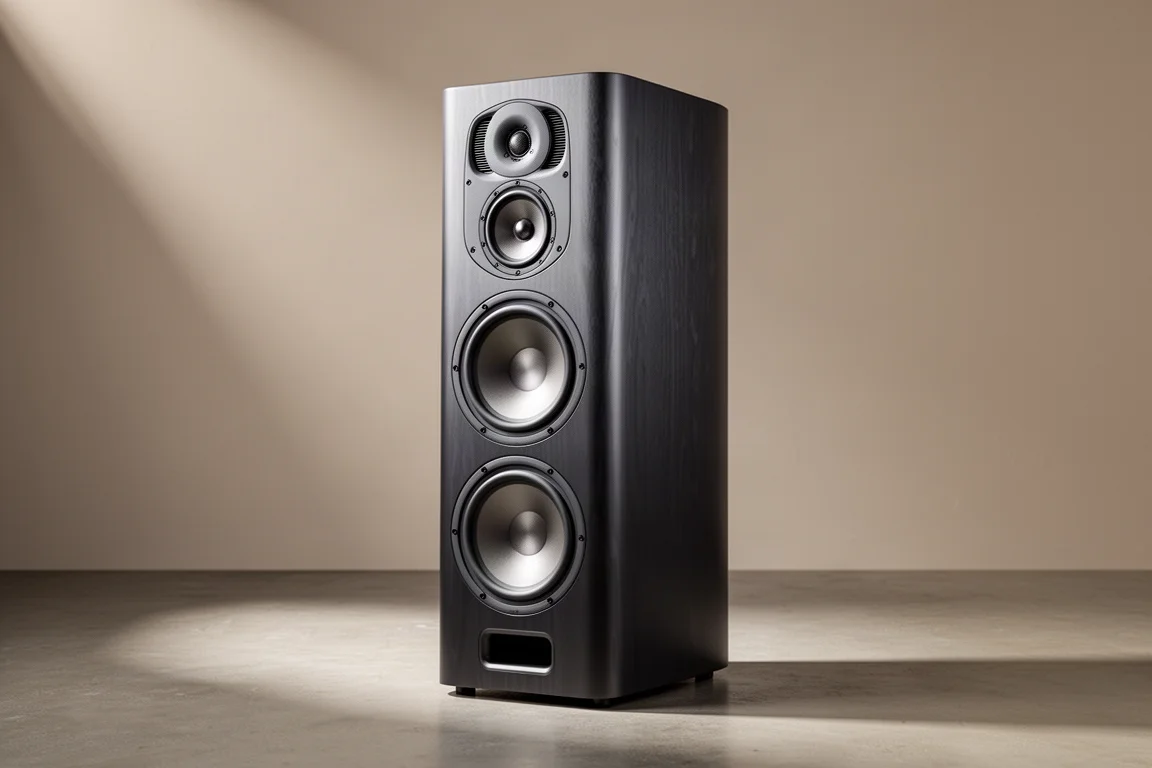
Aperion Novus Tower and Center Review: Punchy Home Theater Sound With Real Refinement
A close look at the Aperion Novus tower and center speakers, from their layered paint finish and punchy bass to the 4-ohm load and what the price actually buys.
Home Audio
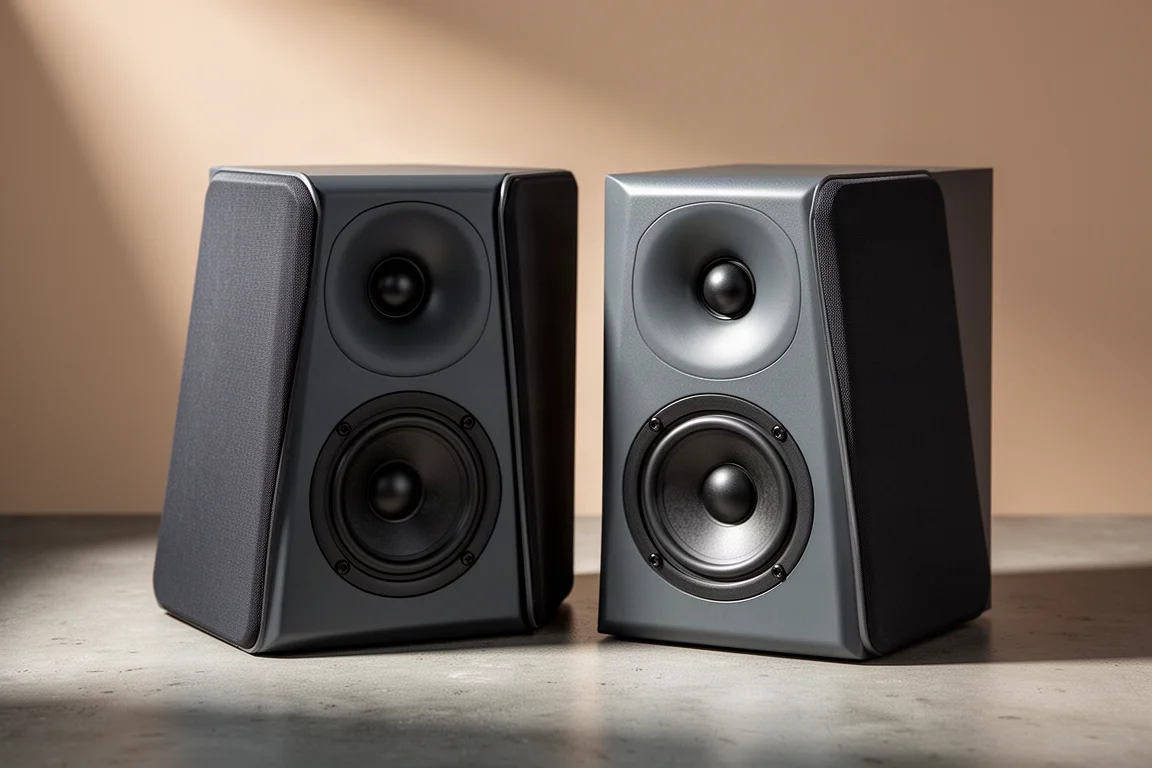
Arendal 1610 Tower Review: Flagship Dynamics in a Room-Friendly Tower
A compact floorstanding tower with three 8-inch aluminium woofers, a 5-inch carbon midrange, and the kind of bass heft usually reserved for much larger speakers.
Home Audio
Arendal 1723 S THX Review: A Reference Speaker Built Like a Tank
A practical look at the Arendal 1723 S THX, a sealed, THX-certified speaker with exceptional build quality, a very flat top end, and a midrange that responds beautifully to EQ.