Hi-Fi Speakers
Best Speakers Regardless of Price 2026: Nine Standouts Worth Hearing
Nine speakers chosen on sound quality alone, from budget-friendly bookshelves to premium floorstanders, with clear notes on who each one suits.
Introduction
Price is not the deciding factor in this roundup. Each of the nine speakers below earns its place on sound quality, character, and how well it fits a real room and a real listening habit. Some are entry-level bookshelf models, some are premium floorstanders, and several sit in the middle. What they share is a distinct voice that makes them worth auditioning rather than a spec sheet that only looks good on paper.
The lineup also shifts as new models arrive and older ones step aside. Here is the current standing, along with a short note on what dropped off and why.
How These Speakers Were Chosen
Every speaker here was judged on the same handful of qualities: bass output and control, mid-range clarity, top-end air and sparkle, how realistically voices and instruments are rendered, and how much dynamic contrast the design can deliver. Sensitivity and amplifier friendliness matter too, because a speaker that only comes alive with one specific amplifier is a harder recommendation.
Room size and price shape the verdict as well. A model that overwhelms a small room, or gets lost in a large one, is still worth listing, but that limitation is stated plainly. Value is judged against the current selling price rather than the original list price, which is why a few models here look considerably stronger while a promotion is running.
Polk XT20: Big Sound at the Entry Point
The XT20 is a newcomer to the list and the most affordable speaker Polk makes. It is a large bookshelf design with a 6.5-inch woofer and a 1-inch soft dome tweeter, and it is clearly a step above a basic garage speaker. Bass output is the headline, backed by genuine sparkle at the top end, while the mid-range is where it gives up a little ground to the best speakers at the price.
That balance makes it a fun, highly dynamic speaker with a gentle V-shaped response. Rock, hip hop, and most popular genres play to its strengths. Listeners who want a neutral, audiophile presentation should look at the ELAC Debut 2.0 B5.2 with its 5.25-inch woofer instead, since that speaker is the more refined of the two.
ELAC Debut 3.0: Rich, Relaxed, and Full of Weight
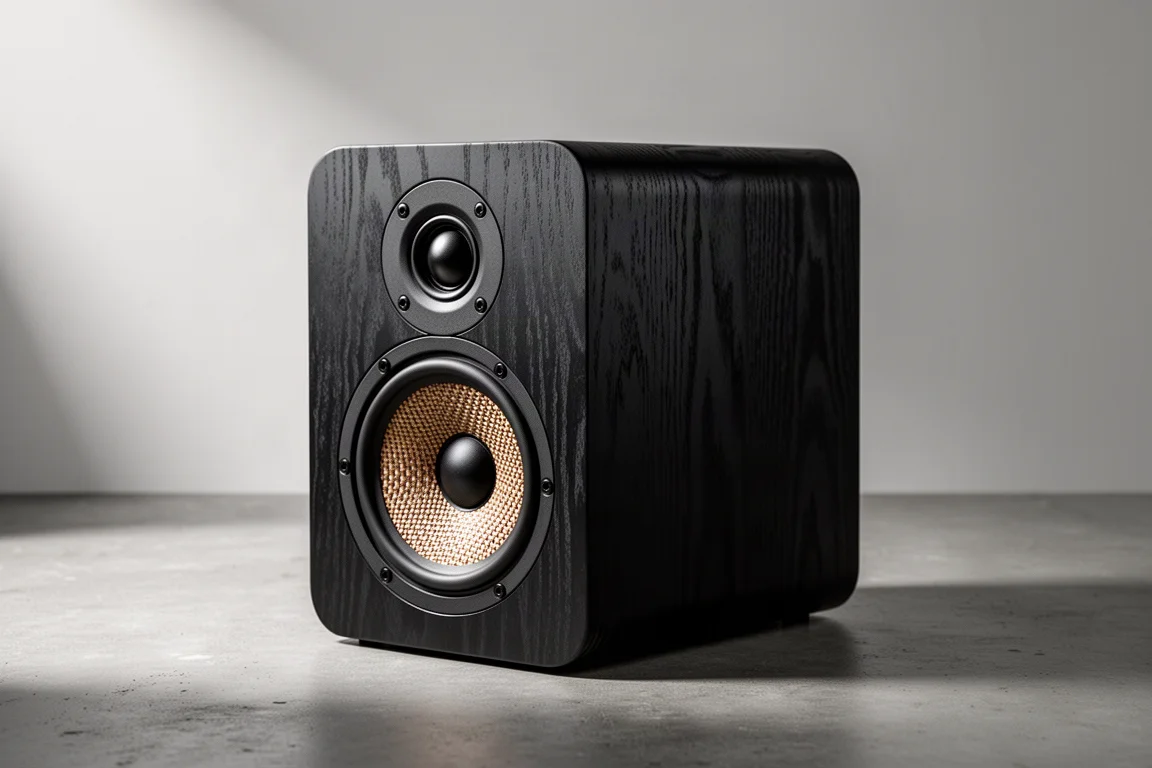
The Debut 3.0 is the latest generation of a long-running series, offered with a 5.25-inch or a 6.5-inch woofer at $350 and $450 respectively. It recalls the first generation in all the right ways: a laid-back character with a serious amount of low-end oomph and a rich mid-range.
Treble air and sparkle are not the point here, so listeners who chase top-end shimmer should look elsewhere. This is a speaker for relaxed, full-bodied listening. It is also in its first year on the market, and the earlier generations have gone on sale regularly, so discounts are more likely next year than this one, with $75 to $100 off appearing a few times a year in that pattern.
Emotiva XB2: Dynamics and a Clean Mid-Range
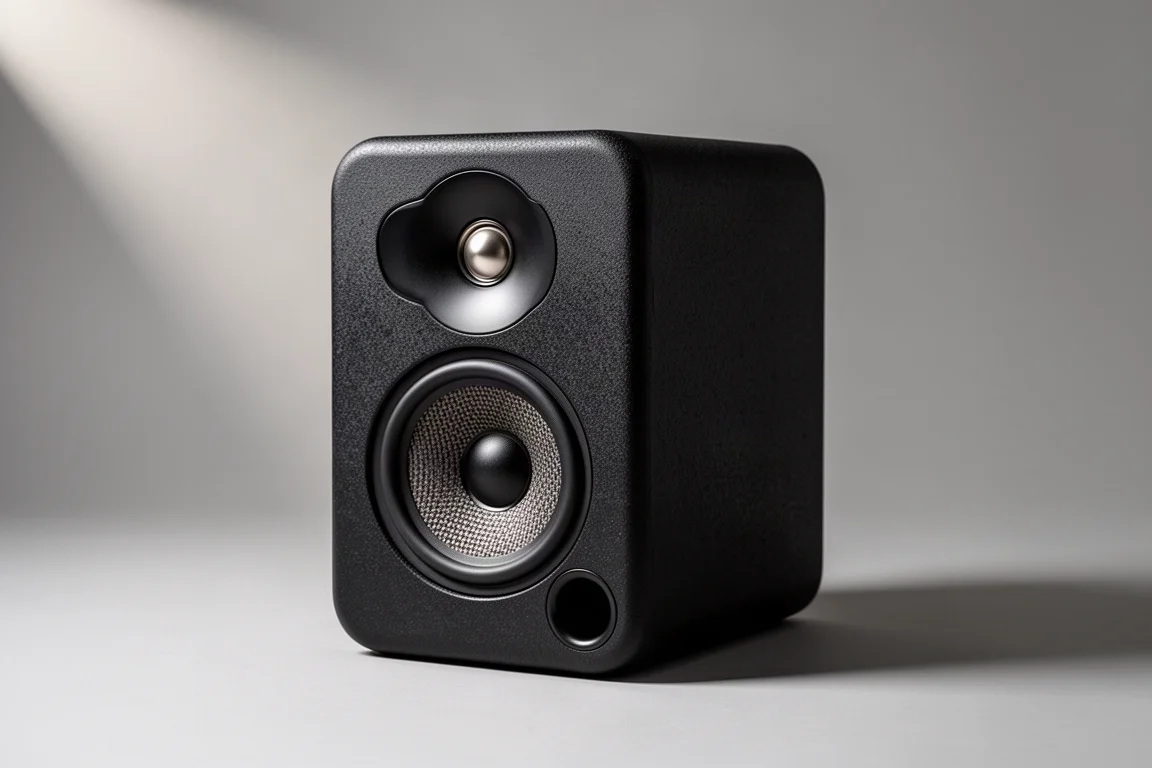
The XB2 is a bookshelf speaker that lists around $499, and Emotiva runs 15% and 20% promotions often enough that the effective price lands near $400. At that number it is very hard to beat for dynamics, air, and a clean mid-range, and its sound signature is one of the most appealing in this group.
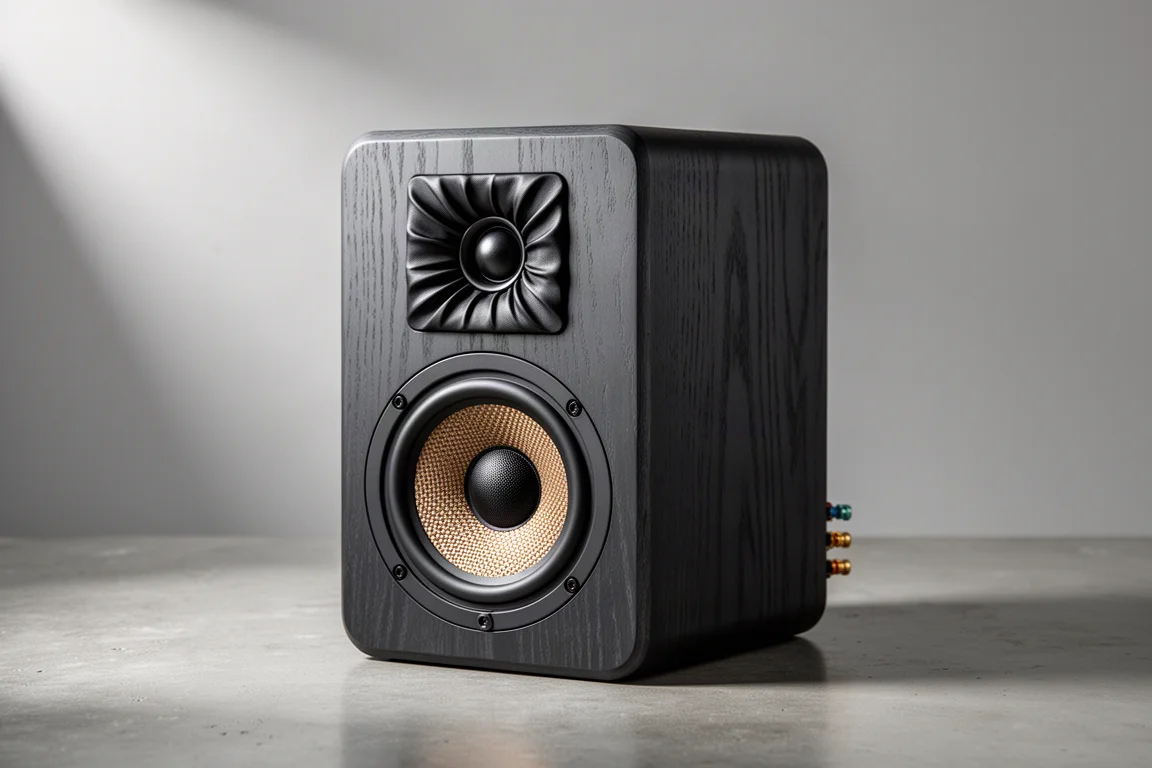
ELAC Debut Reference: Still a Favorite
An older design that remains on sale today, the Debut Reference usually lands somewhere between $600 and $700, with occasional promotions pushing it lower. It pairs a 6.5-inch woofer with a front-ported cabinet and a two-tone finish, and it is less rolled off on top than the Debut 3.0, though it still stops short of being genuinely airy.
Its real strength is scale. The Debut Reference throws a huge soundstage, which is why it remains a favorite even as it gets long in the tooth. There is no word yet on whether a reference version of the newest generation is coming.
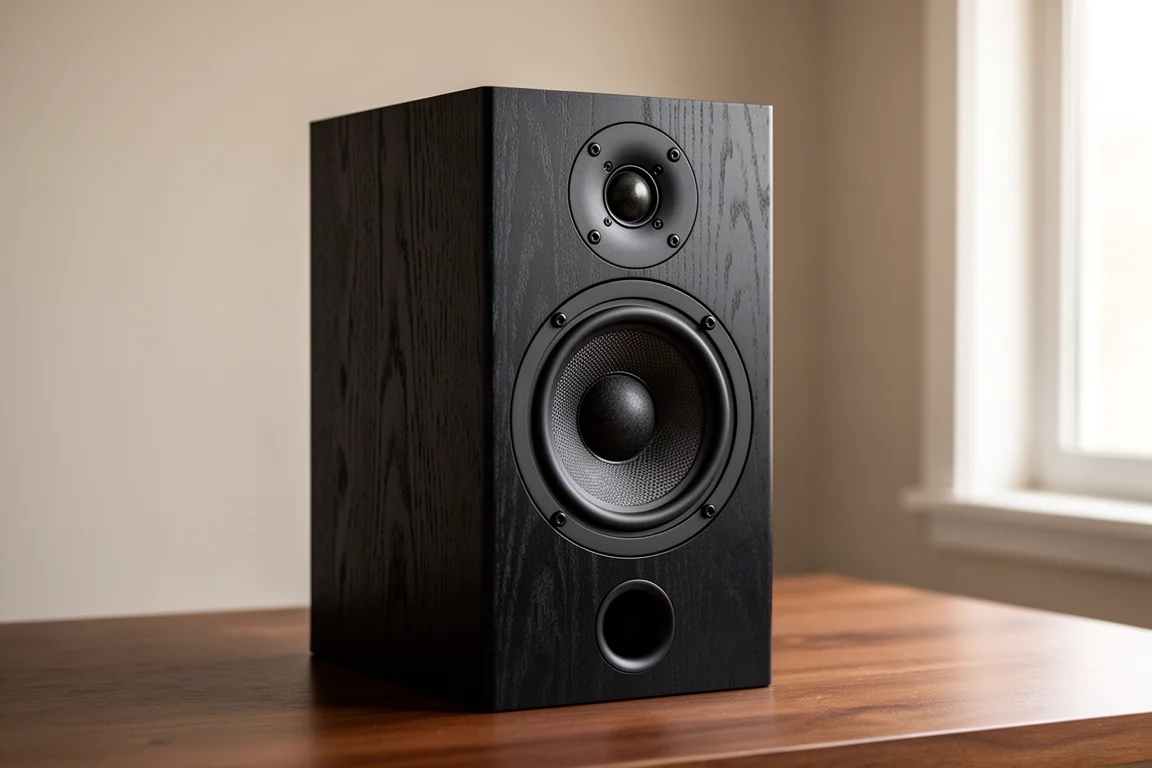
Klipsch The Nines: Convenience With Attitude
At around $1,200, roughly $300 below MSRP, The Nines is a powered speaker with a phono stage, HDMI ARC, and Bluetooth built in, plus a three-band EQ in the companion app. The cabinet is big, the sound is fun and dynamic, and outright neutrality is not the goal.
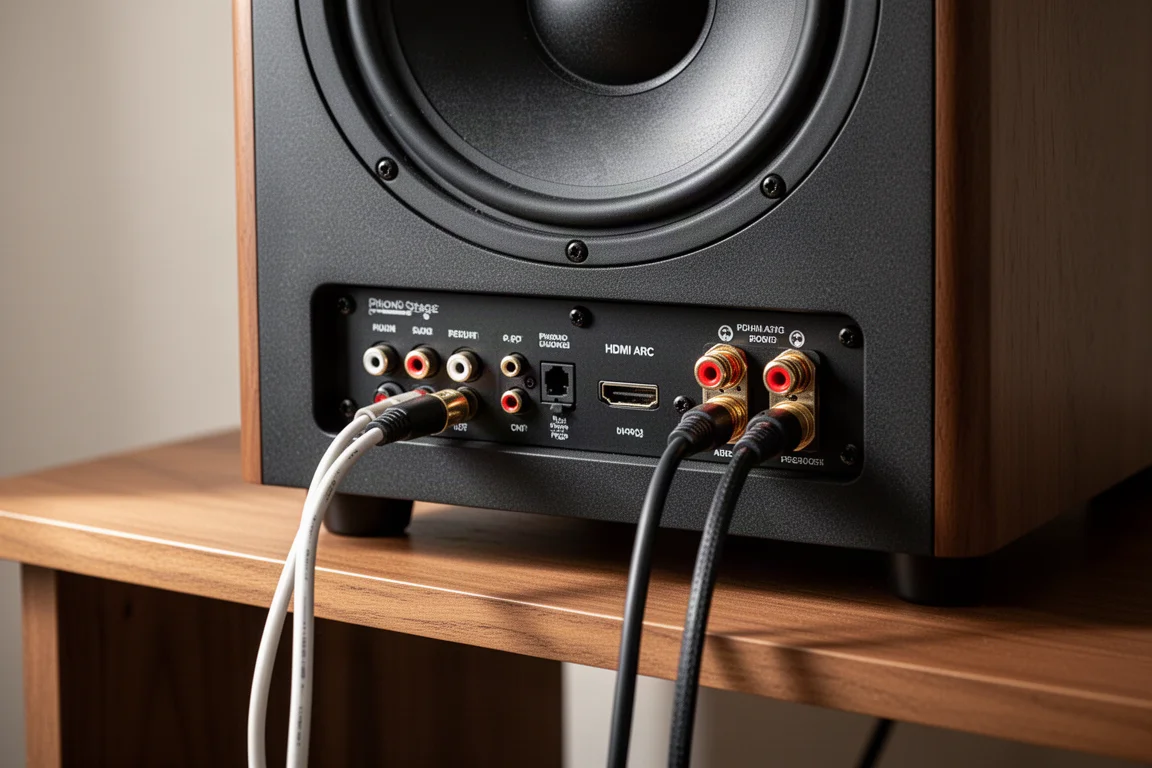
What makes it good value is everything inside: you are effectively getting an integrated amplifier along with the speakers. The design language comes from the brand’s heritage line, and it is noticeably less honky and forward than some of the brand’s passive models such as the RP-600M Mark I. If convenience, character, and looks matter as much as absolute accuracy, this is an easy recommendation.
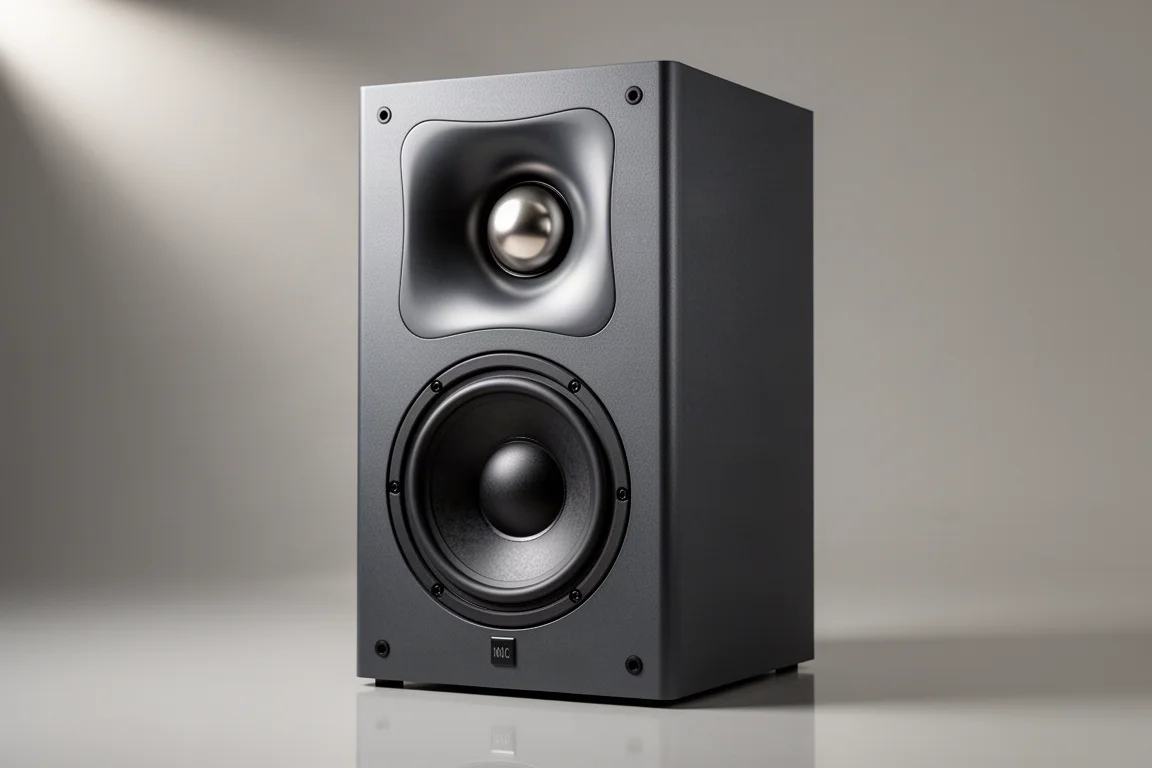
Q Acoustics 5040: Vocal Realism in the Goldilocks Zone
The 5000 series from Q Acoustics has built its reputation on mid-range tonality, and vocal realism here is exceptional. Within the range, the 5040 is the sweet spot. The larger 5050 is excellent, but it can be too much for some rooms, where its bass overwhelms and masks a little mid-range clarity.
The 5040 avoids that. It delivers enough bass punch for almost any room, including a large one, while keeping that mid-range clarity and adding just enough top-end air. Tonality with voices and instruments is remarkably realistic, with a slightly warm lean. It is also fairly sensitive and plays well with a wide range of amplifiers, so pairing is not a headache. Expect $1,500 a pair.
Sonus Faber Lumina II: Small Box, Real Craft
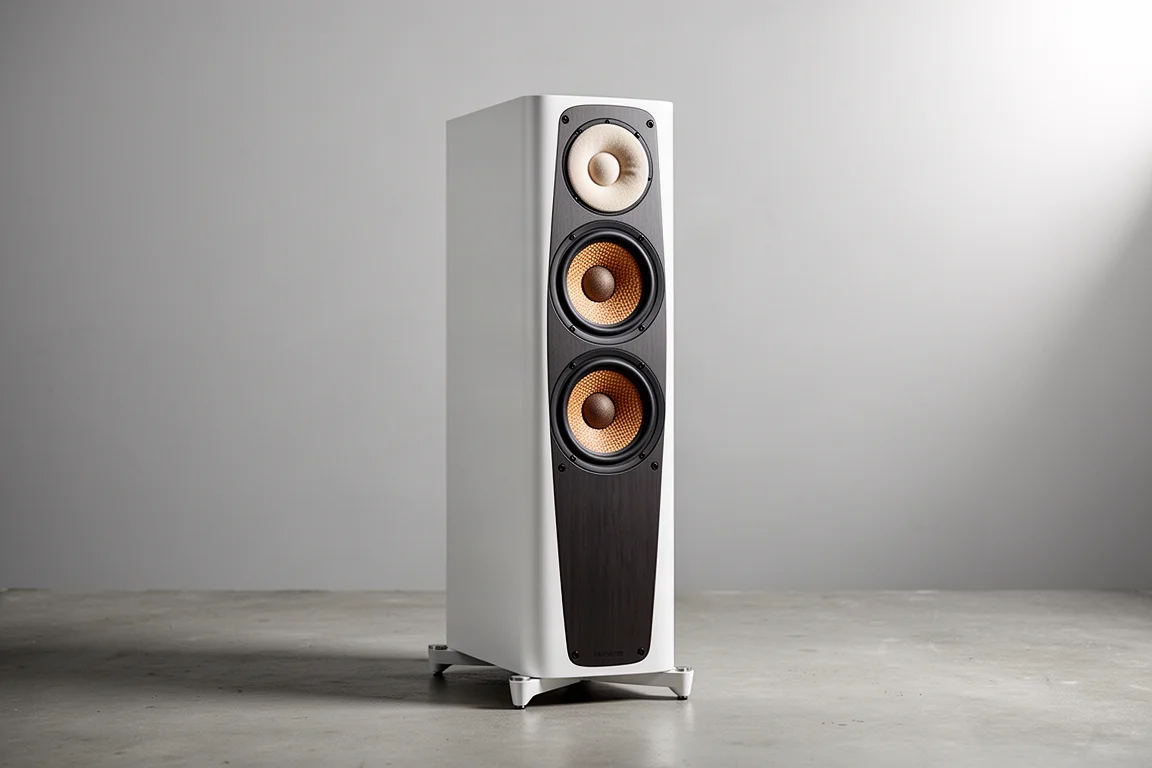
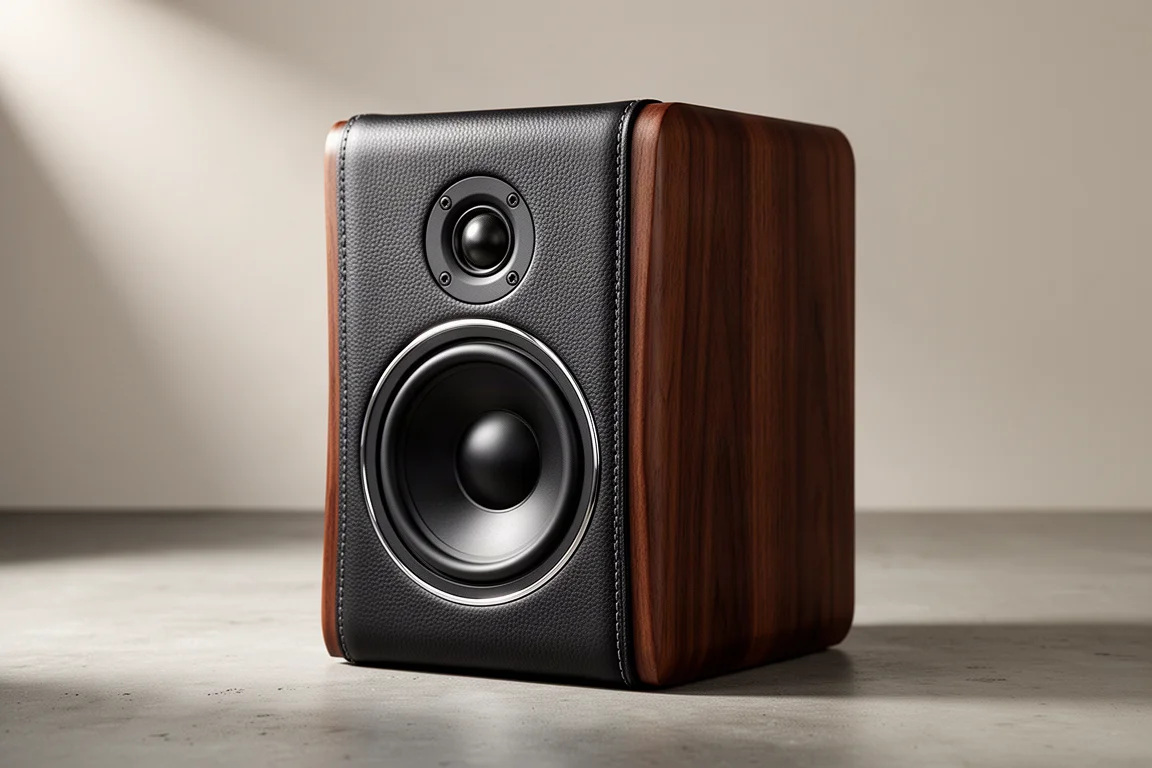
The Lumina II is a small bookshelf speaker at $1,500 a pair, handmade in Italy, with a roughly five to six inch woofer and a 1-inch soft dome tweeter. It is bottom ported, beautifully finished, and you can feel the build quality the moment you pick it up.
It also plays louder than its size suggests, and it is dynamic, musical, and tonally accurate. There is a slight veiling in the mid-range next to cleaner rivals, though that only shows up in a direct comparison. At this price, several competitors play bigger, but few match the craftsmanship.
Arendal 1723 S Monitor: Neutral to the Point of Truth
The 1723 S Monitor is essentially a mini floorstander that has to sit on a stand, roughly three quarters the size of a full floorstanding model, with a large waveguide around the tweeter. Neutrality is its defining trait, and it adds almost no coloration of its own.
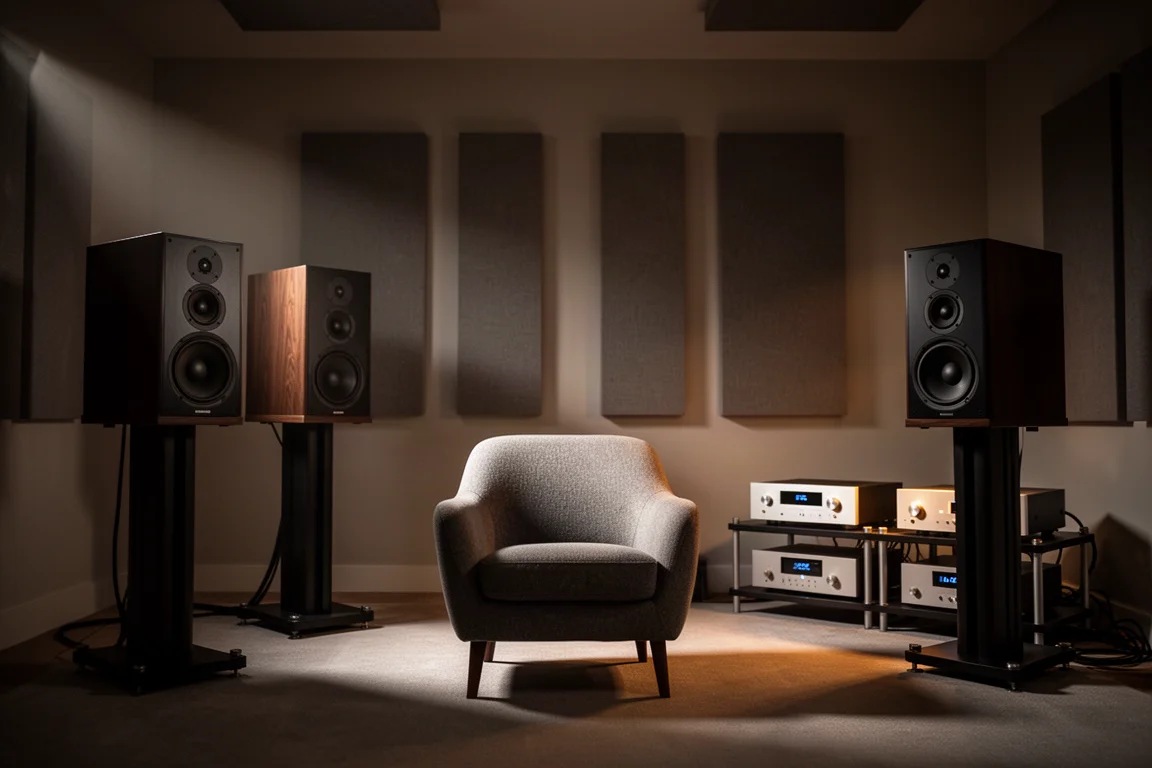
At first it may not sound especially dynamic, but give it a genuinely dynamic track and it drops bombs. Soundstage, imaging, and instrument separation are all excellent. At $2,100 it rewards an amplifier with a little extra drive, since a very neutral amplifier can make it sound flat.
Wharfedale Super Linton: Heritage With More Sparkle
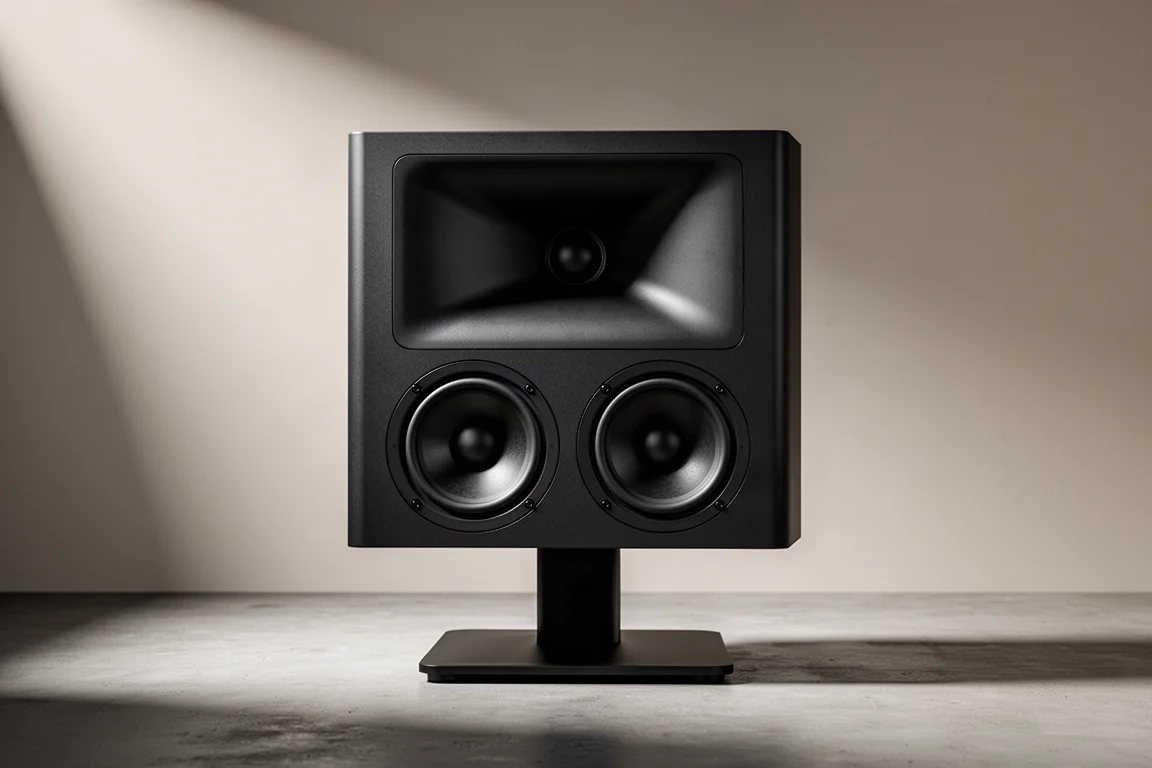
This is the newest addition to the list, and it addresses the main complaint about the standard Linton, which is slightly rolled off at the top. The Super Linton brings more air, more sparkle, and more definition in the treble while keeping the character that made the original so appealing. The enclosure is a little larger, and the price is $2,500 a pair, with a free pair of stands currently included where stock allows, though both stands and speakers are backordered in many places.
Speakers That Dropped Off the List
Several familiar names stepped aside this time. The Sony SS-CS5 dropped out because its pricing swings widely and it only makes sense below roughly $130, where a discounted Polk XT20 or an ELAC Debut 2.0 B5.2 at around $230 is the better buy. The ELAC BS41 left largely because the list already carries a lot of ELAC, though it remains a strong speaker when it sells for $130 to $150. The Wharfedale Denton 80th has nothing wrong with it, there was simply no room, and the standard Wharfedale Linton made way for the Super Linton. The SVS Ultra was discontinued, and while its Ultra Evolution successor is impressive, it is fickle about recordings and amplification, like a sports car that wants the right fuel. The Yamaha C932 was a great deal early on, but its mid-range and top-end limitations became clearer over time, and availability is unclear. The Polk R100 is still a big, capable speaker that drops huge bass, but its ring radiator tweeter can become intense and overwhelming at the top end, so it is best considered on sale.
Buying Advice: Matching a Speaker to Your Room and Taste
Start with the sound you actually want rather than the biggest discount. If punch and sparkle matter most, the Polk XT20 delivers both for very little. If you prefer weight and warmth over treble air, the ELAC Debut 3.0 is the natural pick. Buyers who want dynamics and a clean mid-range at a moderate price should watch for an Emotiva promotion.
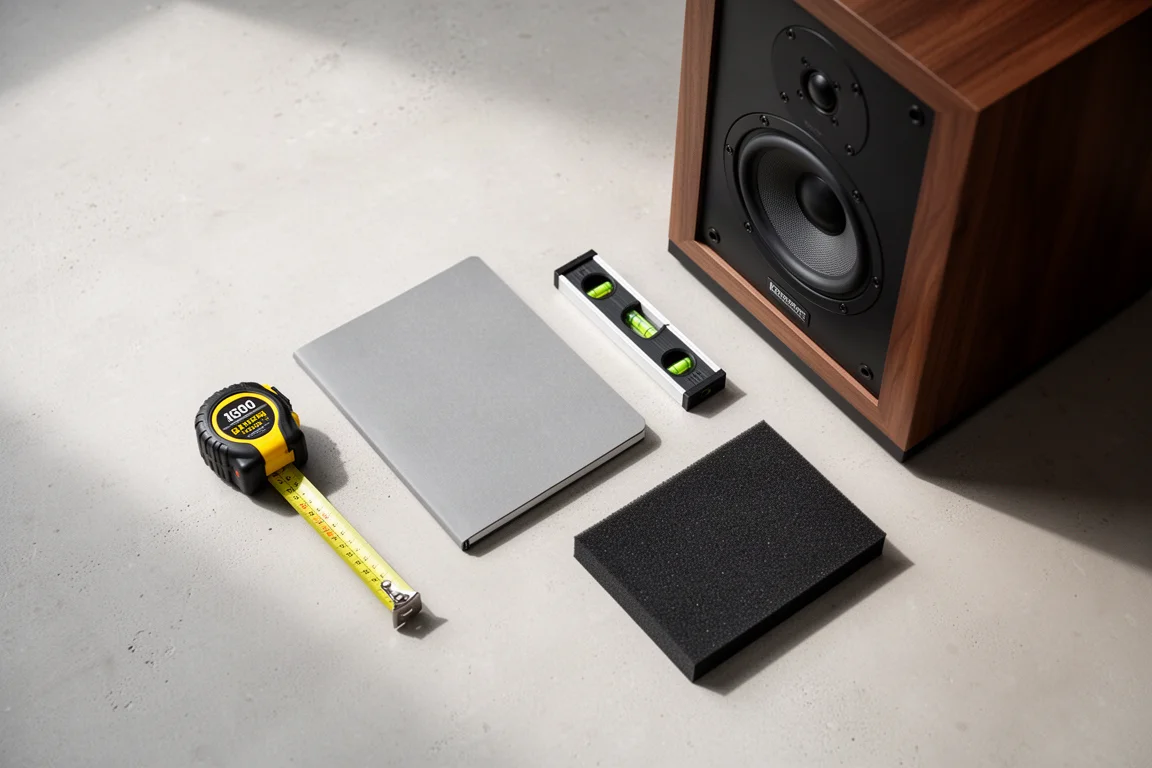
Room size comes next. A compact bookshelf such as the Sonus Faber Lumina II suits smaller spaces, while the Q Acoustics 5040 and the Wharfedale Super Linton are comfortable in larger rooms. The ELAC Debut Reference offers a big soundstage from a stand-mounted cabinet, and the Arendal 1723 S Monitor suits listeners who want no coloration at all, provided the amplifier has some drive.
Finally, think about the rest of the system. The Klipsch The Nines removes the amplifier question entirely, since everything is built in. The Q Acoustics 5040 is easy to pair, while the Arendal and the Super Linton respond well to amplifiers that add a little energy. If you can audition, do so, because room and taste matter more than any ranking.
Conclusion
There is no single winner here, and that is the point. Each of these nine speakers solves a slightly different problem, whether it is punch and sparkle on a small budget, a relaxed and weighty presentation, dynamics and clarity at a moderate price, or full neutrality at the top of the range. Match the character to your room, your amplifier, and the music you play most, and any of them will reward the decision.
Further reading
Related Reviews
Hi-Fi Speakers
1723 THX Tower vs 1528 Bookshelf: Which Speaker Fits Your Room?
Two speakers at roughly the same price, built very differently. How the 1723 THX tower and the 1528 bookshelf compare on construction, bass, power needs, and sound.
Hi-Fi Speakers
Acoustic Energy AE 300 Review: Deep Bass From a Compact Standmount
A two-way standmount with real wood veneer, surprising low-end weight, and a warm, easygoing character. Here is what to know before buying.
Hi-Fi Speakers
Acoustic Energy AE1 40th Anniversary Review: A Modern Take on a British Classic
A compact standmount that revives a 1980s favorite with all-new parts, a warm mid-centric balance, and a price of £1,499 per pair.