Hi-Fi Speakers
Best Speakers at Every Price Point: Nine Standouts Worth Hearing
A price-by-price look at nine speakers, from a $149 bookshelf to a heritage floorstander above $3,000, with the strengths and trade-offs that matter before you buy.
Introduction
Choosing a speaker is less about chasing a specification sheet and more about matching a design to your room, your amplifier and the way you actually listen. The nine speakers below span roughly $149 to well above $3,000, and each one earns its place for a different reason: value, dynamics, build quality, or sheer entertainment.
Some are compact bookshelves that disappear onto a desk, others are floorstanders that fill a living room without strain, and a few are powered designs that remove the amplifier from the shopping list entirely. Taken together they map out what each price band realistically buys you.
What follows is organised by price band, with the specific strengths and the honest trade-offs for every model, so you can narrow a shortlist before placing an order.
How These Speakers Were Chosen
Every model here was assessed on the same practical criteria: build quality and finish, tonality and balance, dynamic capability, sensitivity, how demanding the load is on an amplifier, and the value delivered at the asking price. Only speakers that were actually available to evaluate are included, which is why a few well-known names do not appear.
Sensitivity matters more than many buyers expect. A speaker rated around 90 dB will play loudly from modest amplification, while a model in the mid-80s will benefit from more current on tap. That single figure often decides whether an existing amplifier is enough or whether a system upgrade is really a two-part purchase.
Price bands are useful shorthand but they are not rigid. A discounted floorstander can land in the same bracket as a full-price bookshelf, and a powered speaker can undercut a passive pair once amplification is factored in. Each section below notes where that arithmetic changes the decision.
Best Under $200: Neumi Silk 4
The Neumi Silk 4 is a compact two-way with a 4-inch woofer and a 1-inch soft dome tweeter, and the first thing that stands out is how well put together it is for the money. The finish is genuinely nice rather than merely acceptable, which is rare at this price.
Its sound signature is neutral, and it is a little easier to drive than several rivals in the same bracket. The real strength is versatility. Paired with a subwoofer it makes a convincing desktop system, and on its own it works as a surround, height or overhead channel, particularly if you angle it up toward the ceiling.
At $149 it is a strong entry point, especially considering it launched closer to $190.
Best Under $500: Heco Aurora 300
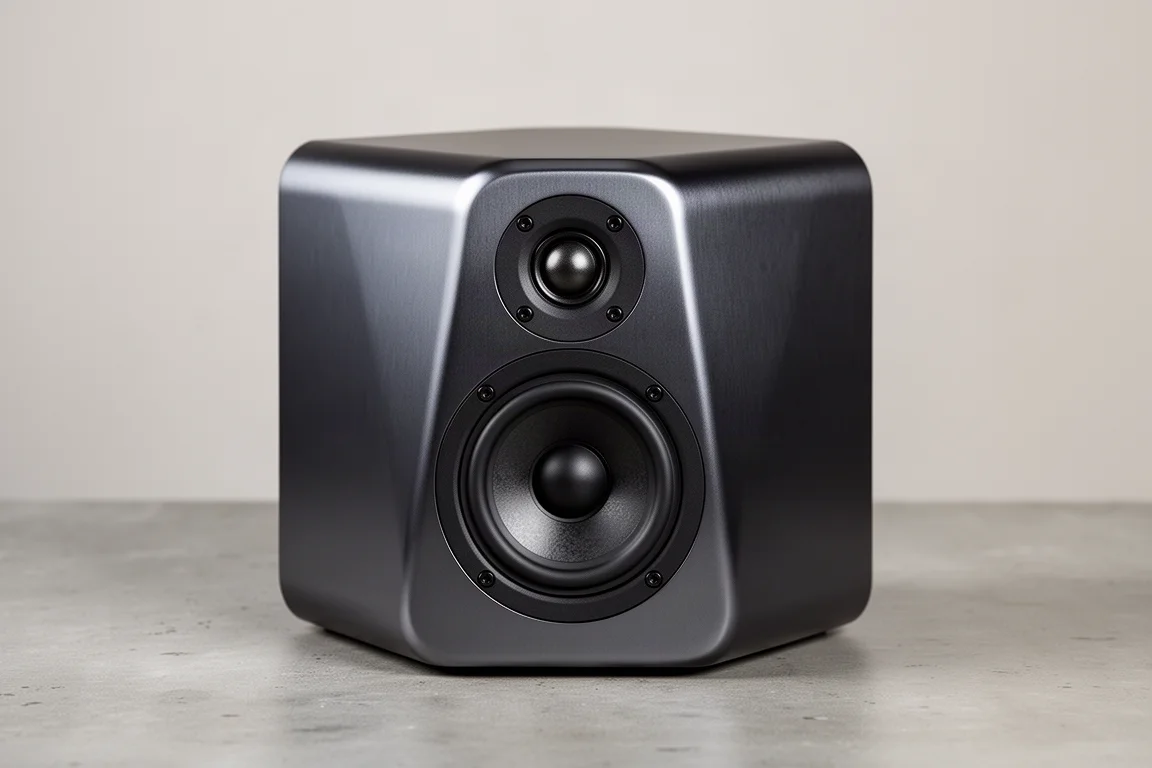
At $419 per pair, the Heco Aurora 300 is a two-way design with a 170 mm woofer, roughly 6.7 inches, and a 1-inch soft dome tweeter. Claimed frequency response runs from 32 Hz to 45,000 Hz, and sensitivity is rated at 90 dB, which is unusually high for a speaker of this size and price.
That efficiency is the headline. Even a modest amplifier will drive it to satisfying levels, and the cabinet and finish are among the best in this price class. The Aurora 300 plays far bigger than its dimensions suggest, hitting hard without trading away midrange clarity.
Tonality is not perfectly neutral: the lower midrange is slightly recessed, the upper midrange steps forward, and the top end is relaxed rather than crisp. That balance can be reshaped with a little EQ, and listeners who like a warmer lower midrange and an easy treble will find it suits them straight out of the box.
Best Under $1,000: Q Acoustics 5020
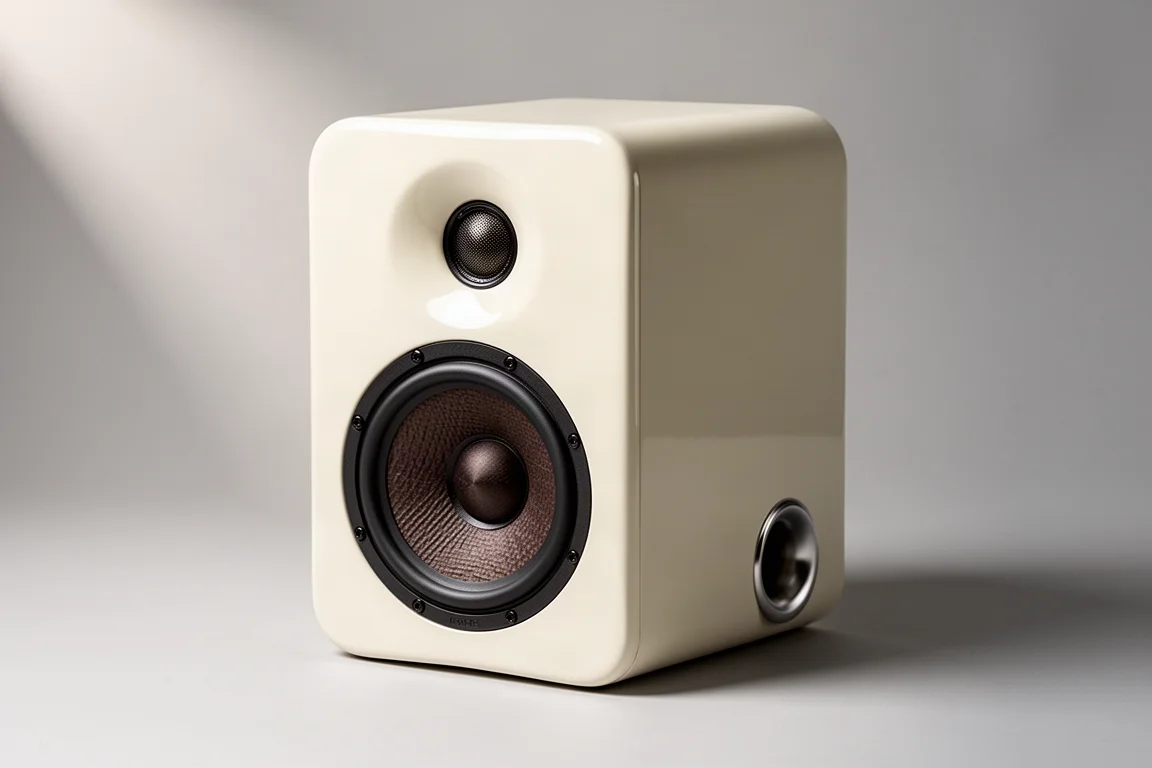
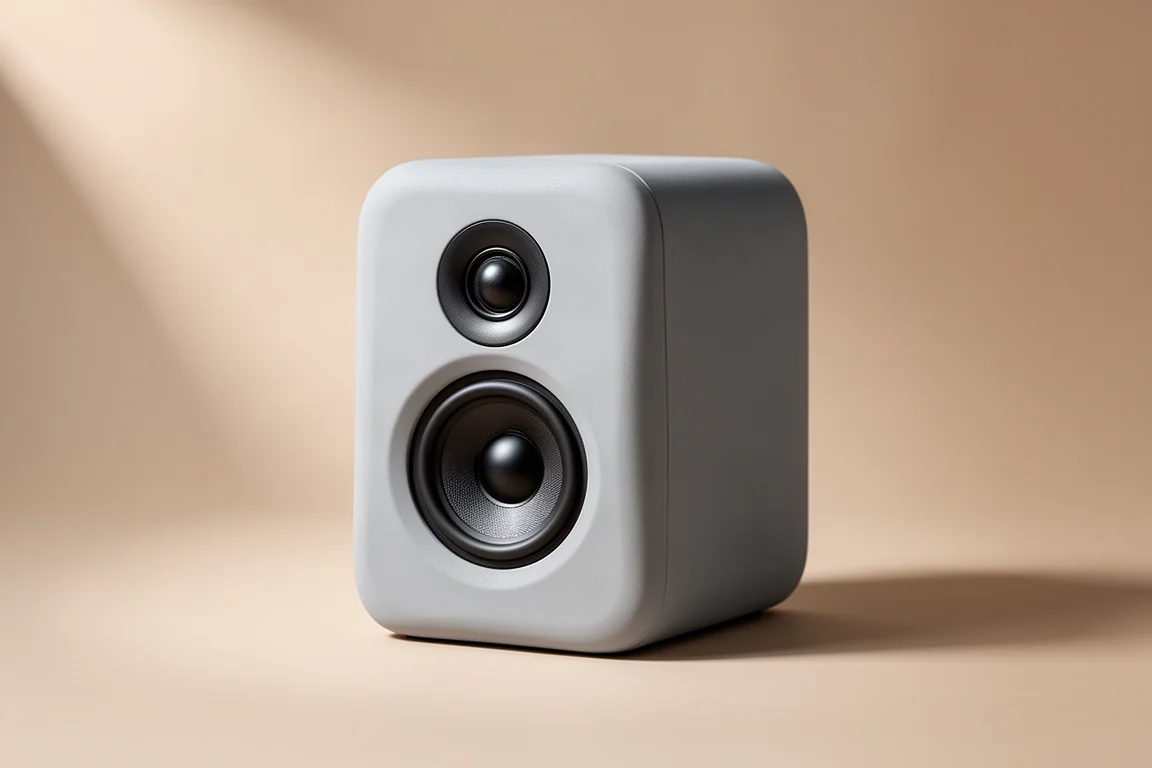
The Q Acoustics 5020 arrives at $900 per pair and is cheaper again in the UK. Sensitivity is rated at 87.9 dB, so it is not difficult to drive, and the 1-inch tweeter is hermetically sealed and mechanically isolated from the cabinet. That isolation is a recurring theme in the brand’s design language, and the goal is fewer resonances and cleaner separation between instruments.
What makes the 5020 stand out is how dynamic it sounds. Against the 3020i, the Concept 30 and the brand’s powered model, it comes across as punchier and more exciting through the midrange, with more richness and personality in the lower mids. It is a fun speaker rather than a purely analytical one.
The value argument is strong as well. Sonically it is preferred here over the more expensive Concept 30, which sells for around $1,300 per pair, and the floorstanding models in the same range are similarly well regarded.
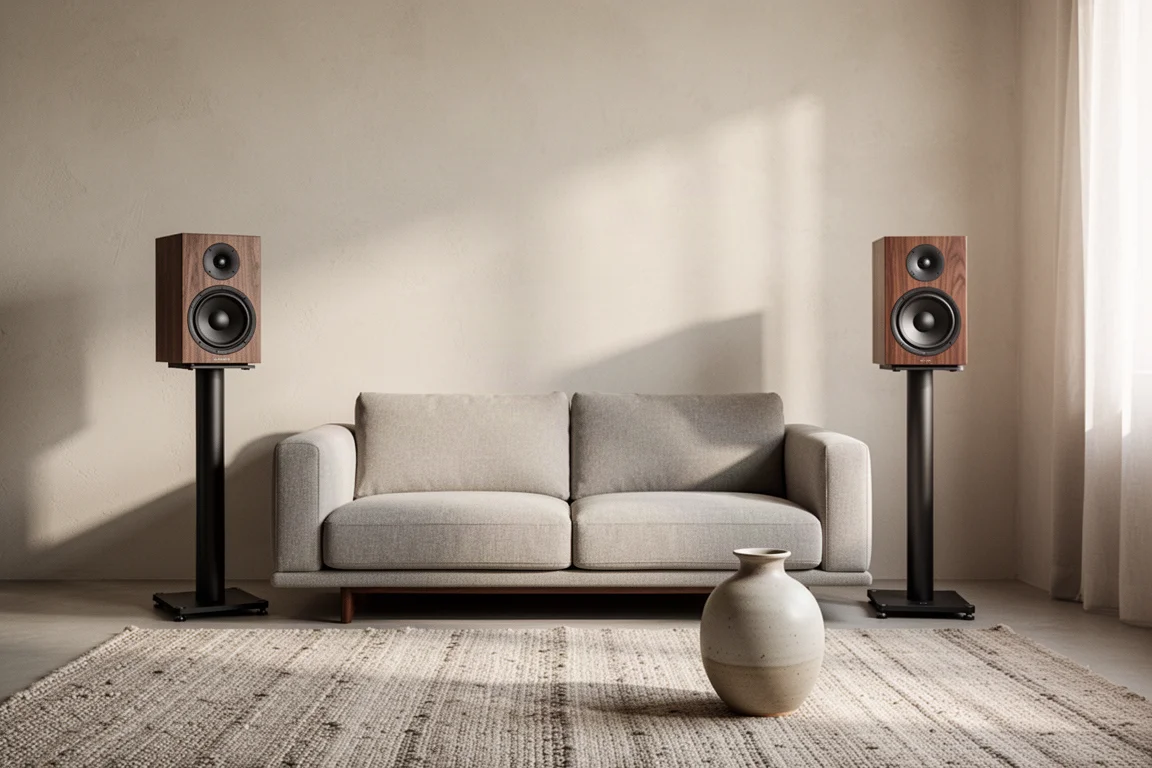
If your room is on the smaller side and you want a standmount that stays lively at low volumes, this is one of the most convincing options in its bracket. It also looks the part, with a clean modern cabinet that will not dominate a living space.
Best Floorstanding Value: Wharfedale Diamond 12.4
The Wharfedale Diamond 12.4 is a large floorstander that was originally $1,300 per pair and is currently available at $750 per pair, which changes the value calculation completely. It uses a 6.5-inch bass driver, a 6.5-inch midrange driver and a 1-inch textile dome tweeter, with 88 dB sensitivity and a claimed 40 Hz to 20,000 Hz range. Each cabinet weighs around 50 lb.
Where the older Diamond 11 series leaned into a warm, rich character, the 12.4 takes a more neutral route. It sounds solid, dynamic and even-handed, with real low-frequency extension for the money. At the discounted price it is one of the easiest floorstanding recommendations to make, provided you have the floor space and a room that can accommodate a pair this size.
Best All-in-One System: Klipsch The Nines
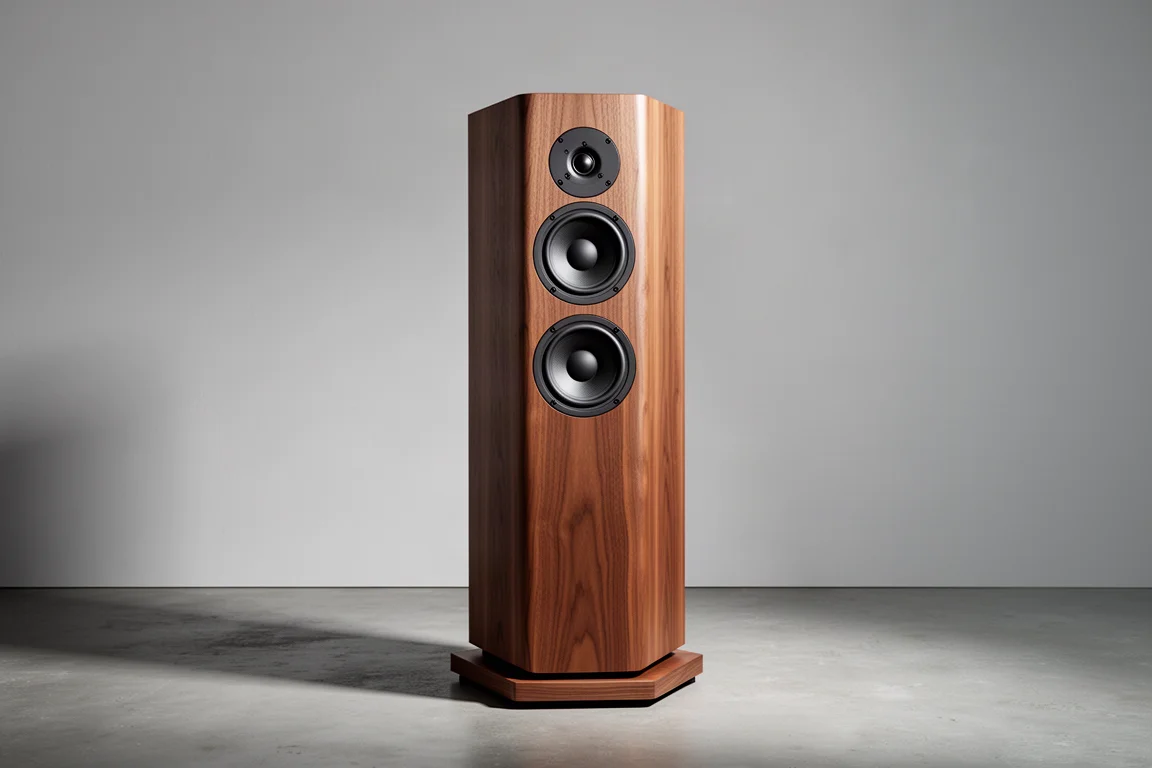
The Nines is a powered speaker that behaves like a complete system. It includes a phono preamp, HDMI ARC, Bluetooth and an app with a three-band EQ, all inside a large, heritage-inspired cabinet. Because amplification, a DAC and a phono stage are built in, the total system cost is lower than the list price suggests, and the speaker is frequently discounted further.
It is not the most transparent option in this roundup. Other speakers will beat it on midrange clarity, and others still will beat it on bass speed and definition. What nothing else here matches at the price is the fun factor: it plays loud, sounds huge, and makes almost any source entertaining.
If space and budget were both fixed and only one system could be chosen, this is the one that covers the most ground with the fewest extra boxes.
Best Under $2,000: PMC Prodigy 1
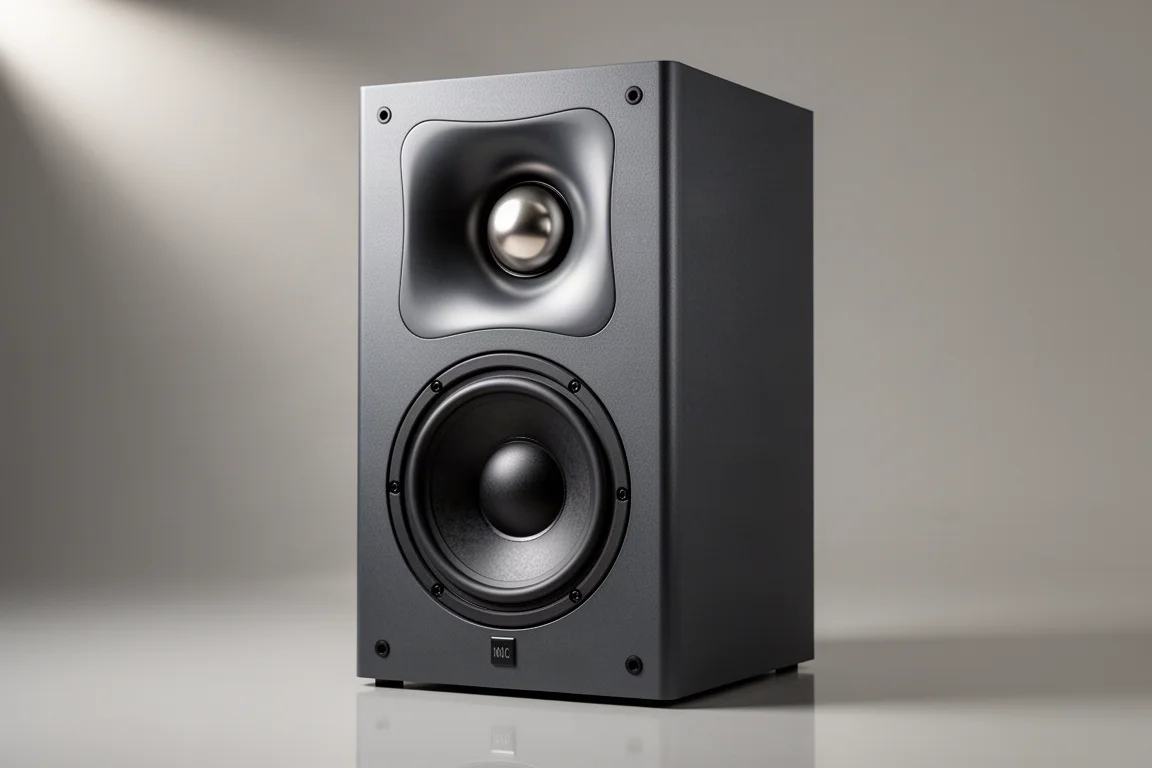
The PMC Prodigy 1 is a transmission line bookshelf speaker priced around $1,700, and the cabinet technology is what separates it from the field. Sensitivity is rated at 87.5 dB, the driver complement is a 5.25-inch woofer with a 1-inch soft dome tweeter, and the low end rolls off at 50 Hz.
The transmission line is the reason a modest 5.25-inch woofer punches like something closer to a 6.5-inch unit. Bass is clean, quick and genuinely fun, and the midrange and top end are similarly lively. To get this much low-frequency punch from a conventional design you would typically be looking at a sensitivity figure closer to 85 dB.
Availability in the US takes a little effort, so it is worth checking stock before committing. For a compact speaker that delivers real dynamics without a large footprint, it is an easy recommendation.
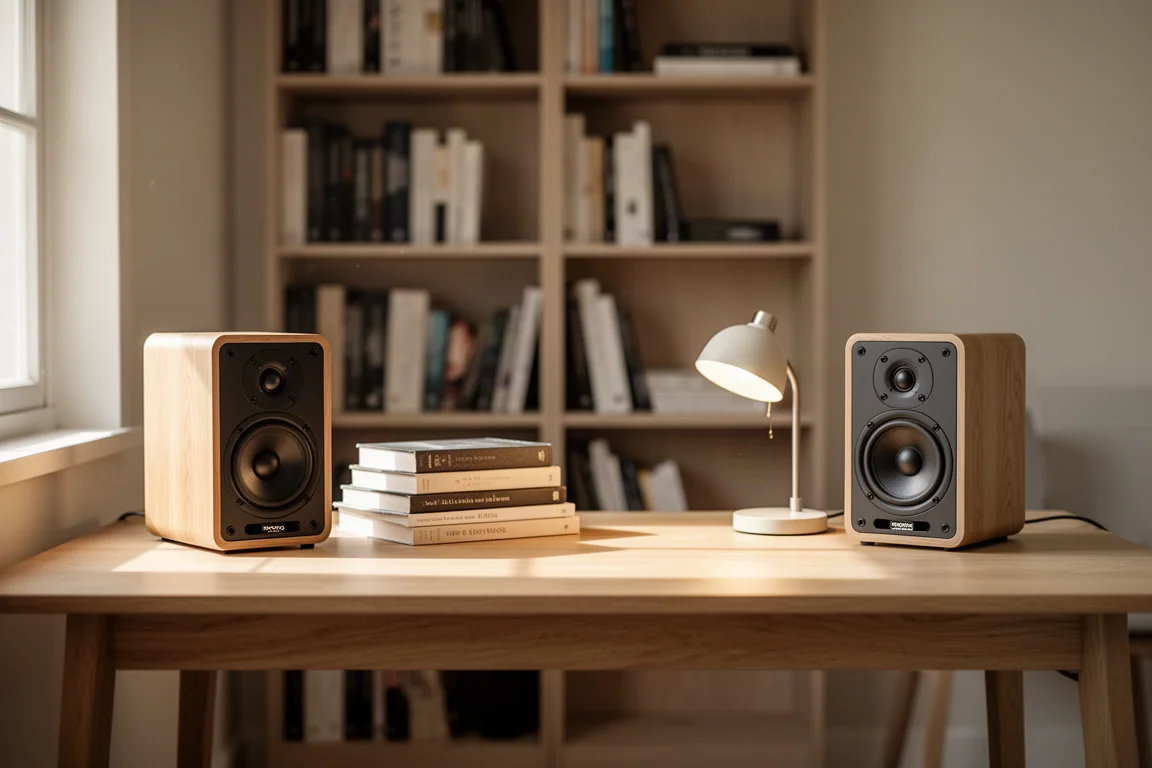
That combination of small cabinet and large-scale sound is uncommon, and it is why the Prodigy 1 holds its own against speakers costing considerably more.
Best Over $2,000: Arendal 1723 Monitor S
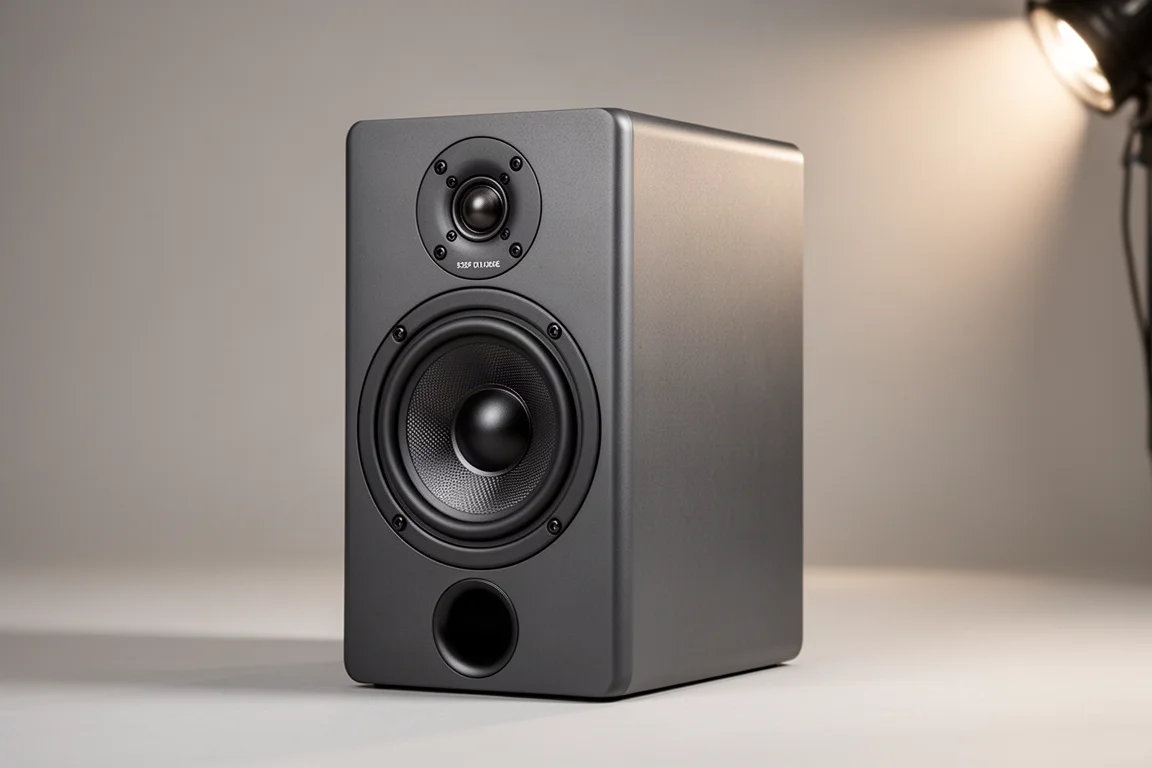
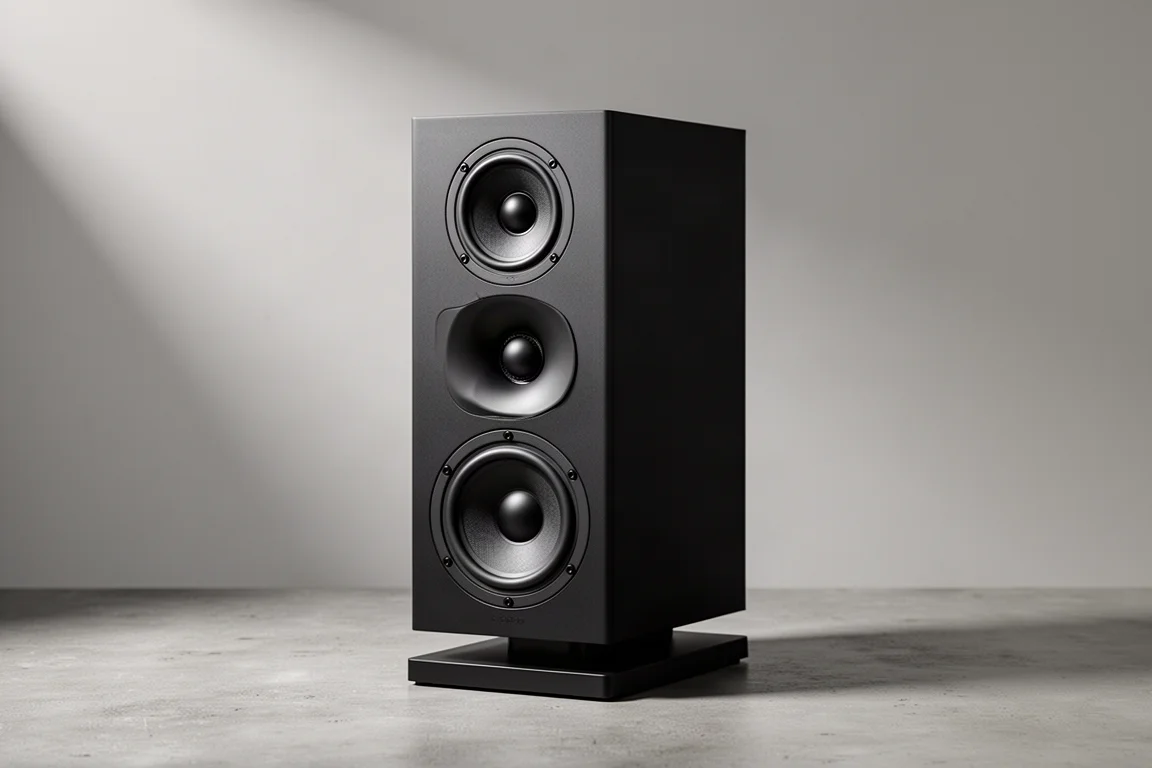
At $2,049, the Arendal 1723 Monitor S is the strongest all-round performer in this group. The midrange is exceptionally well judged, the bass is equally convincing, and the speaker stays versatile enough to work across a range of rooms and electronics. Sensitivity is moderate, so it is not especially demanding.
There is very little to criticise here. It is not an exotic five-figure flagship, which is precisely the point: at just over $2,000 it delivers a level of refinement that is hard to argue with, and it has earned a permanent place in the listening room.
If your budget stretches this far and you want a speaker that does not ask for compromises elsewhere in the chain, this is the benchmark in this roundup.
Best Above $3,000: Klipsch Cornwall III
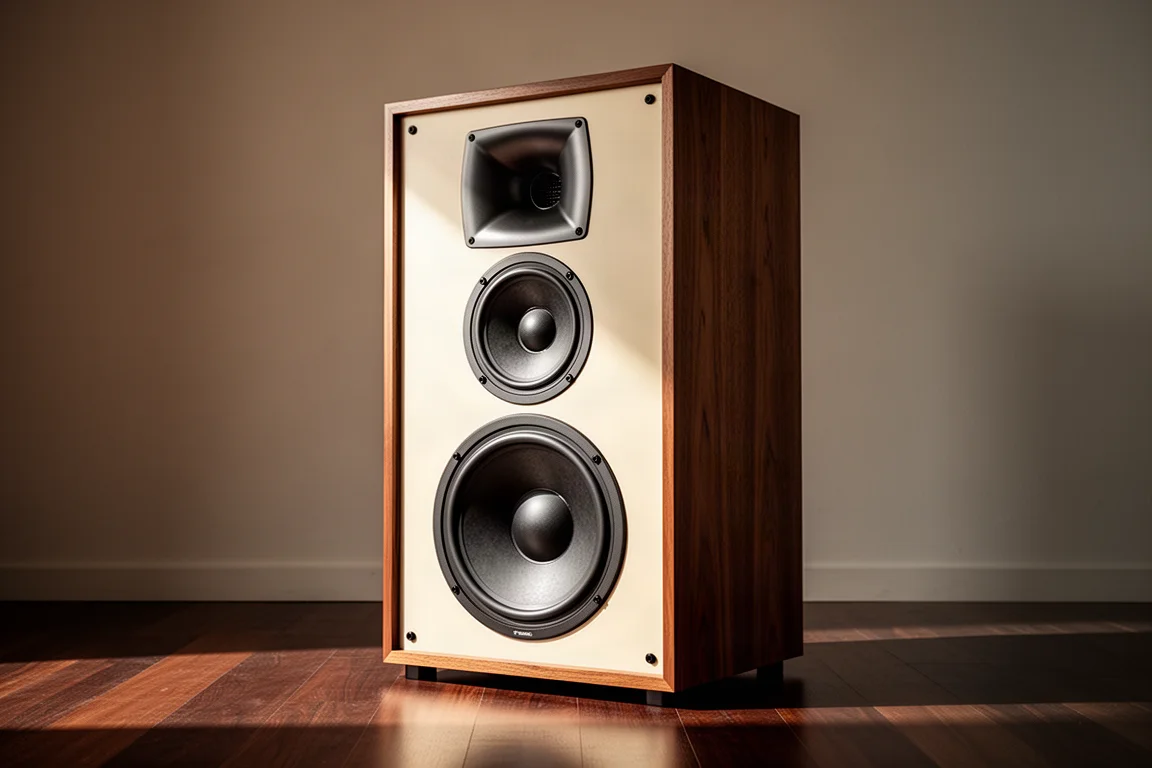
For larger budgets, the Klipsch Cornwall III remains an outstanding large-format speaker and is one of the strongest options above $3,000. It is a previous-generation model, but its scale and efficiency still suit big rooms and low-powered amplification alike.
It is a different proposition from the modern standmounts above: physically large, heritage in character, and best suited to listeners who want a full-size speaker that fills a space with ease rather than a compact monitor that disappears into the room.
Honorable Mention: Buchardt P300
The Buchardt P300 earns an honorable mention. It is a capable speaker, and in a direct comparison it comes out ahead of the Buchardt S400 Mk II. Preference here still leans toward the PMC Prodigy 1, but that is a matter of taste rather than a shortcoming of the P300.
It is worth auditioning if it appears on your shortlist, particularly if you are comparing several standmounts against one another.
Buying Advice: Matching a Speaker to Your Room and Budget
Start with sensitivity and your existing amplifier. A speaker rated around 90 dB, such as the Heco Aurora 300, will play comfortably from modest power, while models in the mid-to-high 80s benefit from an amplifier with more headroom. Getting this pairing right matters more than chasing a small difference in claimed frequency response.
Next, decide whether you are buying a speaker or a system. The Klipsch The Nines folds amplification, a DAC and a phono stage into the cabinet, which can make it cheaper overall than a passive speaker plus separates. Passive designs, on the other hand, let you upgrade one part at a time.
Room size and placement then shape the choice. Compact bookshelves like the Neumi Silk 4 or the Q Acoustics 5020 work well near a wall or on a desk, while the Wharfedale Diamond 12.4 and the Klipsch Cornwall III need floor space and a room that can breathe. If deep bass from a small cabinet is the priority, the PMC Prodigy 1 and its transmission line loading are worth the search.
Finally, weigh discounts carefully. The Wharfedale Diamond 12.4 at $750 per pair against an original $1,300 is a substantial shift in value, and the Neumi Silk 4 at $149 against a launch price near $190 is a similar story. A temporary price can move a speaker into a bracket it does not normally occupy.
Conclusion
Across these price bands the pattern is consistent: build quality and honest engineering matter more than a long specification list, and the best value usually sits where a well-designed speaker meets a genuine discount.
For a first serious system, the Heco Aurora 300 and the Q Acoustics 5020 cover the middle ground convincingly. For a single-box solution, the Klipsch The Nines is hard to beat on entertainment value. And for listeners ready to spend more, the PMC Prodigy 1 and the Arendal 1723 Monitor S show how much performance is available just above the two-thousand-dollar mark.
Further reading
Related Reviews
Hi-Fi Speakers
1723 THX Tower vs 1528 Bookshelf: Which Speaker Fits Your Room?
Two speakers at roughly the same price, built very differently. How the 1723 THX tower and the 1528 bookshelf compare on construction, bass, power needs, and sound.
Hi-Fi Speakers
Acoustic Energy AE 300 Review: Deep Bass From a Compact Standmount
A two-way standmount with real wood veneer, surprising low-end weight, and a warm, easygoing character. Here is what to know before buying.
Hi-Fi Speakers
Acoustic Energy AE1 40th Anniversary Review: A Modern Take on a British Classic
A compact standmount that revives a 1980s favorite with all-new parts, a warm mid-centric balance, and a price of £1,499 per pair.