Hi-Fi Speakers
Best Speakers Around $500 to $600: Four Picks for Different Listeners
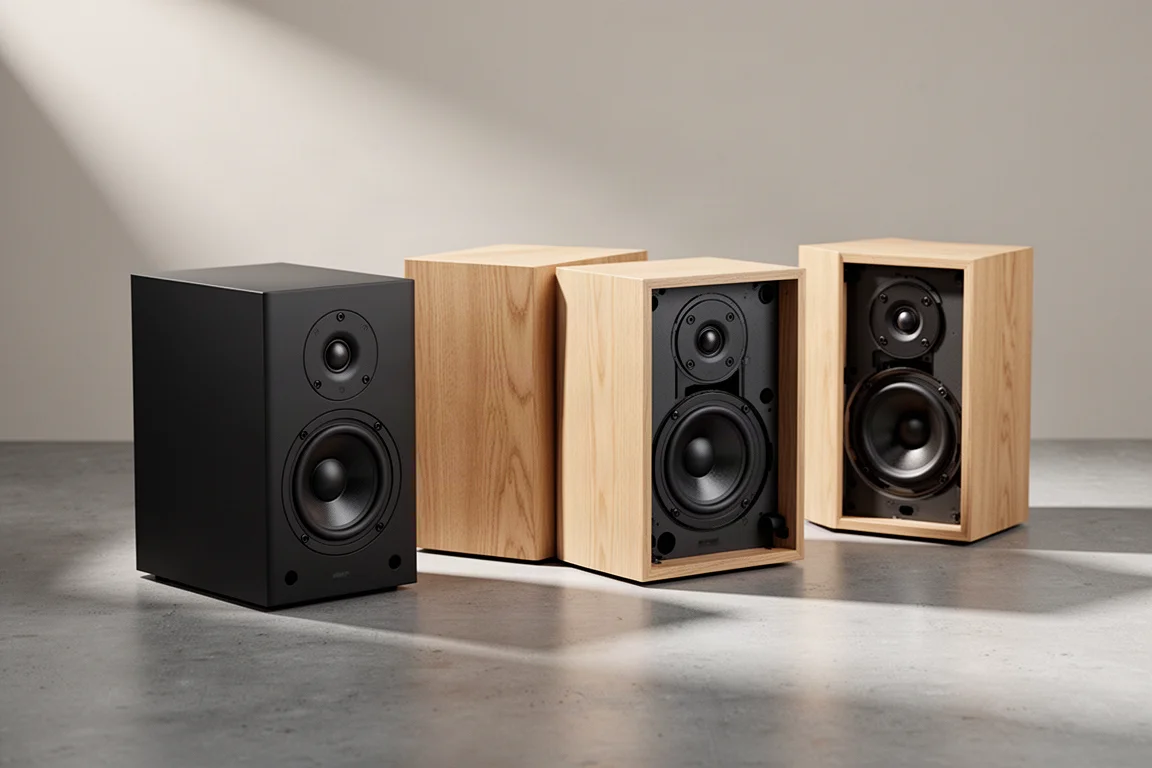
Four bookshelf speakers around the $500 to $600 mark, each tuned for a different listener profile, from studio-clean clarity to warm, full-bodied scale.
Introduction
At around $500 to $600 a pair, bookshelf speakers stop being a compromise and start delivering genuine performance. It is also the point where the law of diminishing returns becomes relevant: spending more does not automatically buy an appreciable improvement. Speakers are the hardest category to judge that way, because every design sounds a little different, even when two models measure in a similar fashion.
What makes this bracket interesting is that the money buys different things depending on what the designer prioritizes. One speaker spends it on a remarkably clean top end. Another spends it on a neutral, honest presentation with real bass. A third spends it on a lively, fun tuning. A fourth spends it on warmth and scale. All four are credible choices, and the deciding question is which one matches the way you listen.
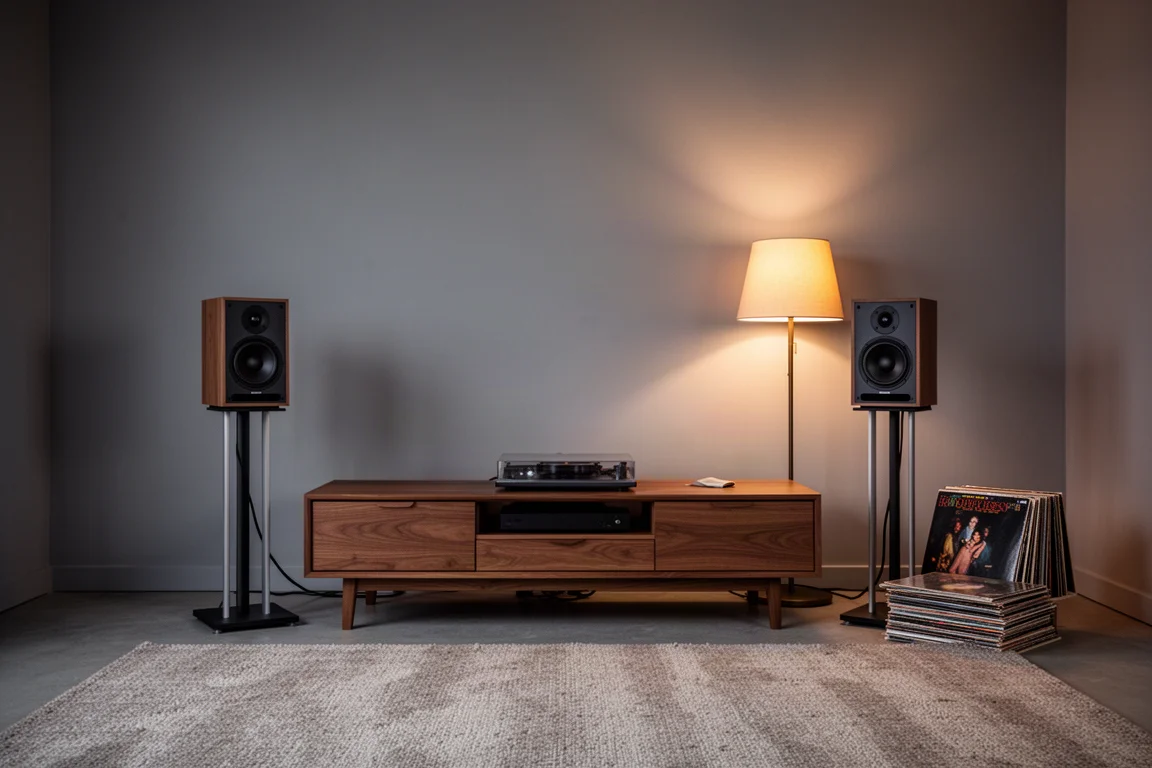
The four speakers below cover those four profiles. None of them is a universal recommendation, and that is the point. Read the trade-offs as carefully as the strengths, because at this price the trade-offs are what separate one design from another.
How to Judge Speakers at This Price
Two speakers at the same price can measure similarly and still sound noticeably different, so the useful question is not which one is better in the abstract but which set of compromises you can live with. Four variables do most of the work.
The first is tonal balance. Some designs are deliberately flat and neutral, handing back exactly what the recording contains. Others add warmth in the lower mid-range or lift the bass and treble into a gentle V shape. Neither approach is wrong, but they suit different tastes and different recordings.
The second is amplifier demand. Several speakers in this bracket sound their best with real power behind them and open up further as volume rises. If your amplifier is modest, that matters as much as the speaker’s own character.
The third is break-in. At least one design here needs a long run-in period, in the region of 50 to 100 hours, before it settles into its final voice. Patience is part of the purchase.
The fourth is scale. A speaker that plays bigger than its cabinet suggests can remove the urge to add a subwoofer later, which is worth real money over the life of a system.
Emotiva XB2: Clarity First
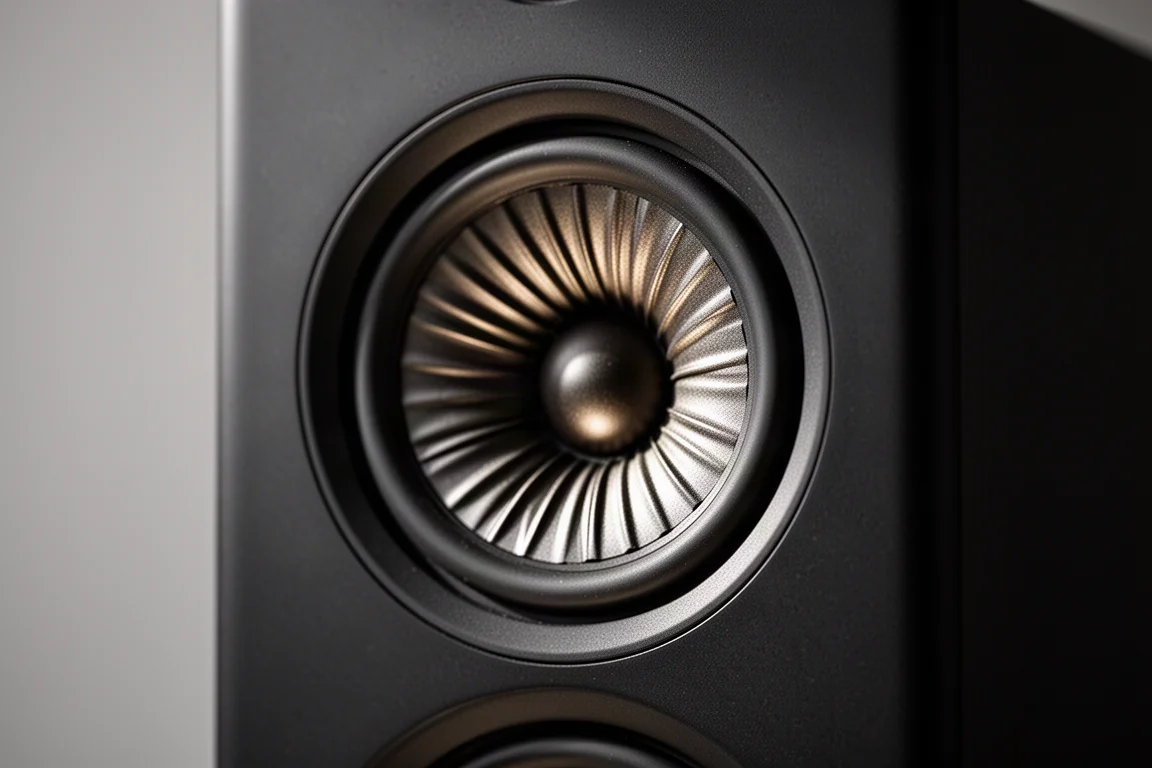
The Emotiva XB2 is a two-way rear-ported bookshelf speaker built around an air motion transformer tweeter and a 6 inch woven fiber woofer. It sells for under $500, and Emotiva runs promotional discounts fairly often, along with a discount program for military veterans.
Its defining quality is clarity. The top end is the cleanest in this group, and that translates into detail you simply do not hear from most speakers at this price: the initial attack of percussion, the texture of metallic instruments, the edge of cymbal crashes, and the small inflections in male and female vocals. The mid-range is clean and slightly cool rather than warm, and the bass is punchy without being soft. Because so much information survives, recordings also feel bigger, with a stronger sense of the space they were captured in.
That same transparency is the main thing to weigh before buying. Listeners who prefer a softer, more forgiving top end may find the XB2 too revealing over long sessions. If detail is your priority, it is difficult to beat at the price.
ELAC Uni-Fi 2.0: Neutral and Honest
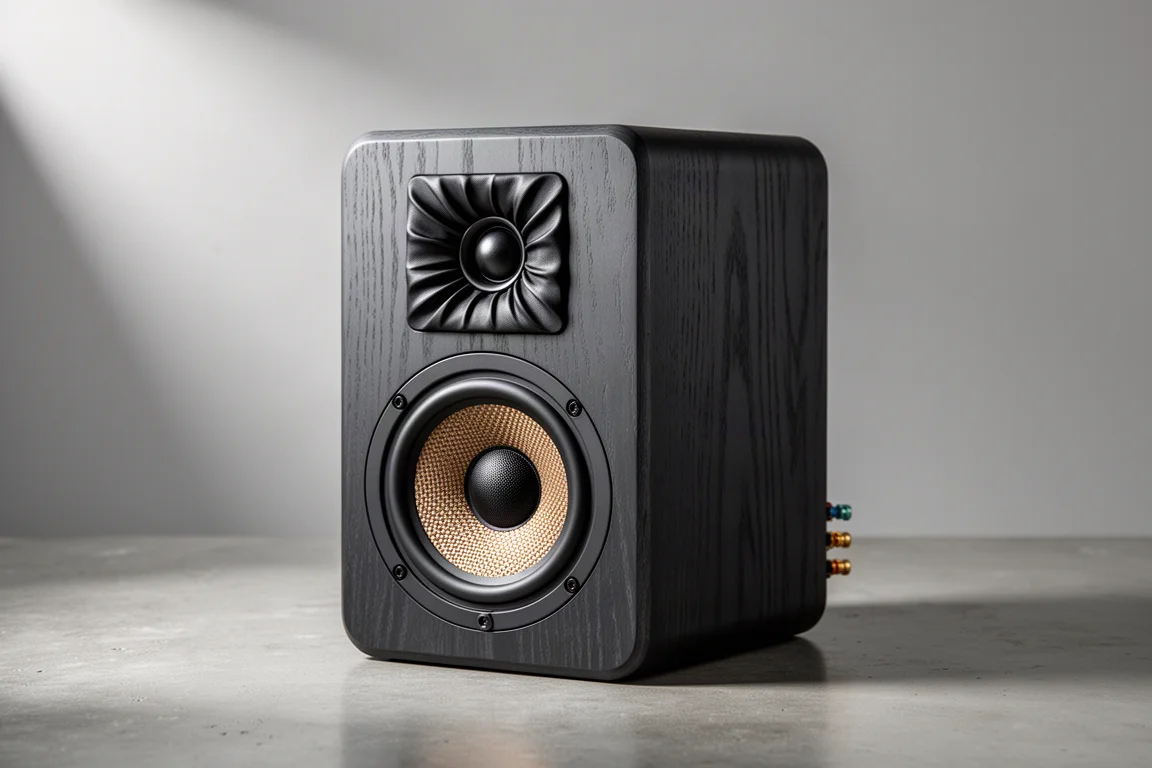
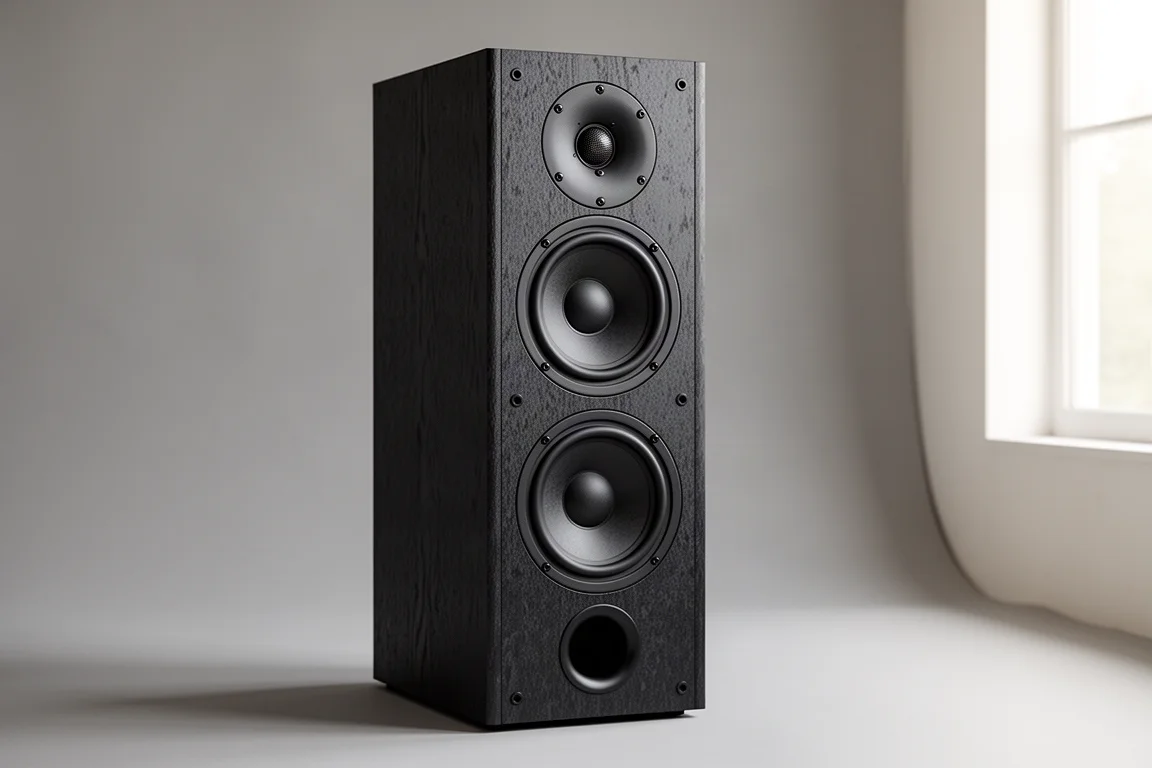
The ELAC Uni-Fi 2.0 is a three-way design, which is unusual at this price. Its tweeter is mounted inside the mid-range cone in a concentric arrangement, with a 5-1/4 inch woofer below and a front-firing port. Retail is $700, but it is discounted often, typically to around $525 and sometimes lower, which places it comfortably inside this bracket.
This is a neutral speaker in the traditional sense: flat, uncolored, and inclined to hand back exactly what the recording contains. The mid-range and top end share something with far more expensive concentric designs, but the Uni-Fi 2.0 adds genuine bass output that those speakers often lack. The concentric driver also pays off in imaging and soundstage, with wide dispersion that keeps the presentation stable well off axis.
Two practical notes matter here. First, it needs a long break-in period, in the region of 50 to 100 hours, before it sounds like itself. Second, it rewards amplifier power and higher volume: it stays composed up into the high 80s and low 90s of decibels, and because the frequency response is so even, it never turns fatiguing. That combination makes it easy to play louder than you intended. The cabinet is heavy and solid, and the design is built around a substantial crossover.
Triangle Borea BR03: Dynamic and Fun
The Triangle Borea BR03 is a front-ported two-way speaker with a livelier character. It is dynamic, delivers a good amount of bass, and has a gently V-shaped response that makes it enjoyable across a wide range of material. What it does not offer is the mid-range clarity of the Emotiva XB2 or the Uni-Fi 2.0.
Pricing is where this speaker becomes compelling. Retail is $399, and it has been discounted to around $350 for an extended period, which puts it at the value end of this group. If you want a slightly relaxed top end that still stays dynamic and entertaining rather than analytical, the BR03 deserves a serious look.
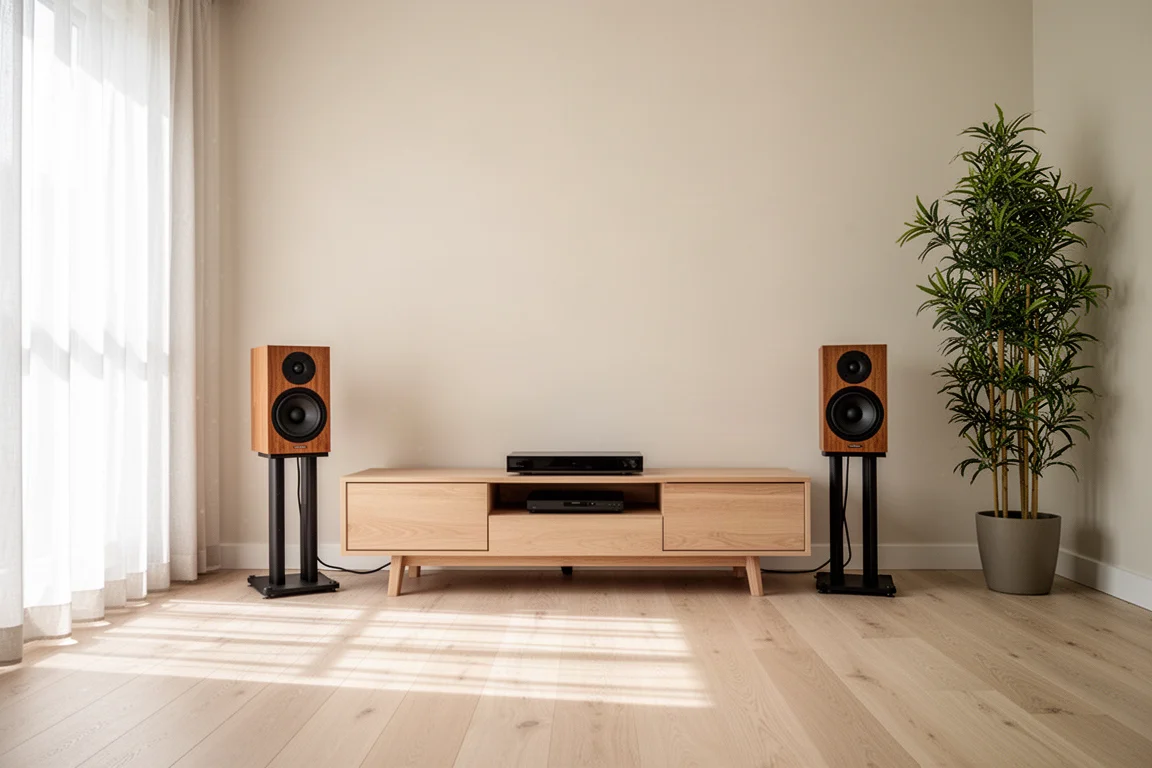
Compared with the other three, it is the least neutral and the least clinical, and that is precisely its appeal for listeners who find very revealing speakers tiring.
ELAC Debut 3.0: Warm and Full
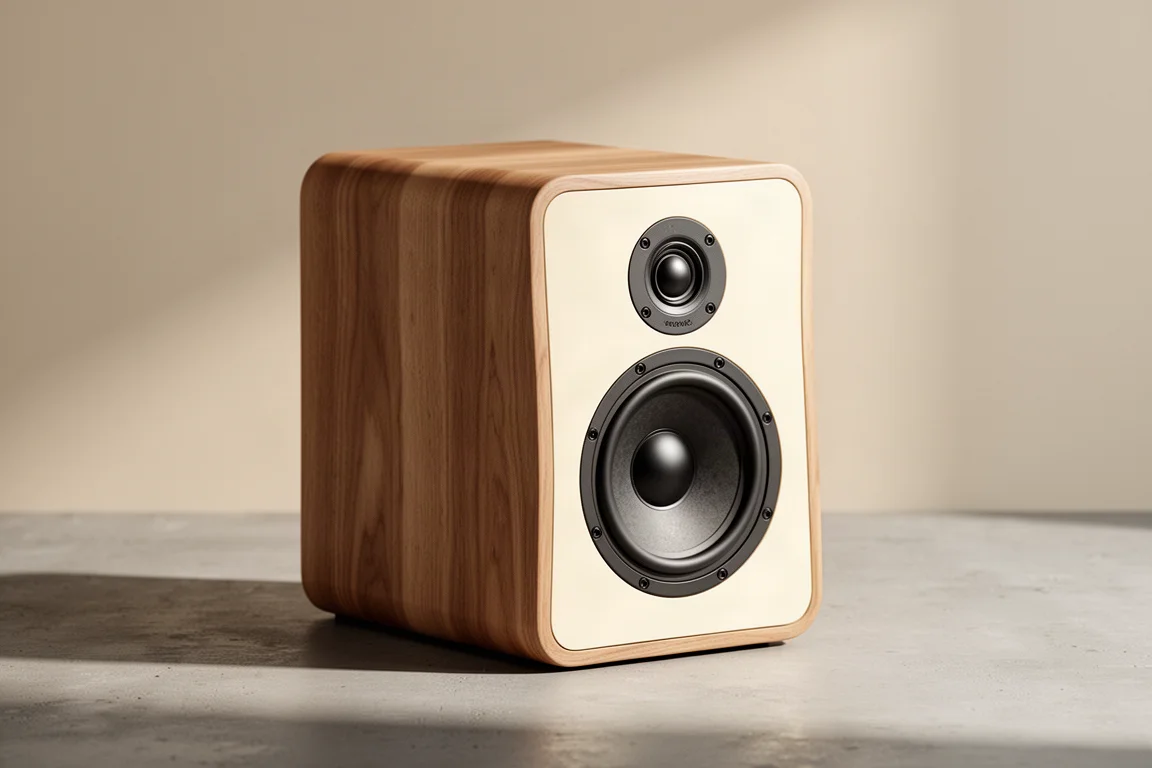
The ELAC Debut 3.0 is a two-way design released this year, and its character sits at the opposite end of the spectrum from the Emotiva. It is warm, with a notably beefy bottom end and a musical tone that makes well-recorded music sound genuinely good.
Its limits show up in two places. Dialogue on television can sound a little bloomy through male vocals, and female vocals come across as fine rather than exceptional. It also wants amplifier power, and like several speakers here it sounds better when pushed. Even at lower volumes, though, there is something addictive about the way it presents music. It plays much bigger than its cabinet suggests, and although it does not reach down to 20 Hz, it extends into the 40s, which means most listeners will not feel the need to add a subwoofer.
If your priority is the last word in top-end clarity, this is not the speaker for you. If you want a relaxed top end, generous scale, and a presentation that does not demand a subwoofer, it is a strong candidate.
Buying Advice: Matching a Speaker to Your Listening Profile
The four speakers here map neatly onto four listener profiles.
If clarity is your priority, choose the Emotiva XB2. It is the most revealing option in the group and the most rewarding with detailed acoustic and vocal material.
If you want neutrality and you are willing to give the speaker time and power, choose the ELAC Uni-Fi 2.0. Plan for the break-in period and pair it with an amplifier that has some headroom.
If you want a fun, dynamic, slightly relaxed presentation at the lowest price of the four, choose the Triangle Borea BR03.
If you want warmth, weight, and a speaker that fills a room without a subwoofer, choose the ELAC Debut 3.0.
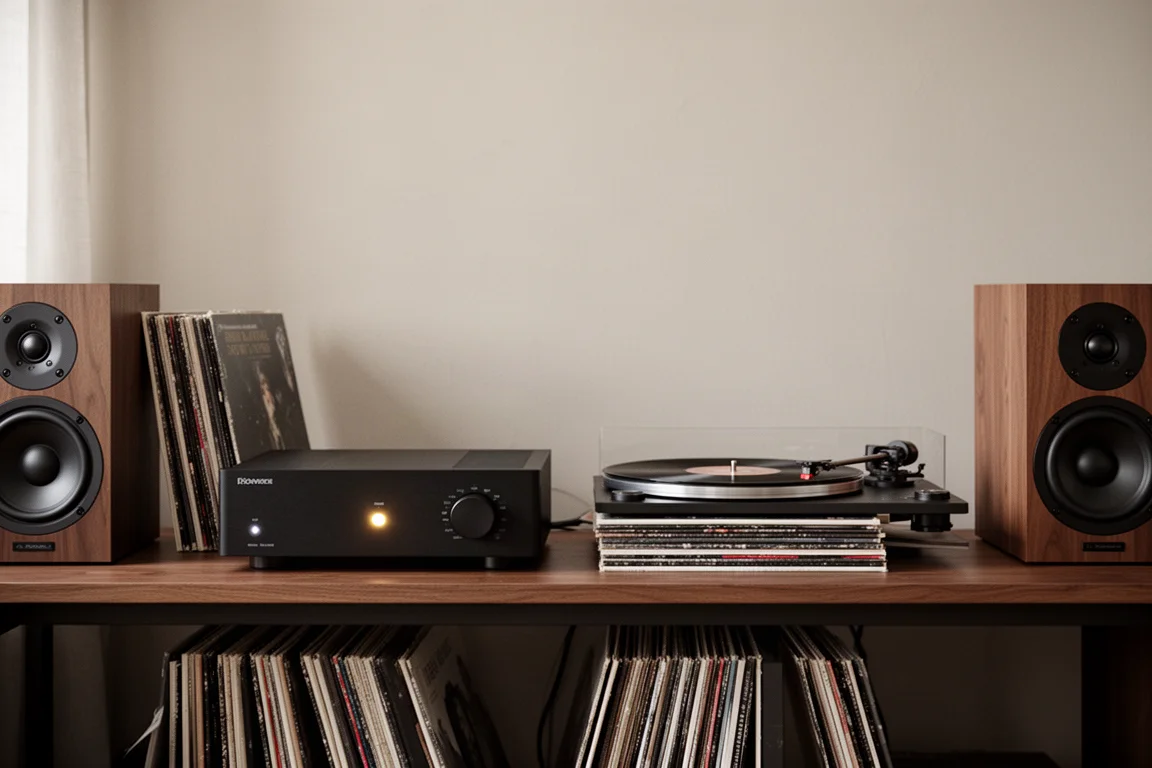
Two practical factors are worth weighing before you commit. Room size matters, because a larger space rewards the speakers that play bigger and want more power, while a smaller room makes the more transparent designs easier to live with. Amplifier headroom matters too, since both ELAC models here benefit noticeably from it. Match those two variables to the profile that suits your taste, and any of these four will serve you well for years.
Conclusion
Around $500 to $600, the choice is less about which speaker is best in the abstract and more about which set of compromises suits your ears. The Emotiva XB2 delivers the most clarity, the ELAC Uni-Fi 2.0 the most neutrality, the Triangle Borea BR03 the most fun per dollar, and the ELAC Debut 3.0 the most warmth and scale. Each is a defensible purchase, and the right one is simply the one whose weaknesses you can live with.
Further reading
Related Reviews
Hi-Fi Speakers
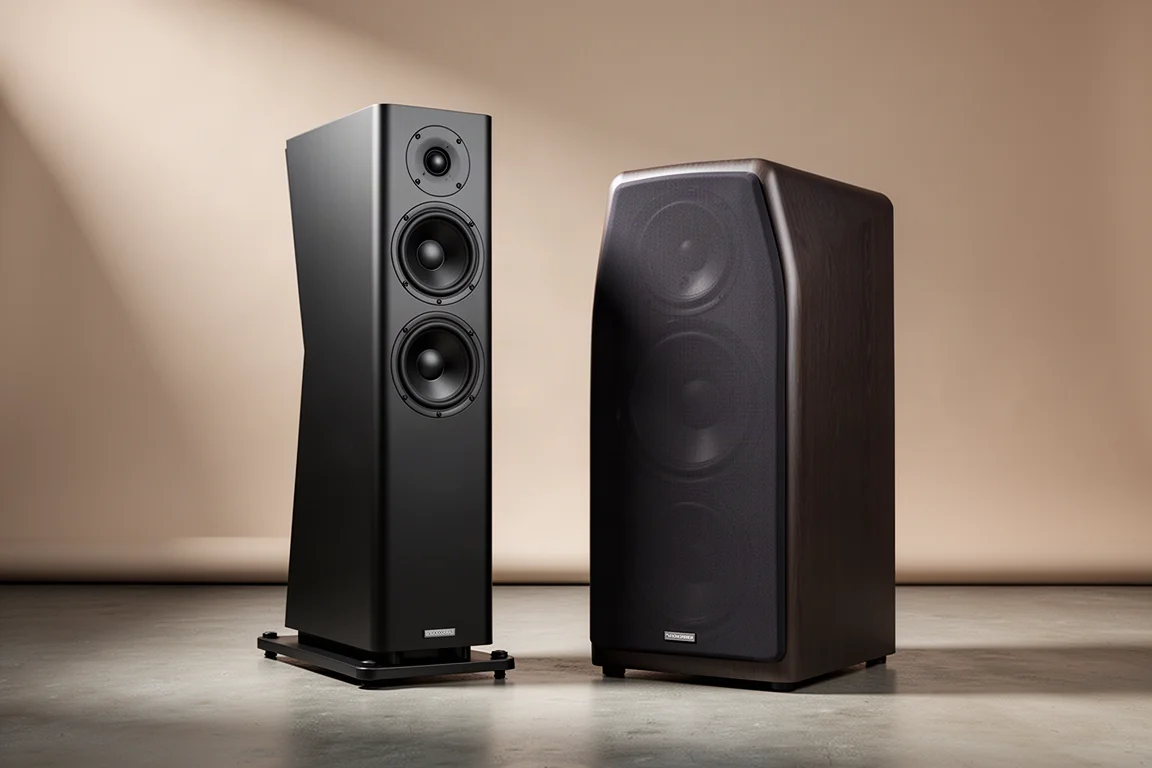
1723 THX Tower vs 1528 Bookshelf: Which Speaker Fits Your Room?
Two speakers at roughly the same price, built very differently. How the 1723 THX tower and the 1528 bookshelf compare on construction, bass, power needs, and sound.
Hi-Fi Speakers
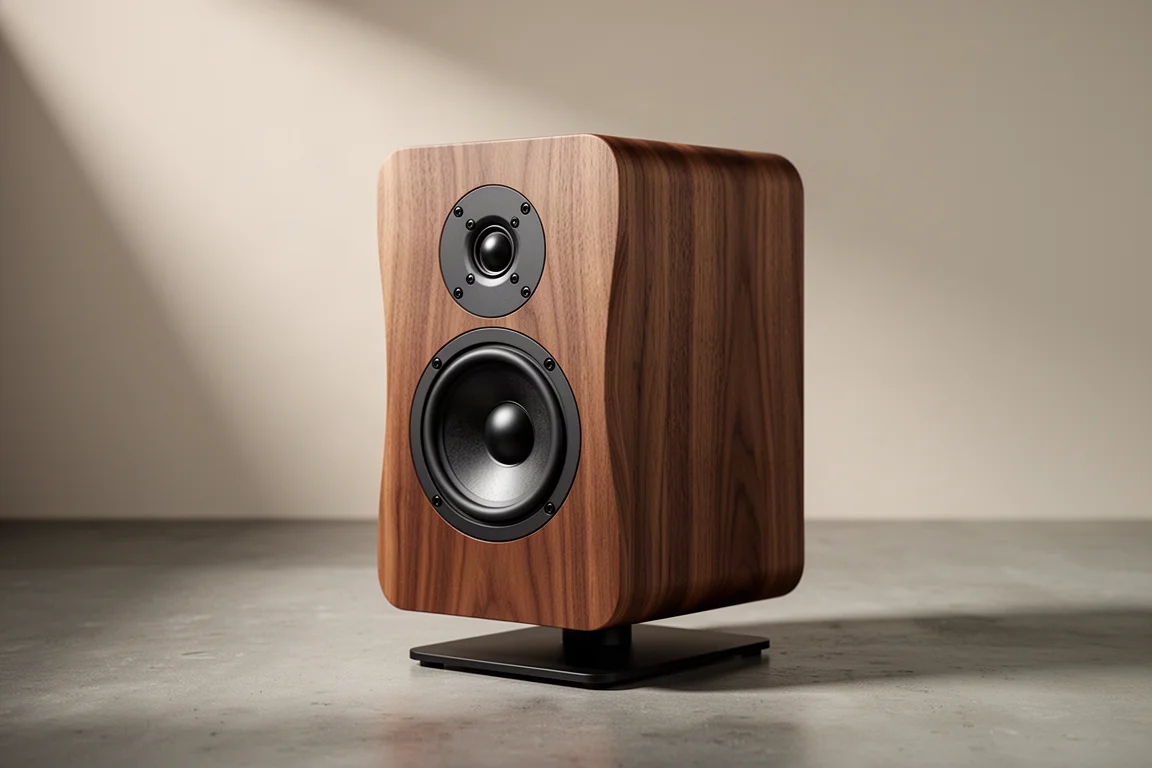
Acoustic Energy AE 300 Review: Deep Bass From a Compact Standmount
A two-way standmount with real wood veneer, surprising low-end weight, and a warm, easygoing character. Here is what to know before buying.
Hi-Fi Speakers
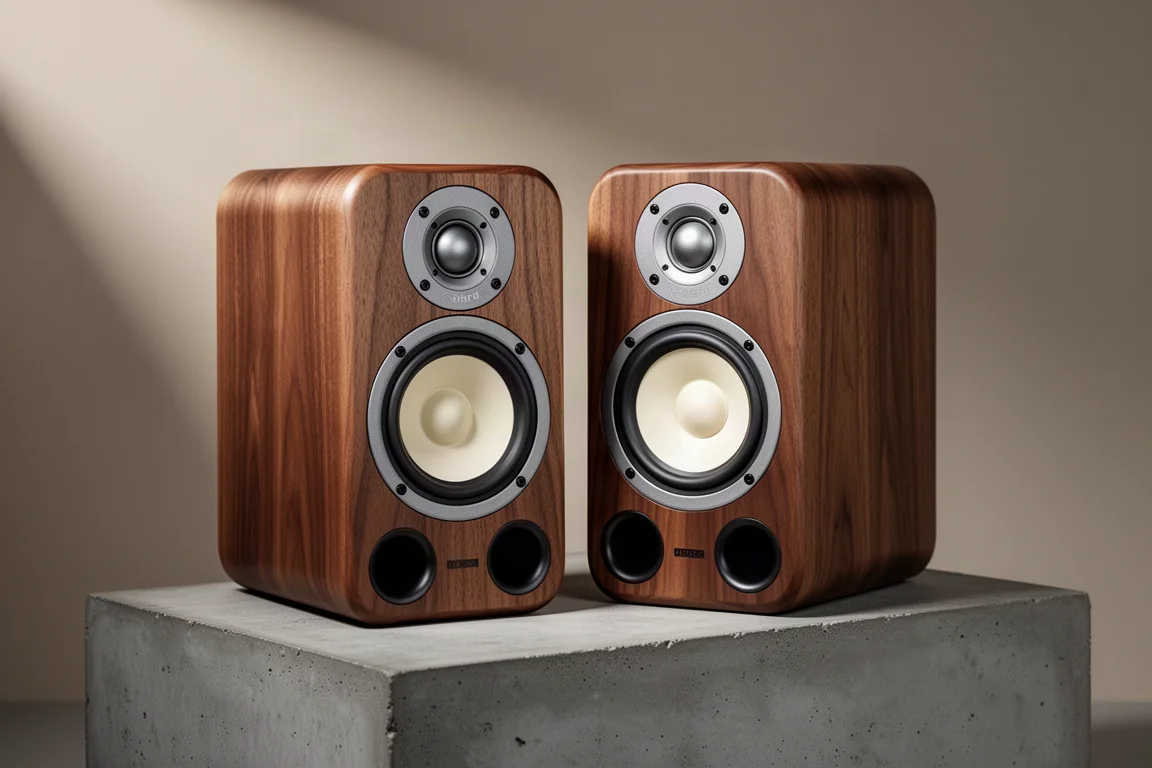
Acoustic Energy AE1 40th Anniversary Review: A Modern Take on a British Classic
A compact standmount that revives a 1980s favorite with all-new parts, a warm mid-centric balance, and a price of £1,499 per pair.