Hi-Fi Speakers
Best Speakers Between $500 and $1,000: A Roundup Worth Hearing
Thirteen speakers between $500 and $1,000, from compact bookshelf designs to full floorstanders, with the strengths and trade-offs that matter before you buy.
Introduction
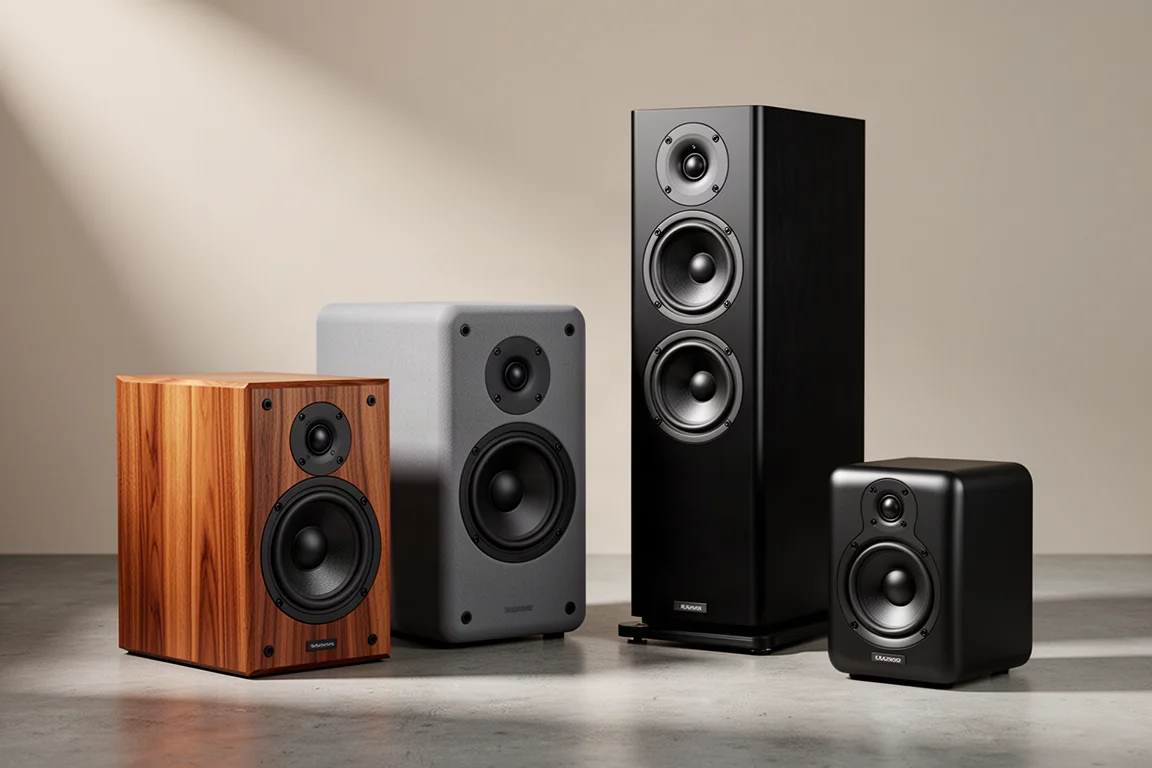
Between $500 and $1,000, loudspeakers stop being a compromise and start being a choice. The models in this bracket do not all aim at the same target. Some are neutral, some carry a touch of warmth through the midrange, and a few lean on personality rather than textbook measurements. That variety is the point. A speaker with a little character can be more enjoyable over long sessions than one that measures perfectly and sounds flat.
Every model here has been listened to in person. They range from compact bookshelf designs to full floorstanders, and one entry comes in well under the $500 mark. Prices in this category move often, so treat the figures below as a snapshot rather than a fixed rule.
How These Speakers Were Selected
Several things were weighed for each model: tonality, how much detail comes through on top, how much bass the cabinet can produce for its size, how easy the speaker is to drive, and how it holds up after an hour at higher volumes. Cabinet quality and finish were considered too, because a speaker you enjoy looking at tends to stay in the room.
Neutrality was not treated as the only virtue. A slightly warm midrange or an energetic top end can make a speaker more engaging, provided the trade-off does not turn into fatigue. Where a model needs specific partnering gear or a longer break-in period, that is noted in its section.
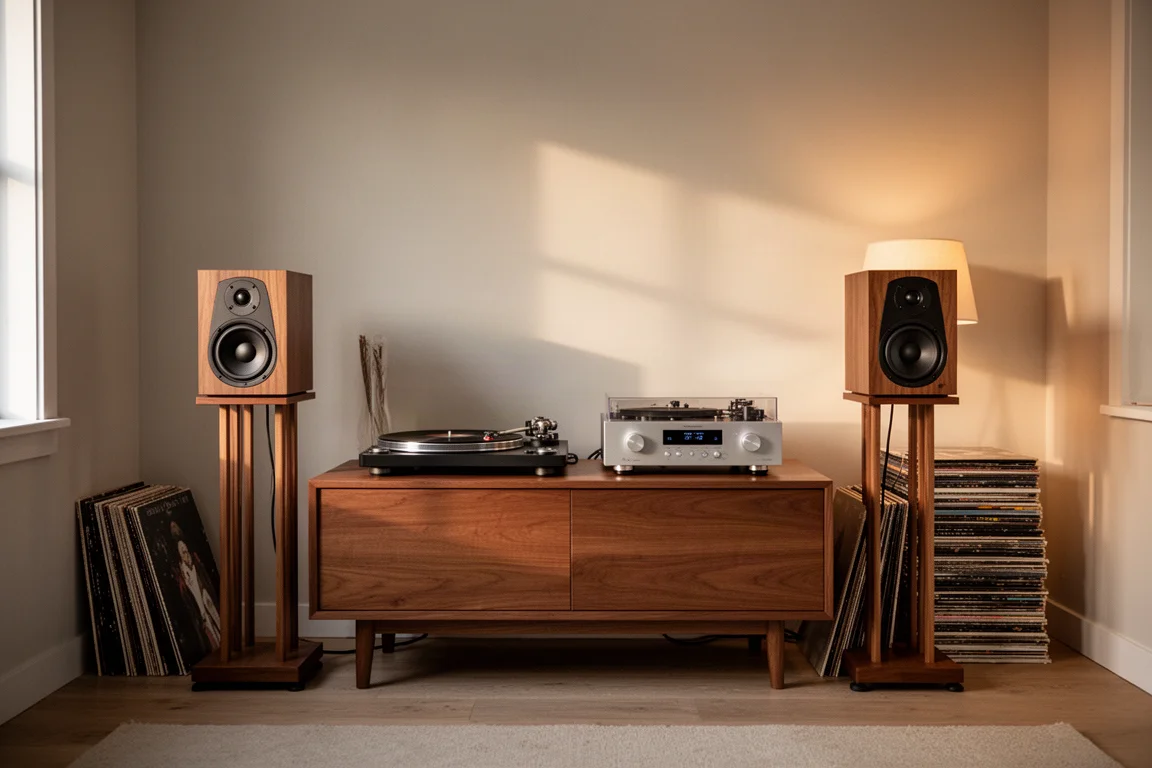
Prices quoted are the figures seen at the time of writing. Several of these models discount regularly, and a few of them have been on the market for years, which means open-box examples and seasonal sales are worth watching before you commit.
Wharfedale Denton 80th Edition: Real Wood Veneer Done Right
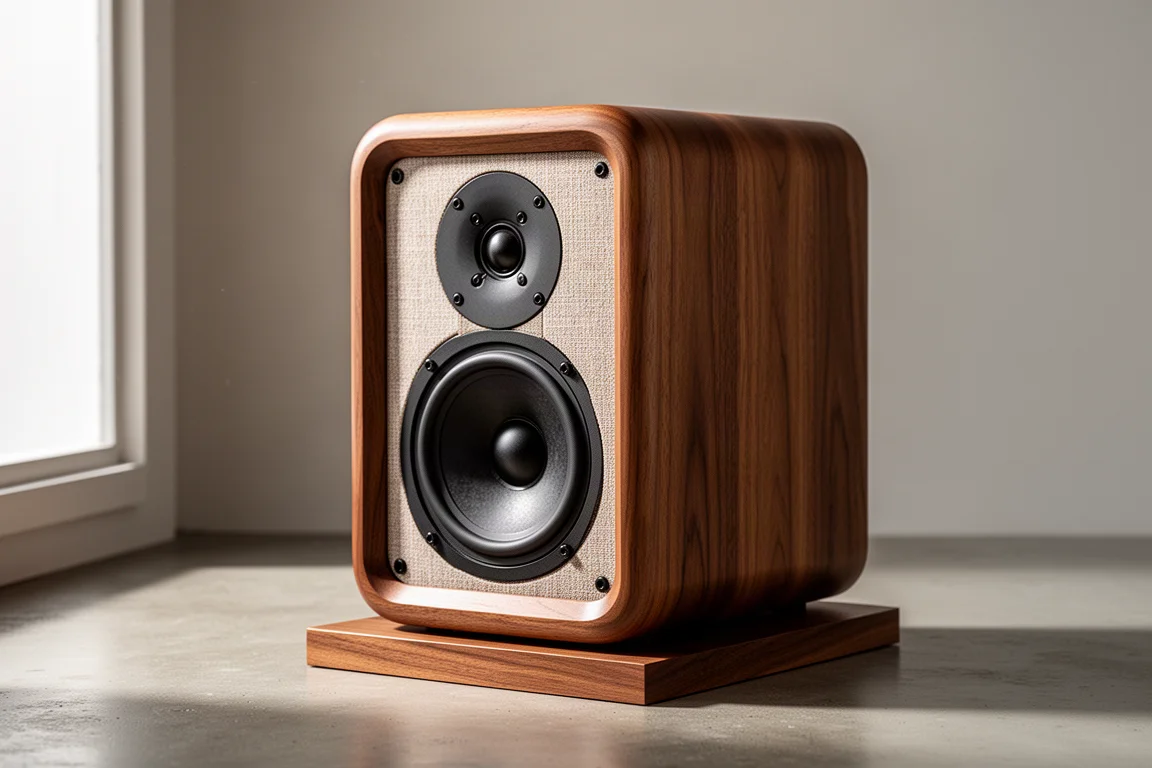
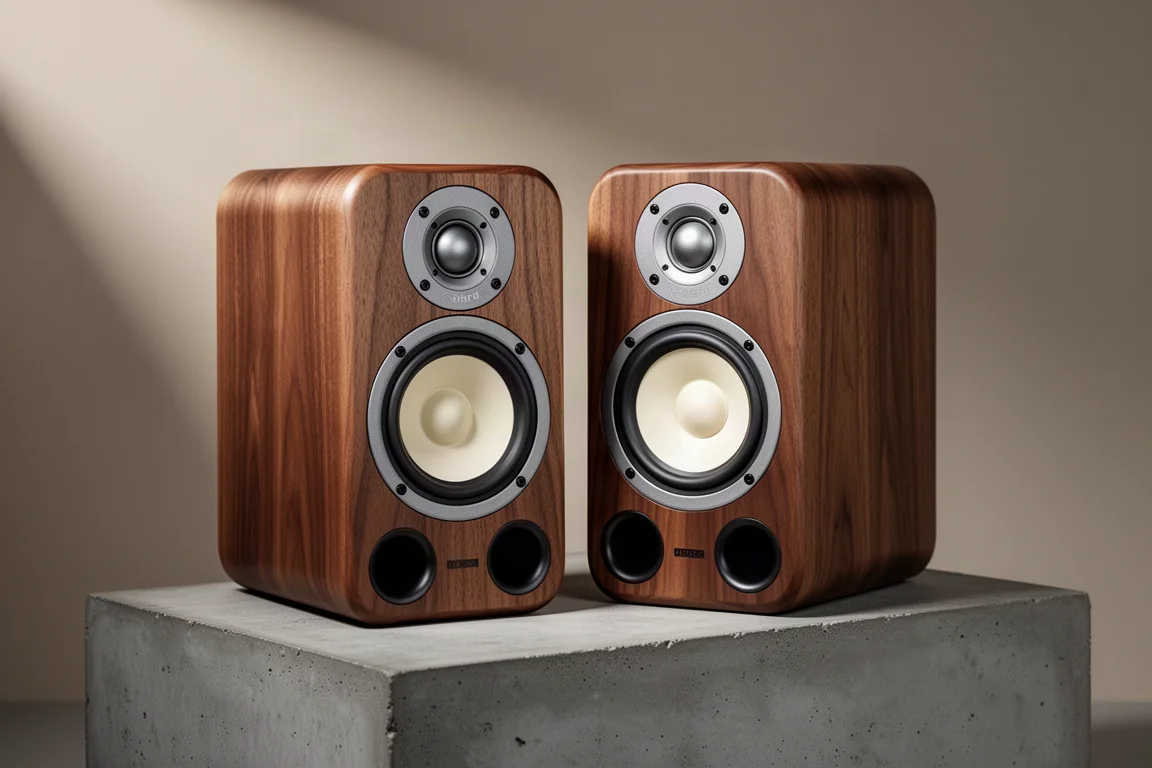
The Denton 80th Edition is the one model here that could earn its place on looks alone. It uses real wood veneer, front and back, and the cabinet construction goes well beyond what the price usually buys. Under the grille there is a 5.25-inch woofer and a 1-inch soft dome tweeter.
The sonic character is neutral with just a touch of warmth through the midrange, which makes it an unusually pleasant desktop speaker. It was originally $600 and now sits around $500 where stock can still be found. At that figure, most rivals make do with vinyl wrap and lighter cabinets. Note the edition: this is the 80th, not the later 85th or 90th.
Q Acoustics 5020: Addictive Tonality
At around $900, the 5020 is one of the pricier bookshelf options here, and it earns the money with tonality rather than showroom looks. The presentation is natural yet dynamic, leaning neutral with a small amount of midrange warmth. Vocals and midrange timbre are the standout, and the speaker never feels short of top-end air or low-end weight.
The trade-offs are straightforward. The price is a touch high, and the enclosure is a vinyl wrap that does not look as special as a real veneer cabinet. The wider 5000 series remains one of the most enjoyable line-ups in this bracket, and this model is the natural reference point within it.
Emotiva XT1: Floorstanding Scale and Top-End Detail
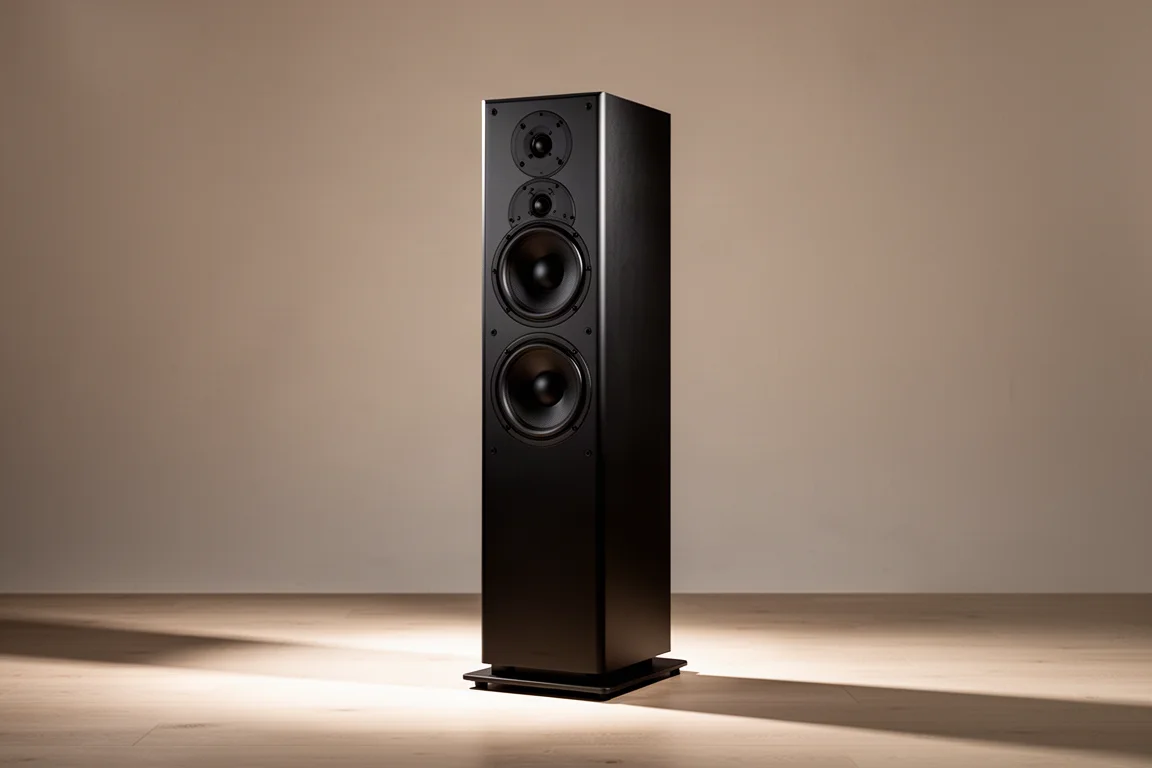
The XT1 is the first floorstander on the list, and it is remarkable value at $1,000. The air motion tweeter delivers a great deal of top-end information and detail, while the driver array keeps the sound punchy and full: three woofers with a midrange and tweeter section above them, configured as a three-way design.
If you listen for the space around a plucked acoustic guitar, or for breath detail on a female vocal, this is the sort of speaker that rewards that attention. Emotiva has run a 20 percent discount in the past, which brings the XT1 down to roughly $800, and at that price a floorstander of this quality is genuinely unusual.
SVS Prime Bookshelf: Energy Without the Fatigue
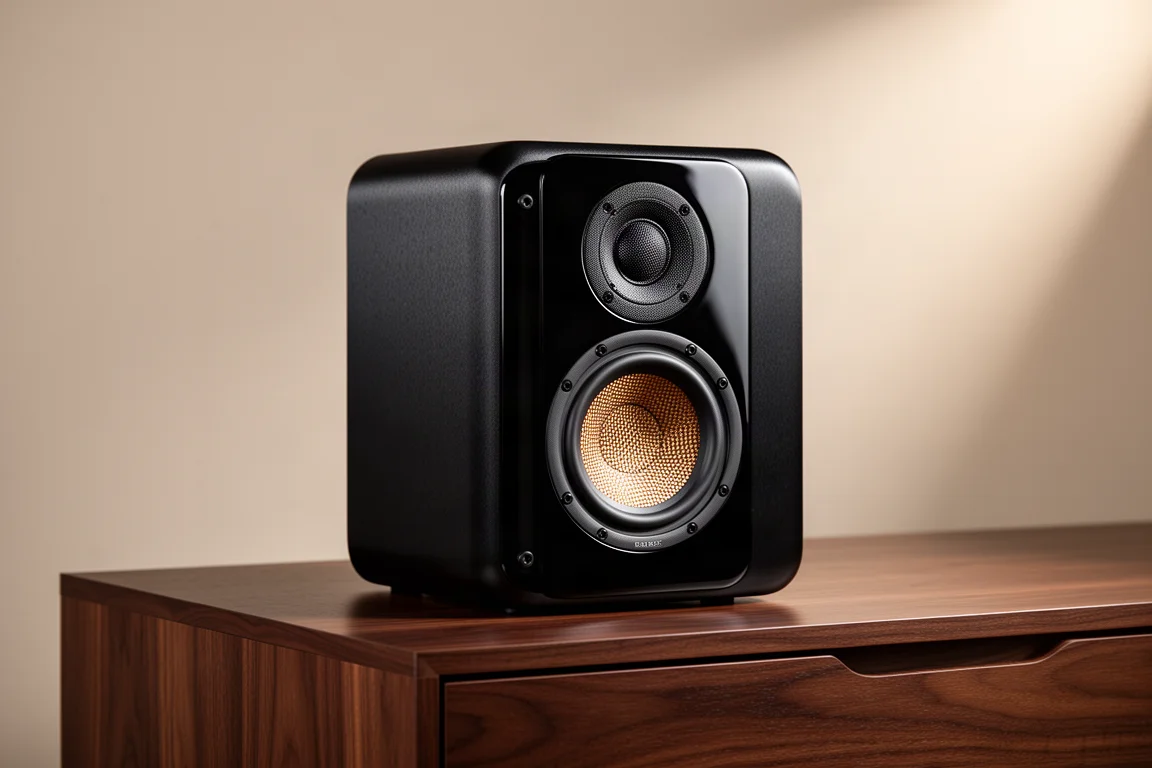
The Prime Bookshelf pairs a 6.5-inch woofer with a 1-inch aluminium dome tweeter and a sensitivity rating of 87 dB, which makes it easier to drive than several models here. The presentation is exciting on top without tipping into the upper midrange emphasis that can wear you down at higher volume levels.
Pricing sits around $600, up from $500 a pair a few years ago. Open-box examples of the piano gloss finish appear from time to time, and the black ash version remains the more restrained choice. It has held its position in this price bracket for years and still deserves it.
Klipsch RP-600M: Forward and Lively
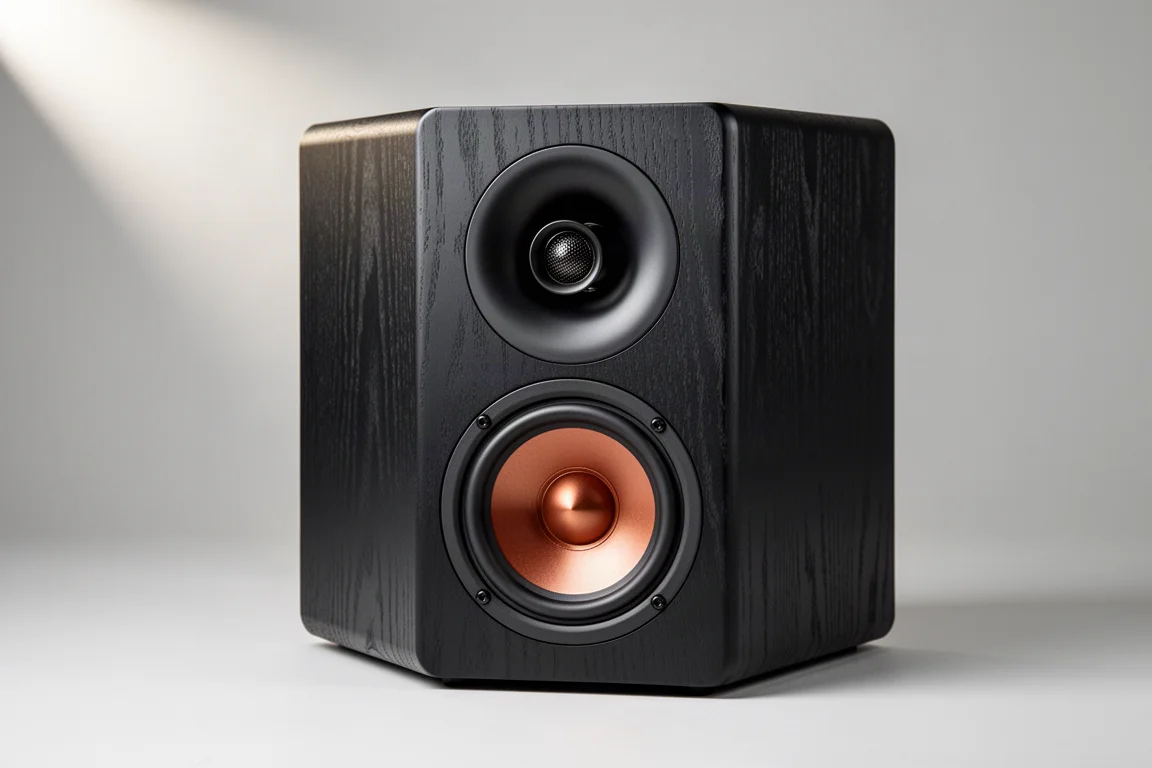
The RP-600M is the most forward speaker here. It brings real excitement to the top end and a pronounced upper midrange that gives guitars and brass plenty of bite. The same trait makes it fatiguing over long sessions at higher volume levels.
That is a character decision rather than a flaw. If you listen mostly at moderate levels and want a lively, communicative sound, it is worth an audition. If you push the volume for hours at a time, one of the smoother options here will suit you better.
Polk R200: Floorstander-Scale Bass in a Bookshelf Cabinet
The R200 is a two-way design with a 6.5-inch woofer and a ring radiator tweeter. Bass output is the headline: it moves roughly as much low-end air as a floorstanding speaker, helped by a turbine-style port on the rear that also allows closer placement to a wall than the cabinet size suggests. The woofer technology carries over from Polk’s high-end Legend series, and the grille attaches magnetically.
The ring radiator tweeter can sound intense on certain recordings, so this is a speaker that benefits from a warm or particularly punchy amplifier. Retail is $749, but it regularly sells closer to $600, and further discounts tend to appear in November.
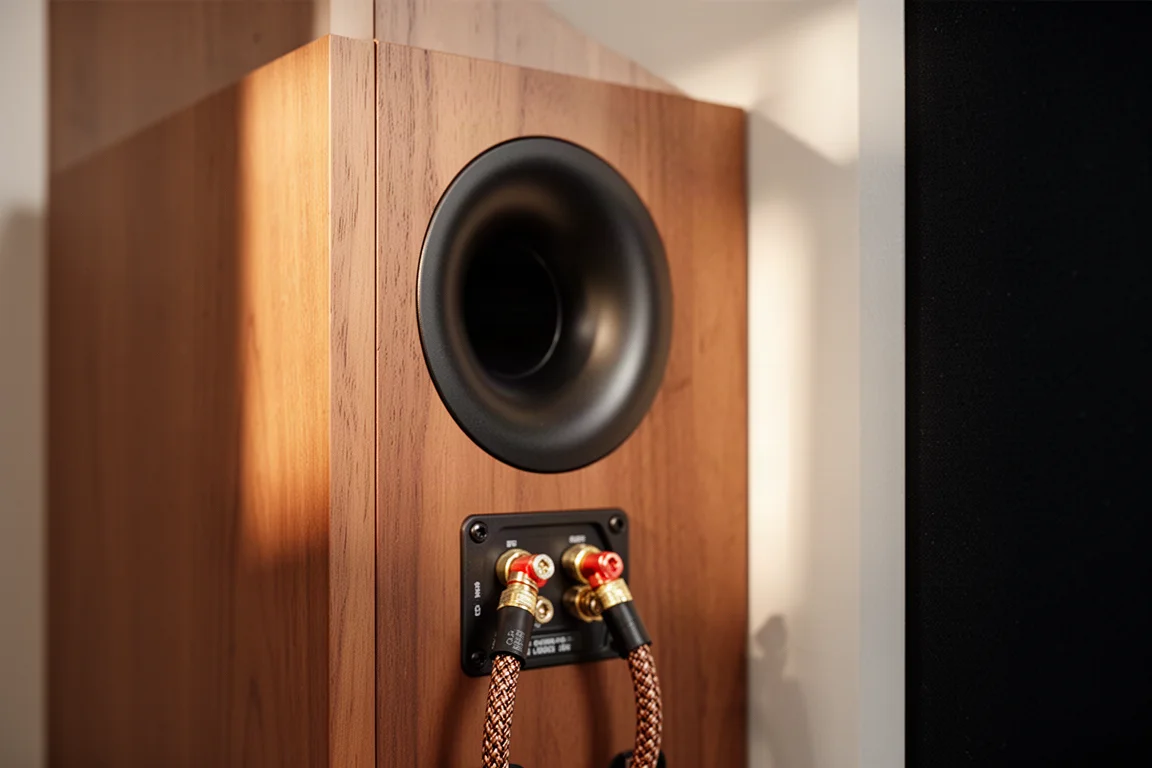
Cabinet finish is vinyl rather than real wood, which is the main compromise at this price. What you get in return is scale and impact that most bookshelf speakers cannot match, along with a rear port that keeps placement flexible.
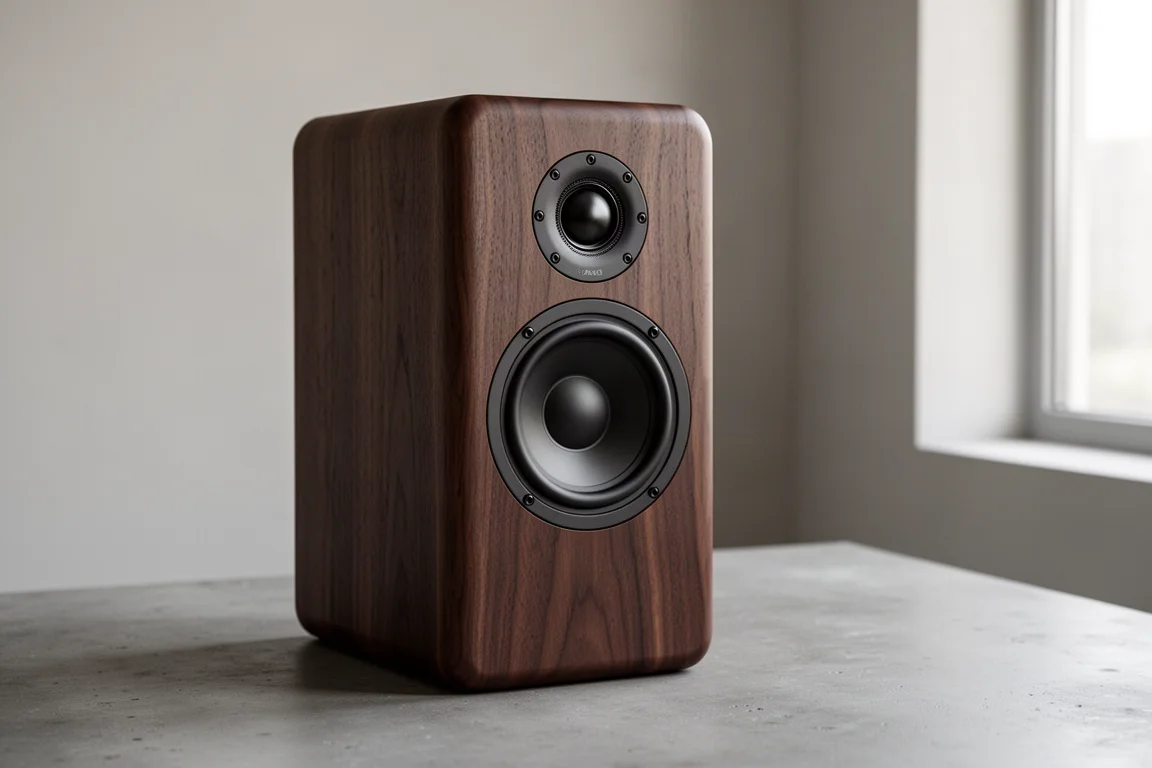
Pro-Ject Speaker Box 5 S2: Small Cabinet, Big Detail
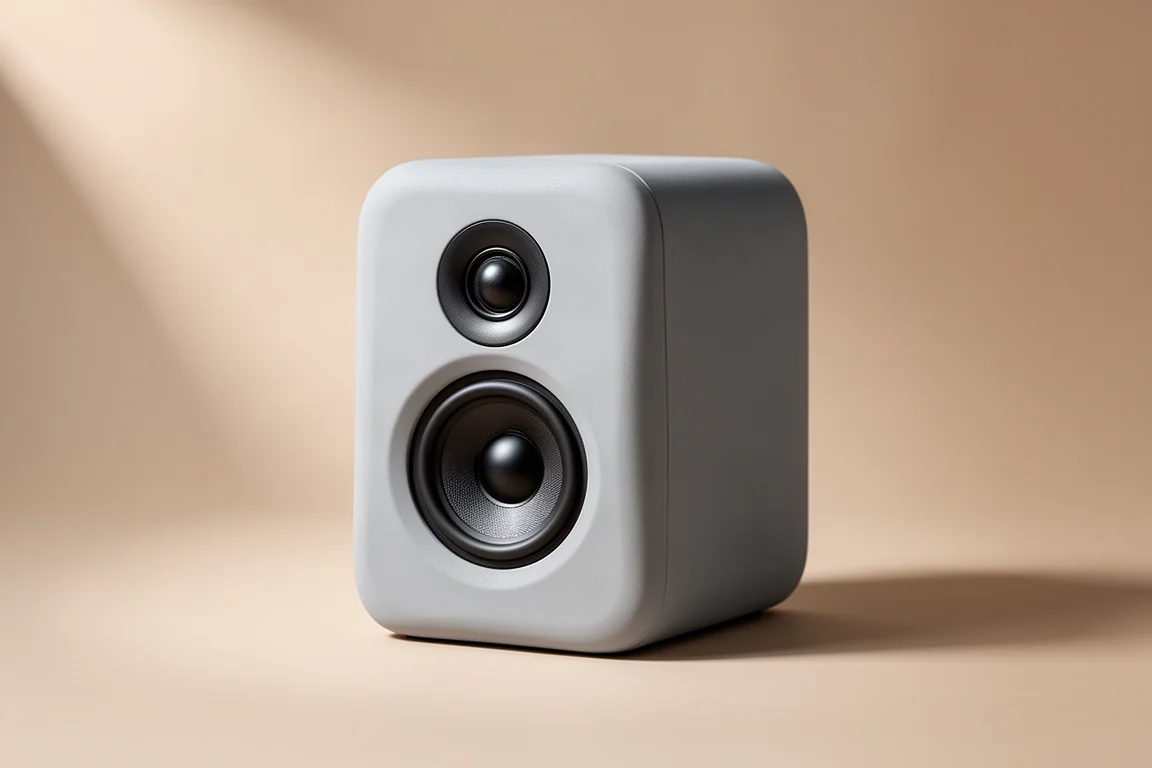
The Speaker Box 5 S2 is a small speaker with a slightly dipped midrange, a character that suits punchy material, and plenty of detail on top. It plays larger than its cabinet suggests.
At $700 it is priced above where it feels most comfortable, and somewhere around $550 to $600 would be the sweet spot. Even at the asking price it is a great sounding speaker. Buyers on a tighter budget should know that the standard Speaker Box 5 comes in at $349 and is offered in a range of colours.
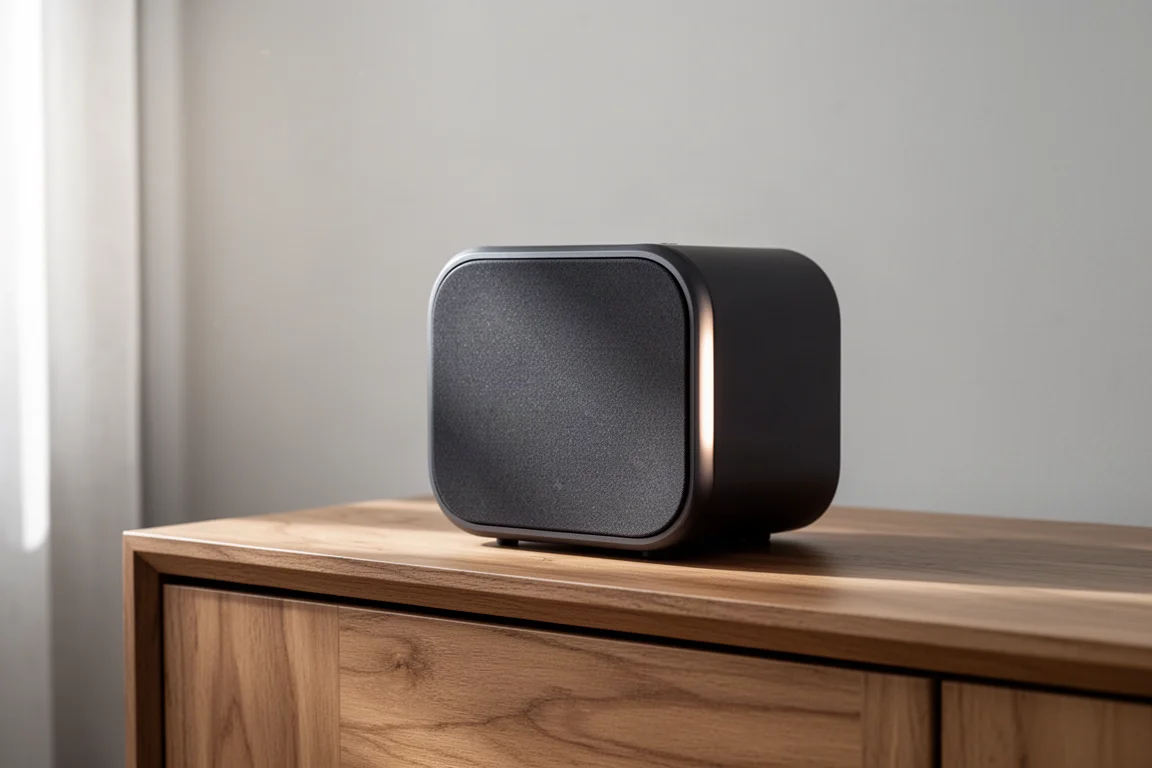
Q Acoustics M40: A Powered Mini Tower
The M40 is a powered speaker that Q Acoustics positions as a mini tower. It is compact, but the built-in amplifier and internal DSP tuning make it sound far larger than it looks, with clean, generous bass.
Because no separate amplifier is required, the effective cost is lower than the sticker suggests. Anyone building a simple system around a single pair of speakers should put this one on the shortlist.
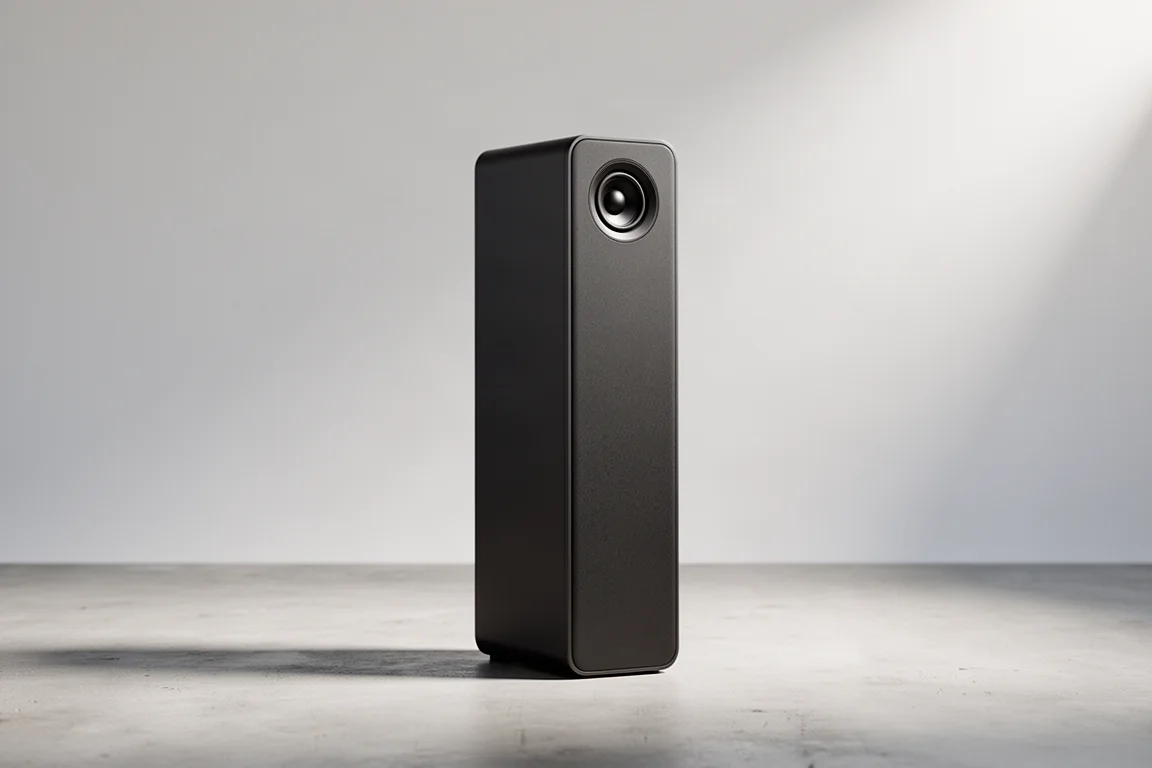
Q Acoustics M20: Powered and Utterly Neutral
The M20 is the bookshelf sibling to the M40, and it is powered as well. Its character is extremely neutral, which makes it easy to live with across a wide range of music.
There is no HDMI input. If you want to connect it to a television, you will need an optical output on the TV. A subwoofer can be added, which extends the low end considerably. It counts as one of the pleasant surprises of the year.
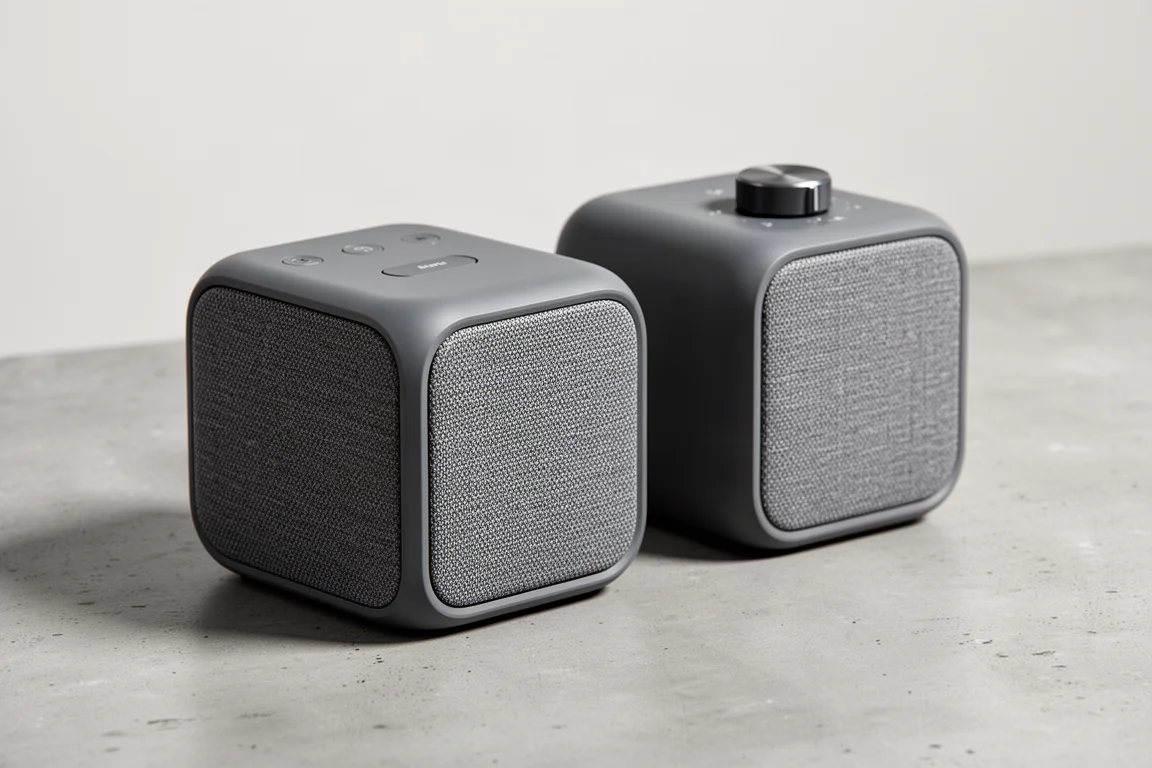
JBL Stage 260F: A Floorstander Just Under a Thousand
The Stage 260F is a refreshed floorstander that lands just below $1,000 for the pair. It uses two 6.5-inch woofers and a 1-inch aluminium dome tweeter, with a waveguide that helps the speaker image well even when the cabinets are aimed straight out into the room rather than angled toward the listener.
The midrange is addictive, though the presentation can be a touch fatiguing when the speakers are pointed directly at you. Sensitivity is rated at 90 dB, so even modest amplifiers can drive them. They are fun with music and excellent with television, and the updated Stage series brings a more modern look.
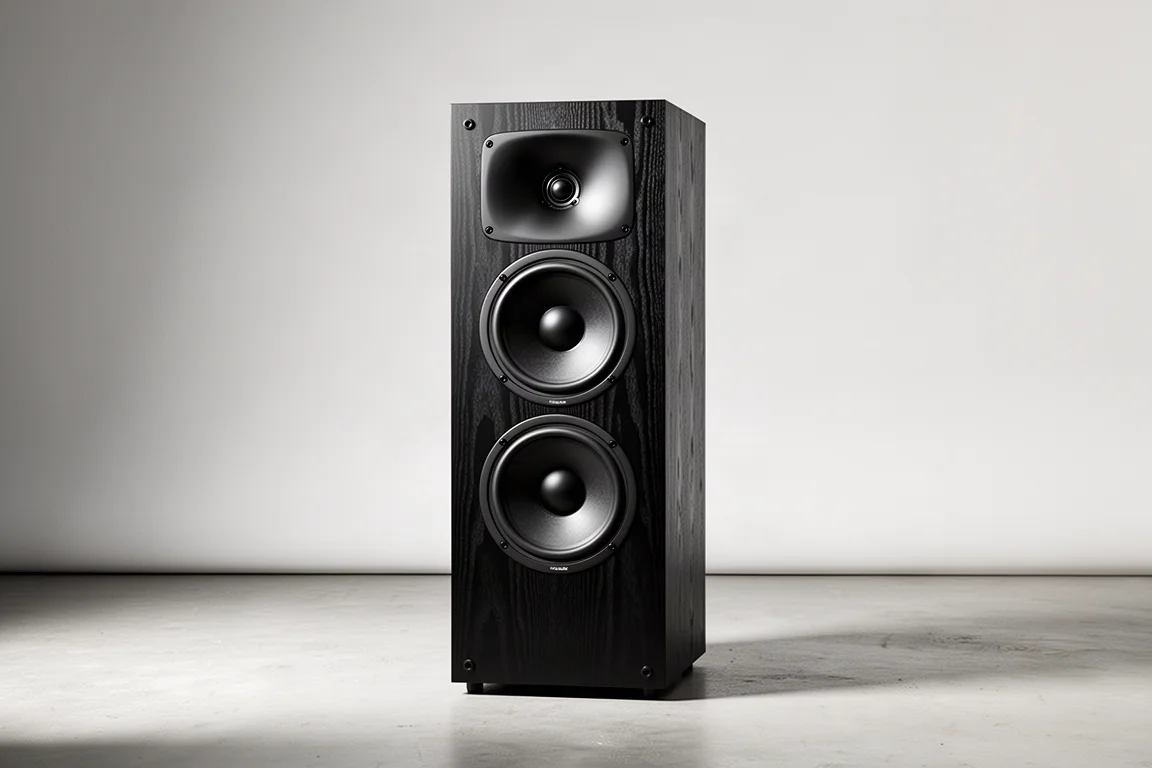
ELAC Debut Reference DBR62: A Long-Running Favorite
The DBR62 has been around for years and remains genuinely good. It combines a 1-inch soft dome tweeter with a 6.5-inch woofer in a front-ported cabinet, and it is built well even though the finish is a vinyl wrap. Two looks are available: dark wood with a black baffle, or a lighter wood with a white front baffle.
The list price is $699, and it has been seen on sale closer to $600, with further discounts likely. It is one of those speakers that simply does everything competently and looks good doing it.
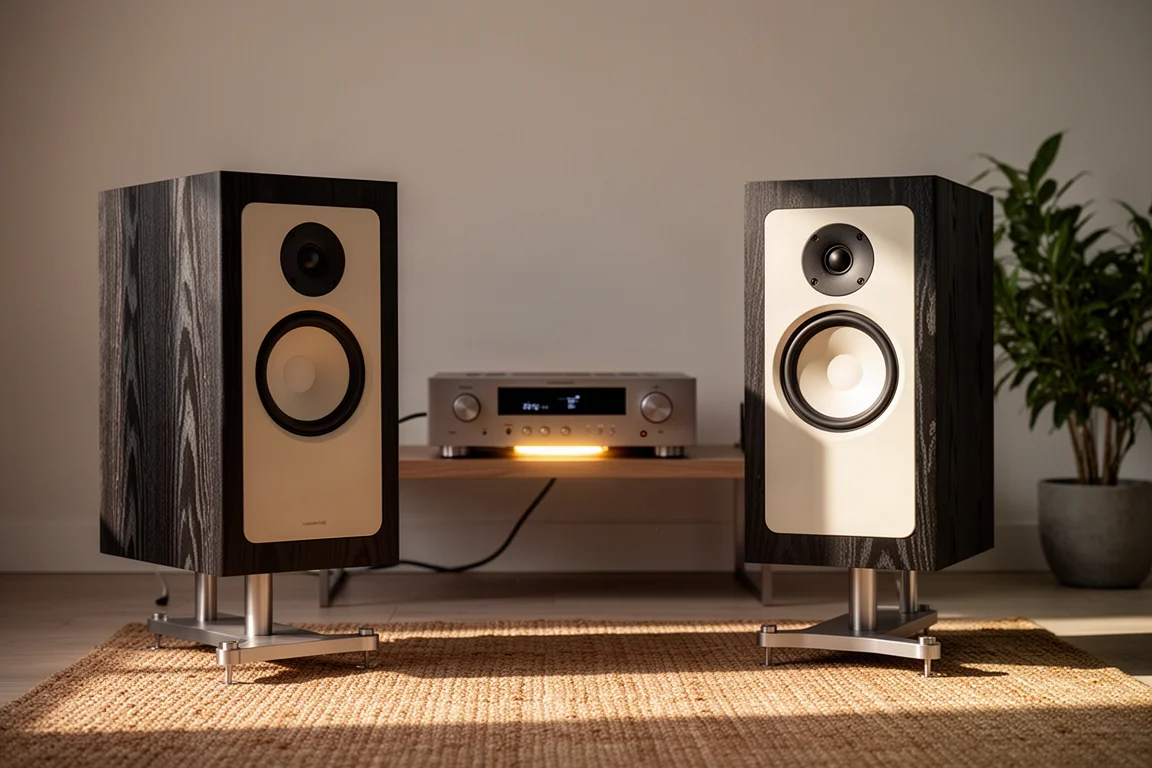
Because the port faces forward, the DBR62 is forgiving of placement near a wall or on a shelf, which makes it a practical choice for rooms where floor space is limited. It is also easy to drive with a wide range of amplifiers.
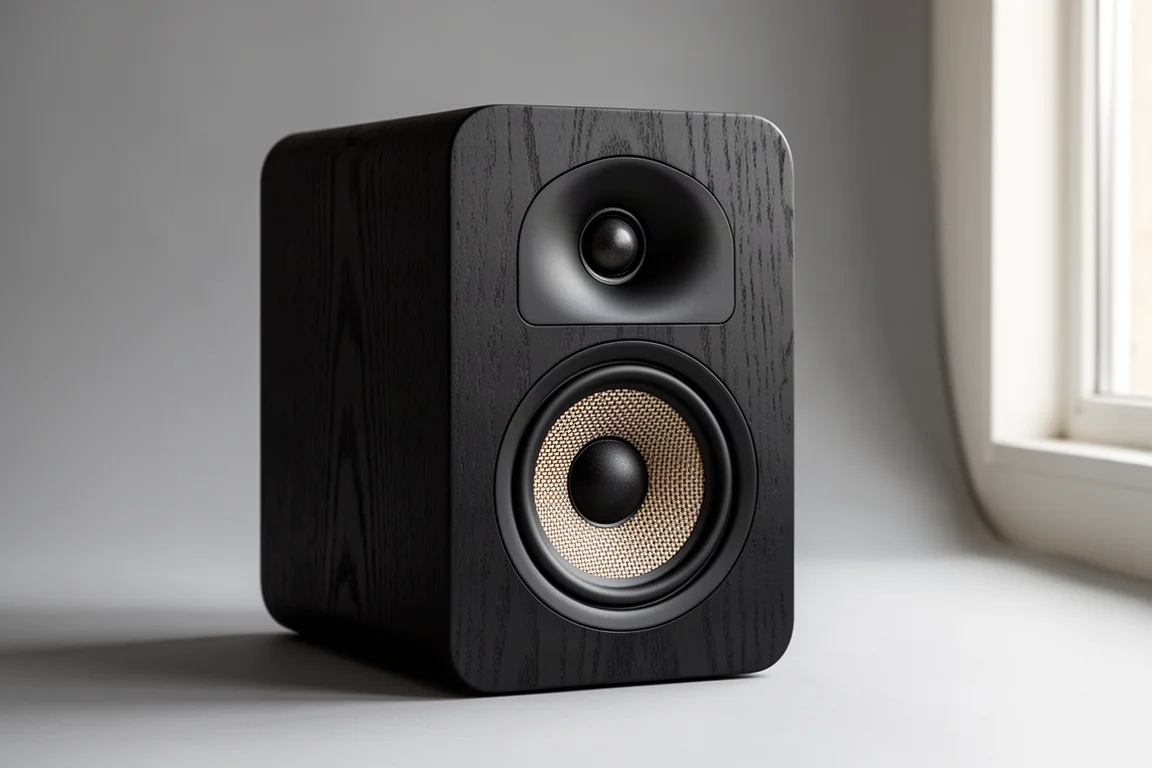
ELAC Uni-Fi 2.0: Neutral, Dynamic After Break-In
The Uni-Fi 2.0 is a very neutral speaker built around aluminium drivers and a concentric midrange and tweeter arrangement, with a 5.25-inch woofer handling the low end. It needs a long break-in period before it settles, which is worth planning for.
Once broken in it is dynamic and capable of deep bass for its driver size, giving back exactly what the recording contains. The top end can feel a little flat compared with the DBR62, which has more personality. Pricing is currently $489 against a retail of $699.
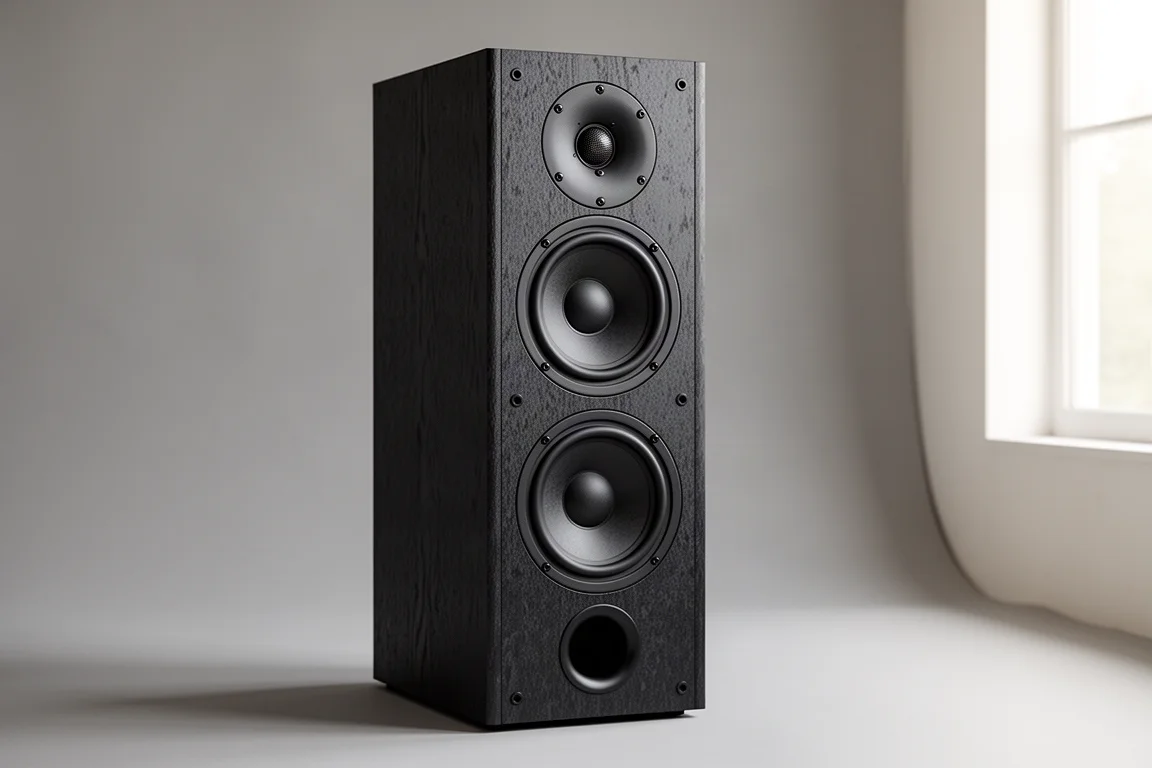
Philharmonic True Mini Monitor: The Budget Standout
The True Mini Monitor is the one entry that sits below the $500 line, at $380. It is a two-way mini monitor with a 3/4-inch fabric dome tweeter and bass extension down to 70 Hz, which does not sound low on paper but still delivers a very dynamic, very clean performance.
The balance is neutral, and most owners will want a subwoofer to fill in the bottom octave. Pair it with a roughly $300 subwoofer and the total lands near $680, at which point the combination punches well above its price.
For a small room or a desktop system where space is tight, that pairing is one of the most sensible ways to spend under $700 on speakers.
Buying Advice: Matching a Speaker to Your Room and Amplifier
Two numbers do most of the work when matching speakers to an amplifier. Sensitivity tells you how much power a speaker needs: the SVS Prime Bookshelf is rated at 87 dB and the JBL Stage 260F at 90 dB, and the difference is audible with modest amplifiers. Cabinet type matters too. Floorstanders such as the Emotiva XT1 and the JBL Stage 260F move more air without a subwoofer, while bookshelf models leave you the option of adding one later.
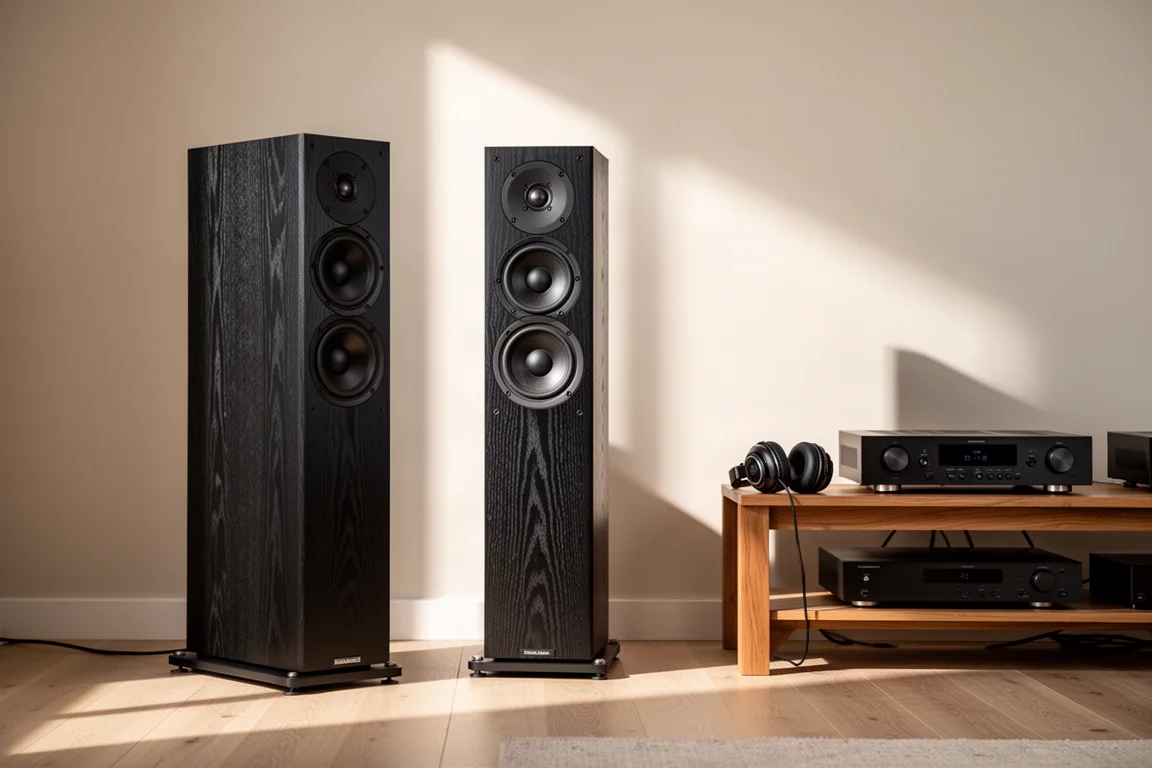
Character matching is just as important as power. Bright or forward speakers, including the Polk R200 and the Klipsch RP-600M, tend to work best with warm or particularly punchy amplification, while the ELAC models and the Wharfedale Denton are easier to pair with almost anything. Powered designs such as the Q Acoustics M40 and M20 remove the amplifier question entirely, which simplifies a first system considerably.
Timing matters as well. The Polk R200, the ELAC DBR62 and the ELAC Uni-Fi 2.0 all discount regularly, and November is a reliable month for sales in this category. If a model you like sits close to your budget, waiting a few weeks can make the difference.
Conclusion
The right choice in this bracket depends on what you value. The Wharfedale Denton 80th Edition is the pick if you want real wood veneer and a warm, neutral balance at around $500. The Emotiva XT1 is the standout floorstander, particularly when it drops toward $800. The Q Acoustics 5020 is the most tonally addictive bookshelf here, the Polk R200 delivers the most bass per cubic inch, and the JBL Stage 260F covers music and television with equal ease.
If the budget is tighter, the Philharmonic True Mini Monitor at $380 is the entry point, and the ELAC Uni-Fi 2.0 at $489 is the most neutral option on the list. Each one earns its place for a different reason, which is exactly what makes this price range worth exploring.
Further reading
Related Reviews
Hi-Fi Speakers
1723 THX Tower vs 1528 Bookshelf: Which Speaker Fits Your Room?
Two speakers at roughly the same price, built very differently. How the 1723 THX tower and the 1528 bookshelf compare on construction, bass, power needs, and sound.
Hi-Fi Speakers
Acoustic Energy AE 300 Review: Deep Bass From a Compact Standmount
A two-way standmount with real wood veneer, surprising low-end weight, and a warm, easygoing character. Here is what to know before buying.
Hi-Fi Speakers
Acoustic Energy AE1 40th Anniversary Review: A Modern Take on a British Classic
A compact standmount that revives a 1980s favorite with all-new parts, a warm mid-centric balance, and a price of £1,499 per pair.