Hi-Fi Speakers
Best Speakers of 2023: Seven Memorable Designs Worth Considering
Seven standout loudspeakers from a strong year, with the strengths, trade-offs, and price points worth knowing before you buy.
Introduction
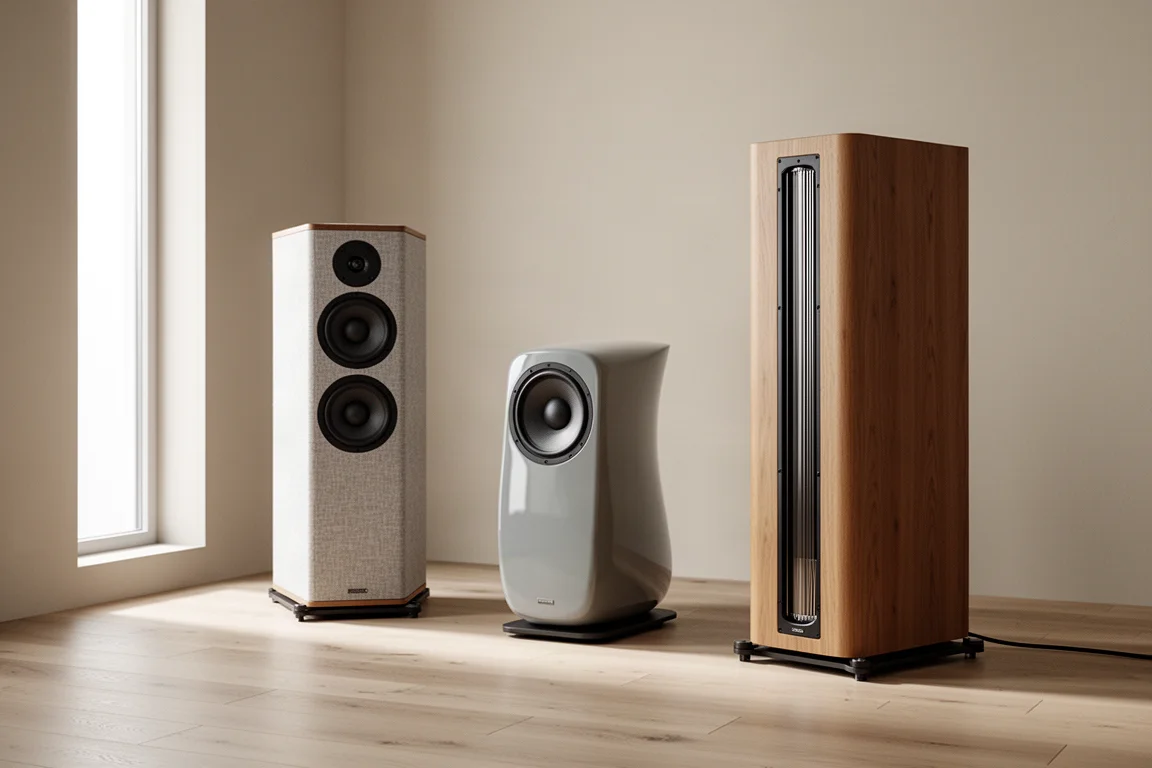
Some years deliver a handful of loudspeakers that are genuinely hard to forget, and this was one of them. Seven designs stood out above everything else, and each earns its place for a different reason: a cabinet that has been refined across eight generations, a sculpted stand-mount with in-house drivers, a heavy stand-mount built around flexibility, two hybrid panel designs, a slim tower with active bass, and a large Danish floorstander with a ribbon tweeter that is difficult to fault.
They appear here in the order they were evaluated, and they span a wide range of budgets. What they share is a refusal to sound ordinary.
What These Speakers Have in Common
Look past the price tags and a few themes repeat. Several of these designs deliberately avoid the rectangular box. Drivers are mounted in free space rather than recessed into a baffle, cabinets are shaped by acoustics rather than convention, and radiation patterns are matched between drivers. Others lean on ribbon and planar magnetic technology instead of conventional dome tweeters.
Manufacturing is another thread. Four of the seven are built in the United States and one in Denmark, and Vivid Audio builds its drivers in-house rather than buying them in. Long production runs matter too: the Vandersteen 2 has been in continuous production since 1977, and the Eminent Technology LFT-8 dates back to 1990. Designs that survive that long are usually doing something right.
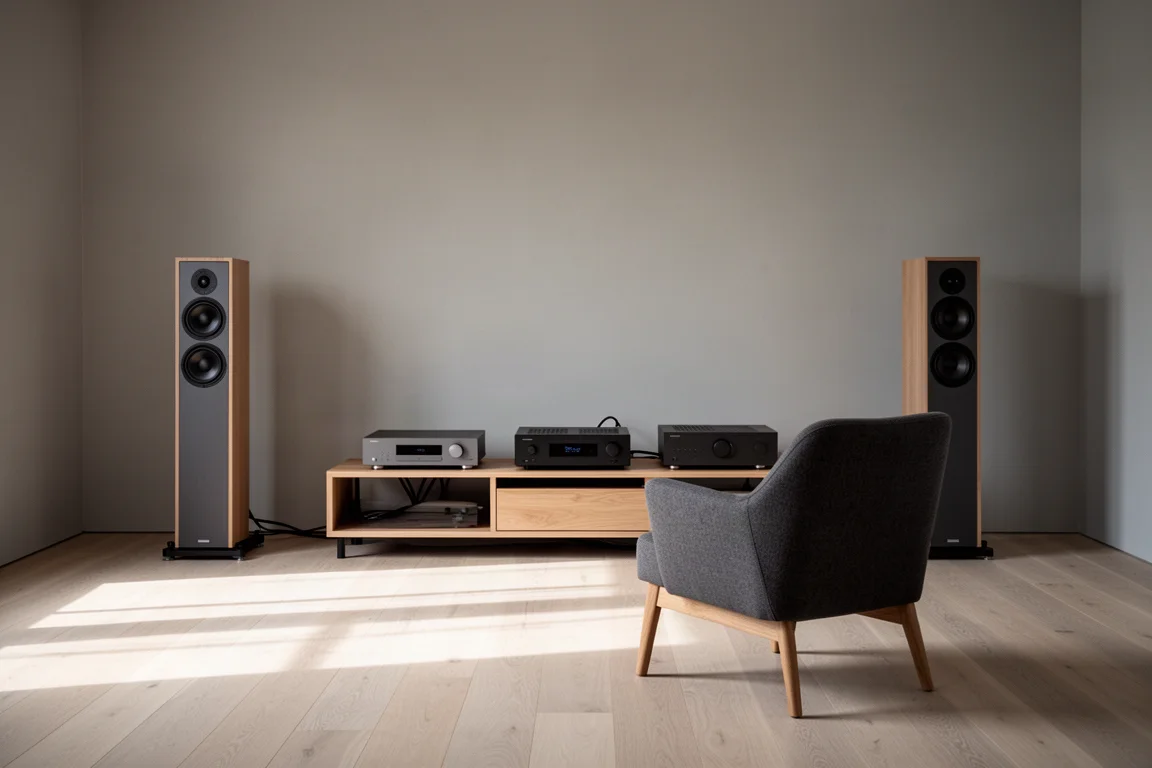
Prices across the group run from $1,398 to $11,000 a pair, so budget alone will narrow the field quickly. The rest of this guide walks through what each speaker does well and where the trade-offs sit.
Vandersteen 2Ce Signature III: A Design That Has Aged Well
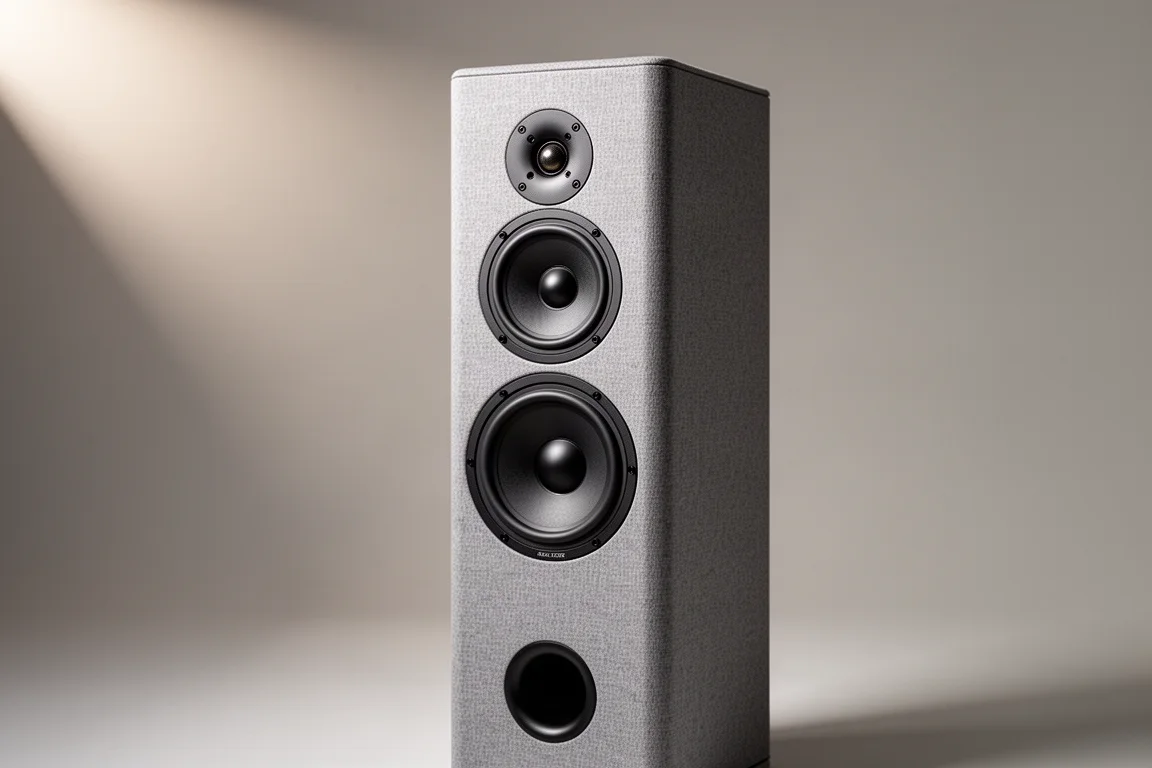
The 2Ce Signature III is the eighth revision of a speaker that has been in continuous production since 1977, and the family resemblance to the original is deliberate. What has changed is everything inside. Every generation has pursued Richard Vandersteen’s goal of a time and phase coherent design.
From the front it looks like a conventional box speaker. Take the grille off and it is not. The tweeter and the midrange driver are mounted in free space rather than set into a baffle, which is a large part of why the speaker images so well and sounds so open. The driver complement is a 1-inch ceramic dome tweeter, a 4.5-inch midrange driver, an 8-inch woofer, and a 10-inch acoustic coupler that other manufacturers would simply call a passive radiator.
The result is a full-range presentation with genuinely deep bass and a soundstage that never sounds boxed in. Ceramic dome tweeters are rare at this level, and every Vandersteen speaker is built in California, as it always has been.
Vivid Audio Kaya 25: Sculpted Cabinet, Exceptional Detail
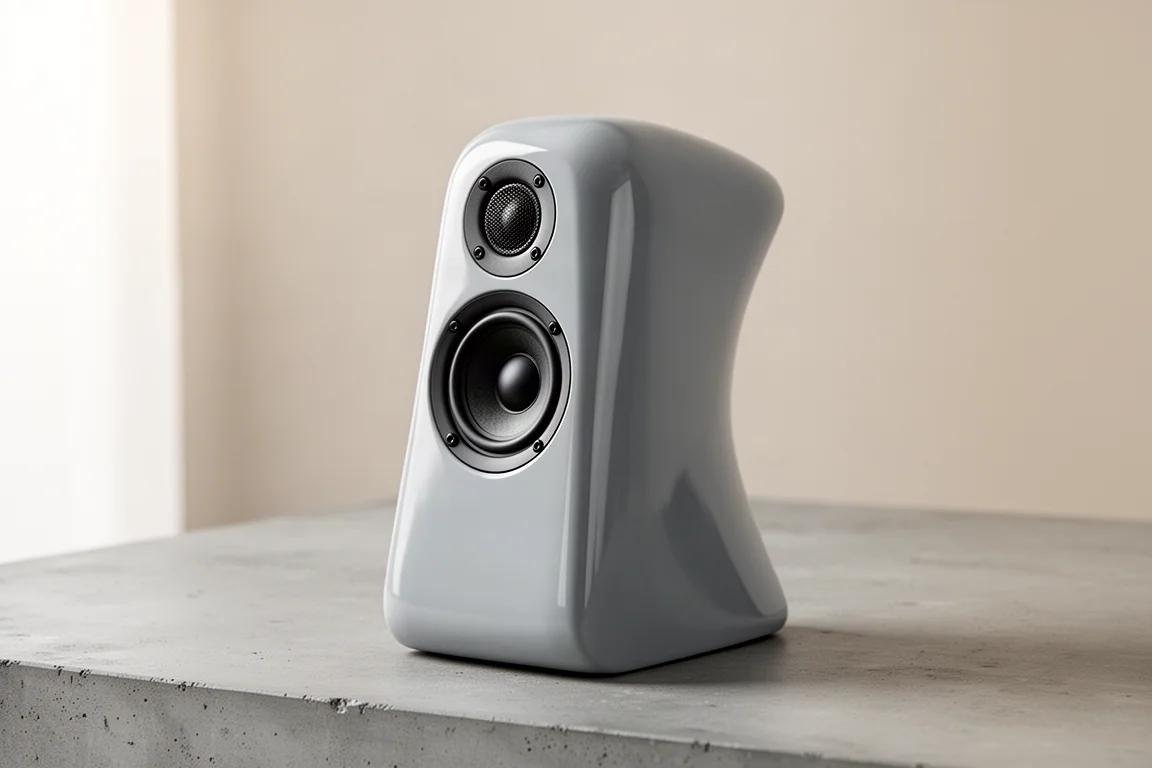
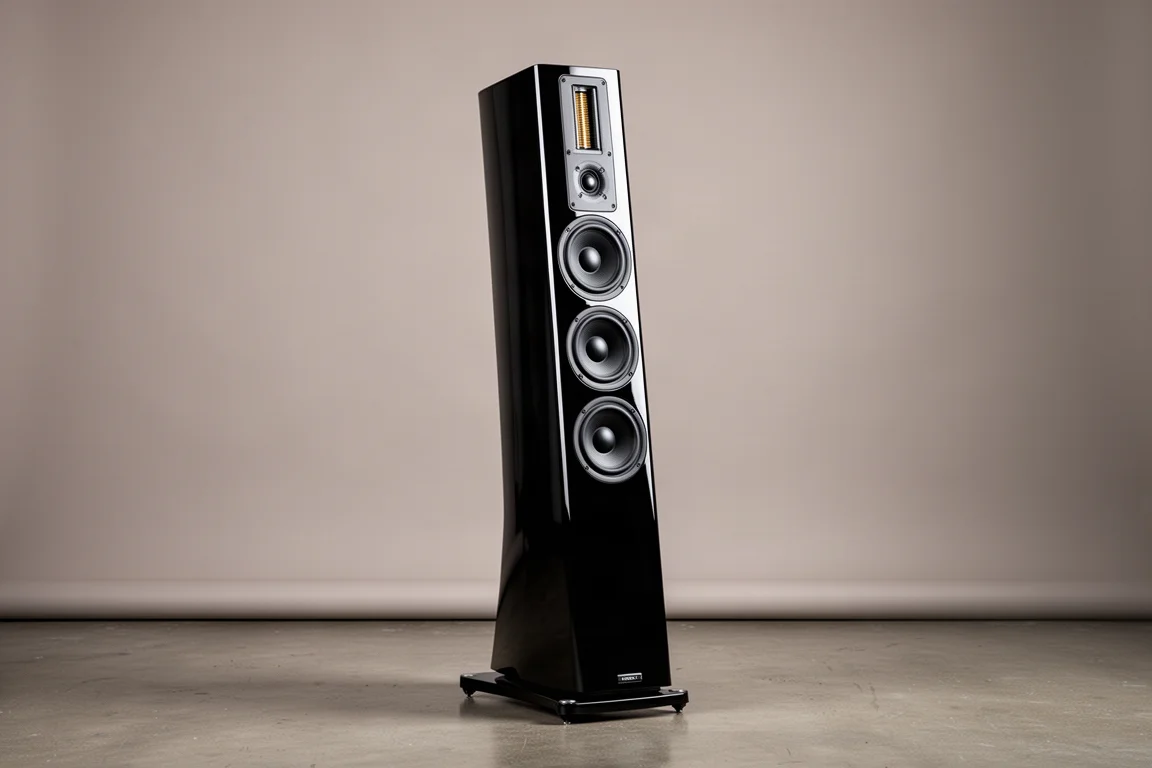
Few speakers look like a Vivid. The Kaya 25’s curves are not styling for its own sake: the shape is an integral part of the design, handling the back-loading of the midwoofer and the tweeter. The drivers themselves are made in-house, which is unusual for a company of this size.
The sound is exceptionally clear. You hear deep into the quieter passages of a recording, and the resolution of fine detail is remarkable. The woofer measures only 5 inches, yet the bass reaches surprisingly deep and stays very clean, while the open character of the cabinet keeps the presentation unforced.
The design comes from Laurence Dickie, who first came to prominence at Bowers & Wilkins, where he was responsible for the Nautilus series. That pedigree shows in the way the Kaya 25 handles detail and space, and many listeners will find it the most beautiful speaker of the group.
Zu Audio DWX: A Big Stand-Mount With Real Flexibility
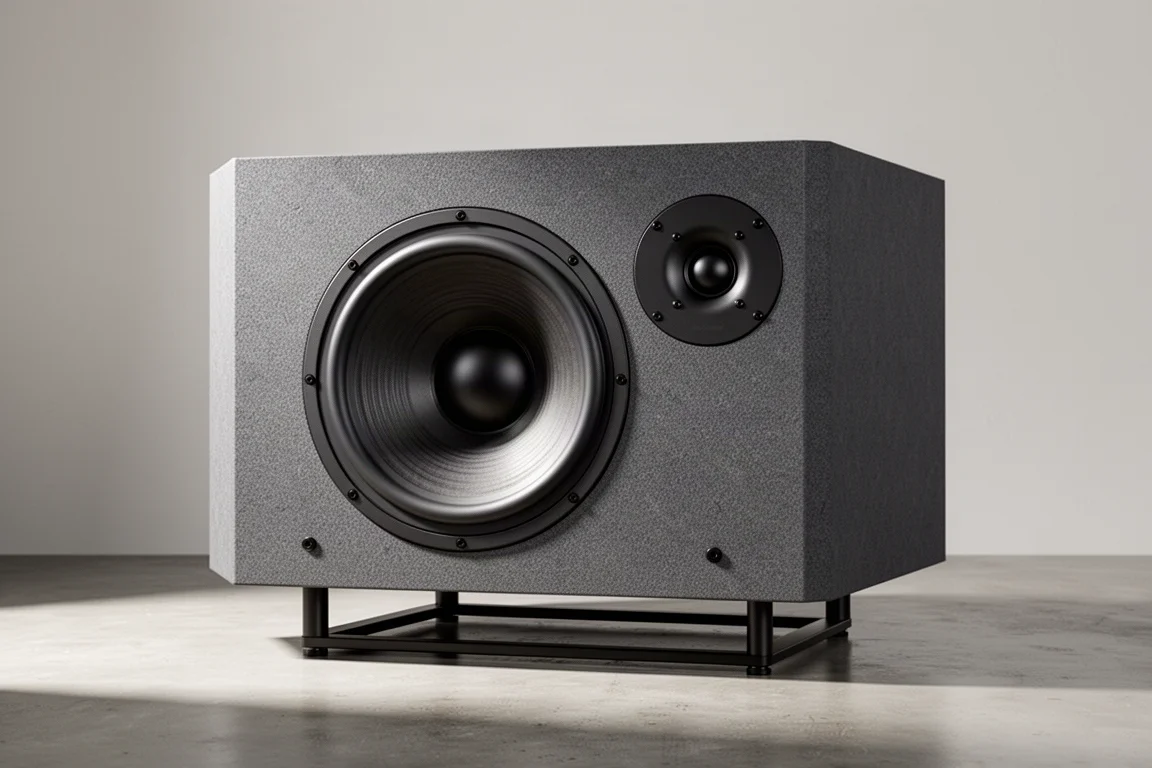
The DWX starts at $1,398 a pair and is made in the United States, with drivers also made in the USA. It is the smaller sibling of the Zu Dirty Weekend Six floorstander, which costs only slightly more, so the obvious question is why choose the stand-mount at all. The answer is flexibility.
This is a large and heavy stand-mount at 42 lb, and it can be used in far more ways than a tower. Upright on a stand is the normal arrangement, but it also works inverted when you need it higher, on a tall stand, a wall, or a piece of furniture. Lay it horizontally and it can serve as a centre channel beneath a television, or as a left and right pair with the tweeters on the inside or flipped to the outside.
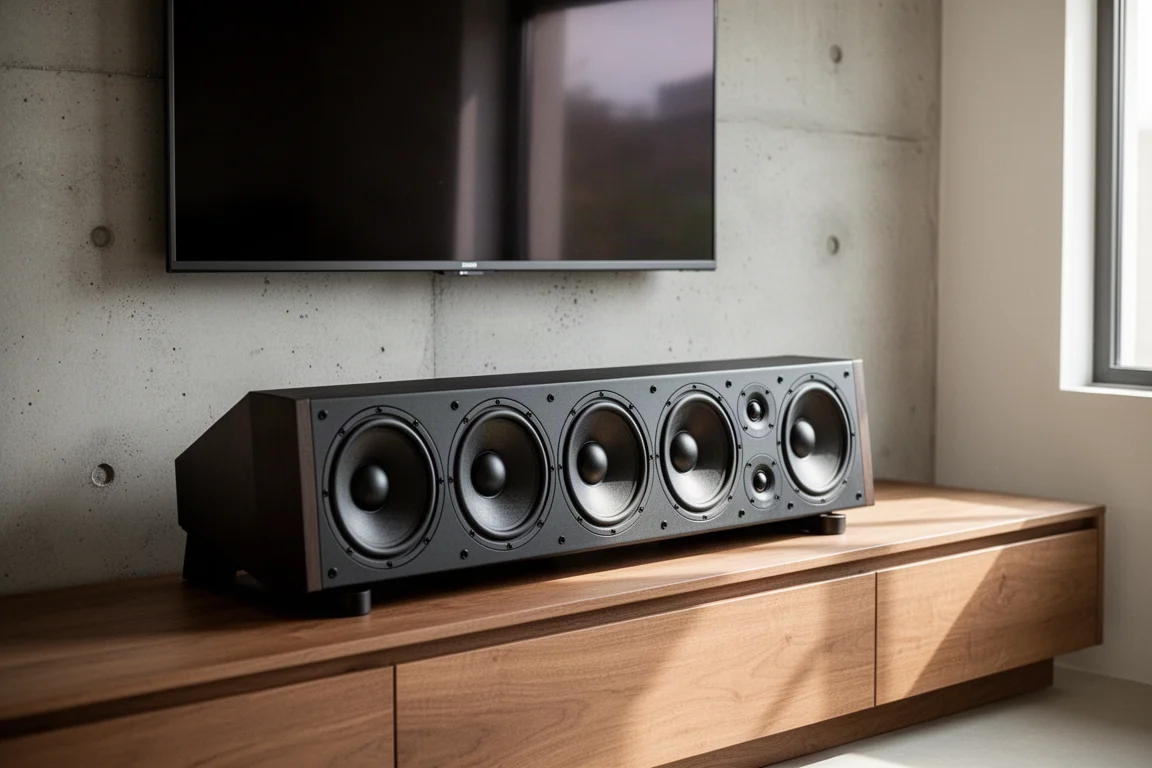
Size is the reason it hits so hard. A big stand-mount delivers more power and dynamic capability than most smaller speakers in its price class, and the DWX has a fortitude that goes well beyond what the price suggests.
Eminent Technology LFT-8B: A Hybrid Planar With Punch
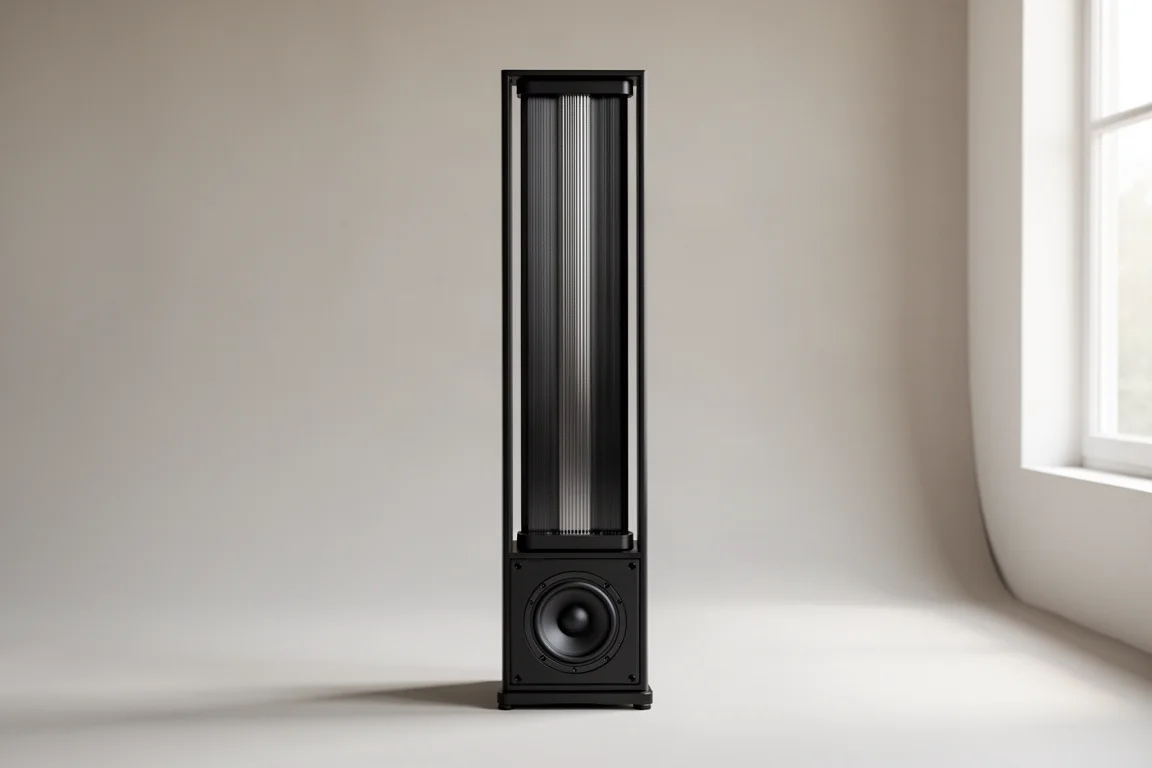
The LFT-8B is a hybrid: a planar magnetic and ribbon design paired with a conventional dynamic woofer. The panel section uses a 21-inch ribbon tweeter above a 3.5 x 42-inch planar magnetic driver that covers the midrange and beyond. Below that sits an 8-inch mass-loaded woofer in a sealed box.
That combination produces bass with more punch and a more dynamic quality than a pure planar magnetic panel, and the whole speaker is fast, clear and transparent. It is a genuinely enjoyable speaker to listen to, and more dynamically alive than most panels. The LFT-8 line dates back to 1990, and this model is designed and made in Tallahassee, Florida, at $3,200 a pair.
Eminent Technology LFT-8C: Better Integration, Modest Upgrade Cost
The LFT-8C looks almost identical to the LFT-8B from the front, but the woofer enclosure is completely different. Instead of a single forward-firing woofer there is now a dipole arrangement with a woofer at the front and another at the rear. That means the woofer and the panel share the same radiation pattern, and the integration between them is noticeably better.
Owners of earlier LFT-8 versions can upgrade to the 8C, and the cost of the upgrade is modest rather than the price of a new pair. Overall the 8C is the better sounding of the two at $4,500 a pair, but the 8B stands firmly on its own merits.
GoldenEar T66: A Slim Tower With Active Bass
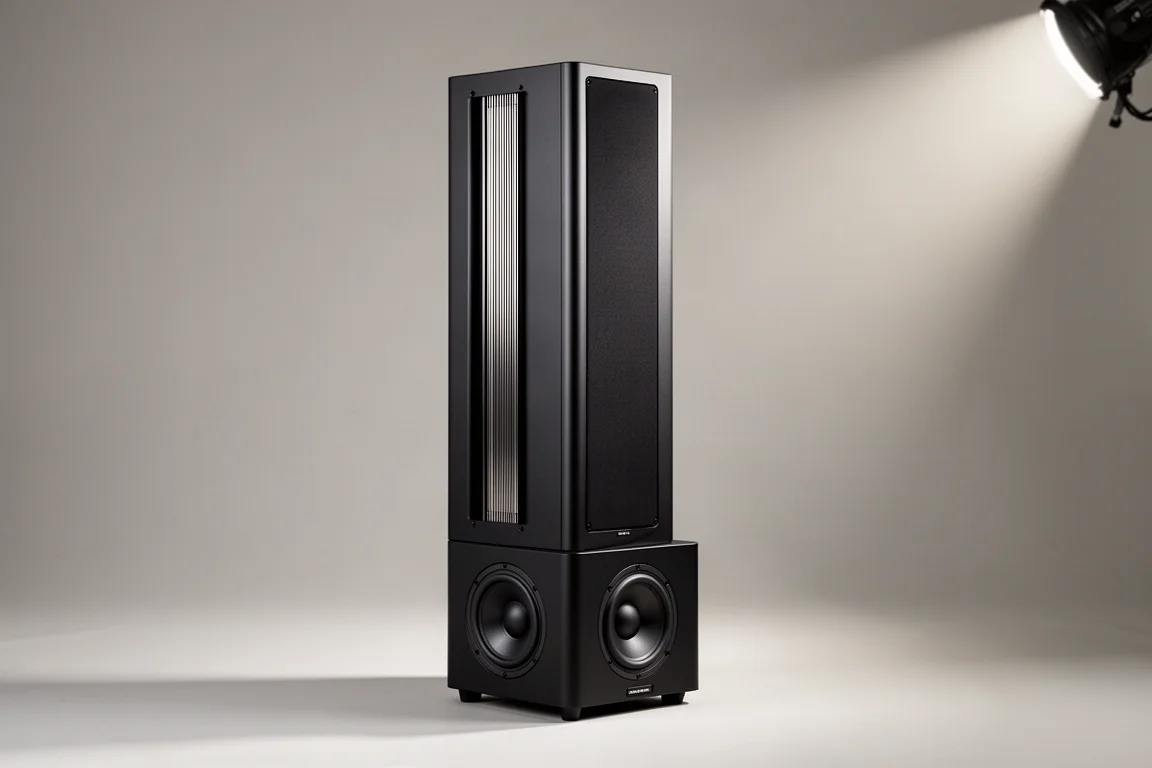
The T66 is tall, very narrow and extends well back, which makes it look considerably sleeker than earlier GoldenEar towers. Its strongest card is the GoldenEar Reference folded ribbon tweeter, the same family of tweeter used in the company’s small BRX stand-mount, and it is better than most folded ribbon designs.
Below the tweeter sit two 4.5-inch midwoofers, and below those are two 5 x 9-inch powered subwoofers. A pair of 8 x 12-inch passive radiators, one on each side of the slender cabinet, extends the bass response down to about 40 Hz. The result is a speaker that sounds powerful despite its slim footprint.
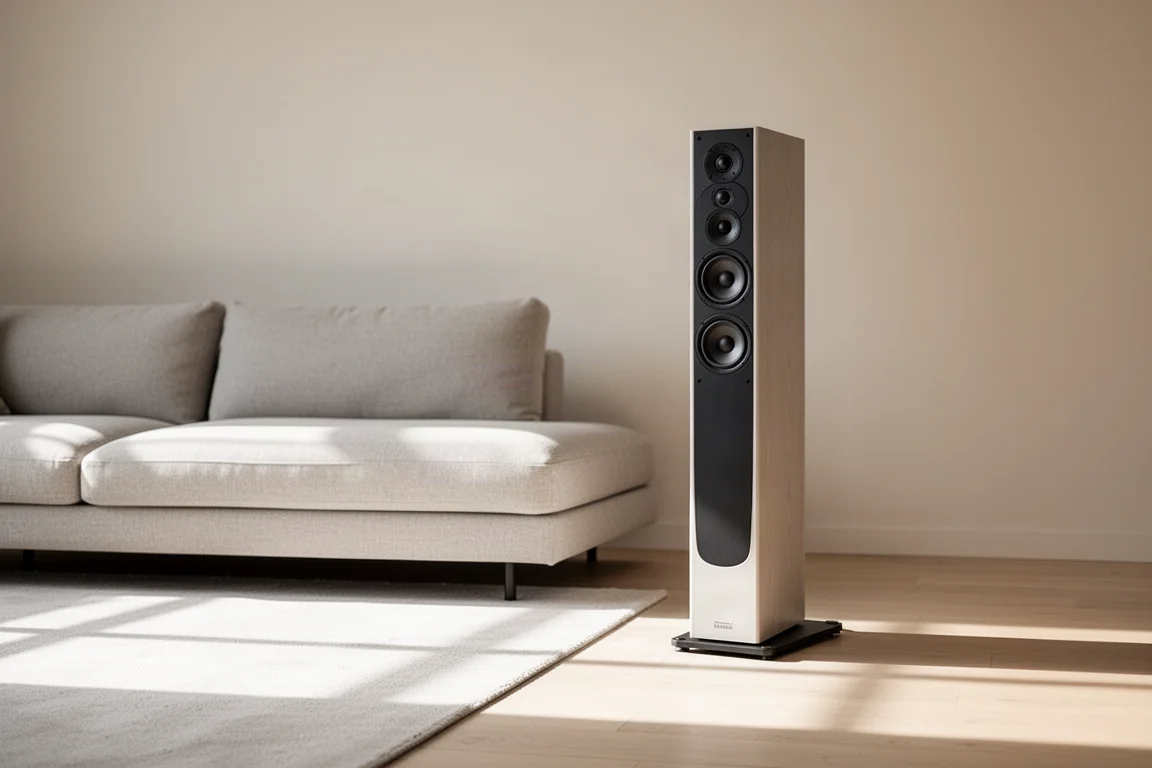
Because only the woofers are active, the midrange and tweeter can be driven by a low-powered amplifier. A 20 watt per channel amplifier proved more than adequate, since the heavy lifting in the bass is handled by the powered subwoofers. The T66 comes in Black at $6,900 a pair and in a brilliant red at $7,200 a pair.
Børresen X3: Danish Craftsmanship and a Superb Ribbon
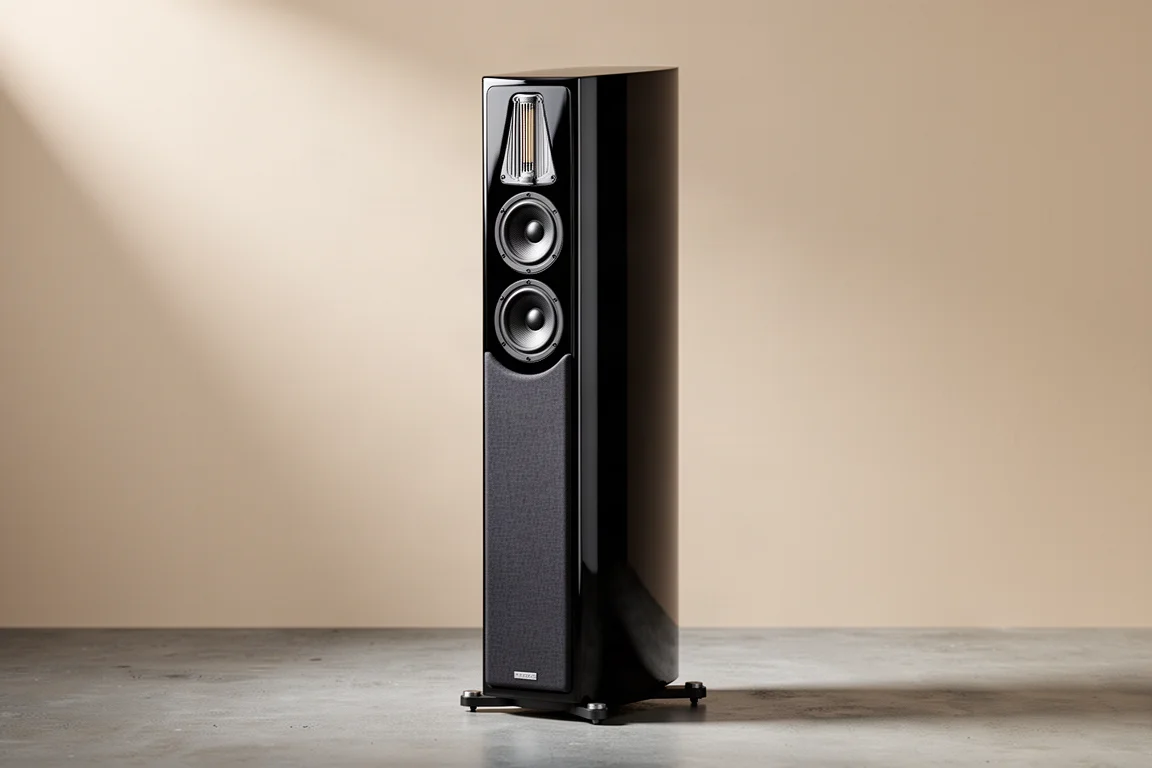
The X3 is a large speaker at 51 inches tall and 22 inches deep at its deepest point, but its front baffle is narrow, so it occupies less visual space than those dimensions suggest. It is designed and made in Denmark.
The ribbon tweeter is the star of the show, and one of the very best ribbons available. Below it sit two 4.5-inch midwoofers. That does not sound like much on paper, but drivers of that size in a very large cabinet, working with a carefully designed porting system, can do remarkable things in the bottom end.
At $11,000 a pair the X3 is the most expensive speaker in this group, and it competes with designs costing considerably more. It is also a speaker that is genuinely difficult to part with.
Overall Buying Advice
Start with the room and the amplifier rather than the spec sheet. The GoldenEar T66 is the easiest of this group to drive, because its powered subwoofers remove the hardest load from the amplifier. The Zu Audio DWX offers the most placement options and the lowest entry price at $1,398 a pair, which makes it a strong first step into serious hi-fi. The two Eminent Technology models are the most affordable route into planar magnetic and ribbon technology, at $3,200 and $4,500 a pair.
If bass authority and scale are the priority, the larger cabinets win: the GoldenEar T66 with its active subwoofers, and the Børresen X3 with its big Danish cabinet and porting system. The Vandersteen 2Ce Signature III and the Vivid Audio Kaya 25 belong to a different conversation, one about openness, imaging and refinement rather than raw output.
Conclusion
Seven very different answers to the same question. A stand-mount that can be flipped, laid down, or used as a centre channel. A panel hybrid with a dynamic woofer. A slim tower with active bass. A sculpted compact with in-house drivers. A large Danish floorstander with a ribbon tweeter worth the price of admission on its own.
The encouraging part is that none of these designs asks for a compromise in the fundamentals. Whatever the budget, the money goes into genuine engineering: time and phase coherence, matched dipole radiation patterns, powered bass, ribbon and planar drivers, and cabinets built in the United States and Denmark. Match the speaker to your room and your amplifier, and any of these seven will reward the decision for years.
Further reading
Related Reviews
Hi-Fi Speakers
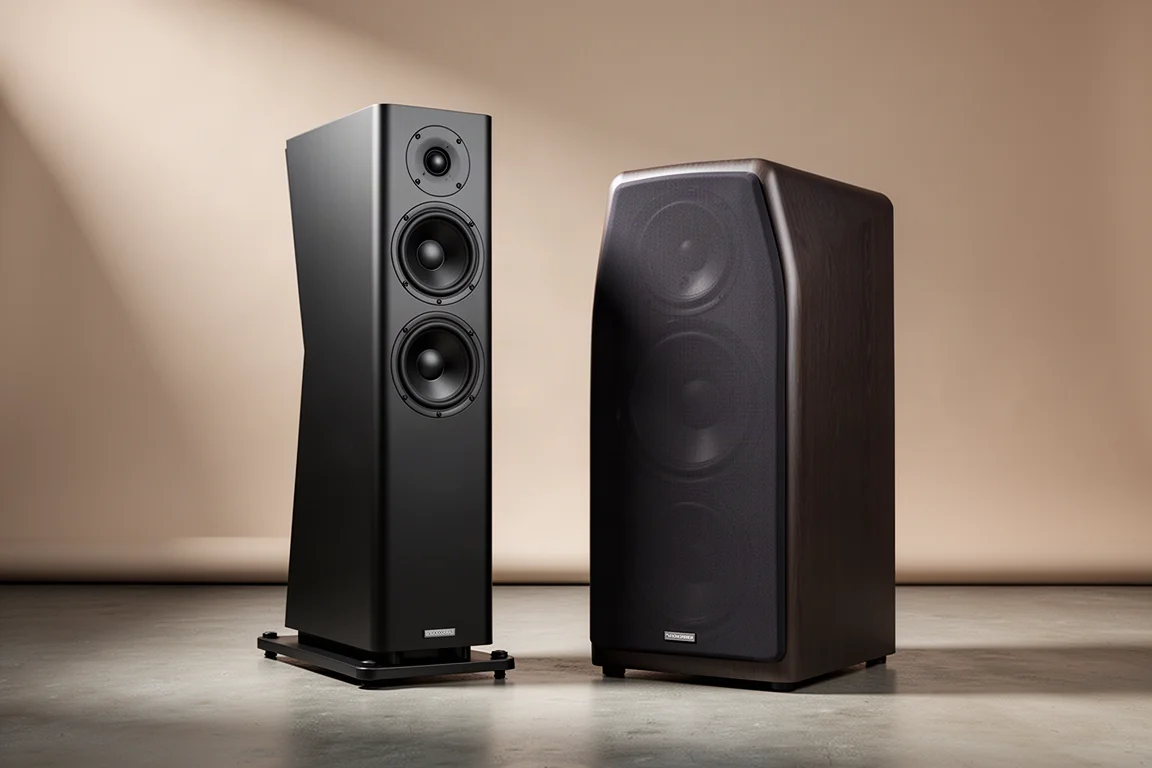
1723 THX Tower vs 1528 Bookshelf: Which Speaker Fits Your Room?
Two speakers at roughly the same price, built very differently. How the 1723 THX tower and the 1528 bookshelf compare on construction, bass, power needs, and sound.
Hi-Fi Speakers
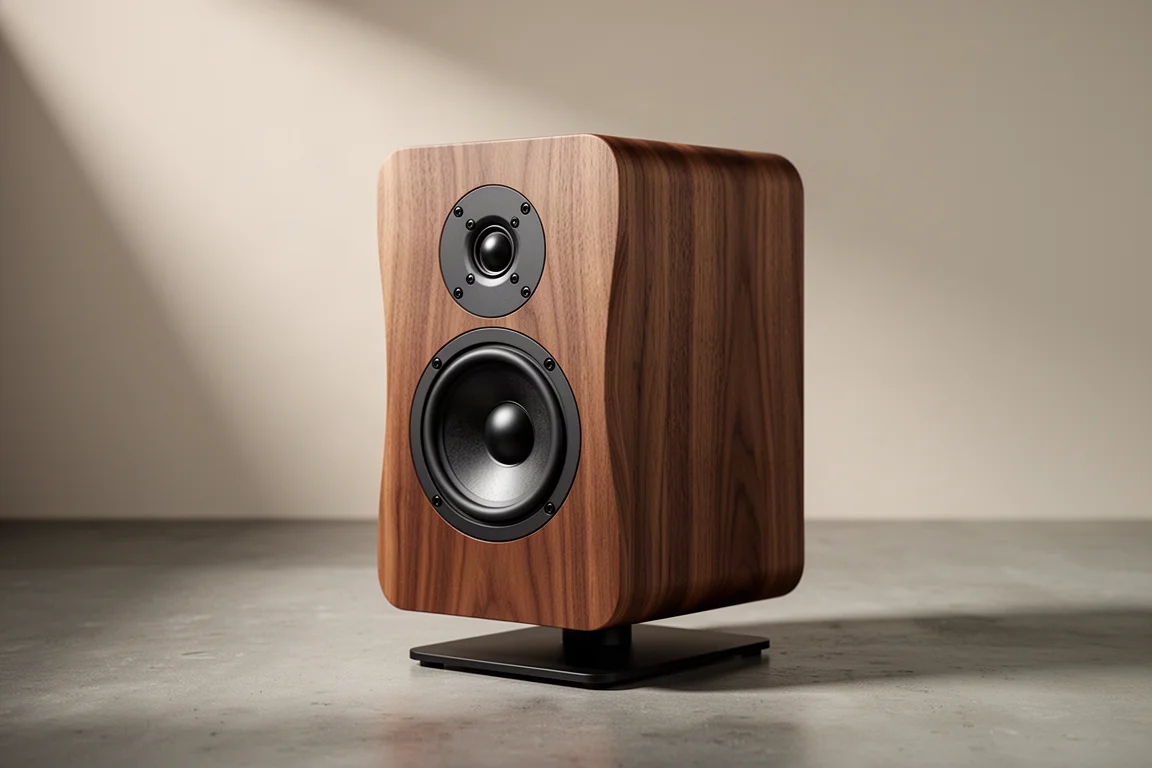
Acoustic Energy AE 300 Review: Deep Bass From a Compact Standmount
A two-way standmount with real wood veneer, surprising low-end weight, and a warm, easygoing character. Here is what to know before buying.
Hi-Fi Speakers
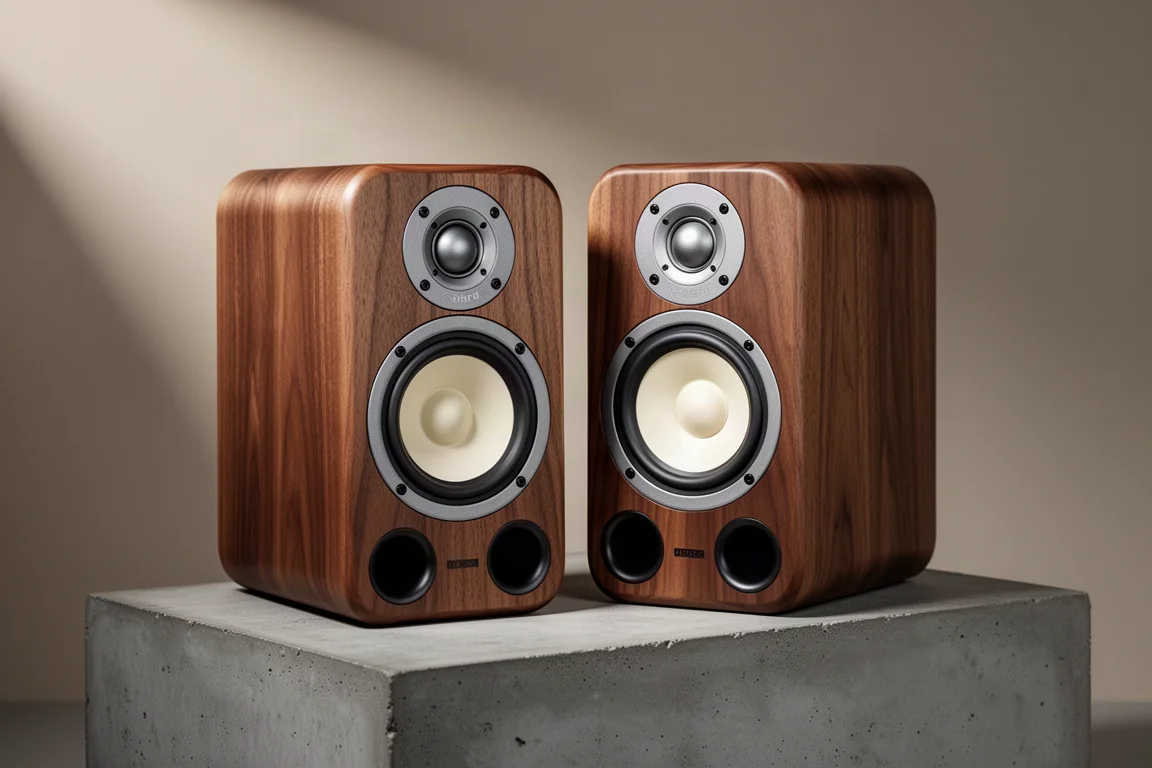
Acoustic Energy AE1 40th Anniversary Review: A Modern Take on a British Classic
A compact standmount that revives a 1980s favorite with all-new parts, a warm mid-centric balance, and a price of £1,499 per pair.