Hi-Fi Speakers
Best Speaker Deals 2026: Eleven Standout Bargains Worth Considering
A practical roundup of eleven discounted speakers, subwoofers, and all-in-one amplifiers, with clear notes on who each one suits.
Introduction
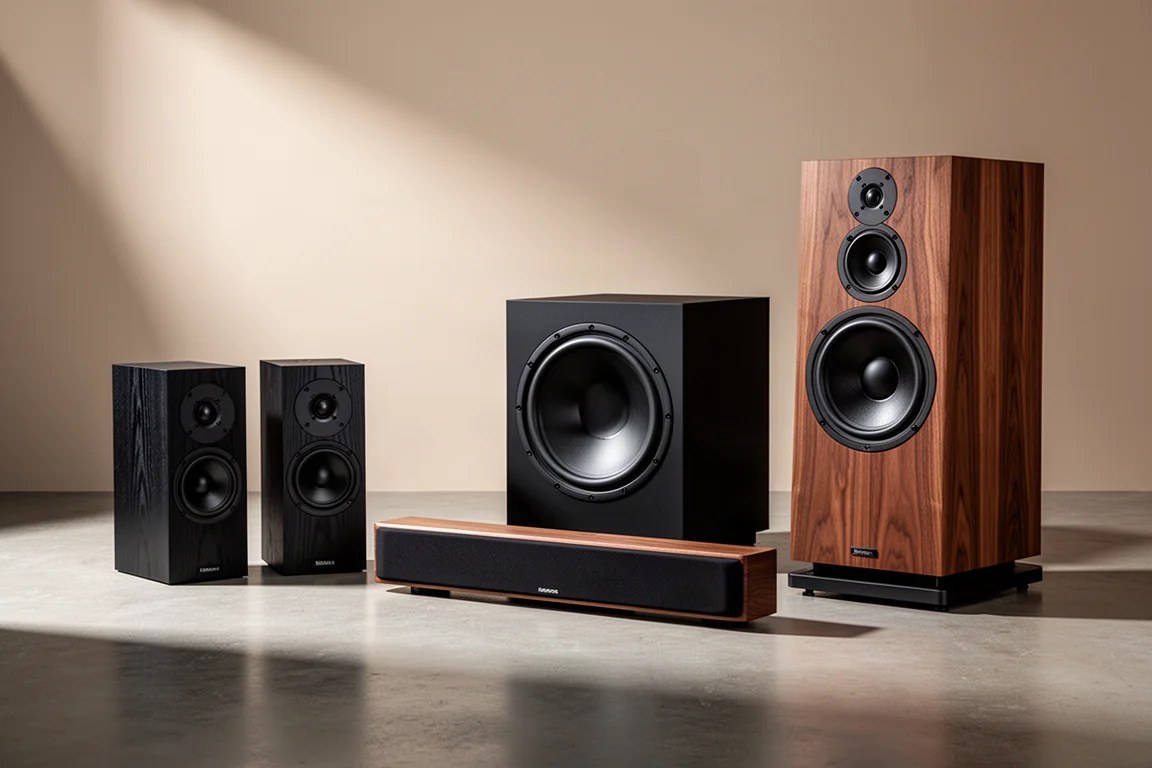
The current wave of speaker discounts covers a wider range than usual. Bookshelf speakers, a matching centre channel, a large subwoofer, and a pair of premium all-in-one streaming amplifiers are all reduced at the same time, which makes this a good moment to plan an upgrade carefully rather than buy impulsively.
This roundup focuses on models that offer a clear discount against their list price and a sound character that suits a defined type of listener. Each entry notes what the product does well, what it asks of your amplifier, and who should consider it.
How We Chose These Deals
Every pick here was judged on three things: how large the discount is relative to list price, how easy the product is to live with in a normal room, and whether it solves a specific problem for a specific listener.
Two themes recur across this list. First, several of these speakers need a long break-in period before they settle, so first impressions can be misleading. Second, some of the most neutral options also need a capable amplifier to sound their best, and a weak amplifier will flatten them.
Prices below reflect current sale pricing, and discounts on this scale rarely last long. Where a previous generation is still available alongside the current one, the notes explain whether the older version is worth considering.
ELAC Debut B5.2: The Best Speaker Under $200
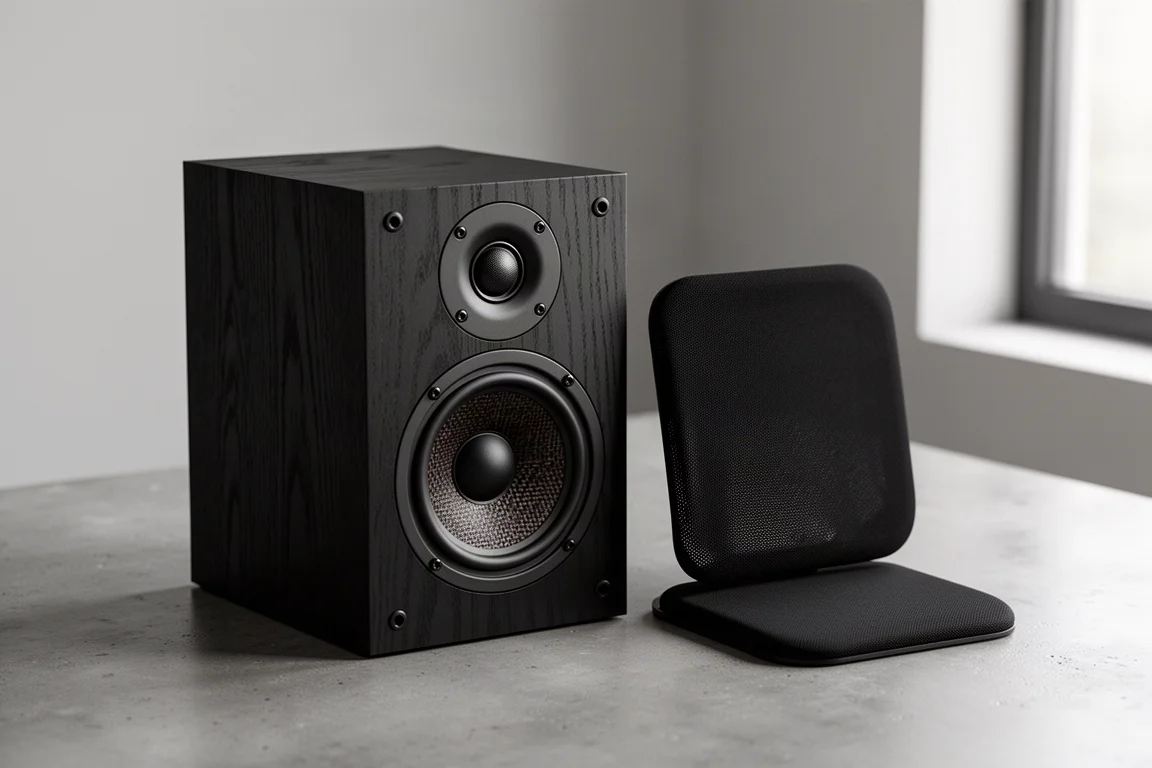
The ELAC Debut B5.2 is the strongest argument for spending under $200 on a bookshelf speaker. At $199 against a $330 list price, it delivers build quality that feels a step above typical entry-level models, and it behaves like a proper hi-fi speaker rather than a placeholder.
Two caveats are worth stating up front. The B5.2 takes a long break-in before it opens up, and its sound signature is not universal. Listeners who prefer a warmer, more forgiving presentation may find it lean. For most people shopping at this price, it remains the safest recommendation.
ELAC UniFi 2.0: The Neutral All-Rounder
The ELAC UniFi 2.0 is a three-way standmount built around a concentric midrange and tweeter with aluminium drivers. Its rated sensitivity is 85 dB with a nominal 6-ohm impedance and a frequency response of 46 Hz to 35 kHz. It is not a difficult load, but it rewards a capable amplifier, and it punches hard once it is fully broken in.
The character is extremely neutral, with a very large soundstage for a speaker of this size. Some listeners may call it boring on modest electronics; with the right power behind it, it holds its own against considerably more expensive standmounts. At $419 against a $700 list price, it is the most complete all-rounder in this roundup.
Previous-generation stock has occasionally appeared near $400, and earlier sales dipped a little lower. If both generations are available at the same time, the small premium for the current model is the better buy.
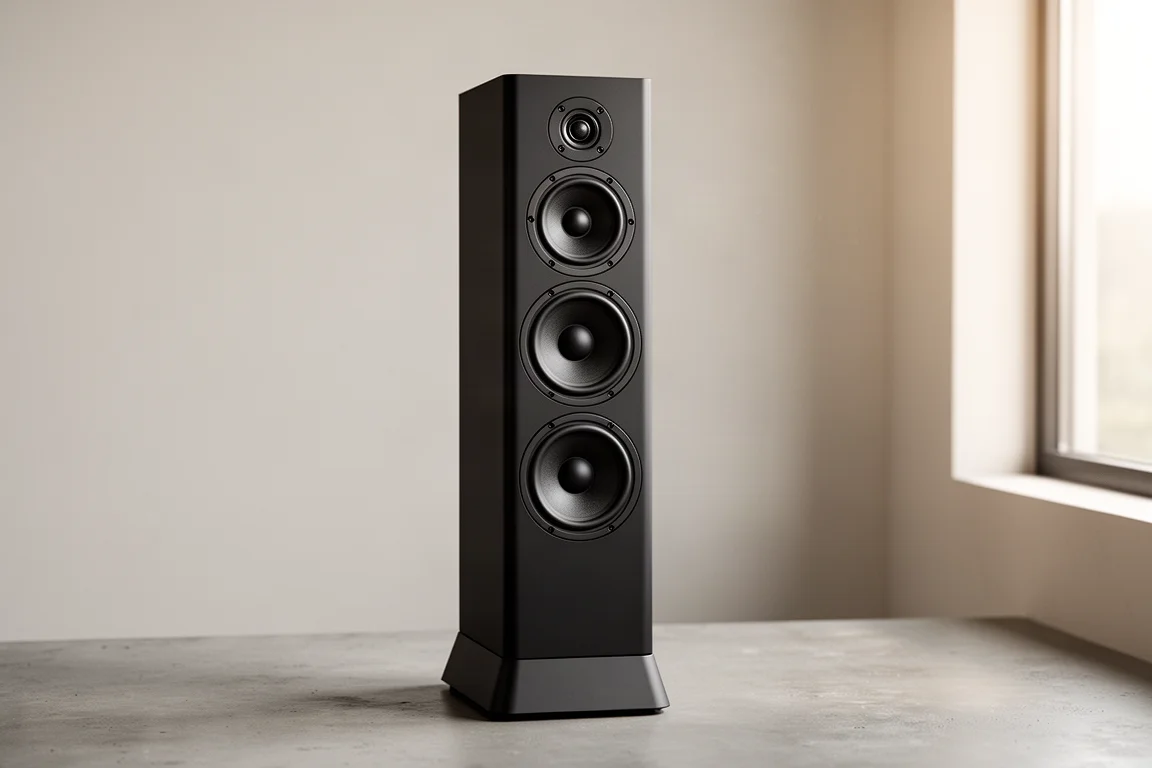
ELAC UniFi 2.0 Center: Building a Matching Front Stage
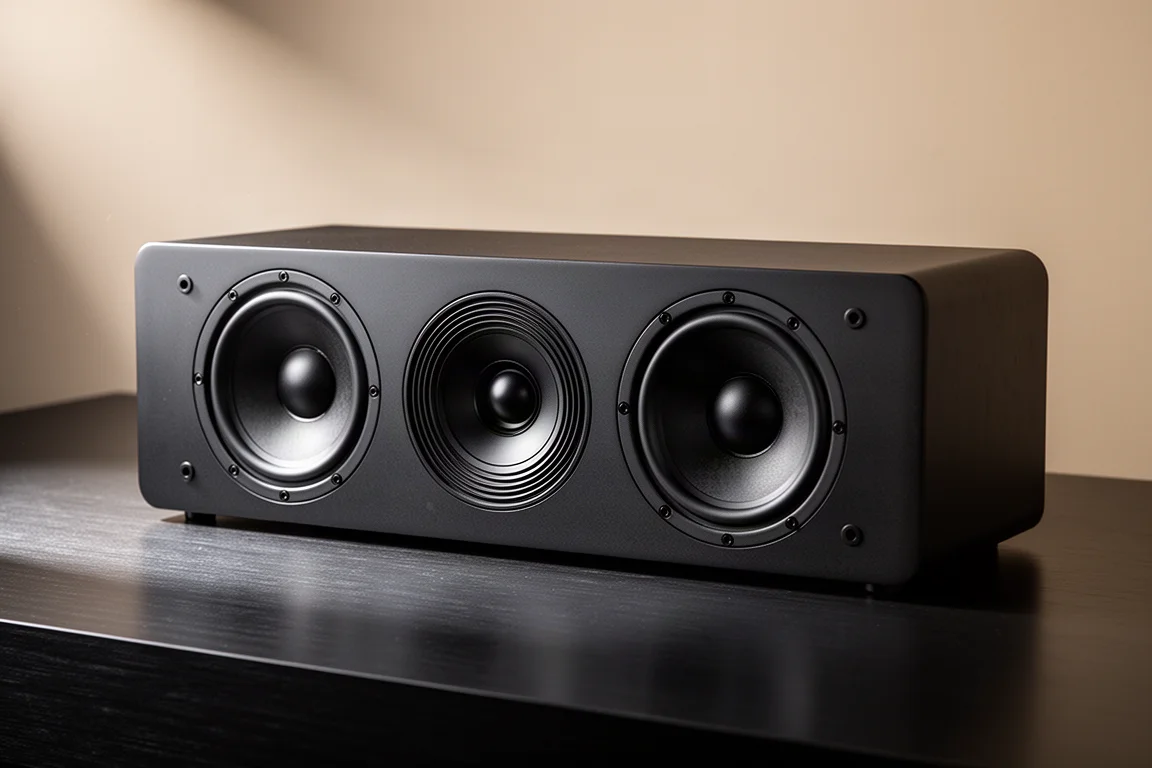
If you are building a multi-channel system, the ELAC UniFi 2.0 Center matches the UniFi 2.0 across the front stage. Each unit is $249, so a pair comes in at $500 and a left, centre, and right trio lands at $750.
One unusual option is worth knowing about. Two centre channels stood vertically can be used as a stereo pair, which gives you two woofers with the concentric midrange and tweeter positioned in the middle.
ELAC UniFi Reference: More Bass, Less Air
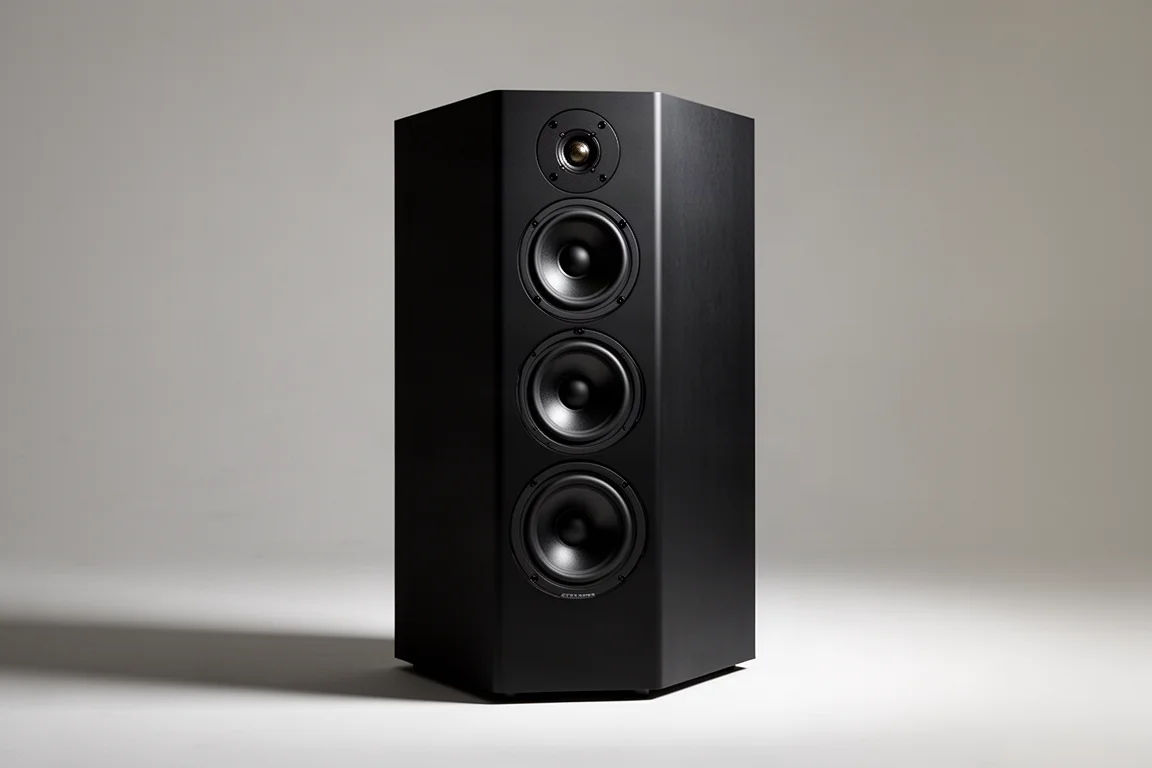
The ELAC UniFi Reference is the step-up model from the UniFi 2.0 and is reduced to $900. Its bass is both more powerful and cleaner than the 2.0’s, which will matter in larger rooms and with film soundtracks.
The trade-off sits at the top end, where the Reference does not have the air of the UniFi 2.0. Depending on taste, the less expensive 2.0 can be the more enjoyable speaker, so this is one to choose deliberately rather than by price alone.
Klipsch RP-600M: A Fun Horn Alternative
The first-generation Klipsch RP-600M is available at $350, and at that price it is a genuinely fun alternative to the neutral speakers above. The horn-loaded titanium dome tweeter gives it a lively, forward character that is very different from the ELAC house sound.
There are real compromises. The cabinet has some resonance, and the bass is neither as tight nor as refined as the best speakers in this roundup. For many listeners that resonance is part of the appeal, and this remains one of the most affordable ways to try a horn-loaded design.
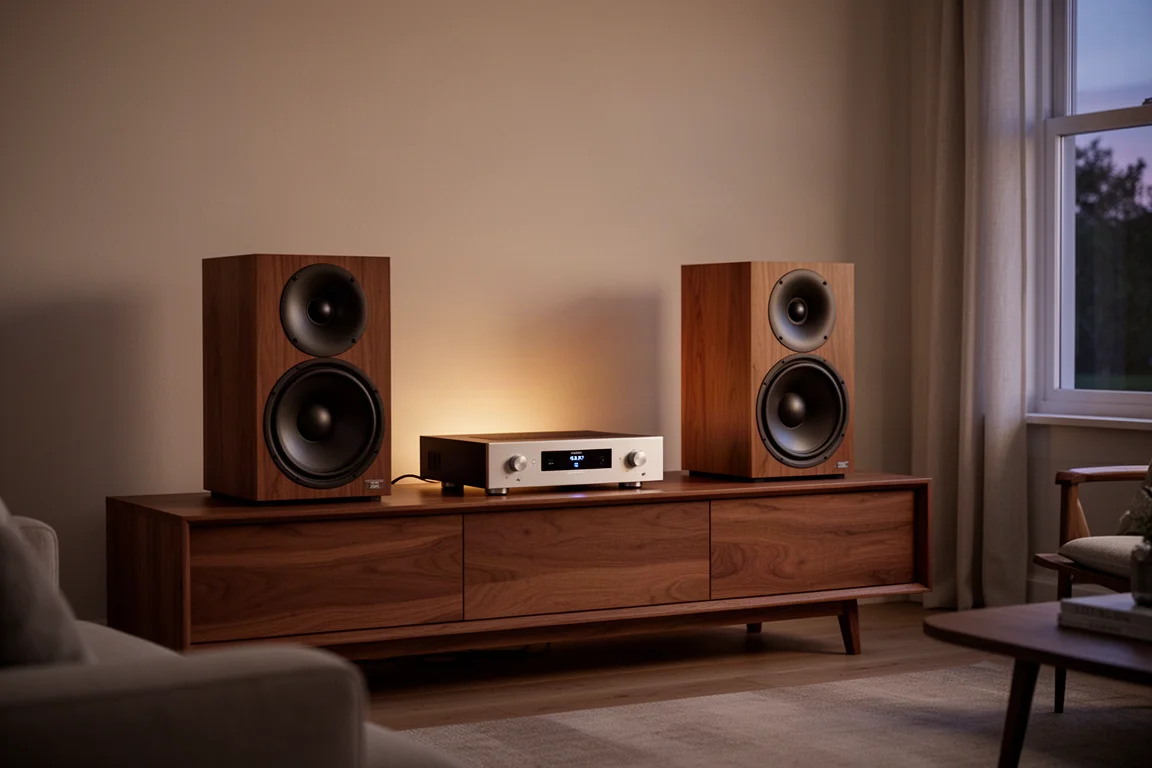
The second-generation RP-600M II exists, but this deal applies to the first generation, which is the version many listeners still seek out.
Cambridge Audio Evo 150: Premium All-in-One Streaming
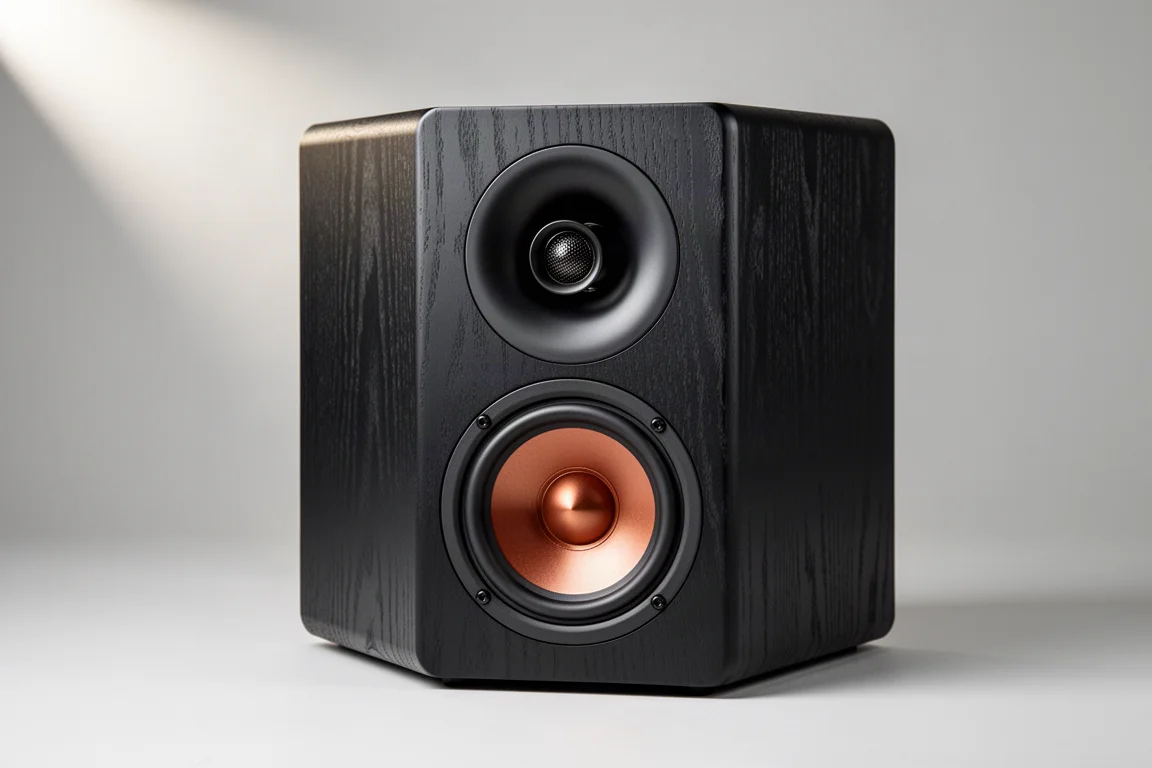
The Cambridge Audio Evo 150 is the most expensive item in this roundup at $3,000, following a $250 price break. It is an all-in-one system with a built-in streamer, so it replaces a separate amplifier and network player in a single chassis.
At this level the appeal is simplicity and sound quality in equal measure: one box, one control app, and everything you need to drive a pair of quality speakers.
Cambridge Audio Evo 75: The Smaller Evo
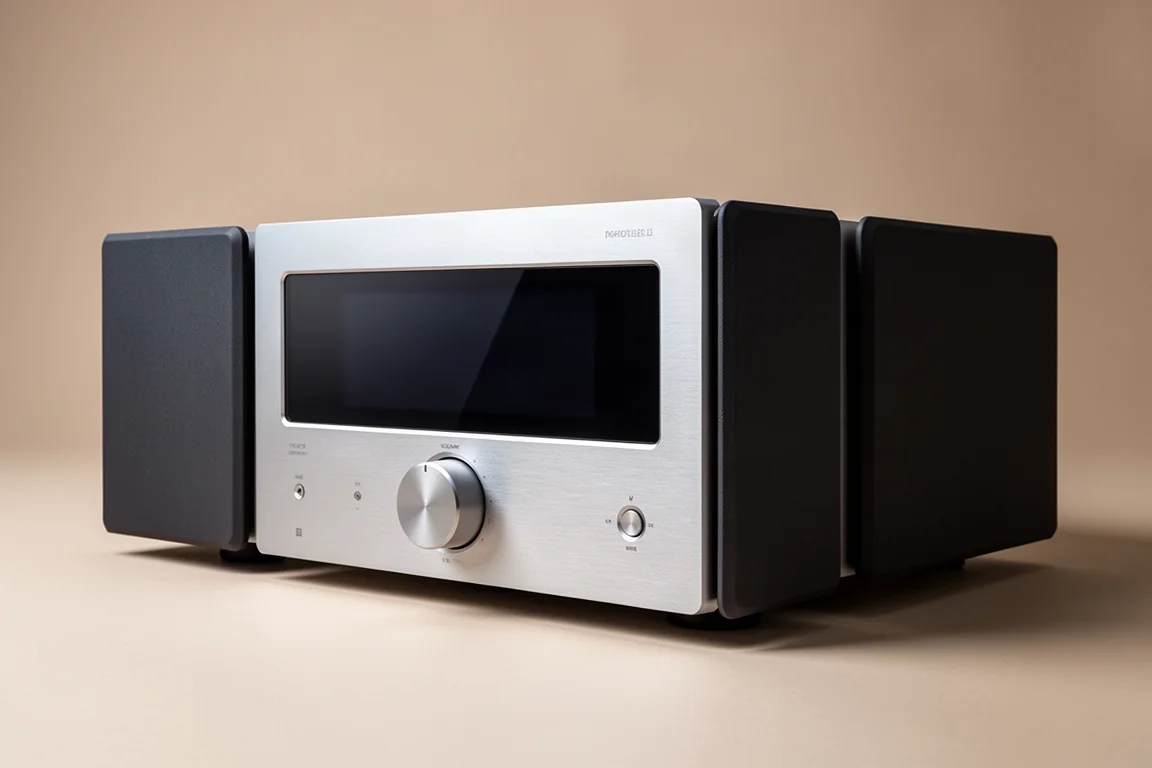
The Cambridge Audio Evo 75 is the more affordable route into the same all-in-one concept, reduced to $1,800 with a $450 price break. It keeps the streaming amplifier formula in a smaller and less expensive package, which makes it the better starting point if the Evo 150 is out of reach.
Klipsch SPL-120: Big Bass for Less
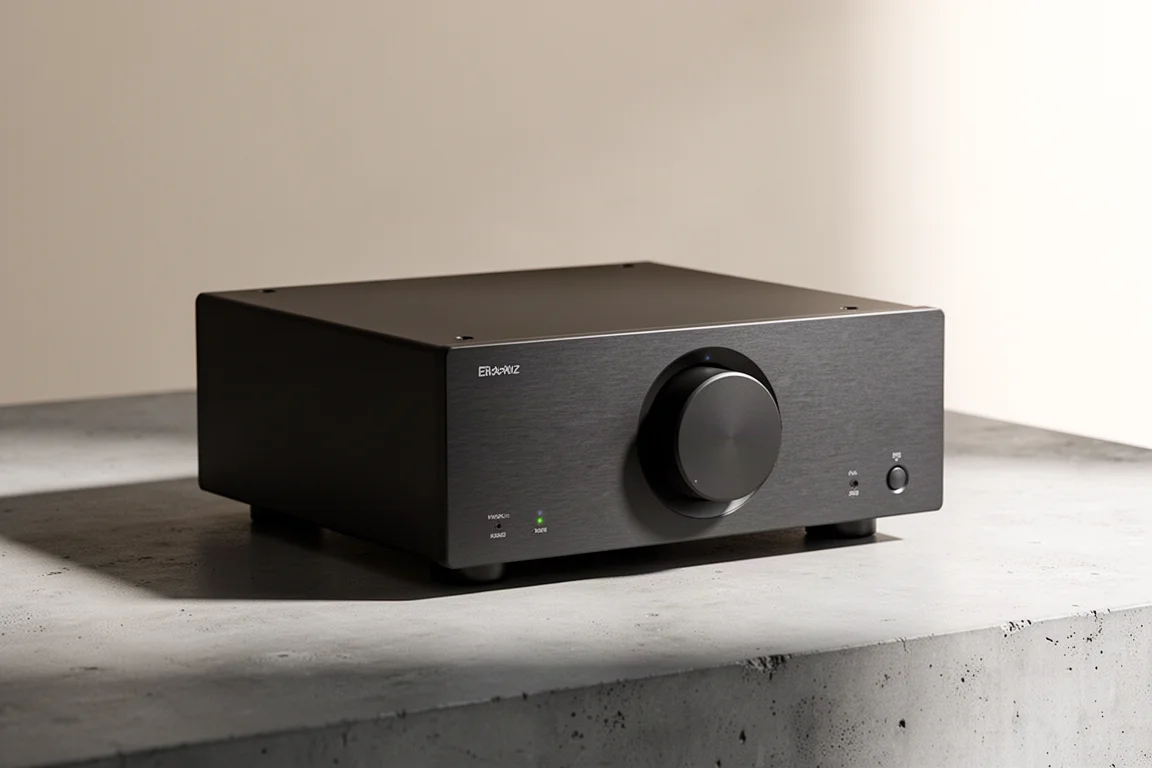
If you want serious low-frequency output for films, the Klipsch SPL-120 is marked down from $850 to $400. It is a straightforward subwoofer without the app-based control and tuning that premium rivals offer, so it will not suit anyone who wants to fine-tune its response from a phone.
What it does deliver is a lot of output for the money, and it is a great deal of fun with movie soundtracks.
Polk Signature Elite ES15: Warm and Forgiving
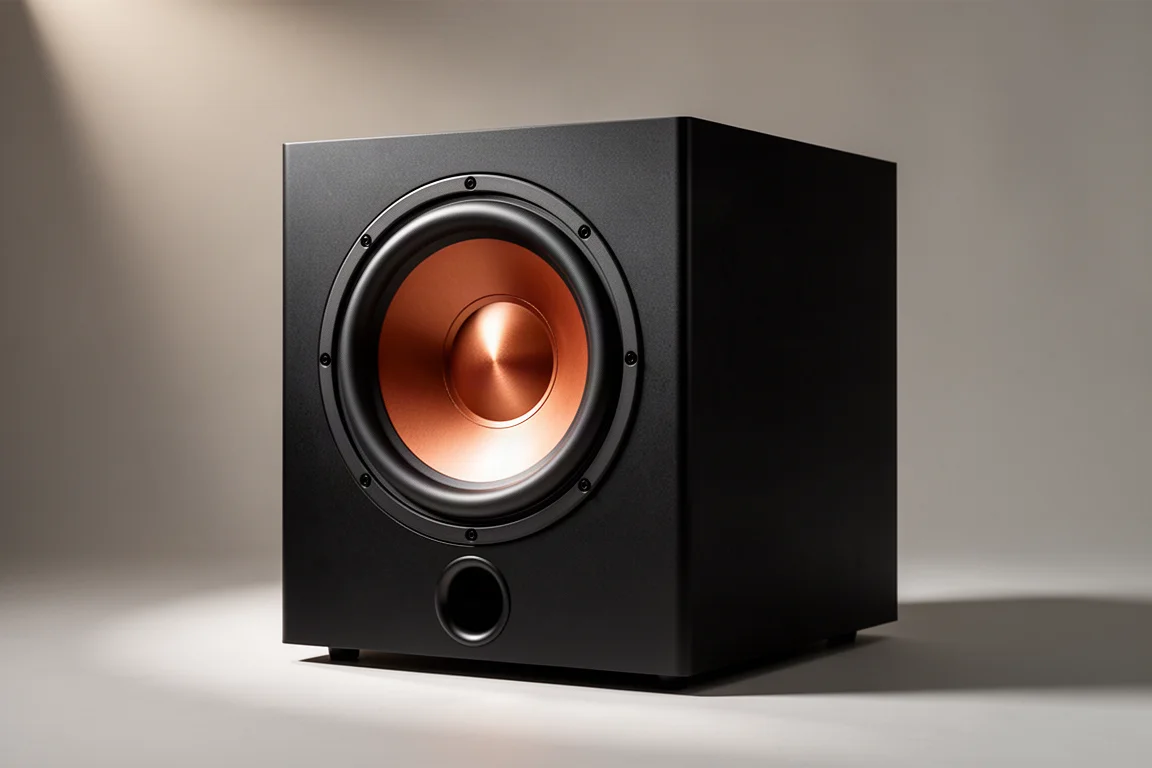
The Polk Signature Elite ES15 is $240 a pair, which puts it about $40 above the ELAC Debut B5.2. The two are a genuine choice rather than an obvious ranking. The Polk has a warmer texture and covers up the shortcomings of poorly recorded music more gracefully, which makes it a very easy first speaker.
What it gives up is top-end detail. The B5.2 resolves more, so listeners who want insight into a recording should lean toward the ELAC, while listeners who want a forgiving and comfortable sound should lean toward the Polk.
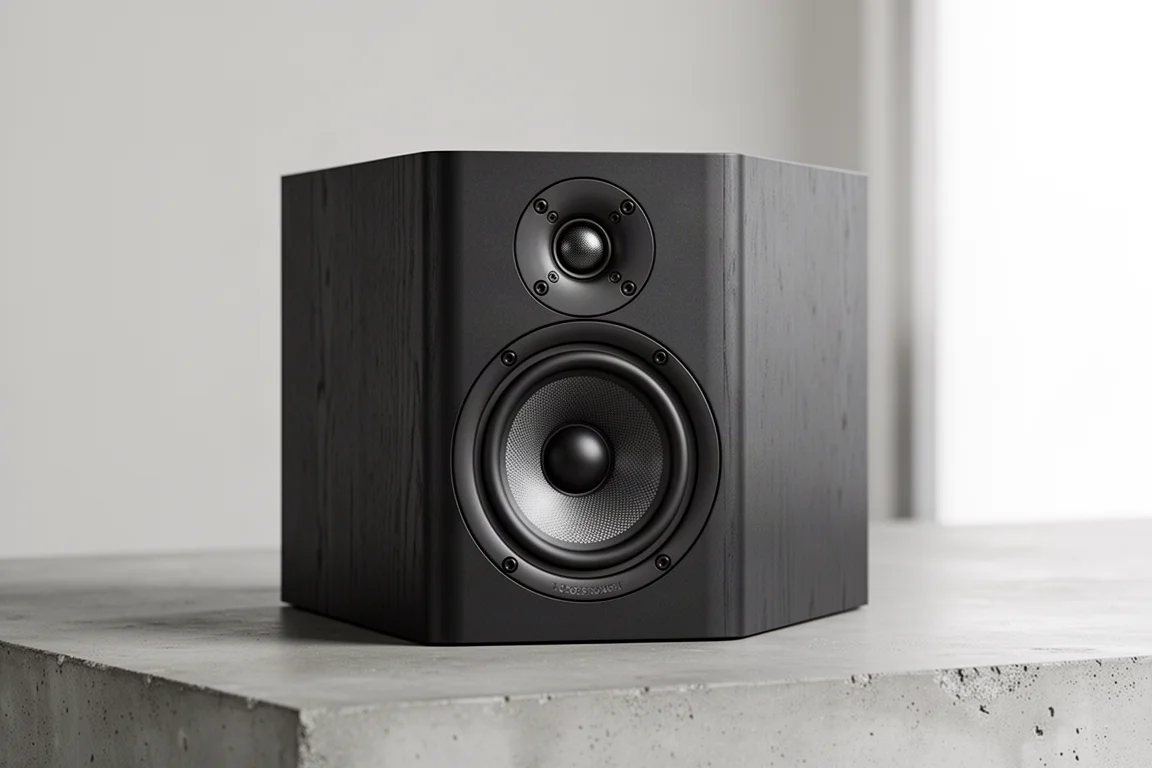
Polk Signature Elite ES20: More Output, Same Character
The Polk Signature Elite ES20 steps up to $320 and offers more output from the same family character, so a larger room or a higher listening level is the main reason to choose it over the ES15. The rest of the Signature Elite line, including the floorstanding models, is also discounted.
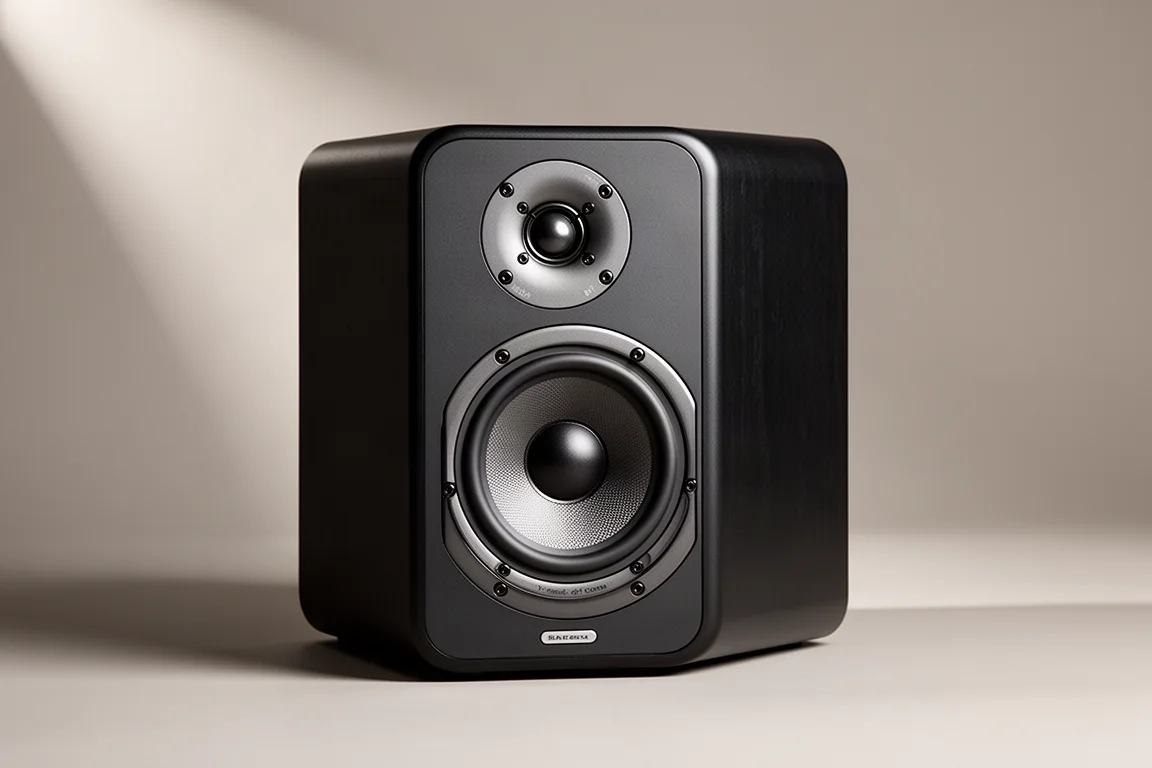
Wharfedale Linton Heritage: Vintage Character, Real Wood Veneer
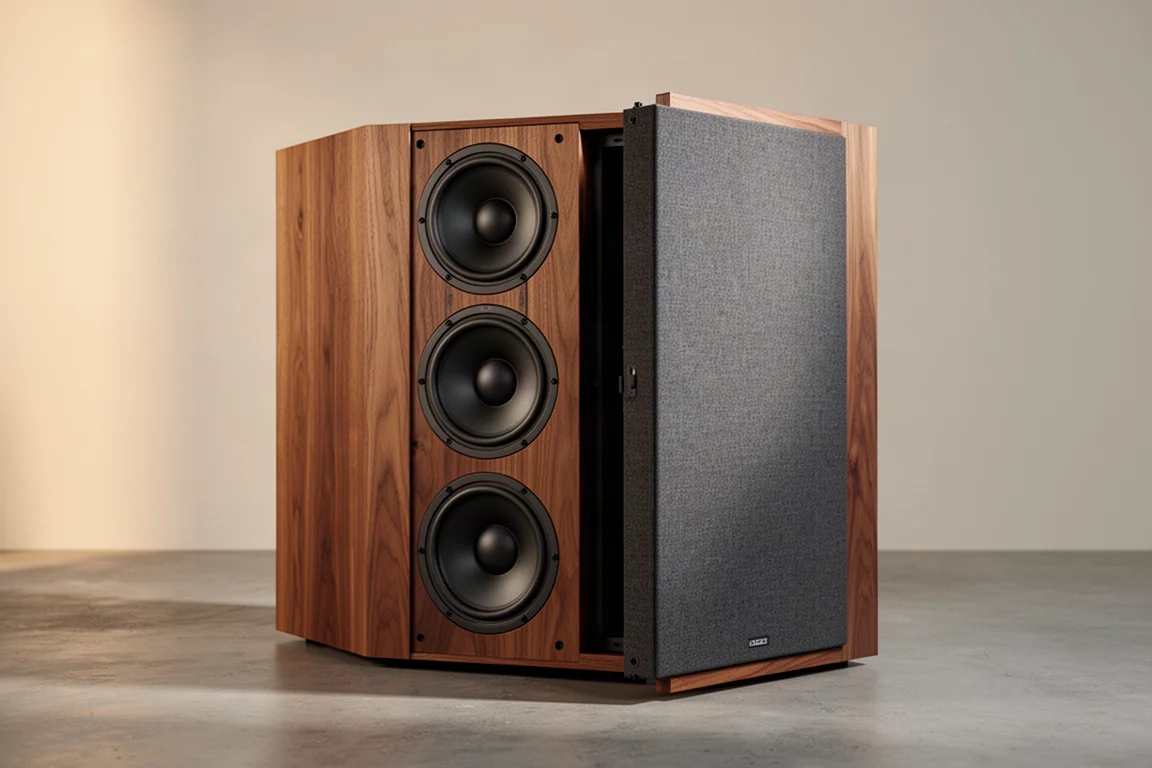
The Wharfedale Linton Heritage is the vintage-flavoured option here at $1,800 a pair, and it is one of the best deals in this list for anyone who wants a large, characterful speaker. It is a three-way design with real wood veneer, and it makes a big visual and sonic statement in a room.
Its strength is ease. It plays everything well, with a well-defined soundstage, and it responds noticeably to good electronics. Buyers who already own quality amplification will get the most from it.
Buying Advice: Matching These Deals to Your Room
Match the deal to the job. If your budget is under $200, the ELAC Debut B5.2 is the default recommendation. If you prefer a warmer, more forgiving sound and can spend a little more, the Polk Signature Elite ES15 is the natural alternative, with the ES20 as the option for bigger rooms.
For a neutral, detailed system that can grow with better electronics, the ELAC UniFi 2.0 is the standout at $419, and the matching UniFi 2.0 Center makes a front stage straightforward. If you want a premium one-box system, the Cambridge Audio Evo 75 and Evo 150 cover two budgets. For film bass, the Klipsch SPL-120 is hard to beat at $400, and for a vintage-styled large speaker, the Wharfedale Linton Heritage is the pick.
One practical note: ELAC discounts in particular tend to disappear quickly, so if one of those models is on your shortlist, it is worth deciding soon rather than waiting for a deeper cut.
Conclusion
There is no single best speaker in this roundup, because the right answer depends on your amplifier, your room, and the recordings you play most. The value is real across the board, though, and the discounts are deep enough that a considered purchase now is likely to feel like a good decision later. Choose the model that matches your system rather than the largest percentage off.
Further reading
Related Reviews
Hi-Fi Speakers
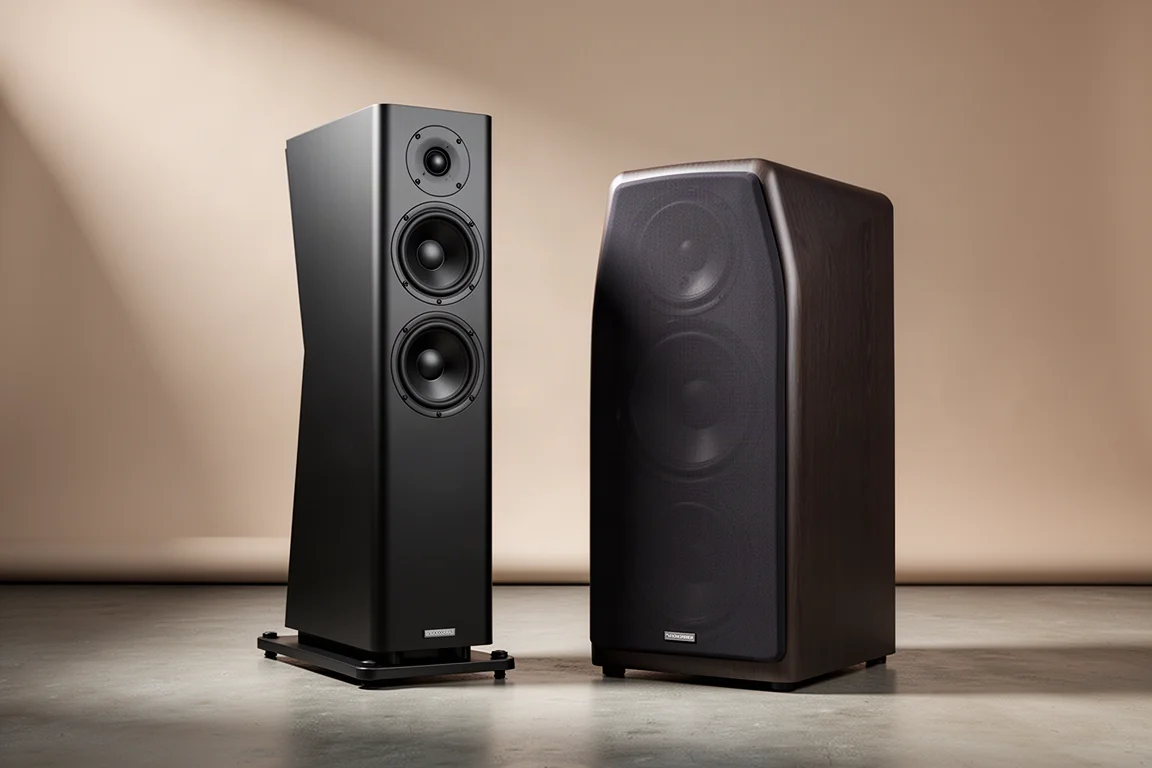
1723 THX Tower vs 1528 Bookshelf: Which Speaker Fits Your Room?
Two speakers at roughly the same price, built very differently. How the 1723 THX tower and the 1528 bookshelf compare on construction, bass, power needs, and sound.
Hi-Fi Speakers
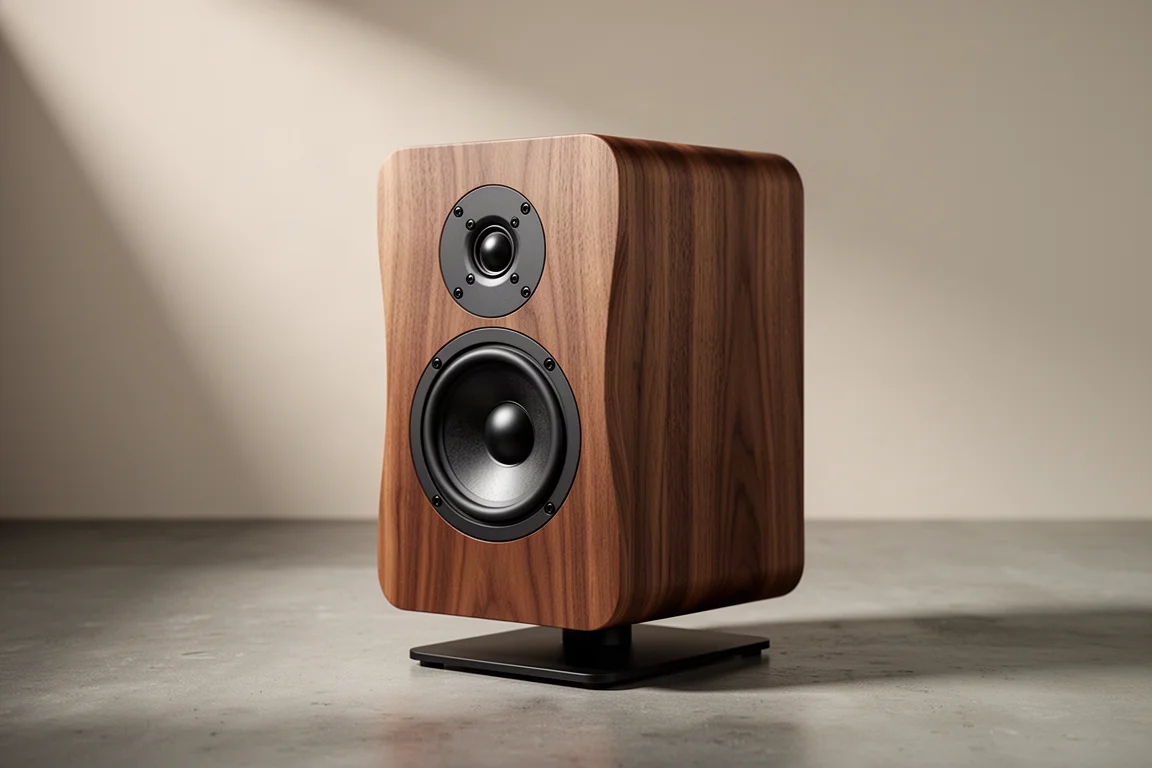
Acoustic Energy AE 300 Review: Deep Bass From a Compact Standmount
A two-way standmount with real wood veneer, surprising low-end weight, and a warm, easygoing character. Here is what to know before buying.
Hi-Fi Speakers
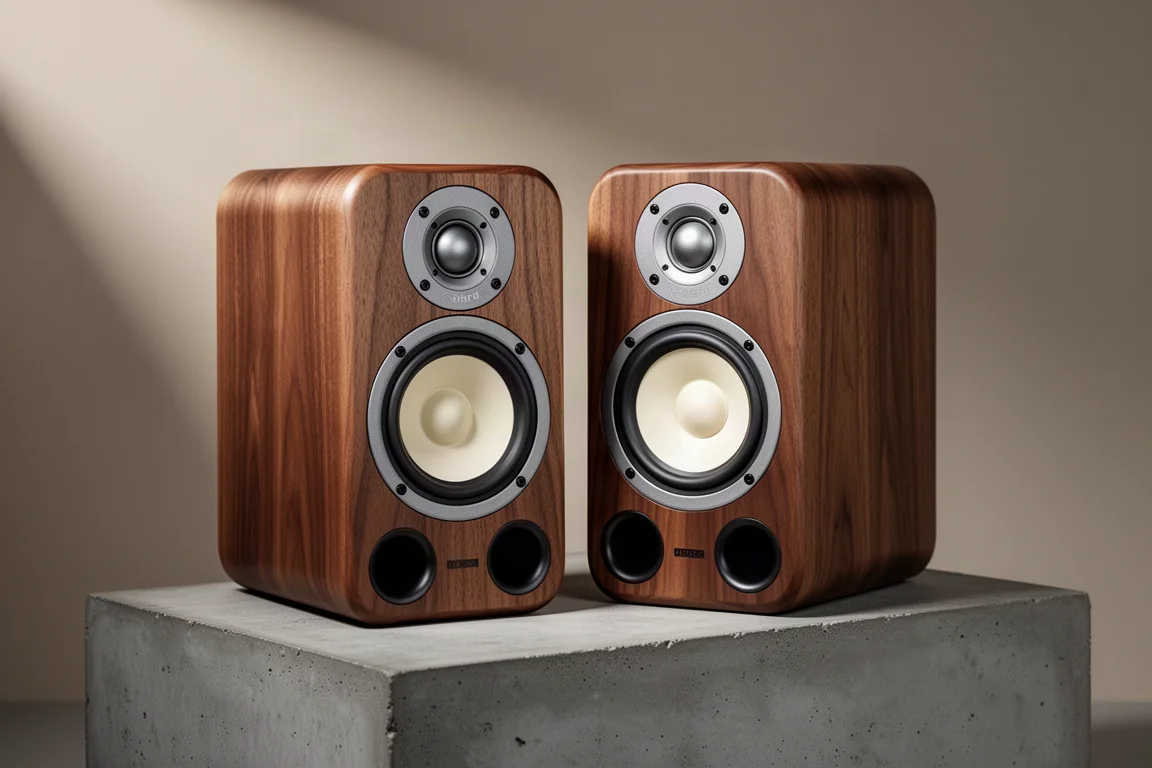
Acoustic Energy AE1 40th Anniversary Review: A Modern Take on a British Classic
A compact standmount that revives a 1980s favorite with all-new parts, a warm mid-centric balance, and a price of £1,499 per pair.