Home Theater
Best Sony Dolby Atmos Home Theater Systems: Soundbars, Add-Ons, and TV Pairings
A practical guide to Sony's Dolby Atmos soundbars, the HT-A9 speaker system, subwoofer and surround add-ons, and the Bravia XR OLED televisions that pair with them.
Introduction
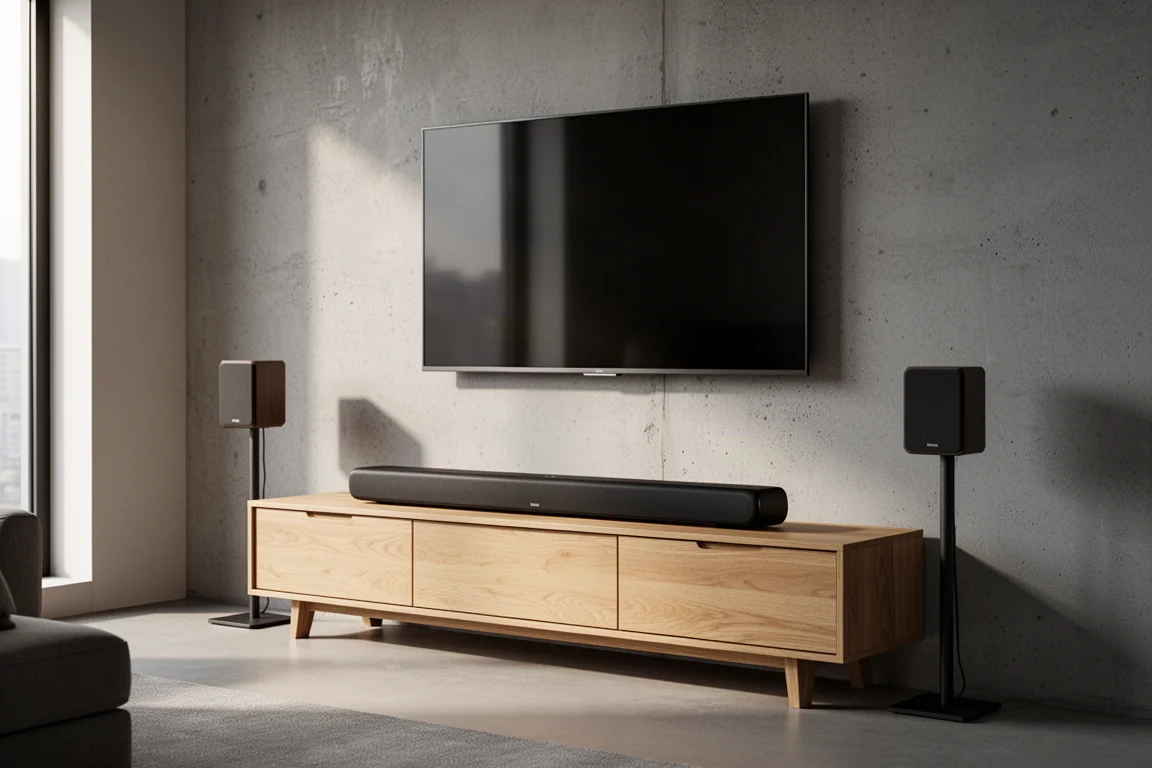
Sony’s current Dolby Atmos range covers three quite different ways to build a home theater. The HT-A5000 and HT-A7000 are expandable soundbars, while the HT-A9 abandons the soundbar format entirely in favor of four separate speakers and a compact control box. Around those systems sits a small set of add-ons, a compact subwoofer, a larger subwoofer, and a pair of wireless rear speakers, that can be shared across the line.
The appeal of the whole family is that each system turns an ordinary room into a Dolby Atmos space with minimal setup, and each one can be scaled up later as space or budget allows. What changes between models is how many channels you get out of the box, how much power is on tap, and how large a room the system can realistically fill. This guide walks through each piece and the Bravia XR OLED televisions that complete the package.
Sony Audio Technology Shared Across the Lineup
Every system here relies on Sony’s X-Balance speaker units. The drivers use a rectangular shape that increases diaphragm area, which Sony says reduces driver excursion and helps the system maintain acoustic pressure with less distortion. The practical result is clearer mid-range for dialogue and vocals, and bass that carries more punch straight from the hardware rather than from a separate box.
On the connectivity side, all three systems support Dolby Atmos and DTS:X along with high-resolution audio, Bluetooth, and Wi-Fi. Streaming features include Spotify Connect, Chromecast, and Apple AirPlay 2, and the systems work with Google Assistant and Amazon Alexa for voice control and multi-room use.
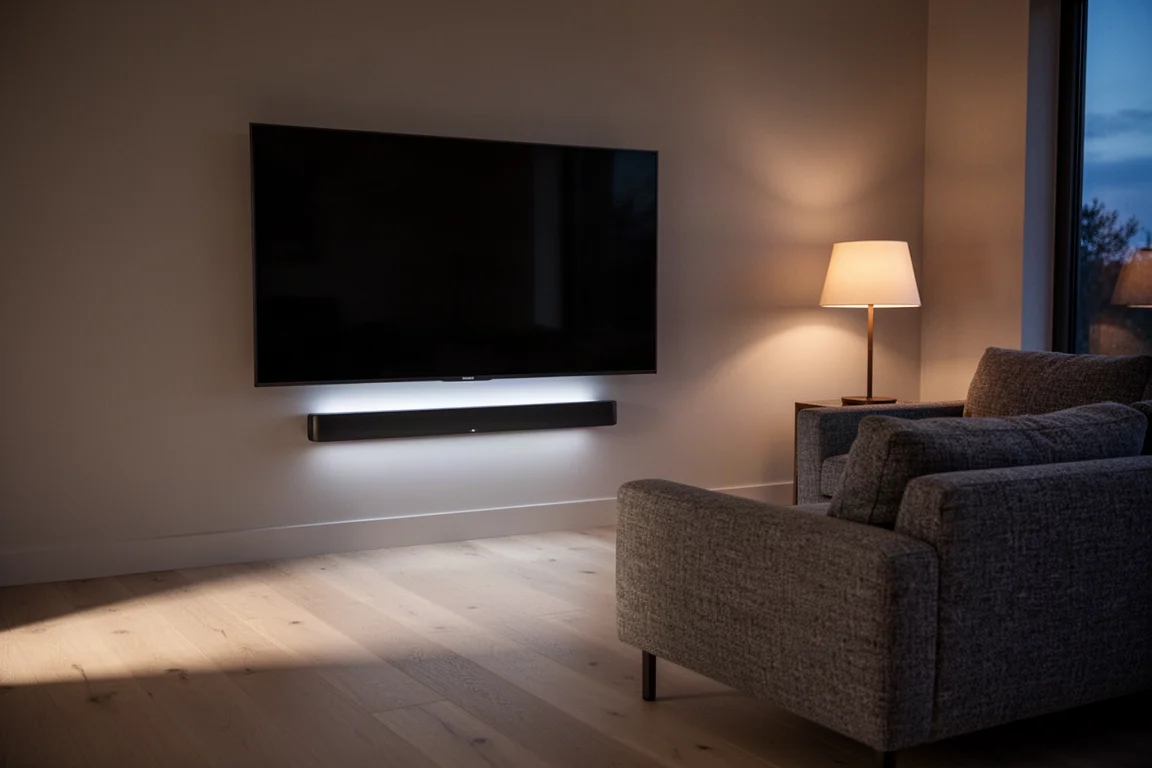
Room calibration is automatic across the range. Built-in microphones measure the position of each speaker, both vertically and horizontally, and adjust the output to suit the room. When a Sony Bravia XR television is connected, the audio settings appear directly in the television’s quick settings menu for fast control over sound modes, bass level, and rear speaker level, including Sony’s Immersive AE and Night mode. Bravia XR sets also support Acoustic Center Sync, which turns the screen into an active audio surface so it can serve as a dedicated center channel.
Best Value: Sony HT-A5000
The HT-A5000 is an expandable 5.1.2 Dolby Atmos soundbar that produces its full surround presentation from the bar alone, with nothing else connected. It is the most accessible entry point in the range, and it can later be expanded to 7.1.2 channels by adding a subwoofer and a pair of wireless rear speakers.
The bar spans 48 inches wide, stands less than three inches tall, and measures about six inches deep, so it visually suits televisions 50 inches and larger. It also uses a multi-position stand that lets you adjust a compatible Bravia TV stand to sit over the bar for a cleaner, more discreet look.
Total power output is 450 watts, which is enough to cover a small to medium room with clear cinematic sound from the bar by itself. There are two HDMI 2.1 ports: one input for a console or another source, and one eARC output to the television. The bar can pass through 4K 120 signals, and Sony states that 8K 60 is possible as well.
Flagship Step Up: Sony HT-A7000
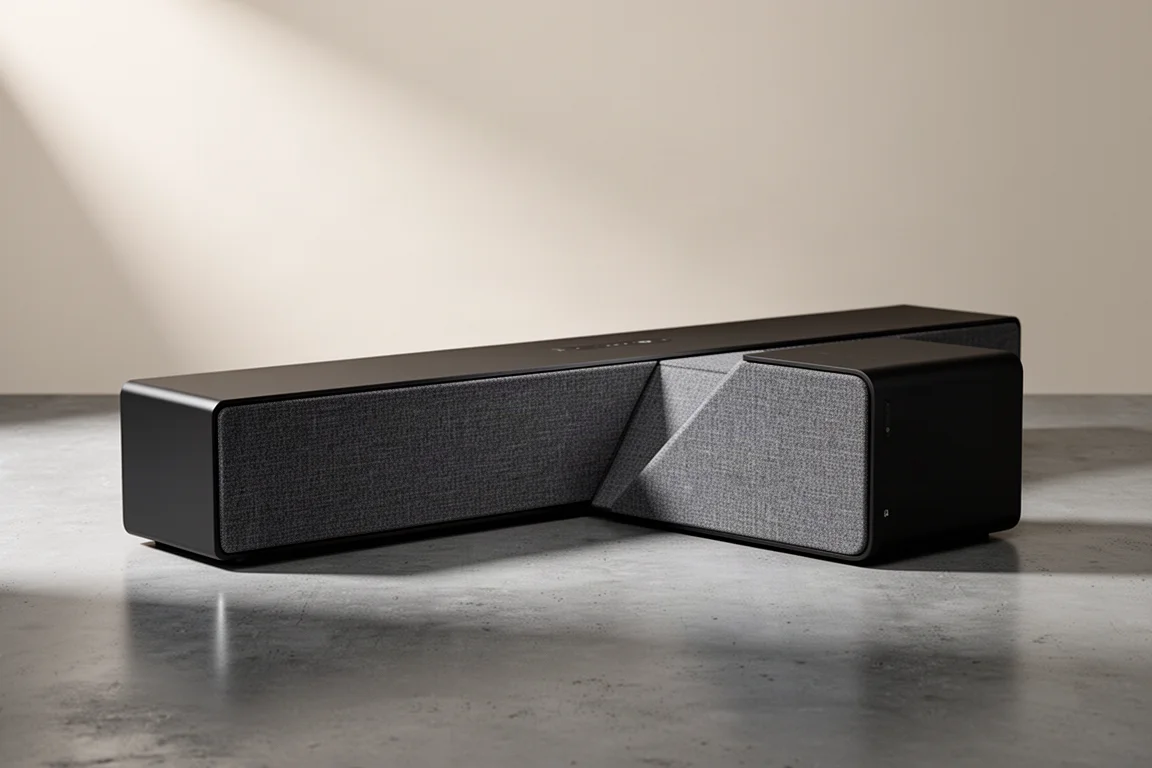
The HT-A7000 is Sony’s flagship soundbar and a true 7.1.2 Dolby Atmos system straight out of the box. It adds dedicated height and width drivers on top of what the HT-A5000 offers: two up-firing X-Balance speakers that reflect sound off the ceiling for a sense of elevation, two high-performance beam tweeters at each end that bounce audio off the side walls for a wider presentation, and five front-facing X-Balance units that reinforce clarity on vocals and dialogue.
It costs less than $400 more than the HT-A5000 and adds 50 watts of total power plus a third HDMI 2.1 input, which helps if you want to connect multiple consoles, a streaming box, and a disc player at the same time. The bar is over 51 inches wide and slightly taller than the HT-A5000, so it suits larger displays and larger rooms.
Expanded with a subwoofer and rear speakers, the HT-A7000 reaches 9.1.2 channels. That configuration performs noticeably better in a medium to large room, where the extra height channels and wider sound stage have room to work.
Soundbar Alternative: Sony HT-A9
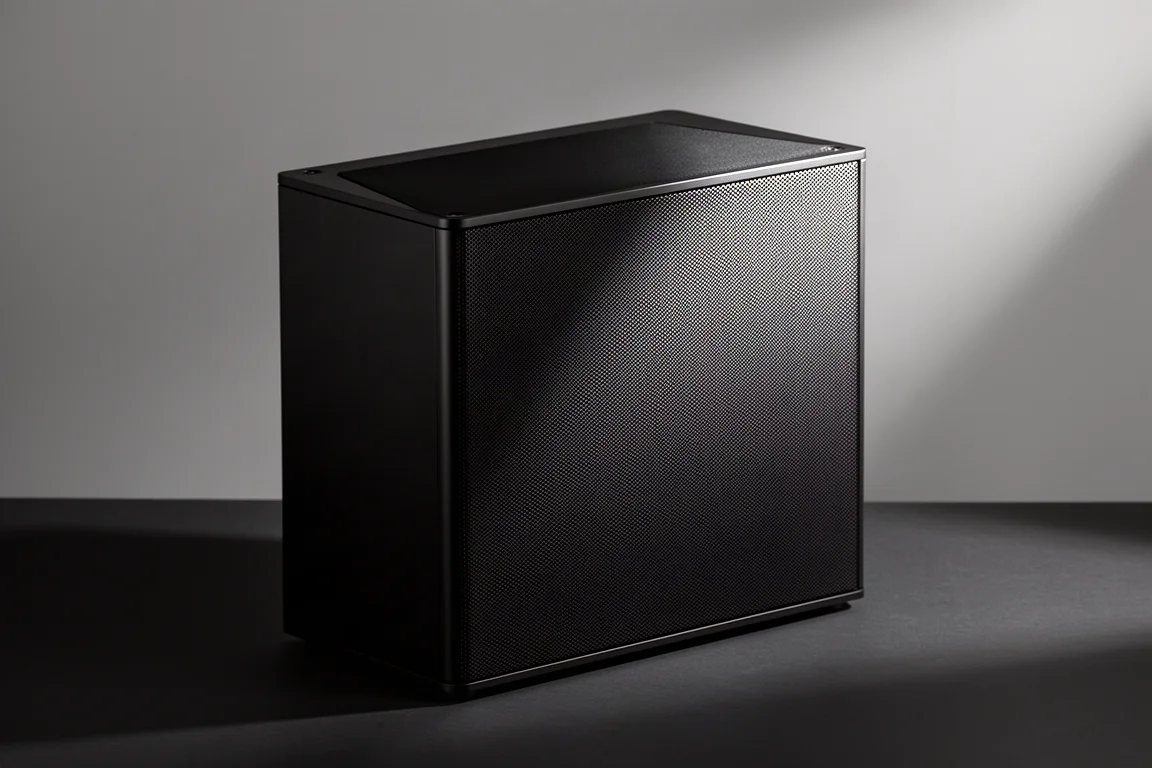
The HT-A9 drops the soundbar format completely. It is a four-speaker system plus a compact control box that handles inputs and processing. By actual channel count it is a 4.0.4 surround system, but Sony’s 360 Spatial Sound Mapping generates the effect of up to 12 phantom speakers, so the experience comes close to a 12-channel layout without twelve enclosures in the room.
Each of the four speakers combines a high-resolution soft dome tweeter, an X-Balance woofer for mid-bass, and an X-Balance up-firing driver that reflects sound off the ceiling. Sony’s digital amplifier technology powers each speaker for 504 watts of total output, and the speakers connect wirelessly to the control box.
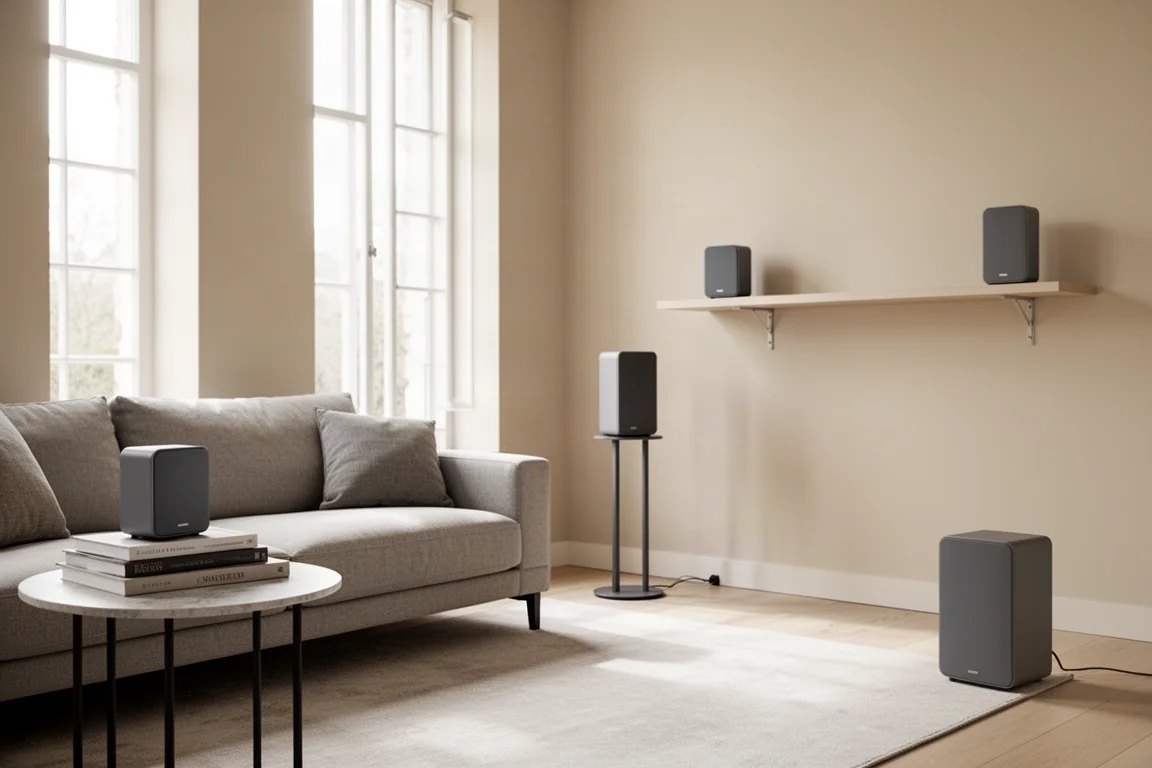
Setup is the simplest of the three systems. The speakers can be placed anywhere in the room, and built-in microphones measure their positions and their distances to the ceiling to calibrate the acoustics. In a room with nine-foot ceilings the spatial effect works very well, though vaulted ceilings may make the three-dimensional mapping harder to achieve. Stereo music and spatial audio tracks both benefit, with detail that holds up from the sides and from above.
The control box provides one HDMI 2.1 input and one HDMI eARC output, with 4K 120 passthrough, support for up to 8K 60, and compatibility with Dolby Vision and HDR.
Compact Subwoofer: Sony SA-SW3
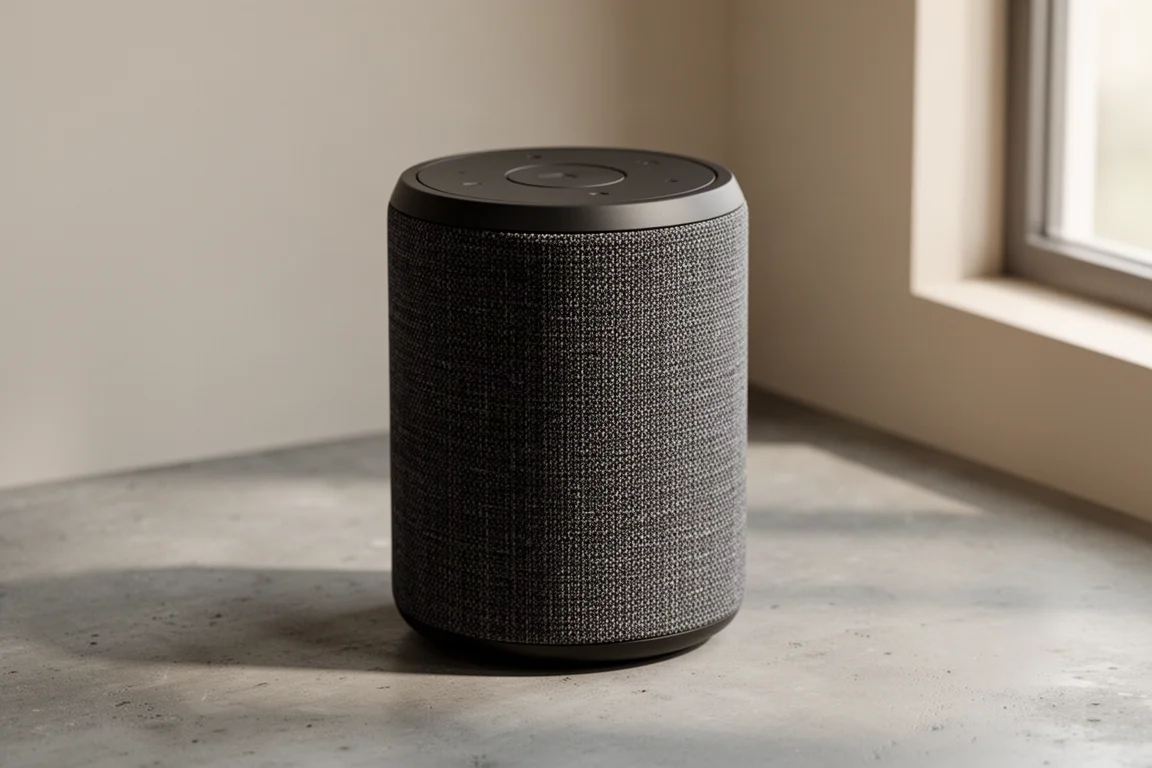
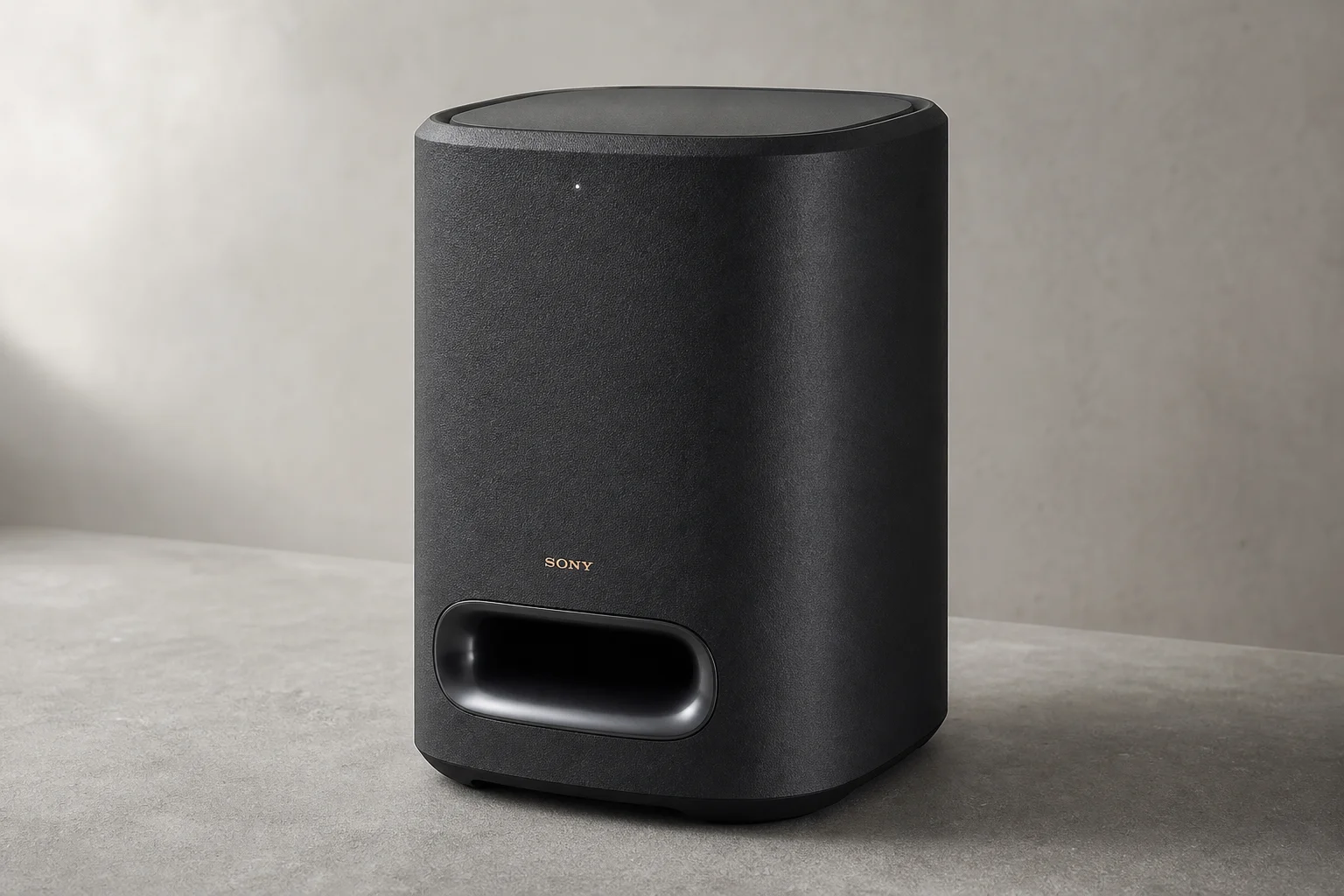
Both soundbars include a built-in dual subwoofer, but a dedicated subwoofer adds noticeably more weight and impact to movie sound effects. The SA-SW3 is the smaller of the two options: 200 watts from a 6.3-inch driver in a slim cabinet roughly 18.5 inches wide, under 20 inches long, and just under 11 inches tall.
That output is enough for a small to medium room, which makes it a sensible partner for the HT-A5000 in a bedroom or a compact living space where floor area is limited.
Larger Subwoofer: Sony SA-SW5
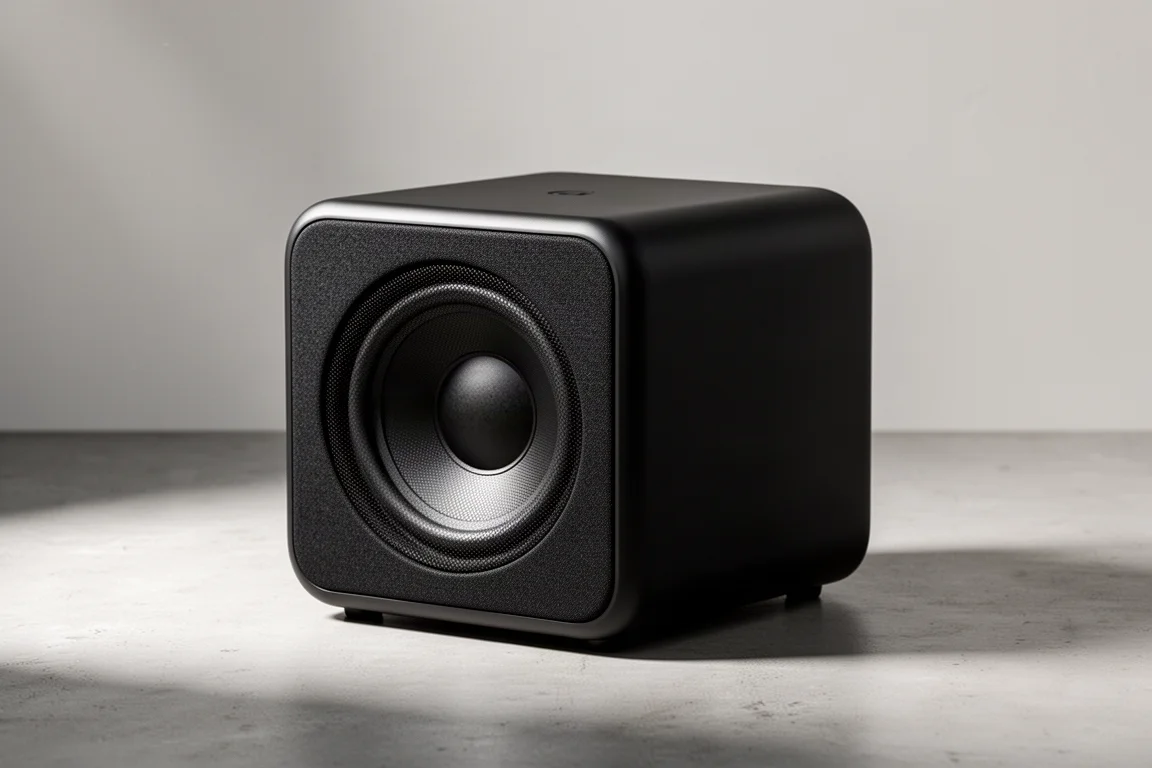
The SA-SW5 steps up to 100 watts more than the SA-SW3 from a similar-size driver and stands about five inches taller. It costs roughly $200 more.
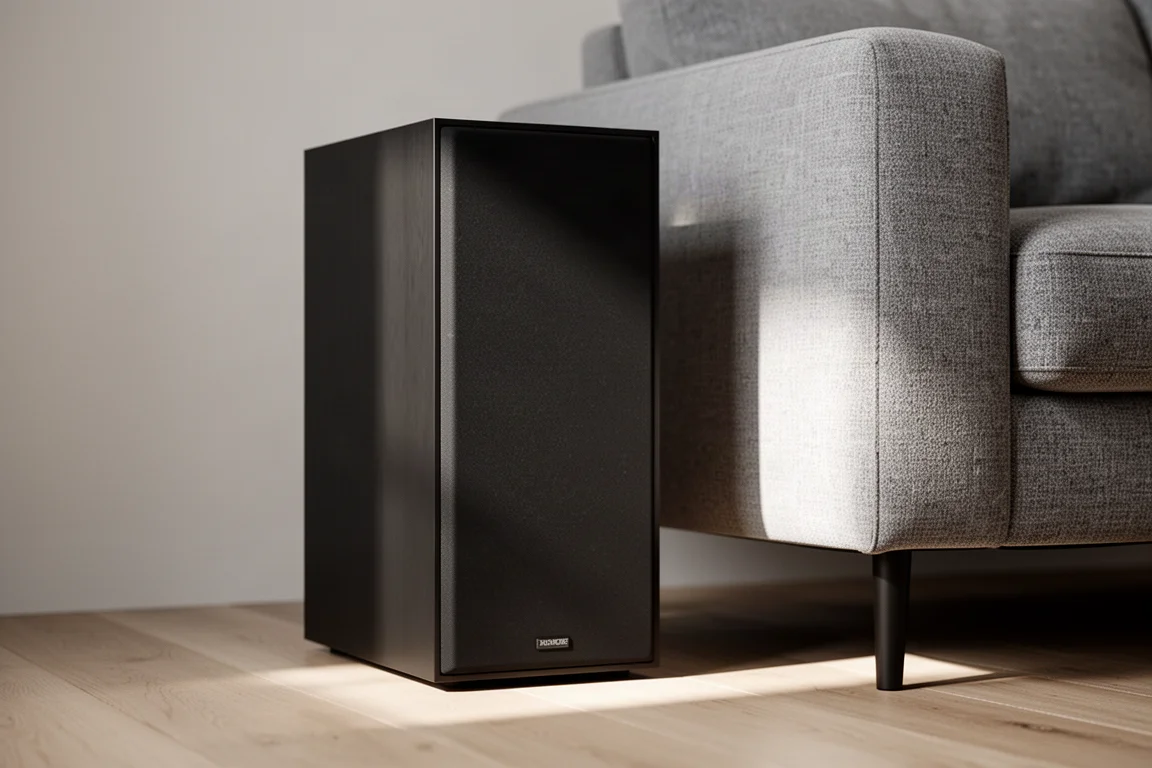
For family rooms and bonus rooms, the larger SA-SW5 is the recommended choice to make sure low-frequency effects land with proper impact. Paired with the HT-A9, it improves the rhythm, pacing, and sense of timing in the lower frequencies while adding more bottom and weight to soundtracks.
Wireless Rear Surrounds: Sony SA-RS3S
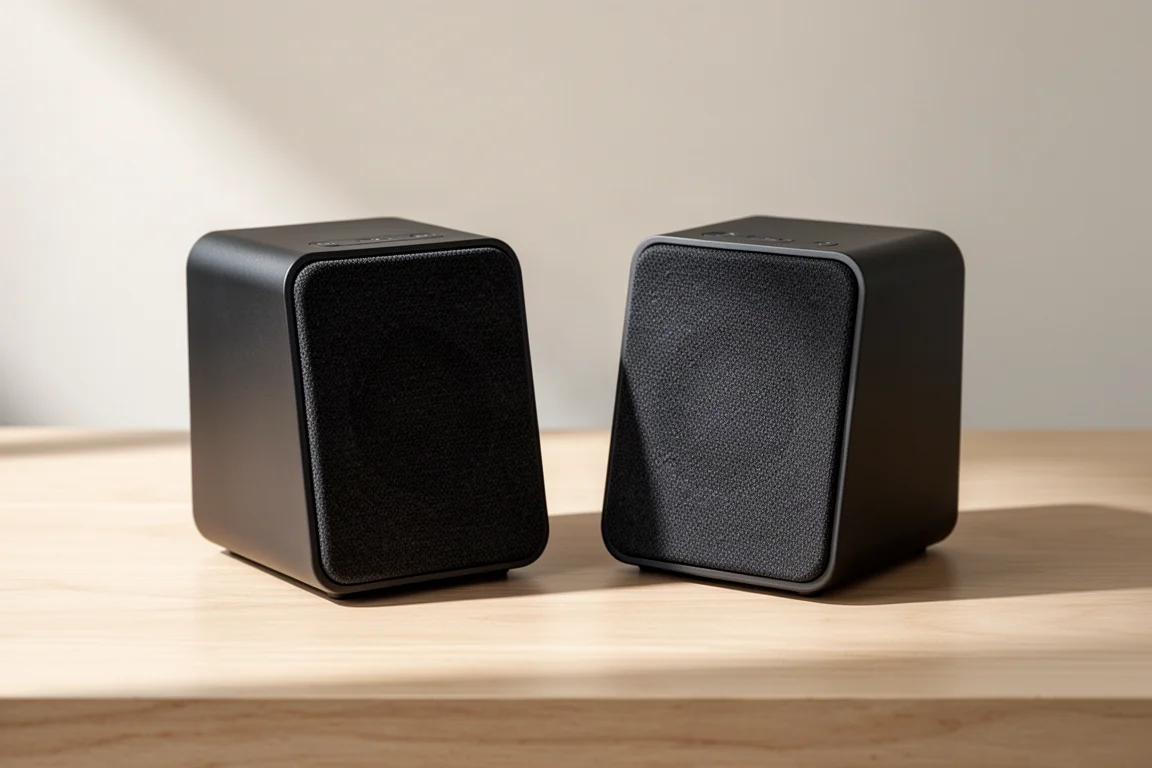
The SA-RS3S speakers connect wirelessly and sit behind the listening position to handle the effects a director intended to come from behind you. Footsteps in a dark alley, a door creaking open, rain splashing onto pavement: these are the details that become far more convincing once dedicated rear channels are in place.
They work with the HT-A5000 and the HT-A7000, and they are the piece that turns either bar into a full surround system when combined with a subwoofer.
TV Pairing: Sony Bravia XR A80J OLED
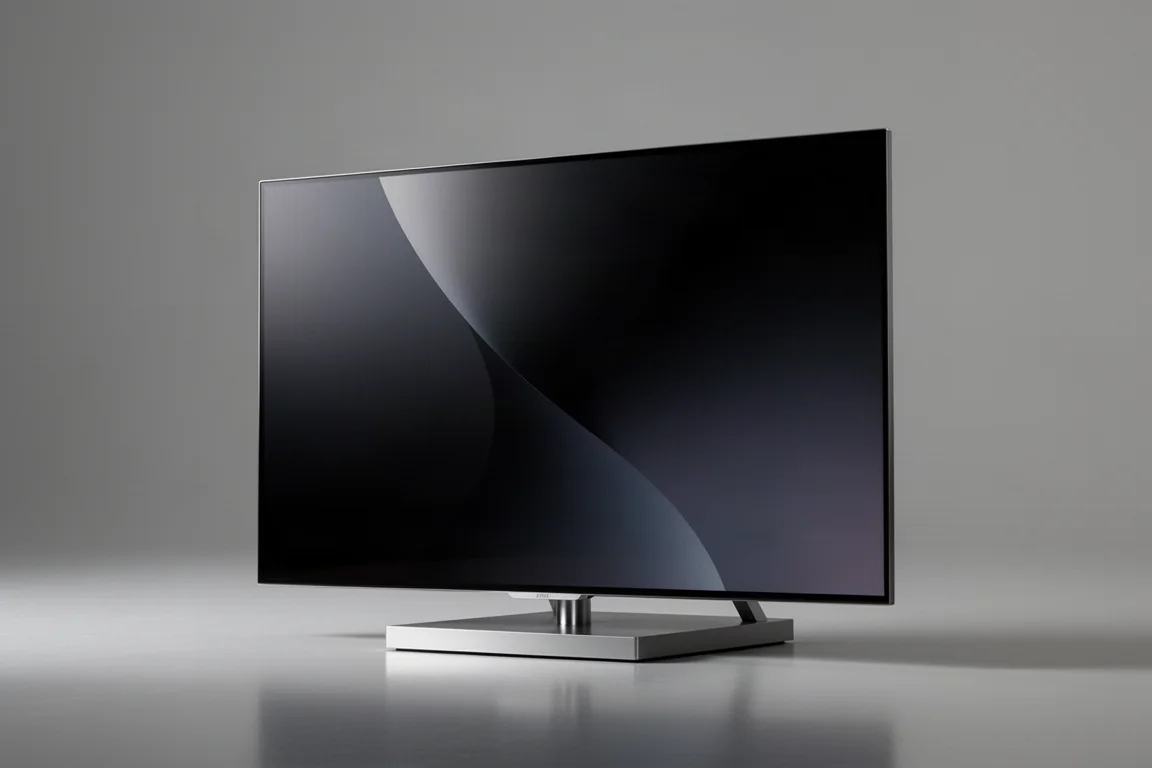
The A80J is available in 55, 65, and 77 inches and uses Sony’s XR OLED Contrast engine for clarity and control. For a smaller room, the 55-inch size paired with the HT-A5000 makes a strong combination, and the larger sizes in the series work just as well for buyers who want more screen.
OLED panels remain the most appealing option for video purists thanks to the deep blacks they deliver, and pairing that panel technology with Sony’s XR processing produces a picture that holds up over long viewing sessions.
TV Pairing: Sony Bravia XR A90J OLED Master Series
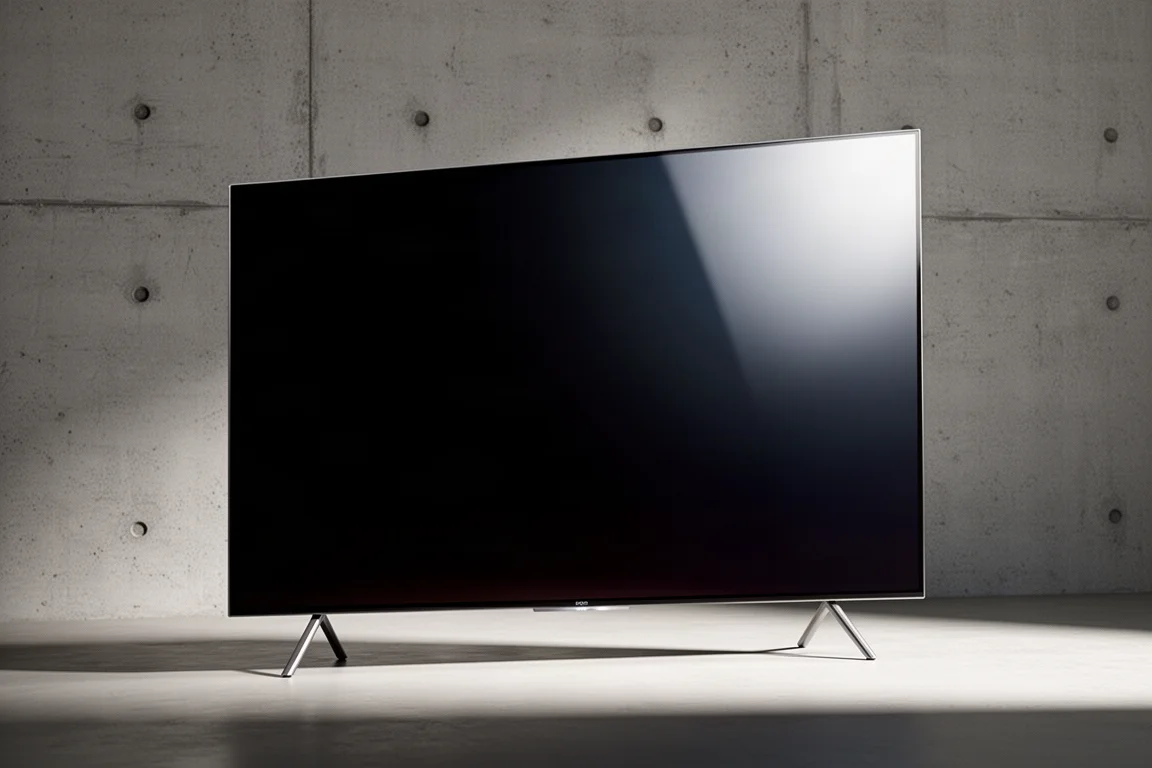
The A90J Master Series comes in 55, 65, and 83 inches with a picture up to 40 percent brighter than previous OLEDs. XR Contrast Pro processing pushes that brightness closer to what an LED display can produce, which matters in brighter rooms.
For a 65-inch screen above the HT-A7000 or the HT-A9 in a larger room, this is the pairing the rest of the system is built around, and the soundbar settings appear on the display for quick adjustments.
Overall Buying Advice
If space is tight, the HT-A5000 with the SA-SW3 is a straightforward way to build a 5.1.2 Atmos system for a bedroom or a small living room. For a medium or large room, the HT-A7000 with the SA-SW5 and the SA-RS3S builds out to 9.1.2 channels and delivers the scale those rooms need, with rear effects that make movie soundtracks feel considerably more realistic.
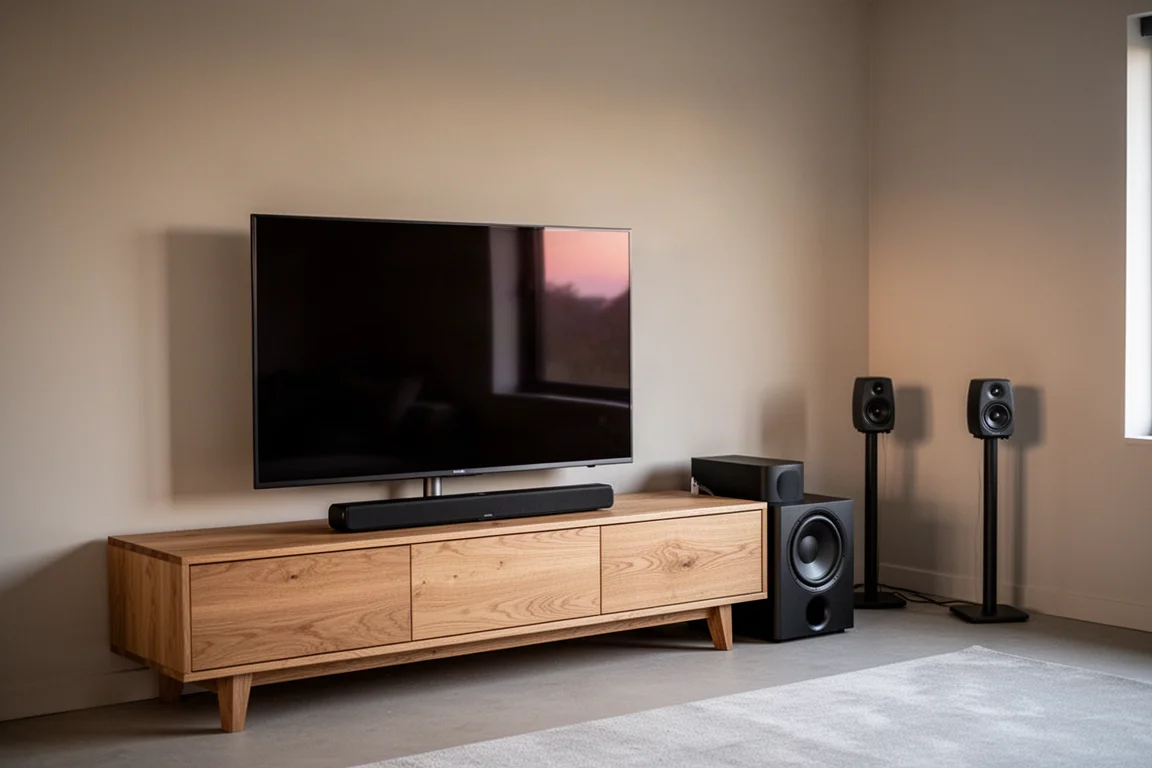
If you want the least visible hardware and the easiest installation, the HT-A9 is the strongest option in the range, and adding the SA-SW5 fills in the low end. On the video side, the Bravia XR OLED models complete the package, and Acoustic Center Sync lets the screen itself act as a center channel when a compatible system is connected.
Conclusion
Each of these systems turns an ordinary room into a Dolby Atmos space with minimal setup, and the difference between them comes down to room size, channel count, and how much expansion you want later. Match the system and its add-ons to the room, pair it with a Bravia XR OLED, and a single Sony setup can cover movies, music, and gaming.
Further reading
Related Reviews
Home Theater
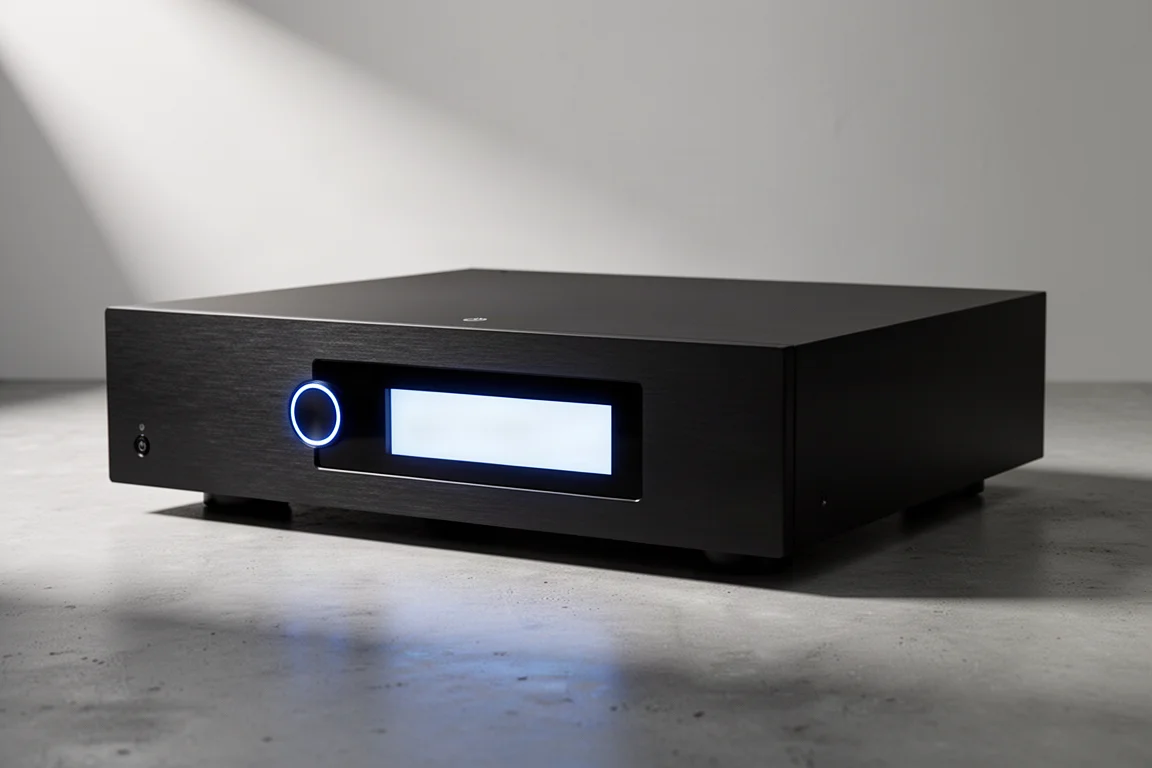
Anthem AVM 90 Review: A 15.4-Channel Flagship Preamp Processor
A close look at Anthem's flagship preamp processor, covering its dual ESS DAC architecture, 15.4-channel layout, ARC Genesis calibration and four independent subwoofer outputs.
Home Theater
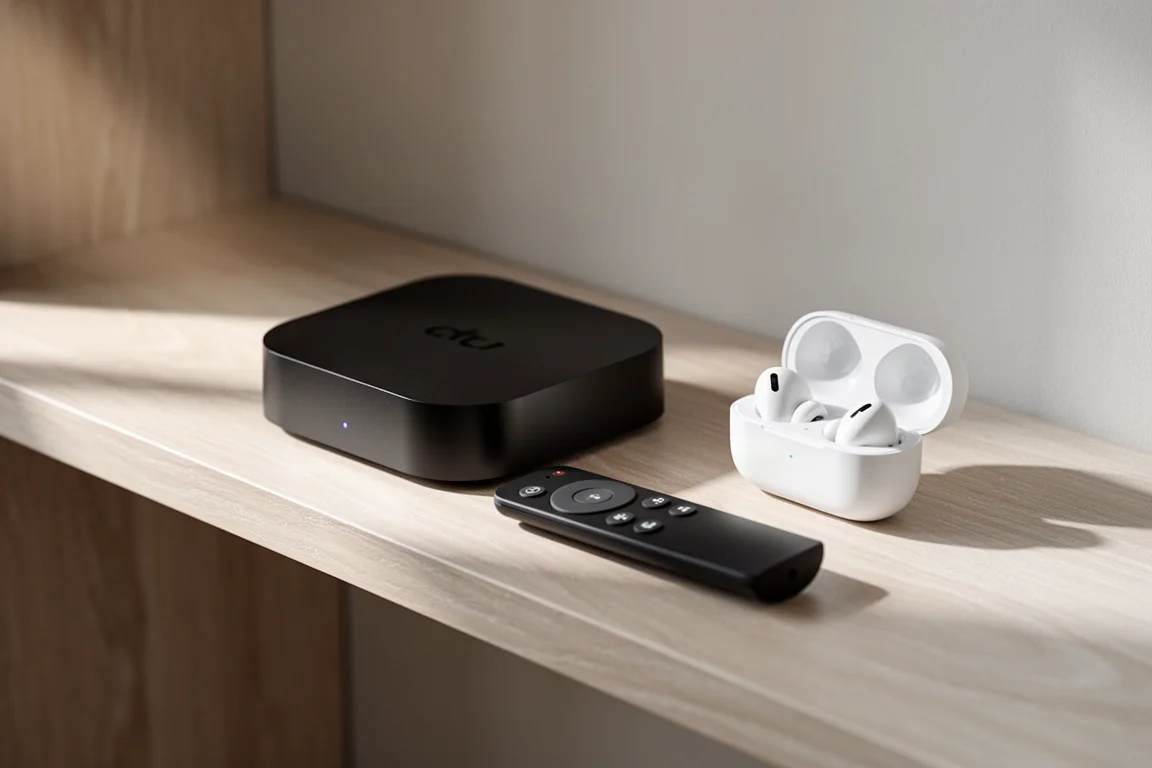
Apple TV 4K With AirPods: A Best-Value Home Theater Setup
An Apple TV 4K paired with AirPods over Bluetooth makes a compact home theater setup for movies, spatial music and late-night viewing, and it can be assembled for as little as $300.
Home Theater
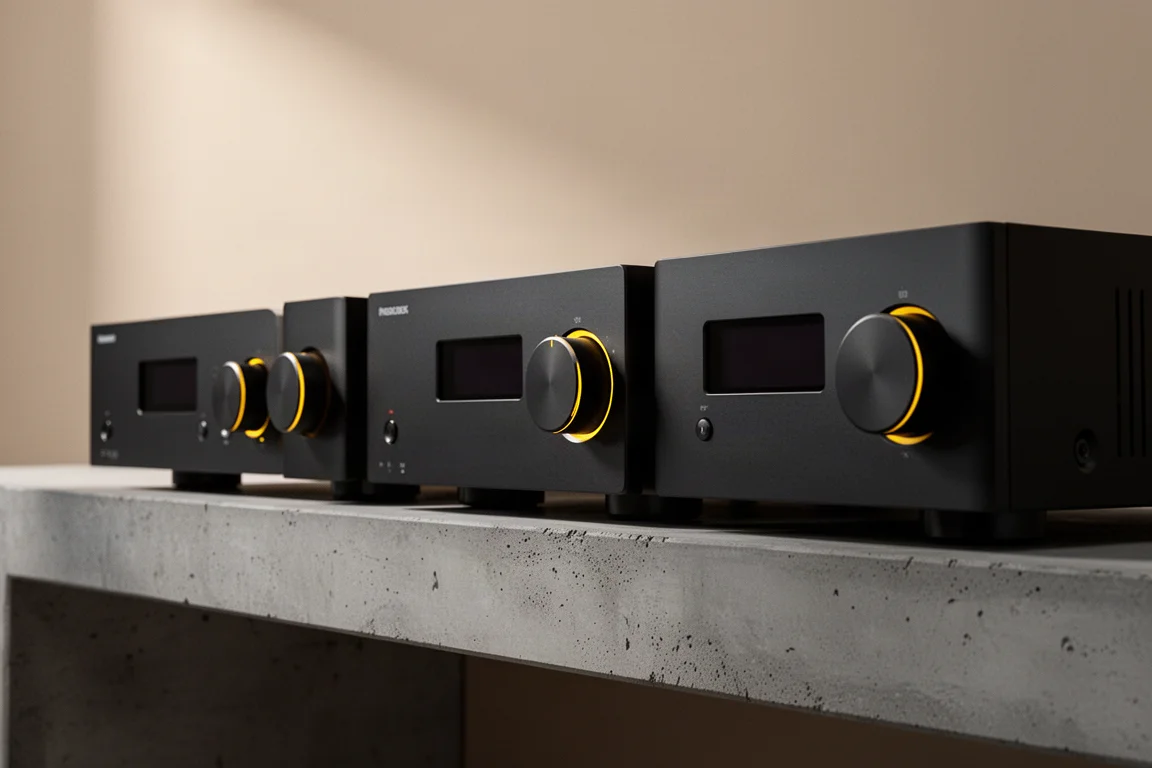
Arcam AVR15, AVR25, AVR35, and AVP45 Compared: Which AV Amplifier Fits Your System?
Four new Arcam home theater components share nine-channel amplification and Dirac Live, but differ in power, processing ceiling, and channel flexibility.