Camping Tents
Best Solo Four-Season Tents Compared: Hilleberg Soulo, Terra Nova Southern Cross 1 and Tarptent Scarp 1
A practical comparison of three solo four-season tents covering build quality, weight, ventilation, interior space and the trade-offs worth knowing before you buy.
Introduction
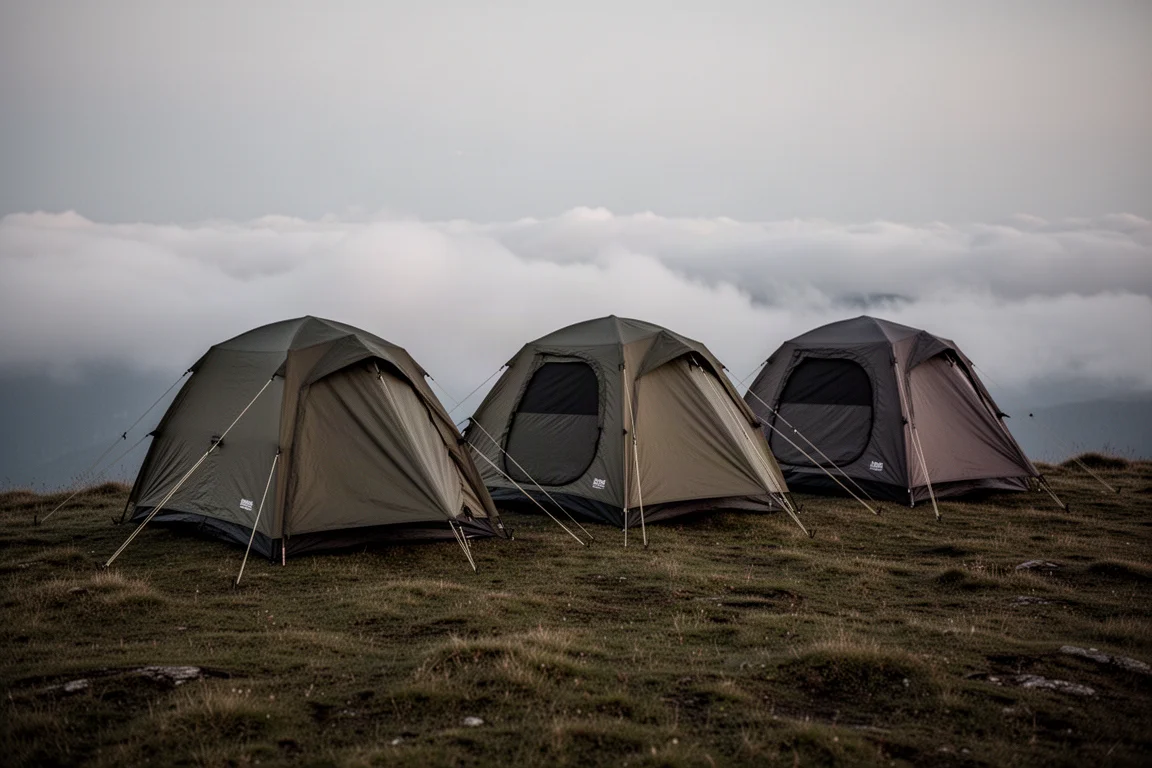
Choosing a solo shelter for winter and exposed ground usually comes down to a trade between strength, weight, living space and price. The Hilleberg Soulo, the Terra Nova Southern Cross 1 and the Tarptent Scarp 1 occupy the same small corner of that market, and each can be pitched without pegs in the right configuration, which matters when the ground is frozen or too rocky for stakes.
They are not interchangeable. One is built like an expedition shelter, one packs down smaller than anything else here, and one gives you by far the most room to sit out a long night. This comparison sets out the specs, the venting, the doors, the interior dimensions and the practical drawbacks of each, so you can pick the one that matches how you actually camp.
What These Three Four-Season Tents Have in Common
All three are single-person, four-season designs with flysheets that sit close to the ground and a clear focus on wind performance rather than summer ventilation.
Weight and price differ sharply. The Soulo weighs 2.4 kg without its footprint and retails at around £800. The Southern Cross 1 weighs 1.69 kg with an RRP of £600, although it has been seen as low as £420. The Scarp 1 is the lightest at a shade over 1.3 kg without its cross poles, and it retails at £459, or £499 with the additional cross poles.
Pitching approach is the second shared theme. The Soulo and the Southern Cross 1 can both be set up completely without pegs, which makes them genuinely freestanding. The Scarp 1 needs each corner pegged unless you add the cross poles, after which it can also be left freestanding.
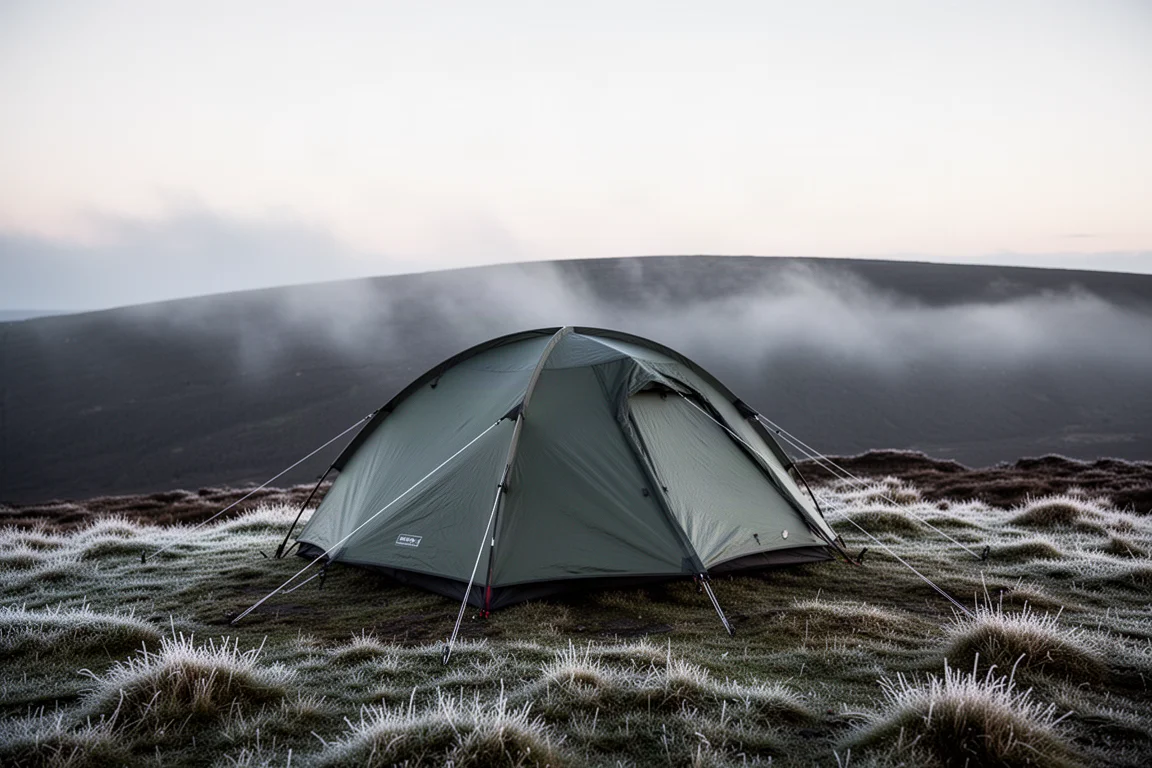
Ventilation is where the three diverge most. Flysheets that drop to the floor keep out driven rain and spindrift, but they also trap moisture, and in humid conditions condensation becomes the thing you notice most inside the tent. The Scarp 1 takes a different approach, and that single decision shapes much of what follows.
Hilleberg Soulo: The Most Reinforced Tent Here
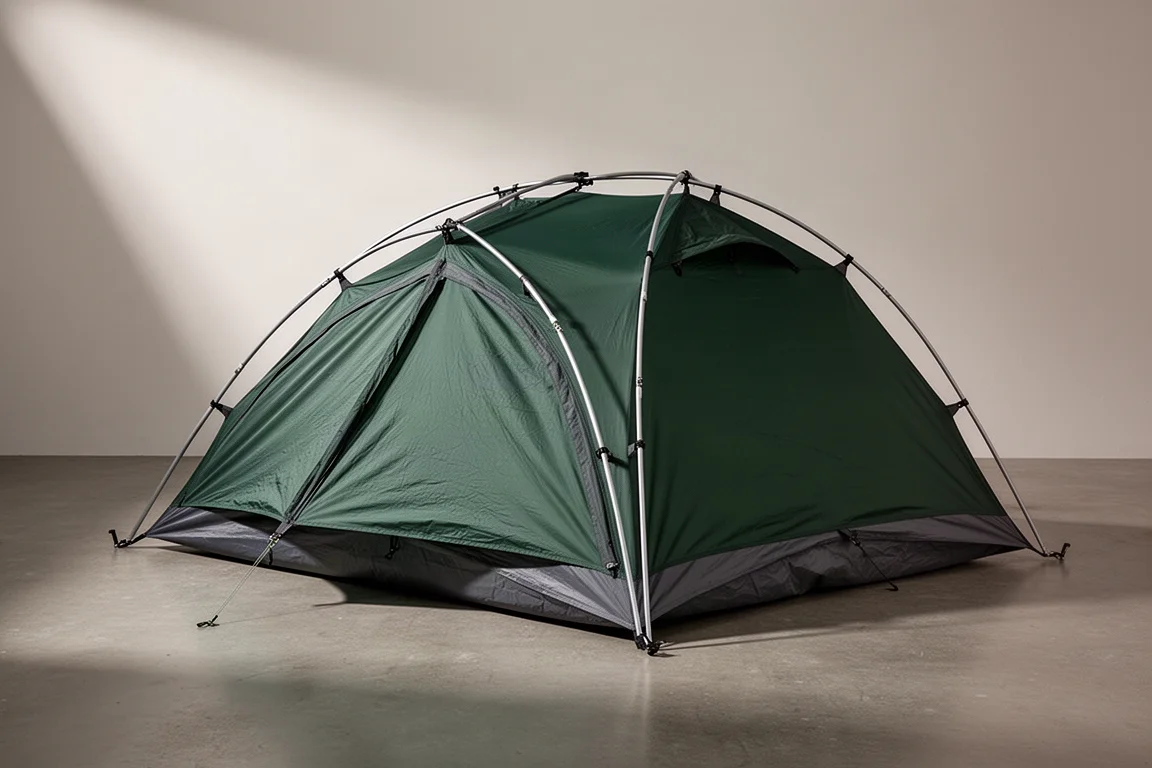
The Soulo is the longest-established tent of the three and the heaviest build. This is the Red Label version, priced at around £800. It weighs 2.4 kg without the footprint, and roughly 2.7 kg with one fitted. The poles are 9 mm DAC, and the fly is made from Hilleberg’s own Kerlon 1200 nylon, a fabric that is effectively impossible to tear by hand.
It is completely freestanding, so no pegs are needed at all. Colour coded poles slide into reinforced sleeves and the fly clips on afterwards, working your way up to the top cover, which is then pulled over and clipped into place. Being able to build the shelter from the ground upwards is a real advantage in wind. The guy lines are the strongest of the three: the top guys wrap around the poles, and there are two on each pole, which adds considerable rigidity in the toughest conditions.
Every part is reinforced, down to the pole sleeves, which are stronger than anything on the other two tents. The trade-offs are weight, packed size and moisture. The Soulo is the largest of the three when packed, although you can compress it well by keeping the poles separate from the fly. It also flaps noticeably in wind, and the large metal zips are what you hear rattling at night. It is a mountain expedition tent, which makes it more shelter than most trips actually require.
Terra Nova Southern Cross 1: Small Pack, Big Wind Resistance
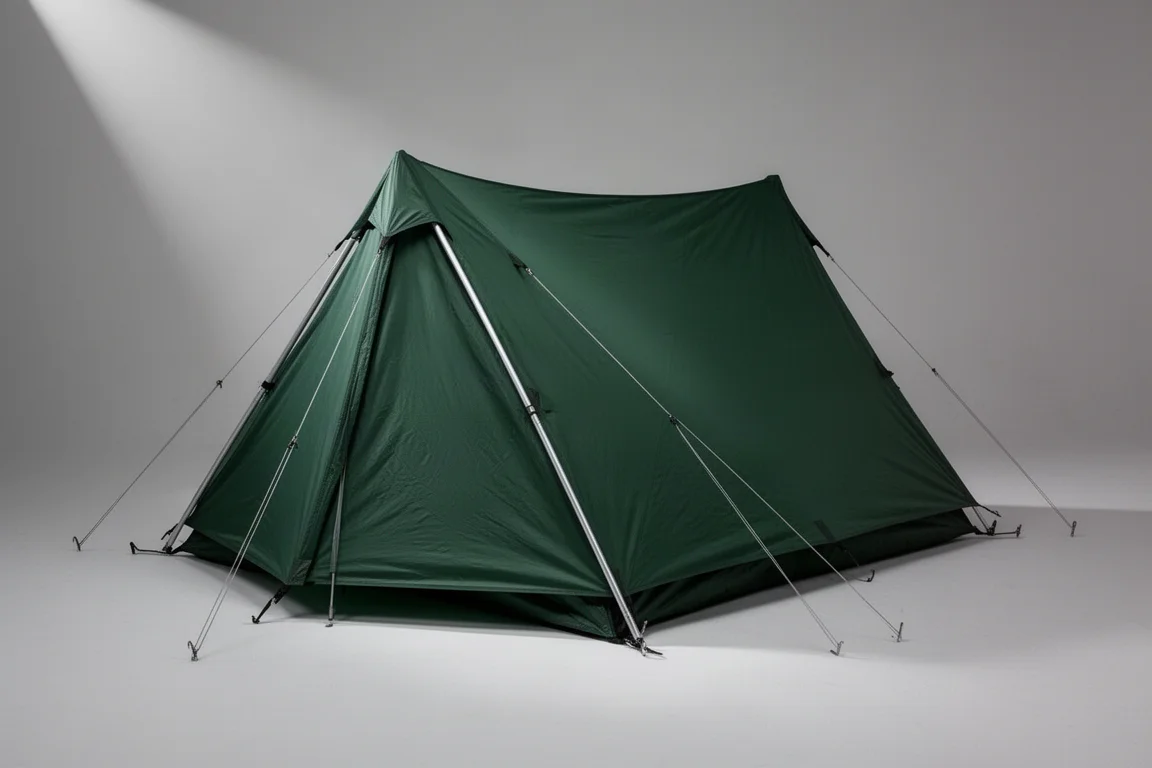
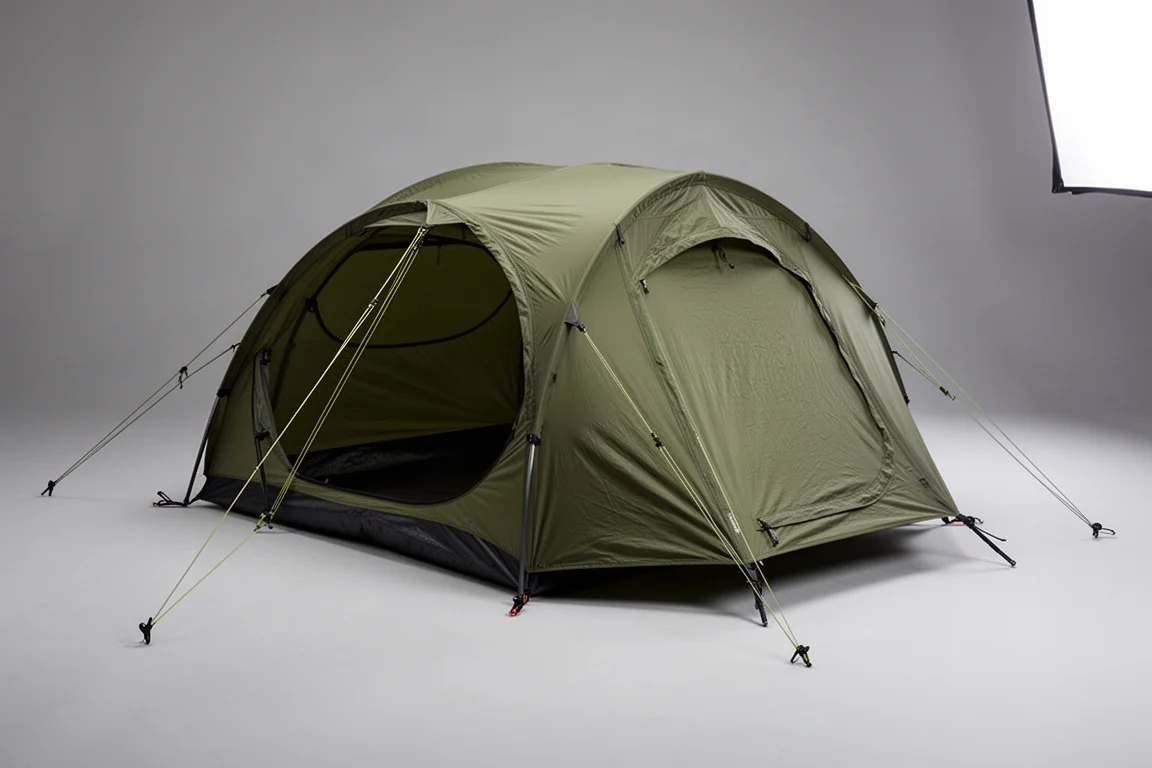
The Southern Cross 1 undercuts the Soulo on price. The RRP is £600, and it has been seen as low as £420. It weighs 1.69 kg, the fly is made from Terra Nova’s Watershed silicone coated polyurethane, and the Reflex poles are just over 8.5 mm thick.
Like the Soulo, it can be set up completely without pegs. The red pole slots into an eyelet first, the blue pole runs through a reinforced sleeve and creates head space inside, and the fly clips on to finish. The guy lines are nowhere near as robust as the Hilleberg’s, but there are additional loops on the panels so you can peg it out, and it copes well in strong winds, covering the vast majority of conditions you would meet in the UK.
It also packs down smallest of the three, and with the poles kept separate it compresses into a genuinely compact bundle, which is a real benefit if you use a smaller backpack. A lower profile means it does not flap much at all, and it feels sturdy and quiet in wind.
Ventilation comes from two small vents, one at either end, which allow air to move through the tent. The fly still reaches the floor, so opening the door is the only other option, and the door can be opened from the top for a little air or unzipped fully. A large storm flap covers the zip. The door tie-back clips onto the pole, which works well enough but is fiddly to operate from inside. Vestibule storage is actually bigger than the Soulo’s, leaving more room for boots and cooking gear.
Tarptent Scarp 1: Two Doors and the Best Ventilation
The Scarp 1 is the cheapest of the three at £459, or £499 with the additional cross poles. The poles are 9 mm thick, the fly is 30 denier silicone nylon, and it is the lightest tent here at just over 1.3 kg without the cross poles.
The end sections hold built-in carbon fibre poles, which support the walls and create a surprising amount of interior room. Those poles can be removed, but it is a real faff, so the Scarp will not squash down to a tiny package. It is slim, though, and slides easily into a side pocket on a rucksack.
Ventilation is the Scarp’s strongest card. There are small windows at the top on both sides, the ends can be unzipped and held open with a bungee, and you can loosen the tension to lift the fly. Because the fly does not reach the floor, airflow underneath is genuinely good. That makes it less warm in winter than the other two, but it also produces far less condensation.
The doors use a waterproof zip instead of a storm flap, and there is a second door on the other side. Two entrances and two vestibules mean gear storage on both sides, and both vestibules are adjustable, so you can slide the inner along to gain sleeping space or open things up for a large frying pan. That adjustability also means you can cook on whichever side the wind is not hitting. It is the most versatile storage layout of the three. Setup is straightforward as a single hoop tent, sliding the pole through the yellow sleeve and pegging each corner, and it becomes the most involved of the three once the cross poles go on. The cross poles fit into eyelets, are held at each corner with a little velcro, and the fly clips on to the outside. Used with and without the cross poles in windy conditions, it has coped with everything.
The niggles are worth knowing. The guy ropes are very short and the side guys do not come with the tent, which is disappointing at this price. The velcro door tie-backs and the bungee half hitch on the inner feel like an afterthought. When the cross poles are not in use, the straps flap and bash against the tent like a drum, and tying them off helps. The tent also needs seam sealing, and factory sealing added around $40 to the cost.
Headroom and Interior Space Compared
The Soulo offers 95 cm of head height and 220 cm from end to end, with 105 cm at the widest point. Realistically there is around 63 cm of genuinely usable width, and once a sleeping pad is in place there is not a lot of clearance above your head. Anyone around 6 ft 2 or taller is likely to find it tight.
The Southern Cross 1 is the smallest of the lot, with 85 cm of headroom and the same 220 cm length, but 100 cm at the widest point. With a sleeping pad down, there is not much spare room, and you lie quite close to the inner netting. Anyone who feels claustrophobic in small spaces may want to look at a larger tent.
The Scarp 1 has by far the most space despite weighing the least. Headroom is 99 cm, the sleep area is 218 cm long and 132 cm wide, and it will take two three-quarter length sleeping pads, so two cosy people can fit inside a one-person tent. Combined with the adjustable vestibules, it keeps wet kit and bags outside while still leaving a comfortable place to sit. There is a little mesh in the inner, so it is not completely sealed, and in very cold conditions you may want to keep a jacket on while sitting around.
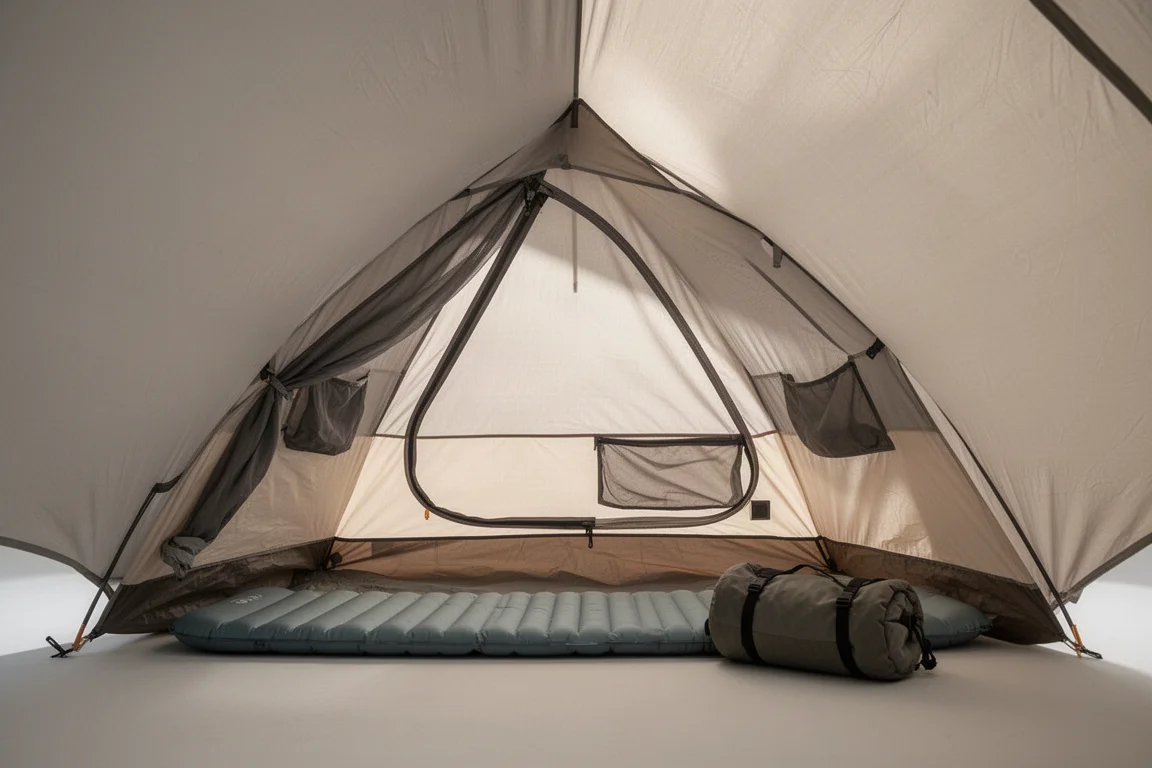
Interior details matter over a long night. The Scarp has decent sized pockets, a clear spot to hang a lantern and flaps for closing off ventilation. The Soulo has two pockets, loops for a lantern and a door that opens all the way back. The Southern Cross uses toggles and loops for its inner, and its storage advantage sits in the vestibule rather than the sleeping area.
Condensation, Venting and Noise in Practice
The Soulo has one large vent at the top that can be opened to whatever degree you need, and it stays protected from rain when covered. Because the fly goes right down to the floor, there is virtually no ventilation from below, so rolling back the door is the only other option, and in sideways wind rain can occasionally get through. It is a magnet for condensation and it flaps in wind, with the big metal zips adding to the noise at night. Taping the zips may help. The inner has a mesh panel plus an internal zip that closes it into a solid panel for very cold conditions.
The Southern Cross 1 vents at both ends for cross-flow, but its fly also reaches the floor, so opening the door is the remaining option. It stays quiet in wind thanks to its lower profile, and its inner rolls up with toggles and loops.
The Scarp 1 is the best ventilated by a wide margin, combining top windows, openable ends and a fly that sits off the ground. It is a genuinely quiet tent, with the exception of the straps that flap when the cross poles are absent. The inner mesh panel can be zipped up solid when the temperature drops, and the velcro tie-backs remain the weakest detail on an otherwise well-sorted tent.
Buying Advice
The Soulo makes sense if you want the strongest tent of the three and expect genuinely severe weather. You accept the highest price, the greatest weight, the largest packed size and a condensation problem in exchange for reinforcement everywhere and the best guy line system here.
The Southern Cross 1 suits anyone who needs a small pack size and dependable wind performance. It is the most affordable route into this group, it pitches without pegs, and it stays quiet in a blow. The compromise is interior space: it is the smallest of the three, so it works best for trips where you sleep rather than sit out long evenings.
The Scarp 1 is the pick for comfort and ventilation. It is the lightest without the cross poles, the cheapest, the most spacious and the least troubled by condensation, with two doors and two adjustable vestibules. Budget for seam sealing, expect short guy lines and be prepared for a more involved pitch when the cross poles go on.
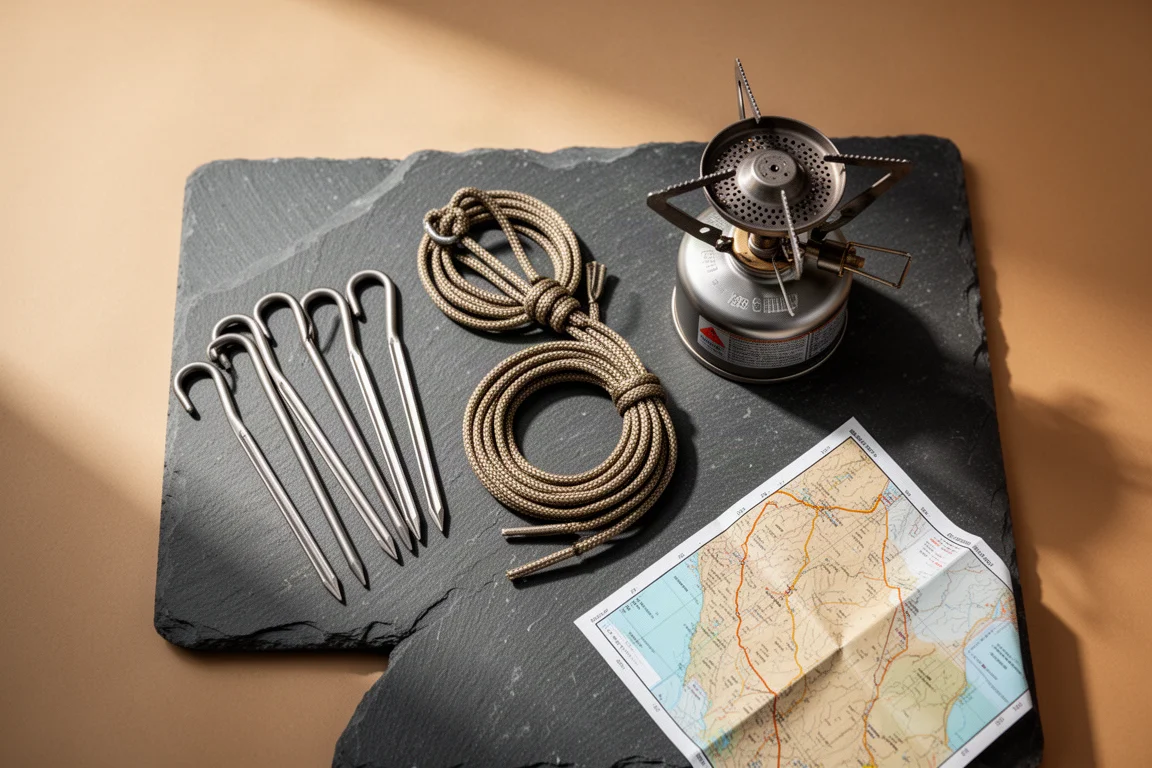
Two practical notes apply to all three. The pegs supplied with the Southern Cross are poor and the ones that come with the Hilleberg are not great either, so carrying your own set makes sense. If you are ordering the Scarp from the USA, be aware that import taxes and duty can add a significant amount, potentially up to £100 depending on the specification. If you camp in humid conditions and spend long hours inside the tent, ventilation and headroom will matter more to you than a few hundred grams.
Conclusion
There is no single winner here, because each tent solves a different problem. The Hilleberg Soulo is the one to choose when the weather is the main threat and weight is secondary. The Terra Nova Southern Cross 1 is the one to choose when your pack is small and the forecast is windy. The Tarptent Scarp 1 is the one to choose when you want the most liveable space and the least condensation for the lowest outlay. Decide which of those three problems you are actually buying for, and the choice becomes straightforward.
Further reading
Related Reviews
Camping Tents
3F UL Gear Taiji Two-Person Tent Review: Field Waterproofing Results and Buying Advice
The Taiji pairs an attached fly with a removable inner, but sustained rain exposed untaped vent seams that need sealing before this shelter can be trusted.
Camping Tents
3FUL Gear Lanshan 2 Pro 4-Season Review: A Sub-$200 Single-Wall Trekking Pole Tent
An early look at the 3FUL Gear Lanshan 2 Pro 4-Season, covering its straightforward pitch, generous interior space, and the condensation and seam-sealing questions that come with any single-wall shelter.
Camping Tents
Alps Mountaineering Lynx 1-Person Tent Review: Big Value in a Small Budget Tent
A close look at the Alps Mountaineering Lynx 1-Person Tent, covering real interior dimensions, materials, setup time, ventilation limits, and who should buy it.