Astronomy
Best Solar Telescopes for Hydrogen Alpha Viewing: Five Ways to Observe the Sun Safely
From an affordable starter scope to modular 100mm systems and mica-based etalons, five paths into safe solar observing compared.
Introduction
The Sun is the only star you can see in daytime, and it is unique among astronomical targets: it looks different every day. Nebulae and galaxies stay essentially the same from year to year, but the Sun constantly changes, spitting out flares and looping prominences without warning. Better still, you don’t need to stay up all night to observe it.
It is also the most dangerous object you can point a telescope at. Viewing the Sun without proper filters, even for a few seconds, can cause permanent, irreversible blindness. This guide walks through the types of solar viewing equipment available and the strengths and trade-offs of each, so you can choose a setup that is both safe and rewarding.
Safety First: How Solar Filters Work
At the most basic level you can view the Sun with a pinhole box camera or approved eclipse glasses, but that has limited utility outside eclipses and very large sunspot groups. For meaningful magnification you need equipment specifically designed for solar use.
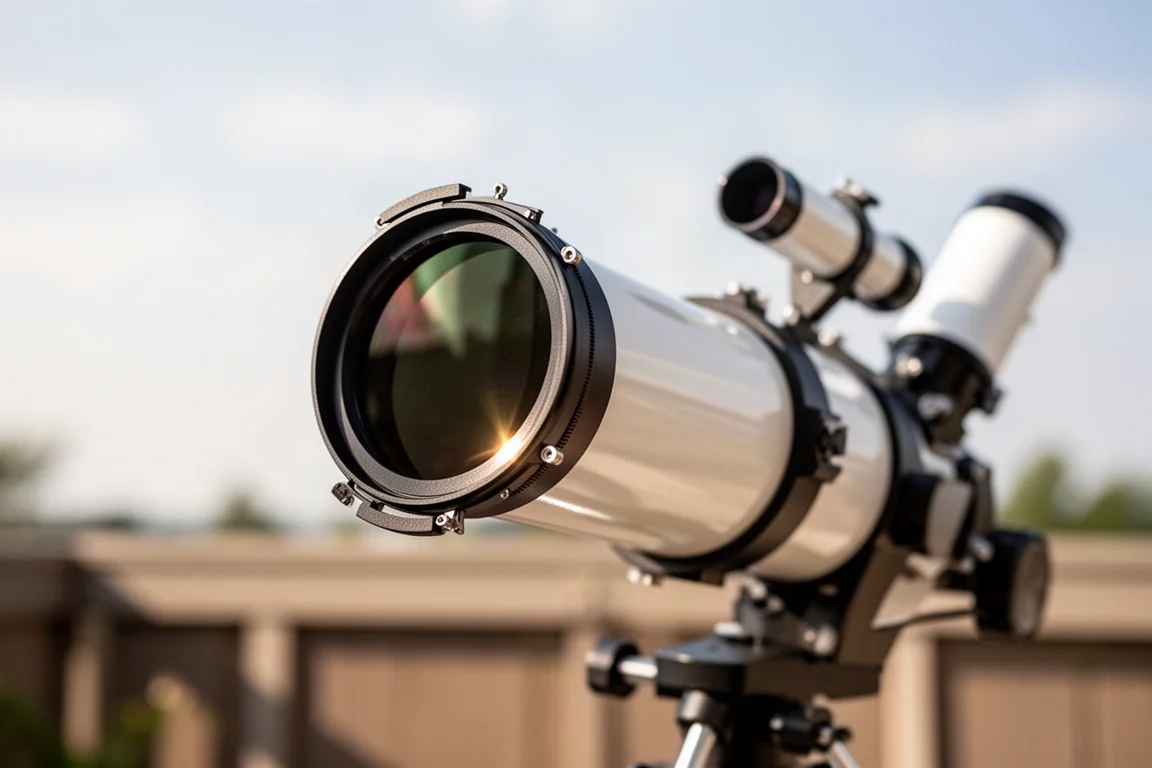
Broadband filters let you safely view the photosphere: the sunspot core (umbra), the penumbra, granulation, and faculae. With these you can follow sunspot groups as they cross the disc and watch them morph day by day. They also show solar eclipses, planetary transits, and satellite transits.
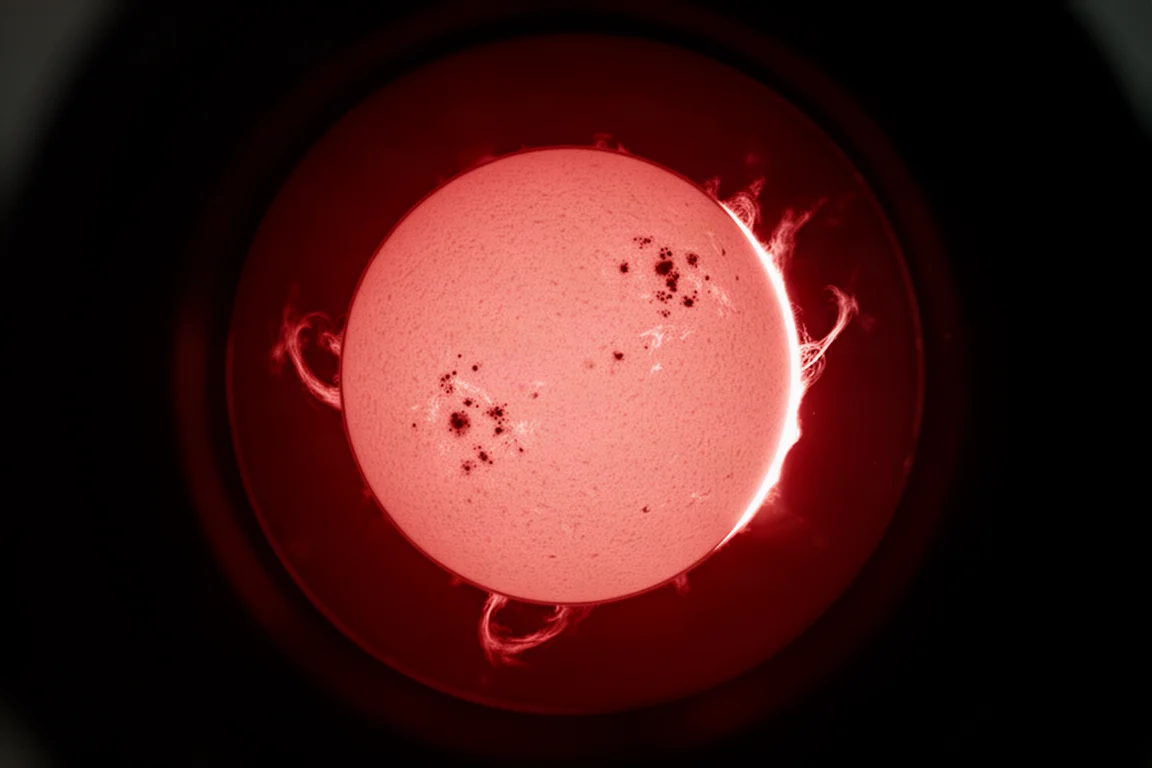
Hydrogen alpha viewing takes you further, revealing the chromosphere with flares and prominences. Important warning: never use a hydrogen alpha filter sold for night-sky nebula observing on the Sun. Its bandpass is hundreds of times too wide, and it does not attenuate sunlight enough to protect your eyes. Also avoid eyepiece screw-in “Sun” filters found on the used market; if they overheat and crack while you are observing, they can cause blindness.
Etalons Explained
The key element in a hydrogen alpha telescope is the etalon: two parallel, extremely flat, partially reflective glass surfaces placed very close together, with air or solid mica between them. When broadband light enters, most is reflected away, and only the hydrogen alpha line and its harmonics escape. A blocking filter in the diagonal removes the unwanted harmonics, leaving the line at 56.2 angstroms, and can also block UV and IR.
Tuning is done three ways: by tilting the etalon, by changing air pressure, or by heating mica so it thermally expands. Pressure-tuned systems provide the highest precision and the fastest real-time tuning, and they are sealed so atmospheric pressure doesn’t affect them. Tilt tuning is typically found on front-mounted etalons in smaller scopes; pressure tuning sits mid-telescope; mica-based etalons sit at the eyepiece end.
Double stacking, adding a second etalon in series, narrows the passband from roughly 6 to 1 angstroms down to 3 to 0.5 angstroms, boosting contrast on filaments and active regions considerably. Many suppliers sell modular systems so you can start single stacked and add a second etalon later.
Choosing a Telescope for Solar Use
Because you are viewing one wavelength only, a color-corrected apochromat is unnecessary; a simple f/7 or f/8 achromat refractor works well for solar-only use. What does matter is a well-figured lens, good baffling, and a quality dual-speed focuser, which makes achieving sharp focus on fleeting moments of good seeing dramatically easier.
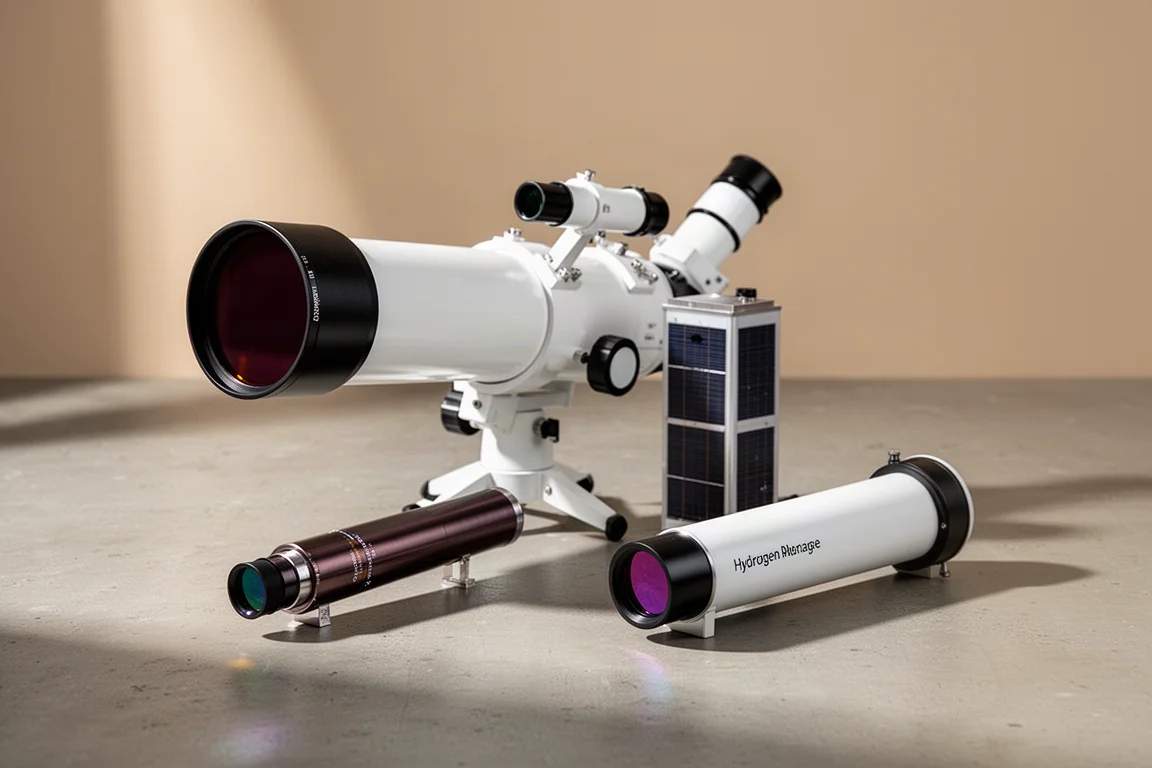
If you already own a refractor of 100mm aperture or less, you can get into photosphere observing for only a couple of hundred dollars with an objective filter or a Herschel wedge. For hydrogen alpha, you can either buy a dedicated scope, add a front-mounted etalon to a small refractor, or add a mica-based etalon behind the focuser.
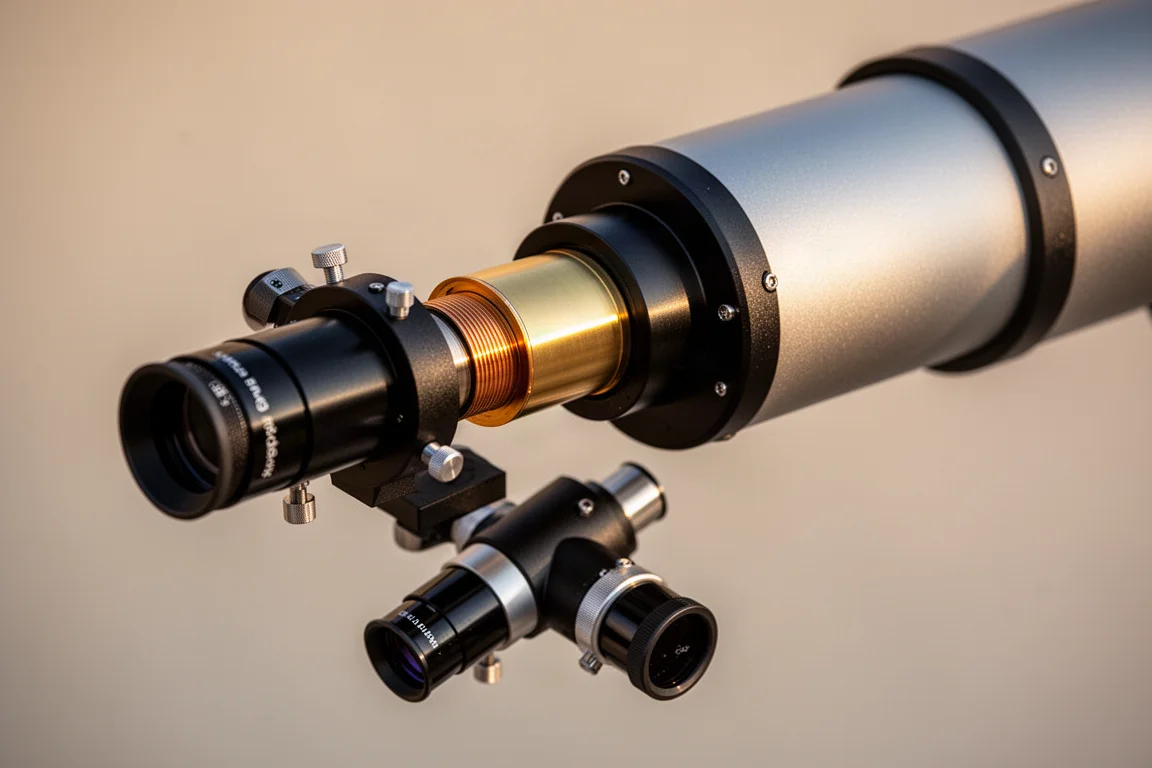
Mica-based etalons require a telecentric light path, typically 4x magnification turning an f/7 scope into f/30. That magnifies detail nicely but loses the full-disc view. They also need power and roughly 10 minutes to heat up and stabilise after every adjustment, which makes tilt- and pressure-tuned systems feel far more responsive by comparison.
For visual use, plan one low-power eyepiece that frames the full disc plus a higher-power eyepiece or 2x barlow for detail. A tracking mount with a solar mode is strongly recommended, and a dedicated solar finder makes locating the Sun far less frustrating.
Aperture, Seeing Conditions, and Double Stacking
Larger aperture brings more resolution and detail, but solar scopes are more affected by atmospheric turbulence, elevation, humidity, and thermal currents in the tube. In practice, apertures up to about 80mm are usable in all conditions. One observer found that double stacking an 80mm scope gave much more contrast but a noticeably dimmer image; moving up to 100mm made the double-stacked view brighter and more pleasing, at a higher price.
Under great seeing, a large-aperture system far outperforms smaller scopes, so factor in your typical sky conditions. Also note that longer focal lengths can make it harder to fit the entire disc in the field of view, depending on your eyepiece or camera sensor.
For imaging, use a monochrome camera. Color cameras have only one red sensor in four and often include an IR filter that further reduces red sensitivity, degrading solar performance significantly. Keep exposures under 10 milliseconds, set gain so the histogram sits around 75%, and match pixel size to the focal ratio.
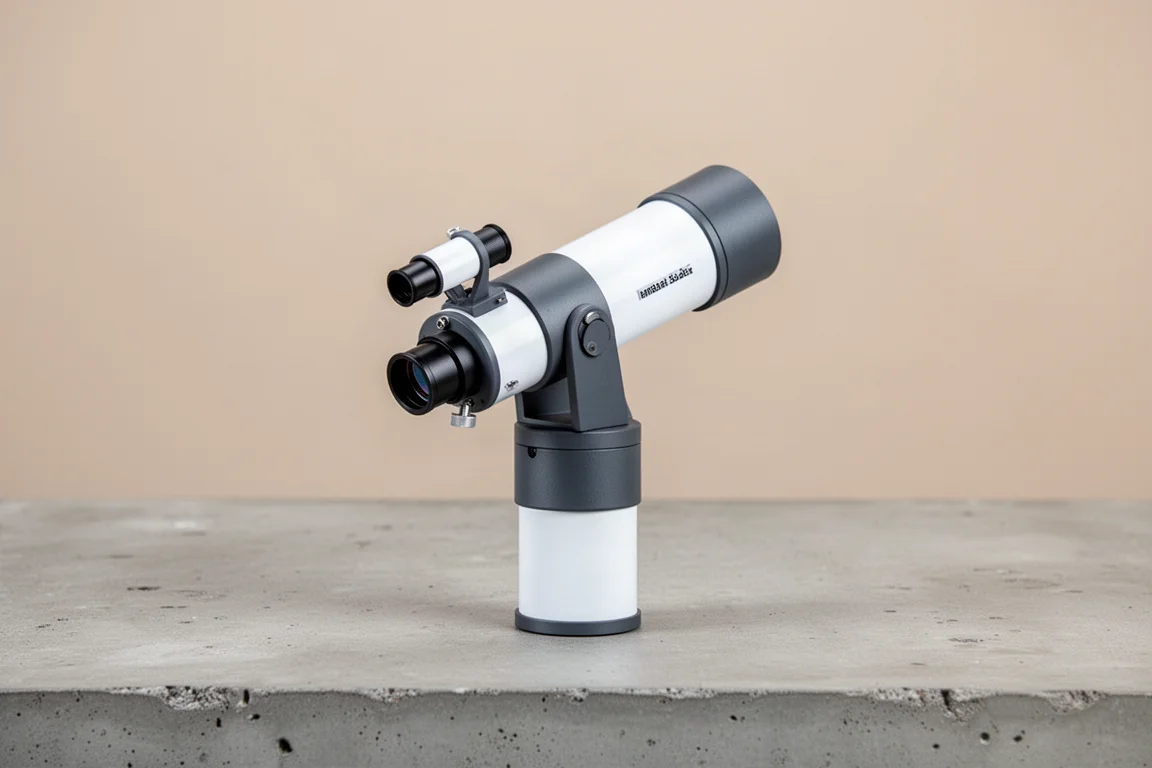
Best Starter Dedicated Hydrogen Alpha Scope: Coronado PST
The Coronado PST is a small-aperture dedicated hydrogen alpha telescope with a front-mounted, tilt-tuned etalon. Front-mounted tilt designs are typical of smaller dedicated solar scopes, and this format keeps the system simple and user-friendly with no power requirements or warm-up time.
As an entry point into the chromosphere, a front-mounted tilt-tuned design is one of the gentlest ways to learn: adjustments happen in real time, and you can rock the tuning back and forth to find the best contrast in seconds. If you want the smallest possible commitment to hydrogen alpha observing, this class of scope is the natural first step.
Best Budget Dedicated Hydrogen Alpha Scope: Lunt 40mm f/10
The Lunt 40mm f/10 is a dedicated hydrogen alpha scope that proved surprisingly capable despite its modest aperture. It uses the front-mounted tilt design common to smaller dedicated scopes, which means real-time tuning with no heating or waiting.
For anyone starting in hydrogen alpha around the entry-level price point, where excellent starter telescopes begin at roughly $750, this scope represents a very reliable choice from a manufacturer with strong quality control. If your priority is a scope that simply works out of the box for the Sun, it is hard to argue against it.
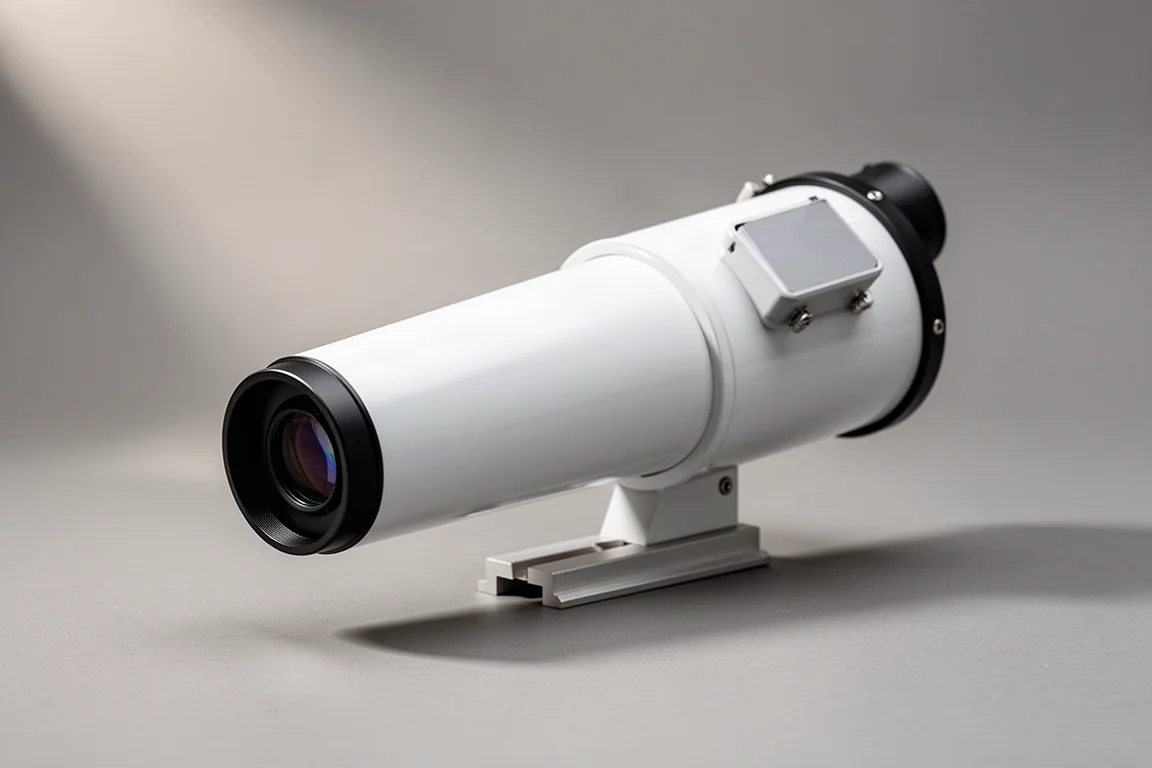
Best Premium Modular System: Lunt 100mm Universal
The Lunt 100mm universal hydrogen alpha telescope is a modular design that can serve as a regular nighttime scope, a hydrogen alpha scope, and a photosphere scope. Pressure tuning sits mid-telescope, delivering the highest tuning precision and instant real-time adjustments, sealed against atmospheric pressure.
At 100mm aperture, the double-stacked image is noticeably brighter and more pleasing than smaller double-stacked systems, though that performance comes at a significantly higher price. Beyond solar use, the same scope works as a top-quality nighttime telescope for the Moon, planets, stars, and galaxies, which makes the investment easier to justify for an all-round observer.
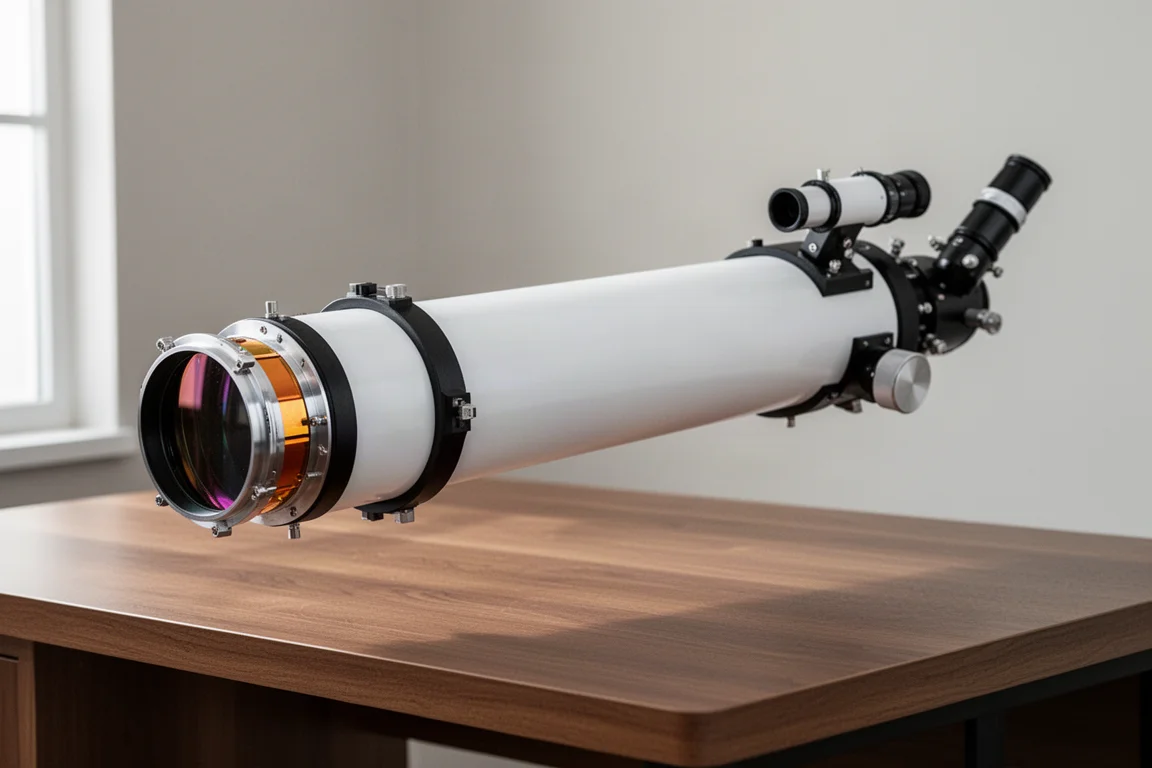
Best Eyepiece-End Etalon: Daystar Quark
The Daystar Quark is the least expensive mica-based etalon, designed with a built-in 4.3x telecentric and a heater but no cooler. Entry-level versions come in chromosphere and prominence variants; if you buy only one, the chromosphere version is the better pick since it also shows prominences.
The caveat is consistency: reports from solar forums and experienced observers suggest performance varies considerably from unit to unit, with some superb and some disappointing. Anyone buying one, especially on the used market, should insist on an ironclad money-back guarantee so performance can be verified before committing fully. Also budget time: finding the right tuning can take 30 to 45 minutes, and every adjustment requires another wait for the etalon to stabilise.
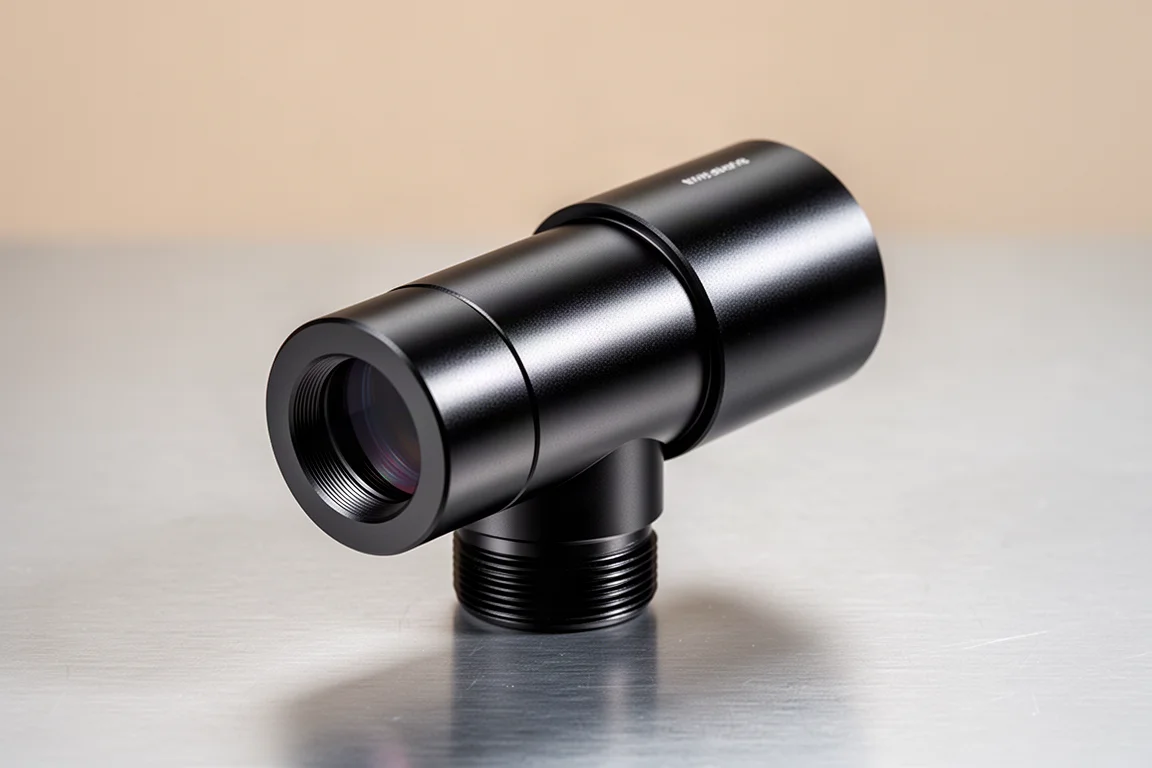
Best High-Consistency Etalon: Solar Spectrum Mica-Based Etalon
The Solar Spectrum mica-based etalon is the higher-consistency option for adding hydrogen alpha capability to an existing refractor. It uses a telecentric purchased separately from Baader Planetarium, and units usually include both a heater and a cooler. Low- and high-end versions are available, and mica etalons are generally used with telescopes up to about 100mm aperture, with a UV/IR filter in front or a quality energy-rejection filter over the objective on larger scopes.
The trade-offs are supply and cost: waiting periods can be very long, and the separate telecentric pushes the total price up. In return you get quality that is much higher and very consistent, which is why this is the recommended mica-based route if your budget allows and you can wait.
Practical Buying Advice
Start by deciding what you want to see. Photosphere observing is affordable: with a refractor of 100mm or less you can pick up an objective filter or Herschel wedge and immediately view sunspots. Mylar or film filters are generally optically better than glass filters, and a Herschel wedge is optically better than film, but wedges are best on telescopes up to about 150mm and objective filters must be secured well to the front of the scope.
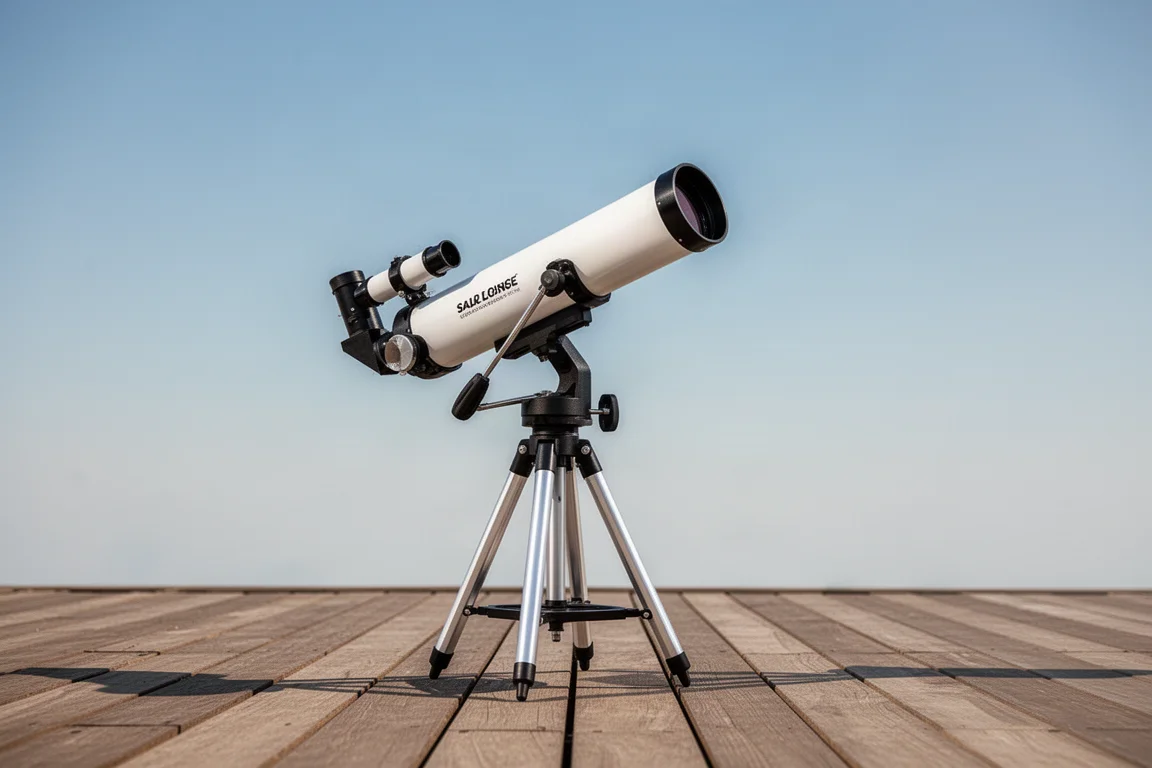
If you retain interest, you will want hydrogen alpha, which starts around $750 and rises steeply from there. Consider your local seeing: a big aperture won’t help if your air is turbulent, and you will use a small or mid-sized scope far more often. Portability, power availability, and whether you prefer something that works out of the box versus a do-it-yourself modification should all shape the decision.
A few habits worth adopting: check what the Sun is doing before setting up using daily solar images posted online; cap or remove any guide scopes during solar sessions; and for calcium K imaging, note that Lunt, Daystar, and Baader Planetarium all make filters, though calcium K remains a niche mainly for imagers.
Conclusion
The Sun rewards every budget. A broadband filter or Herschel wedge gets you safely into sunspot watching for modest cost, while a dedicated hydrogen alpha scope like the Coronado PST or the Lunt 40mm opens up the far more dynamic chromosphere. For premium, modular performance that doubles as a nighttime telescope, the Lunt 100mm is a standout, and for adding hydrogen alpha to an existing refractor, Solar Spectrum offers the most consistent mica-based etalons while the Daystar Quark offers the lowest entry price with the caveat of inconsistent unit performance. Whatever you choose, buy equipment designed specifically for solar viewing, and never compromise on eye safety.
Further reading
Related Reviews
Astronomy
Astronomy Gifts for Dads: Binoculars, Telescopes and Accessories Worth Giving
A practical gift guide covering stargazing binoculars from around $50, beginner telescopes under $500, and accessories under $100.
Astronomy
Best Filters for EAA in Light Pollution: What Short-Exposure Testing Actually Showed
Five astronomy filters and two noise reduction tools tested under light polluted skies for electronically assisted astronomy, with practical results for broadband and narrowband targets.
Astronomy
Six Premium Eyepieces That Transform a Beginner Telescope
A hands-on comparison of Tele Vue Panoptic, Tele Vue Nagler, and Baader Hyperion eyepieces, and why upgrading the stock eyepieces is the best first move in stargazing.