Pool Maintenance
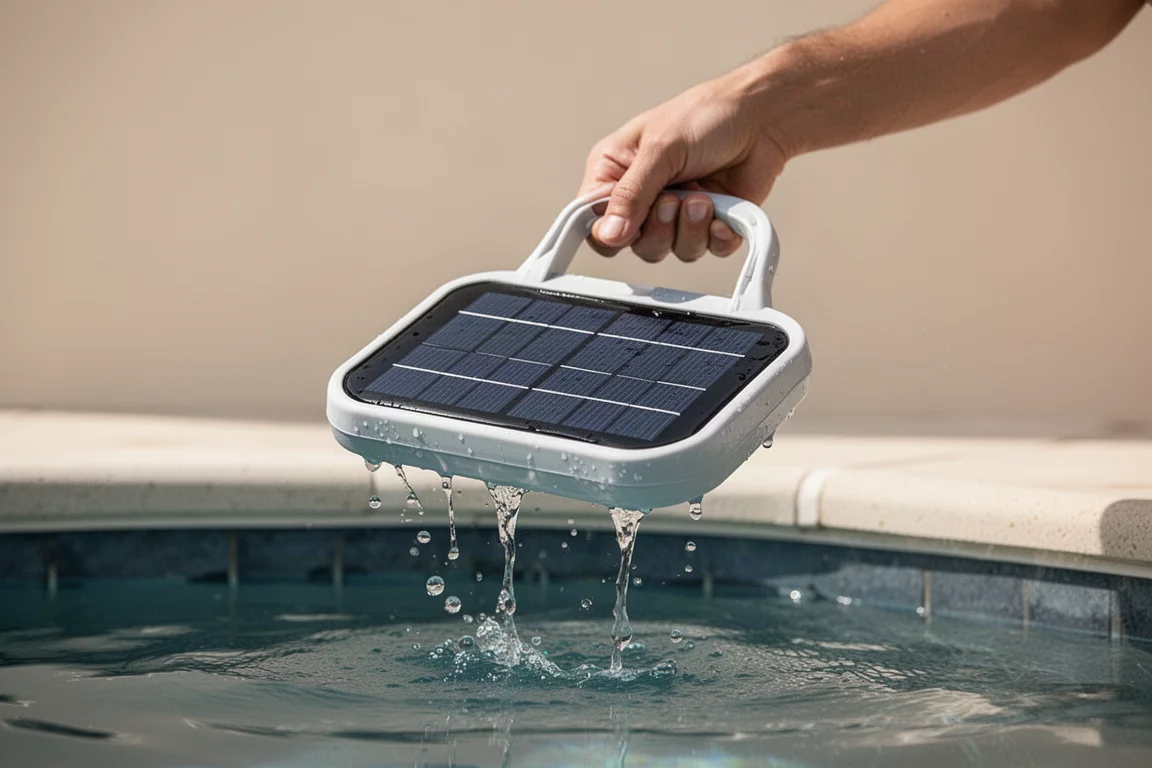
Best Solar Pool Skimmers 2026: Seven Models Compared
A detailed comparison of seven solar pool skimmers, covering performance, efficiency, build quality, and value.
Introduction
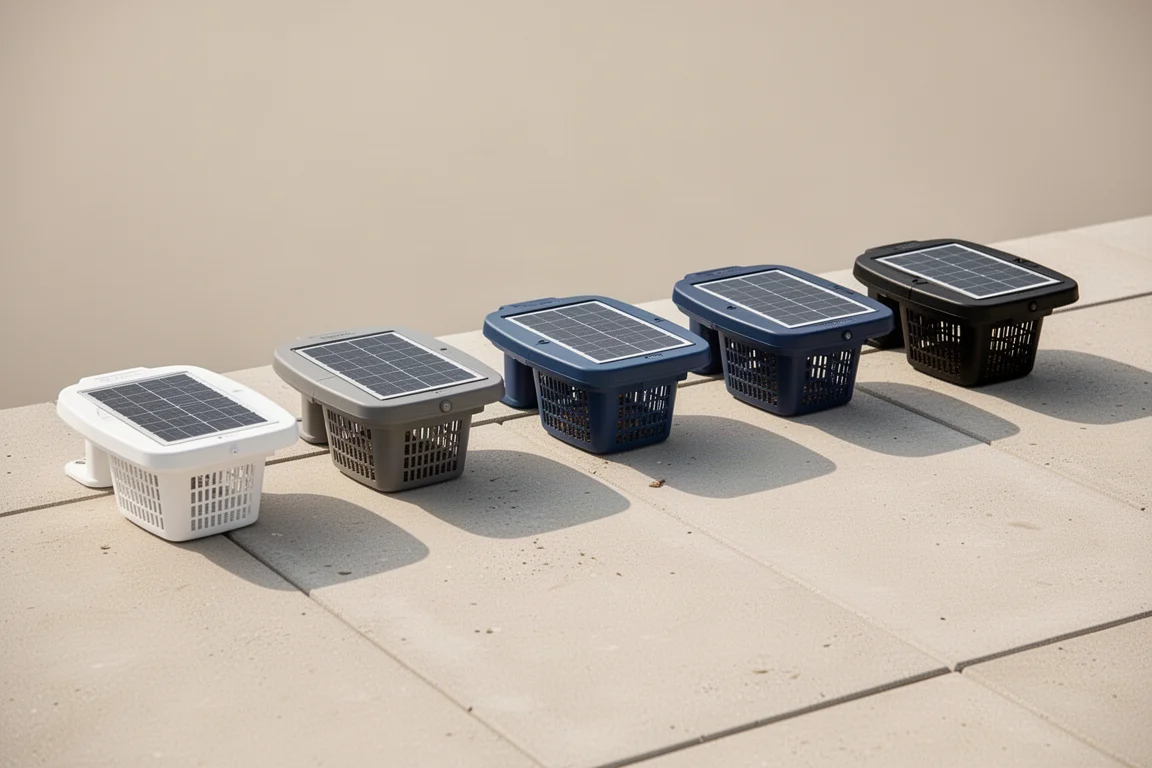
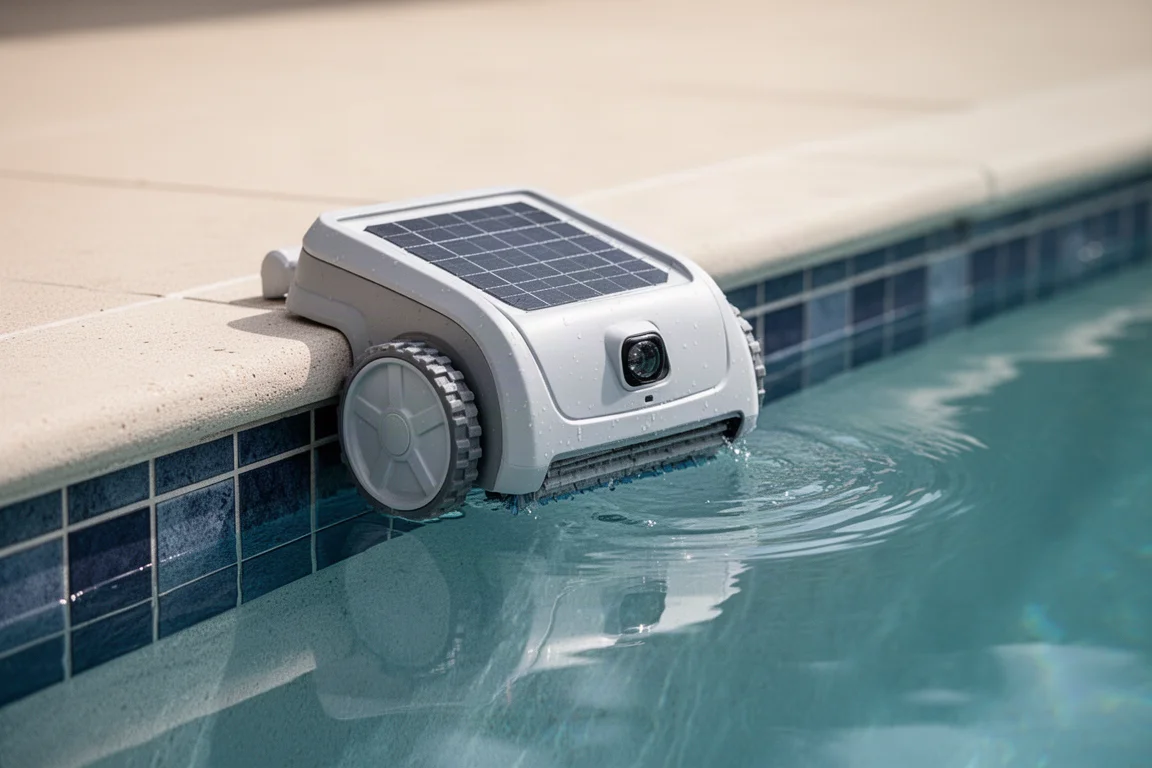
A solar skimmer is one of the most hands-off ways to reduce pool maintenance. It floats on the surface, collects leaves and debris before they sink, and recharges itself from the sun. The main question is whether a budget model works as well as a premium one. This comparison looks at seven solar skimmers: three from established brands and four from lesser-known Amazon brands, to see what features you gain or lose at different price points.
The short version is that the budget options all had at least one deal-breaking issue. The only budget model worth considering is the Super Clean Solar Surfer S5, which was the least problematic but still not as good as the name brands. Among the established models, the Aiper Eco Surfer S2, BeatBot iSkim, and Betta Neo all share a similar feature set and performance, but each has one or two key differences that may appeal to different pool owners.
How We Evaluated These Solar Skimmers
Testing covered several areas that matter for real-world use. Debris pickup was measured by placing exactly 20 leaves and some ground-up Styrofoam into a pool and letting each skimmer run for one hour. Efficiency was tested in two parts: running each skimmer overnight with no solar input to measure battery drain, and then measuring solar recharge over a three-hour period with identical sunlight exposure. Navigation patterns were tracked during controlled runs, and build quality was assessed after several weeks of use in a chlorine and sun environment.
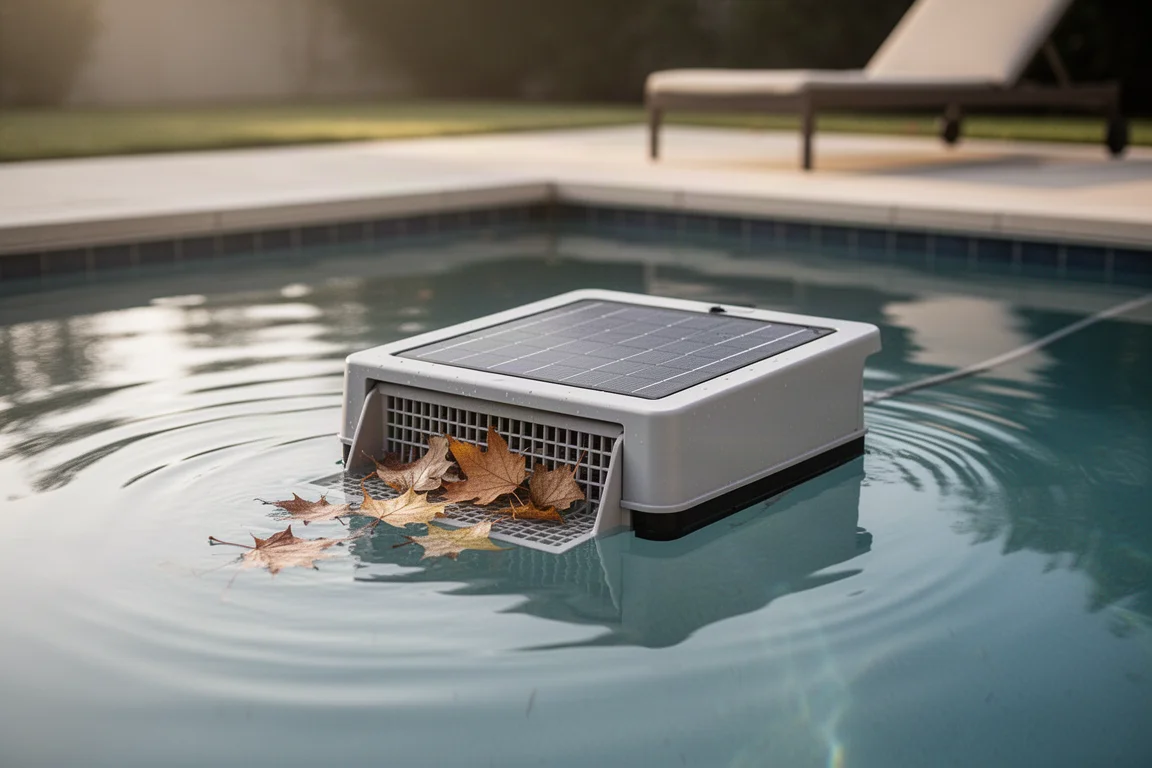
The results of the one-hour debris test are of limited usefulness on their own, since there was a lot of luck involved in how the random patterns of the skimmers matched up with the currents in the pool. These skimmers are not designed to work quickly; they are meant to stay in the pool and work constantly. So while some models did better than others in the timed test, the only one that should be eliminated strictly on performance is the Wayveo.
Best Overall: BeatBot iSkim
The BeatBot iSkim is the best all-around cleaner of the group. It combines good navigation, a large and easy-to-use debris bin, and solid build quality. In the one-hour debris test, it picked up 18 out of 20 leaves and did an excellent job with the Styrofoam. It also appeared to do the best job cleaning along the walls, which likely contributed to its strong pickup performance.
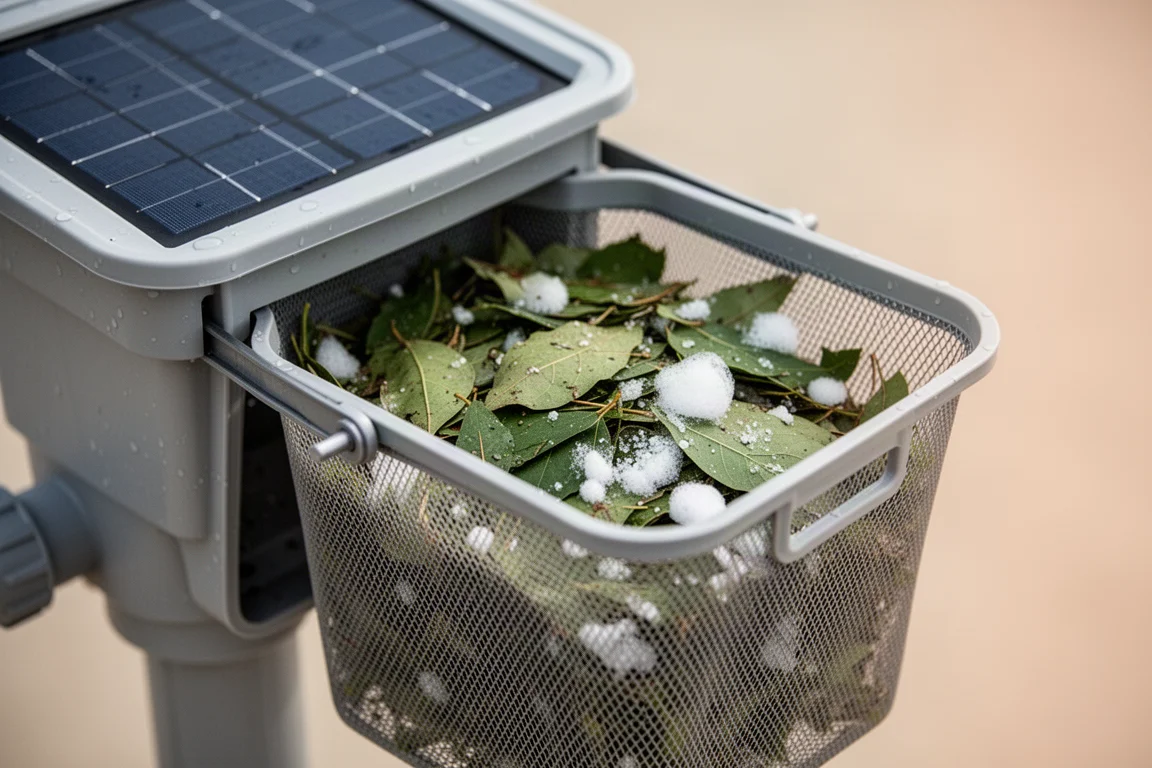
The biggest advantage of the BeatBot is its debris bin. Where the Betta and Aiper both have 4-liter bins, the BeatBot has a huge 9-liter bin. If you get a lot of oversized debris in your pool, the BeatBot can pick up more before it needs to be emptied. The bin is also the easiest to remove, with a spring-loaded release button, and it has an anti-leak flap and a fully enclosed design that keeps debris contained when the robot is free-floating or in reverse.
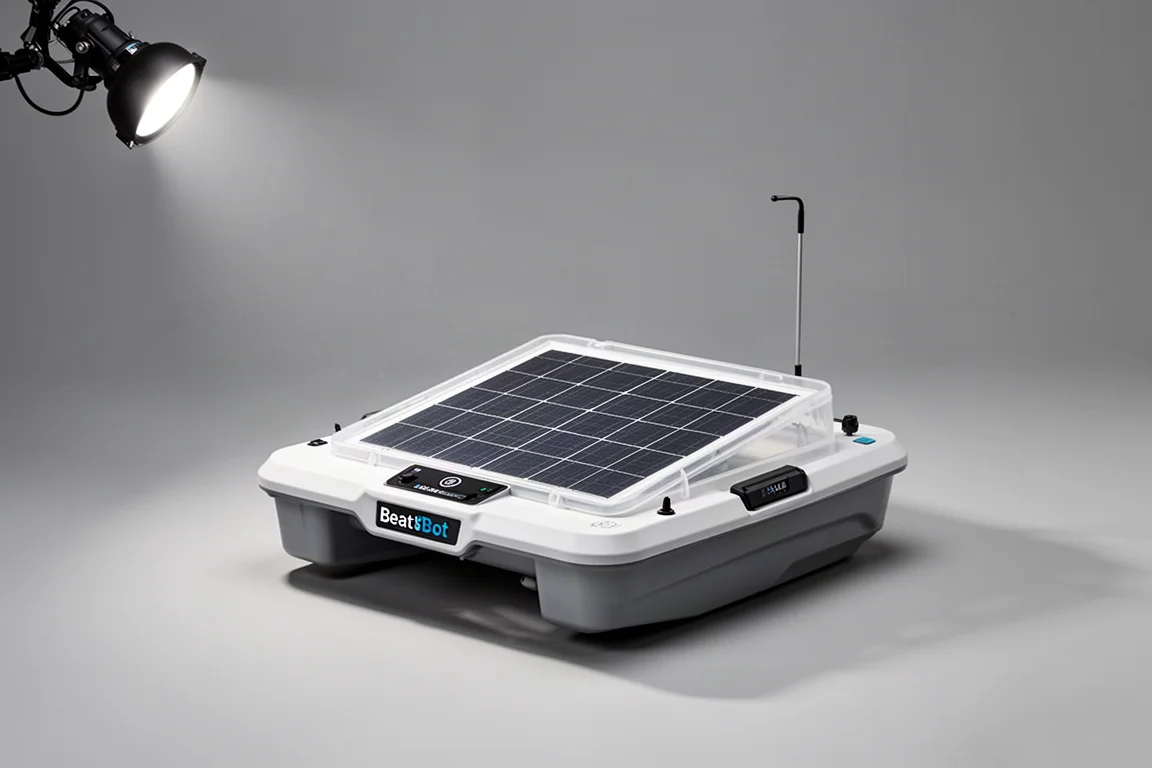
One nitpick is that while the BeatBot can charge via solar or a wall charger, the wall charger is not included in the box and costs an extra $25, which seems unreasonable at this price point. The BeatBot also has a 2-year warranty, which is better than the Betta’s 1-year coverage.
Best for Efficiency: Aiper Eco Surfer S2
The Aiper Eco Surfer S2 is the most efficient cleaner in terms of battery life and solar charging. It used only 3.46% of its battery per hour in the overnight test, which was nearly twice as efficient as the Super Clean and U Sky, and three times more efficient than the Wayveo. To operate continuously, it needs around 5.7 hours of full sun per day, which is totally realistic for most locations.
The main reason for this efficiency is its navigation style. The Aiper uses optical sensors instead of the ultrasonic sensors used by the rest of the skimmers, and it is the only one that regularly turns off its propulsion while keeping its front paddle wheel running. During those times, it floats freely with the current, which leads to some erratic patterns, but it saves significant battery power.
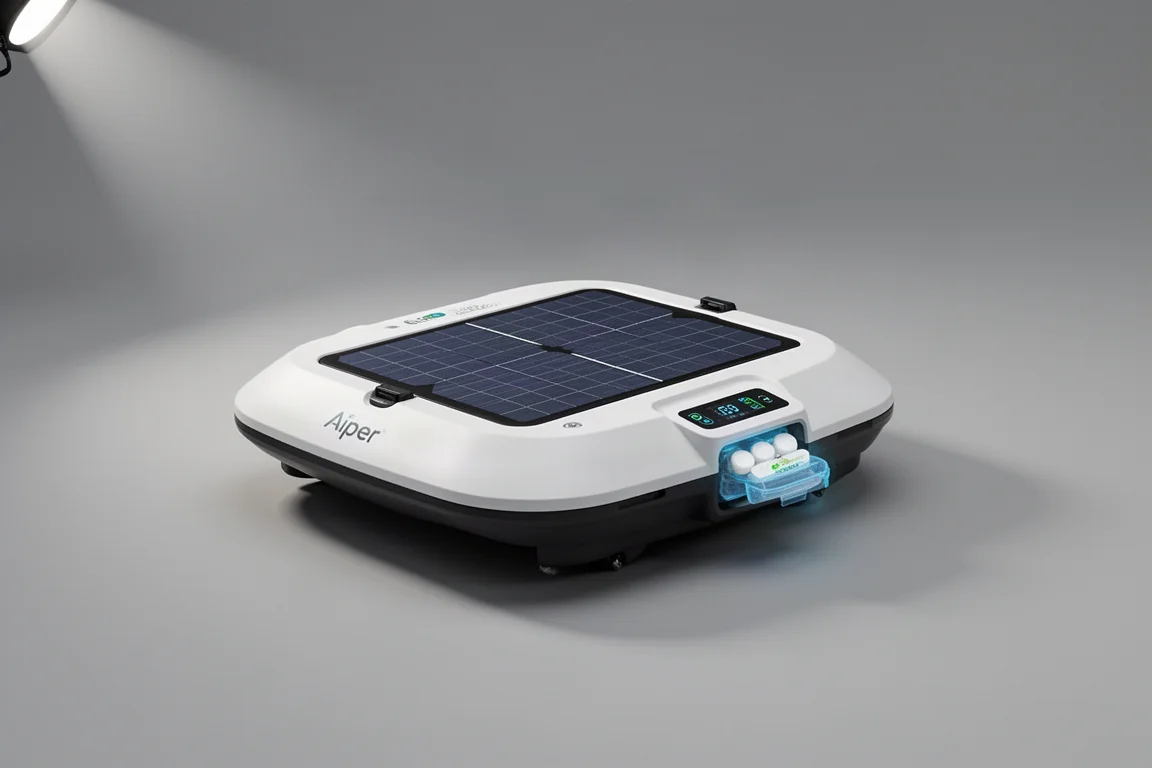
Another useful feature is the designated chlorine tablet holder in the bin. This is not only useful if you already use a chlorine floater, but if you are dealing with a lot of smaller debris and wait a long time between emptying the bin, the chlorine tab helps prevent the debris from smelling bad as it decomposes. The Aiper also has hard plastic rollers on its guide wheels, which seem like they will last the longest compared to the rubberized wheels on some other models.
Best for Poor Wi-Fi Coverage: Betta Neo
The Betta Neo is the best choice if your pool has poor Wi-Fi coverage, because it comes with its own hub that connects to your home’s Wi-Fi and then communicates with the Neo up to 600 feet away. This is either a good thing if your Wi-Fi is weak around the pool, or an added annoyance if your coverage is already strong.
In the debris test, the Betta Neo picked up all 20 leaves, the best result of the group, though it did not collect as much Styrofoam as some others. When pool conditions were ideal, the Betta was probably the best cleaner of the bunch. It also has a unique anti-tangle bar that prevents it from eating the power cord from a corded pool cleaner, though that cord will still stop the skimmer from floating freely.
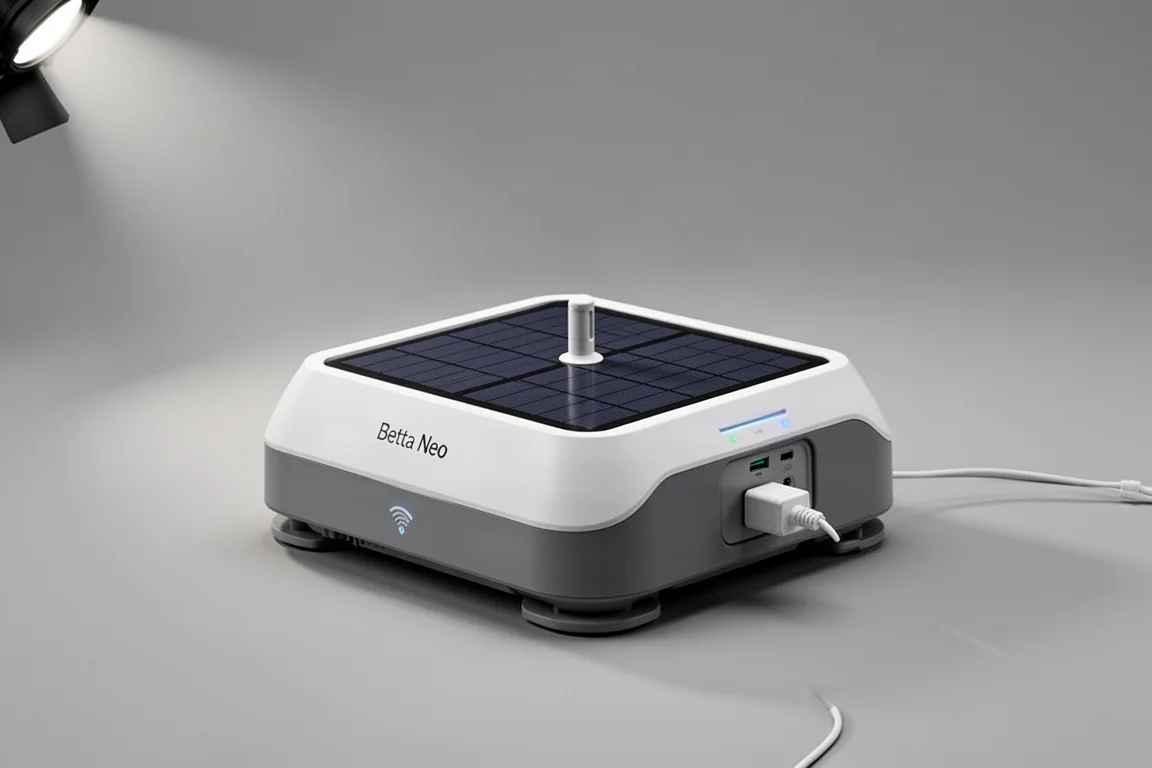
There are some concerns with the Betta. It has exposed black Styrofoam on its body, which helps with weight but does not seem as durable as the hard plastic coverings on the other skimmers. The bin design is not as good, with an open-top basket that requires keeping the skimmer level when pulling it out. It also does not appear to have any backup navigation system if the optical sensors cannot detect a wall, and it only has a 1-year warranty.
Best Budget Option: Super Clean Solar Surfer S5
The Super Clean Solar Surfer S5 is the only budget skimmer worth considering, at around $225. It was the least problematic of the four budget models, but it is still not as good as the name brands. In the debris test, it collected 16 leaves but did a poor job with the Styrofoam.
Its solar recharge efficiency was the best of the group, gaining 19.5% battery per hour in the three-hour sunlight test. However, its overall efficiency was lower, needing closer to 11 hours of full sun per day to operate continuously, which is less realistic for many locations.
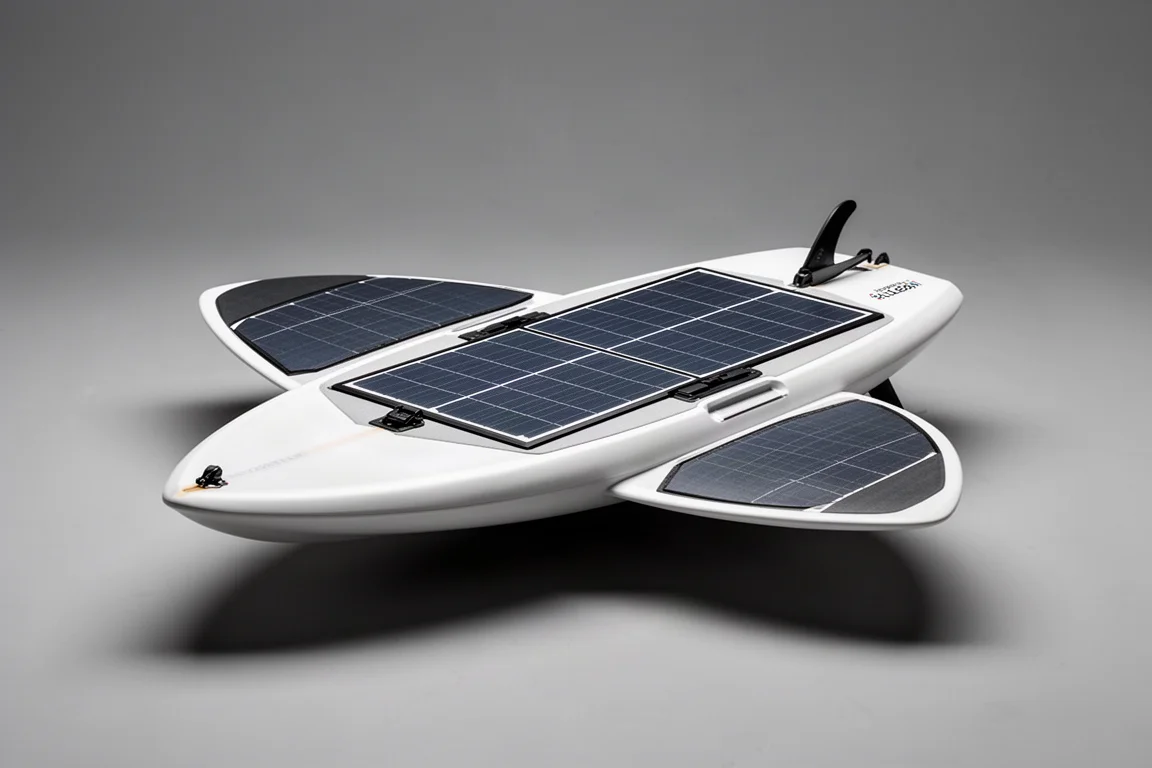
The biggest reason not to recommend the Super Clean is the latch that keeps the top of the robot closed. It is extremely weak and opened itself almost every time the skimmer was put in the pool. The rubberized guide wheels also started to feel sticky after a few weeks, as if they were breaking down in the chlorine and sun environment.
Budget Models to Avoid
Three budget models from U Sky, Vida Pool, and Wayveo all had deal-breaking issues, primarily related to noise. For a device that is supposed to run constantly, the sound level matters a great deal.
The U Sky’s front debris paddle motor makes a loud humming noise constantly. It also needs around 11 hours of full sun per day to operate continuously, which is not realistic for most pools. Its debris pickup was decent at 17 leaves, but it did a poor job with Styrofoam.
The Vida Pool uses paddle wheels for propulsion instead of propellers, and they make a constant noise. It has a large 10-liter bin, the biggest of the group, but its sensors are mounted below the surface, so it had relatively poor navigation regardless of the water level. Its debris pickup was slightly worse than the Super Clean and U Sky.
The Wayveo was the worst performer overall. It does not have any distance sensors, so the only way it navigates is by running full speed into the sides of the pool, making a loud clunk every time. This navigation style fails when it gets caught in the current, as it cannot run into the wall hard enough to trigger the turning motion. It collected only 11 out of 20 leaves and basically no Styrofoam. Its efficiency was terrible, needing 23.2 hours of full sun per day, which is clearly not possible. It also has the smallest bin at around 2 liters.
Debris Pickup Performance
In the controlled one-hour test with 20 leaves and ground-up Styrofoam, the results were as follows. The BeatBot iSkim picked up 18 leaves and did an excellent job with Styrofoam. The Betta Neo picked up all 20 leaves but did not collect as much Styrofoam. The Aiper Eco Surfer S2 collected the most Styrofoam of all the robots but only collected 15 leaves. The Super Clean and U Sky had similar performances, collecting 16 and 17 leaves respectively, but doing a poor job with the Styrofoam. The Vida Pool was slightly worse, and the Wayveo was by far the worst.
These results should be viewed with some caution. There was a lot of luck involved in how the random patterns of the skimmers matched up with the debris and currents in the pool. The one-hour test also does not reflect how these devices are meant to be used, since they are designed to stay in the pool and work constantly rather than clean quickly.
Navigation and Efficiency
Efficiency is probably a more important metric than raw pickup performance, since it determines how long each skimmer can actively clean each day based on available sunlight. The Aiper Eco Surfer S2 was the most efficient, using 3.46% of its battery per hour, nearly twice as efficient as the Super Clean and U Sky, and three times more efficient than the Wayveo.
For solar recharge, the Super Clean reported the largest change, gaining 19.5% per hour, while the Wayveo gained just 11% per hour. Combining these tests, the Aiper needs around 5.7 hours of full sun per day to operate continuously, and the BeatBot needs around 6.6 hours, both totally realistic. The U Sky needs closer to 11 hours, and the Wayveo needs 23.2 hours, which is not possible.
Navigation also matters for water level conditions. If the pool’s water level gets too high, or with a zero edge pool where the front sensors can see over the walls, navigation can be seriously compromised. After heavy rainfall with the pool overflowing, the Betta completely failed, propelling itself into the wall for 60 minutes straight. The Wayveo was unaffected since it uses an accelerometer, and the BeatBot also appears to have an accelerometer as a backup. The Super Clean needed slightly over 3 inches of wall height above the water level to trigger its sensors, while the Betta, BeatBot, and Aiper needed only half an inch.
Build Quality and Bin Design
With the exception of the Wayveo, all the skimmers have guide wheels to help them turn along the edges of the pool without scuffing the robots or the pool tiles. After just a few weeks, the rubberized wheels on the Vida Pool and Super Clean started to feel sticky, as if they were breaking down in the chlorine and sun environment. The hard plastic rollers on the Aiper seem like they will last the longest.
The exposed black Styrofoam on the Betta is a concern. While it helps with the overall weight, it does not seem nearly as durable as the hard plastic coverings on the rest of the skimmers.
Bin access varies between models. On the Vida Pool, Super Clean, and Betta, you lift up the top cover and pull the basket straight out. The Aiper, BeatBot, U Sky, and Wayveo have bins that slide out without opening the top. The easiest bin to remove is the BeatBot, with its spring-loaded release button. The Aiper’s grip point is too close to the bottom, so you need to tip the whole robot back to avoid scraping your knuckles.
The BeatBot and Vida Pool have the largest bins at 9 and 10 liters respectively, while the Wayveo is the smallest at around 2 liters. The BeatBot, U Sky, and Aiper all have anti-leak flaps and fully enclosed bins, meaning debris stays contained even when the robot is free-floating or picked up by the front. The open-top bins on the other models can leak debris back into the pool or into the body of the skimmer.
Buying Advice
If you want a solar skimmer that works well without constant attention, the established brands are worth the extra money over the budget options. The budget models all had at least one deal-breaking issue, mostly related to noise or navigation.
For most people, the BeatBot iSkim is the best all-around choice. It has good navigation, a large and easy-to-use debris bin, and solid build quality. The main drawback is the extra cost for the wall charger, which should really be included.
If you have a screened pool enclosure or do not get much direct sunlight, the Aiper Eco Surfer S2 is the best option due to its superior efficiency. The chlorine tablet holder is also a useful feature if you deal with smaller debris and want to control odors.
If your pool has poor Wi-Fi coverage, the Betta Neo with its connection hub is the right choice. However, its exposed Styrofoam, weaker bin design, lack of backup navigation, and shorter warranty make the Aiper and BeatBot better options unless you specifically need the extended Wi-Fi range.
Conclusion
Solar skimmers are an effective hands-off way to reduce pool maintenance, but the choice comes down to matching the right model to your specific conditions. The Aiper Eco Surfer S2, BeatBot iSkim, and Betta Neo all deliver solid performance with slightly different strengths. The BeatBot is the best all-around pick for most pool owners, while the Aiper suits those with limited sunlight and the Betta works best where Wi-Fi coverage is weak. The budget Super Clean Solar Surfer S5 is the only off-brand worth considering, and even then, the name brands justify their higher price with better build quality, efficiency, and reliability.
Further reading
Related Reviews
Pickleball Paddles
2025 Paddle Awards: The Best Pickleball Paddles of the Year
A category-by-category breakdown of the best pickleball paddles of 2025, covering value, control, all-court, power, and paddle of the year.
Automotive Accessories
70mai Dash Cam Comparison: A200 vs A510 vs A810
Three dash cameras from 70mai across different price points reveal how resolution and sensor quality impact real-world footage clarity, especially for number plate visibility and low-light performance.
Mobile Gaming Accessories
8BitDo FlipPad vs GameSir Pocket Taco: Which Vertical Phone Controller Fits You Best?
Two compact vertical phone controllers with very different approaches to connectivity, controls, and everyday use. Here is how they compare across seven practical categories.