Solar Generators
Best Solar Generators Under $300: Nine Compact Power Stations Put to the Test
Nine affordable solar generators from Balibet, Grecell, Allwei, EBL, Anker, ZeroCore, Jackery, Bluetti, and Tomon, compared on solar charging, output, capacity, and noise.
Introduction
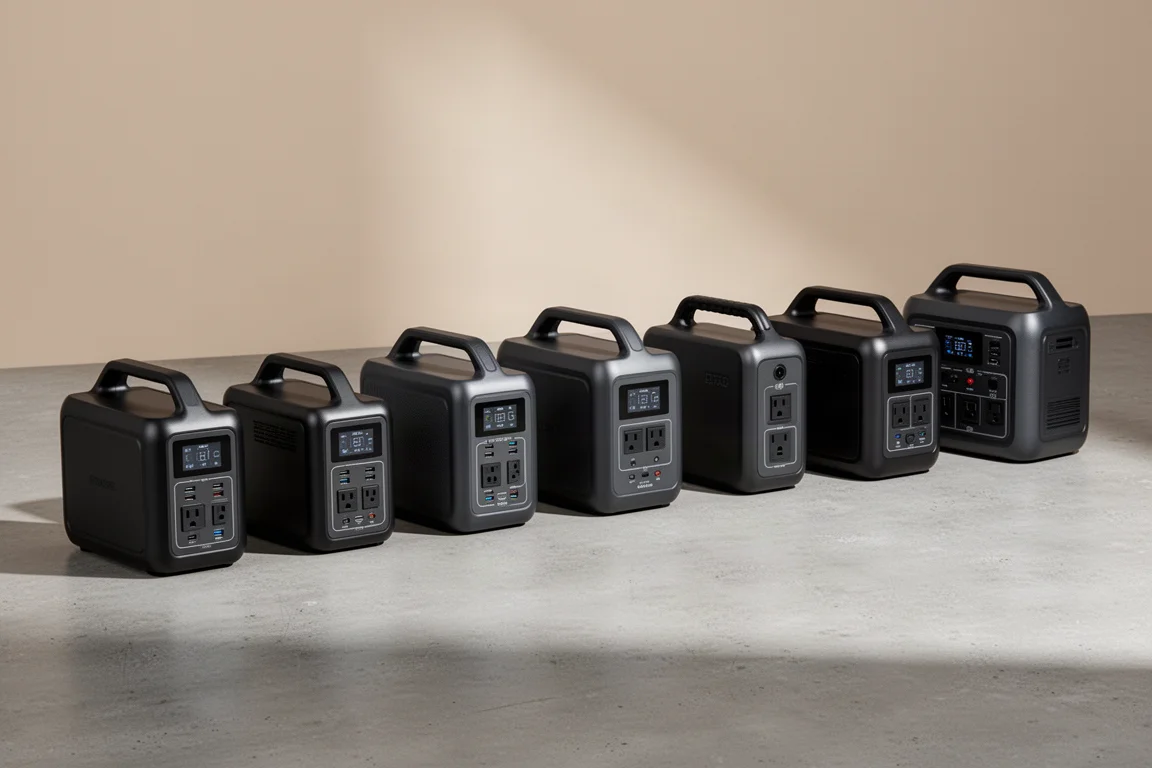
A solar generator is one of those gadgets that earns its place twice: once during a power outage, and again on a camping trip. To find out which compact option is actually worth buying, nine budget-friendly models were purchased and tested head to head, all priced under $300 with rated outputs of at least 300 watts. This comparison covers Balibet, Grecell, Allwei, EBL, Anker, ZeroCore, Jackery, Bluetti, and Tomon.
How the Comparison Was Run
Every unit went through the same battery of tests. First, AC output quality and voltage under load, followed by a soft-start drill test to see how each handles a burst of inrush current. Then USB-C charging speeds at 5, 9, 12, and 20 volts, maximum sustained wattage using a variable load, usable watt hour capacity drained at a constant 60 watts, and finally solar, 12-volt, and wall charging speeds.
All nine units are made in China and weigh between roughly 4.6 and 14 pounds, so portability varies widely across the group.
Balibet
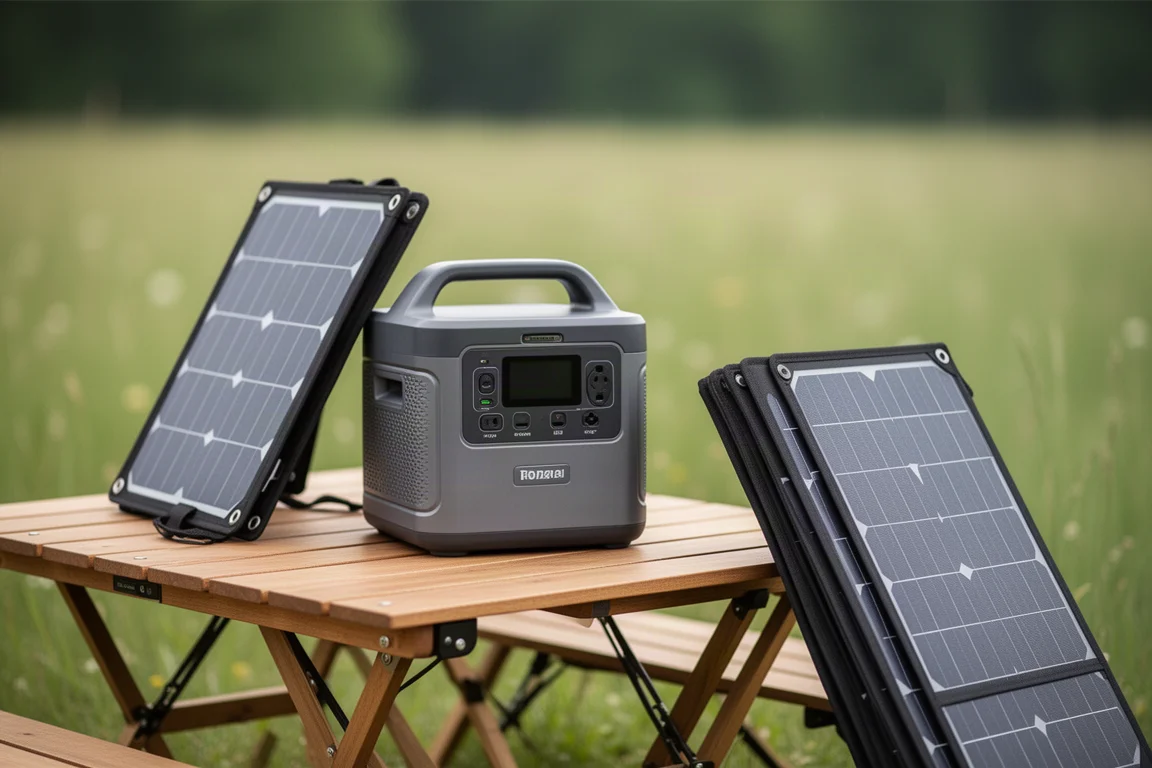
At $180 before the coupon, or $110 with it, the Balibet is the lightest of the group at 4.62 lb with a rated 257 watt hours, pure sine wave AC outlets, and a built-in light. It held a 250 W heat lamp at 225 W with healthy voltage and handled a cordless drill thanks to a soft start that took about 2.5 seconds. The downsides: its cooling fan is the loudest tested at 57.4 decibels, its USB-C tops out around 28 W, and it delivered only 192 watt hours of usable capacity, well short of its rating.
Grecell
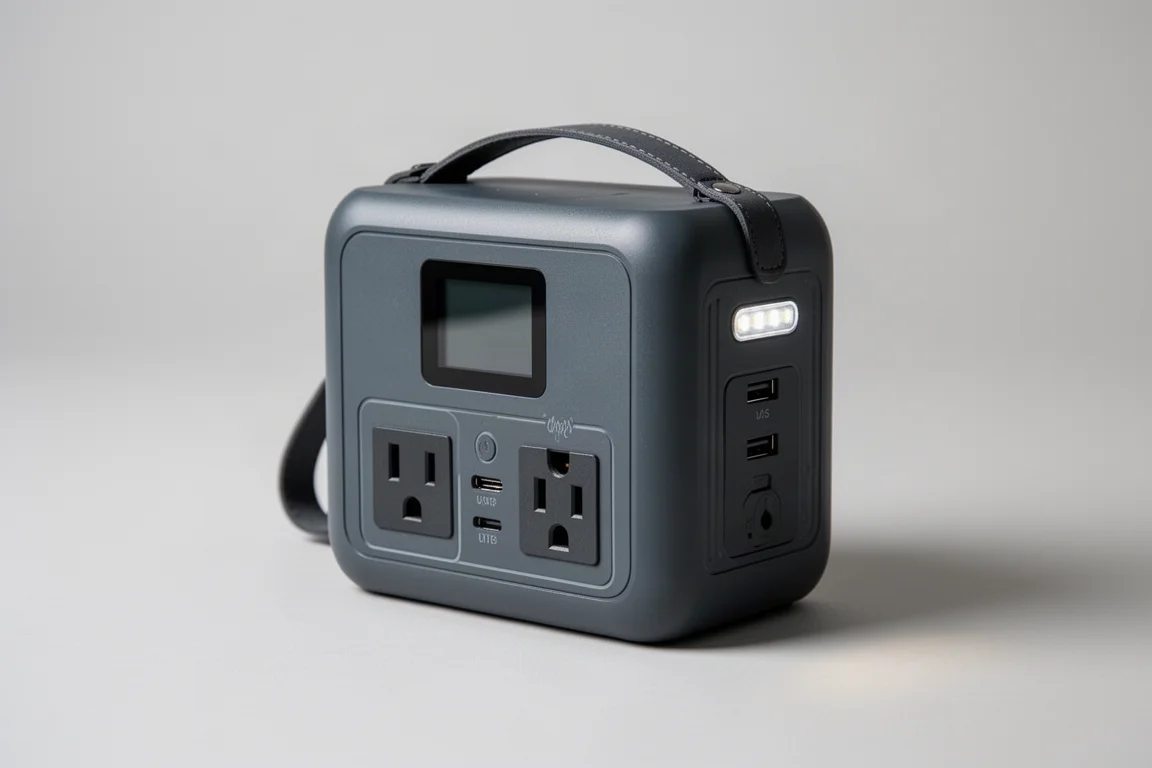
The Grecell costs $190, or $150 with the coupon, and offers 330 W of pure sine wave output with 600 W surge, 288 watt hours of capacity, three USBs plus a 60 W USB-C, three DC ports, overload and short circuit protection, and a bright flashlight. It charged a power bank at a full 60.5 W at 20 volts and hit a quiet 49.1 dB cooling fan. The catch: it managed only 276.5 W of maximum output before tripping, below its rating, and it cannot be used while charging.
Allwei
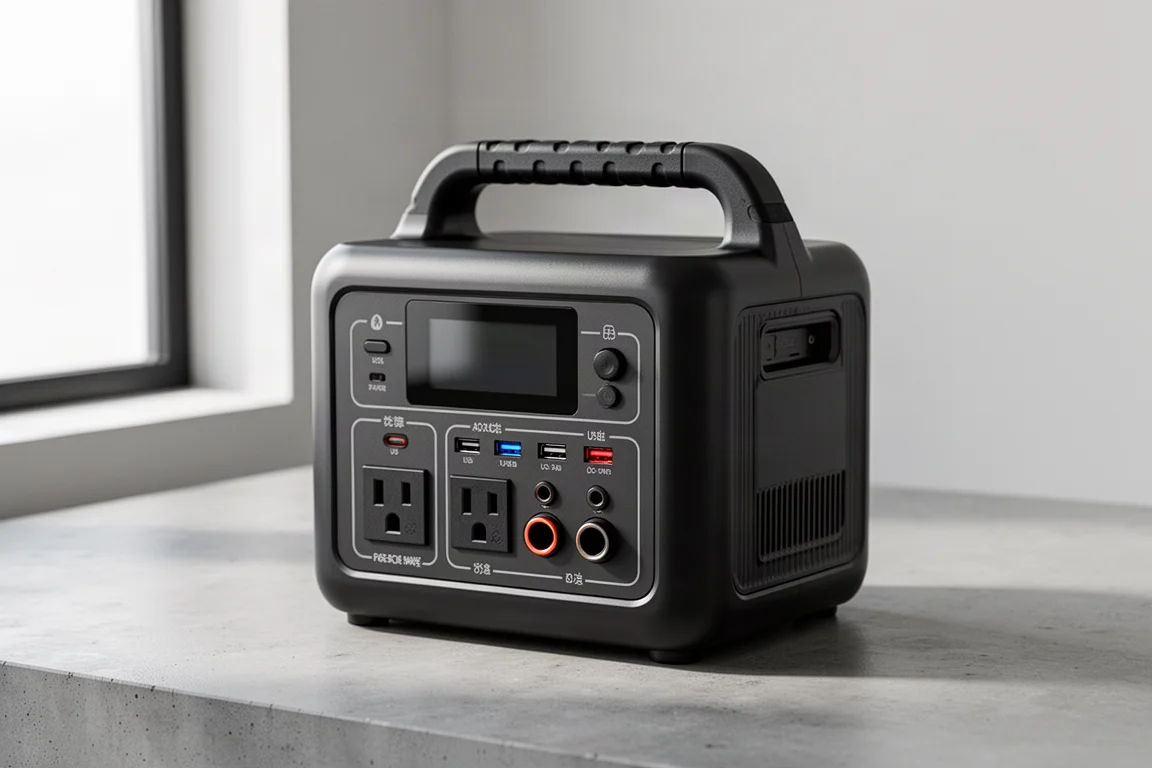
Priced at $199, or $159 with the coupon, the Allwei offers 300 W continuous with 600 W surge, 280 watt hours of capacity, two AC ports, three DC ports, two USBs, a USB-C, and a cigarette lighter style port. It recharges via AC, car, or solar, and a 100 W panel can refill it in 3 to 4 hours. It held over 300 W steadily before cutting out at 354 W, and hit nearly 60 W on USB-C at 20 volts. However, it refused to run the cordless drill entirely and powered itself down, a notable weakness for tool users.
EBL
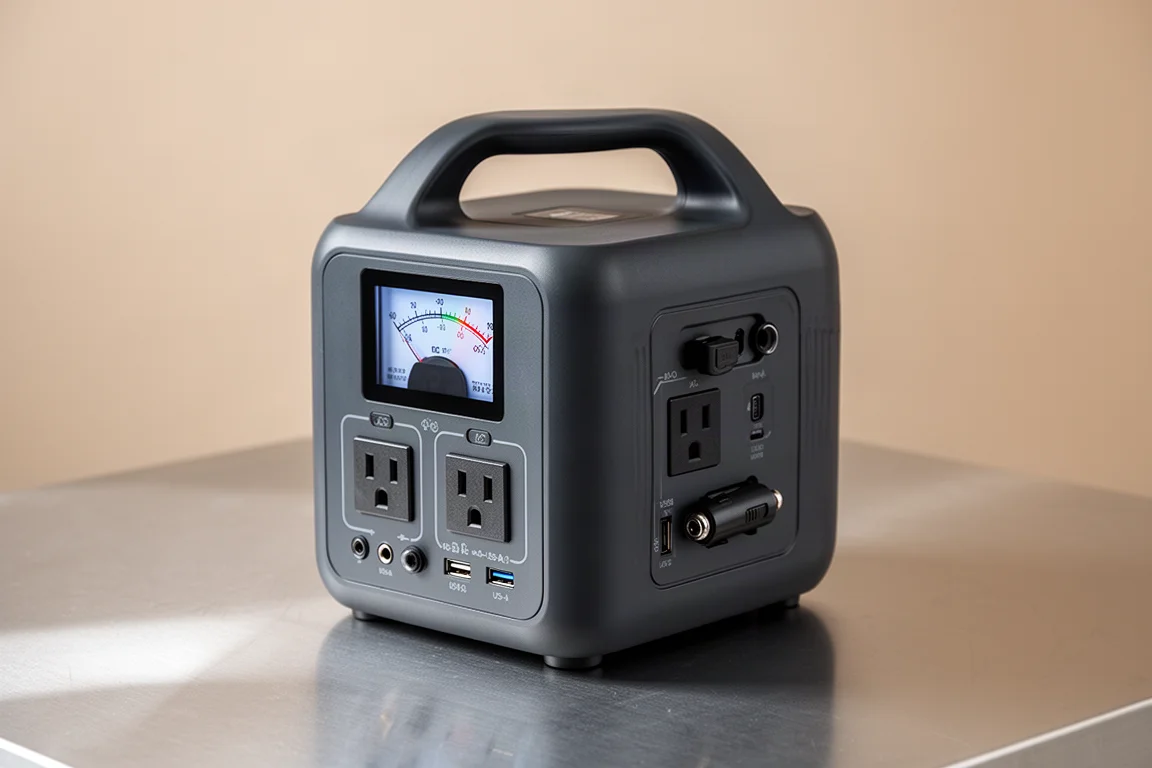
The EBL runs $200, or $160 with the coupon, with 330 W of pure sine wave output, 600 W peak, three DC ports, three USBs, a USB-C, and solar charging support, plus more than 1,000 recharge cycles. It posted the fastest drill soft start of the 300 W class at 0.7 seconds and reached 64.55 W on USB-C at 20 volts, the best of that tier. The letdowns: the loudest cooling fan at 58.2 dB, a 6 W meter discrepancy, and the lowest maximum output of all nine brands, cutting out at just 260 W. It also lacks pass-through charging.
Anker
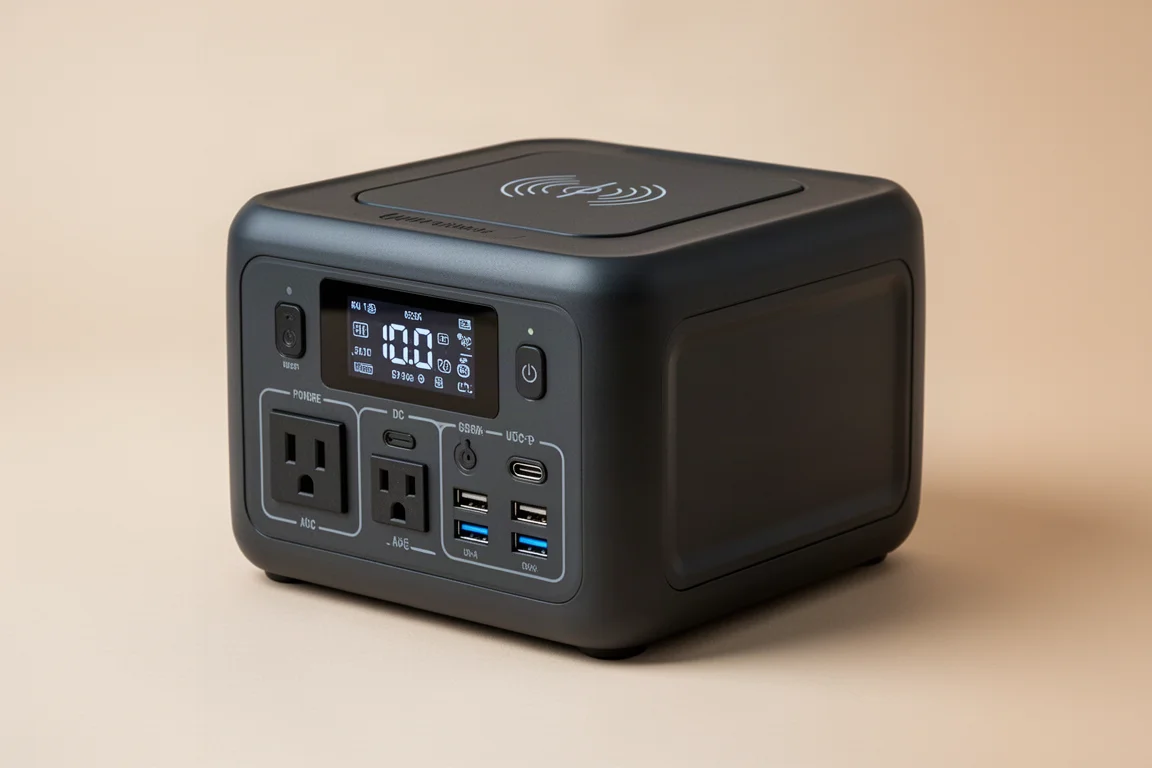
At $200, or $170 with the coupon, the Anker takes a different approach: no AC outlet at all. Instead it focuses on USB-C, with two 140 W two-way ports, a 100 W USB-C, a 15 W USB-C, two USB-As, a 12 V car socket, and solar input. It delivered 97.3 W at 20 volts, charged three devices simultaneously for 213 W total, and recharged from a wall outlet at 213 W using two 140 W bricks, the fastest of the group. It claims 80% recharge in an hour, is 30% smaller than similar power stations, and includes a clever light design. Just note the AC limitation before buying.
ZeroCore
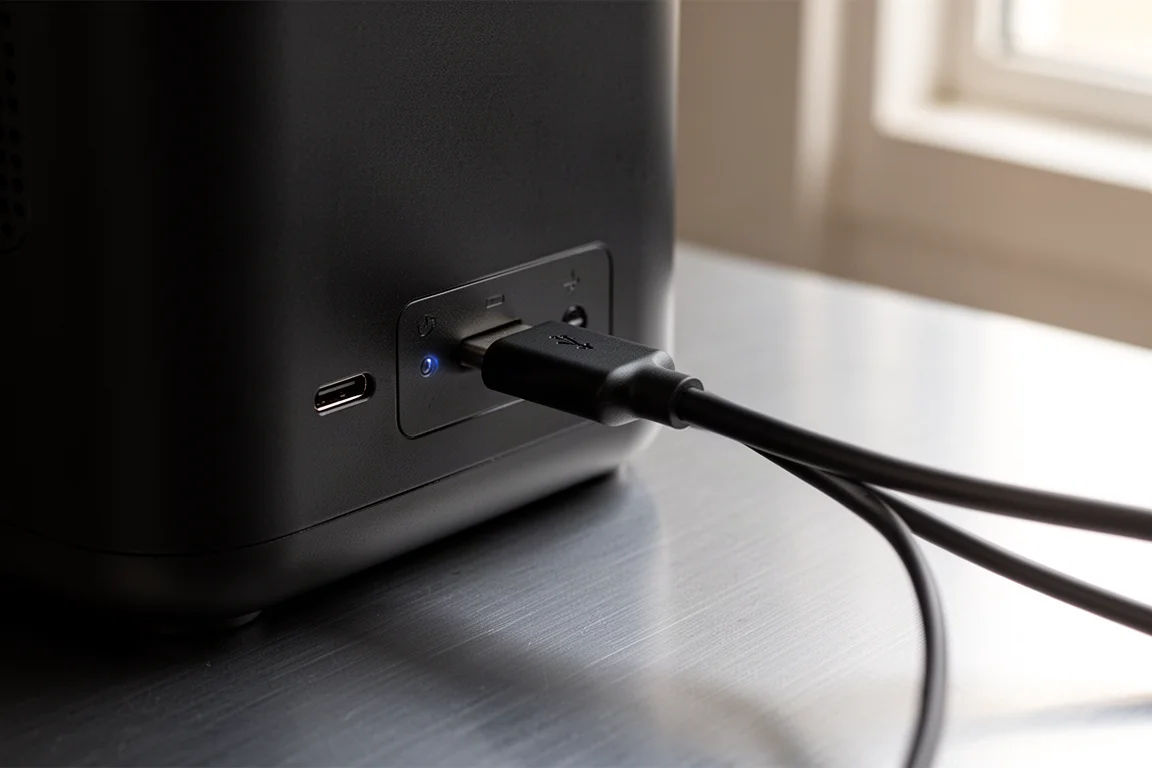
The ZeroCore costs $230, or $215 with the coupon, and is one of the lightest units at just under 5 lb with 280 watt hours of capacity, two pure sine wave AC outlets, three USBs, a fast charge port, and 12 V input and output. Unusually for this price, the kit includes a 60 W solar panel plus a wall charger and every charging cable you need. Performance was disappointing, though: it failed to hold the 225 W heat lamp, tripped on the drill, delivered only 222 watt hours of usable capacity, and charged slowly from 12 V at around 37 W.
Jackery
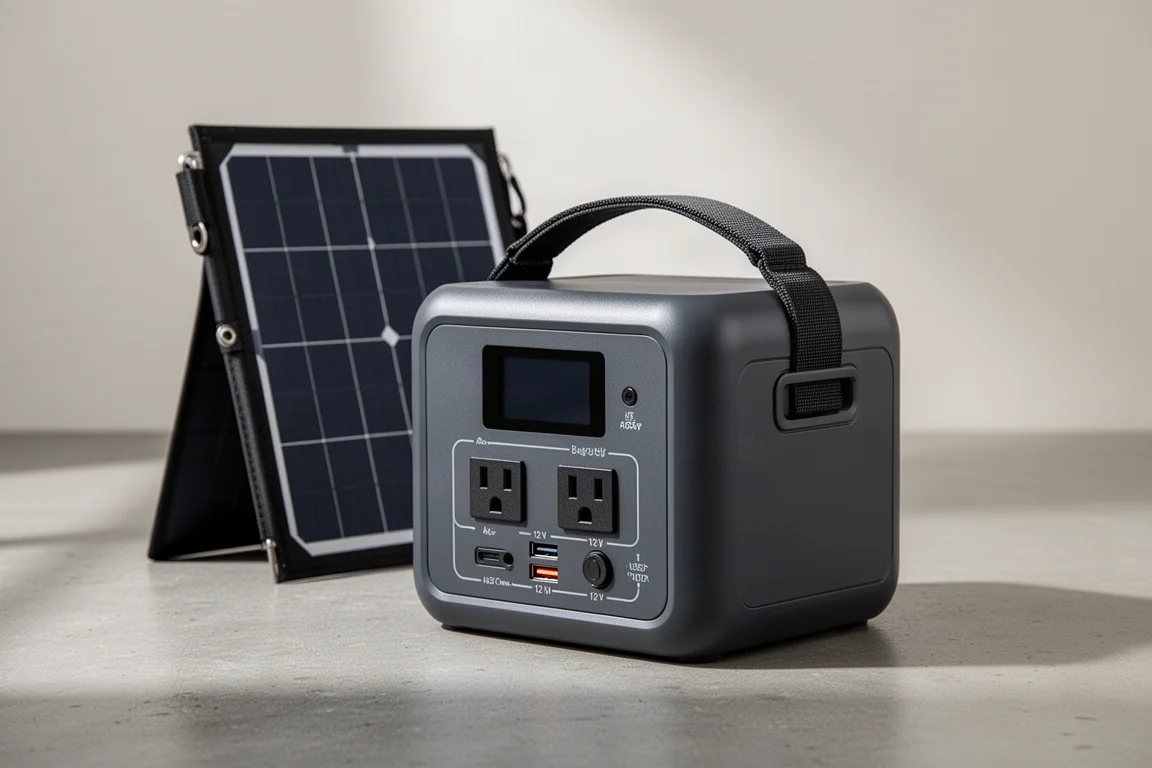
At $259, or $229 with the coupon, the Jackery offers 300 W continuous with 600 W surge and 293 watt hours of capacity, two AC outlets, a 60 W USB-C, a fast charge port, a USB-A, and a DC port. It held a 300 W load with ease and powered down at 385.9 W, the best of the 300 W class. Its cooling fan is nearly the quietest at 47.4 dB, it recharges to 80% in a claimed 2 hours, it can charge six devices at once, and its watt meter proved accurate. It just does not include a light.
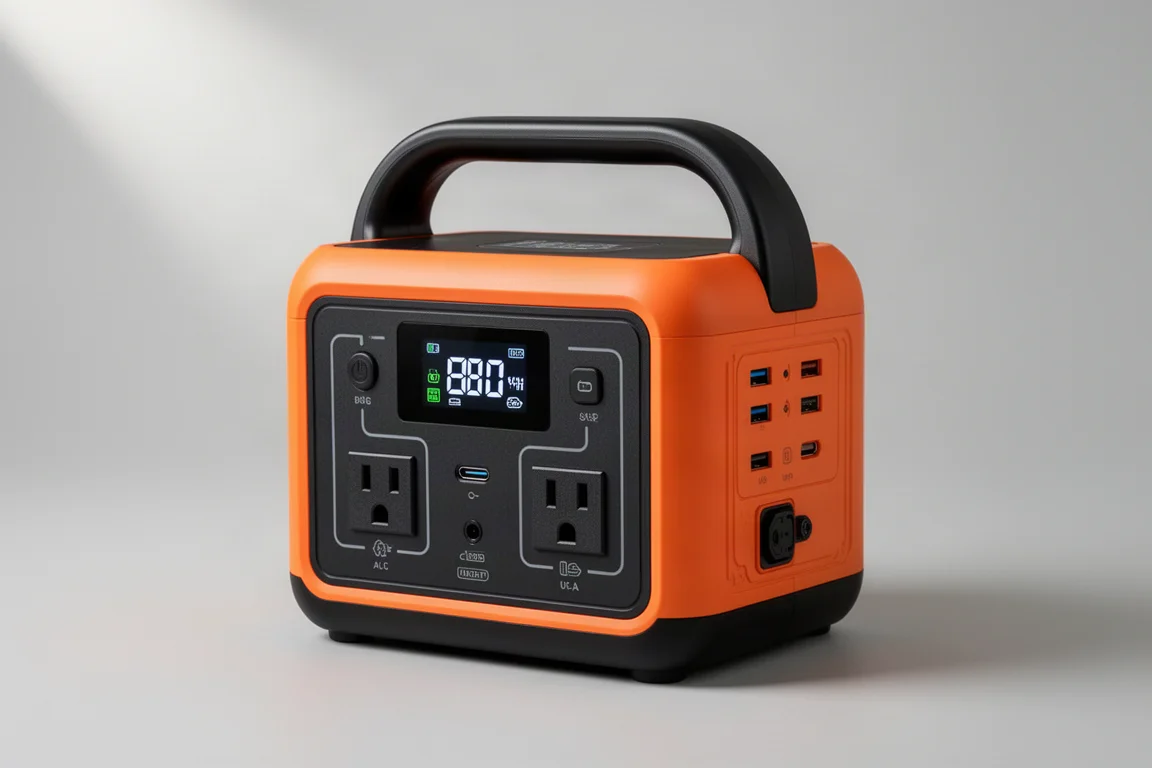
Bluetti
The Bluetti is the step-up option at $270, or right at $200 with the coupon, and it is the most powerful here: 600 W continuous, 1200 W surge, 268 watt hours of peak capacity, up to 200 W solar input, and a claimed 0 to 80% charge in 30 minutes. Its internal power supply pulled 269 W from the wall, and it can even charge while running a heavy load. It matched the Anker at 92 W USB-C charging, hit 94.56 W at 20 volts, and had the quietest fan tested at 45.7 dB. The drill hit full RPM in half a second, though it tripped on overload on a second attempt. At 10.84 lb it is the heaviest of the compact tier.
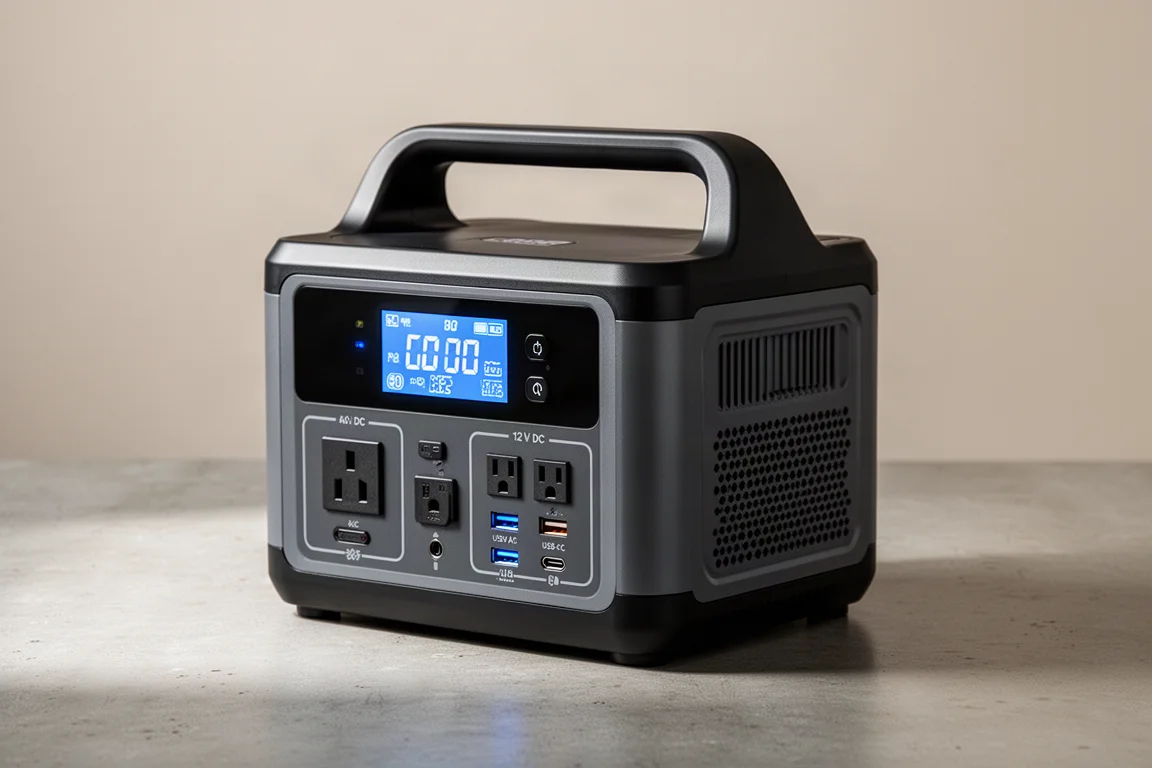
Tomon
At $280, or $230 with the coupon, the Tomon offers 600 W continuous, 1200 W peak, and the largest capacity here at 299 watt hours. It claims simultaneous power for nine devices, an 80% recharge in 2.7 hours, three 12 V ports, a 60 W USB-C, three USB-As, two AC outlets, and even a jump starter port, though cables are not included. The drill reached full speed in about half a second and it held above 600 W without cutting out, though with a noticeable voltage drop. Downsides: the heaviest unit of all at 14.1 lb, a 57.8 dB fan, and the least accurate watt meter, off by about 10 W.
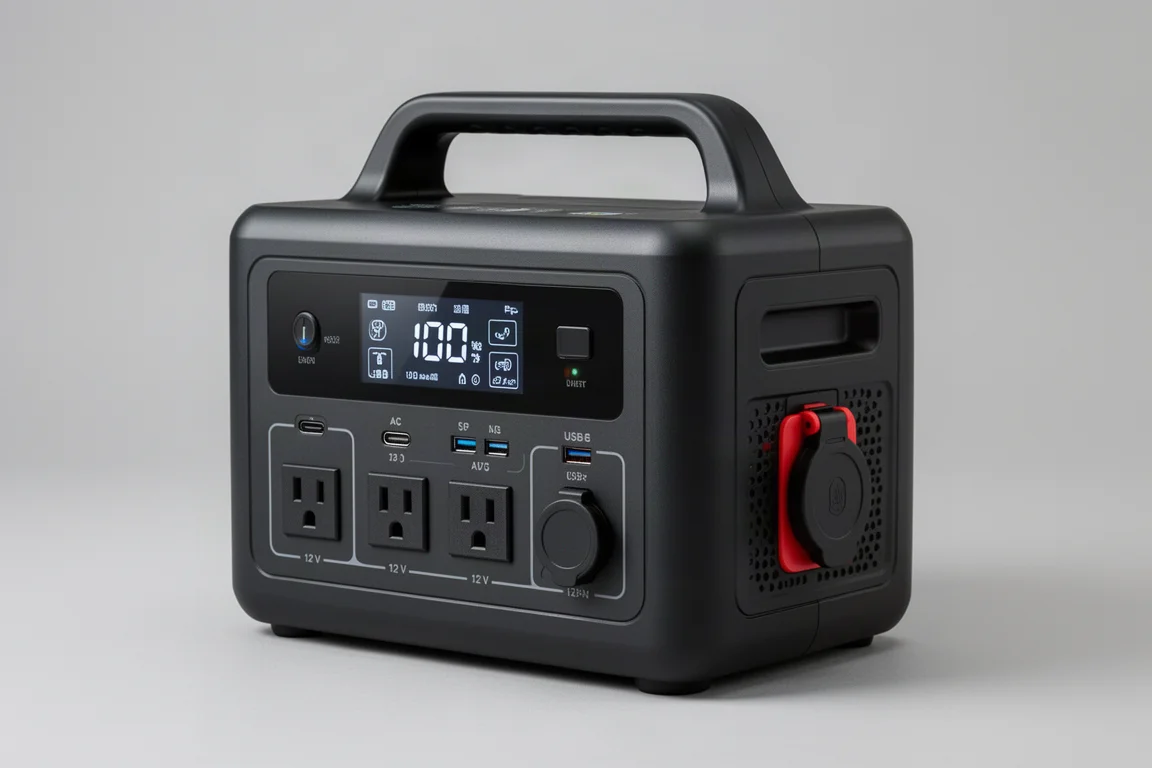
Solar Charging and Battery Capacity Results
With a 100 W solar panel, the Bluetti charged fastest at 82 W, followed by the Tomon at 68 W and the Jackery at 66 W. Note that several units, including the Grecell, Jackery, and Bluetti, need adapters that are not always included in the box.
On usable battery capacity drained at 60 W, the Jackery led at just under 283 watt hours, with Grecell second at 272.57 and Tomon third at 271.27. The Balibet, ZeroCore, and Bluetti all fell notably short of their rated capacity.
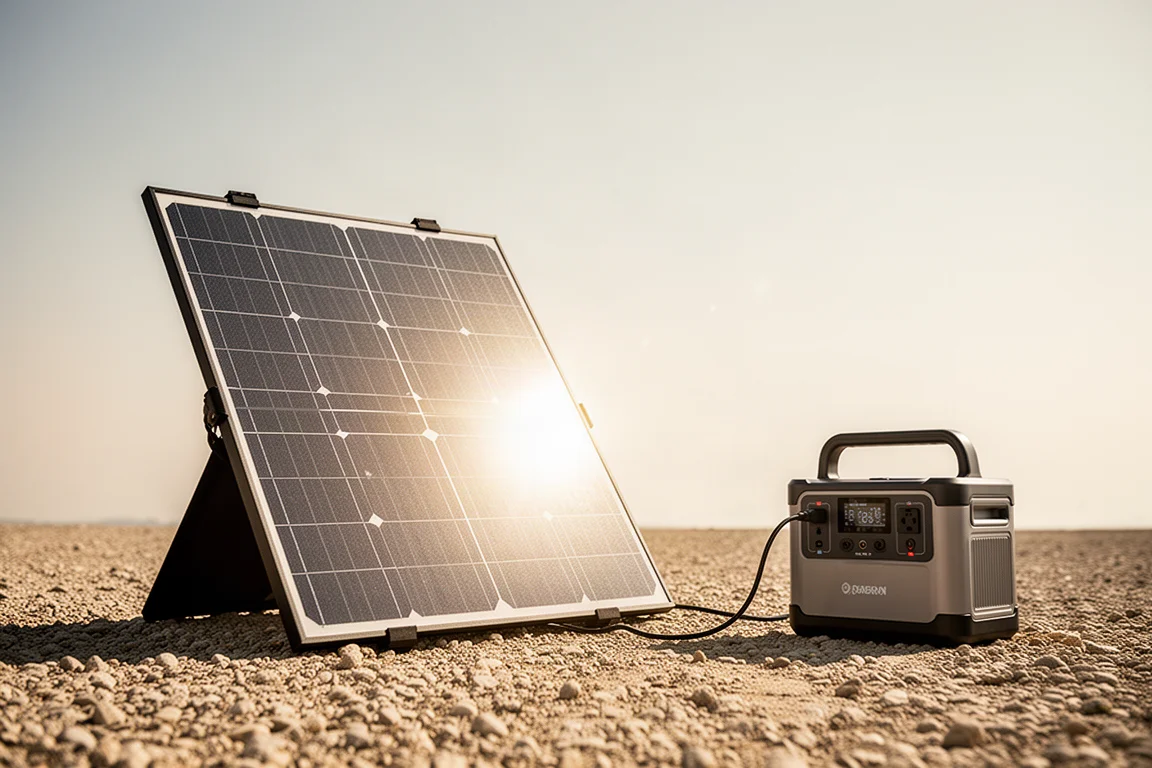
For 12-volt charging, the Jackery, Tomon, and Bluetti were quickest at roughly 84 to 87 W. On wall power, the Bluetti was in another league at 269 W thanks to its internal power supply, with the Anker at 213 W and the Tomon at 105 W.
Which Solar Generator Is Best?
Converting all the raw test results into a ranking, the Jackery came out on top with the best average finish at 2.5. It is light at just over 7 lb, quiet, powerful well beyond its 300 W rating, and delivered the most usable watt hours of any unit tested.
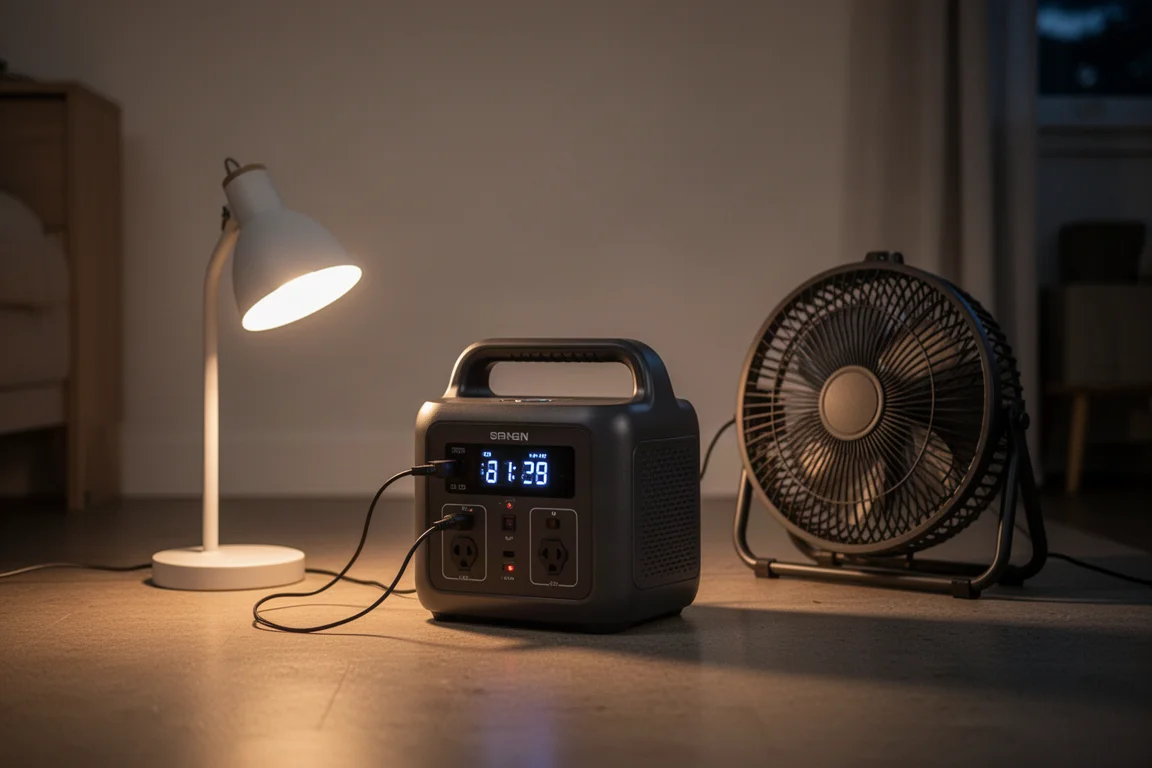
If you do not mind a larger, heavier unit, the Tomon and Bluetti both deliver 600 W of AC power and were the only ones to sustain loads above 600 W. Either would be a smart buy at the right price, particularly the Bluetti when coupons bring it near $200.
The Anker is worth a mention for USB-C users: its 213 W combined output is exceptional, but only if you genuinely do not need AC outlets. Skip the EBL and ZeroCore if reliable maximum output matters; both tripped well below their rated wattage.
Conclusion
For most people, the Jackery is the easiest recommendation: compact, quiet, accurate, and the best usable capacity in the group. If you need serious output, step up to the Bluetti or Tomon for their 600 W ratings, and consider the Anker as a USB-C-only companion. Every unit tested here does deliver clean pure sine wave power, so whichever you choose, your sensitive electronics are in safe hands.
Further reading
Related Reviews

Backpacking Gear
Building a 10 lb Base Weight: An Ultralight Backpacking Gear List
A practical walkthrough of the ultralight pieces behind a 10 lb base weight, from a 765 g pack and a roomy one-person tent to a full camp chair and a dependable water filter.

Road Bikes
10 New Road Bikes Worth Watching: Aero, Titanium, Steel and Endurance Standouts
A practical roundup of 10 new road bikes, from aero flagships chasing single-watt gains to titanium, steel and endurance platforms built for real roads.
Bikepacking Gear
11 Bikepacking Essentials for Long-Distance Cycling
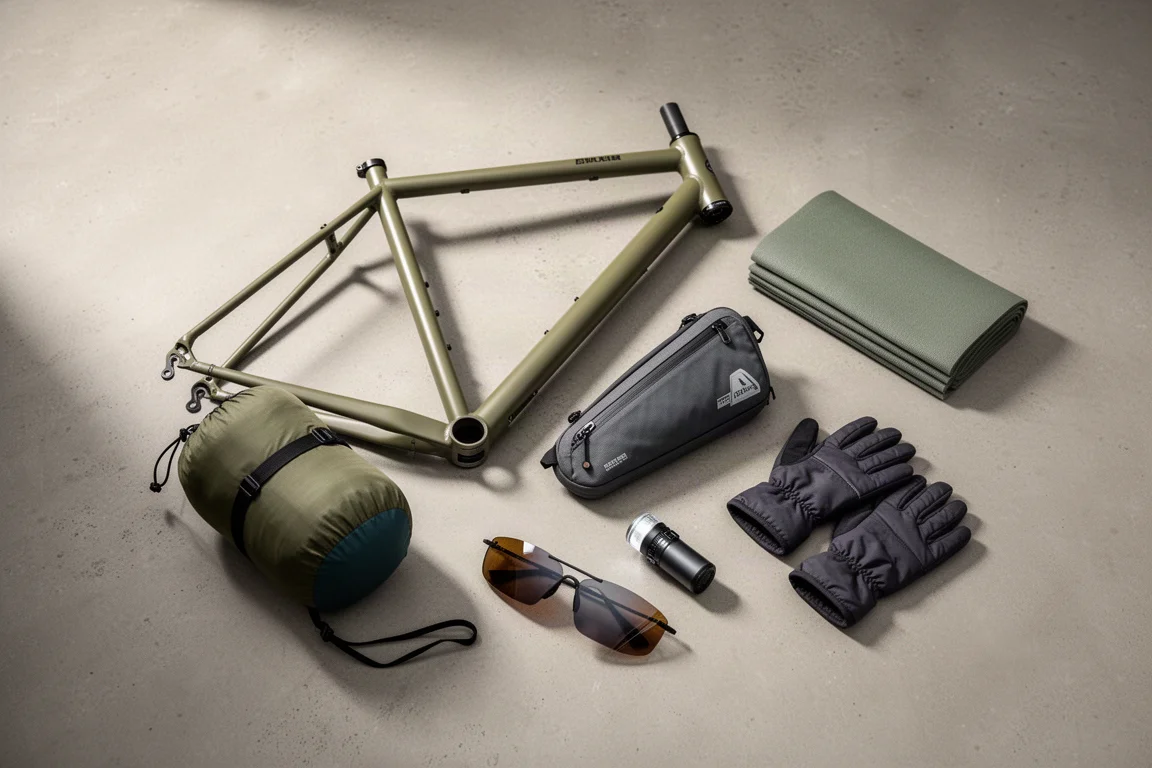
Eleven bikepacking essentials for long-distance cycling, from a steel gravel frame and a two-person tent to helmet lights, packable gloves, and a frame bag that puts weight in the right place.