Astrophotography
Best Solar Camera for an F7 Refractor: Five Contenders Compared
We compare the Sony IMX290M, IMX462M, IMX178M, IMX174M, IMX533M and ZWO 715MC for broadband and hydrogen alpha solar imaging on F7 refractors.
Introduction
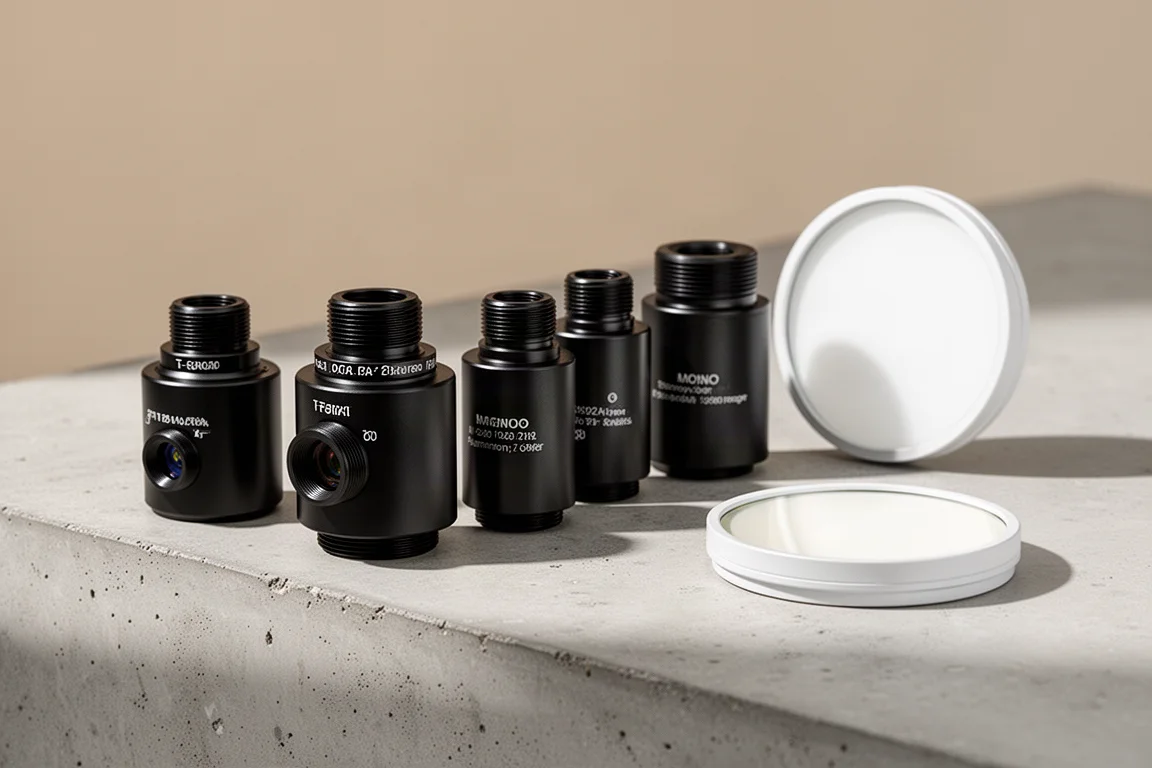
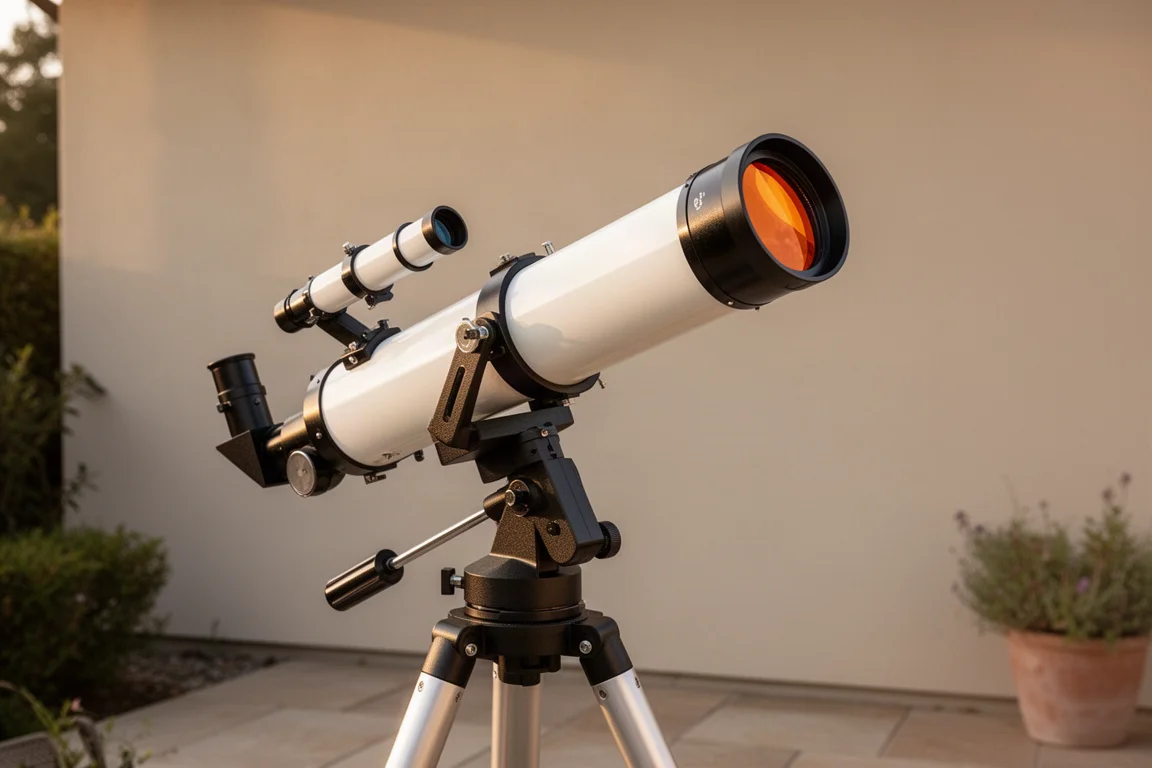
F7 refractors are among the most common telescopes on the market, and they are also one of the cheapest ways into solar imaging: add a broadband solar filter to the objective, or swap your diagonal for a Herschel wedge, and you are ready to shoot the sun. The harder question is which camera to put behind the focuser.
We photographed the sun multiple times in varying seeing conditions with all the cameras compared here, in both broadband and hydrogen alpha, using two different F7 refractors. The results point to a clear winner, with a strong runner-up for those who want a wider field.
Why Pixel Size Matters at F7
For an F7 telescope, the optimal pixel match for solar imaging is around 1.56 microns. The further a sensor sits from that number, the more image quality you give up. Previous comparisons showed that matching pixel size to the telescope’s focal ratio matters more than resolution or frames per second.
The Sony IMX290 fits that match almost perfectly, and earlier comparisons indicated it was the best choice at F7. The IMX290 is essentially the same sensor as the newer IMX462, so the two can be grouped together; the IMX462 brings a couple of small improvements but the core performance is the same.
Top Pick: Sony IMX290M and IMX462M
The punch line of this comparison: the best F7 solar camera is the IMX290M, or the essentially identical IMX462M if you prefer the newer sensor. Both delivered the strongest image quality of the cameras tested in broadband and hydrogen alpha alike.
If you already own either sensor, there is no need to upgrade to the other. The rankings were identical across both filter types, so your choice can come down to availability and price rather than performance.
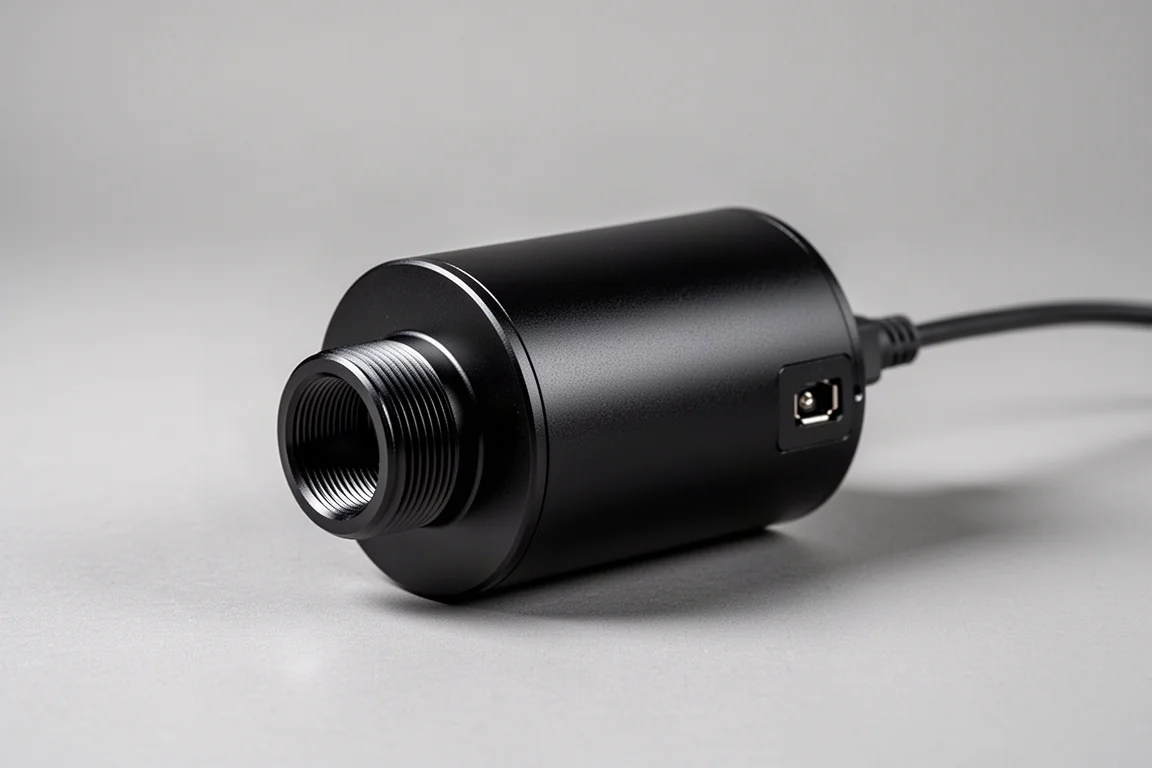
The IMX462M offers a couple of small refinements over the older sensor, but performance at the eyepiece end is effectively the same. For anyone starting fresh, either is a safe pick for full-disc and close-up solar work on an F7 refractor.
Strong Runner-Up: Sony IMX178M
The IMX178M was a close second in image quality. In theory it is an even better match for F7, and it earned that reputation in testing. Its key advantage is a larger field of view on the sun, which matters if you want to capture more of the disc in a single frame.
With a Lunt 100MT at F7, capturing the full solar disc takes two IMX178 images. If you really want a wider view of the sun, this is the camera to prefer over the IMX290.
Best for Quark Users: Sony IMX174M
The IMX174M is the most popular solar camera on the market, and for good reason: it is a great match for anyone using a Quark with an F7 refractor. A Quark changes the effective focal ratio to F30, and the IMX174’s pixel match is excellent at F30.
At native F7 it is not the strongest performer, but if a Quark is in your future or already in your kit, the IMX174M is the obvious pairing.
Full Disc Coverage and Field of View
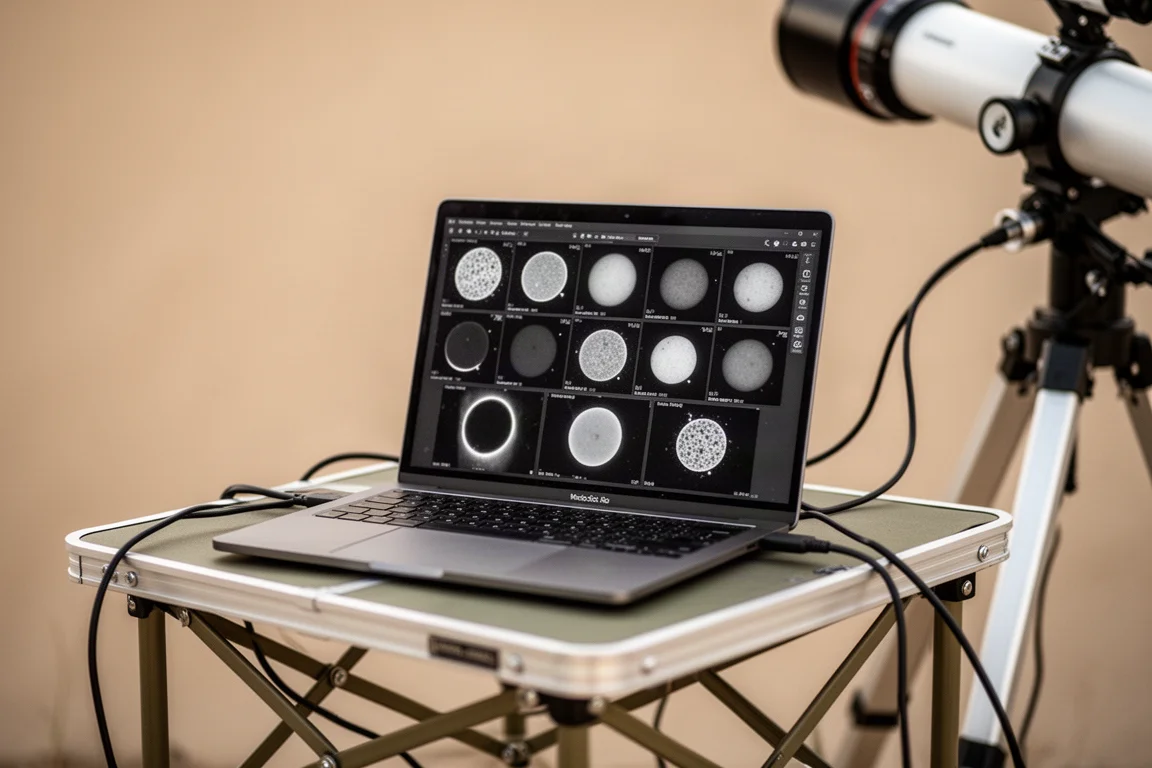
Before buying, consider whether you want to capture all or most of the full solar disc in one image, or whether you are happy building photographs from mosaics. This depends heavily on your scope. With a Lunt 100MT at F7, a full disc takes two IMX178 images or six IMX290 images, while one frame is enough for the IMX533 or the IMX174.
Scopes with smaller apertures will fit the solar disc more easily, so check the sensor field of view against your own telescope before committing.
The Flexible All-Rounder: Sony IMX533M
The IMX533M is a great, very flexible camera. It does a decent job at F7, and if you operate it in bin 2 mode it becomes a great match at F30, mirroring the IMX174’s Quark-friendly behaviour.
It is also the highest-quality option if you plan to use a 2.5x Barlow with your F7 telescope, which turns it into an F17.5 system. In that configuration, the IMX533 provided the highest image quality of all the cameras tested.
Why Mono Beats Colour: ZWO 715MC
One important clarification: always choose a mono camera for solar imaging. The ZWO 715MC is a great planetary camera with an excellent 1.45 micron pixel match for F7, but colour images of the sun are very poor compared to mono output.
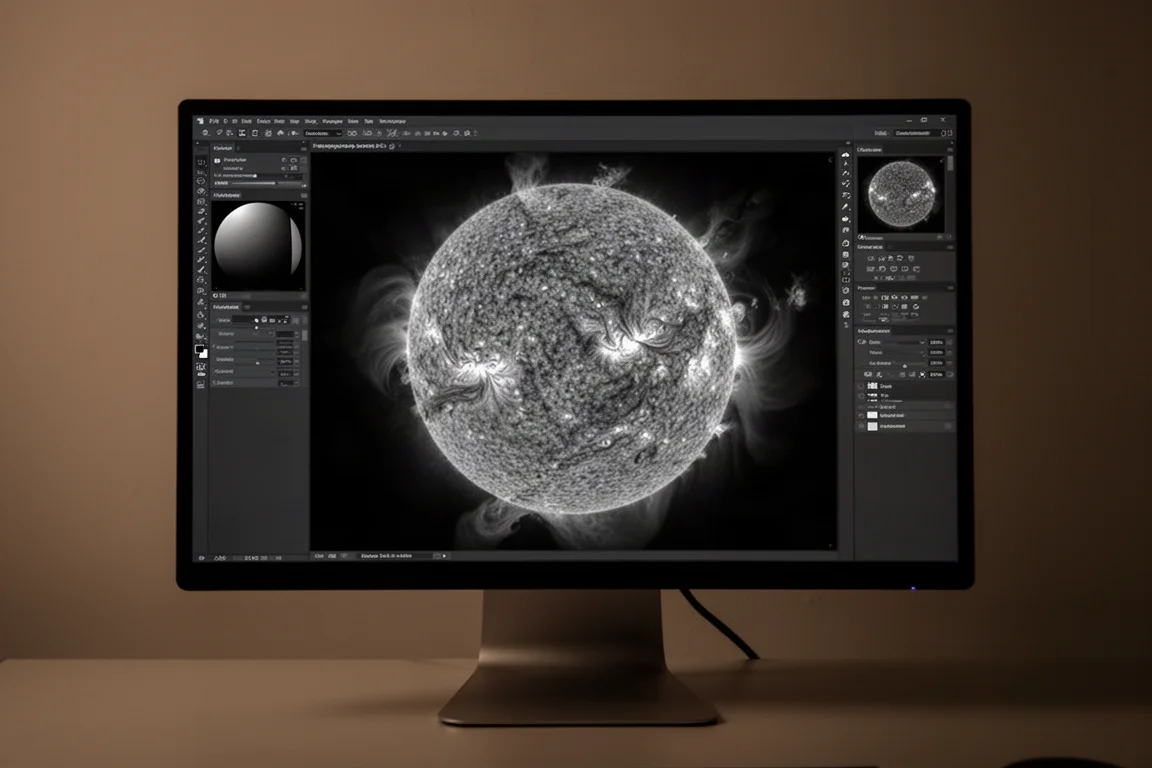
If you want colour, add it afterwards in Affinity Photo or Photoshop using a fake colour palette. That post-processing route gets you the best of both worlds without sacrificing the sharpness that mono sensors deliver.
Which Camera Should You Buy?
If your telescope is a native F7 refractor and you want maximum detail, the IMX290M or IMX462M is the straightforward choice. If you want a larger field of view on the sun, the IMX178M is the close second worth choosing instead. Quark owners should lean toward the IMX174M, while Barlow users and anyone wanting one flexible camera for multiple focal ratios should look hard at the IMX533M. Whatever you do, skip colour sensors and stay mono.
Notably, there was no significant difference between hydrogen alpha and broadband performance across these cameras. The rankings were the same in both filter types, so one purchase can serve both disciplines well.
Conclusion
For F7 refractors, pixel matching beats specs on paper: the IMX290M and IMX462M take the win, the IMX178M follows closely with a wider field, and the IMX174M and IMX533M cover Quark and Barlow workflows respectively. Match the camera to how you actually shoot the sun, and any of these will serve you well.
Further reading
Related Reviews
Astrophotography
ASKAR FRA400C Review: A Versatile 400mm Refractor for Astrophotography and More
The ASKAR FRA400C is a compact 72mm refractor that balances reach, versatility, and portability for astrophotographers and visual observers.
Astrophotography
Askar SQA106 Review: A Premium 106mm Astrograph With Exceptional Optics
The Askar SQA106 is a premium 106mm quintuplet astrograph with impressive sharpness across full-frame sensors, though its price and weight demand careful consideration.
Astrophotography
Astro Imaging Gear 2026: Eight New Products Worth Watching
A look at the most interesting new astrophotography and astronomy products announced this year, from fast telescopes to smart cameras and wireless accessories.