Snowboarding Books
Best Snowboarding Books: 8 Essential Reads on Riders, Gear, and Culture
Eight snowboarding books that document the riders, board design, brands, and regional scenes behind the sport, with notes on which are still easy to buy and which are collector items.
Introduction
Books about snowboarding do more than fill a coffee table. They keep the riders, board shapes, magazines, and regional scenes that built the culture within reach. The eight titles below approach that history from different directions: a rider biography, a photography-led look at women in snowboarding, a gear and design history, a brand retrospective, an illustrated children’s book, and several deep regional archives. Some are still easy to buy new, while a couple are collector pieces that take patience to track down.
What to Look For in a Snowboarding Book
Two qualities separate a shelf-worthy snowboarding book from a novelty. The first is a clear point of view. The strongest titles here are built around one person, brand, scene, or era rather than trying to cover the whole sport at once, and that focus is what makes them useful whether you lived through the period or are discovering it now.
The second is the balance between photographs and text. Several of these books work as coffee table pieces you can move through in an evening, while others reward a slower, more deliberate read. Decide which experience you actually want, and whether the book is for you, for a rider you know, or for a child you hope to introduce to the sport.
Pipes, Parks and Powder by Todd Richards
Pipes, Parks and Powder is Todd Richards’ biography, written with Eric Blehm and Richards himself. It moves through the 1980s, the 1990s, and the early 2000s, following a rider widely regarded as one of the defining voices of snowboarding. The book is out of print, yet new and used copies still surface through online retailers, so it stays within reach with a little searching.
The stories cover competition life and the culture surrounding it, including an account of Richards appearing on national television at Arapahoe Basin. It reads as a first-hand record of the era rather than a second-hand summary.
Heroes by Jerome Tanon
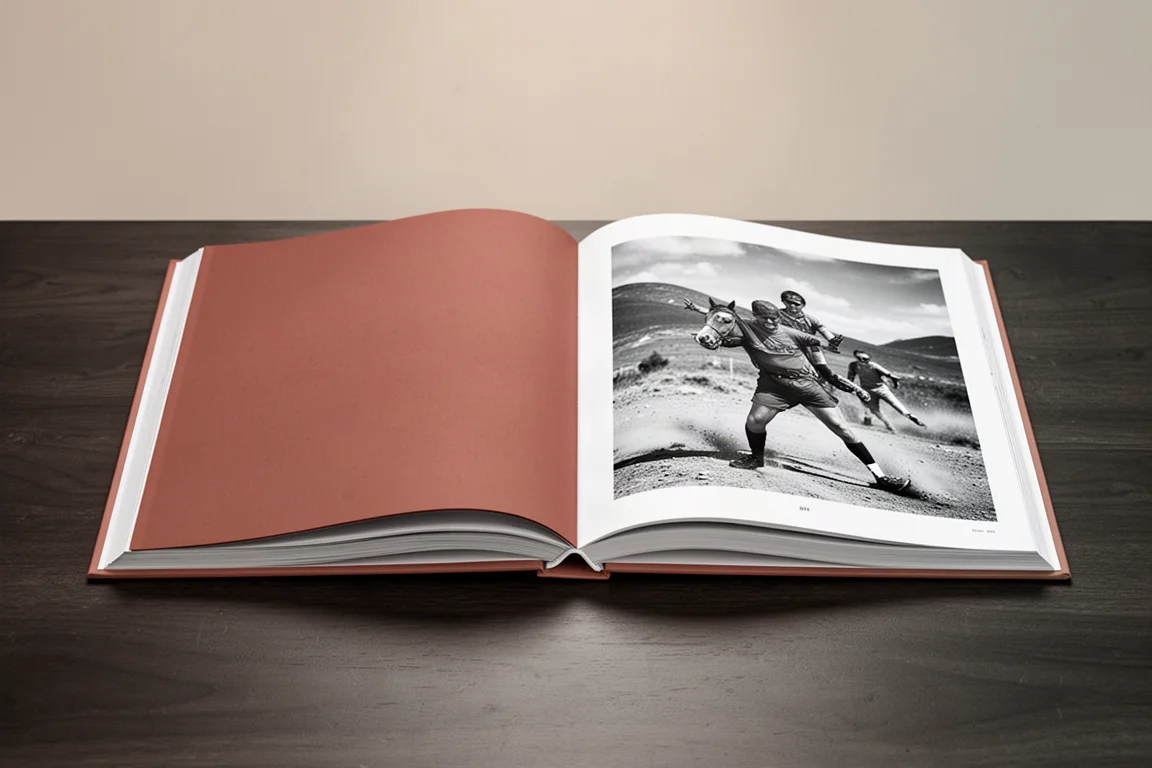
Heroes is part photo book and part essay collection, and its subject is the women of snowboarding. Jerome Tanon shot much of the photography himself, which gives the book a consistent visual voice from start to finish and makes it a strong showcase for his work.
Because it is built for browsing rather than reading cover to cover, it suits a coffee table or a shelf you pass often. It is a good pick for readers who want to see what women have contributed to snowboarding, and for anyone who simply enjoys well-made snowboard photography.
A Brief History of the Snowboard by Peter Radiker
This one is drawn from snowboardmuseum.com and written by Peter Radiker. It works through the history of snowboard design, and it is at its best for readers who care about equipment. Page after page covers shapes and construction details, including outlines that have long since disappeared from the market.
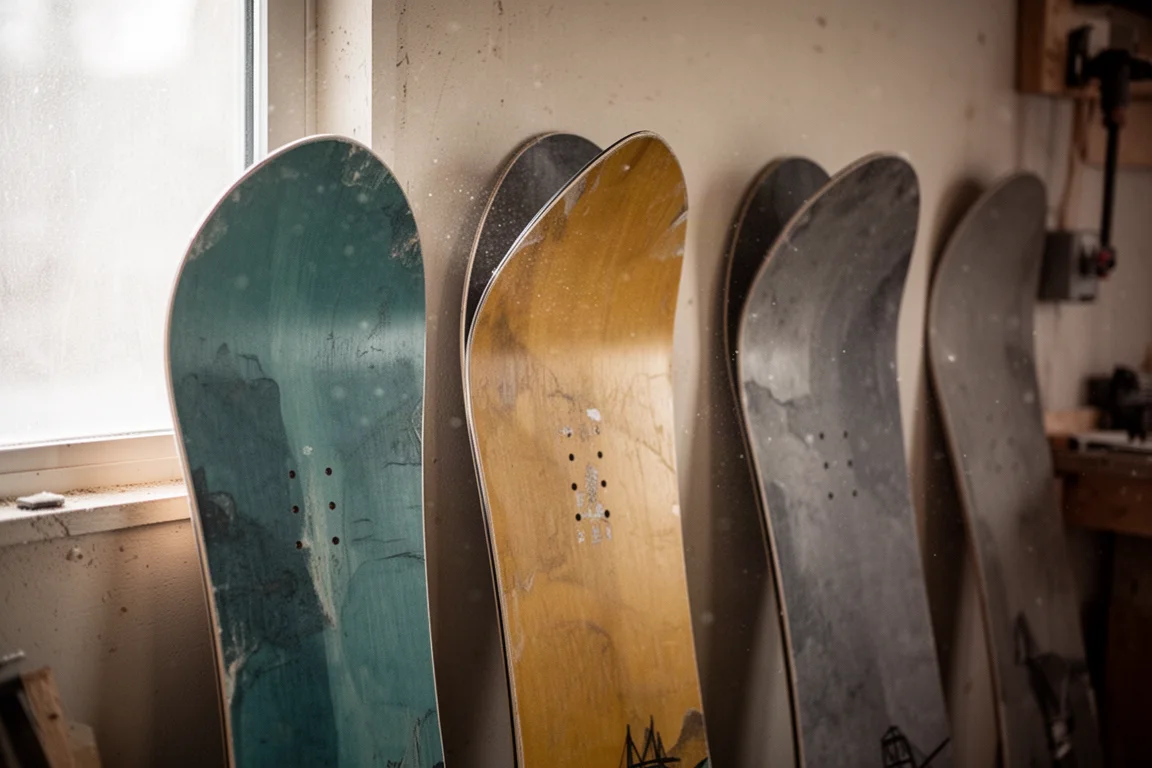
For gearheads, the appeal is the context. Seeing an unusual outline and then finding the era it came from turns a quick flip-through into a small research project, and it makes the evolution of board technology much easier to follow.
Rough Around the Edges: The History of Ride Snowboards
This book covers the history of Ride Snowboards from the early 1990s through to the present, and the story is really about what the brand did for the wider snowboard industry. It pairs naturally with the documentary of the same name, so it works well as a companion you read alongside a screening.
The archival material is a highlight. There is a photo of Dale Raberg and Jason Ford side by side, and the book includes interviews with both of them, which gives the brand history a personal texture rather than a corporate one.
Snowboarding Makes Me Happy by Tasilo Haggar
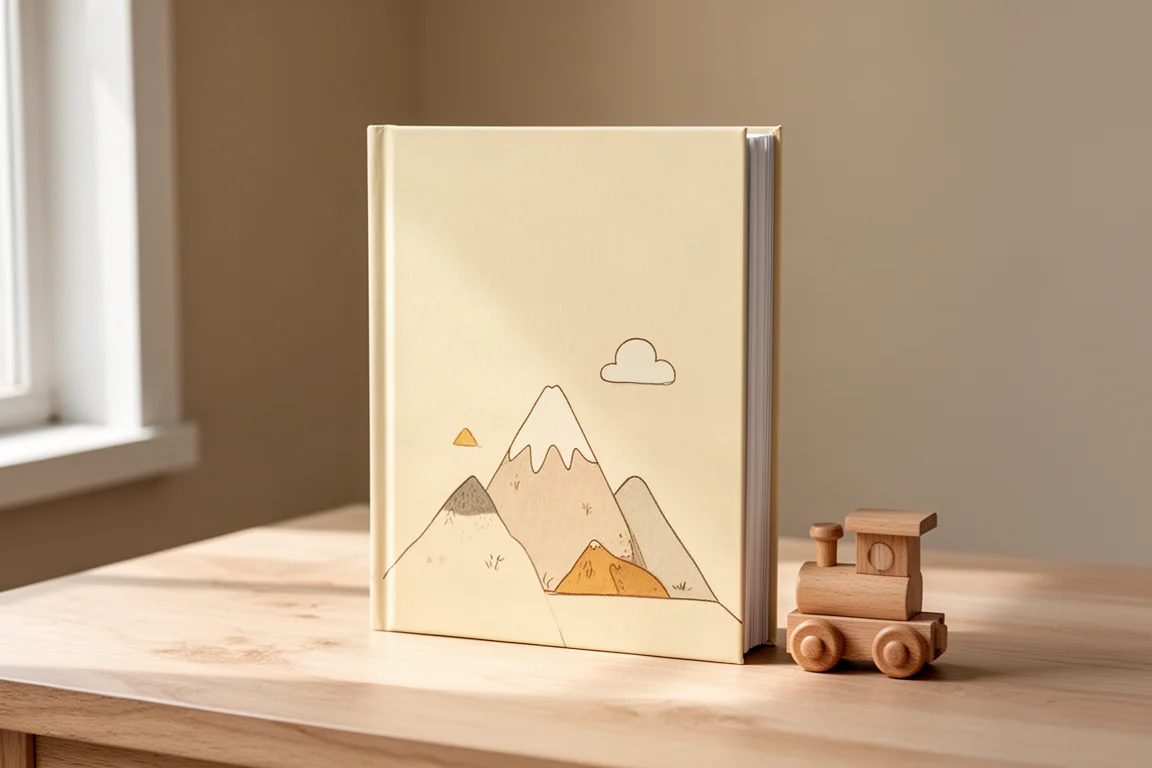
Written by Tasilo Haggar with art by Mark Kowalchuk, this is a children’s picture book rather than a history. Kowalchuk’s artwork is familiar from snowboard graphics, and here it carries a simple story about a kid who finds the one skill that really matters: happiness, found on a snowboard.
The book is aimed at young readers, roughly four to seven years old, and it makes the most sense for parents who want to bring a child toward the sport early.
The East Street Archives by Garyland
For anyone who grew up snowboarding on the East Coast in the 1990s and early 2000s, this is a foundational book. It gathers photographs from that scene together with short anecdotes, capturing what day-to-day East Coast riding and its culture actually felt like.
The result is a portrait of a region and the community it built, which is why it holds such a specific place in the history of the sport.
Hold Fast and Tweak Hard: The History of Method Magazine
This volume covers 25 years of Method magazine, and it is especially valuable for European readers. Working through it reveals how much influence the magazine carried in the European market, a side of snowboard media history that is easy to overlook.
It is not a book to finish in one sitting. The reward comes from returning to it over time, reading a little more each pass and picking up details that were easy to miss the first time through.
Current State by David Benedict
Current State is out of print, and it is the hardest title on this list to find. Secondhand copies have been listed around $300 or more, which puts it firmly in collector territory. The book captures the state of snowboarding at the moment it was written, and that snapshot is exactly what makes it sought after now.
If you are a serious collector, it is worth pursuing. Otherwise, keep an eye out in bookstores and secondhand shops rather than paying a premium on impulse.
Buying Advice
Start with the part of snowboarding you care about most. If you want the rider’s perspective on the sport’s rise, the Todd Richards biography is the natural entry point, and it remains findable despite being out of print. If equipment is your interest, the design history is the more rewarding read.
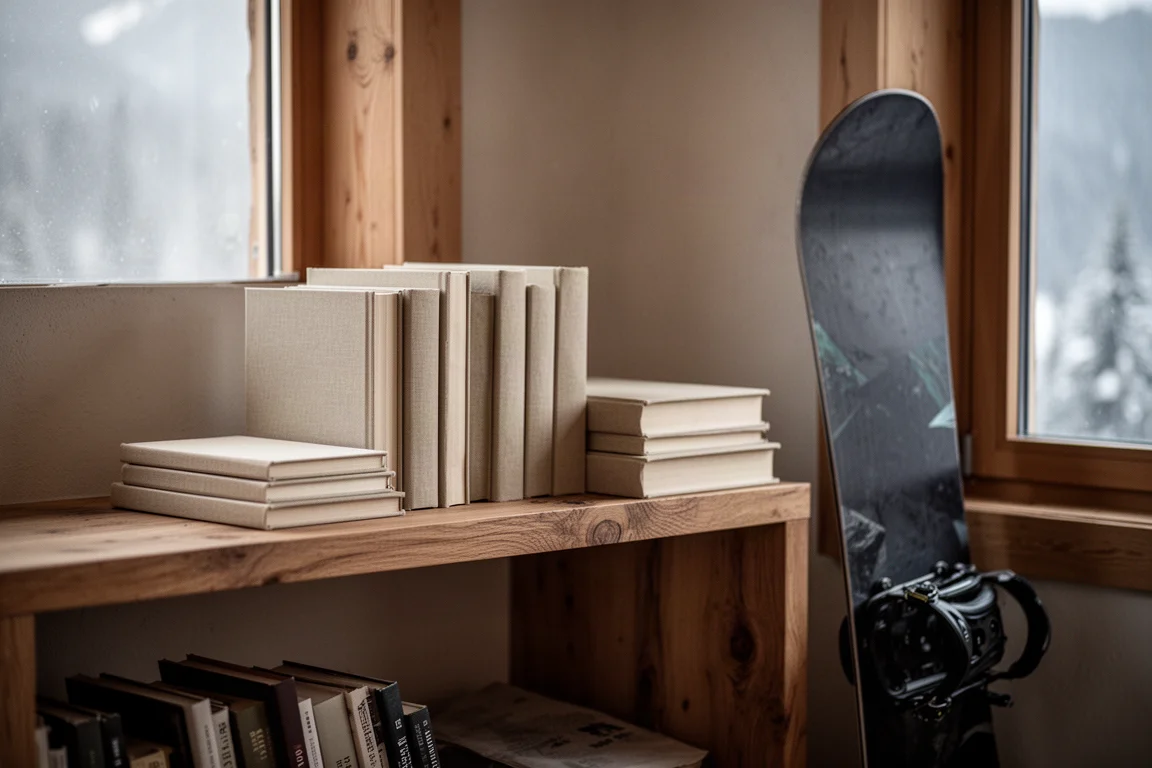
For readers building a broader shelf, the regional and media histories fill in the parts a single biography cannot. The East Coast archive and the Method magazine history each document a scene that shaped how snowboarding developed in its own market. Budget accordingly: most of these titles are straightforward purchases, while Current State is the one that requires patience and a collector’s budget. The children’s book is the exception in every sense, since it is meant to be read aloud rather than shelved.
Conclusion
Each of these books holds a piece of snowboarding worth keeping: the voice of a defining rider, the shapes that came and went, the brands that changed the industry, and the regional scenes that gave the sport its character. Whether you are new to snowboarding or have been around for decades, they make the culture easier to understand and easier to revisit.
Further reading
Related Reviews
Backpacking Gear
Building a 10 lb Base Weight: An Ultralight Backpacking Gear List
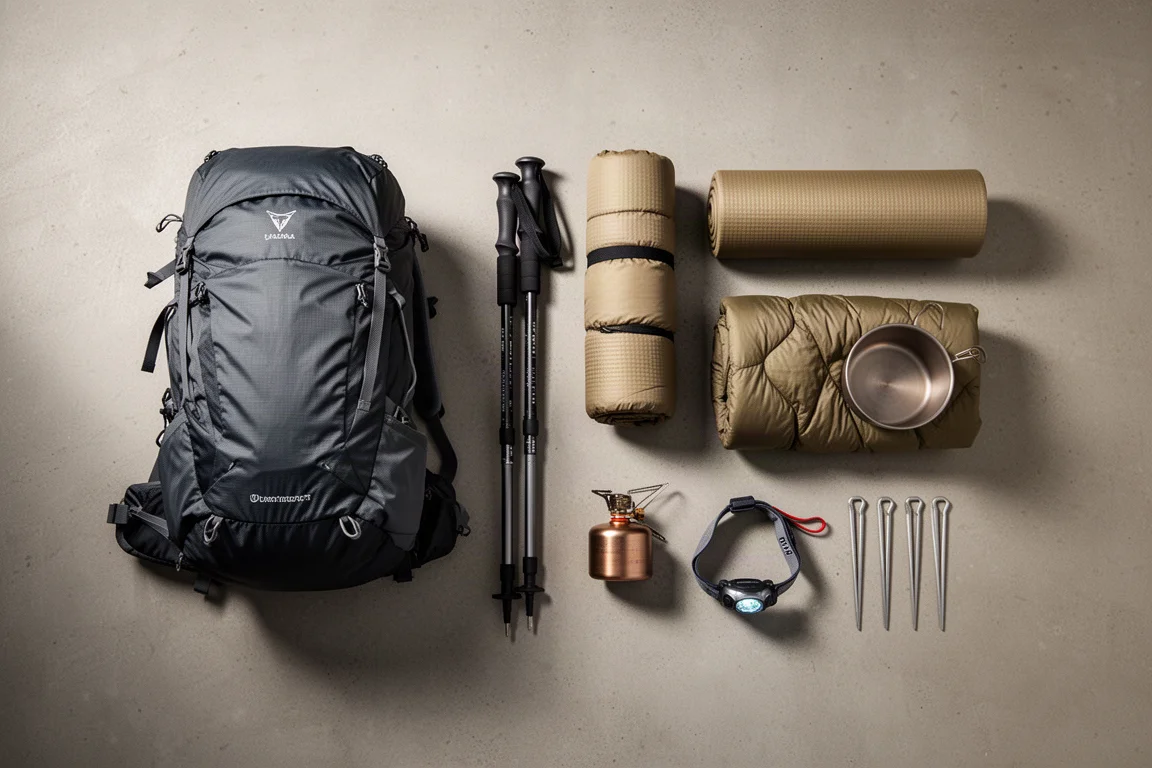
A practical walkthrough of the ultralight pieces behind a 10 lb base weight, from a 765 g pack and a roomy one-person tent to a full camp chair and a dependable water filter.

Road Bikes
10 New Road Bikes Worth Watching: Aero, Titanium, Steel and Endurance Standouts
A practical roundup of 10 new road bikes, from aero flagships chasing single-watt gains to titanium, steel and endurance platforms built for real roads.
Bikepacking Gear
11 Bikepacking Essentials for Long-Distance Cycling
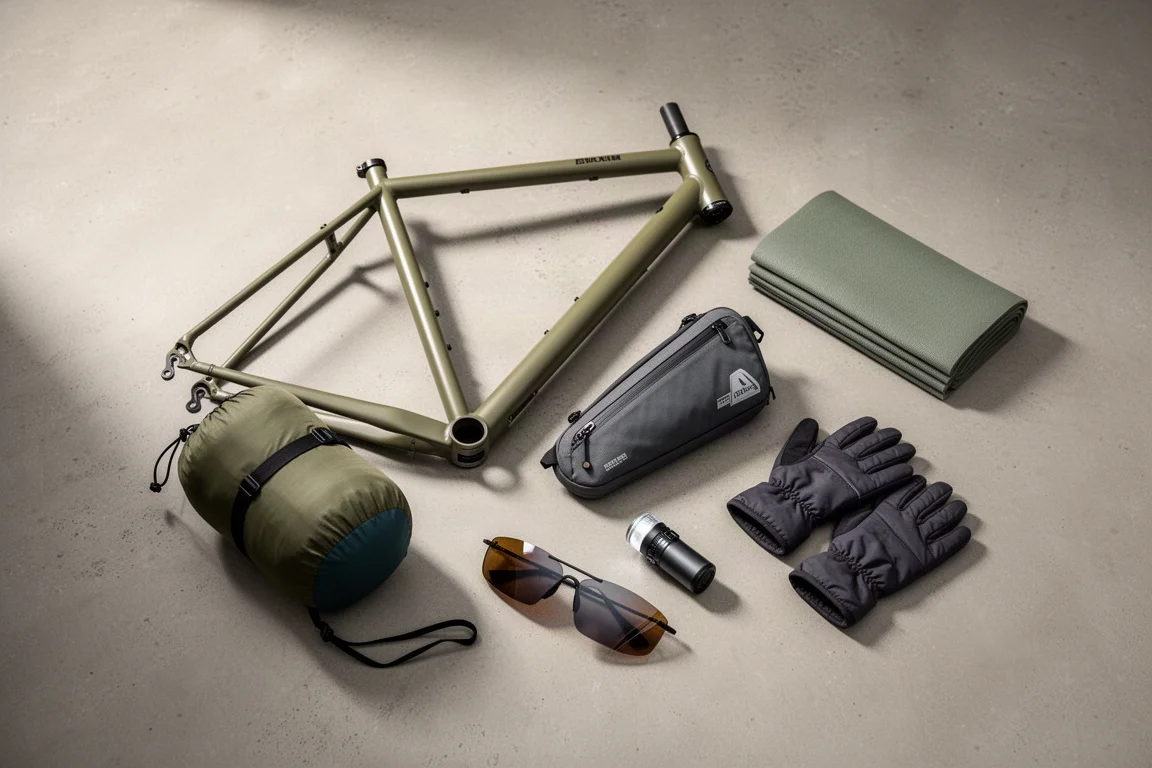
Eleven bikepacking essentials for long-distance cycling, from a steel gravel frame and a two-person tent to helmet lights, packable gloves, and a frame bag that puts weight in the right place.