Smart Home
Five Smart Home Sensors Worth Your Attention in 2026
A practical look at five smart home sensors with useful features, including rechargeable battery options, temperature probes, and accurate presence detection.
Introduction
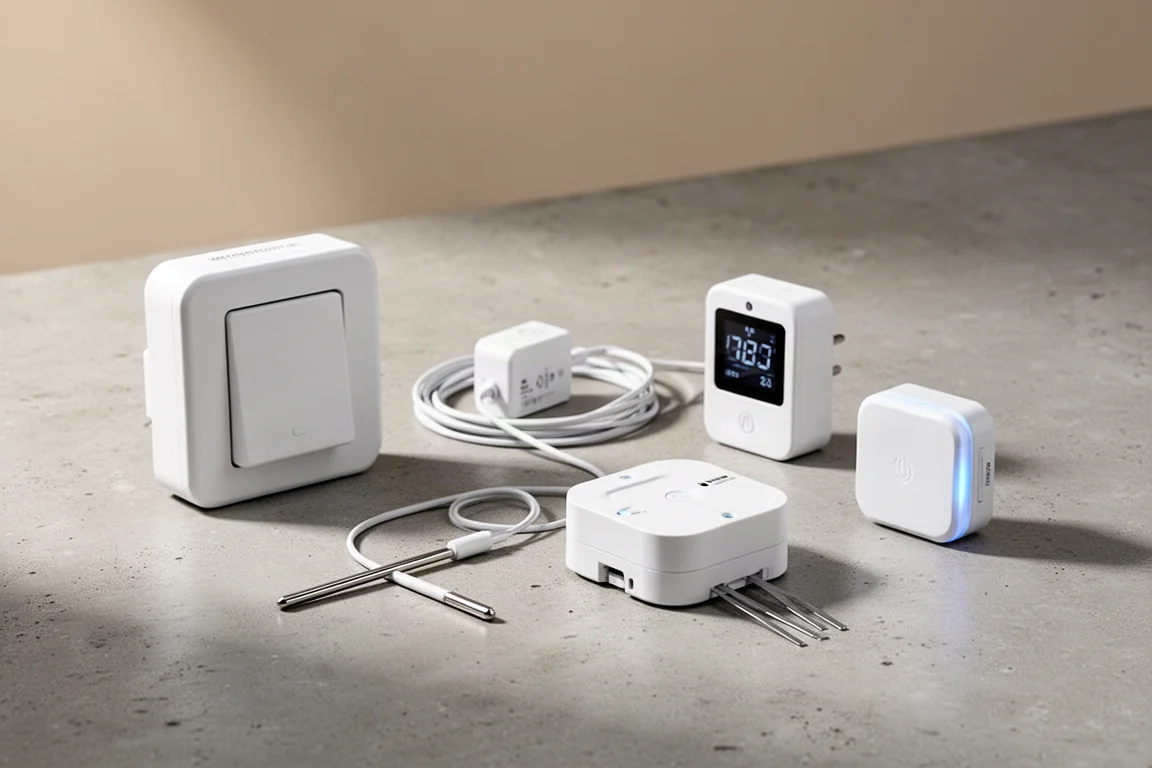
Smart home sensors have come a long way. The latest generation offers features that make them genuinely more useful in everyday life. This roundup covers five sensors that stand out for practical reasons: they avoid coin cell batteries, support rechargeable options, and bring unexpected capabilities to common monitoring tasks.
Vibration Sensor with Adjustable Sensitivity
The first sensor is a vibration sensor that solves a common complaint. Many vibration sensors are either slow to react or not sensitive enough. This one has physical switches inside that let you adjust sensitivity across four levels: very high, high, medium, and low. It is fast at recognizing vibration and equally fast at detecting when vibration stops.
This responsiveness makes it reliable for real-world automations. A common use case is attaching it to a dryer to know when clothes are finished. Other vibration sensors often fail at this because they cannot detect the subtle vibration of a running dryer. With the sensitivity set to maximum, this sensor picks up the dryer without issue. Magnets on the back make it easy to remove for battery changes.
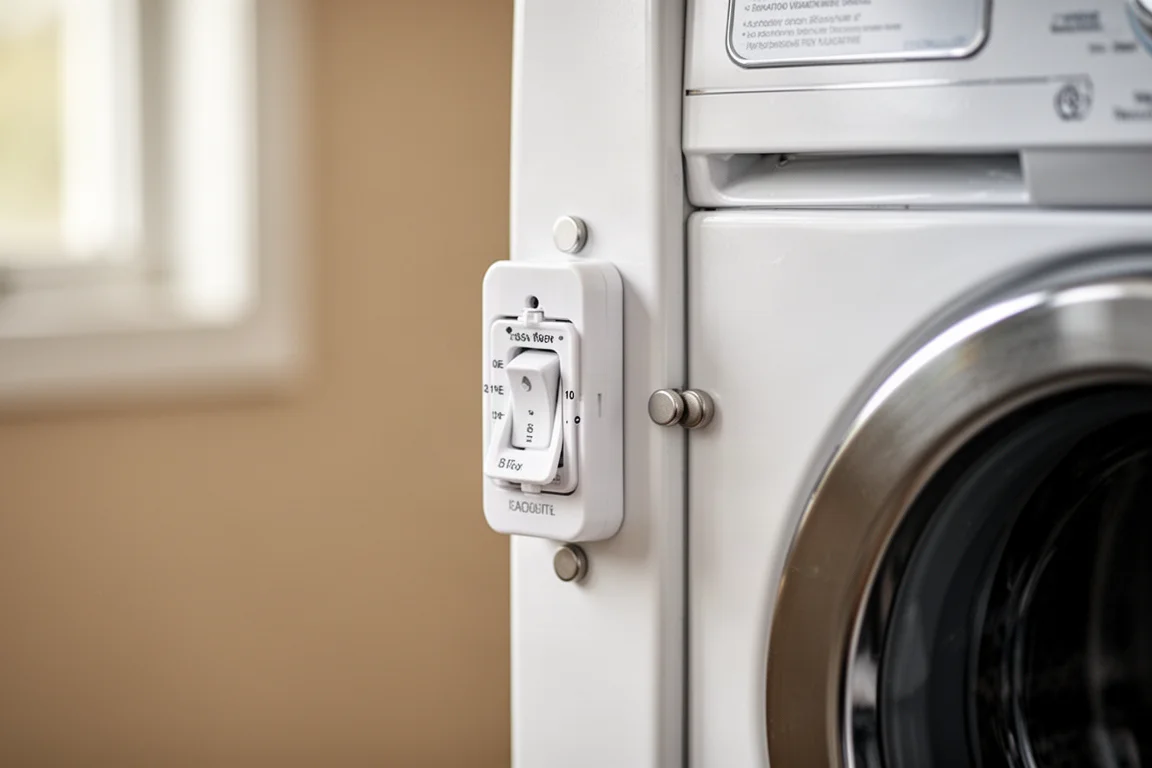
The sensor is larger than some alternatives because it uses AAA batteries instead of coin cells. That tradeoff is worth it for many users, since AAA batteries can be rechargeable. Inexpensive rechargeable AAA batteries work well here, eliminating the hassle of buying and storing coin cells.
At around $20, this sensor uses Zigbee, so it requires a compatible Zigbee hub. It works well with Home Assistant and similar systems.
Apollo Temp One: Temperature Monitoring Beyond the Basics
The Apollo Temp One takes a different approach to temperature monitoring. Traditional temperature sensors struggle in environments like freezers because wireless signals are hard to maintain and batteries drain quickly. The Temp One solves this by keeping the microcontroller outside the monitored space.
The sensor unit stays outside the freezer or other environment, maintaining a strong wireless connection. A temperature probe with a flat cable connects to the unit, and the cable is thin enough that a freezer door can close on it without issue. This design allows continuous temperature monitoring inside the freezer while keeping the electronics in a friendly environment.
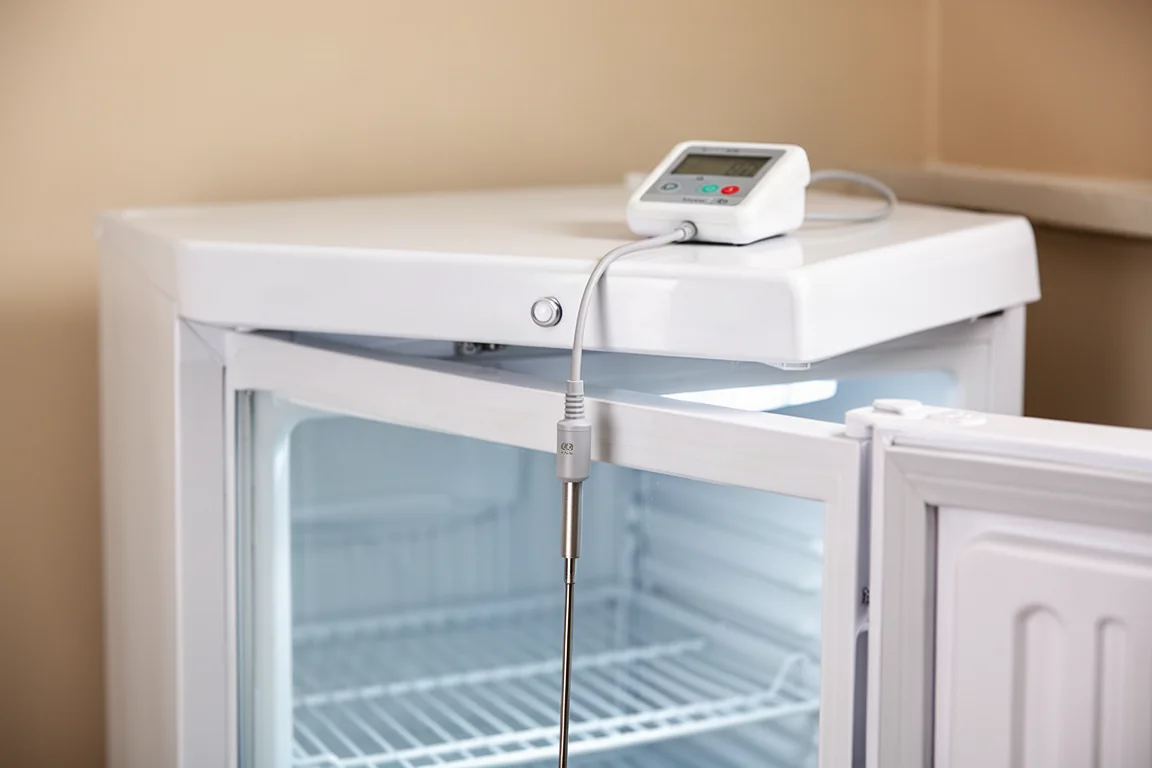
The Temp One costs around $30 depending on configuration. The standard version plugs into the wall for power. There is also a battery-powered version that uses rechargeable CR23A batteries. For freezer monitoring, a nearby outlet is usually available, so the wall-powered version often makes sense. The battery version is useful when monitoring temperatures in places without easy access to power.
The sensor can also monitor food temperature with an optional stainless steel food probe. The probe handles high temperatures, making it suitable for grilling or oven use. A magnetic mount helps keep the probe in place during grilling.
One drawback is the lack of a physical power switch on the battery-powered version. Turning it off requires removing the top, pulling out the sensor, and removing the battery. Without doing this, the battery drains quickly unless long sleep intervals are configured. The sensor uses Wi-Fi and ESPHome to connect to systems like Home Assistant.
Temperature and Humidity Sensor with Built-in Display
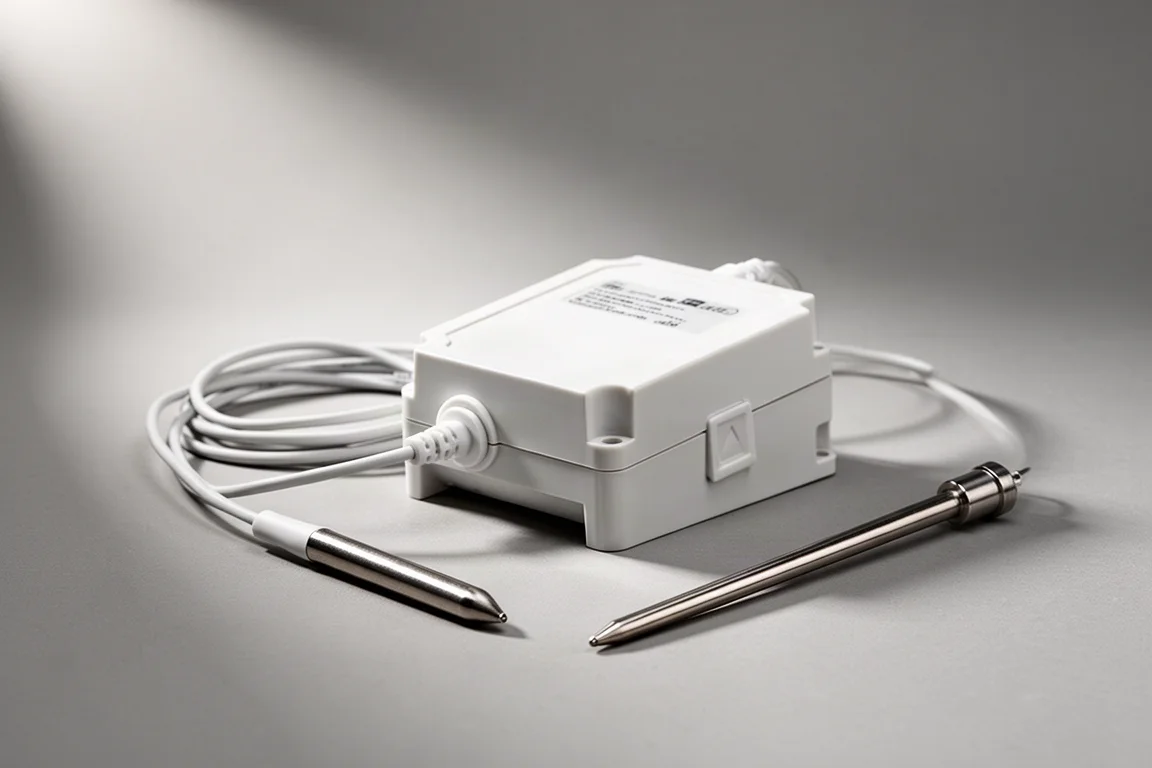
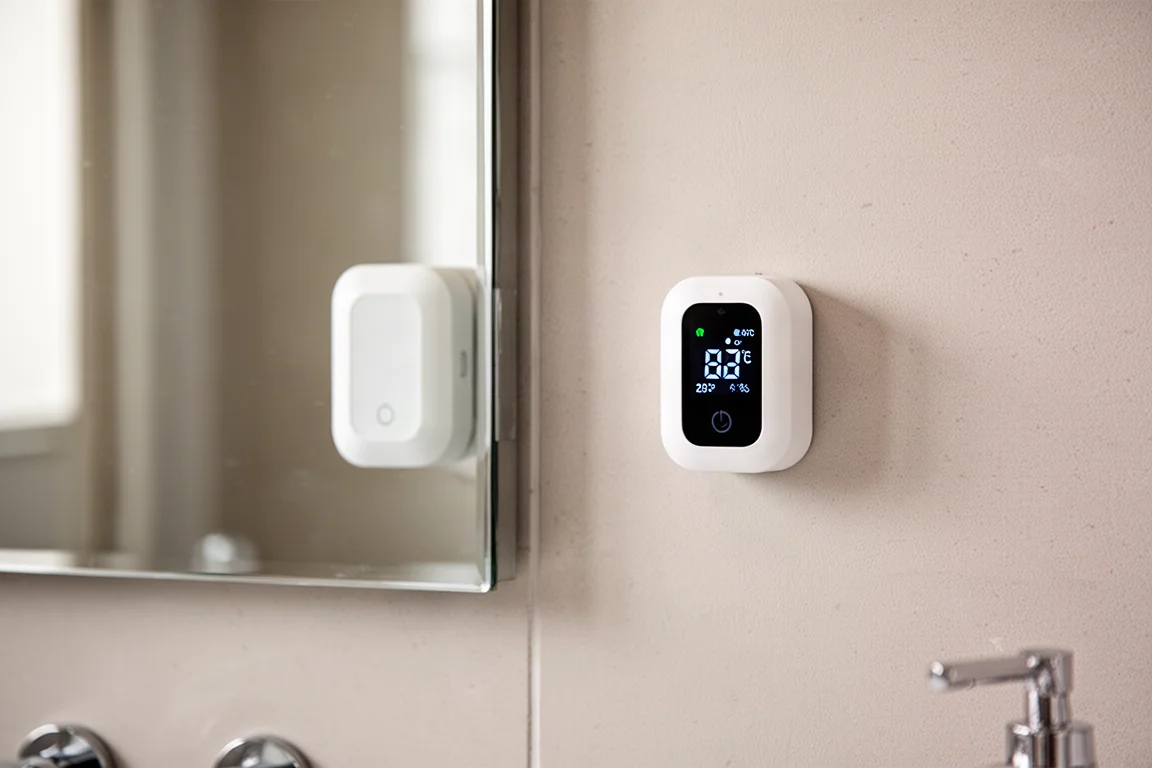
This sensor adds a screen that shows temperature and humidity at a glance. It is more useful than expected, since there is no need to open an app or check a dashboard. The display makes it easy to see current conditions instantly.
A practical use case is in bathrooms. The sensor detects humidity spikes, making it easy to tell when a shower is running. The graph view clearly shows when humidity rises. This can trigger automations like turning on a vent fan or keeping lights on while someone is showering.
Other sensors with screens often rely on Bluetooth or coin cell batteries. This one uses Zigbee and AAA batteries, which means rechargeable batteries work well. It integrates cleanly with existing smart home setups.
Water Leak Sensor with Onboard Alarm
This water leak sensor looks different from typical models. Most leak sensors have metal contacts on the top or bottom. This one has no visible contacts on the bottom. Instead, it includes small metal strips that attach to screws on the bottom. Both the strips and the screws, which stick out slightly, detect water.
The sensor works well, but it is larger than many alternatives. The size and shape may not appeal to everyone. However, for hidden spots like behind a tub, the size is not an issue. For more visible locations, a smaller sensor might be preferable.
A notable feature is the onboard alarm. The sensor makes a sound to alert people nearby, even if it is disconnected from the smart home system. This adds a layer of safety that many leak sensors lack.
Apollo Millimeter Wave Sensor: Accurate Presence Detection
The Apollo millimeter wave sensor stands out for its accuracy. It detects presence quickly and distinguishes between someone walking into a room and someone holding still. This level of detail opens up many automation possibilities.
The sensor provides access to detailed data, showing exactly what it detects. It also has three zones that display how close a person is to the sensor: far away, kind of close, or right in front. Each zone distance can be adjusted, but no setup or fine-tuning is required out of the box.
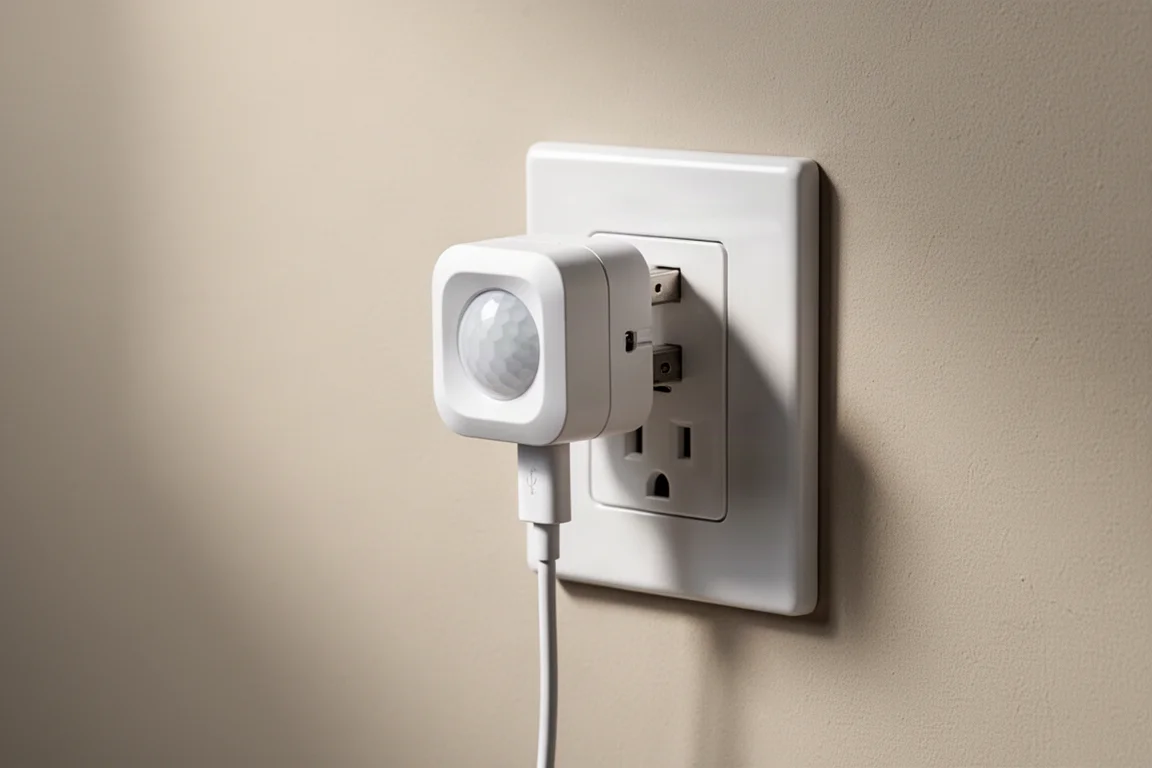
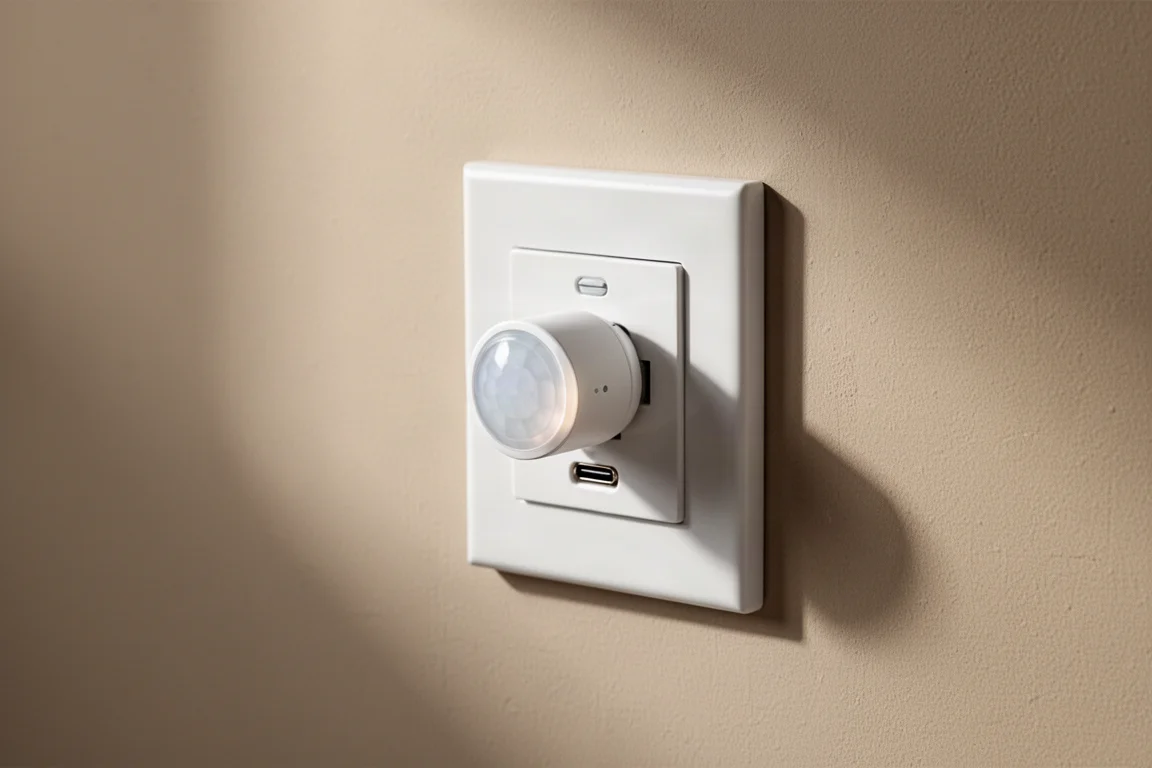
The sensor is remarkably small, barely visible on a counter. An optional small piece connects it directly to a USB-C plug, eliminating cords and saving counter space. It also includes an RGB light, temperature sensor, and light sensor for automations. A CO2 sensor option is available for those who want air quality monitoring.
At around $40, this compact sensor packs a lot of capability into a small package.
Overall Buying Advice
These five sensors each solve a specific problem. The vibration sensor is ideal for reliable automation triggers like dryer monitoring. The Apollo Temp One is best for freezer or food temperature monitoring with its external probe design. The temperature and humidity sensor with a display is great for bathrooms and quick visual checks. The water leak sensor offers an onboard alarm for extra safety. The Apollo millimeter wave sensor provides accurate presence detection in a tiny form factor.
Consider your existing smart home hub. The vibration sensor and the temperature and humidity display sensor use Zigbee, so a compatible hub is required. The Apollo Temp One and millimeter wave sensor use Wi-Fi and ESPHome, which work with systems like Home Assistant. Battery preferences also matter: several sensors support rechargeable AAA batteries, which is a significant convenience.
Conclusion
Smart home sensors have become more capable and more practical. The five sensors covered here avoid the frustrations of coin cell batteries and offer features that make them genuinely useful. Whether you need reliable vibration detection, freezer temperature monitoring, quick humidity checks, leak alerts with an onboard alarm, or accurate presence detection, there is a sensor that fits the need. Each one brings something unique to a smart home setup.
Further reading
Related Reviews
Smart Home
Amazon Echo Hub Review: A Smart Home Dashboard That Finally Gets It Right
The Amazon Echo Hub puts smart home controls front and center with a fast, simple interface. Here is how it performs as a family-friendly dashboard.
Smart Home
15 Amazon Smart Home Automations: Practical Ideas for Every Room
Fifteen practical Amazon Alexa routines and automations that solve real household problems, from pet care to security and entertainment.

Smart Home
Apple TV as HomeKit Hub: Why It's Your Best Choice for Home Automation
The Apple TV combines HomeKit hub functionality with a display, camera viewing, and local automation control. Here's what makes it stand out from iPad and HomePod Mini alternatives.