Astrophotography
9 Small Refractors Tested on the Sky-Watcher Star Adventurer GTi
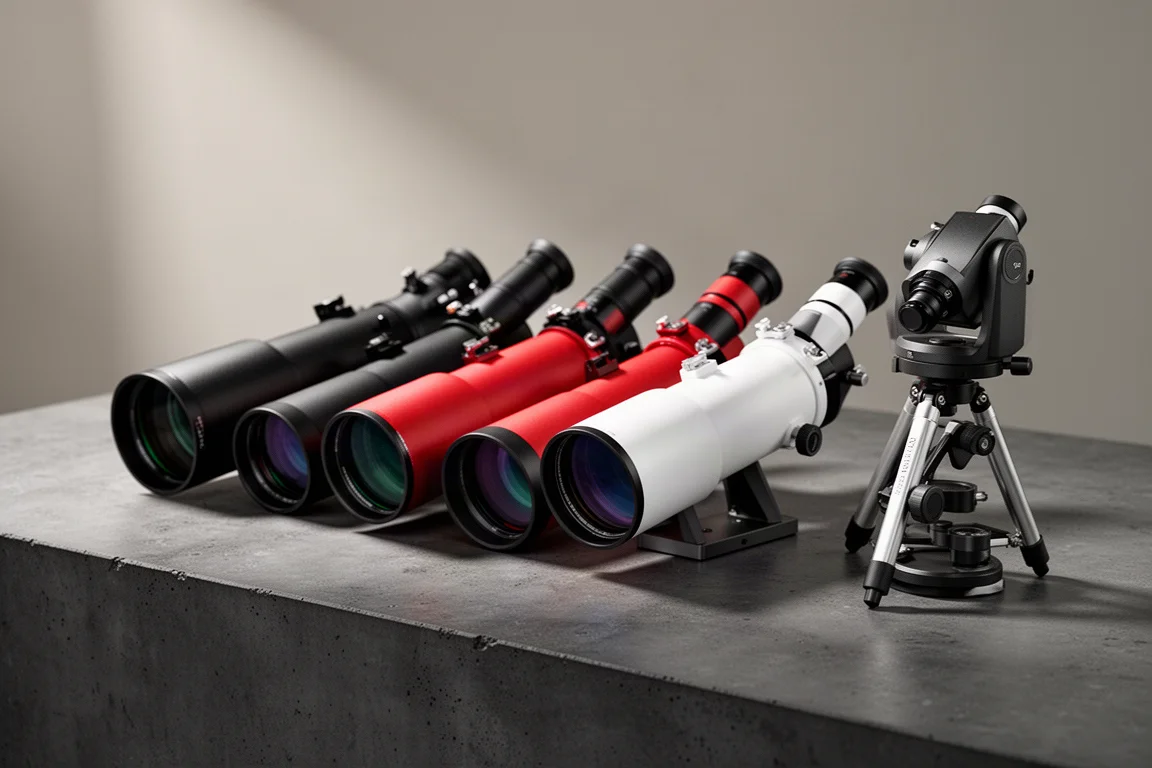
Nine apochromatic refractors, one lightweight go-to mount. Here is how each telescope handled deep-sky astrophotography on the GTi, and which combinations actually work.
Introduction
The Sky-Watcher Star Adventurer GTi is a popular go-to mount thanks to its small size and relatively low cost, but its payload limit of just 11 lb (5 kg) means any telescope you put on it has to be small and light. To find out which refractors genuinely work on it, nine apochromatic refractors were tested on two copies of the GTi, one well used and one brand new, so findings carried over between mounts. All imaging was done from a Bortle 3 backyard under moonless skies, with the target (van den Bergh 31) at least 50 degrees above the horizon, using ZWO ASI2600 Air and ASI2600 Duo cameras.
Why the GTi Sets the Rules
With a 5 kg payload limit, the GTi punishes long, heavy telescopes. A scope that is too heavy or too long creates a longer moment arm and more strain on the motors, and wind becomes a real problem with the stock tripod. Every telescope below was tested with these constraints in mind, and the verdicts reflect real-world consistency, not just paper specifications.
Takahashi FS-60CB
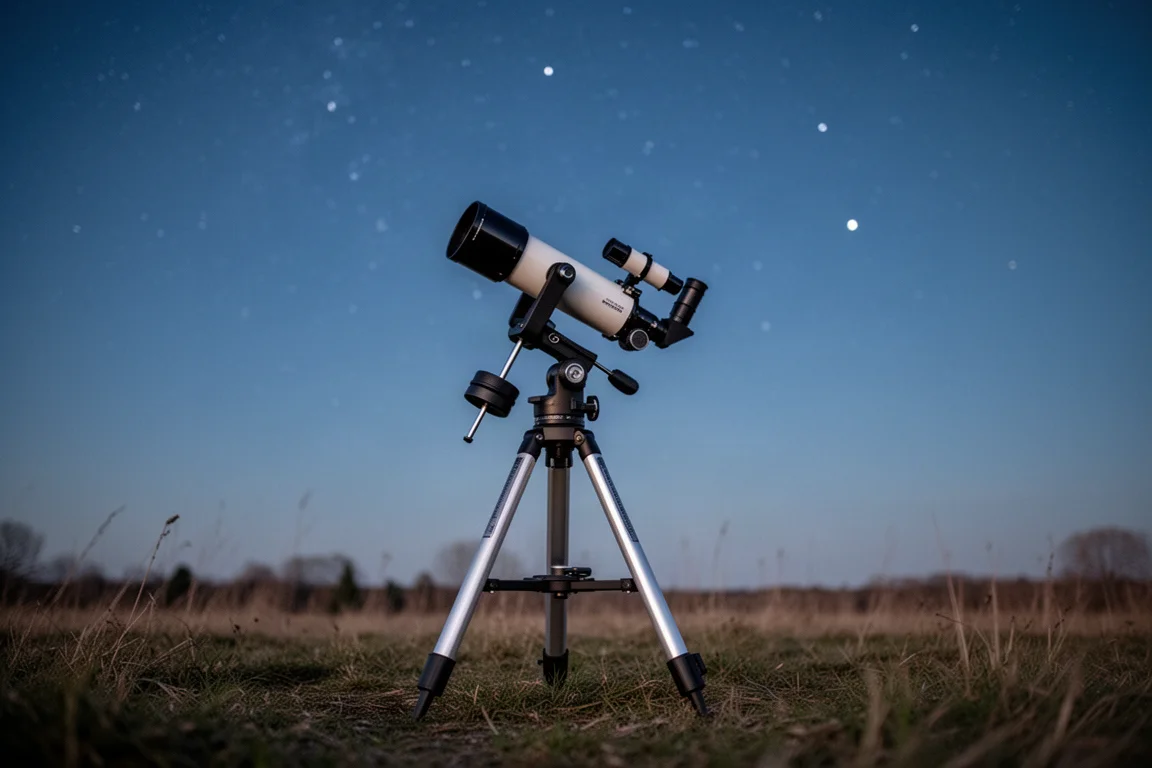
The original small premium refractor, first released in 1999, long before the modern wave of compact scopes. The FS-60CB uses an exotic fluorite lens in a doublet design, which is part of why it is the most expensive option here at roughly $1,950 as configured: $1,040 for the tube, $710 for the reducer, and about $200 for rings, dovetail and spacers. With the 0.72x reducer it drops from 355 mm at f/5.9 to 255 mm at f/4.2, and the whole rig weighs just over 2 kg, leaving plenty of headroom on the GTi.
Be aware that Takahashi connections are non-standard; the reducer ends in 52 mm threads, so you will likely need adapters to reach the correct 56.2 mm back spacing. Mechanically, the large focus and reducer lock knobs are easy to turn even with thick winter gloves, a genuine plus, though the single-speed focuser lacks a fine-focus knob. Optically it is very sharp for f/4.2, but stars show an even magenta-red fringe that is easy to remove in software, and corners have slight distortion on bright stars. On the GTi it worked well and gets a full recommendation.
Founder Optics Draco 62
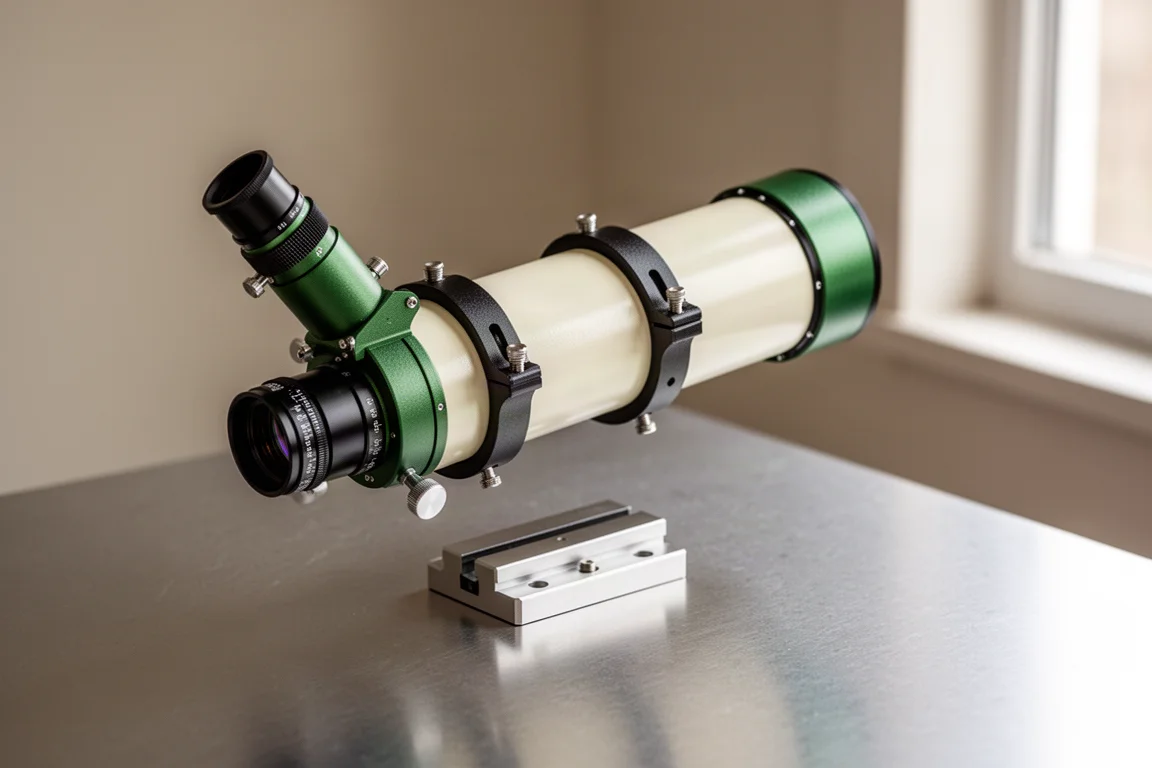
Selling for $1,099 in the US, the Draco 62 is a quintuplet with the field flattener built in, and it includes a 0.83x reducer, so it can shoot at 300 mm f/4.8 or 250 mm f/3.9 right out of the box. That f/3.9 makes it the fastest of the nine tested. Packaging is exceptional: a padded case inside a padded travel backpack with room for a camera, guide scope, cables and dew heater bands.
It weighs a hair under 3 kg with the reducer, the same as the Starfield Gear 60, which puts it on the heavy side for the GTi. The focuser is a 2-inch rack and pinion with a distance indicator window, the rotator has clear degree markings, and a tilt adjustment is included, which is useful at f/3.9. Stars are slightly soft across the field, as expected at this speed, with some possible tilt-related elongation in the corners. For beginners, a beefier tripod or mount would be a better pairing.
Starfield Gear 60 Quad
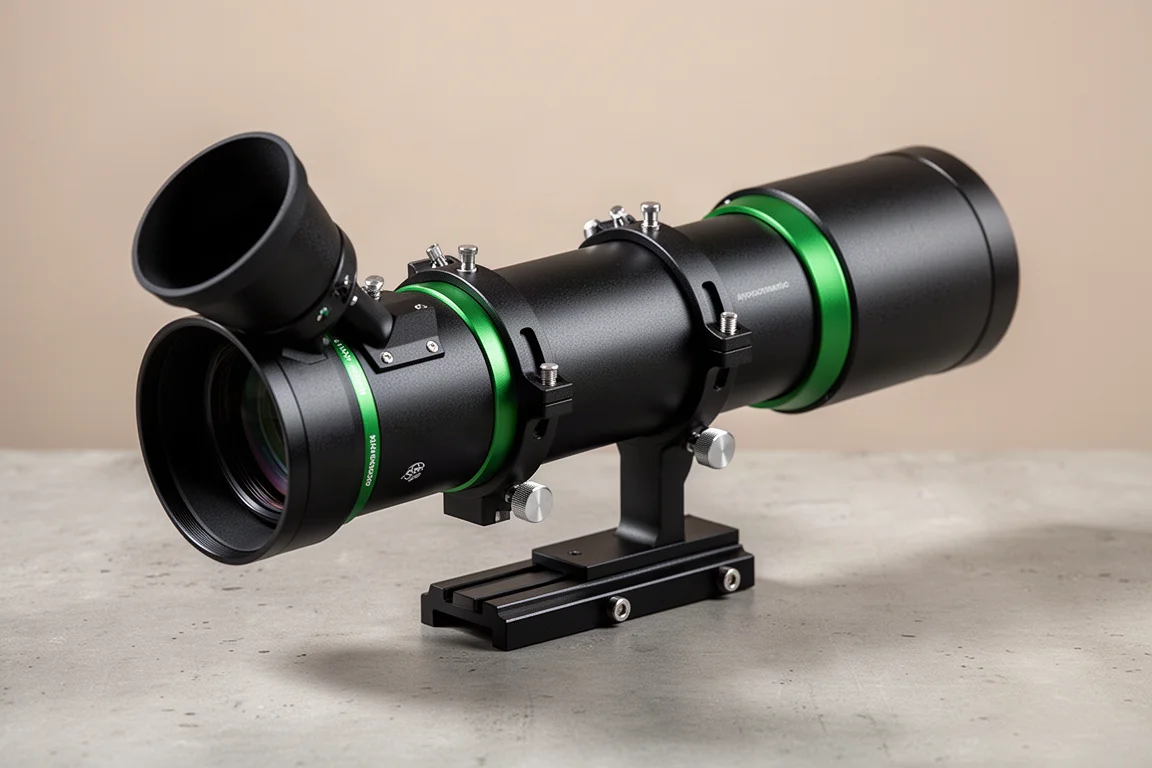
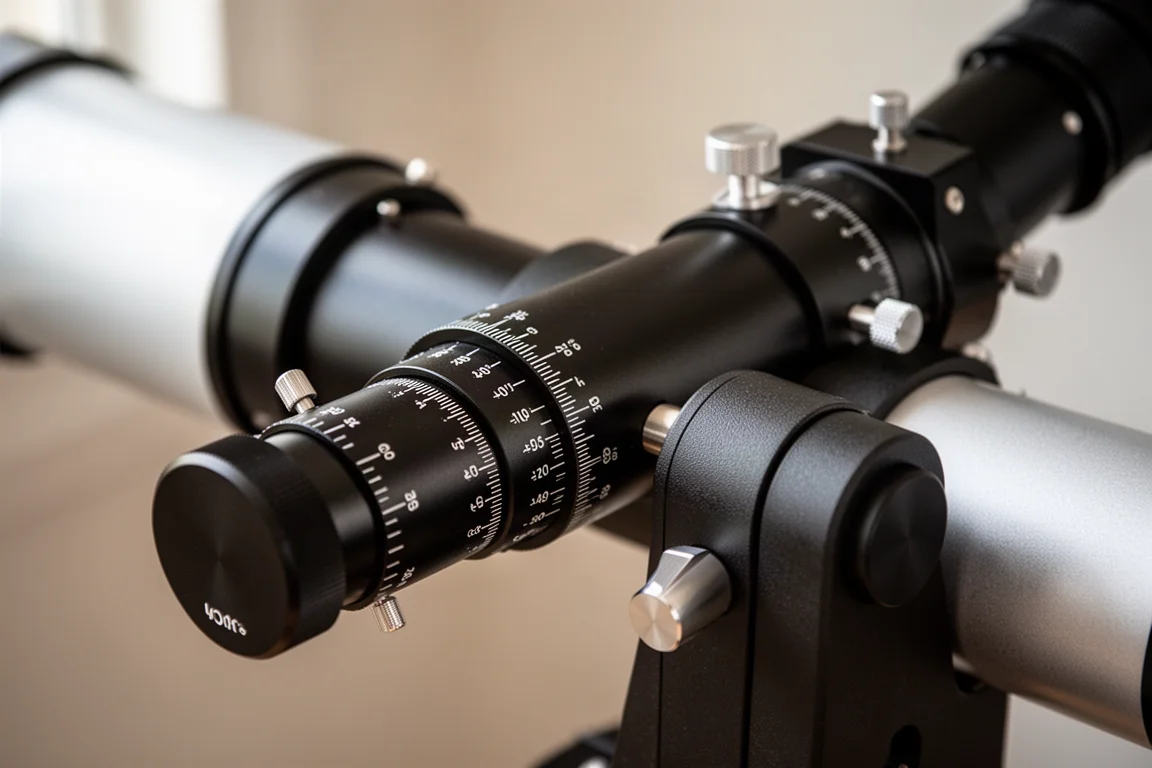
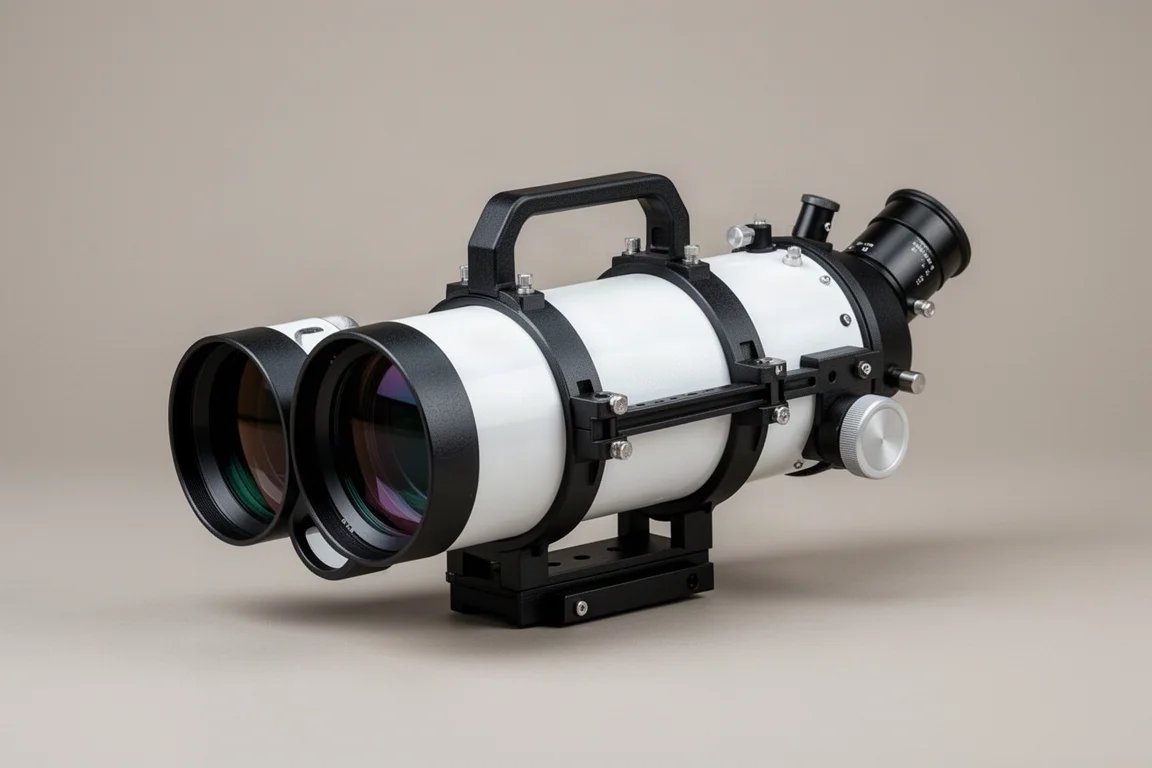
Starfield Optics is a Canadian company, and the Gear 60 Quad is a quadruplet Apo with one FPL-53 element from Ohara in Japan. It sells for $1,050 US and ships with everything needed for imaging, including a Vixen dovetail, a top handle, a guide shoe and a dual-speed focuser. It weighs nearly 3 kg without caps, again slightly heavy for the GTi.
Backspacing is straightforward, and a removable piece lets you insert a 2-inch filter internally or switch to 54 mm female threads, worth doing on full-frame sensors to avoid vignetting. The focuser is a solid 2.5-inch rack and pinion with a 10:1 reduction knob and marked draw tube, plus tilt adjustment. One quirk: the retractable dew shield has no lock, though it held a heavy flat panel without collapsing. Optically it is superb, essentially free of vignetting at APS-C, extremely well corrected with center and corner nearly identical in sharpness. On the GTi, 10 to 15 mph gusts produced noticeable star elongation with the stock tripod, so a heavier mount or tripod is worth considering.
William Optics Redcat 51
The Redcat 51 arguably launched the modern explosion of small premium refractors when it arrived in 2019. Now in its third version at $850, it remains a 250 mm f/4.9 quadruplet Petzval with FPL-53 glass, and the optics have stayed consistent across versions. The trademark red-and-black cat styling includes a Bahtinov mask built into the front cap, a reversible dew shield, tilt adjustment on the back, and M54 or M48 connection threads.
At 1.8 kg without caps, it is a natural match for the GTi. It performed well in testing with no issues, which is why it has long been the standard bearer for small telescope on small mount. Stars are a bit softer than the very sharpest scopes here and show a little chromatic aberration and slight corner distortion, but the results are perfectly presentable for a wide-field optic. The custom soft case is well designed but has no room for a camera.
Askar SQA55
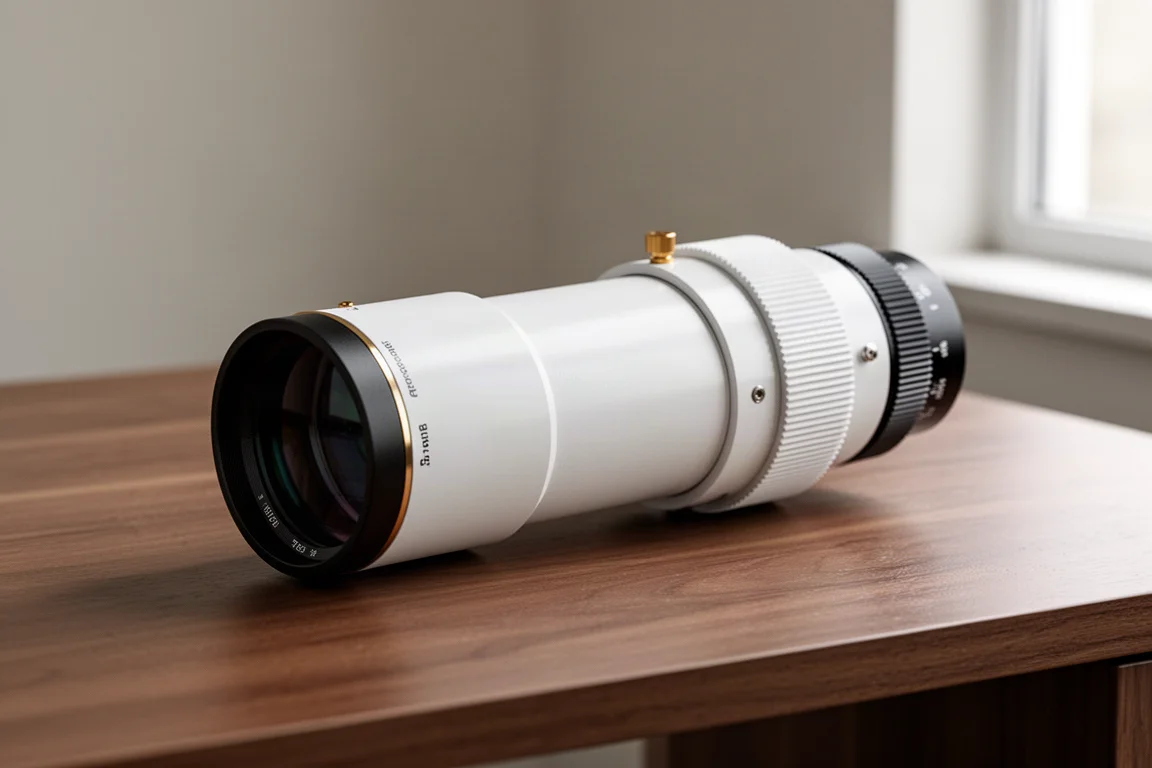
At $795 in the US, the SQA55 is Askar’s first lens-style telescope to combine an ED element with an SD (super low dispersion) element, the same class of glass as fluorite or FPL-53. It is a quintuplet with 264 mm of focal length at f/4.8, weighing 2.1 kg without caps, squarely in the GTi’s sweet spot. It ships in a pelican-style hard case with custom foam, and the removable dew shield can be reversed for storage. Unusual touches include a 67 mm filter thread on the front lens, an internal iris that stops down to f/22, and separate coarse and fine focus rings.
It is the sharpest telescope of the nine, the only one to hit a median FWHM of 4.0 arcseconds, with excellent color correction and corner-to-corner sharpness. So why hesitate on the GTi? The stars are so small and well controlled, often just one pixel across, that any guide spike or wind gust shows up as elongation. Good data was achievable, but not reliably. With a harmonic mount, a much heavier tripod, or a camera with larger pixels, it would be a different story.
Askar 71f
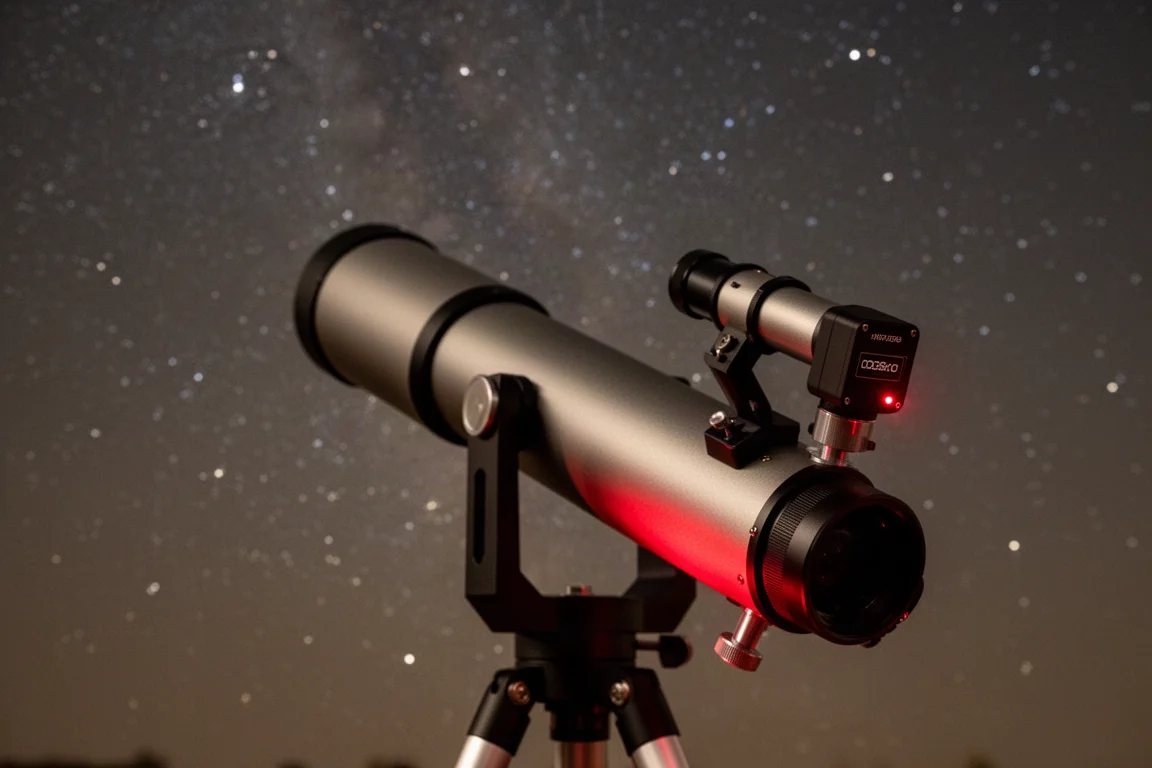
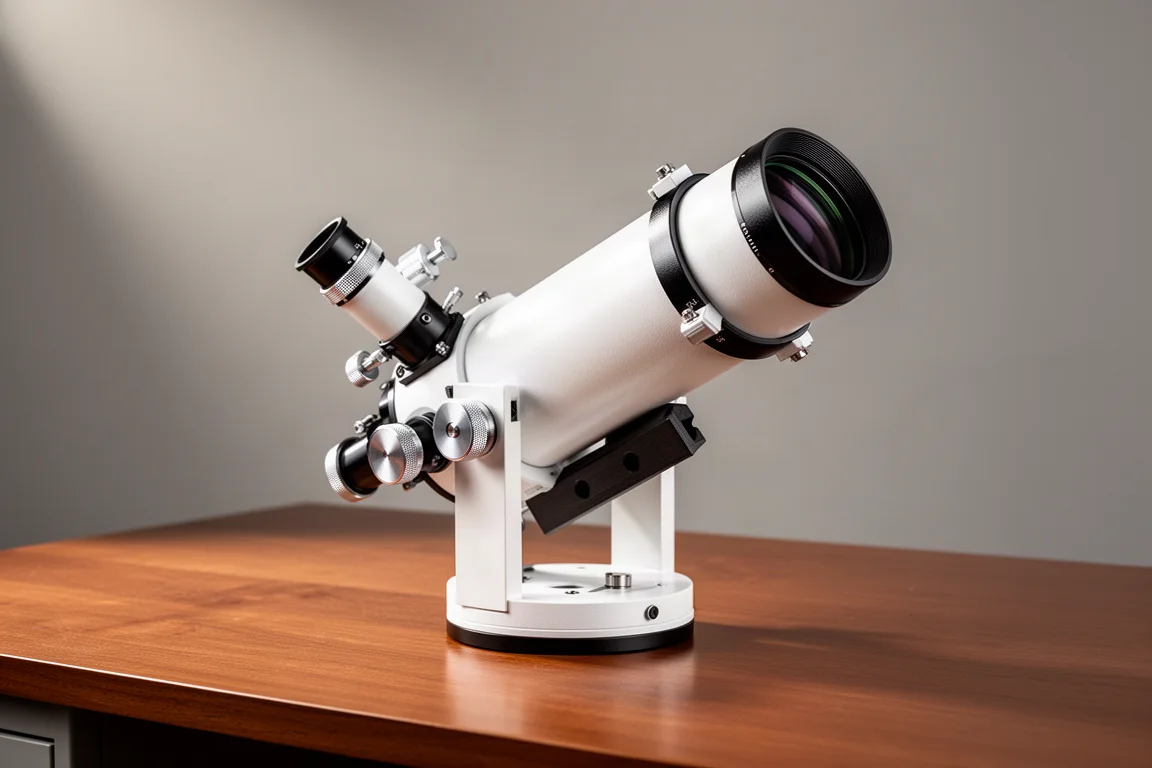
The 71f costs $599, or $788 with the $189 reducer used here, bringing it from 490 mm f/6.9 down to 368 mm f/5.2. It is a quadruplet with an ED element, a retractable locking dew shield, marked focuser and rotator, and standard Askar hardware throughout. It previously performed well on the ZWO AM3 mount, so hopes were high.
At 3.2 kg with the reducer and significantly longer than any other scope tested, it is the heaviest and creates the longest moment arm on the GTi. The combination proved too much: I do not recommend it on the GTi, especially for beginners using the bundled tripod. Experienced users with a heavy tripod and wind protection could make it work, but expect a fight for round stars. Optically, stars looked softer than expected even at f/5.2, with an Iron Cross style distortion on bright stars, though that may relate to tracking rather than the optics themselves.
Svbony SV555
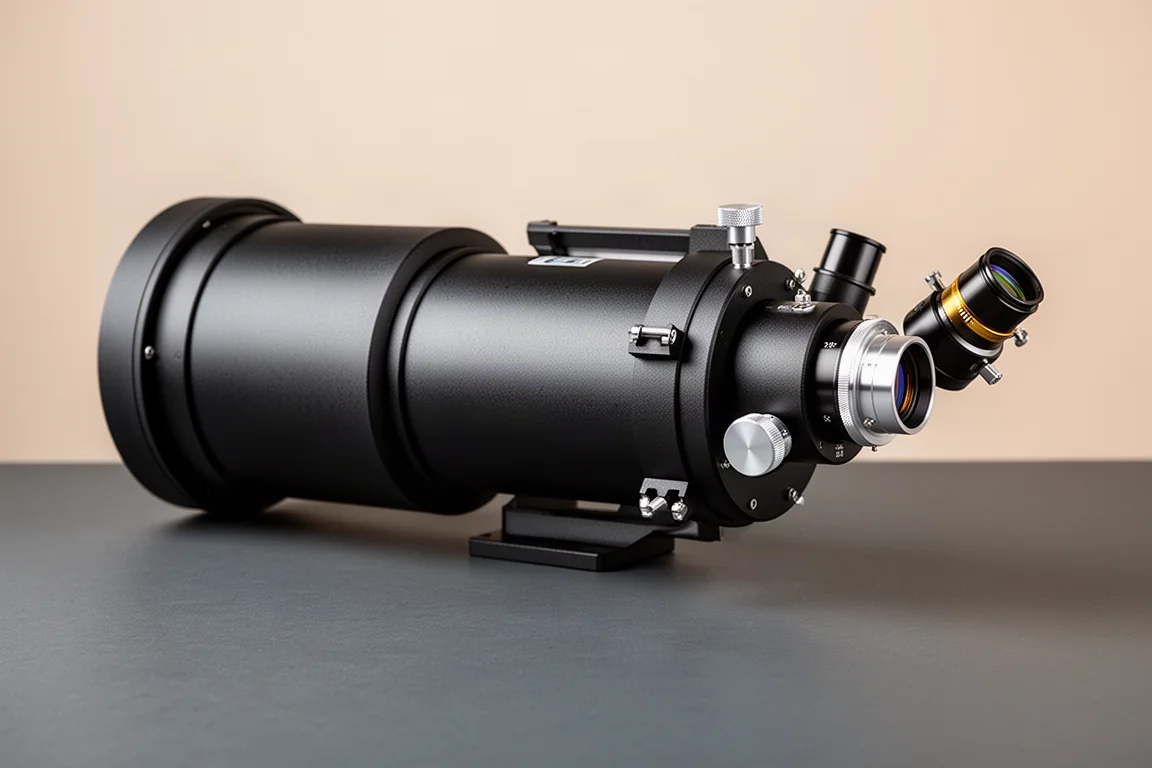
Svbony’s first astro lens-style telescope sells for $599 in the US. Early copies needed 54 mm of back spacing instead of the standard 55 mm to reach focus, but that has been fixed, and Svbony will correct units from the first batch. It is a quadruplet with one ED element, 243 mm at f/4.5, slightly wider and faster than the Redcat 51, and surprisingly heavy at 2.5 kg thanks to all-metal construction, using exactly half of the GTi’s payload.
Features include an internal iris from f/4.5 to f/22, an aperture ring and focus ring both with lock knobs, standard 72 mm front filter threads, a tube ring, top handle, reversible Vixen dovetail for Arca-Swiss clamps, and included hardware for an electronic focuser. After the revised copy arrived, it simply worked on the GTi, much like the Redcat. The stars are a little larger across the field but well corrected with little distortion, and the processed results are genuinely appealing. One quirk: stacked data revealed a small bite-like artifact on bright stars not visible in single subs.

Apertura 60EDR
The budget pick of the group: $399 for the bare telescope, or $549 as a bundle with the field flattener and a guide scope. You will need to add a Vixen dovetail for about $30 to $40. Here it was paired with an Astro-Tech 0.8x reducer flattener ($140), dropping it from 360 mm f/6 to 288 mm f/4.8, for a total around $580 as configured.
Weighing just under 2 kg and not very long, it is ideally suited to the GTi, and it worked without issues. With larger-pixel cameras like a modified DSLR it can even be used at the native 360 mm. The retractable dew shield lacks a lock but held firm under a flat panel, and the two-speed rack and pinion focuser has distance markings. It is a doublet, so stars are larger and slightly bloated compared to the premium scopes, and there is some chromatic aberration and mild distortion, but for the price the optical performance is genuinely impressive. A tilt issue on one side of the test frame would be correctable with a tilt adjuster.
Askar FMA 180 Pro
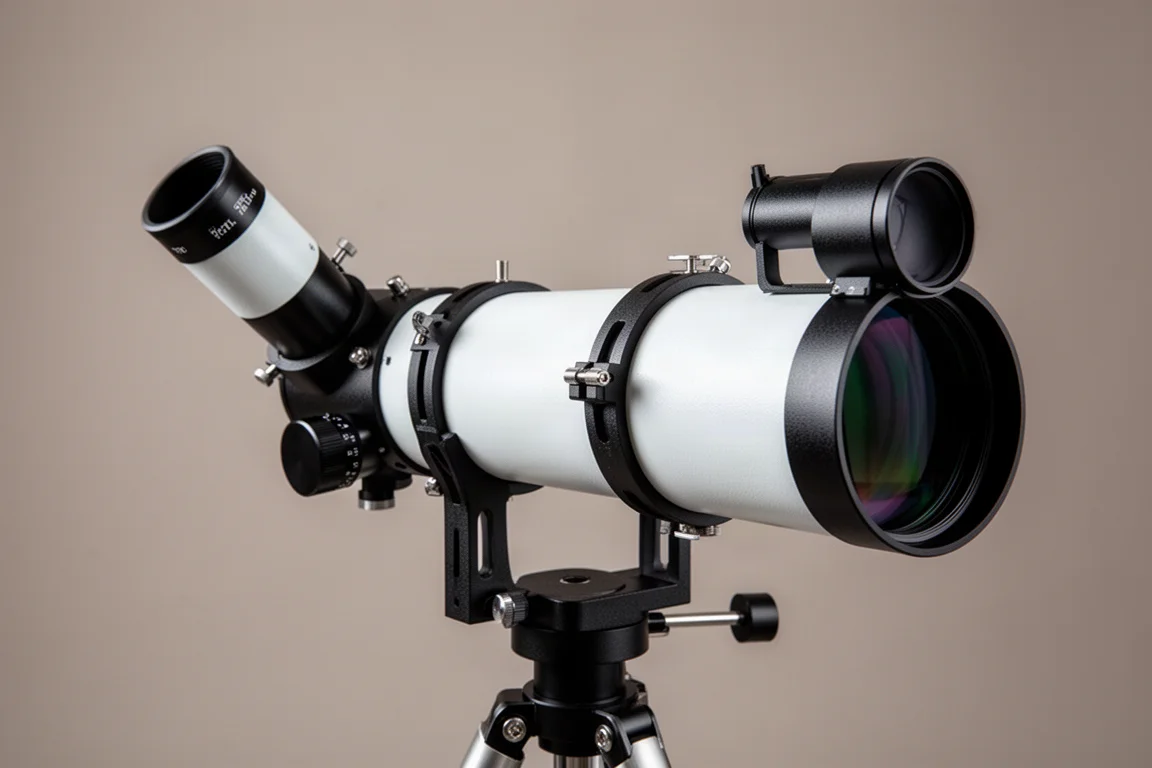
Probably the cheapest and smallest premium refractor on the market at $399, and the highest recommendation of this entire test. The FMA 180 Pro is a sextuplet with 180 mm of focal length at f/4.5, weighing just 792 g. It has a fixed dew shield, a focus lock knob, a Synta-style shoe for a mini guide scope, a marked manual rotator, a filter holder, and a 40 mm male thread at the back. The included base is compatible with Synta finder shoes if you want to use it as a guide scope, and it comes with a Vixen dovetail for main-scope duty.
Despite only 40 mm of aperture, it stacks up well against much bigger scopes, with a median FWHM of 5.2 arcseconds and sharp stars across a huge 7.5-degree field. Corner stars show some elongation and distortion at this extreme field of view, but that is unavoidable and still looks good. On the GTi it is the easiest path to results: with good polar alignment it delivered consistent 3-minute unguided subs, and it is also the pick for lightweight mono imaging with a mini camera and filter wheel.
Overall Buying Advice
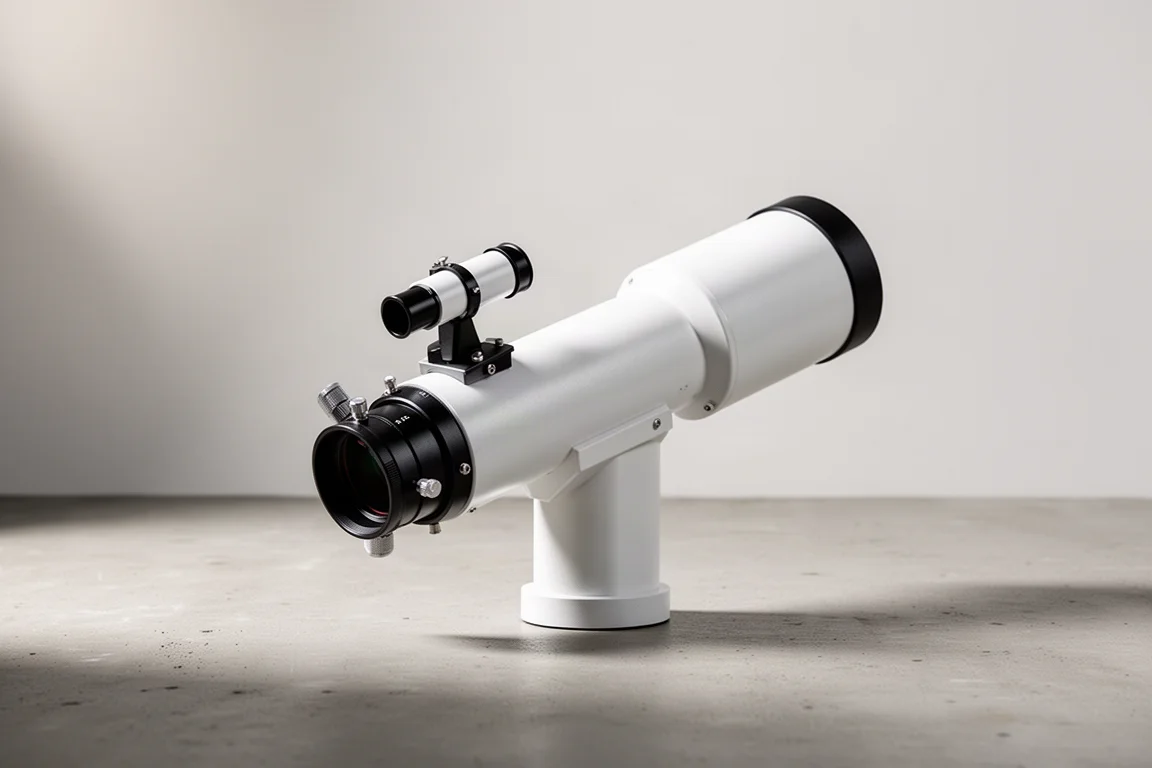
All nine telescopes are capable astrophotography instruments; the question is which ones pair reliably with the GTi. The Askar 71f with reducer is not recommended on this mount because of its weight and length. The Founder Optics Draco 62, Starfield Gear 60 and Askar SQA55 are excellent premium scopes, but none delivered the consistency wanted on the GTi with the stock tripod, with too many subs lost to elongation. A heavier tripod would likely fix much of that.
The combinations that simply worked, even for beginners, are the Apertura 60EDR with reducer, the Takahashi FS-60CB with reducer, the Svbony SV555 and the Redcat 51. Start unguided with good polar alignment and short exposures around 45 to 60 seconds, then extend until you find your sweet spot. And the single best value is the Askar FMA 180 Pro: lightweight, sharp, and forgiving, exactly what a small mount wants.
Notes on the Star Adventurer GTi
A few practical observations from extended use. The declination axis clutch can be sticky and hard to balance the traditional way; a handy trick is to rest the telescope on a smooth pen to find the balance point, mark it with painter’s tape, and center that point in the saddle. The single locking screw in the saddle is inelegant and mars dovetails, and Apertura offers a third-party replacement saddle with a clamp that is easy to install and well built. The polar scope cap tends to pop off, but warming its plastic clips with a hair dryer for about a minute and bending them slightly fixes it.
Sky-Watcher has made small improvements to current GTi units, including a grippy rubber mat between the mount head and tripod, and two counterweights (3.5 lb and 1.5 lb) instead of a single 5 lb weight, which makes balancing very light payloads much easier. One caveat for ASIAir users: guiding calibration on the declination axis stalled partway on both test copies when run through the ASIAir, while the same setup worked fine in PHD2 on a laptop. Setting the dec mode from Auto to Off, calibrating in right ascension only, resolved it.
Conclusion
Matching telescope to mount matters more than spec sheets suggest. On the Star Adventurer GTi, light and short wins: the Askar FMA 180 Pro is the standout value, the Apertura 60EDR, Redcat 51, Svbony SV555 and reduced FS-60CB all work well, and the heavier premium scopes are better saved for a beefier setup. Pick the combination that fits your budget and sky conditions, and clear skies.
Further reading
Related Reviews
Astrophotography
ASKAR FRA400C Review: A Versatile 400mm Refractor for Astrophotography and More
The ASKAR FRA400C is a compact 72mm refractor that balances reach, versatility, and portability for astrophotographers and visual observers.
Astrophotography
Askar SQA106 Review: A Premium 106mm Astrograph With Exceptional Optics
The Askar SQA106 is a premium 106mm quintuplet astrograph with impressive sharpness across full-frame sensors, though its price and weight demand careful consideration.
Astrophotography
Astro Imaging Gear 2026: Eight New Products Worth Watching
A look at the most interesting new astrophotography and astronomy products announced this year, from fast telescopes to smart cameras and wireless accessories.