Astrophotography
Four Small Refractors for Deep Sky Astrophotography: SVbony SV545, Sky Rover 66MA, Touptek Hope D60 and Nakoh 60GT
A hands-on comparison of four compact astrographs, covering build quality, optical performance, field of view and who each scope is best for.
Introduction
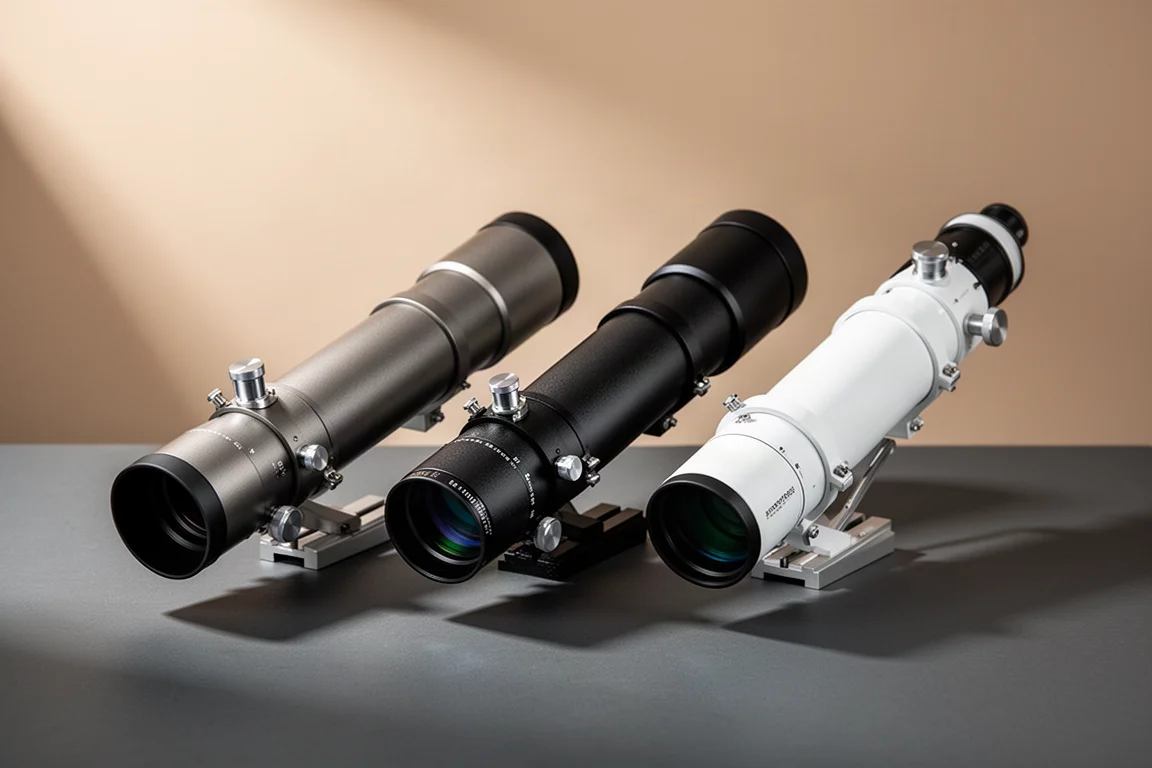
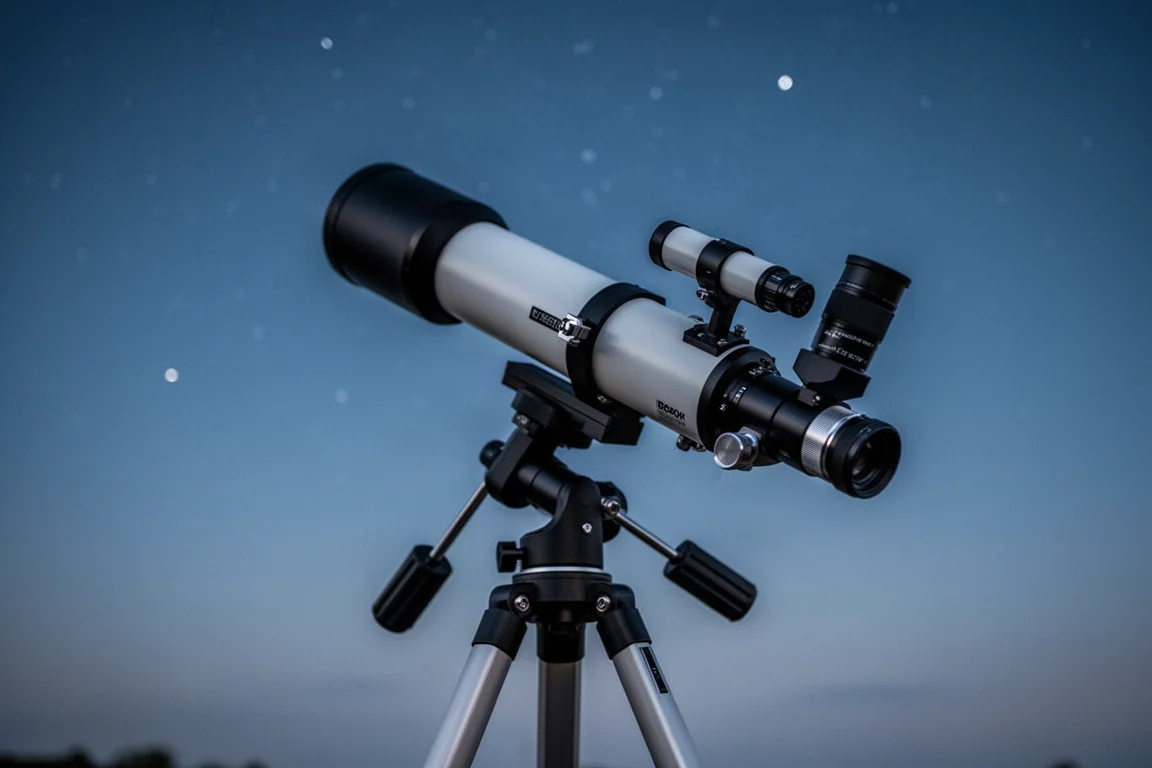
Small refractors can absolutely take great astrophotos. These four compact instruments, the SVbony SV545, the Sky Rover 66MA, the Touptek Hope D60 and the Nakoh 60GT, are all capable of serious deep sky work. They are not the right tool for every kind of astrophoto, but what they do well, they do very well. This guide covers what small refractors excel at, then digs into a detailed comparison of all four.
Why Small Refractors Work for Astrophotography
A common pattern among beginner deep sky astrophotographers: you get your first imaging rig, shoot the Orion Nebula, Andromeda and the Pleiades, and everything looks great. Then you pick something like M1, the Crab Nebula, or M51, the Whirlpool Galaxy, and are disappointed at how small the object appears in frame. Many objects on beginner lists are bright and easy at the eyepiece but have a small apparent diameter, so a small telescope will never produce a detailed close-up of them, even with a small-pixel camera.
Before buying a bigger telescope, though, consider a much cheaper addition first: a dual narrowband filter. The night sky is full of emission nebulae that are large and accessible, and the Sharpless catalog of HII regions alone offers countless targets that will fill the field of view of a small refractor. With modern contrast-boosting filters and easier processing software, many of these dim nebulae are not that hard to photograph.
If you prefer natural color over false color, interstellar dust becomes your target. Constellations like Cepheus and Taurus are favorite hunting grounds for dusty regions, and high-galactic-latitude dust known as IFN, or integrated flux nebula, can be framed around M81 and M82 or near the celestial poles. These dust clouds are so huge that you can frame them at basically any focal length.
What These Scopes Do Best
Getting the most out of a small scope is largely about strategy: picking the right objects and the right capture method. Small refractors are not photographic jack-of-all-trades. They will not produce great photos of Jupiter, Saturn or the Ring Nebula, because those objects have small apparent diameters. You have to look for the big objects.
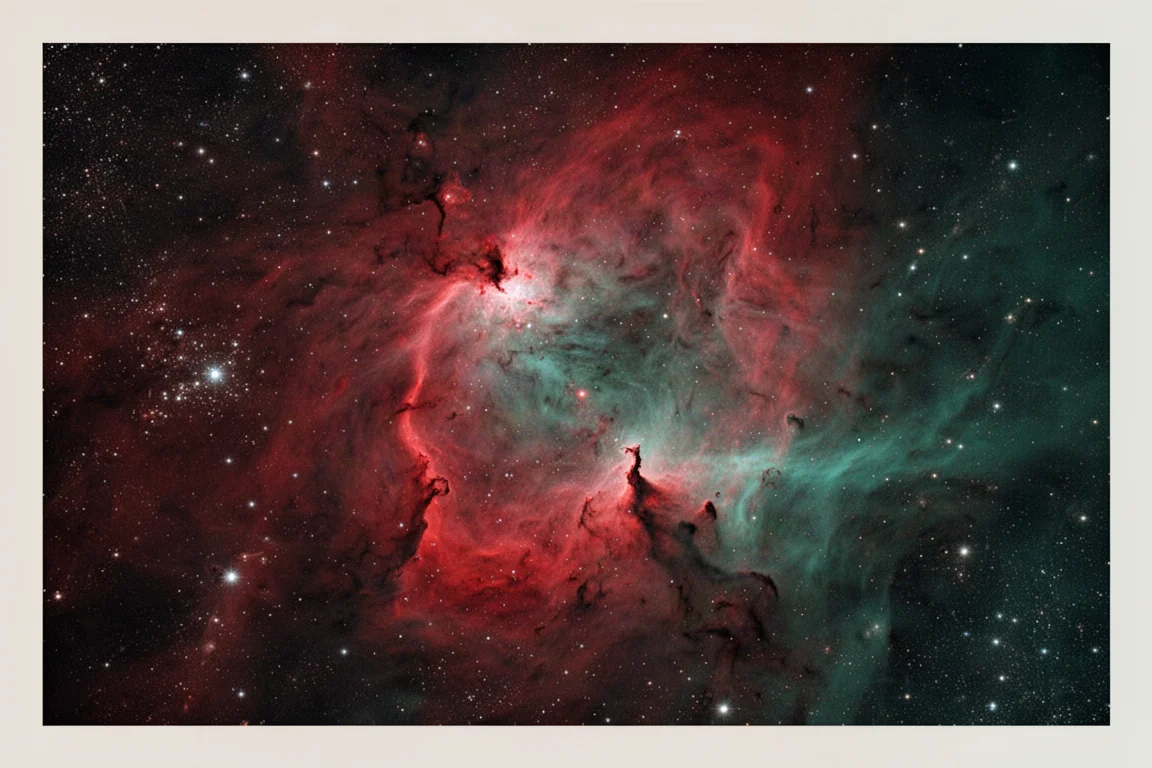
There are hundreds of deep sky regions that an astrophotographer with the right experience, filters and processing technique can capture well with a small telescope. As skills grow, there is always a new challenge available with the right filter and strategy, without ever needing to move to a huge telescope.
SVbony SV545: The Widest Field of the Bunch
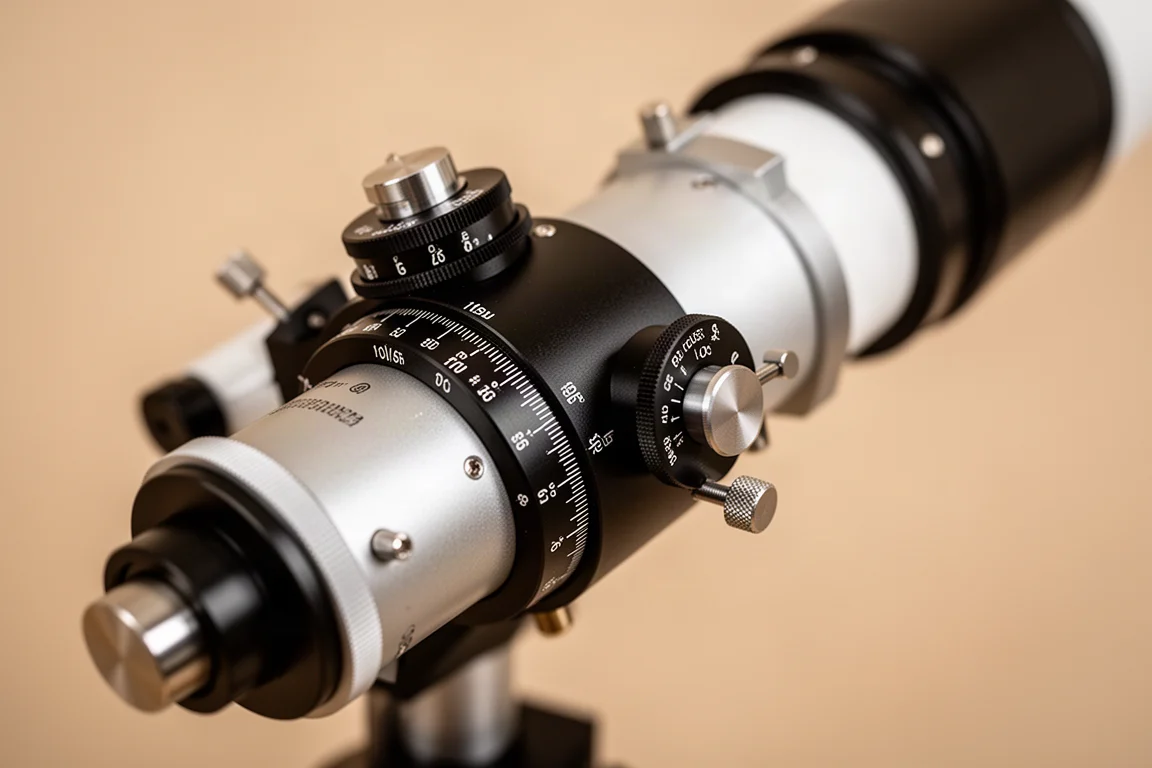
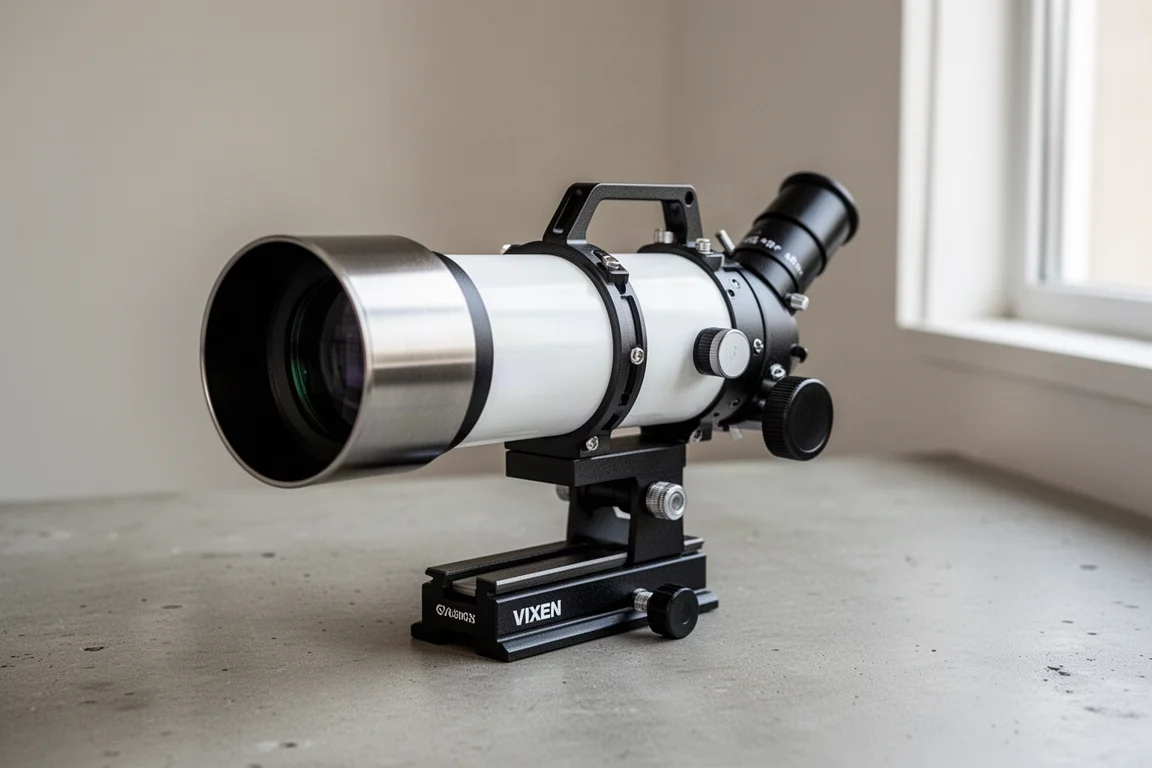
The SV545 is the outlier of this group with a 45mm aperture, natively 203mm focal length at f4.5, giving the widest field of view of the four. Physically, it is almost entirely metal, with a fairly long metal lens hood, a clip-style plastic front cap, a Vixen plate, a top handle and guide scope bracket, and a barrel-style focuser that moves just like a camera lens focuser.
It ships with all the hardware needed to install an electronic autofocus unit, including the belt. At the rear there is a manual rotator with lock and large, clearly marked rotation indicators, ending in M48 threads.
On star tests, the SV545 showed slightly larger, somewhat soft-looking stars compared to the others, with results that were consistent across multiple nights. Interestingly, one corner sometimes looked sharper than the center, suggesting a focusing strategy may matter at this field size. Under heavy saturation, it was the second best of the group at keeping a bright blue star’s halo blue, with only slight magenta fringing along the bright edge of a star core, though the Owl Nebula rendered noticeably softer. At around $500, it costs roughly a third of the Nakoh in comparable configuration, and if your goal is the massive field of view rather than tiny details, that trade-off may not matter much.
Sky Rover 66MA: The Contrast Champion
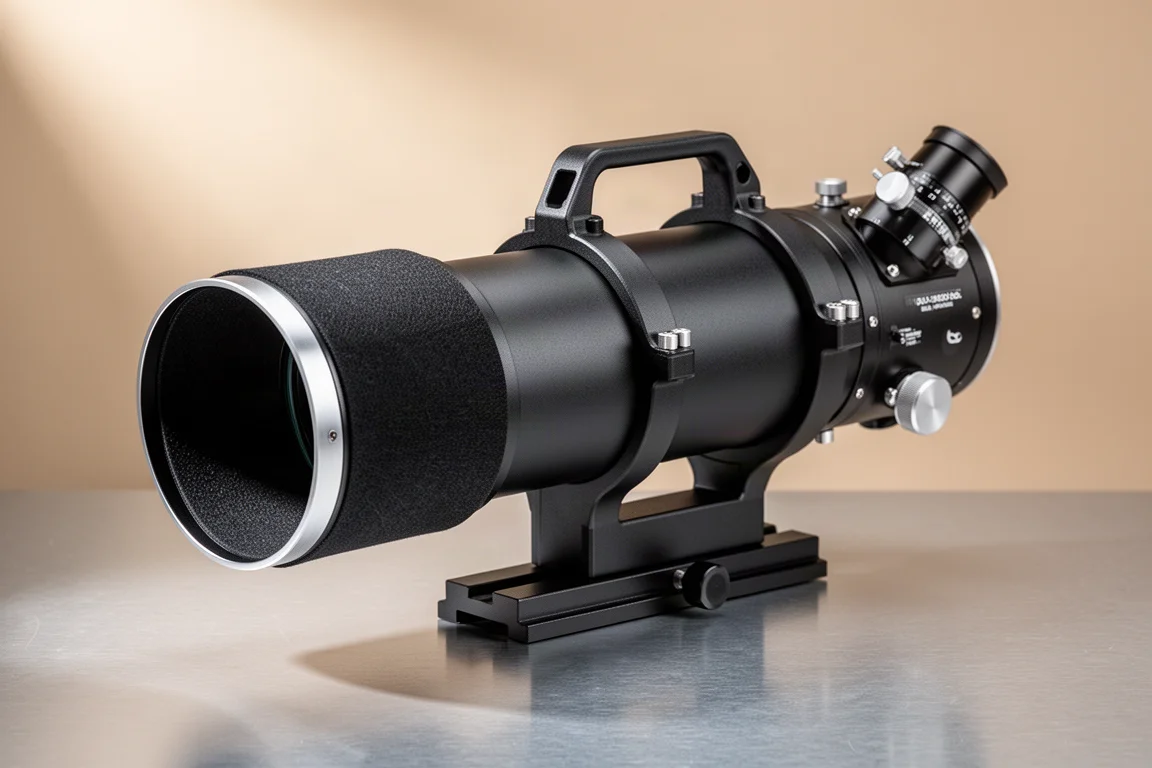
Sky Rover is the house brand of Kunming United Optics, one of the largest telescope manufacturers in China. The 66MA stands for multi-purpose astrograph, and it is natively an astrograph, with field-correcting elements built into the telescope. A 0.8x reducer changes the focal length and ratio from 462mm at f7 to 370mm at f5.6.
The build is well executed throughout: a felt-lined metal cap, a retractable dew shield with a locking knob, a black Vixen plate with markings for repeatable declination balance, a thick ring with a handle that has M6 and 1/4-20 threaded holes, and a standard Synta-style finder shoe. The dual-speed rack and pinion focuser offers about 80mm of travel, plus a manual rotator with lock and clear markings. Removing the coarse knob reveals a flat mounting point for an electronic autofocuser bracket.
It comes with a photographic adapter stack set up for 55mm back focus, and a soft-sided carry case with foam cutouts for the adapters, the optional reducer, and even a removable section for an electronic focuser.
In testing, the 66MA at f7 was the sharpest and most contrasty of the group, ideal for bright objects like the Owl Nebula or galaxies, where its 66mm aperture also gives the most detail. The reducer version showed only a hint of corner elongation. Under extreme saturation, the f7 view kept a blue star’s halo looking clean, with just a touch of yellowish green on one side, though the reduced view showed more of a yellow-green ring.
Touptek Hope D60: Sharp at a Fast Ratio
Touptek, known mostly for dedicated astronomy cameras, is expanding into other areas of astrophotography with products like the Stella Vita smart controller and this astrograph, along with a line of guide scopes that double as imaging scopes with small sensors. The Hope D60 comes with different focuser options: the AR version with a rack and pinion focuser, or the AC version with a Crayford-style focuser.
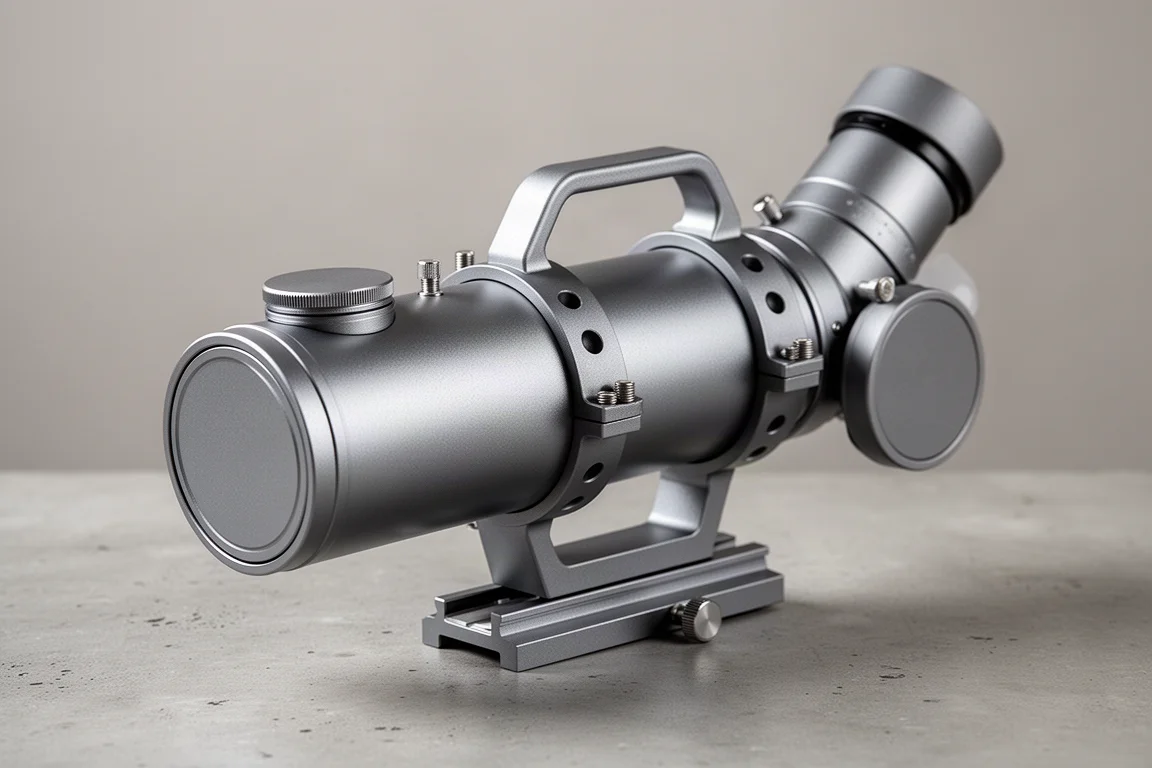
The design has some genuinely nice touches. The screw-on all-metal front cap is standard, but the dew shield retracts inside the telescope so the front diameter of the scope never changes, clicking out to extend. The gunmetal grey finish pairs nicely with modern mounts. The thick ring has extra threaded holes for accessories, the handle has a shaped edge to keep your hand from slipping, and there is a standard Synta-style finder shoe plus a second finder shoe lower down.
The focuser travel is short, extending only about 3cm and reaching focus near the fully retracted position, but for an astrograph used with a camera, that is plenty. The manual rotator with lock is marked along its length, the rear ends in M48 threads, and a metal back cap is included. Mounting points for an electronic autofocuser are provided. The included soft-sided case has premium foam with room for an electronic focuser.
In the imaging tests, the D60 at 280mm focal length and f4.66 showed impressive sharpness for that fast ratio, arguably the best sharpness-per-speed balance in the group, sitting between the Nakoh’s f6 and f3.9 results. Under extreme saturation it trended toward green fringing, the opposite direction of the SVbony’s magenta, though at normal saturation levels its stars still appear mostly bluish.
Nakoh 60GT: Premium Glass and Speed
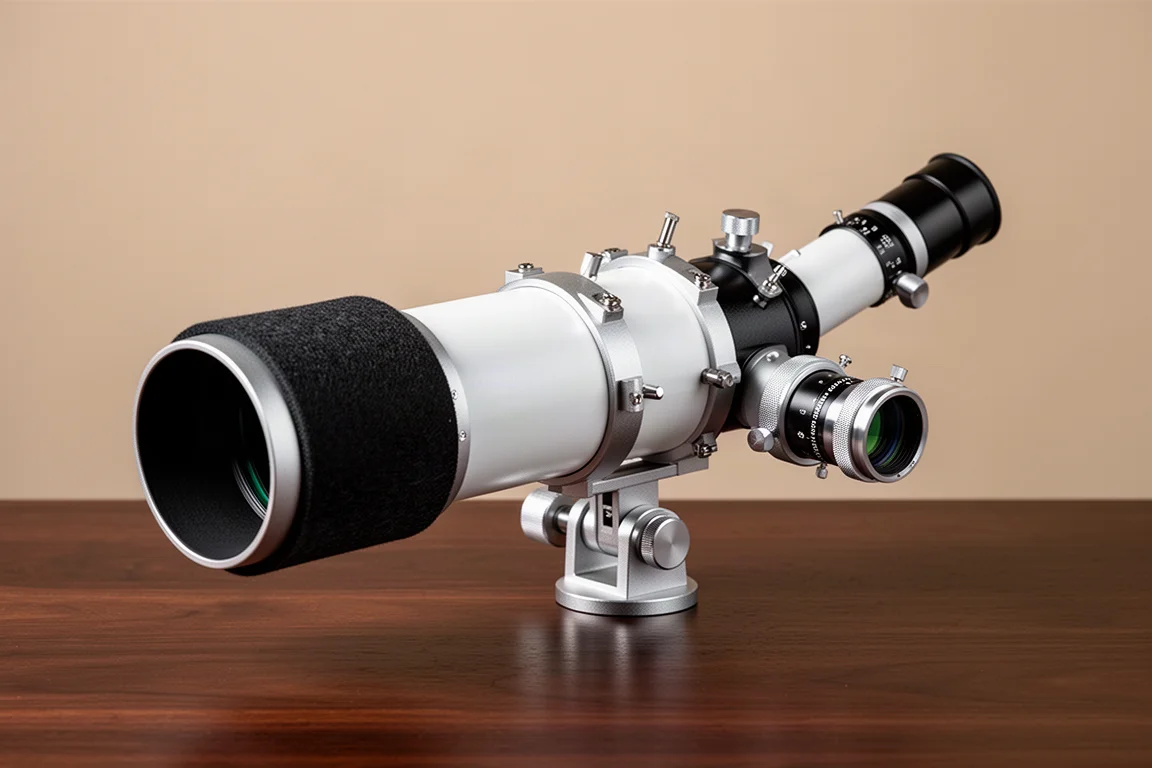
Nakoh is a new Japanese telescope company, and the 60GT, along with its 1x flattener and 0.65x reducer, is currently its entire product lineup. It works with resellers worldwide, including Agena Astro in the United States. Unlike the other three, it is a premium triplet and comes with a visual back, so it can be used as a visual instrument. For photography, unless you use a very small sensor, you will likely want the optional flattener or reducer-flattener to get the most out of it.
The scope is very compact but surprisingly heavy, with substantial solid metal parts including a thick, secure clamp for the Vixen plate. It has a fixed dew shield, a felt-lined metal cap, a Synta-style finder shoe, a small handle with M6 and M4 threaded holes, and a dual-speed rack and pinion focuser with distance markings and about 55mm of extension. The reducer sits mostly inside the focuser, and the manual rotator carries clearly labeled degree markings. Removing the coarse knob exposes a flat surface with threaded holes for an electronic autofocuser bracket.
With the reducer, the 60GT drops to 234mm focal length at f3.9, a very wide field for deep sky work. At f6 with the flattener, stars were sharp across the field, and even at f3.9 the corners held up respectably. Under extreme saturation, the Nakoh did something the others could not: a bright blue star retained its beautifully pure blue halo with no false color, even with the reducer attached, a sign of the very high-end glass used. It showed the most color variation in a small test galaxy, though with slightly less local contrast than the Sky Rover at f7. It is also the most expensive scope here, at around $1,400 in the reduced configuration.
How They Performed in Imaging Tests
All four scopes were tested in one night on a Skywatcher EQ6-R mounted to a concrete pier, using an APS-C camera with a built-in guide chip, with guiding between roughly 0.4 and 0.6 arcseconds total RMS. Each configuration captured 15 three-minute exposures of M97 and M108, with the worst three rejected, leaving 36 minutes of data per sample, all calibrated with bias, darks and flats.
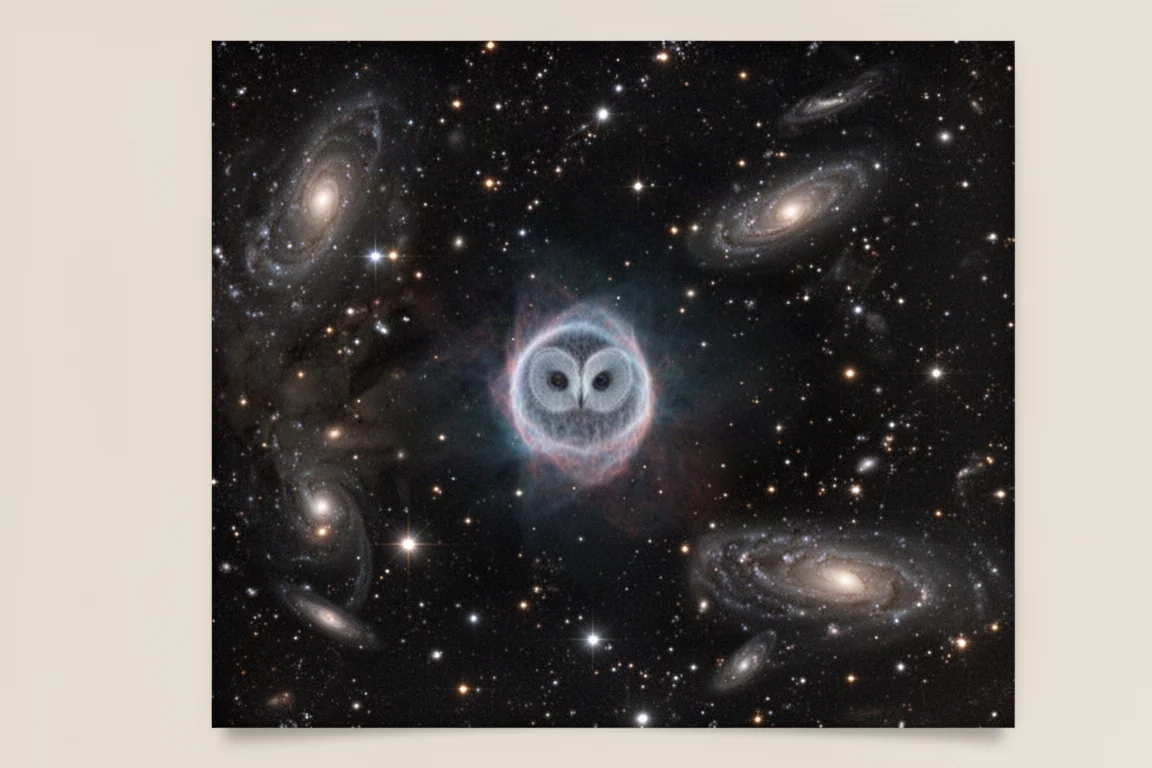
The field of view differences are the headline: the Sky Rover at f7 is the most zoomed in, the reduced Nakoh at f3.9 and the SVbony at f4.5 deliver very wide fields that even pick up bonus background galaxies, and the Touptek sits in between at f4.66. On processed results, the Sky Rover at f7 delivered the sharpest, most contrasty Owl Nebula, the reduced configurations traded some sharpness for speed and field of view, and all six configurations produced images you could be happy with.
Which One Should You Buy
All of these scopes did very well, so to a large extent you are paying for the field of view and features you want. Choose the SVbony SV545 if the widest possible field at the lowest price is your priority. Choose the Sky Rover 66MA if you want the sharpest, most contrasty views of bright objects and galaxies at native f7, with a well-sorted reducer option. Choose the Touptek Hope D60 if you want a fast astrograph with genuinely sharp stars at f4.66 and thoughtful mechanical details. Choose the Nakoh 60GT if top-tier glass color correction and a fast f3.9 wide-field mode are worth the premium to you. None of these are bad options; it is about picking the right scope for the job.
Conclusion
Small refractors reward strategy over aperture. Pair the right scope with the right targets, filters and processing, and hundreds of deep sky regions open up, from huge emission nebulae to interstellar dust clouds. Each of these four telescopes earns its place, and the main decision is simply which field of view and feature set fits your imaging goals.
Further reading
Related Reviews
Astrophotography
ASKAR FRA400C Review: A Versatile 400mm Refractor for Astrophotography and More
The ASKAR FRA400C is a compact 72mm refractor that balances reach, versatility, and portability for astrophotographers and visual observers.
Astrophotography
Askar SQA106 Review: A Premium 106mm Astrograph With Exceptional Optics
The Askar SQA106 is a premium 106mm quintuplet astrograph with impressive sharpness across full-frame sensors, though its price and weight demand careful consideration.
Astrophotography
Astro Imaging Gear 2026: Eight New Products Worth Watching
A look at the most interesting new astrophotography and astronomy products announced this year, from fast telescopes to smart cameras and wireless accessories.