Hi-Fi Amplifiers
Best Small Hi-Fi Amplifiers 2026: Five Compact Amps Compared
Five compact integrated amplifiers with distinct strengths, from sound-first Class AB designs to fully loaded streaming systems with room correction.
Introduction
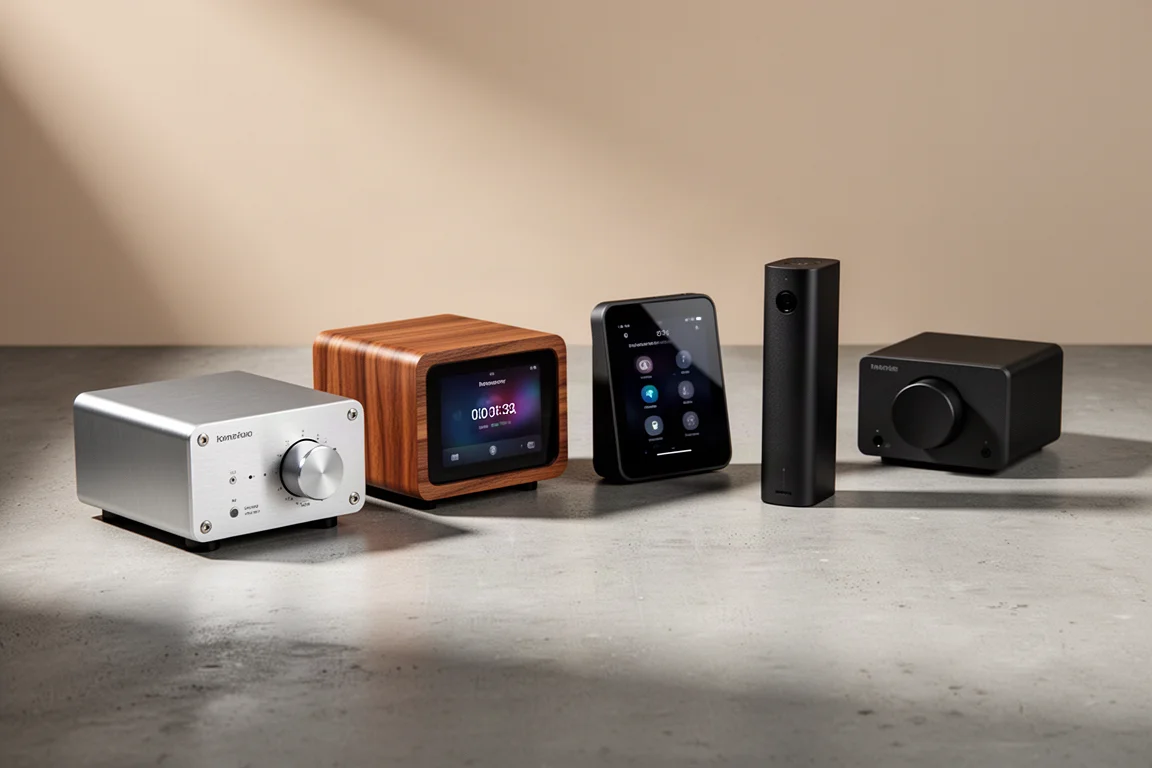
Compact integrated amplifiers have become one of the most interesting corners of hi-fi. They save space, they pack in features that once required several separate boxes, and when paired with the right speakers they can sound genuinely impressive. Some also represent real value by traditional hi-fi standards.
The difficulty is not finding a small amp. It is finding the one that matches how you actually listen. The five amplifiers below take noticeably different approaches: some prioritize sound quality and simplicity, while others bundle streaming, room correction, and app control into a single box. Each has clear strengths and clear trade-offs.
How We Judged These Compact Amps
Every amplifier here was tested with a range of loudspeakers, from compact two-way bookshelf models to large high-efficiency horn designs and demanding tower speakers. That spread matters, because small amps differ far more in how they handle difficult loads than in how they look on a spec sheet.
Three factors separated these products. The first is power delivery into real speakers rather than nominal figures, since chip-based Class D designs can behave differently depending on the input signal, the complexity of the source material, and the speakers in use. The second is feature completeness, particularly HDMI ARC support, subwoofer outputs, phono inputs, and built-in streaming. The third is day-to-day usability: how the amplifier is controlled, and whether that control feels natural after the first week.
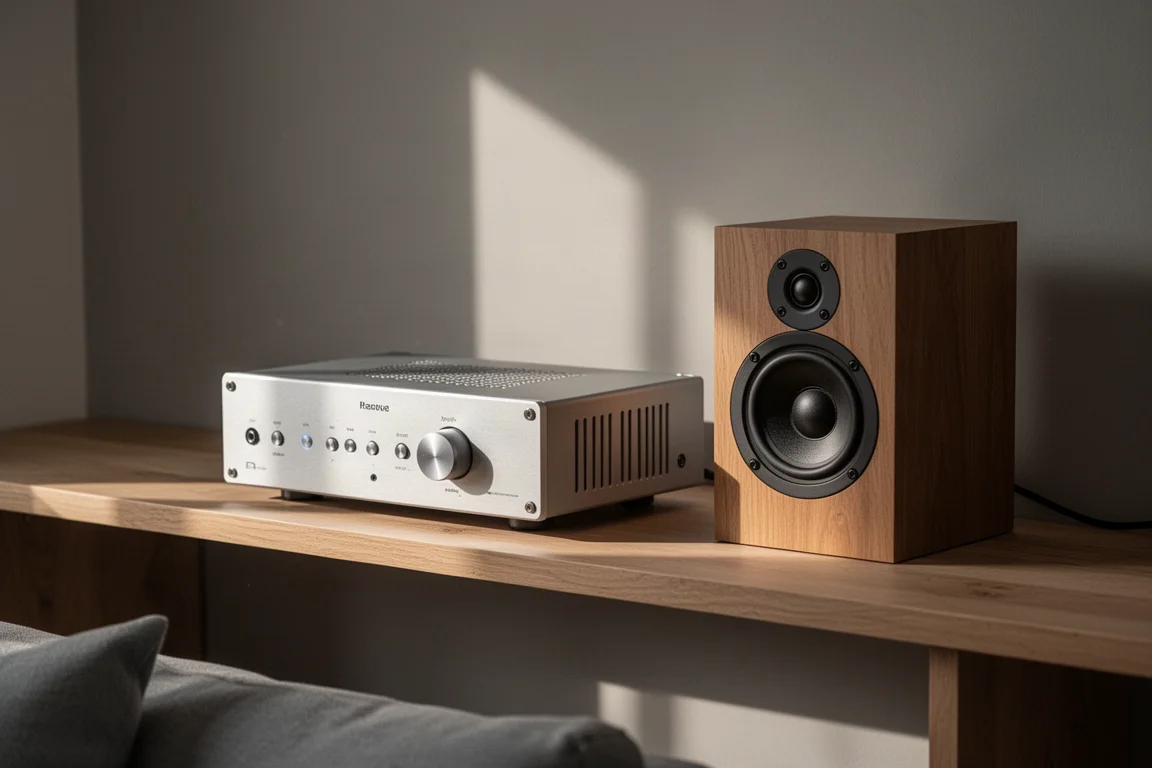
Worth noting up front: a low wattage rating is not automatically a limitation. Several of these amps drove high-efficiency speakers without strain, while some higher-rated designs ran into headroom issues with harder loads.
Rotel DX5: The Sound-First Class AB Option
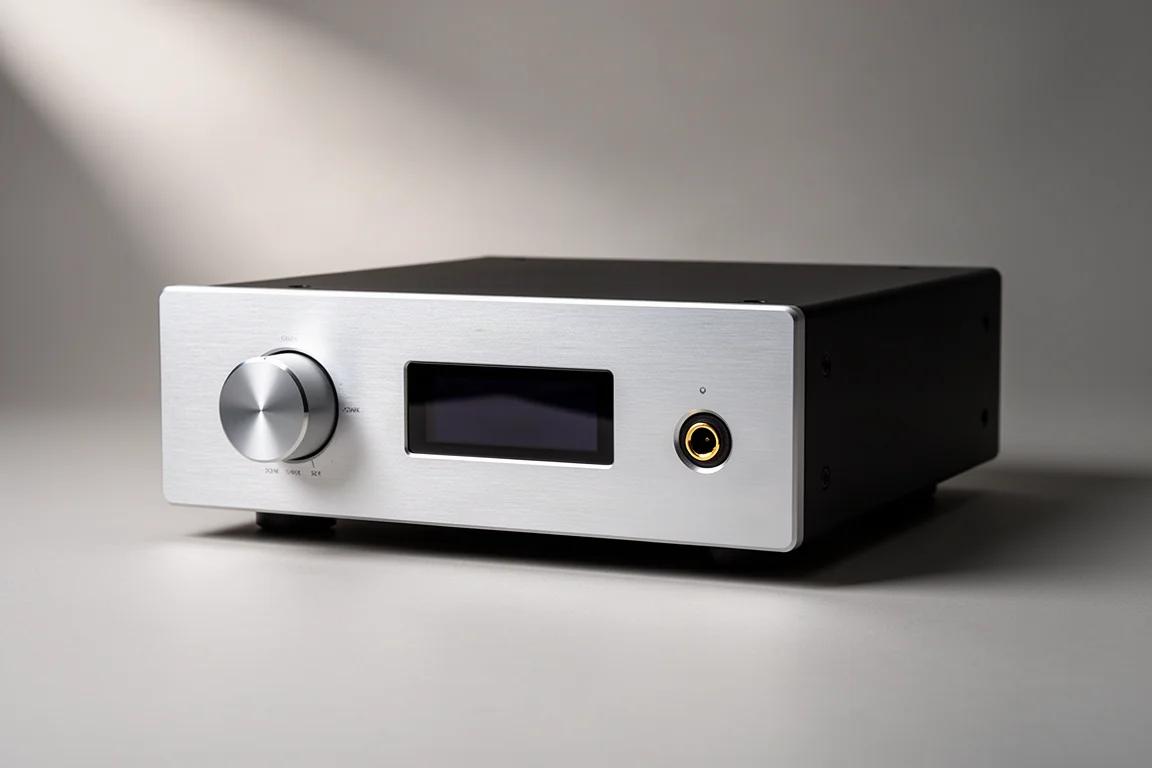
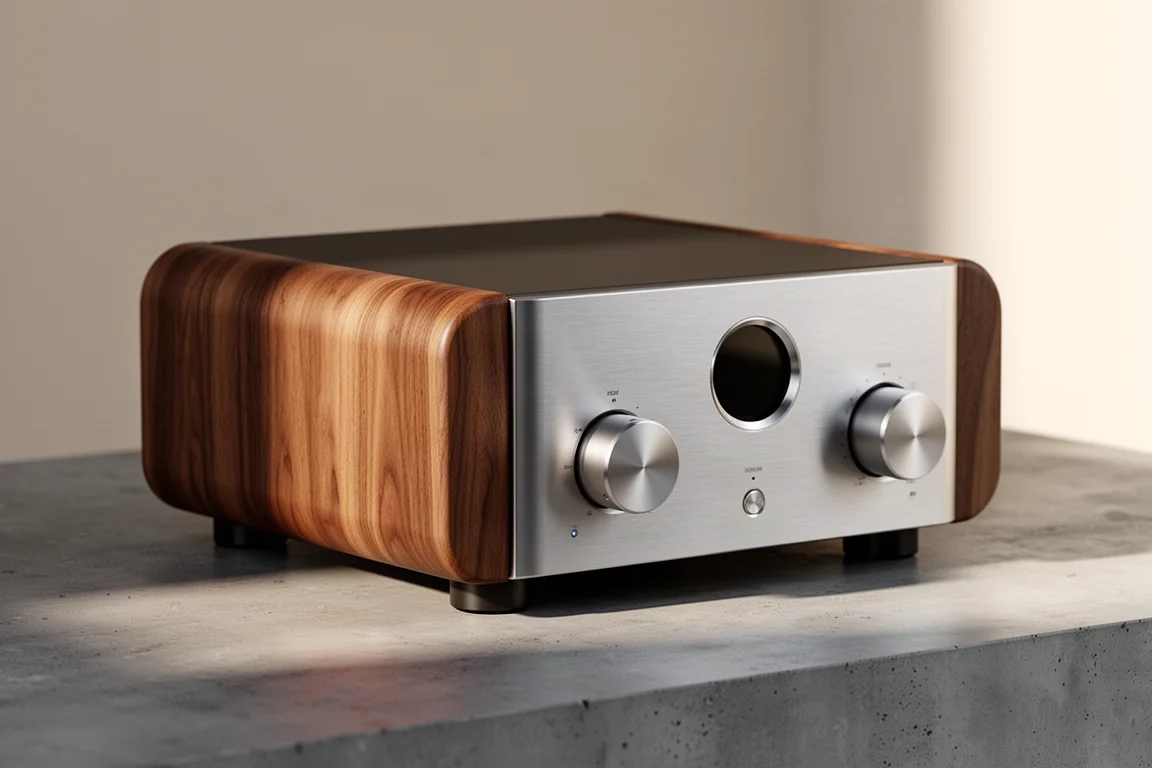
The Rotel DX5 is a Class AB integrated amplifier that steps away from the brand’s traditional standard-width casework in favor of a more compact chassis. Despite the smaller footprint, it keeps the classic all-metal construction, restrained design, and plug-and-play interface the brand is known for. Of the group here, it feels the most premium.
Features include a 32-bit built-in DAC, Bluetooth with aptX HD and AAC support, coaxial and optical inputs, USB, a full-size headphone jack, and HDMI with ARC and CEC support. There is also a dedicated subwoofer output, which opens the door to a 2.1 setup. Power output is 25 W into 8 ohms and 33 W into 4 ohms.
Those numbers look modest, but the DX5 drove a wide range of speakers without complaint, including compact bookshelf models and large high-efficiency horn speakers. It even handled a pair of demanding tower speakers, extracting a little more finesse top to bottom than the other compact amps here managed from the same load. Its sound is notably fuller and more dimensional than most of the competition, with only two amplifiers in this group coming close.
The appeal is simplicity plus sound quality. The DX5 pairs well with everything from high-efficiency speakers to compact bookshelf designs, making for an easy-to-use two-channel system or a hybrid stereo home theater. What it lacks is built-in streaming and a phono preamp, so a turntable or streamer will need separate handling.
Ruark Audio R610: Premium Build, Class D Refinement
The Ruark Audio R610 is the priciest amplifier on this list, and also one of the most capable. It delivers 75 W per channel in Class D and arrives densely equipped: a built-in DAC, digital inputs, a built-in phono preamp, subwoofer and preamp outputs, HDMI, and wireless connectivity, plus multi-room audio when paired with other products from the same brand. Built-in streaming is included and can be navigated through a color screen, a stylish remote, or top-mounted controls.
The sound is the surprise. Despite the Class D design, the R610 sounded remarkably close to the Class AB Rotel, which uses a toroidal transformer. It showed greater control over difficult-to-drive woofers, and for a Class D amplifier it carried more body in the midrange with a slightly softer treble, giving it a less clinical tone than other Class D designs in this group. It also survived the same demanding tower speaker test.
The weak point is control. There is no app, so music services must be navigated through third-party apps or manually via the remote. The remote and the screen won design recognition, but in practice they felt more gimmicky than functional, and menu access and track selection effectively require standing in front of the amplifier. At $1,900, part of what you pay for is visual appeal, and that premium does not always translate into a premium user experience.
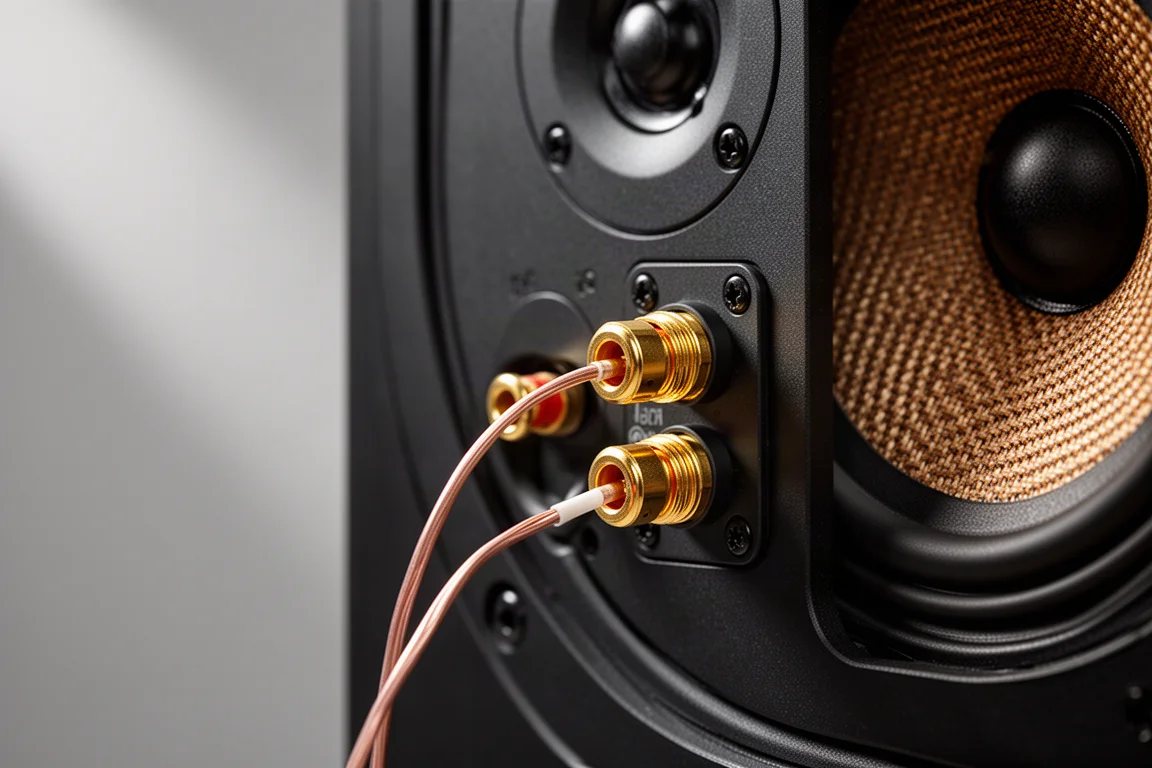
If sound quality comes first and you want a piece with decorative charm in the room, the R610 remains worth a serious look, provided you are comfortable with its control scheme.
Eversolo Play: The Do-It-All Streaming System
The Eversolo Play takes the opposite approach to the Rotel and Ruark. It comes in two versions, with and without a built-in CD player. The non-CD version retails for just under $700, and the CD option adds around $100, which is reasonable given how much the Play does.
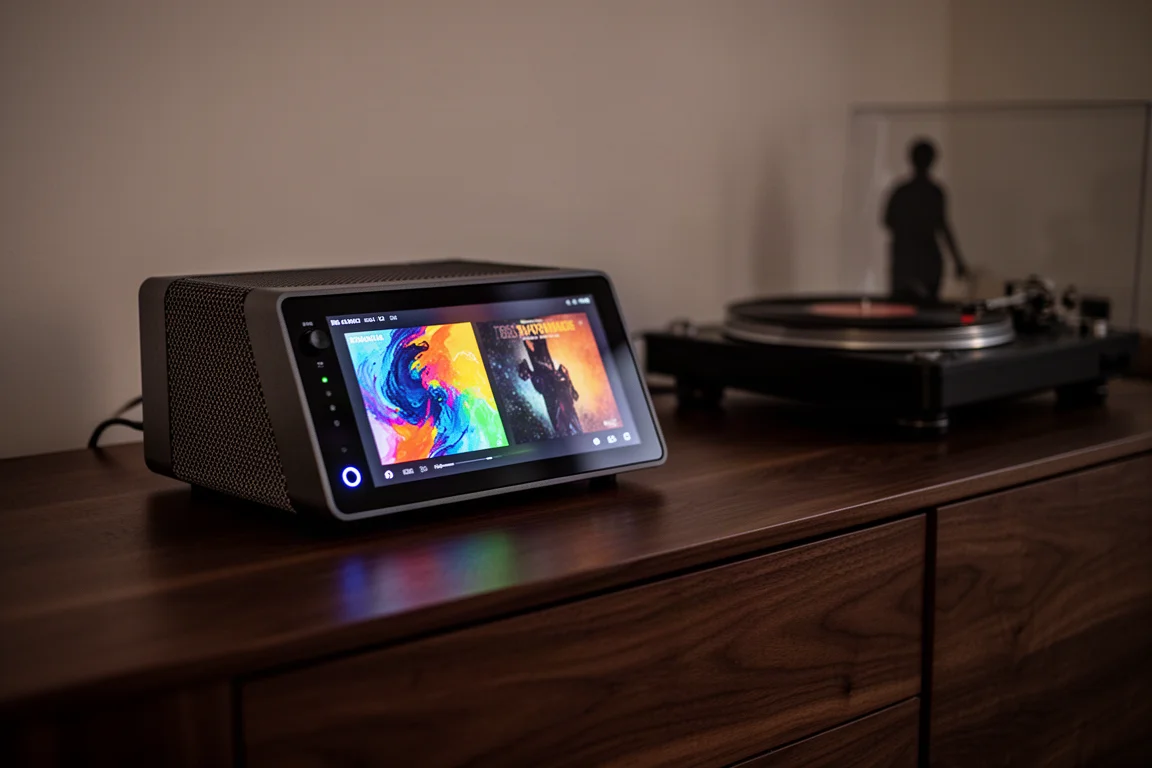
It is not simply an amplifier. It combines an amplifier, DAC, music streamer, and DSP in one chassis, handling everything from vinyl to digital streaming, with a built-in phono preamp and support for all the major streaming services, including Apple Music. It also gives real control over the sound through EQ, PEQ, and room correction.
The Play is a Class D design producing 60 W per channel into 8 ohms and 110 W into 4. As with other small chip-based Class D amplifiers, those ratings may not be fully representative in real-world use depending on the input signal, the complexity of the source material, and the loudspeakers. It drove compact bookshelf speakers fine, struggled with large high-efficiency horn speakers, and was a clear no-go on the demanding towers.
There is a genuine headroom caveat worth understanding. With some source material at full volume, the Play reached only about 80 dB in room, which is loud but not the kind of loud that typically causes clipping. It clipped anyway, particularly with signals delivered over HDMI. Using the built-in streamer, the same headroom and volume issues did not appear.
HDMI ARC is present with limited CEC support, and combined with the subwoofer output, internal bass management, and app-based room correction, that turns the Play into a capable 2.1 home theater hub. There is no traditional remote. Everything runs through the app or the large color touchscreen. The app is genuinely powerful, offering customization rarely found in products costing many times more, but it has a substantial learning curve, and it is easy to over-adjust and make a system sound worse. For anyone who wants plug-and-play simplicity, another amplifier here will suit better.
WiiM Amp: The Value Streaming Workhorse
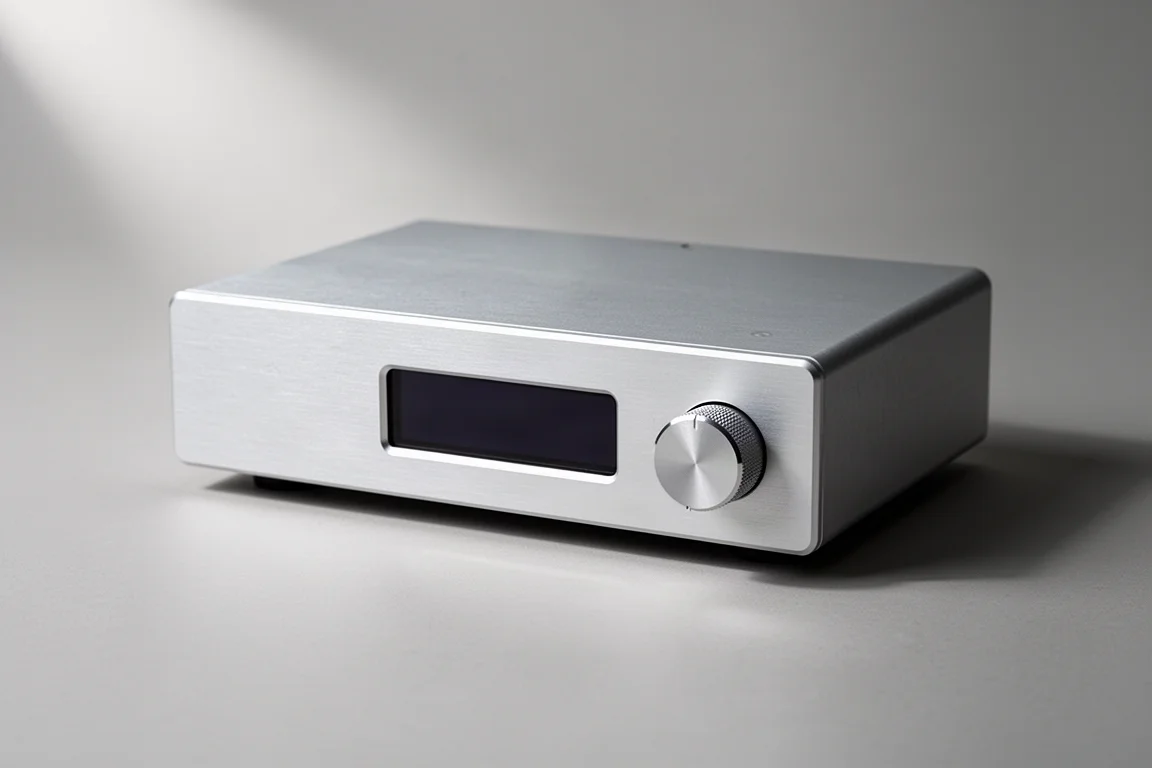
No compact amplifier list is complete without the WiiM Amp. It is the product other brands are chasing, and it is popular for good reason: paired with the right speakers it can sound very good. Like the Eversolo Play, its power limitations mean it will not drive every loudspeaker on the market, even with ratings of 60 W per channel into 8 ohms and 120 W into 4.
In testing, the WiiM Amp did not fail outright with any of the test speakers, but it did not control them as confidently as the Marantz Model M1, the Rotel, or the Ruark. That said, below roughly 85 dB in room and driving two-way bookshelf speakers, its sound was preferable to the more clinical Eversolo, though both are neutral and clean in character.
For anyone concerned about power headroom, the newer and more expensive WiiM Amp Ultra is said to address those limitations, with more features, more control, and a full-color touchscreen. It has not been tested here, so those claims remain unverified. The original WiiM Amp is still generously featured, with everything accessible through its app, which makes it noticeably more user-friendly than the Eversolo Play. There is no screen of any kind, so a phone is required for full interaction, but a basic remote covers volume, track selection, and source switching.
HDMI control is a real advantage. Paired with a television over HDMI, the TV remote can handle the amplifier’s power and volume thanks to full HDMI control, something the Eversolo Play lacks. In other words, volume control over HDMI is one thing, but being unable to power the Eversolo Play on and off over HDMI is an odd omission.
For listeners who mainly stream Spotify or use Apple services and want straightforward app navigation, the WiiM Amp is an easy recommendation at its price.
Marantz Model M1: The All-Rounder Reference
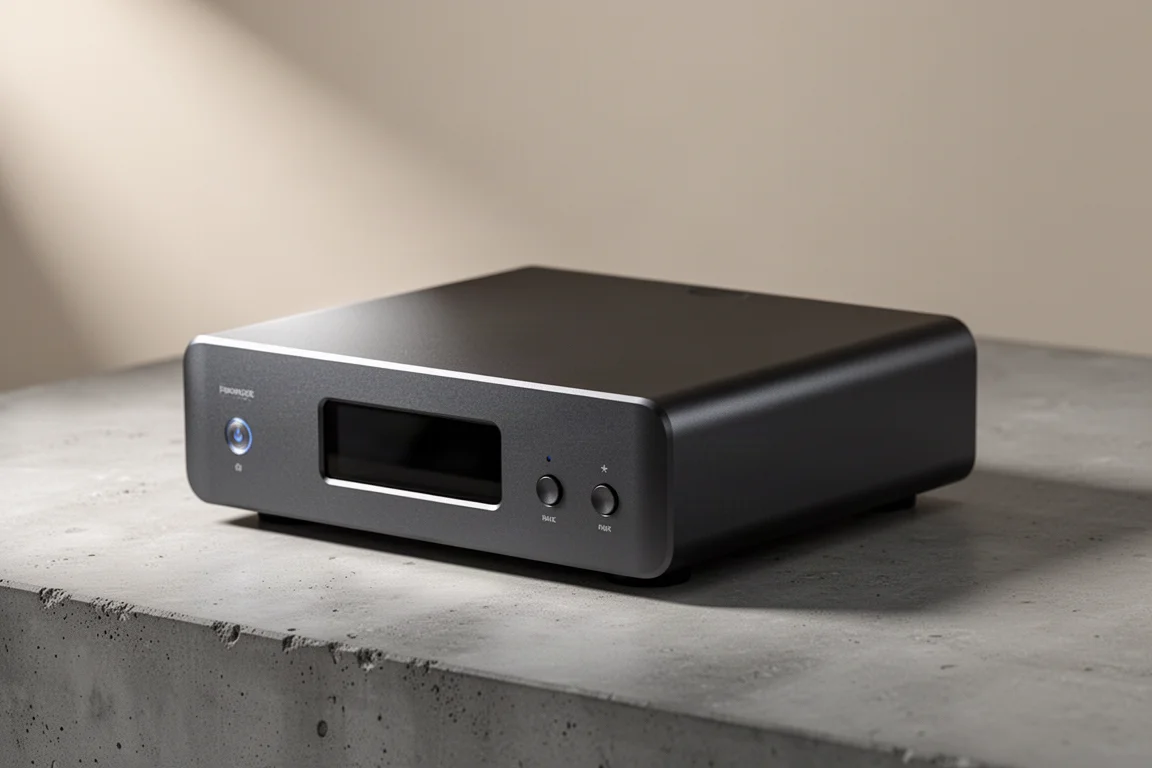
The Marantz Model M1 may be the most significant product the brand has produced in the past decade. It reads as a near-perfect summation of everything else on this list, combining the stable power delivery and hi-fi sound of the Rotel and Ruark with much of the feature set and control flexibility of the WiiM and Eversolo.
It had zero issues driving any of the test speakers, including the demanding towers. HDMI functionality was flawless, with no headroom or input signal problems to report. HEOS divides opinion as a streaming platform, but it provides access to services including Tidal and Spotify, it improves with each update, and it holds up as competitive with WiiM.
A recent update unlocked Dirac capability. Dirac itself costs an additional $249, but the results make the extra outlay worthwhile. Of everything here, the M1 is the amplifier that gets turned to for personal listening, and it is easy to recommend without hesitation.
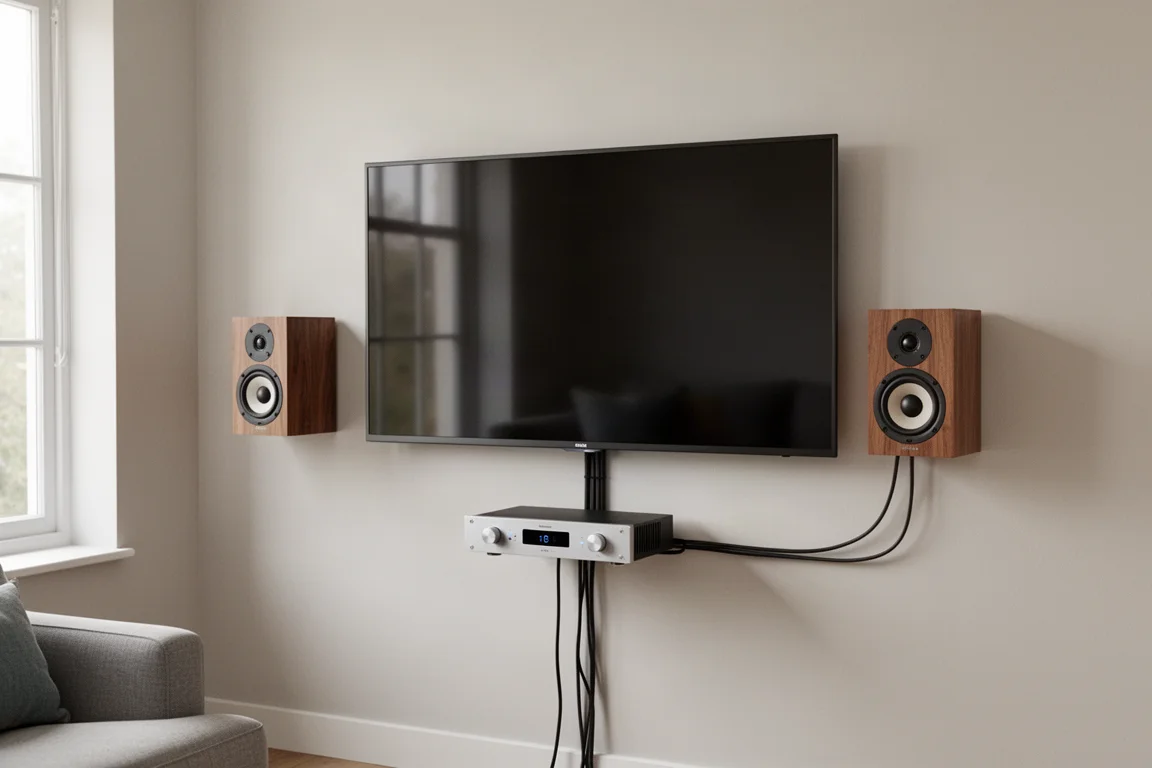
As a budget reference point for compact amplification, the M1 sets the standard the others are measured against, and it does so without giving up the convenience features that make a small system livable.
Buying Advice
The right choice depends on what you want the amplifier to do.
If sound quality and simplicity matter most, and you are happy to add a separate streamer or turntable stage later, the Rotel DX5 delivers the most premium feel and the fullest, most dimensional sound of the group, with the caveat that its power figures are modest and it lacks streaming and a phono input.
If you want refinement plus a built-in phono stage, streaming, and multi-room potential, the Ruark Audio R610 is the most capable option, but it is also the most expensive, and its remote-and-screen control scheme is the least convenient here.
If you want maximum capability in a single box and enjoy tuning a system, the Eversolo Play is unmatched on features and control depth. Accept its learning curve, and note the headroom behavior over HDMI with demanding speakers.
If value and app usability lead your priorities, the WiiM Amp is the pragmatic pick, especially for television-adjacent setups where HDMI control matters.
If you want one amplifier that does nearly everything well and drives almost anything, the Marantz Model M1 is the safest single purchase on the list, with Dirac available as a paid upgrade.
Two practical notes apply across the board. First, match the amplifier to your speakers rather than to the wattage number, since real-world behavior with difficult loads varies more than the specs suggest. Second, decide early whether you need built-in streaming, a phono preamp, and HDMI ARC, because adding those separately can erase the savings of a cheaper amplifier.
Conclusion
Compact amplifiers have never offered this much choice, and the five here prove the category is not a compromise. Each one earns its place for a different listener: the Rotel for sound-first simplicity, the Ruark for premium build and phono flexibility, the Eversolo for total feature depth, the WiiM for value and app convenience, and the Marantz for all-round competence with stable power.
The only person who has to like the sound of your system is you, so weigh the trade-offs that matter in your room, with your speakers, and your listening habits. Get that match right and any of these five will serve well for years.
Further reading
Related Reviews
Hi-Fi Amplifiers
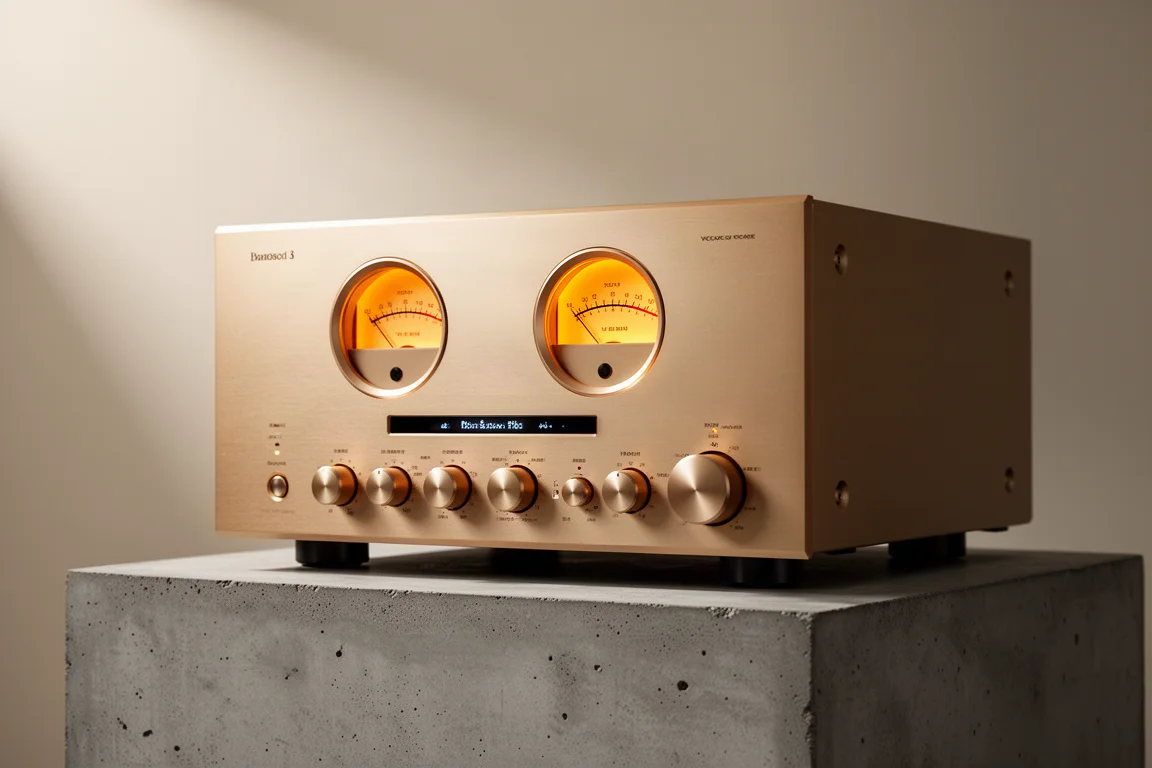
Accuphase E-280 Review: Entry-Level Accuphase With Flagship Attention to Detail
A close look at the Accuphase E-280 integrated amplifier, covering its champagne build, AAVA volume control, sound quality, and the speakers and sources that suit it best.
Hi-Fi Amplifiers
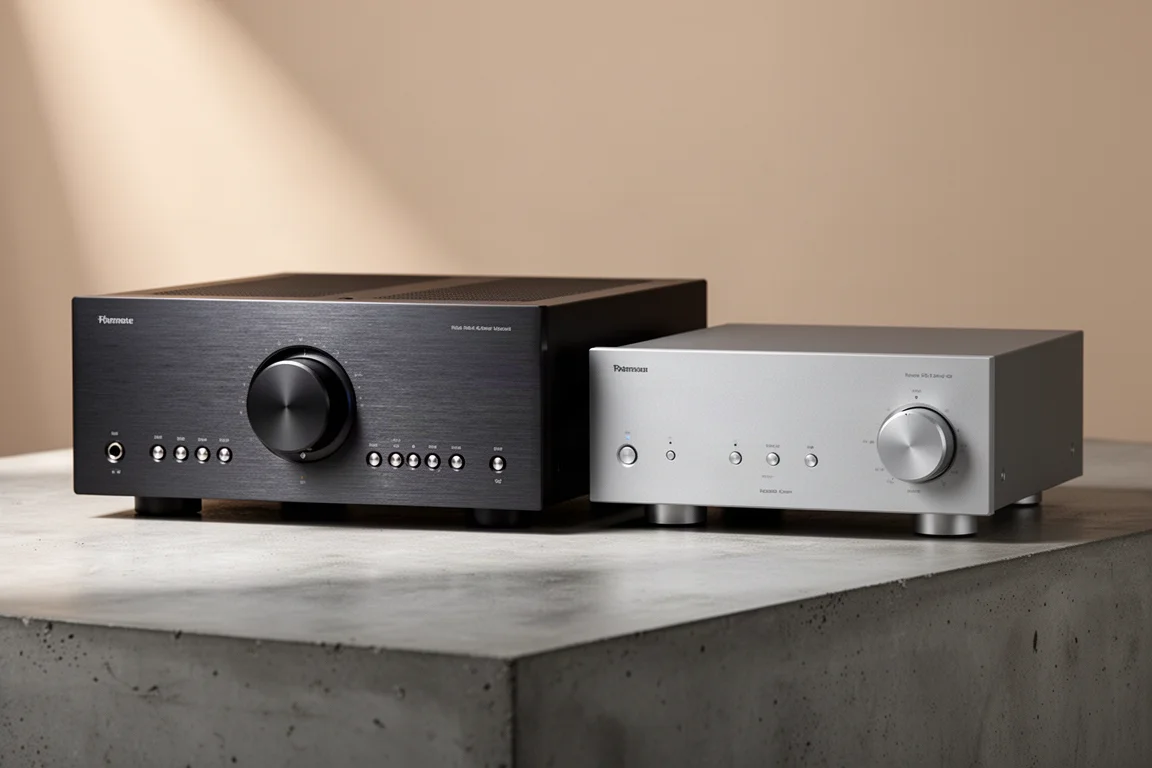
Advance Paris A10 Classic vs Yamaha A-S301: Two Integrated Amplifiers Compared
A practical comparison of a $350 integrated amplifier and a $2,500 reference model, covering the differences that matter and the ones that do not.
Hi-Fi Amplifiers
Affordable Chinese Amplifiers Worth Buying: Five Budget Hi-Fi Amps Compared
A practical look at five affordable amplifiers, what each one does well, and the trade-offs to weigh before you buy.