Backpacking Gear
Best Small Backpacking Gear: 12 Lightweight Essentials Worth the Space
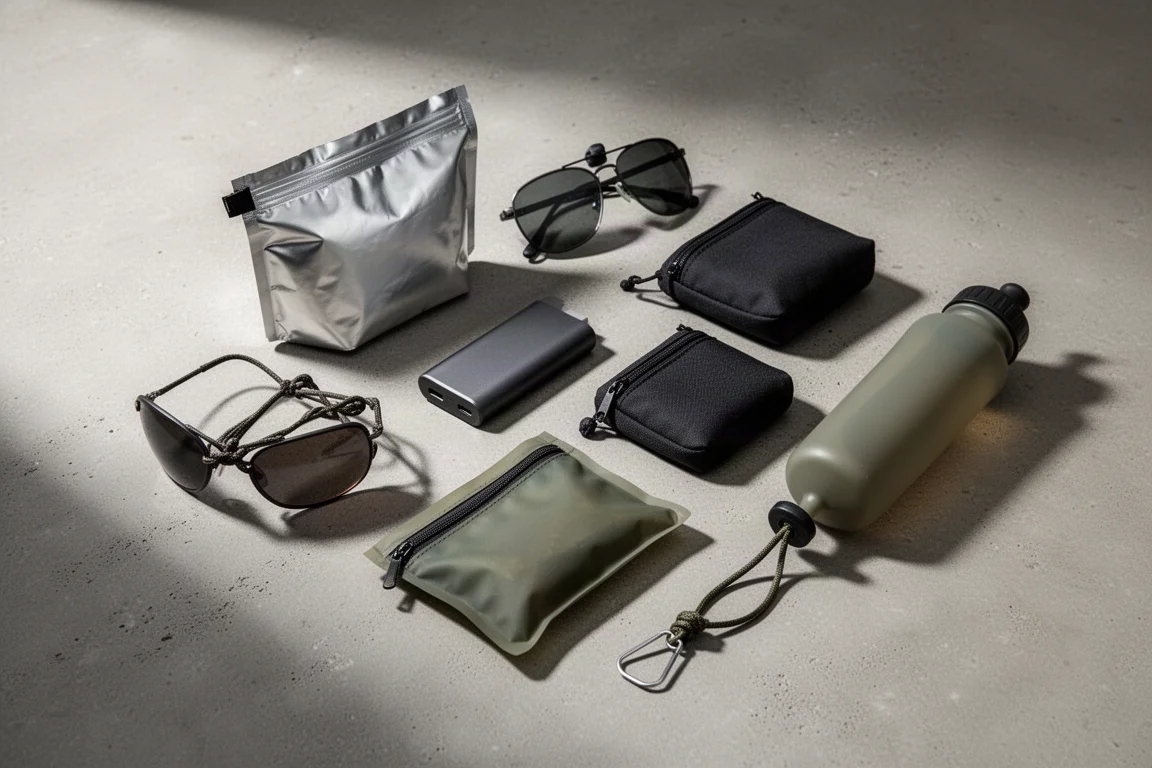
Twelve compact backpacking items that earn their place in a pack, from an insulated meal pouch and a 5,000 mAh power bank to reusable bottles, food bags, zippered pouches, and a simple tree hanger.
Introduction
The big-ticket items in a backpacking kit get most of the attention, but the small pieces are usually what determine how smoothly a trip actually goes. A dinner that rehydrates fully, a phone that still has power on the second morning, a bottle that does not leak into a sleeping bag: these details shape a day on trail far more than a few grams of pack weight.
This roundup covers twelve compact items that each solve one specific, repeatable problem. None of them are glamorous, and that is the point. Every one of them is small enough to disappear into a pack and useful enough to be missed when it gets left behind.
How to Judge Small Backpacking Gear
Small gear earns its place differently from a tent or a sleeping bag. Four questions do most of the work: how much weight and packed volume does the item add, does it solve a problem that comes up on most trips, how well does it hold up over multiple seasons, and is the cost reasonable relative to the benefit?
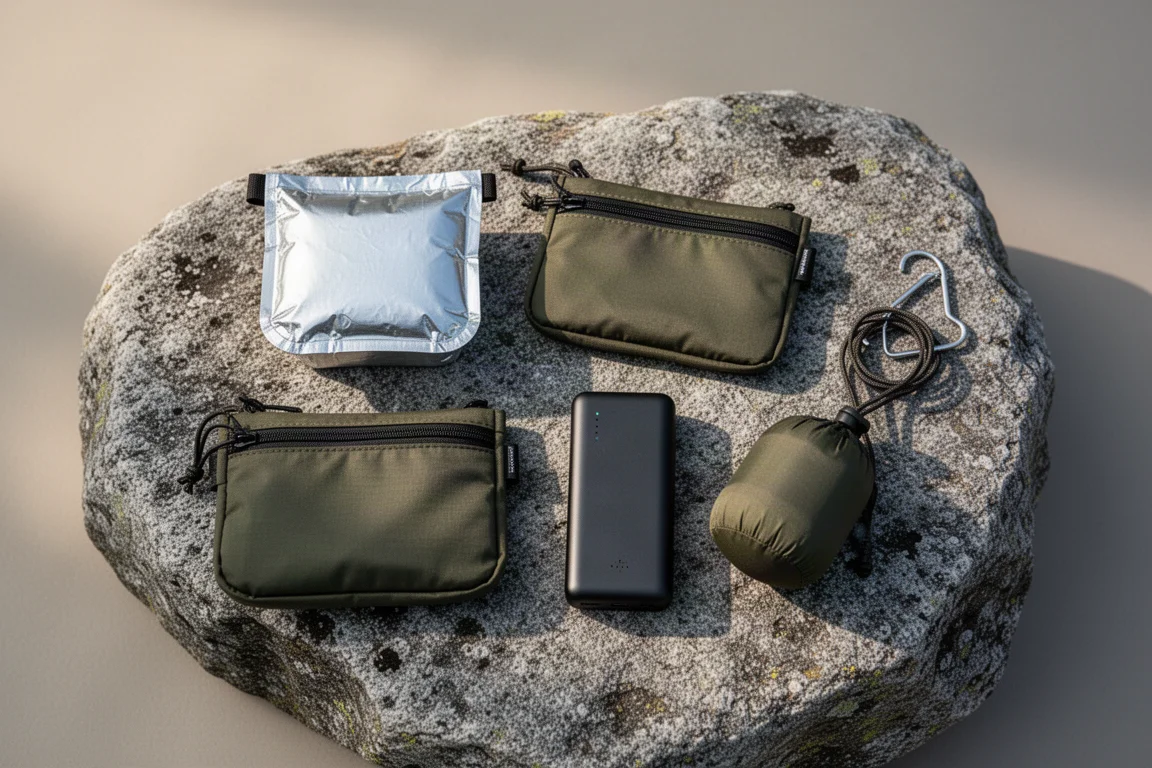
A useful rule of thumb is to look for items that remove a recurring annoyance rather than items that simply add convenience. An insulated meal pouch that costs around $16 and improves every dinner on a cold trip is a better return than a novelty gadget that stays at home. Durability matters too, because small items are the ones that get stuffed, squeezed, and forgotten at the bottom of a pack.
OnX Backcountry
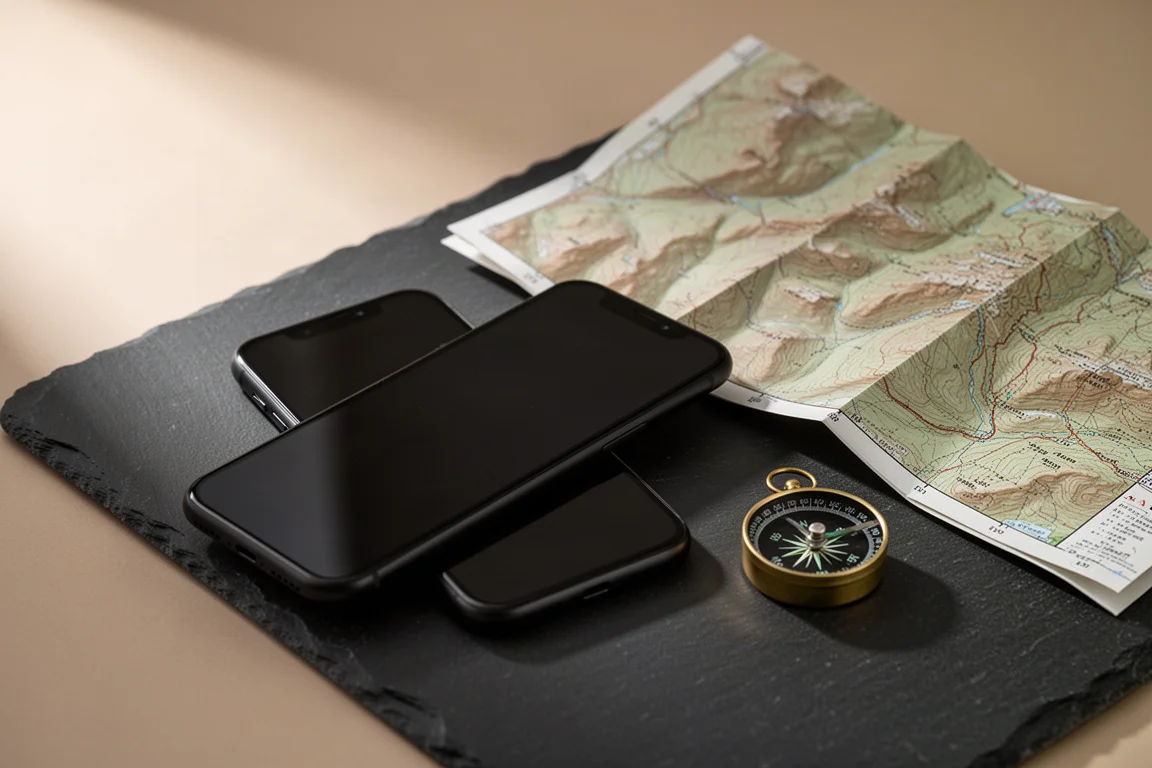
OnX Backcountry is a trip planning and offline navigation tool that keeps route information in one place on a phone. Waypoints and other information can be attached to a planned route, then synced for offline use so the details are available without a signal. Map layers add wildfire information, avalanche and snow information, and cell phone coverage data for an area. Having all of it in a single view makes it easier to make better decisions while out on a route.
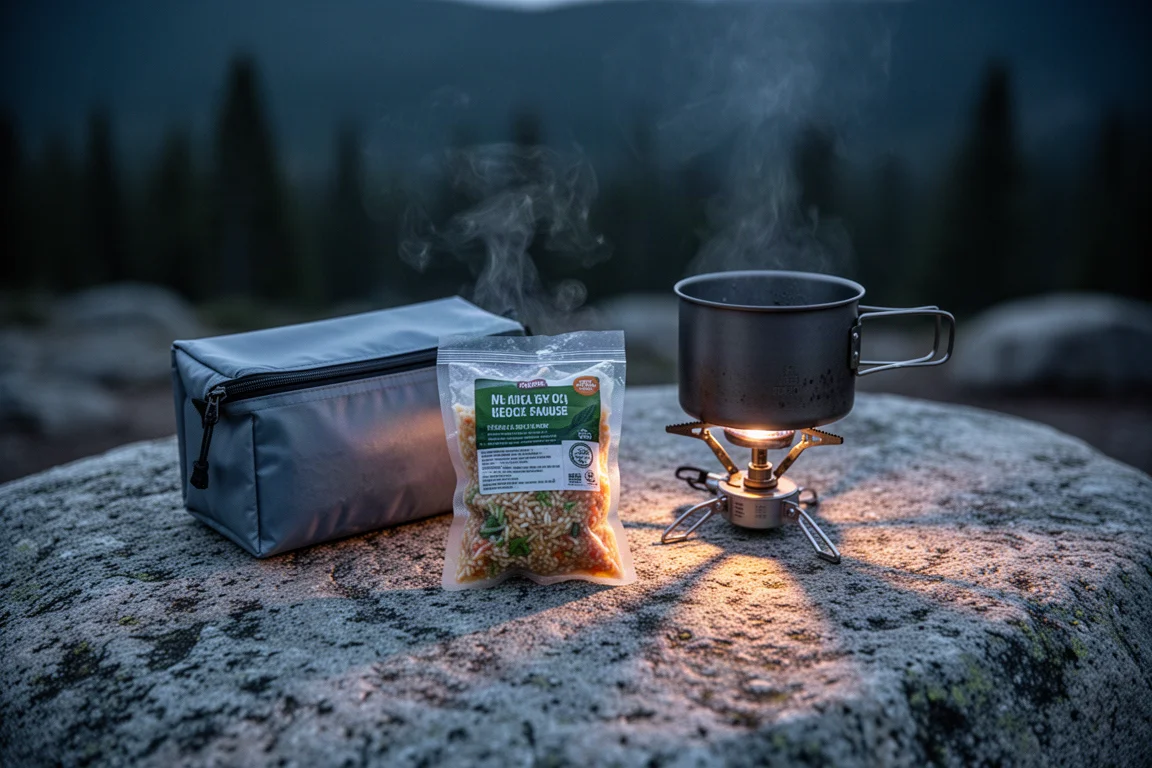
Big Sky International Insulated Food Pouch
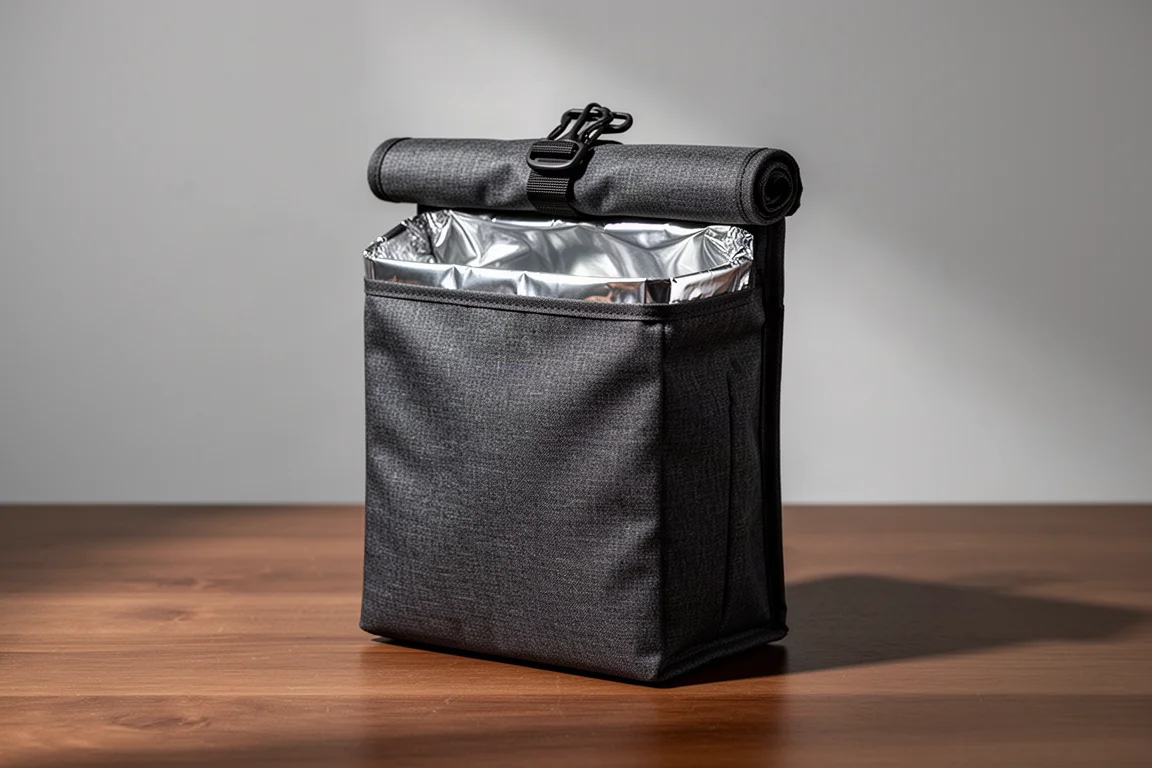
Rehydrating a freeze-dried or dehydrated meal is a simple process that becomes unreliable in the cold. Once boiling water goes into the meal bag, the water starts cooling before the food has absorbed it, which is how crunchy dinners happen. The Big Sky International insulated food pouch addresses that by holding the sealed meal bag inside an insulated sleeve: add water, seal the bag, close the pouch, and the water stays hot long enough to finish the job. It matters most at elevation, where rehydration takes longer. At roughly $16, it is a small amount of weight and pack space for a noticeably better meal.
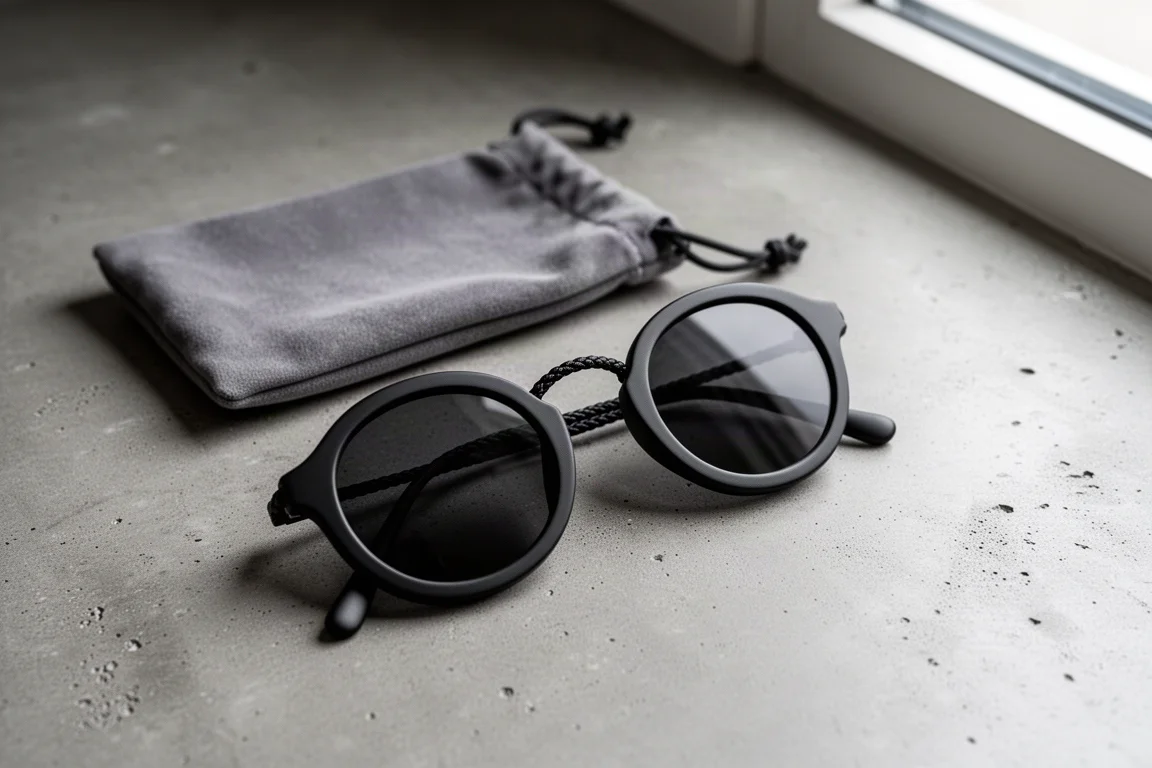
Ombraz Teton Sunglasses
Ombraz Teton sunglasses replace conventional side arms with a single wraparound cord. The result is a pair that stays in place without needing to be tight, that can hang around the neck when it is not being worn, and that packs flat into the included bag, which has a cleaning cloth attached. Because there are no rigid arms, the glasses survive being rolled up inside a tent with the rest of a kit, and the risk of a snapped frame is much lower. The Teton frame runs on the rounder side, which will not suit every face shape, so it is worth checking the fit before committing.

In practice, the cord design changes the small habits of a day: the glasses come off and go back on without ever being set down, and no hat brim or pocket is needed to keep them safe. For prescription wearers, the frame is also available with prescription lenses, which makes it a more practical option than carrying a separate pair.
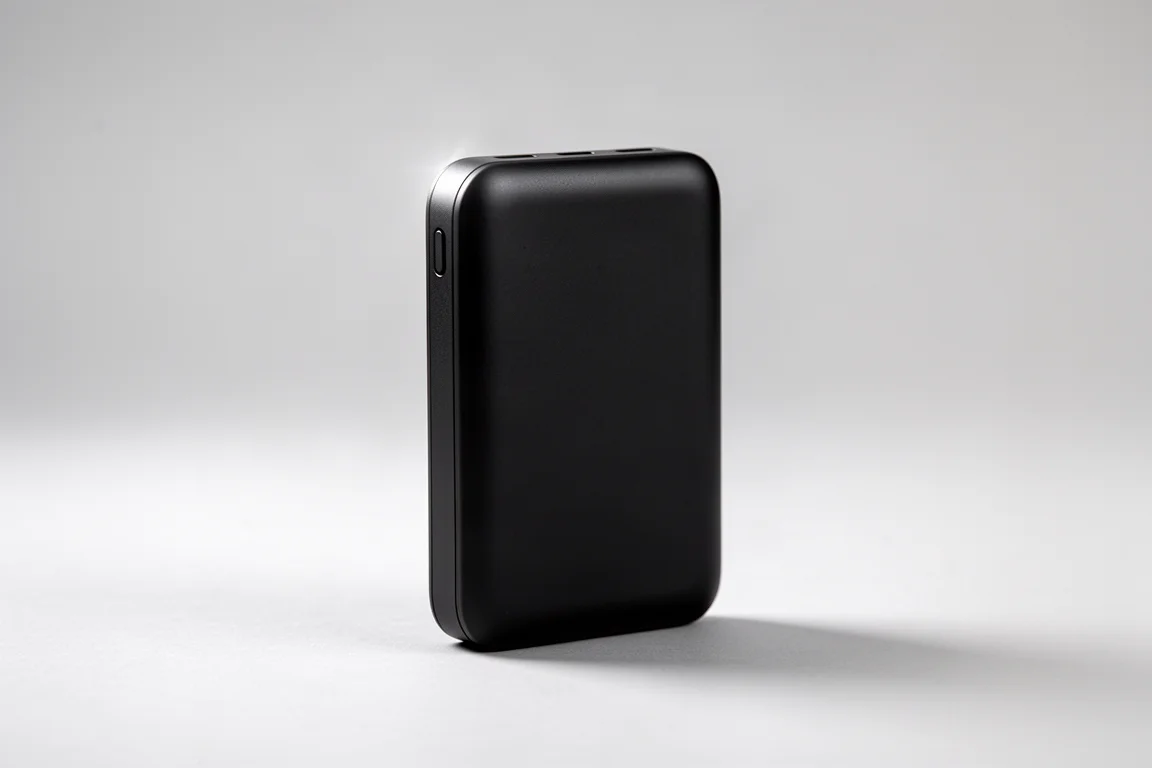
Nitecore NB Air Power Bank
The Nitecore NB Air is a 5,000 mAh power bank built for weekend trips. It is enough to keep a phone charged, add a little power to a headlamp, or top up a camera without carrying the bulk of a 10,000 mAh bank. It charges quickly, takes up very little space, and weighs less than the larger batteries many hikers default to. For an overnight or a short weekend, that trade-off between capacity and pack space is usually the right one.
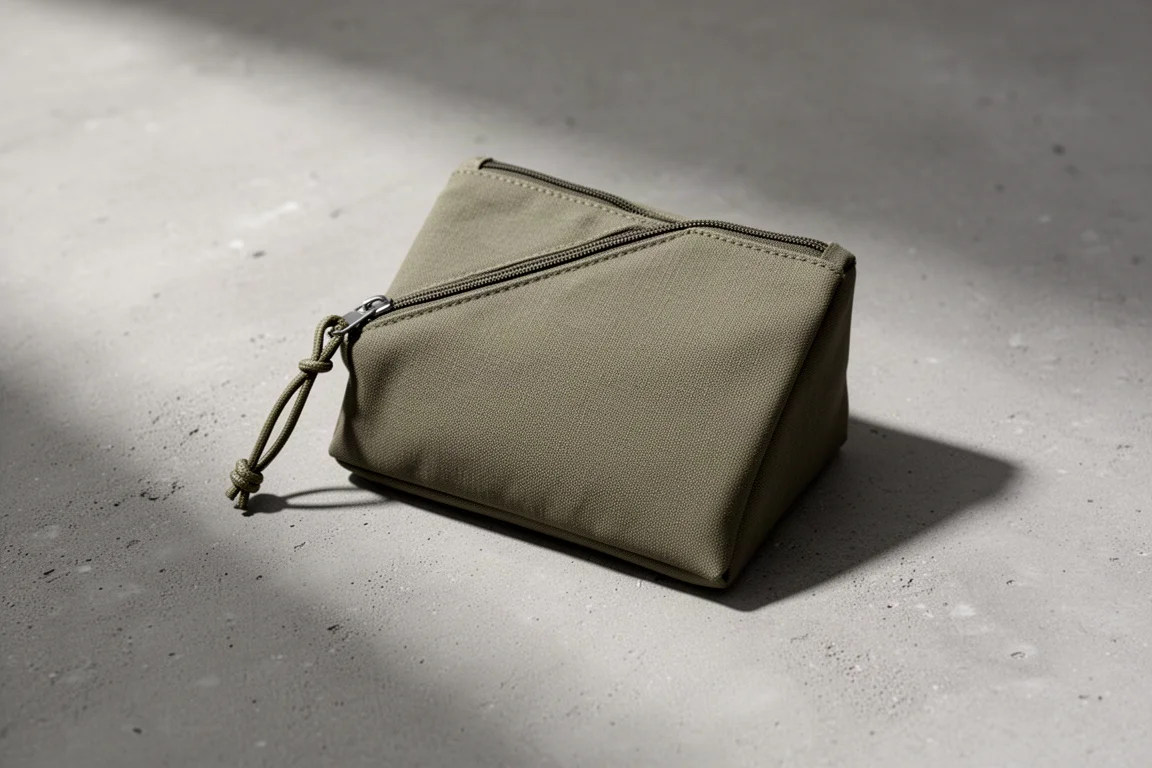
Backcountry Exposure Little Diddy
The Little Diddy is a zippered pouch designed to give small kits a fixed home in a pack. It works as a first aid kit, an electronics bag, a hygiene kit, or simply a place to keep smaller pouches together. The value is organizational: nothing drifts to the bottom of the pack, and everything is findable without unpacking the whole load.
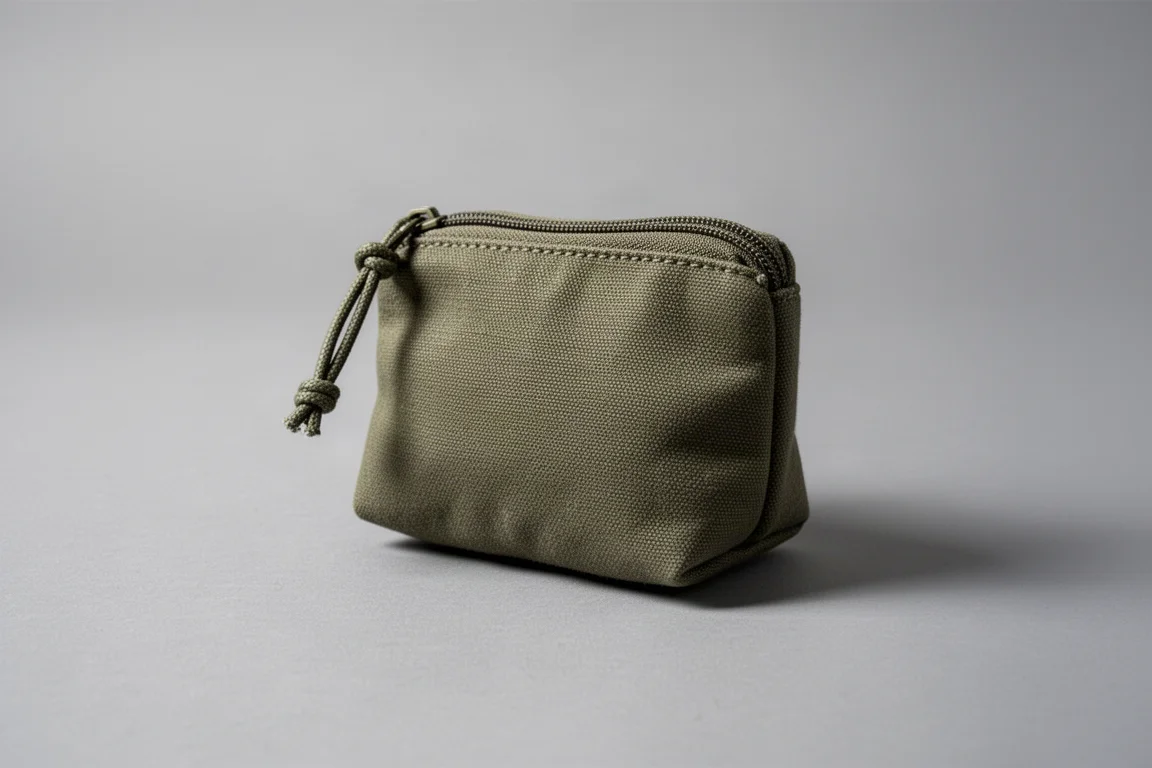
Backcountry Exposure Mini Diddy
The Mini Diddy is a smaller, more recent addition to the same family of zippered pouches. It suits minimal kits where the Little Diddy would be more volume than the contents actually need, and it keeps the same simple, flat profile.
Backcountry Exposure Mesa Food Bag
The Mesa food bag is a rectangular bag with a zipper top opening, sized at 4.5 L. That capacity covers a weekend food load comfortably, and the rectangular shape packs against other items rather than leaving dead space in a pack.
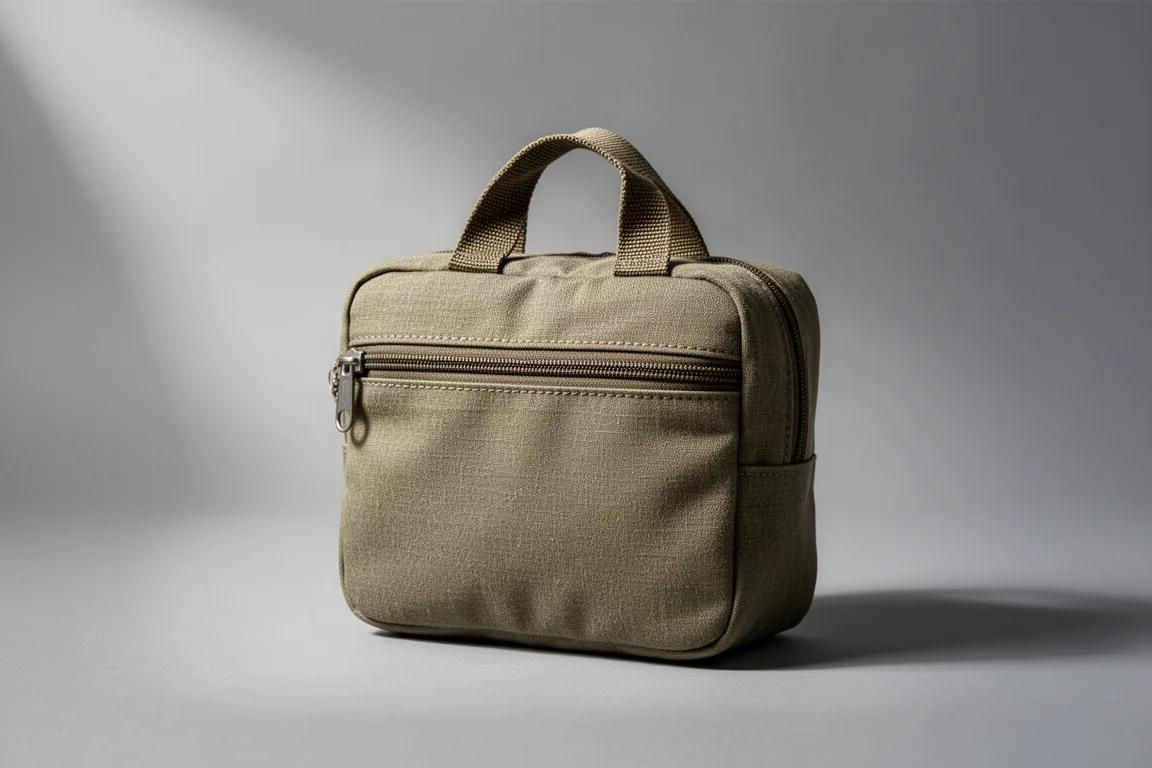
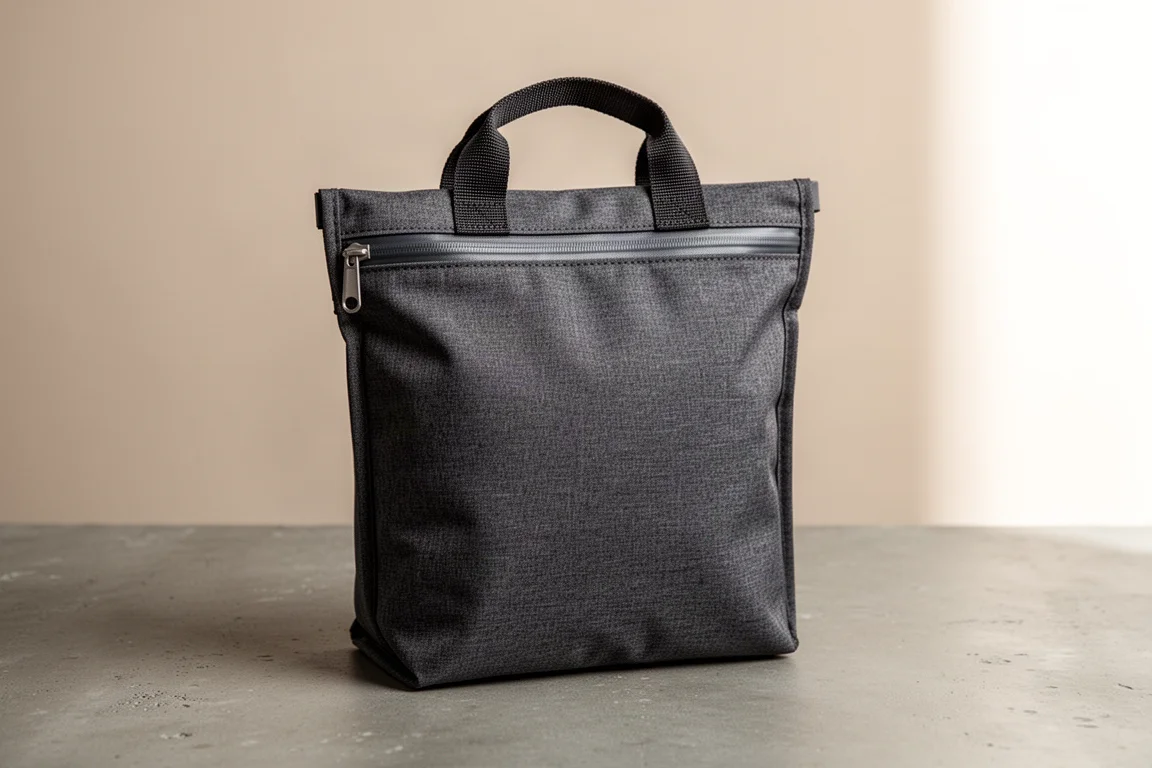
Backcountry Exposure Mesa XL Food Bag
The Mesa XL is the larger version of the same food bag, built for bigger food loads and longer trips. Its extra capacity makes it the default choice when the standard Mesa would be a tight fit for the food being carried.
A food bag is one of the few items handled several times a day, so the details matter: a zipper top keeps contents secure, and a shape that stacks well makes packing faster every morning.
Mazama Migo Water Bottle
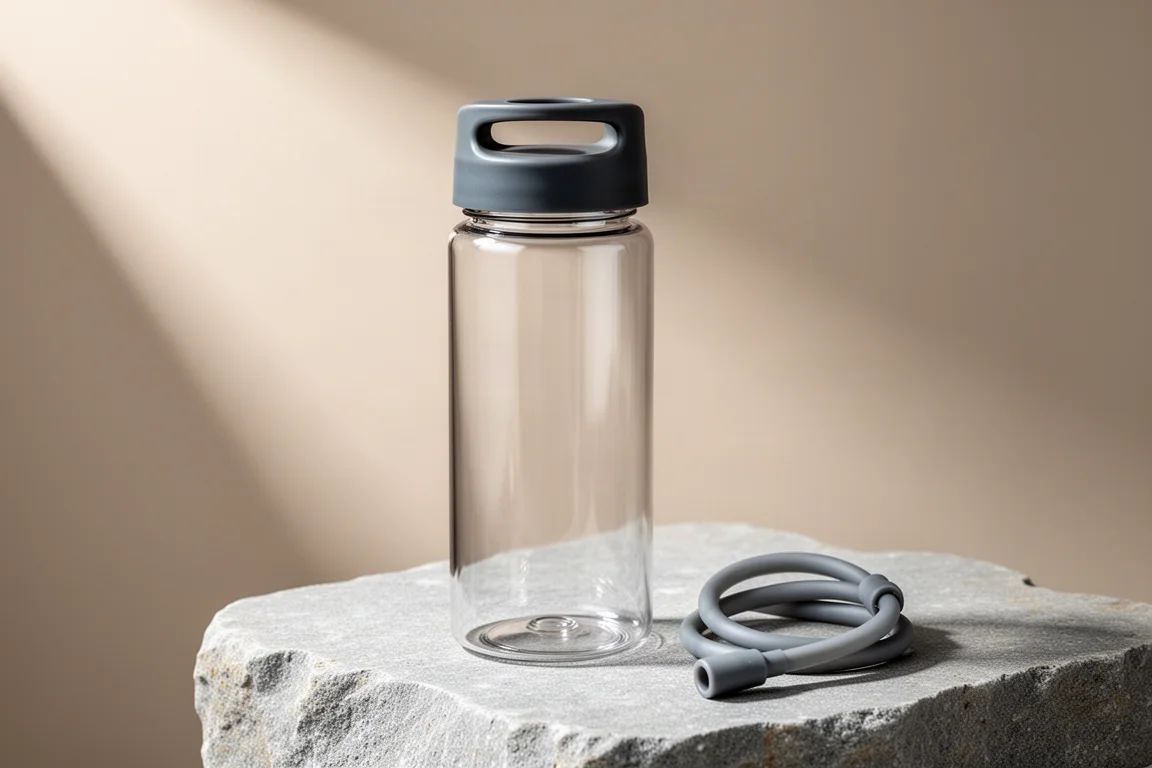
The Mazama Migo is a reusable bottle sized to replace the disposable bottles many hikers have carried for years. It has a squeezy body, a wide opening at the top, and a 28 mm thread wide enough to drink from while walking: squeeze the bottle and drink without stopping. The wide mouth also makes electrolyte and recovery powders far easier to add without spilling. A filter can be mounted on top, and the bottle has held up without leaking in regular use. One thing to expect: the printed measurement lines wear off after a couple of seasons of hard use.
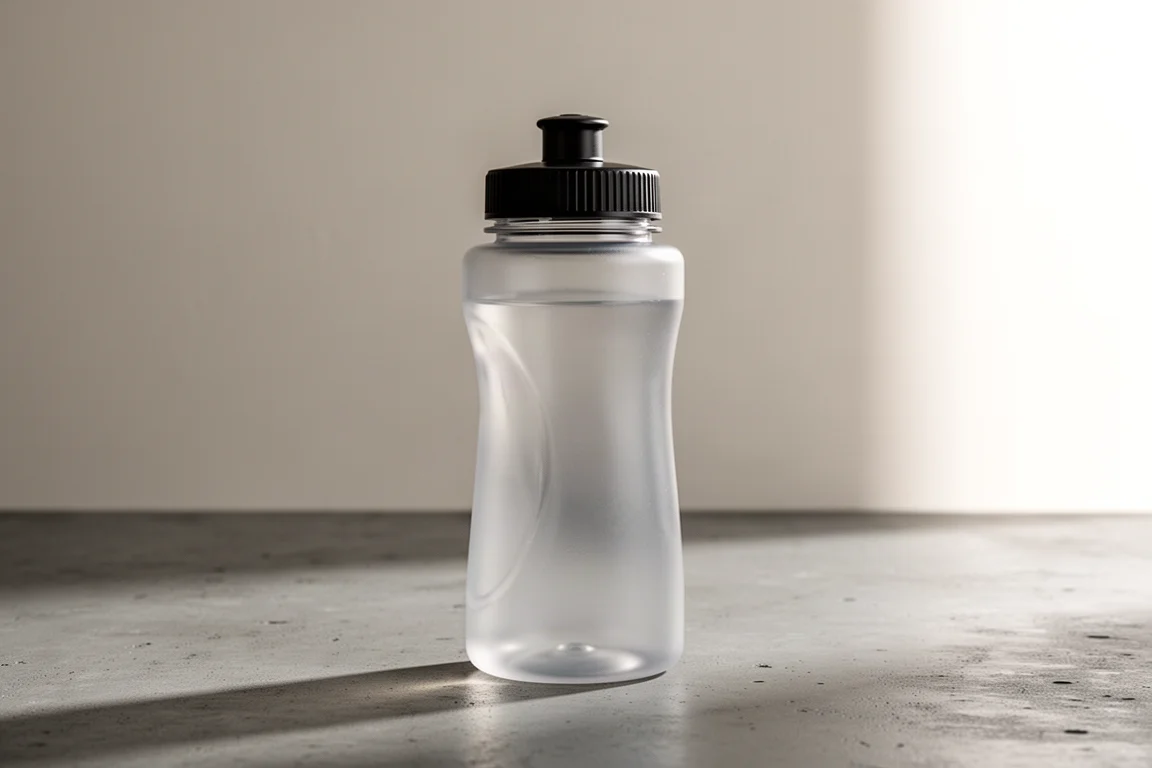
Squawk Bottle
The Squawk bottle is another reusable option in the same format, and it was one of the bottles that helped push this category forward. Its wide opening is the standout feature, particularly for powdered drink mixes that are awkward to funnel into a narrow sport cap.
Tailwind Nutrition Recovery Mix
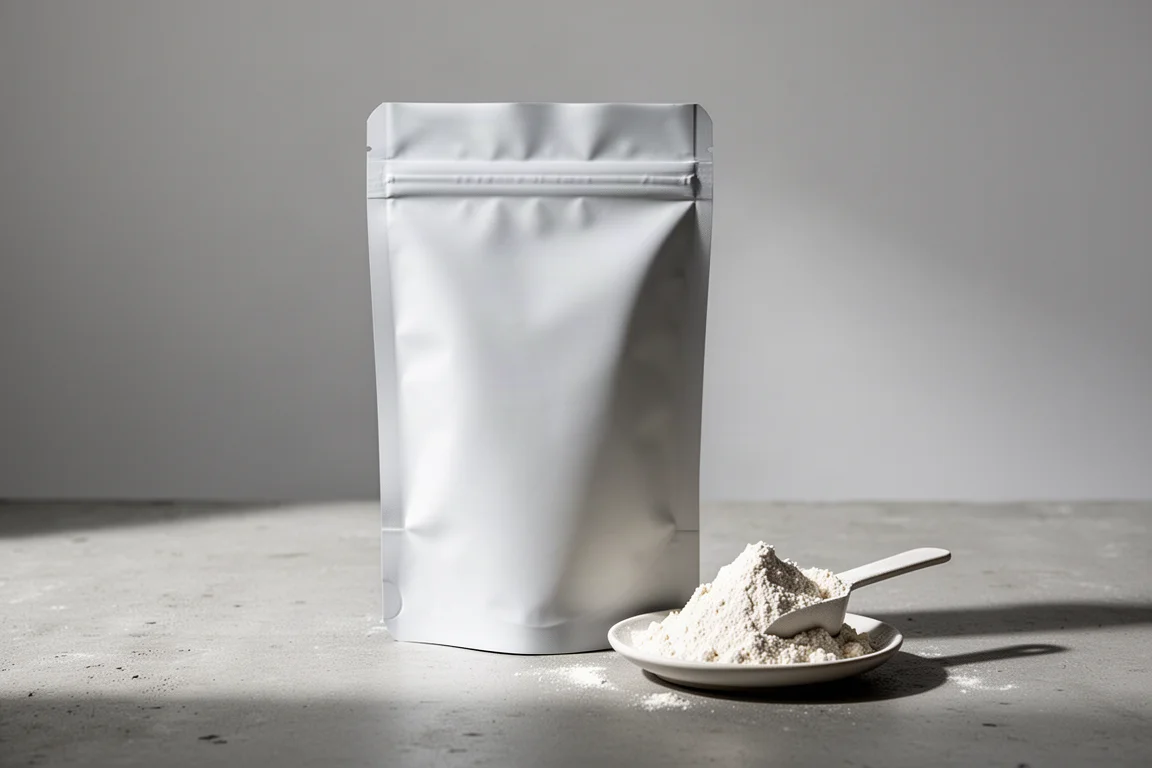
Tailwind Nutrition Recovery Mix is a post-trip drink powder with a consistency closer to protein powder than to a typical electrolyte mix. That texture is exactly why a wide-mouth bottle helps: the powder goes in cleanly instead of clinging to a narrow opening and making a mess.
Apex Giant Speed Hanger
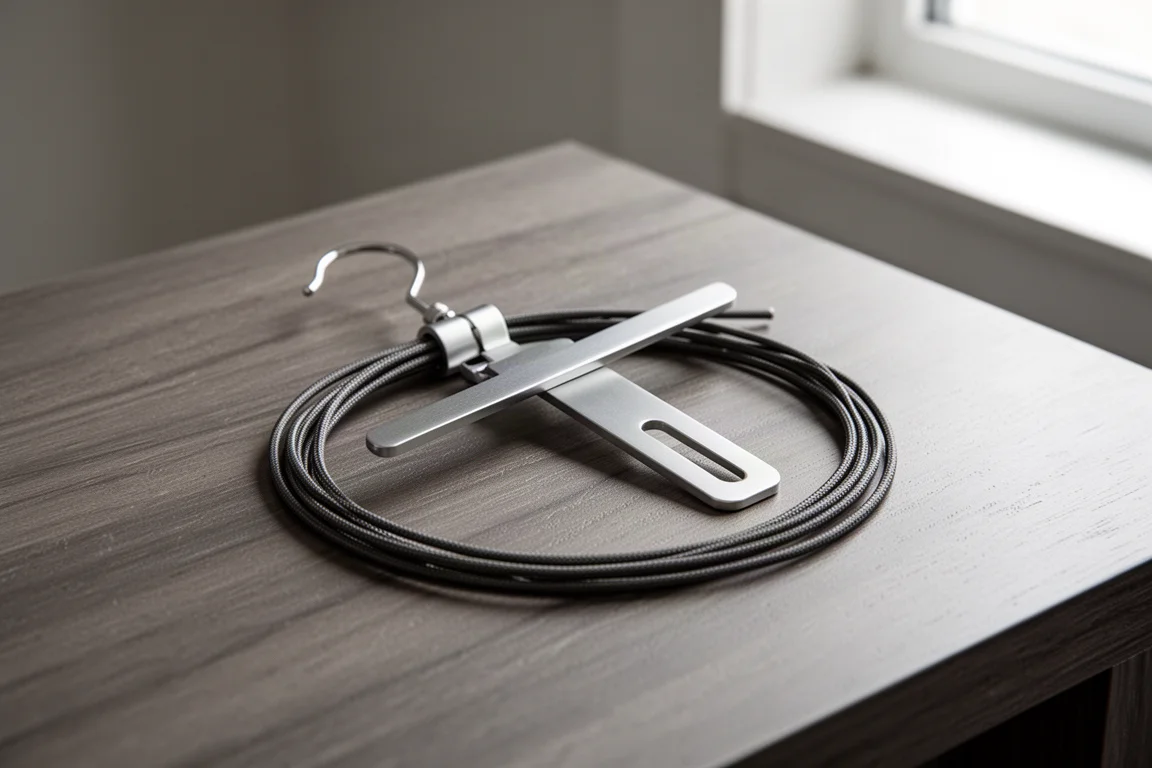
The Apex Giant speed hanger is a small metal piece on a long cord that wraps around a tree trunk to create a hang point. It is useful when the ground is wet and gear needs to come off it, or when a suitable branch is not available and driving hardware into a tree is not an option. It holds a backpack, and it also supports a simple gravity filter setup: hang a water bag from the hanger and let the filter do the work. It is light, inexpensive, and comes along on almost every trip with tree cover, though it is of little use in the desert where there is nothing to wrap it around.
Buying Advice: Matching Small Gear to Your Trips
The right small gear depends on conditions more than on preferences. Cold-weather trips make an insulated meal pouch close to essential. Short trips make a 5,000 mAh power bank the sensible choice over a heavier battery. Routes with tree cover make a hanger useful for both gear storage and gravity filtering, while desert trips make it dead weight.
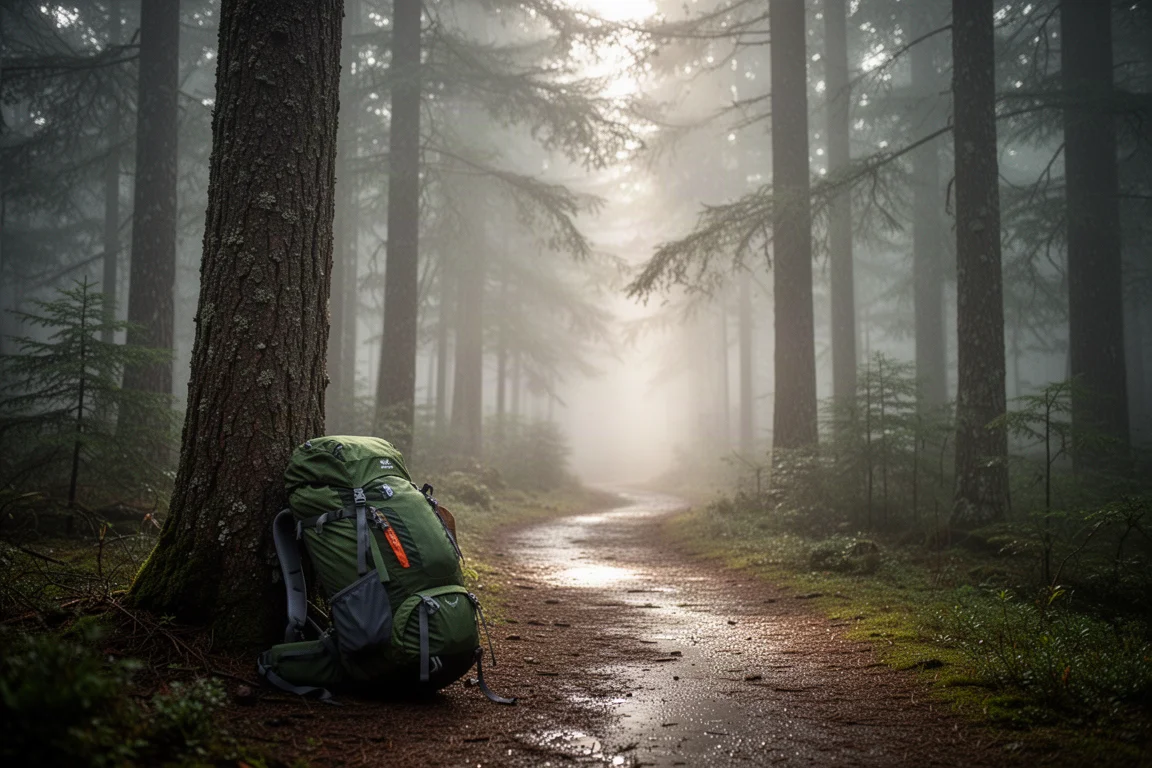
Bottles and food bags come down to format. A squeezy wide-mouth bottle suits hikers who drink while walking and mix powders on trail, while a zippered rectangular food bag suits anyone who wants a predictable, stackable food load. Pouches are the cheapest way to add organization, and they tend to be the items hikers keep using long after the trip that prompted the purchase.
Conclusion
None of these twelve items will transform a trip on its own. Together they remove the small frictions that add up over a long day: meals that rehydrate properly, devices that stay charged, bottles that do not leak, food that stays findable, and a reliable place to hang a pack off wet ground. That is what good small gear does, and it is why these pieces tend to stay in a pack long after the trips that introduced them.
Further reading
Related Reviews

Backpacking Gear
Building a 10 lb Base Weight: An Ultralight Backpacking Gear List
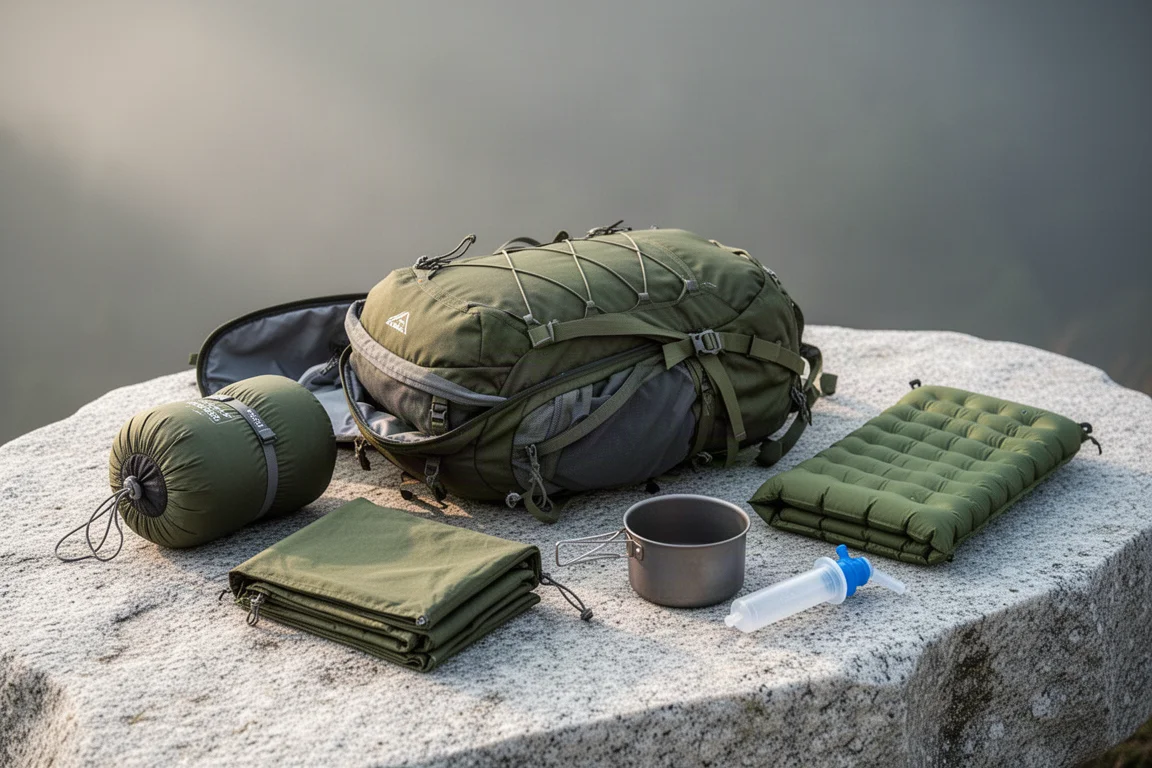
A practical walkthrough of the ultralight pieces behind a 10 lb base weight, from a 765 g pack and a roomy one-person tent to a full camp chair and a dependable water filter.
Backpacking Gear
A 15-Pound Lightweight Backpacking Gear List for Solo Trips
A beginner-friendly 15-pound backpacking setup built from easy-to-find gear, with notes on what each piece does, how it packs, and where to spend your attention.
Backpacking Gear
8 Ultralight Backpacking Gear Upgrades Worth Carrying
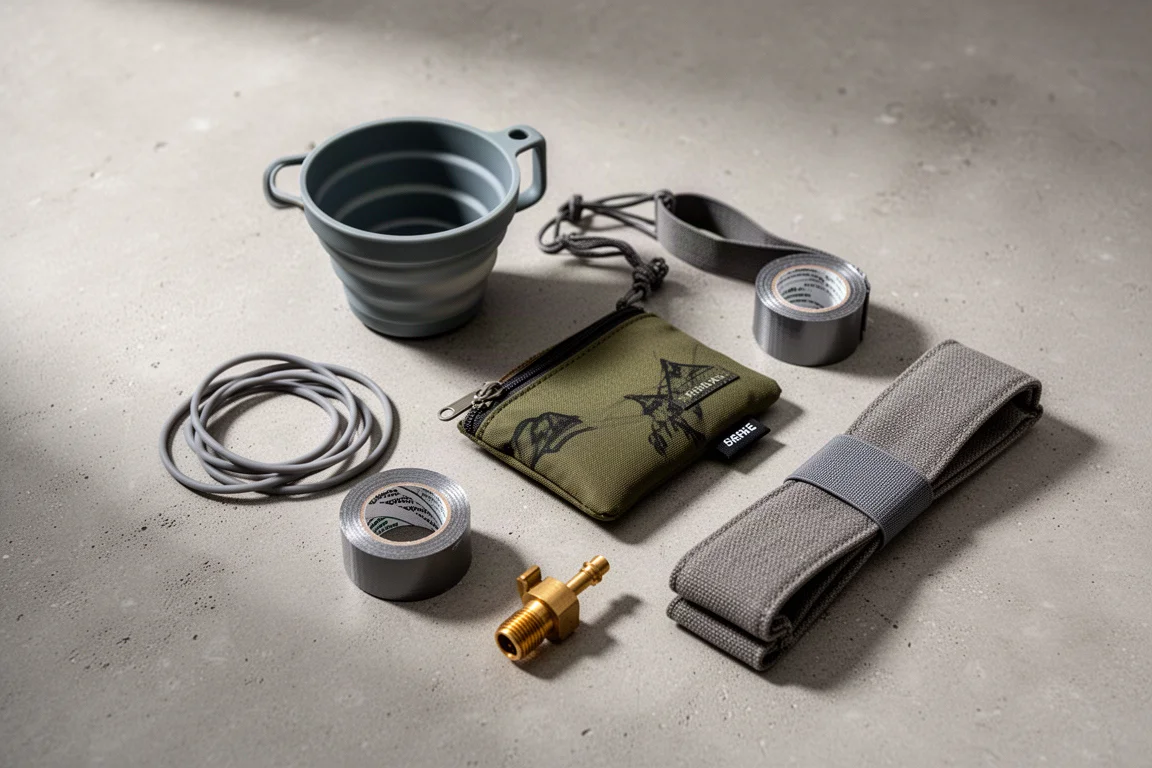
Eight small, affordable backpacking upgrades that solve real trail annoyances, from a pillow that stays put to a fuel valve that rescues leftover canister gas.