Sleeping Pads
Best Sleeping Pads for Comfort: Ten Inflatable Pads Compared
A practical look at ten inflatable sleeping pads, from a $40 budget pick to premium comfort mats, with what each one does well and where it falls short.
Introduction
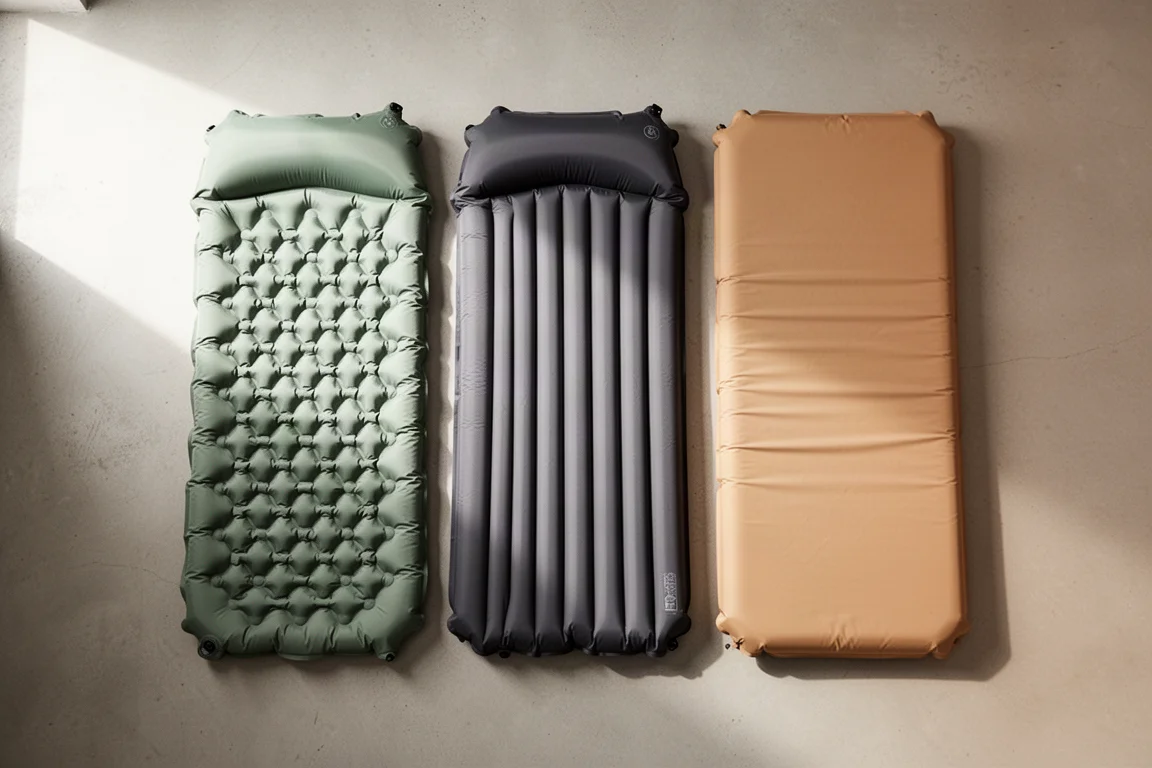
A good night in the backcountry usually comes down to the same handful of design decisions: how a pad relieves pressure, how thick it is, how warm it sleeps, how stable it feels, and how soft the top surface is. The dimpled baffling pattern that arrived with the Sea to Summit Etherlight generation reset expectations for what an inflatable pad could feel like, and the ten pads below push that idea in different directions.
This guide covers a spread of inflatable sleeping pads, from a budget option that costs about as much as a couple of coffees to premium mats that come close to car camping comfort. Each section explains what the pad does well, where it falls short, and which kind of sleeper it suits.
How These Sleeping Pads Were Evaluated
Every pad was scored across five categories: pressure relief, thickness, warmth, stability, and top softness. Pressure relief carried double weight because it has the largest effect on whether a sleeper wakes up with a numb arm or a sore hip. Pads that come in a 30 inch wide version received a small bonus, and the one pad that proved noticeably noisy lost a point.
Two design approaches dominate this group. The first is a dimpled baffling pattern, where raised bumps sit above lower dimples and act like individual air springs beneath the body. The second is a stretchy top material that lets the surface conform to shoulders and hips. In practice, a stretchy top material appears to make the bigger difference to overall comfort, which is why several of the strongest options here pair it with a stable baffle layout.
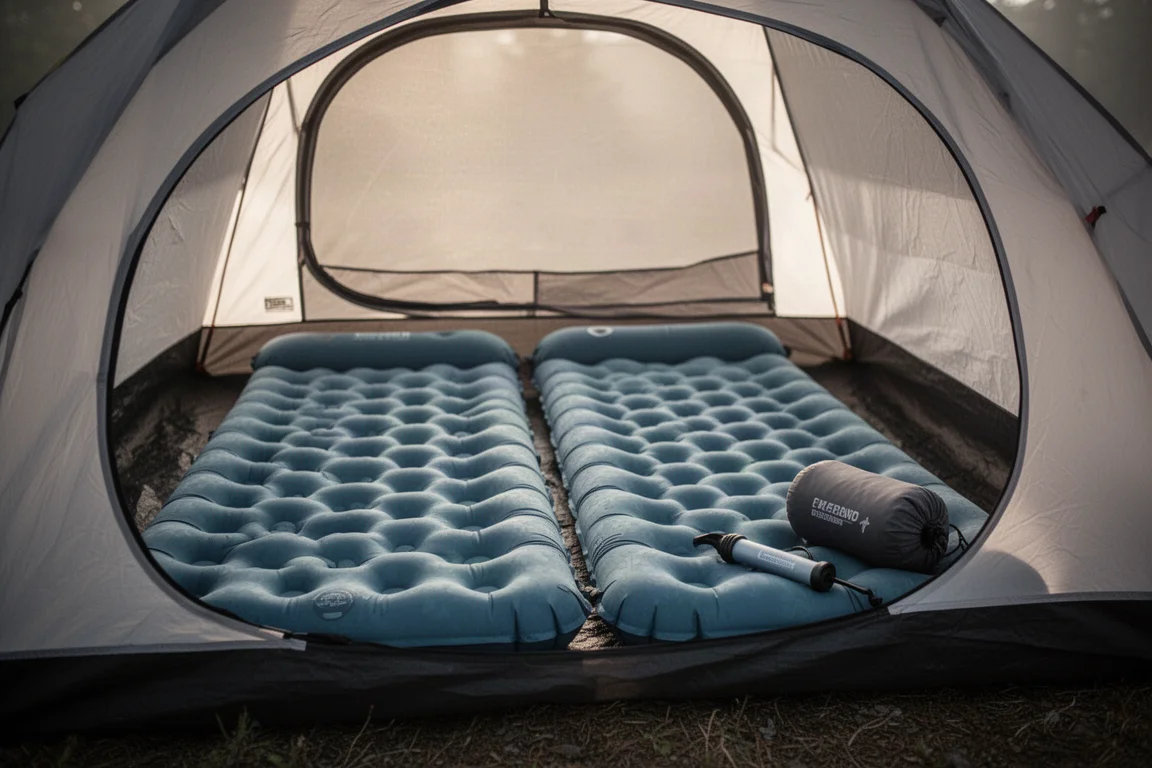
Weight was deliberately left out of the final scores, so the ordering reflects comfort rather than packability. That matters because the heaviest pads in this group are still reasonable to carry on shorter trips, while the lightest options may not be warm enough once temperatures drop well below freezing.
Sea to Summit Etherlight XT
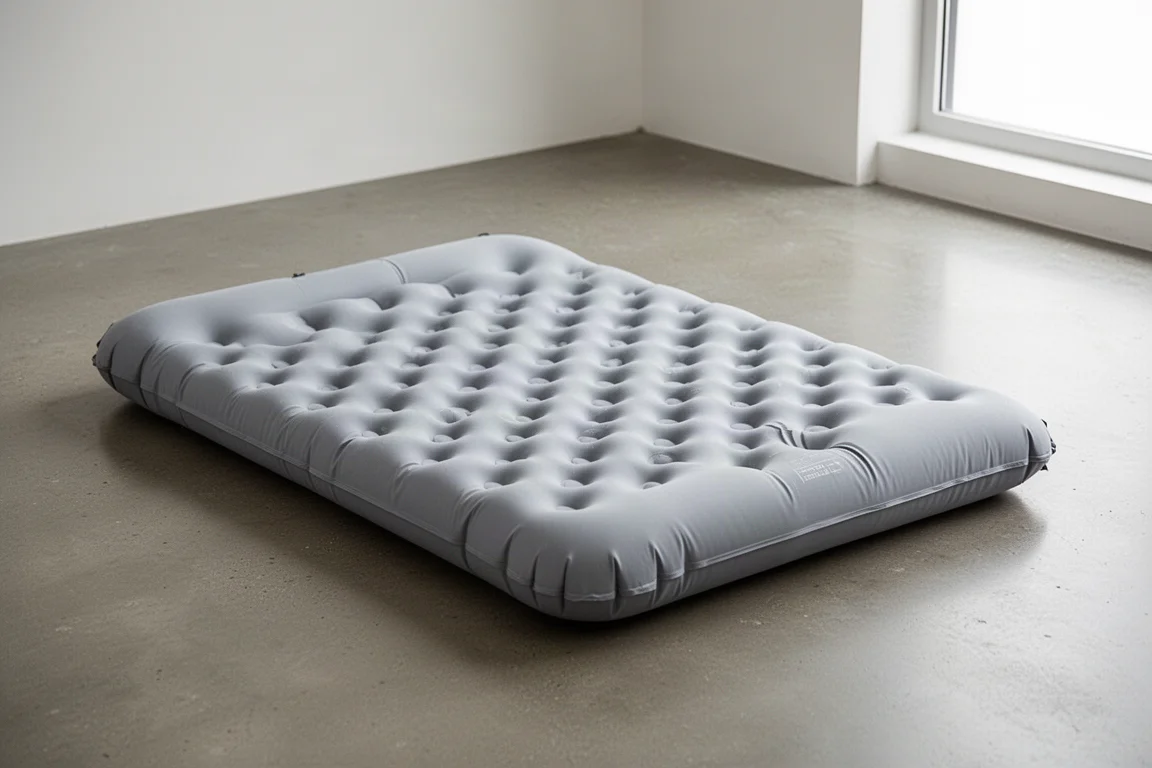
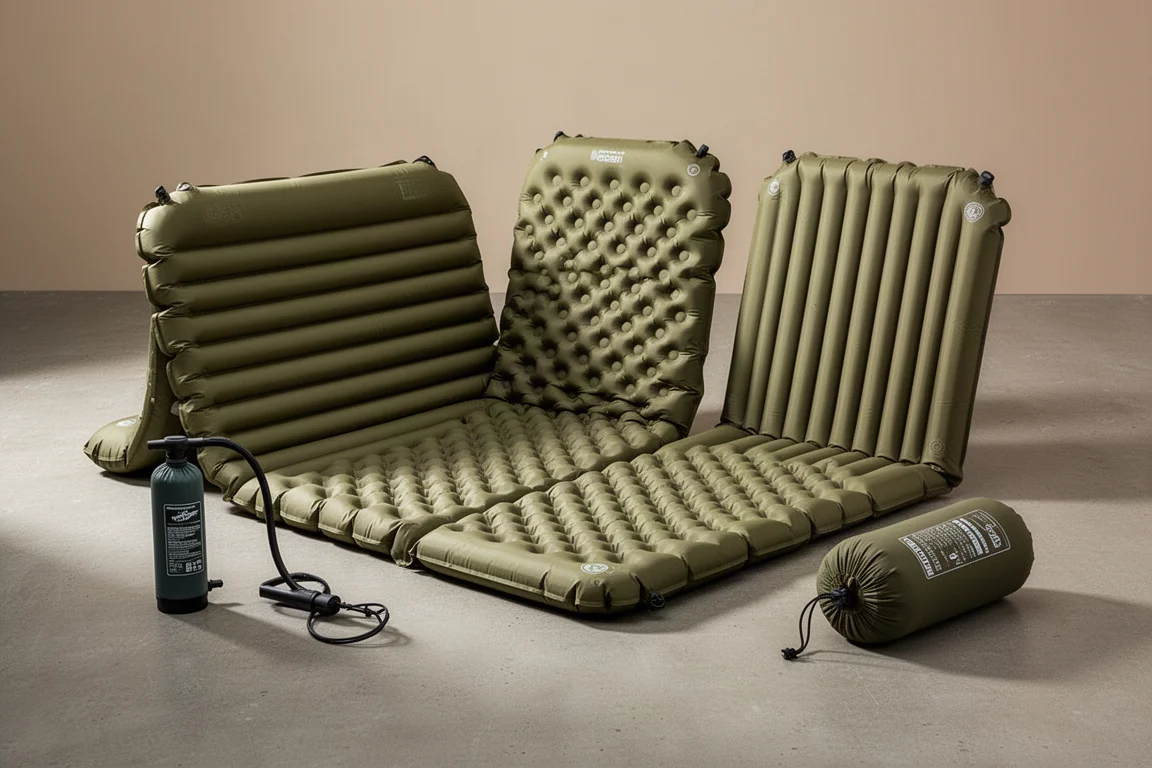
The Etherlight XT was the first generation of the Etherlight line, and it is the pad that popularised dimpled baffling in backpacking pads. The surface alternates raised bumps with lower dimpled areas, and each raised bump behaves like a small air spring. Lying on your back or your side, that layout spreads pressure instead of concentrating it, so an arm is less likely to go numb and a hip is less likely to feel like it is digging through the pad.
It remains a genuinely comfortable pad, and it is the reference point that makes the rest of this group easier to judge. Its main limitation is that it has since been surpassed on weight, warmth, and packed size by newer designs.
Sea to Summit Etherlight XR
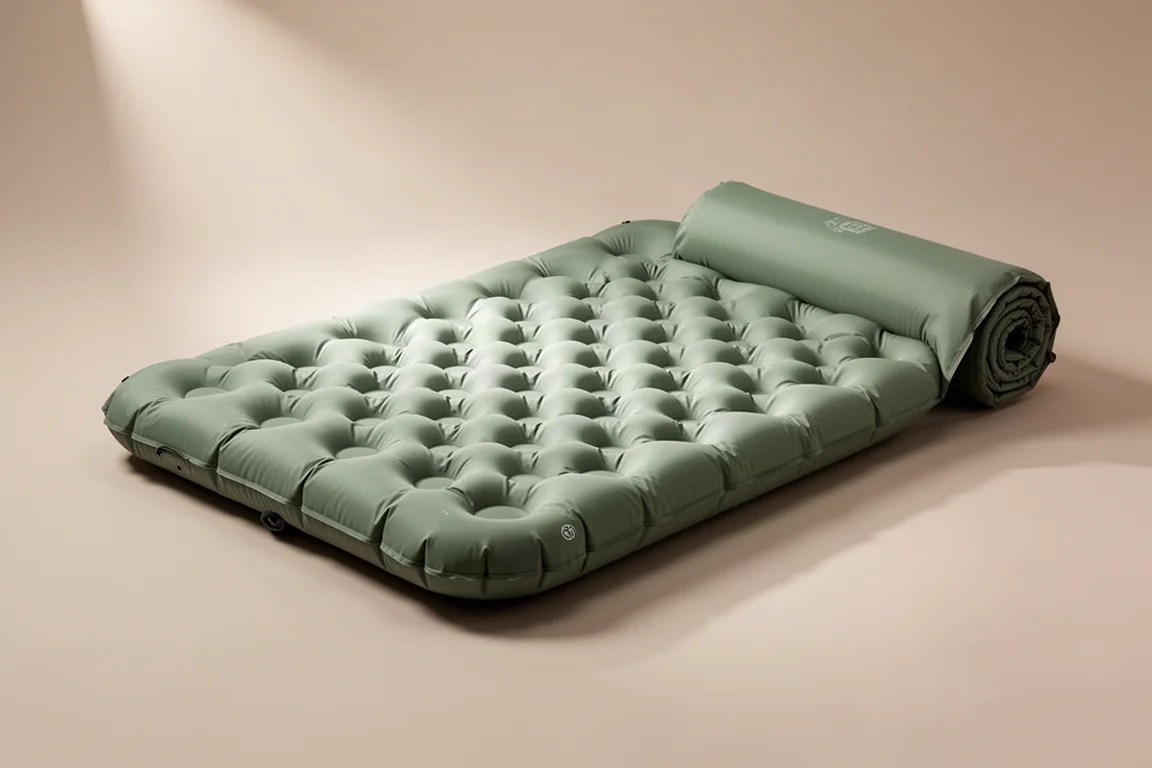
The Etherlight XR is the current version of the same pad, and it is lighter, slightly warmer, and more compact than the generation it replaces. The dimpled baffling is still there, along with the pressure relief that comes with it.
Two drawbacks are worth knowing before you buy. The shell has a rubbery feel and squeaks, particularly against certain tent floors, making it the noisiest pad in this group by a clear margin. Warmth is also mid-pack rather than class-leading. It stays comfortable to roughly freezing, which is a real limit for anyone planning trips in colder conditions.
Bestway Ridgelight
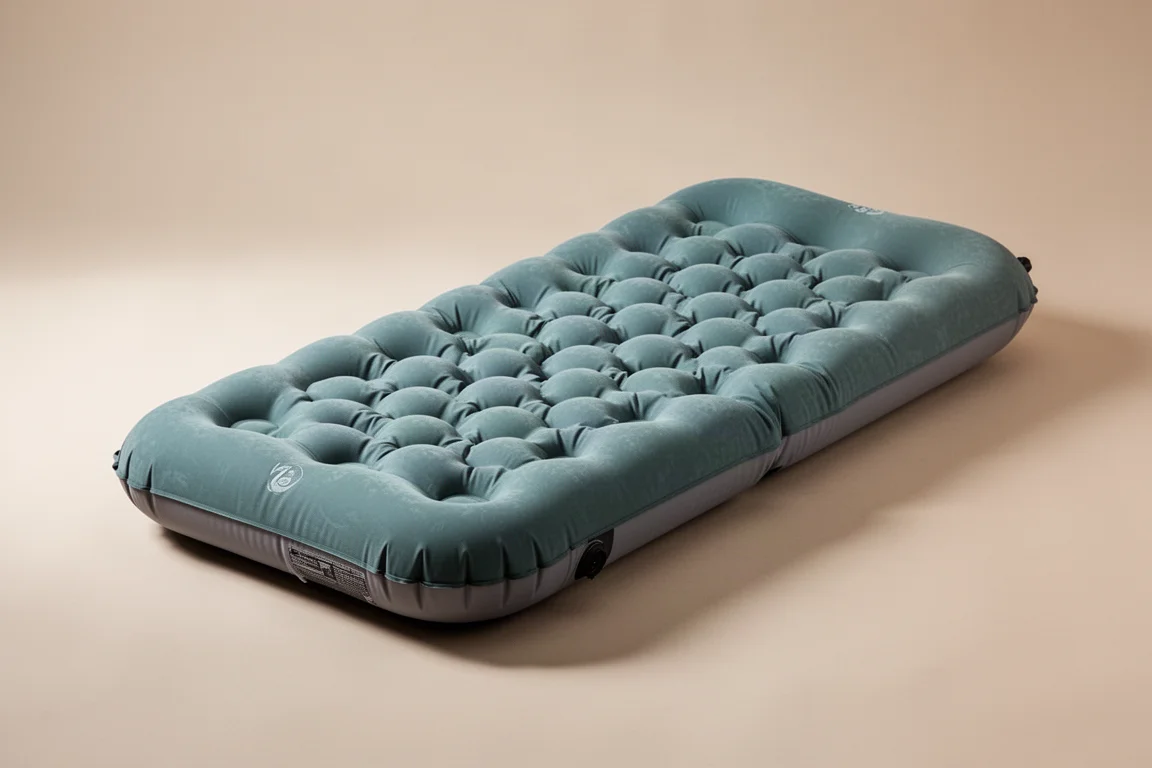
The Ridgelight is the least expensive pad here at around $40, and it shares a lot with the REI Helix: the same 700 g weight, the same overall shape, and the same dimpled baffling system. In use, the two feel equally comfortable. The dimpled pattern on this pad has more travel at each raised point than the Etherlight XT, which translates into a lot of pressure relief.
One design detail sets it apart from the Helix in a useful way. The valve sits on top of the pad, so you can add a little air or release some while you are still lying on it. Pads with a valve underneath are harder to fine-tune at night, and that small friction can noticeably affect how well you sleep.
The trade-off is thickness. This is a slim pad, and heavier sleepers, roughly over 200 to 220 lb, may bottom it out when lying on their side. At this price, though, it is one of the strongest value picks available.
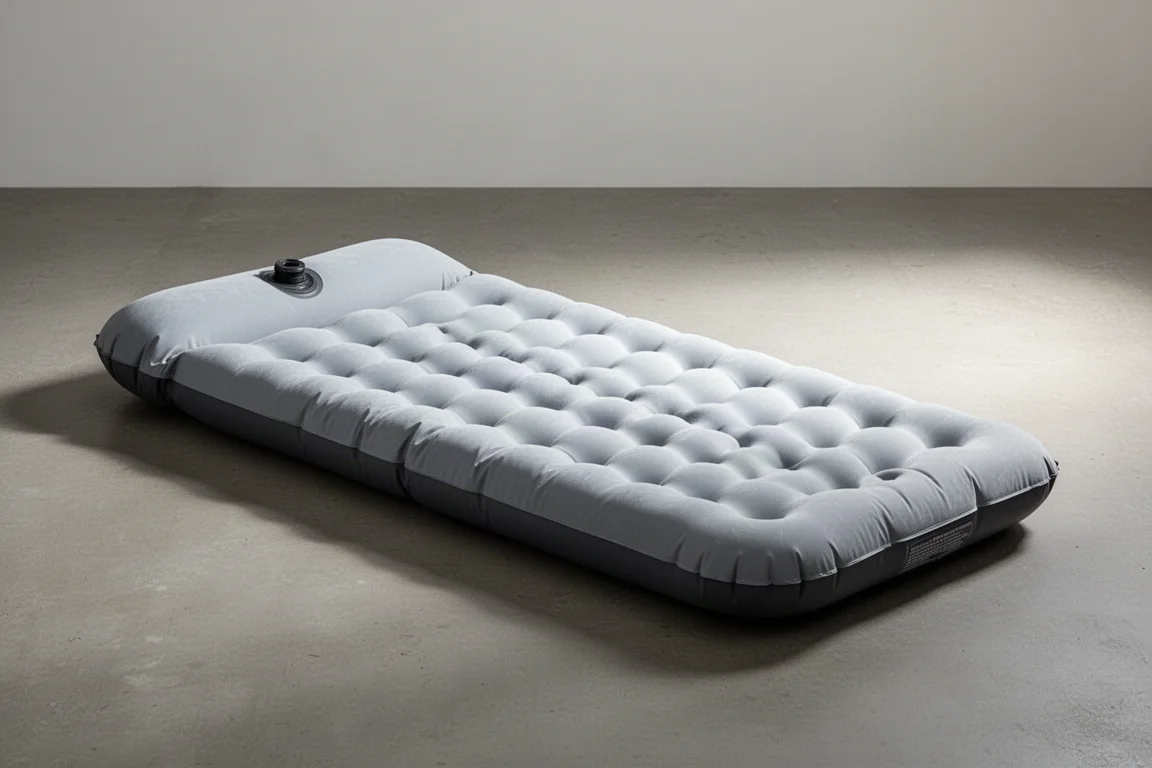
REI Helix
The Helix has been a dependable favourite for years, and it is the sensible alternative if the Ridgelight is hard to find. It weighs the same 700 g, uses a comparable dimpled baffling layout, and strikes a strong balance between comfort, weight, and price, especially when it goes on sale.
Like the Ridgelight, it is not a thick pad, so the same caveat applies to heavier sleepers who spend the night on their side. For lighter campers and anyone who wants one pad that handles most three-season trips, it remains an easy recommendation.
Nemo Fillo Elite
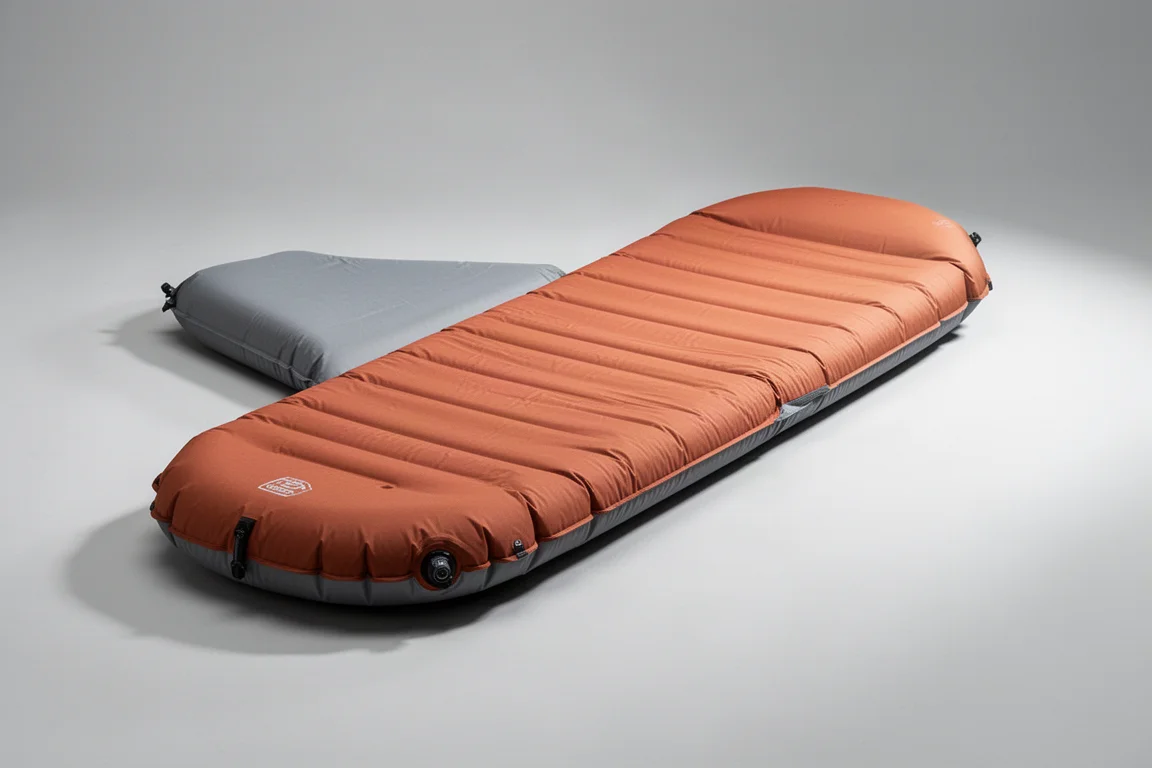
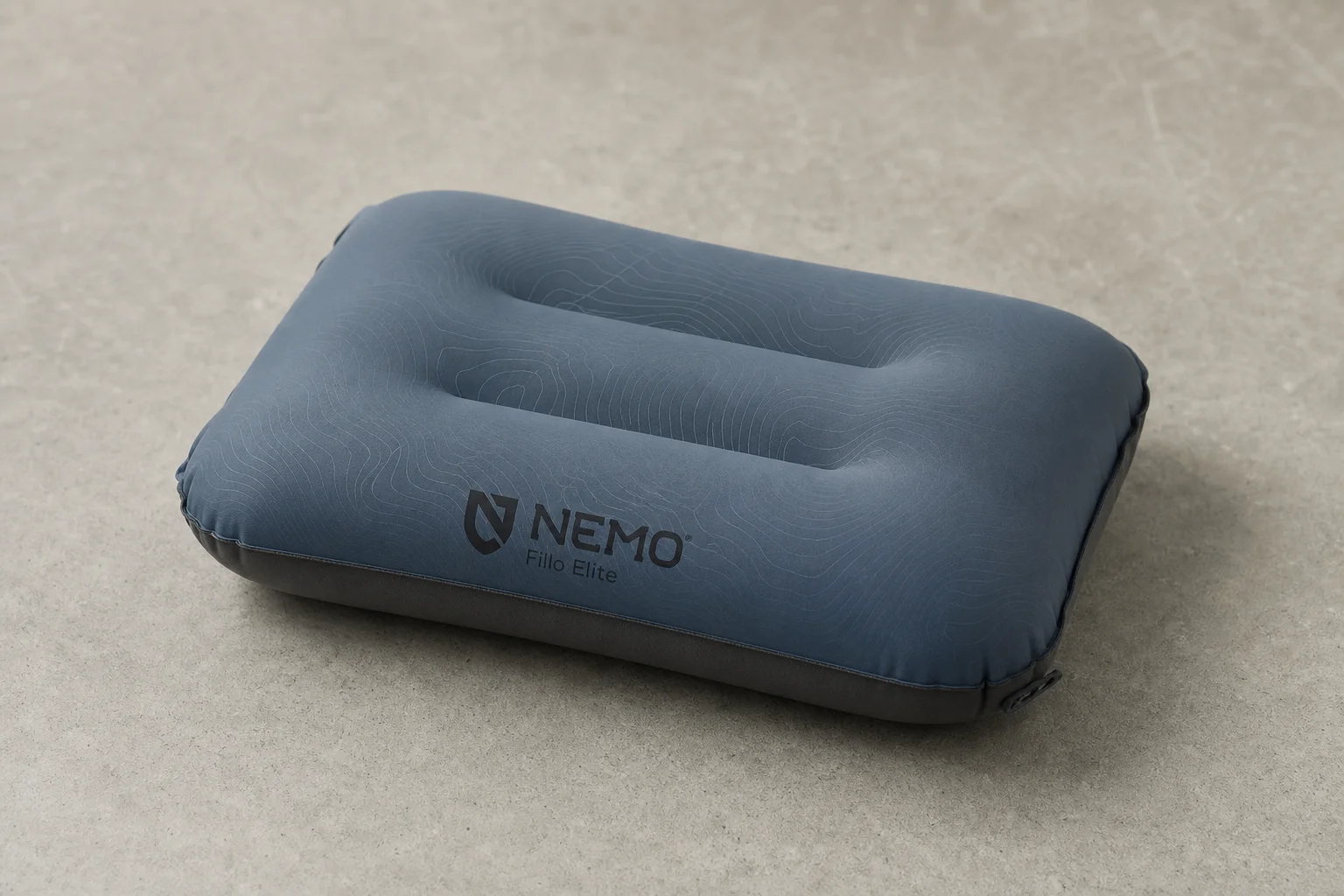
This pad has attracted a lot of attention, and the comfort story starts with thickness: it measures a full 4 inches. Nemo also introduced vertical baffles with a slight dimpled quality, which combines good pressure relief with stability that few pads can match. Deflate it slightly for a softer feel and it still does not behave like a balloon, and you can roll right up to the edge without feeling like you are about to slide off.
Part of that stability comes from the side tubes being slightly larger than the inner tubes, which keeps you centred and adds a gentle cradle effect. At 558 g it is also remarkably light for its size.
Warmth is the compromise. Despite a high R-value, it does not sleep as warm as that number suggests, and around -3 to -4 C is a realistic limit. The insulation uses two layers of reflective film and stops about halfway through the outer tubes, so the edges are cooler than the centre.
Exped Ultra 6.5R
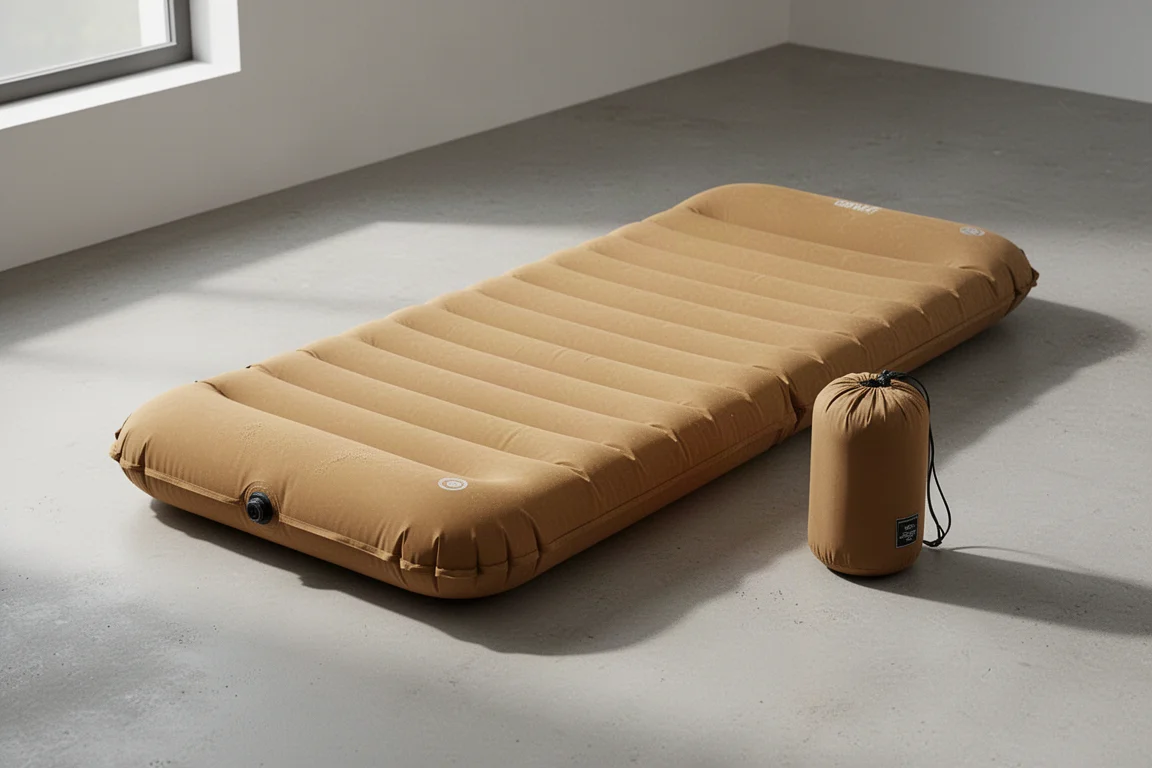
The Ultra 6.5R follows a similar formula to the Nemo pad, with vertical baffles for stability, but adds a softer and stretchier top material. That stretch is a meaningful comfort advantage, because it helps the surface give under pressure rather than pushing back. It is thinner than the Nemo pad, which matters if you like to deflate your pad significantly, but for most sleepers there is enough height.
Warmth is a step up as well, with a realistic limit of about -6 to -7 C. The 6.9 R-value suggests full winter capability, and it does not quite deliver that in practice.
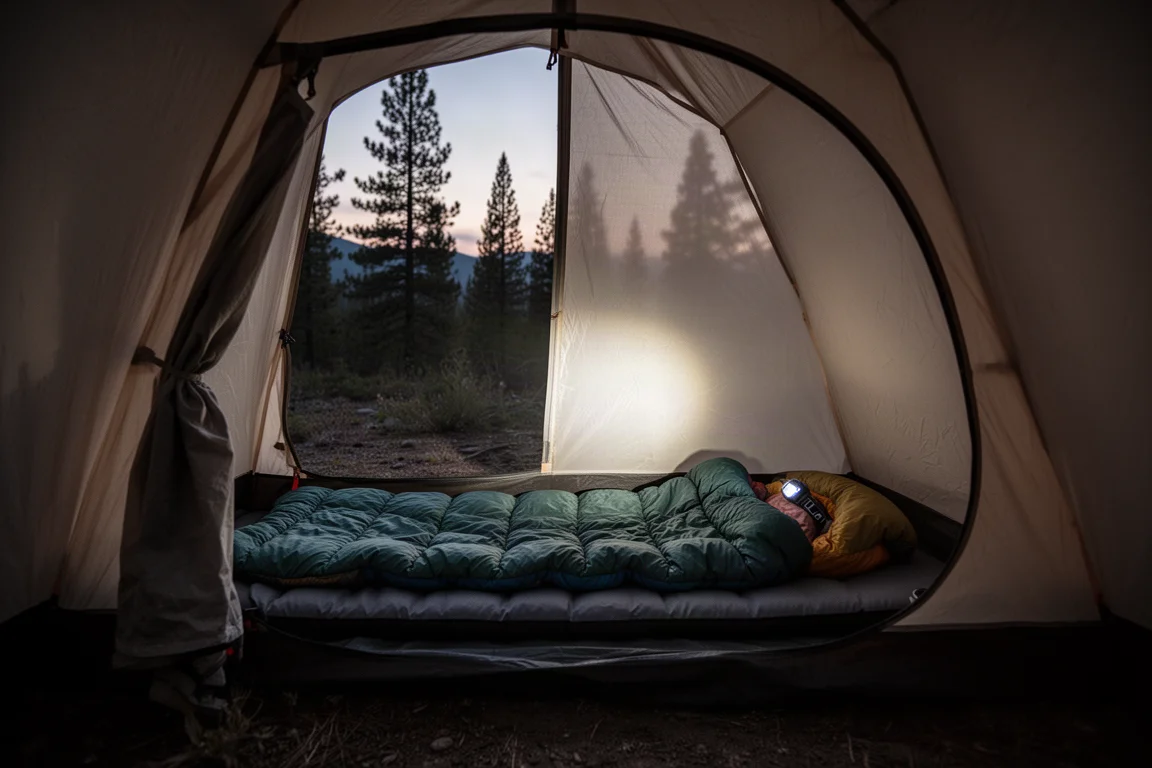
Two details are worth checking. The mummy-shaped version sleeps colder than the rectangular one because the insulation is applied differently and does not run the full length of every tube. Insulation implementation can also be uneven, with occasional gaps. Shining a light through the pad when it arrives is a quick way to confirm there are no large gaps, since those will make it sleep noticeably cold. It is also the lightest pad in this group in the medium wide size.
Zenbivy Flex
The Zenbivy Flex is the only pad here that combines dimpled baffling with a stretchy top material, and that combination is exactly why it stands out. The dimples handle pressure relief while the stretchy surface lets the pad conform, which is a strong pairing for lighter sleepers. For someone in that weight range, it may be the most comfortable pad in this entire group.
Two limitations hold it back. The dimples do not travel as much as those on the Bestway or REI pads, so pressure relief is a step behind the best in class. It is also one of the thinnest pads here, and a stretchy top means you sink further into the surface. Heavier sleepers, particularly over about 160 lb, are likely to bottom it out.
Therm-a-Rest NeoAir XLite
This is one of the earliest pads to go all-in on comfort while staying light enough to carry backpacking, and it set the template for the ultra comfort category. It is very thick, over 4 inches, and uses the stretchiest top material in this group. That surface softens the feel of the horizontal baffles underneath, which are otherwise a less comfortable layout than dimpled or vertical designs. Sidewall construction also adds stability at the edges.
The drawbacks are real. The horizontal baffling holds back overall comfort, and the pad can feel balloon-like once you let some air out, which is a genuinely divisive trait. Some sleepers find it the most comfortable pad they have used, others dislike it. Weight is the other issue, at over 800 g in a regular wide, roughly double some rivals. Try before you commit.
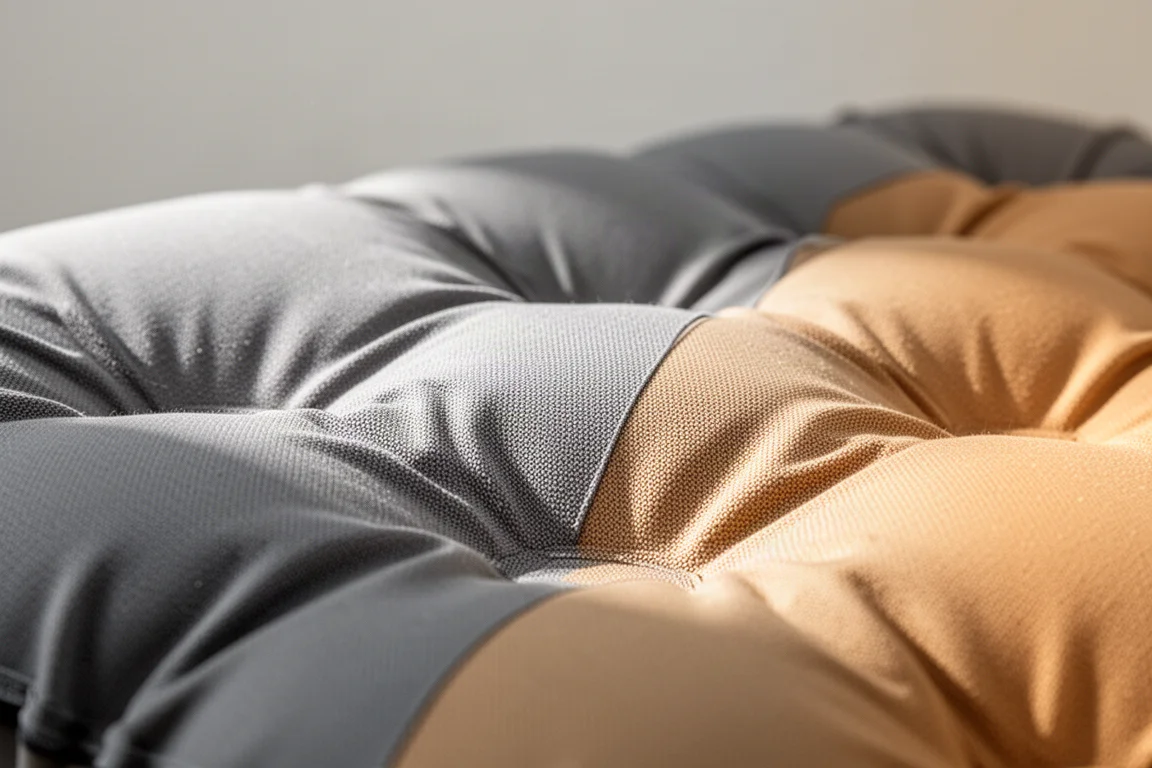
That combination of thickness and stretch makes it the strongest thick pad in this group, provided you are willing to carry the extra grams.
Exped MegaMat Ultra
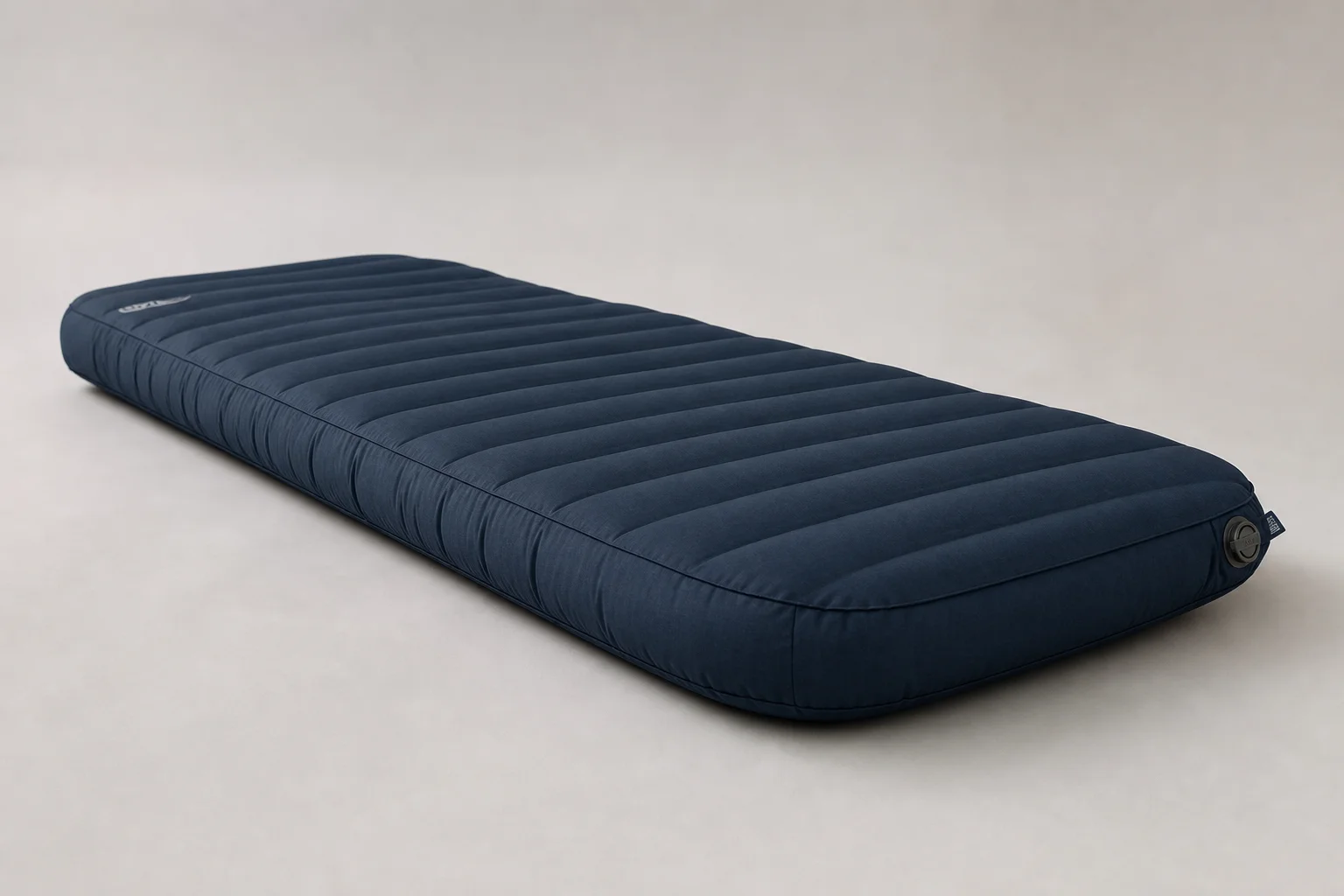
The MegaMat Ultra takes the soft, stretchy top material approach and pairs it with vertical baffles instead of horizontal ones, which makes it noticeably more stable and, as a result, more comfortable. It is very thick, uses sidewall construction, and comes in a 30 inch wide version, one of only two pads here that do. For anyone who wants a genuinely large sleeping surface, that option alone can make it the most comfortable choice available.
Stability is close to the Exped Ultra 6.5R and not far off the Nemo pad. The stretchy top is slightly less elastic than the NeoAir surface, but it is more than soft enough.
The compromise is weight and bulk. A regular wide comes in at 880 g, and the 30 inch wide version is over a kilogram, which drifts toward car camping territory.
Big Agnes Q-Core SL
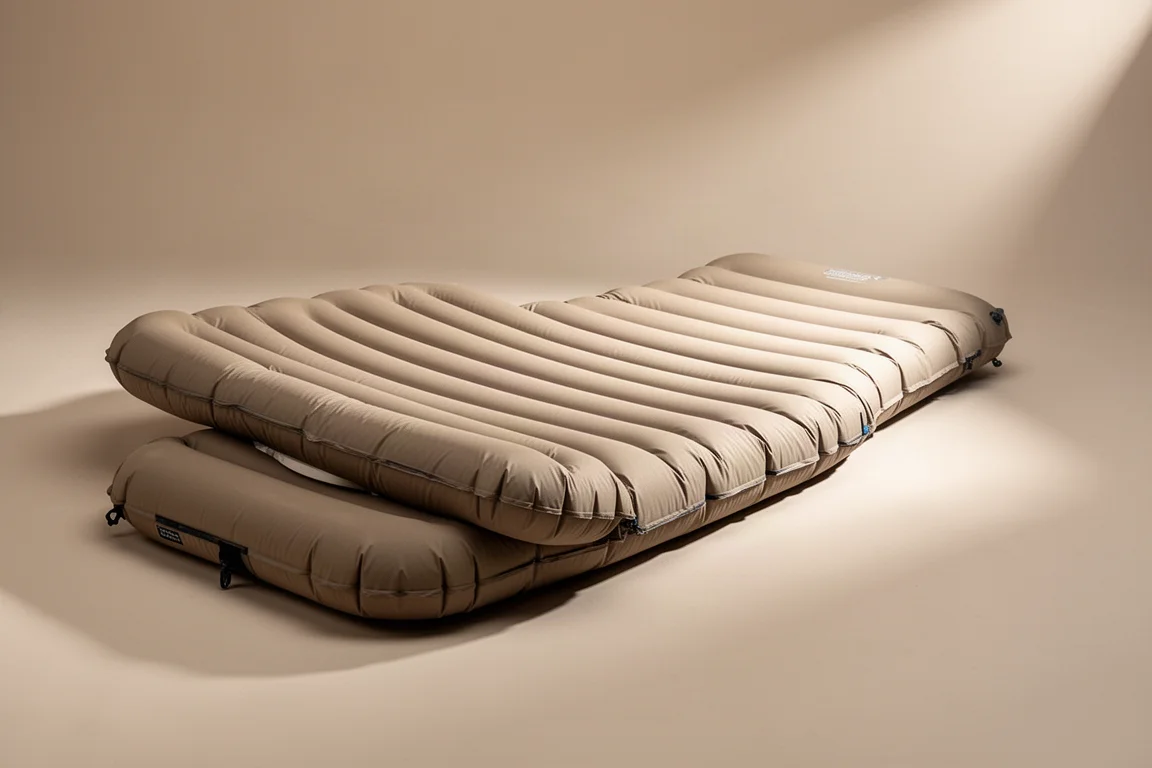
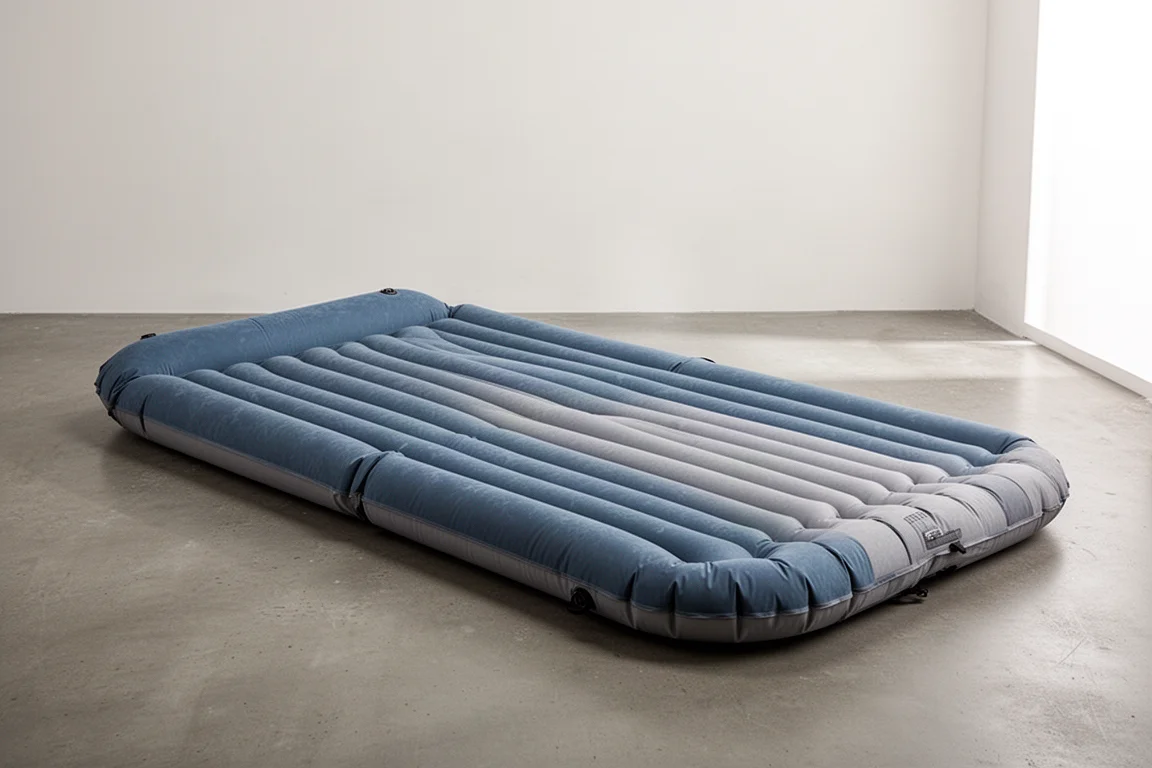
The Q-Core SL is the second pad here available in a 30 inch wide version, and in that size it is enormous. It uses vertical baffles with a slightly dimpled profile, more pronounced than the Nemo pad, and it is decently thick.
The problem is positioning. The MegaMat Ultra weighs less, is likely a little more comfortable, and matches it on width, which leaves the Q-Core SL without a category where it clearly wins. Its weight is the biggest concern, and it is heavy enough that most backpackers will look elsewhere.
Buying Advice
The scores behind these sections point to a few clear picks. For the best overall comfort, the Exped MegaMat Ultra took top marks in nearly every category, and weight was not counted against it. It is a reasonable 880 g in a regular wide and comes in a 30 inch wide variant that many sleepers will want. The Exped Ultra 6.5R finished a close second, earning top marks for warmth, stability, and softness along with strong pressure relief, and it is the lightest pad in the group. The Nemo Fillo Elite takes third, leading on stability and staying competitive everywhere else, which makes it a great all-rounder for anyone who wants something lighter and does not plan to camp in deep sub-freezing temperatures.
Beyond the podium, a few superlatives are useful. The best ultralight option is the Exped Ultra 6.5R, in the mummy version if you stay above freezing and the rectangular version if you do not. The best thick pad is the Therm-a-Rest NeoAir XLite. The best big mat is the Exped MegaMat Ultra, and the best affordable pad is the Bestway Ridgelight.
Matching the pad to the sleeper matters as much as the score. If you are over roughly 200 lb, the thinner pads here, including the Ridgelight, the Helix, and the Zenbivy Flex, are likely to bottom out on your side, so a thicker option is the safer buy. If warmth is the priority, the Ultra 6.5R and the MegaMat Ultra are the more reliable choices. If pack weight drives everything, the Ultra 6.5R is the obvious starting point.
Conclusion
Comfort in a sleeping pad is not one feature but a combination: pressure relief, thickness, warmth, stability, and how soft the surface feels. The dimpled baffling that started with the Etherlight XT is still a strong foundation, and the pads that layer a stretchy top material over a stable baffle layout are the ones that push comfort furthest.
Choose the MegaMat Ultra for maximum comfort, the Ultra 6.5R for the best all-round balance, the Nemo Fillo Elite for stability at a low weight, and the Bestway Ridgelight if the budget is tight. Whatever you pick, match it to your body weight and the temperatures you actually camp in, and you will sleep far better for it.
Further reading
Related Reviews
Sleeping Pads
Best Backpacking Sleeping Pads 2026: Nine Pads Rated on Price, Comfort, Warmth, and Weight
Nine backpacking sleeping pads compared on price, comfort, warmth, and weight, from a $65 summer pad to a year-round option rated at R-7.3.
Sleeping Pads
Best Backpacking Sleeping Pads: Comfort, Warmth, and Weight Compared
A practical comparison of the Nemo Quasar 3D, Therm-a-Rest NeoAir XTherm Max, and Big Agnes Rapide SL for backpackers choosing between comfort, warmth, and packed weight.
Sleeping Pads
Best Backpacking Sleeping Pads: Ultralight, Winter, Comfort and Budget Picks
A practical roundup of the sleeping pads that stand out for ultralight weight, winter warmth, pressure relief and value, plus three popular pads that fell short.