Sleeping Pads
Best Sleeping Pads for Backpacking: 7 Options Compared
Seven backpacking sleeping pads compared on weight, warmth, comfort, and price, including the best budget pick, the best cold-weather pad, and one to avoid.
Introduction
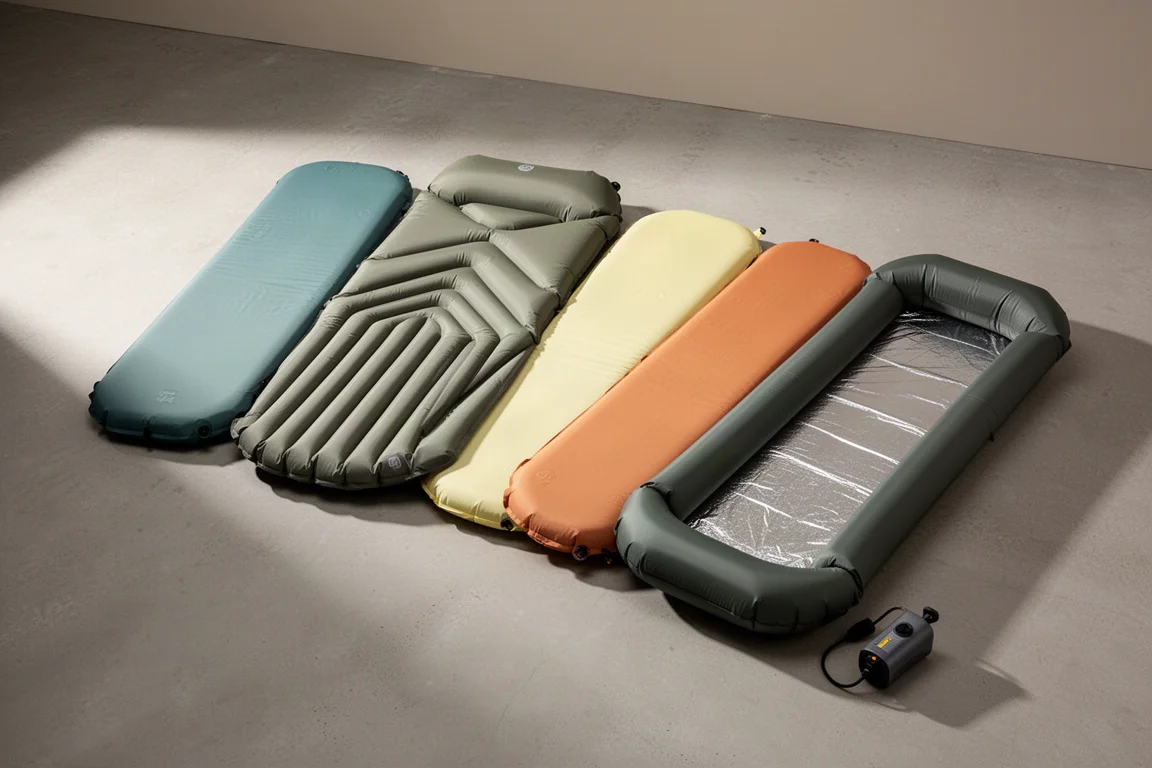
Choosing a sleeping pad usually comes down to three things: how much it weighs, how warm it keeps you, and how much it costs. The seven pads below cover that entire spread, from a budget option that costs under $100 to a pad built for sleeping directly on snow. Some are excellent all-rounders, one is genuinely hard to recommend for cold weather, and a couple sit close enough in performance that the final call comes down to personal preference.
Each section covers what the pad does well, where it falls short, and the kind of camper it suits best.
How These Sleeping Pads Were Evaluated
Every pad was judged on weight, function across seasons, warmth in real conditions, and price relative to what it delivers. R-value is the clearest single number to watch, because it describes how well a pad resists heat loss to the ground and therefore which seasons it can realistically handle.
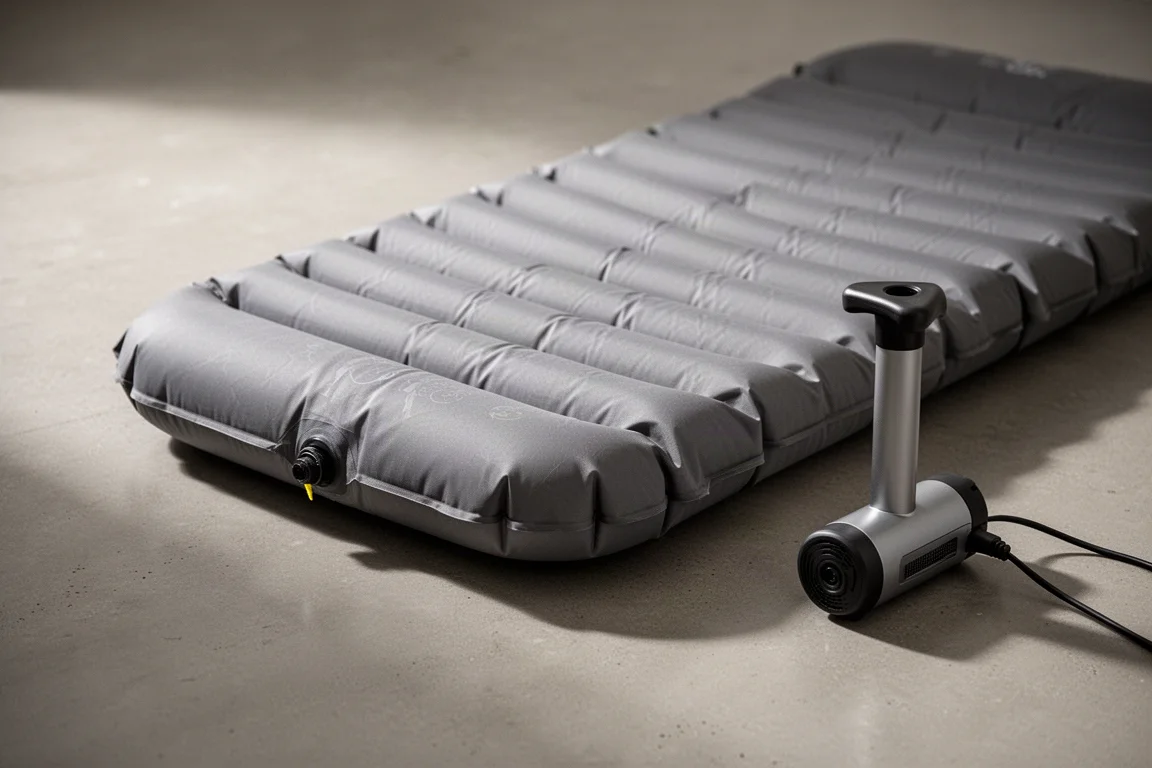
Packed size was weighed just as heavily as weight. A pad that sleeps warm but swallows most of a backpack changes how a trip feels, and a pad that packs small but leaves you cold at night is a false economy. Durability and comfort came into it too, since a pad that feels unstable or that punctures easily stops being a bargain very quickly.
Sea to Summit Ether Light XT Extreme: The One to Avoid
This pad is comfortable to lie on, and that is roughly where the praise ends. It failed in cold weather at around 20°F even with a foam pad underneath and the sleeper directly on snow, which should not happen with a pad in this class.
It also packs down to an enormous size, which makes it a poor fit for a loaded backpack. It is currently marketed as a backpacking pad, though it was previously described as a car camping pad, and the packed bulk supports that earlier framing far better.
Klymit Static V Insulated: Best Budget Option
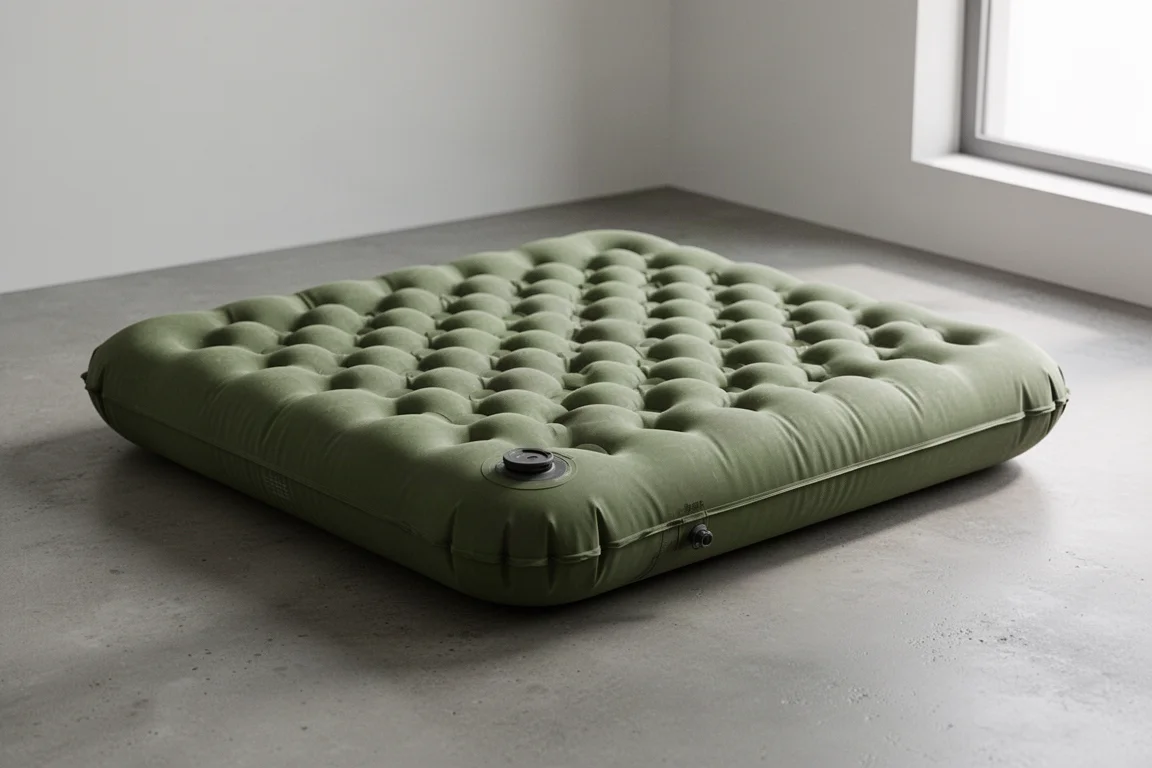
For anyone who wants a capable pad without spending much, this is the strongest value in the group. It carries an ASTM rating of 1.9, which makes it roughly a two-season pad, and it is a wide 23-inch design that costs under $100.
Comfort is reasonable for the price, and adding a closed-cell foam pad underneath extends its useful range into colder trips for very little extra money.
Therm-a-Rest UberLite: Best for Ultralight Backpacking
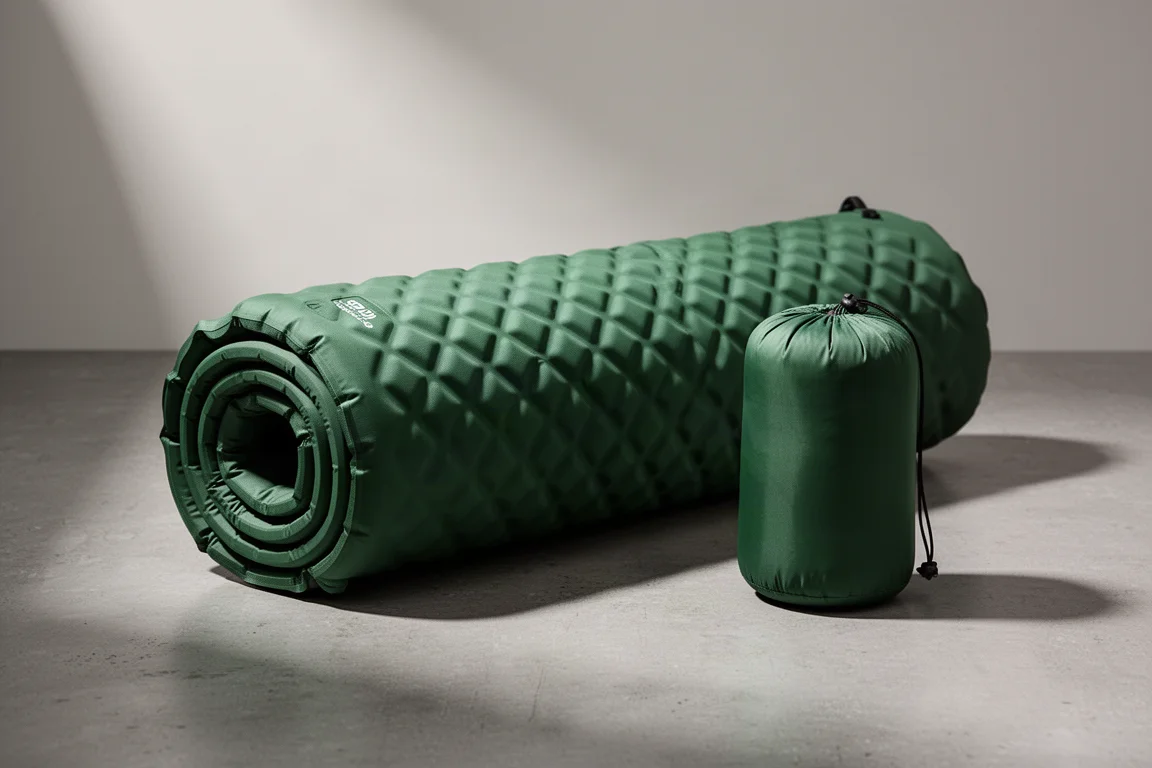
If the priority is the lowest possible weight, this is the pad to look at. It carries a 2.3 R-value, which places it in the fringe seasons, meaning early spring and late fall, where it should keep most sleepers warm enough.
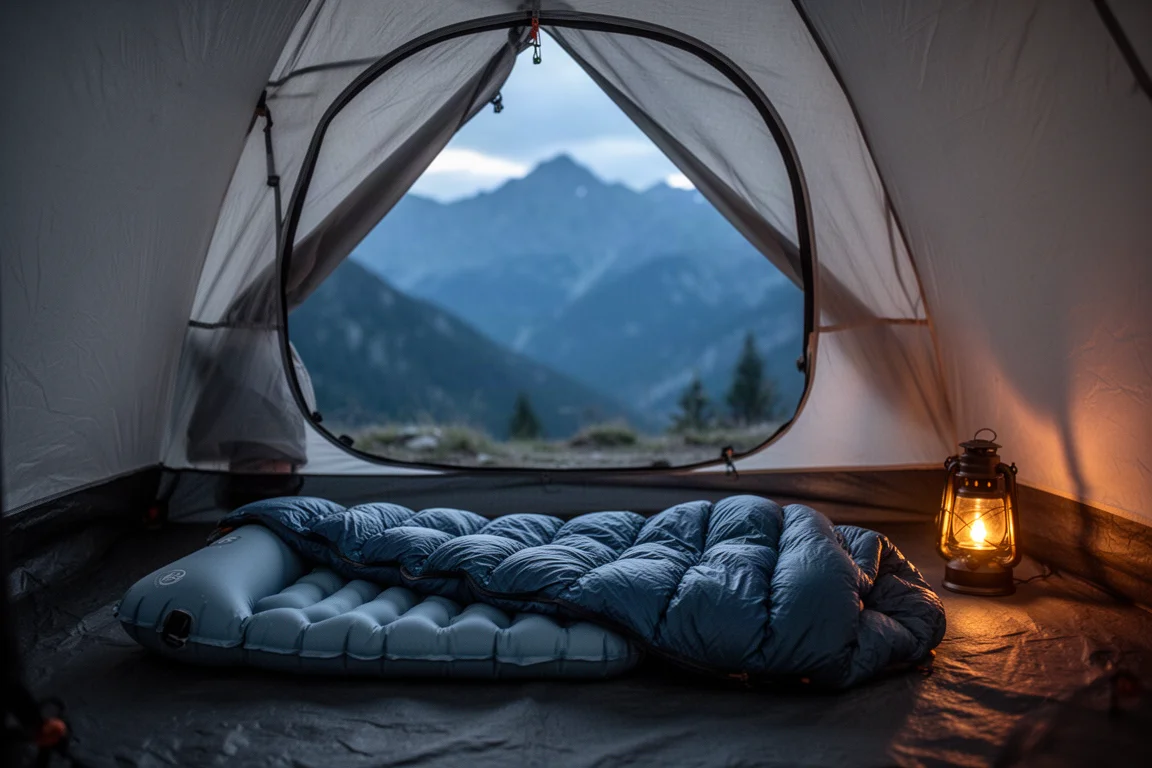
It is lightweight and comfortable, and it suits long-distance hikers who need to shave grams and are willing to accept a narrower comfort and warmth window in return. Lighter options exist elsewhere on the market, but this pad delivers the ultralight brief well and remains a genuine contender for that specific job.
Nemo Tensor Insulated: A Comfortable Near Four-Season Pad
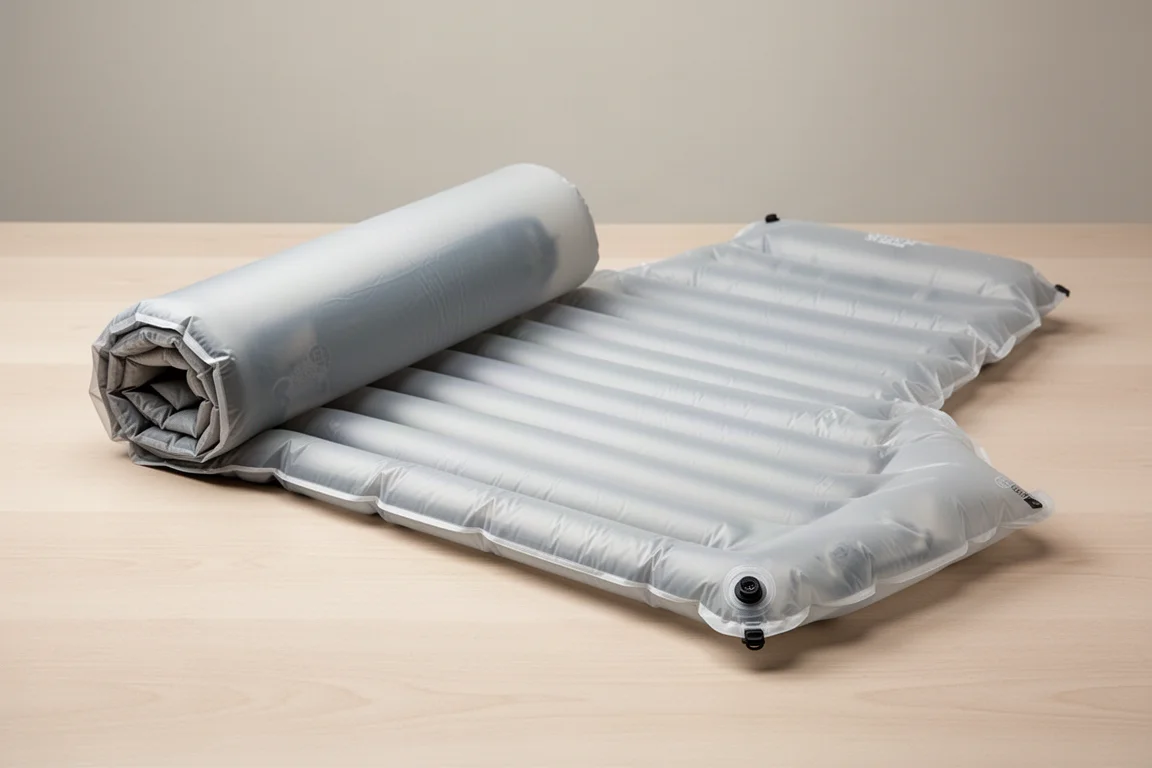
The updated version of this pad carries a 4.2 R-value, up from 3.5 previously, without changing how it looks, feels, or weighs. Side by side, the older and newer versions are hard to tell apart, and that jump in warmth rating moves it close to a genuine four-season pad.
It is an extremely comfortable pad and has proven itself across many nights of use. For campers who want one pad that covers most of the year in comfort, it belongs on the shortlist.
Big Agnes Q-Core SLX: Best Value Three-Season Pad
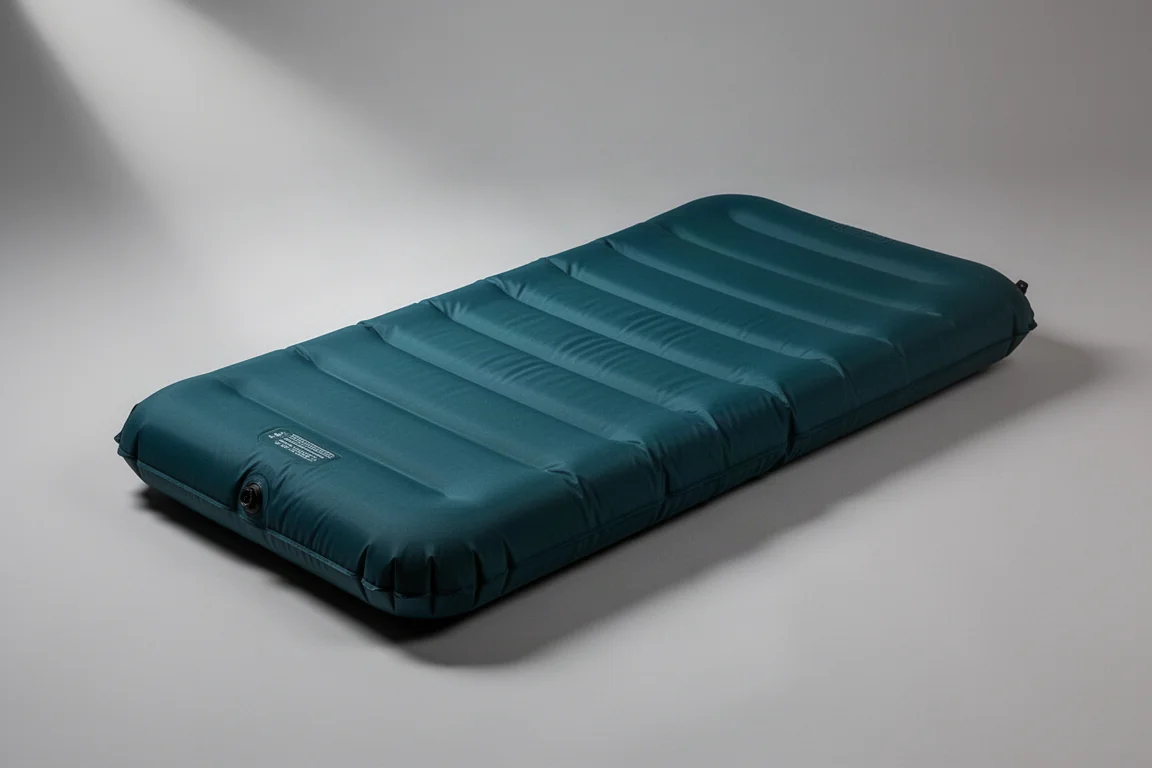
This is the pad to consider when comfort and price matter more than extreme cold performance. Its 3.2 R-value is enough to take it down to around freezing, and it is a notably thick pad that sleeps generously for its class.
At around $120 on sale, it is one of the better buys available right now, and that pricing makes it an easy recommendation for three-season trips.
Where bulk and gram counting are not the main constraints, it delivers a lot of sleeping comfort for the money and makes a sensible first serious pad.
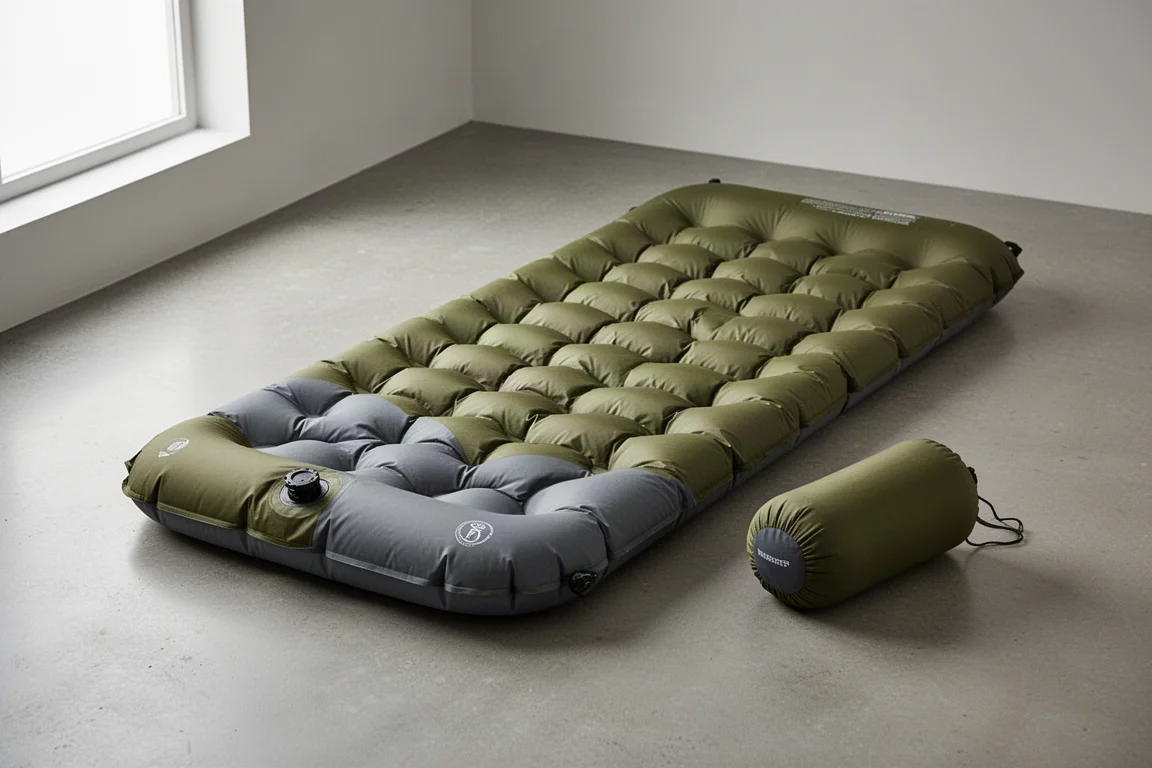
Big Agnes Rapide SL: Comfort With More Warmth
This pad is closely related to the Q-Core SLX, and the main difference is a higher R-value of about 4.5. That places it directly against the Nemo Tensor Insulated, which shares a similar warmth rating, weight, and size.
The Rapide SL is thicker, and the raised side edges help it feel wider than its measurements suggest by holding the sleeper in place through the night. For anyone who wants more comfort than the Nemo offers in the same warmth class, this is the natural step up.
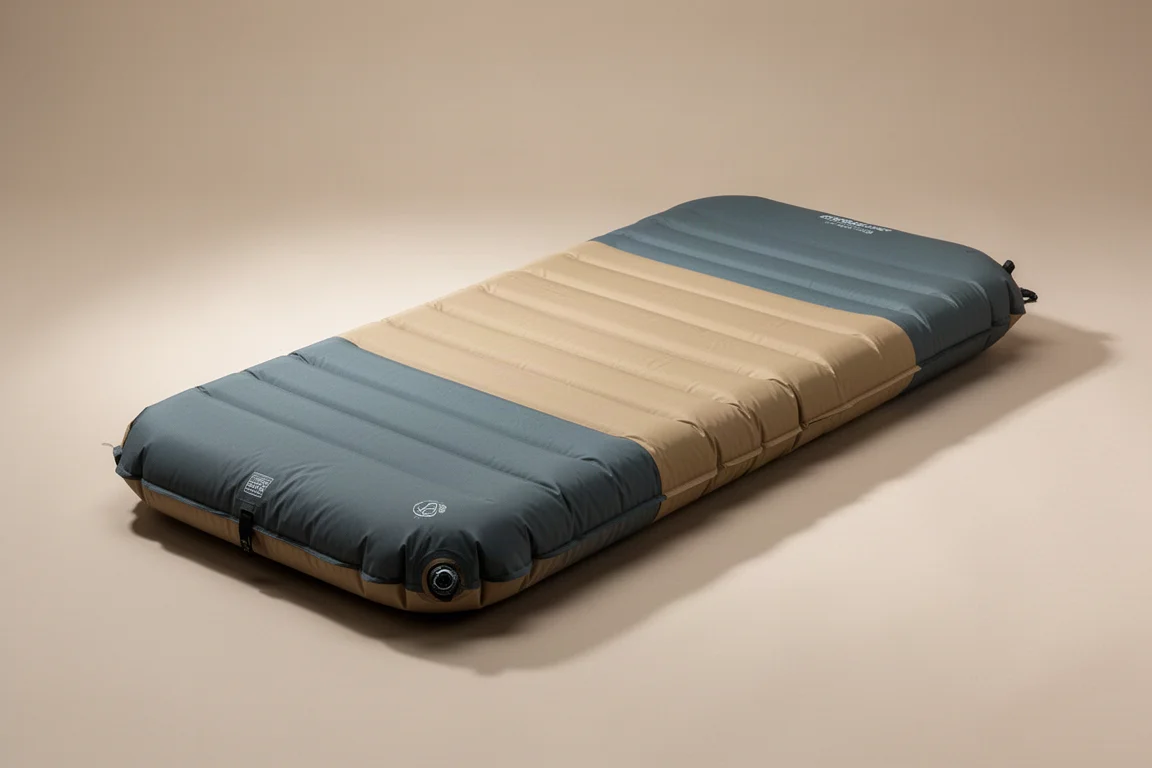
Therm-a-Rest NeoAir XTherm: Best Overall for Cold Weather
With a 6.9 R-value, this pad offers the best warmth-to-weight balance of any pad in this group. It has been used in genuinely cold conditions directly on snow and stayed warm, and because it is so light it can realistically serve as a single pad across all four seasons.
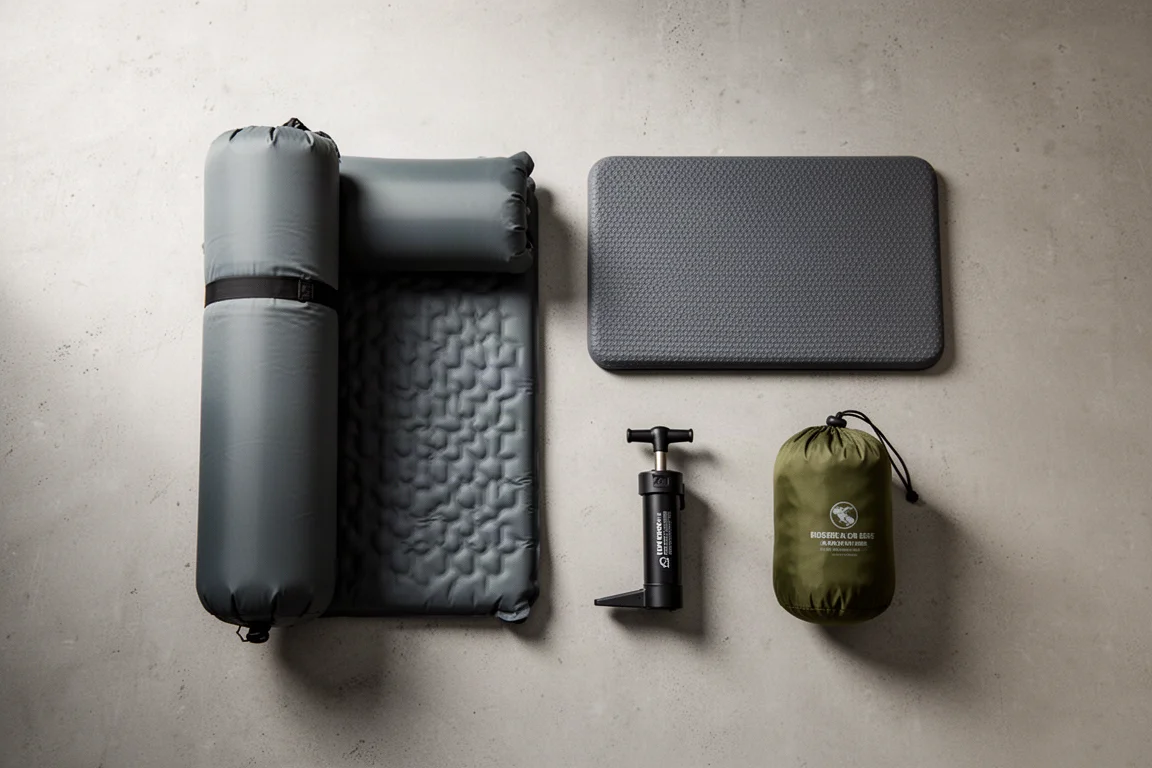
The nylon face uses a thicker denier, which makes the pad notably durable and tolerant of rough handling without punctures. It is not as plush as the comfort-focused options above, but for what it is, the sleeping experience holds up well, and for cold-weather camping it is the safest choice here.
Buying Advice
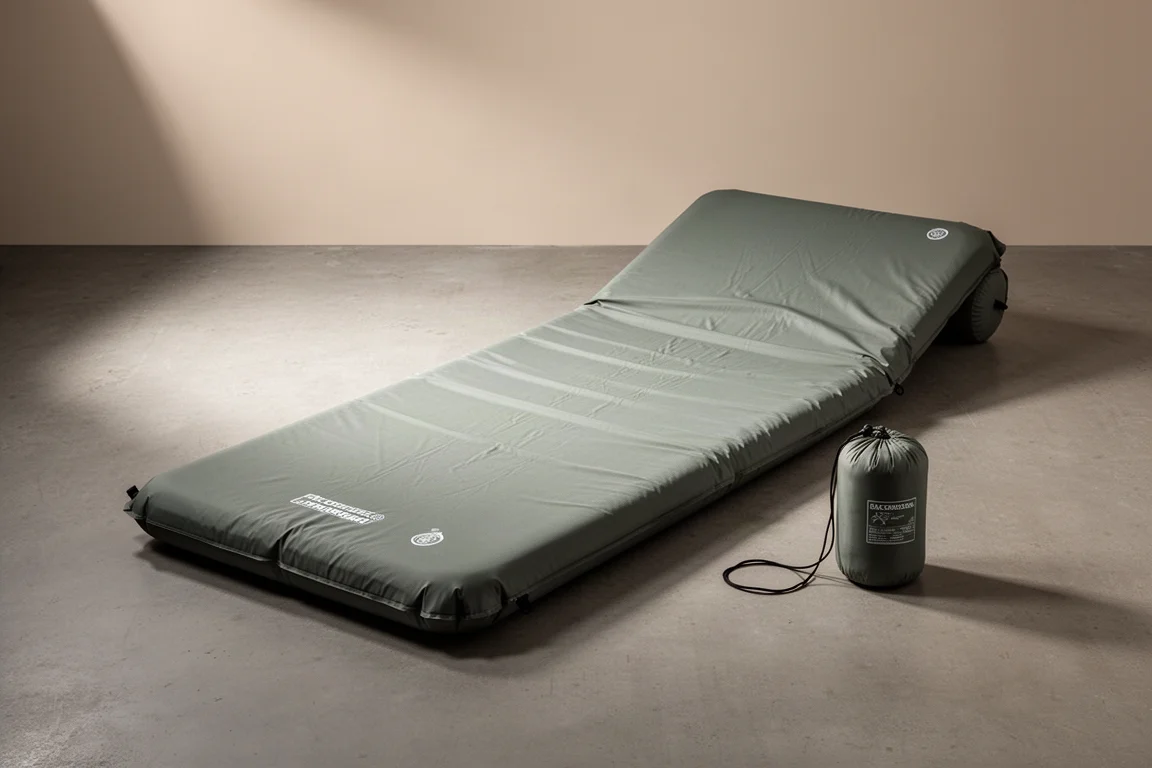
Match the pad to the conditions you actually camp in rather than the ones you imagine. A budget pad rated around 1.9 covers summer and mild shoulder-season nights, especially with a foam layer underneath. A pad between roughly 3.2 and 4.5 covers three seasons and light freezing conditions. If you camp on snow, a pad rated near 6.9 is the safer and more versatile answer.
Packed size deserves as much attention as weight. A warm pad that fills most of a pack can disrupt a trip more than a slightly heavier pad that rolls down small. Durability matters too, particularly for anyone who camps on rough ground or packs a shelter without a groundsheet.
If only one pad has to cover everything, the Therm-a-Rest NeoAir XTherm is the most versatile of the group for cold weather, while the Big Agnes Rapide SL is the more comfortable alternative for campers who rarely sleep in deep winter.
Conclusion
The right pad is the one that matches your seasons and your budget. The Klymit Static V Insulated is the best value for warm-weather camping, the Big Agnes Q-Core SLX is the comfort pick at a strong sale price, the Nemo Tensor Insulated and Big Agnes Rapide SL split the difference for near four-season use, and the Therm-a-Rest NeoAir XTherm is the pad to choose when cold weather and low weight both matter. The Sea to Summit Ether Light XT Extreme is best left on the shelf unless comfort alone is your only criterion.
Further reading
Related Reviews
Sleeping Pads
Best Backpacking Sleeping Pads 2026: Nine Pads Rated on Price, Comfort, Warmth, and Weight
Nine backpacking sleeping pads compared on price, comfort, warmth, and weight, from a $65 summer pad to a year-round option rated at R-7.3.
Sleeping Pads
Best Backpacking Sleeping Pads: Comfort, Warmth, and Weight Compared
A practical comparison of the Nemo Quasar 3D, Therm-a-Rest NeoAir XTherm Max, and Big Agnes Rapide SL for backpackers choosing between comfort, warmth, and packed weight.
Sleeping Pads
Best Backpacking Sleeping Pads: Ultralight, Winter, Comfort and Budget Picks
A practical roundup of the sleeping pads that stand out for ultralight weight, winter warmth, pressure relief and value, plus three popular pads that fell short.