Sleeping Bags
Best Sleeping Bags for Backpacking: Six Down Bags Worth Considering
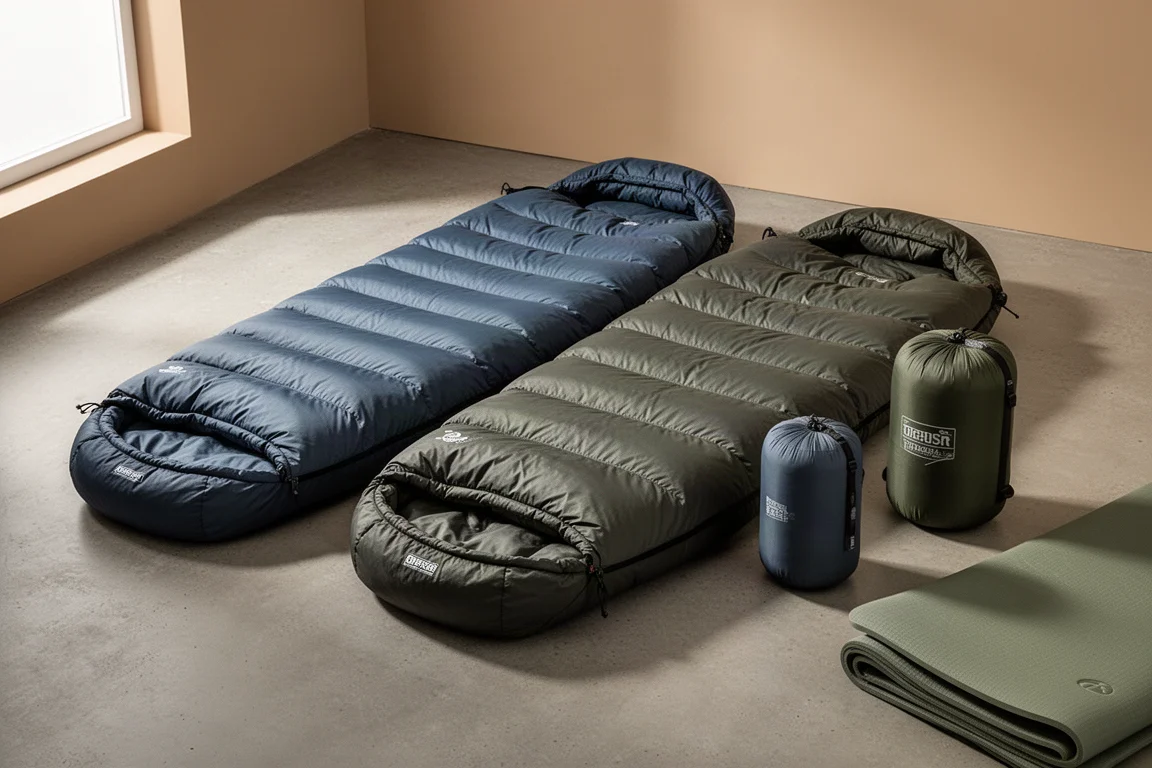
Six down sleeping bags for backpacking, from a made-in-the-USA bag built to last to a budget pick that still uses down fill.
Introduction
A sleeping bag is one of the few pieces of backpacking gear that has to work every single night, and it is also one of the most personal purchases you will make. Temperature rating, fill power, interior room and packed size all interact with each other, and the right balance depends on where you sleep and how you sleep.
The six bags below span a wide range, from a made-in-the-USA bag that is built to be the last one you buy, down to a budget option that still uses down fill. Each one is a genuine sleeping bag rather than a quilt or a multi-piece sleep system, and each one earns its place for a specific kind of camper.
How These Sleeping Bags Were Evaluated
Four things matter most when choosing a backpacking sleeping bag.
Temperature rating comes first. A 20°F bag is a sensible target for three-season backpacking, because higher-elevation camps can get genuinely cold even in the warmer months. Ratings are not always expressed the same way: some brands publish a limit rating, which is roughly where you start to feel cold, while others publish a comfort rating, which is closer to the temperature where an average sleeper stays warm. Knowing which number a brand is quoting makes comparisons far more useful.
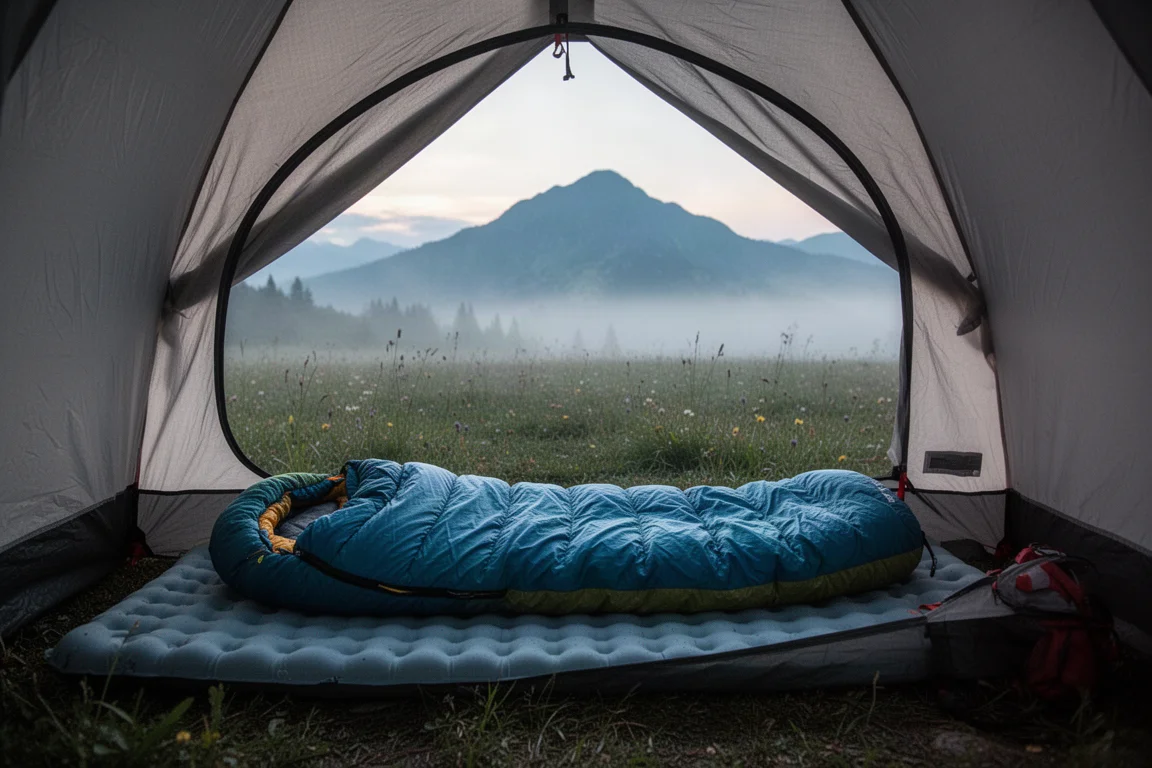
Fill comes next. Down bags pack smaller and lighter than synthetic bags of comparable warmth, which is why every pick here uses down. Fill power describes how much loft the down provides per ounce, so higher numbers mean more warmth for less weight. Sourcing matters as well, and several of the bags covered here use RDS certified down.
Interior room is the third factor. A bag that feels constricting is hard to sleep in, so a slightly wider cut with enough space to roll from side to side is often worth more than a few grams saved. Packability is the final piece, and it decides whether a bag actually comes with you. High-fill down compresses small enough to disappear into almost any backpack.
Western Mountaineering Versalite: Built for the Long Haul
The Versalite is made in the United States and sits at the top of this list on price, at over $600. It carries a 10°F published rating, which in practice means most sleepers will be comfortable down to around 20°F, and that covers the vast majority of three-season backpacking trips.
The fill is listed as 850+ down, with the brand noting that the down used is almost always above 900 fill. The result is a bag that is extremely light for the warmth it provides. Loft is generous, the cut is wide enough to roll around in without feeling trapped, and the zipper glides without catching thanks to taped backing on both sides of the coil.
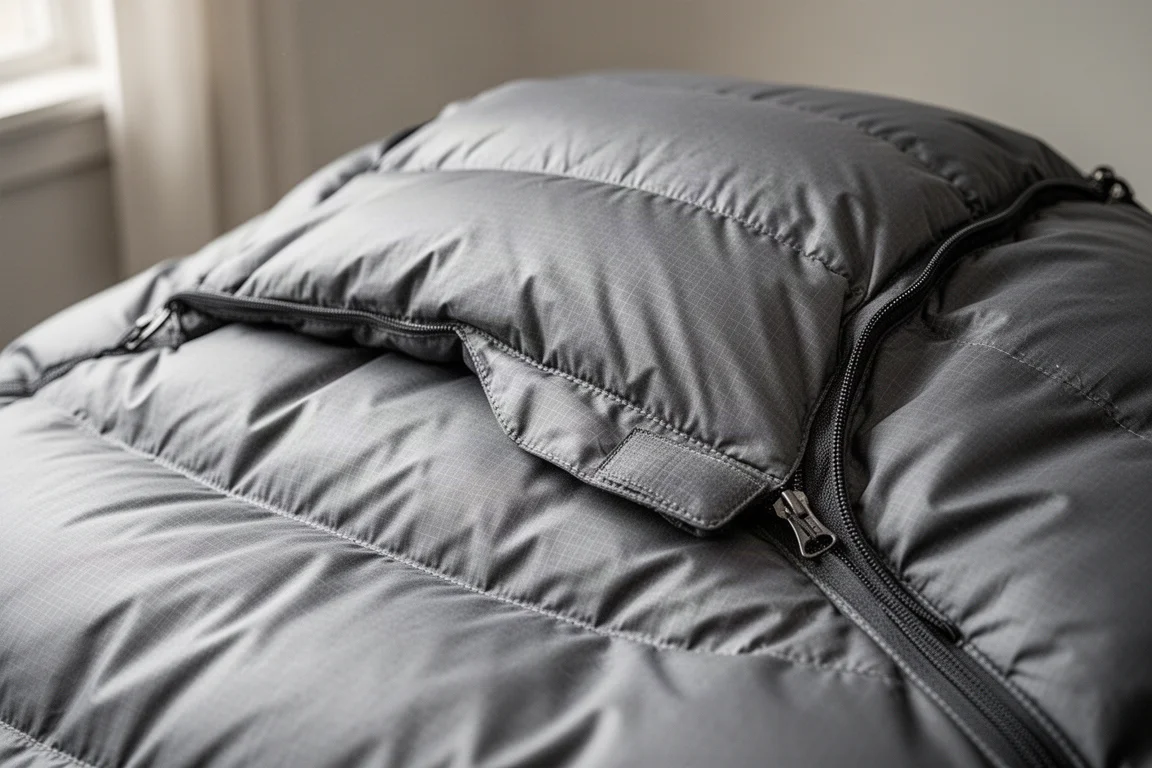
The hood cinches down to a small opening around the face, and the foot box holds warmth well. A large draft collar seals the shoulders, though anyone who dislikes feeling closed in may find it cumbersome. The one recurring annoyance is a small flap intended to fasten with velcro, which tends to end up in the way during the night.
Materials and stitching are excellent throughout, and each bag is signed by the person who sewed it. This is the pick for someone who knows they will backpack often and would rather buy once.
Western Mountaineering AlpinLite: Nearly Identical, Slightly Less Fill
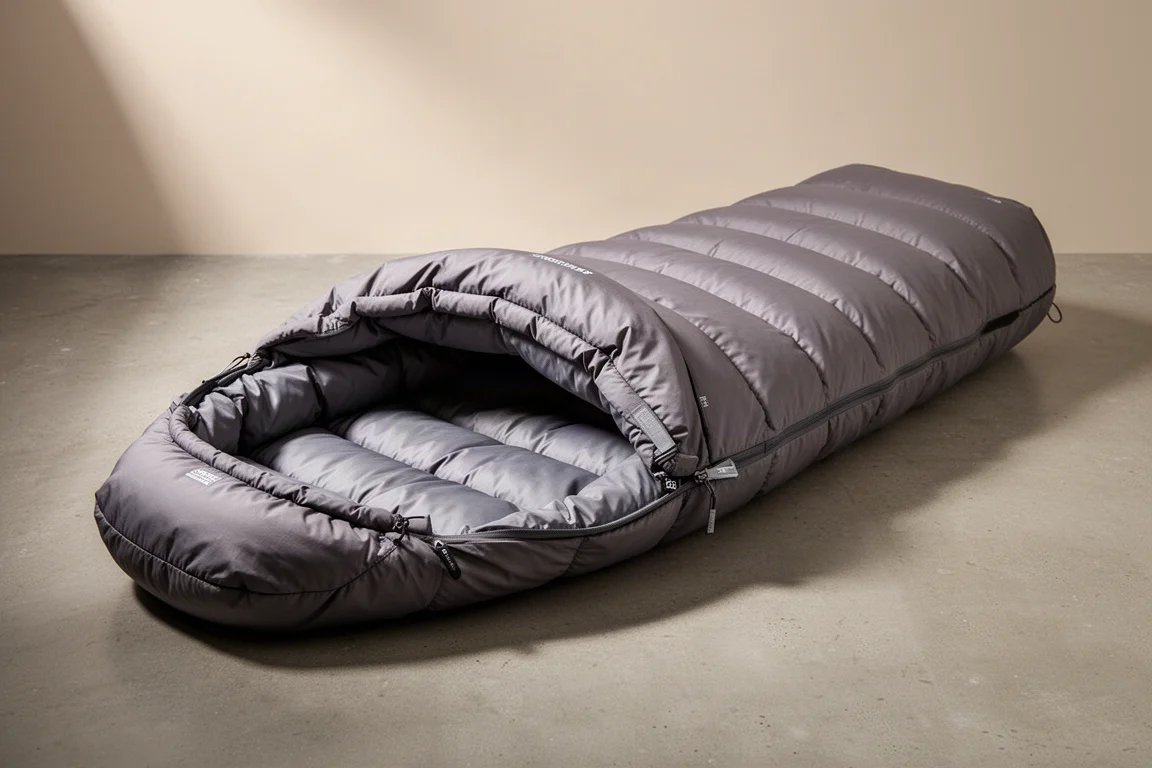
The AlpinLite shares its construction with the Versalite almost entirely. The hood, draft collar, zipper, foot box and overall cut are the same, and the difference comes down to a slightly lower down fill. It is rated to 20°F and stays comfortable at that temperature.
Because the fill is lower, the standard AlpinLite runs a touch cooler than the Versalite, though not by much. Everything else that makes the Versalite appealing carries over, including the snag-free zipper and the warm, well-shaped foot box. The colour differs, and so does the signature of the person who made the bag.
The price is lower than the Versalite, but not dramatically so. If the gap is small at the point of purchase, the decision comes down to whether the extra fill in the Versalite is worth the premium for the temperatures you actually camp in. Both bags come from the same workshop and the same standard of construction.
Therm-a-Rest Hyperion 20: The Warmth-to-Weight Benchmark
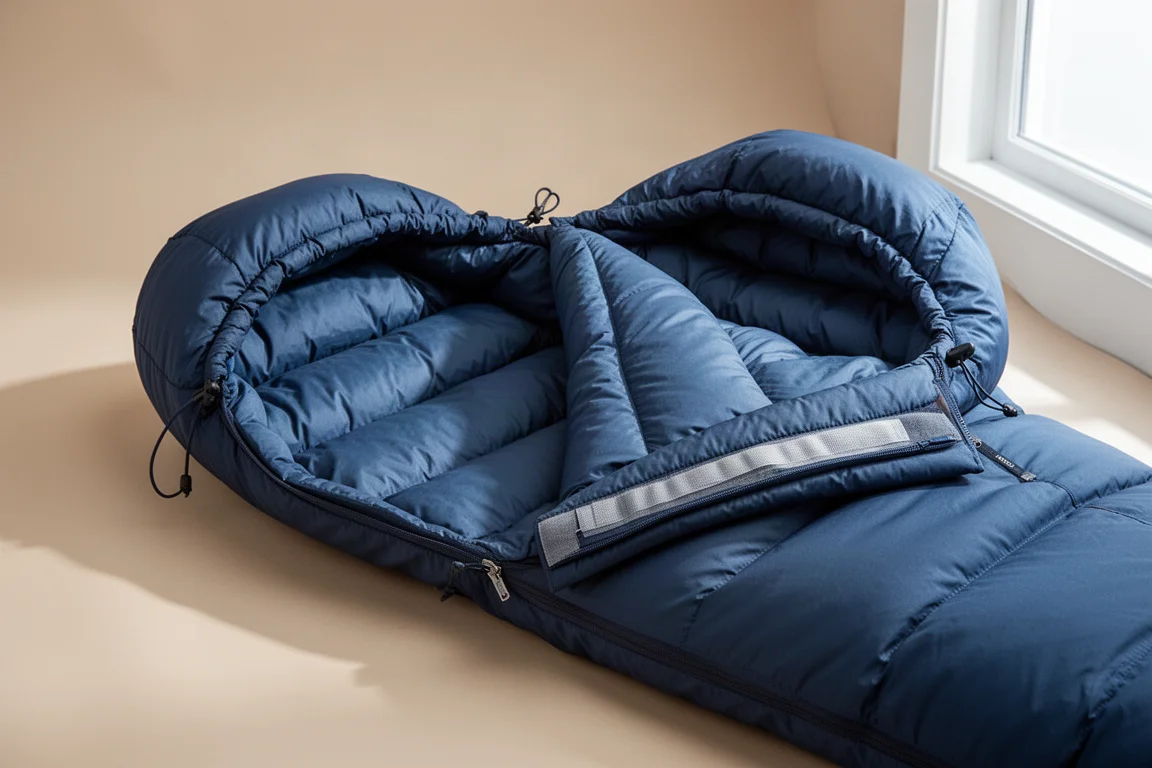
The Hyperion 20 is comfort rated at 32°F, which is worth reading carefully: this is not a bag that will keep most sleepers warm at 20°F on its own. In practice it has been used comfortably in the high 20s in dry, low-humidity cold, where it stayed warm throughout the night.
What makes it remarkable is how little it weighs for the warmth it delivers. The fill is 900 down, and the total weight lands at roughly 20 ounces, a striking figure for a bag with this much loft. It also compresses down to about the size of a water bottle.
That performance comes with trade-offs. The shell fabric is thin and rewards careful handling. The zipper runs only partway down the side rather than the full length, so you can vent at the torso but not at the feet. The back of the bag carries less insulation than the top, which means it works best when it stays on top of you, and the included pad straps help hold it in place. The hood cinches down and buttons rather than using a draft collar, and the angled toe box keeps your feet from pressing against the end of the bag.
For ultralight backpackers who mostly sleep in warmer or drier conditions, few bags match this combination of weight and warmth.
Big Agnes Torchlight UL: Adjustable Width for Different Sleepers
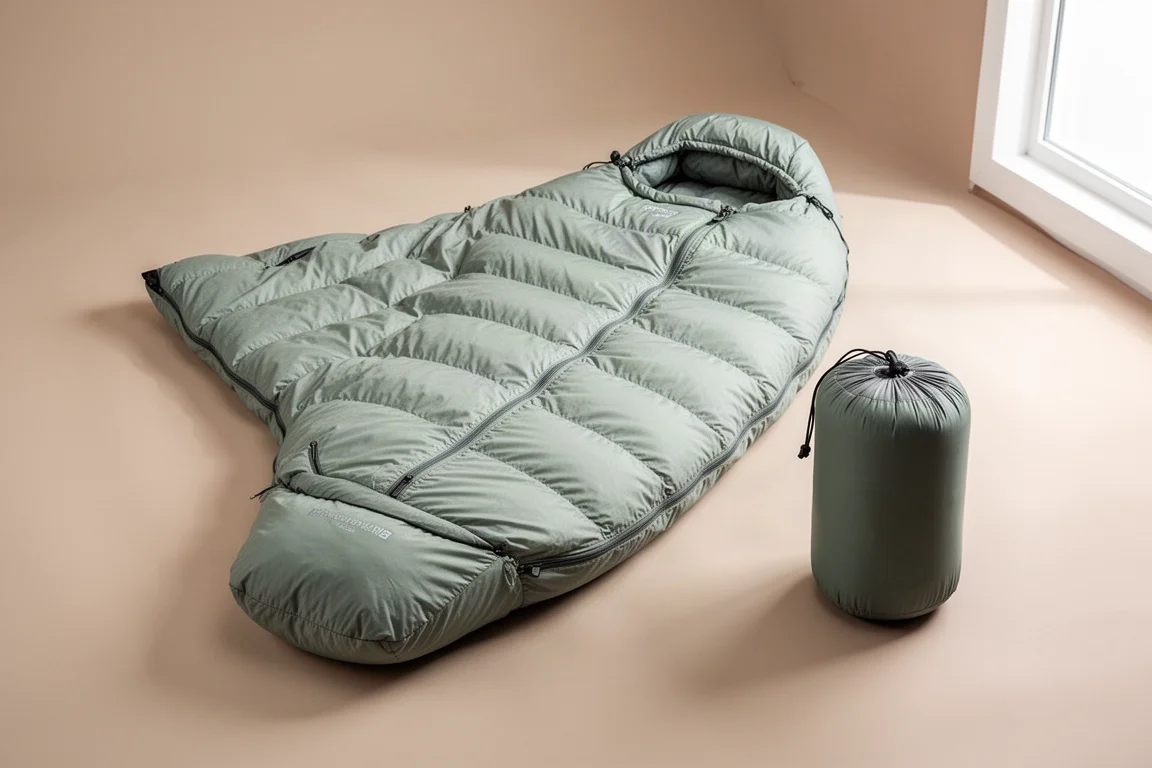
The Torchlight UL answers a problem most bags ignore: not everyone fits the same cut. Expansion zippers let the bag widen or narrow, so it works for a larger sleeper who needs more room and for a smaller sleeper who would otherwise rattle around inside it.
That adjustability costs a little weight, since the extra zippers add material, and the bag is rated to about 32°F. If you have struggled to find a mummy bag that fits your body shape, this is the one to look at first.
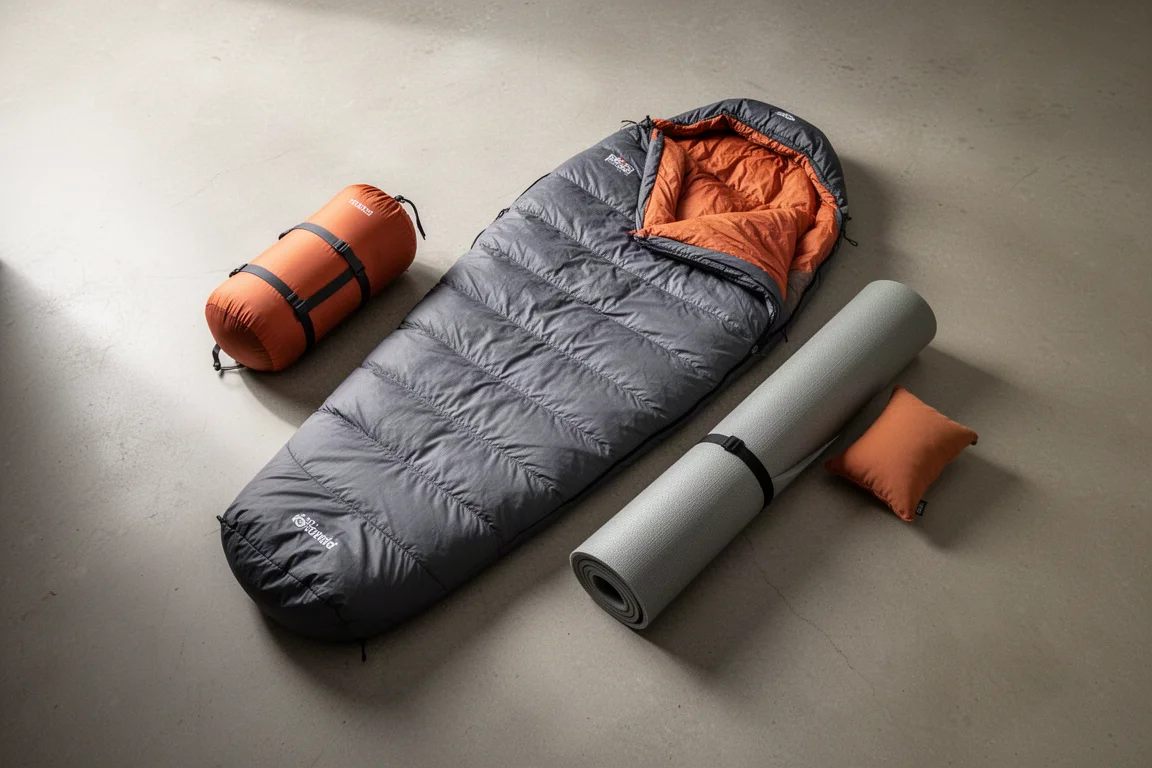
The trade-off is straightforward. You carry slightly more weight in exchange for a bag that adapts to you rather than the other way around.
Big Agnes Sidewinder: Shaped for Side Sleepers
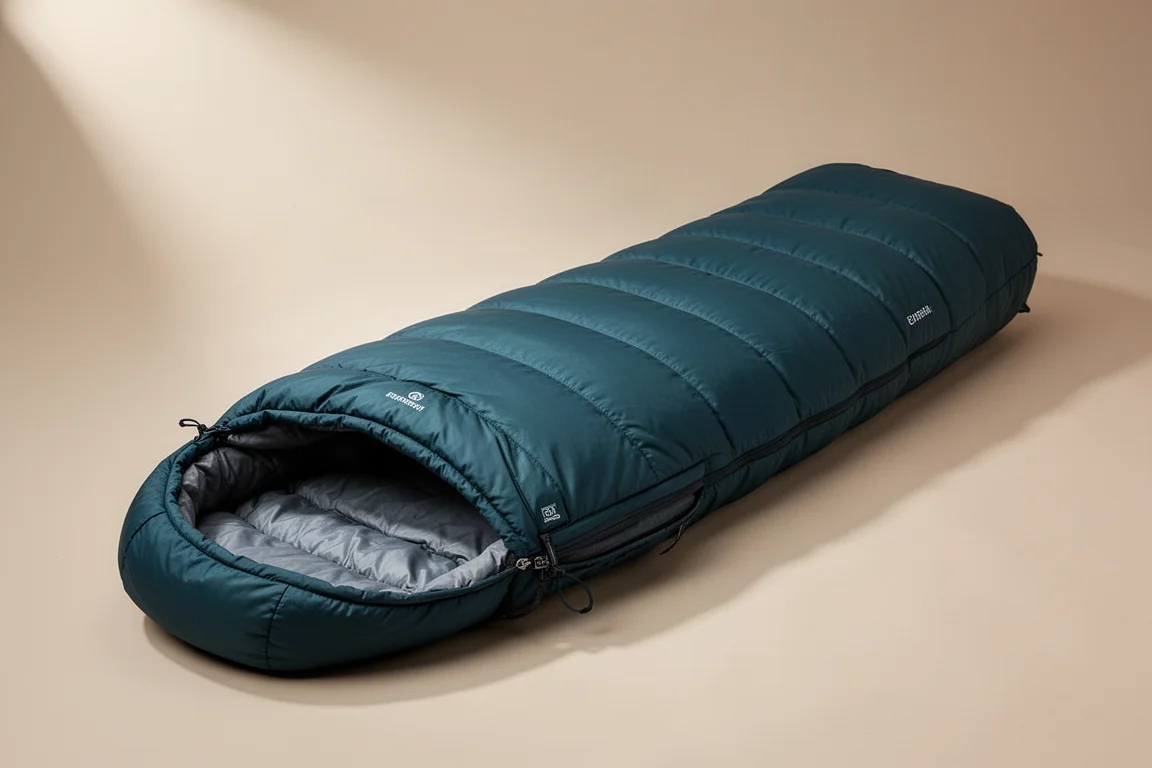
Side sleepers usually end up fighting a conventional mummy bag, with the hood facing up while their head faces sideways and fabric bunched around the face. The Sidewinder is built around side sleeping instead, so the hood and the opening stay comfortable when you lie on your side.
The result is a noticeably better night’s sleep for anyone who naturally rolls onto their side. If you sleep on your back, a standard mummy cut is likely to suit you just as well.
Kelty Cosmic Down 20: The Budget Pick
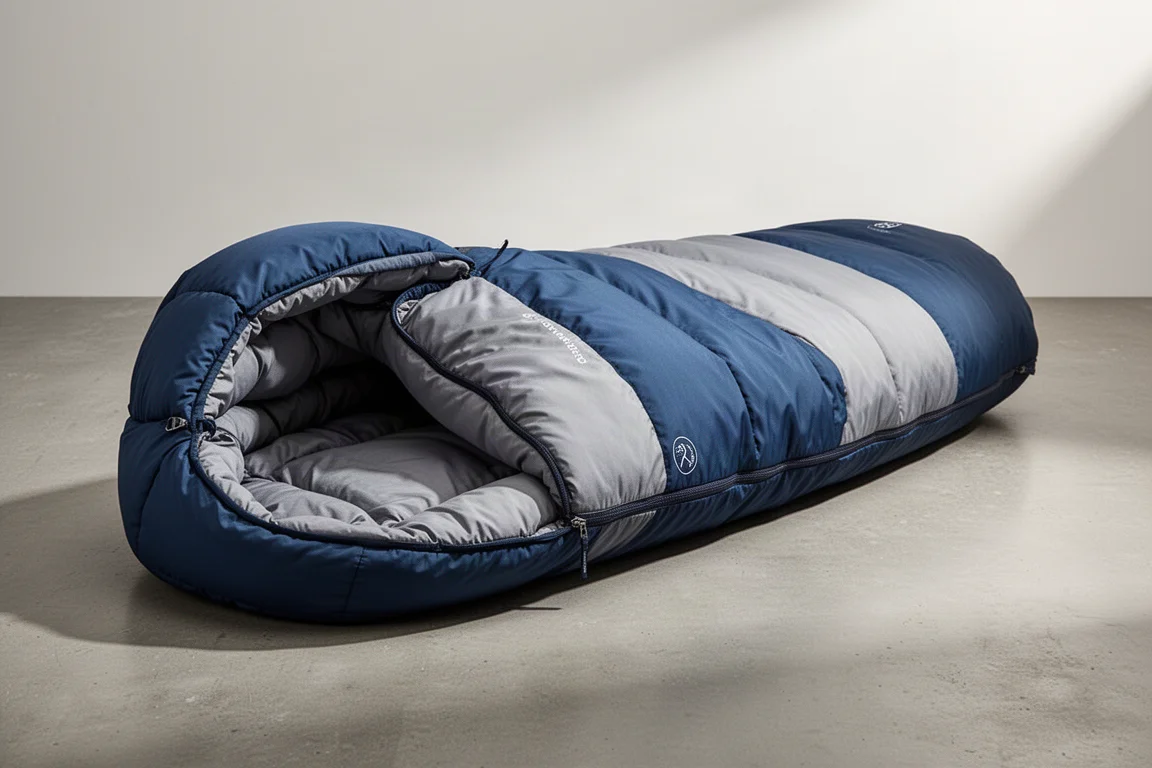
The Cosmic Down 20 is the value option here. It uses 550 fill down, which is lower than the premium bags and makes it heavier for the warmth it provides, and the bag is heavier overall as a result.
In exchange, it is built like a tank, packs down reasonably small for a down bag, and remains light enough for backpacking. It is often available for around $150, a fraction of what the top picks cost. For a first down bag, a spare for guests, or anyone working to a tight budget, it is hard to beat.
Buying Advice
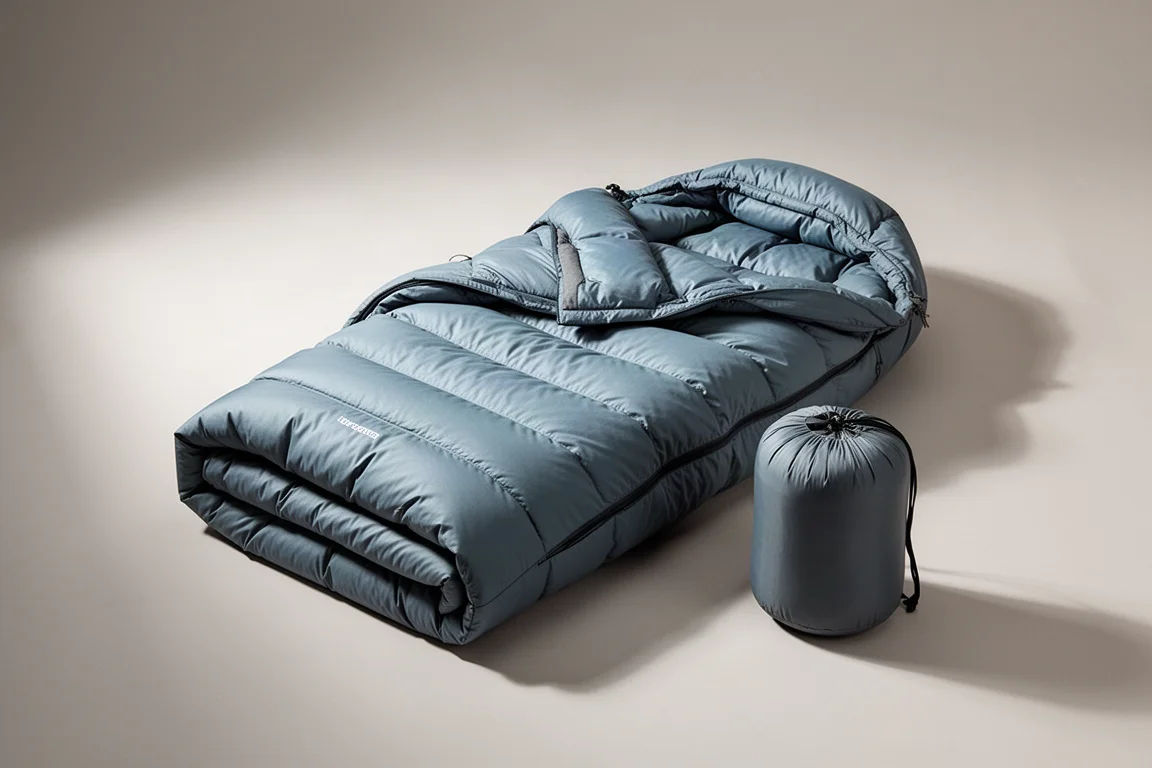
Start with the temperature rating and be honest about the conditions you camp in. If your trips are three-season and rarely drop below 20°F, a 20°F bag is the sensible target. If you mostly camp in mild weather and want to save weight, a comfort rating around 32°F can work well, provided you understand that a limit rating and a comfort rating are not the same thing.
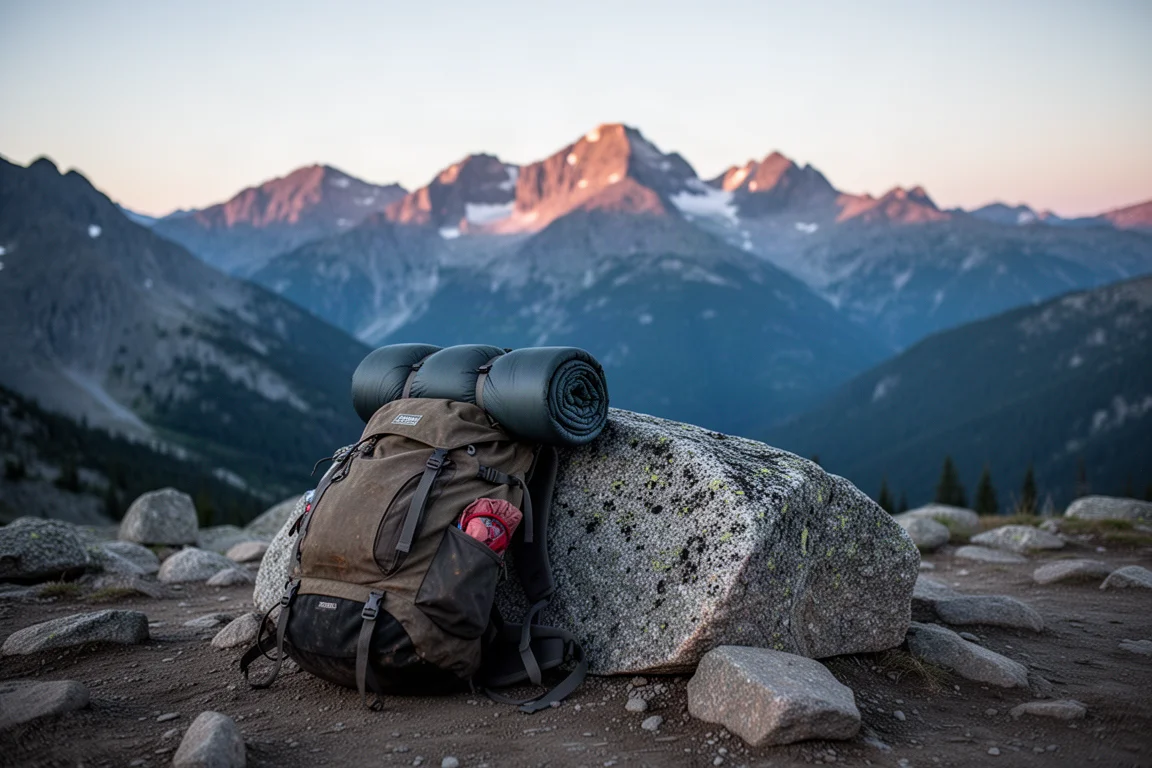
Then decide how much weight you are willing to carry. The lightest bags here use high-fill down and thin shells, and they reward careful handling. A heavier, lower-fill bag costs much less and tolerates more abuse, which is a reasonable trade for occasional trips.
Finally, think about fit. Interior room, adjustable width and side-sleeper-specific shaping all matter more than a few grams once you are actually trying to sleep. A bag that fits your body and your sleeping position will keep you warmer than a marginally lighter bag that you fight all night.
Conclusion
All six bags here are genuine sleeping bags, not quilts or multi-piece systems, and each one suits a different kind of backpacker. The Western Mountaineering Versalite and AlpinLite are the long-term choices, the Therm-a-Rest Hyperion 20 is the weight-saving specialist, the Big Agnes Torchlight UL and Sidewinder solve specific fit and sleep-position problems, and the Kelty Cosmic Down 20 keeps the entry price low without leaving the down category.
Match the bag to your temperature range, your sleeping position and your budget, and you will end up with something you are glad to climb into at the end of a long day.
Further reading
Related Reviews
Sleeping Bags
Best Down Sleeping Bags Under $300: Four Backpacking Options Worth a Look
Four down sleeping bags that stay under $300, compared on fill power, baffle design, hood comfort, and packed size.
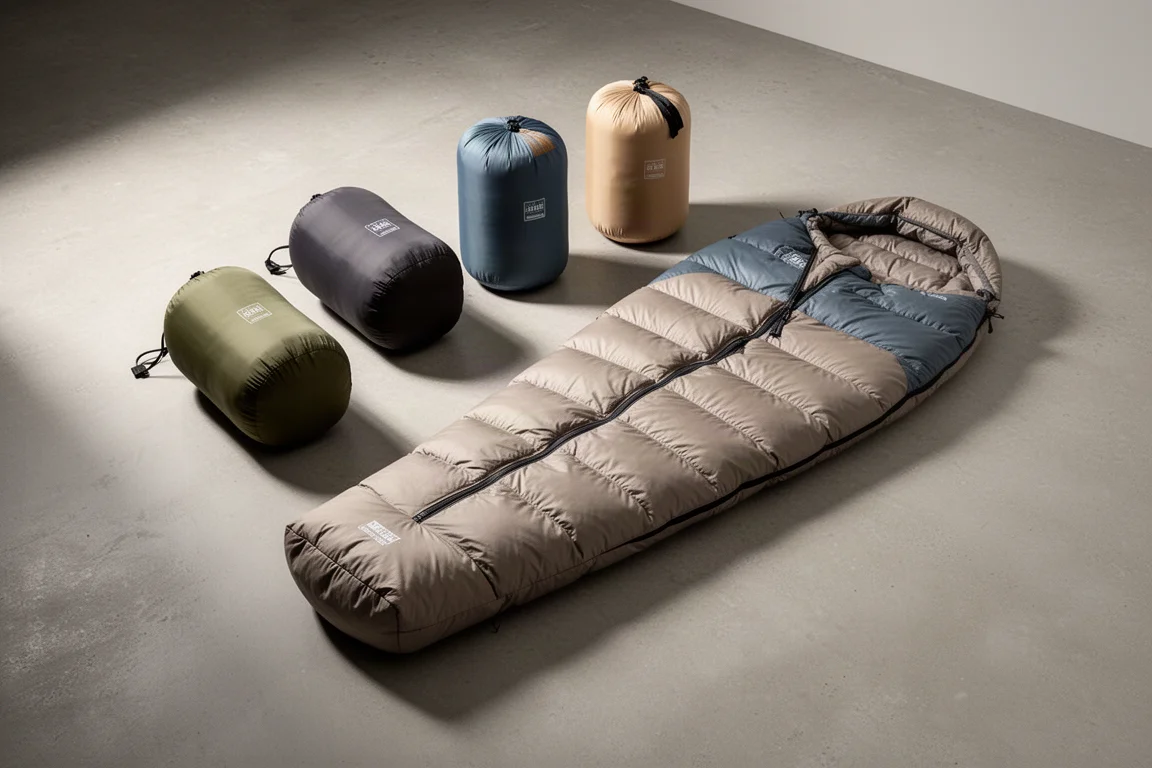
Sleeping Bags
Best Sleeping Bags and Sleep Systems: Five Premium Down Picks Compared
Five premium down sleeping bags and sleep systems compared on warmth, weight, construction, and value.
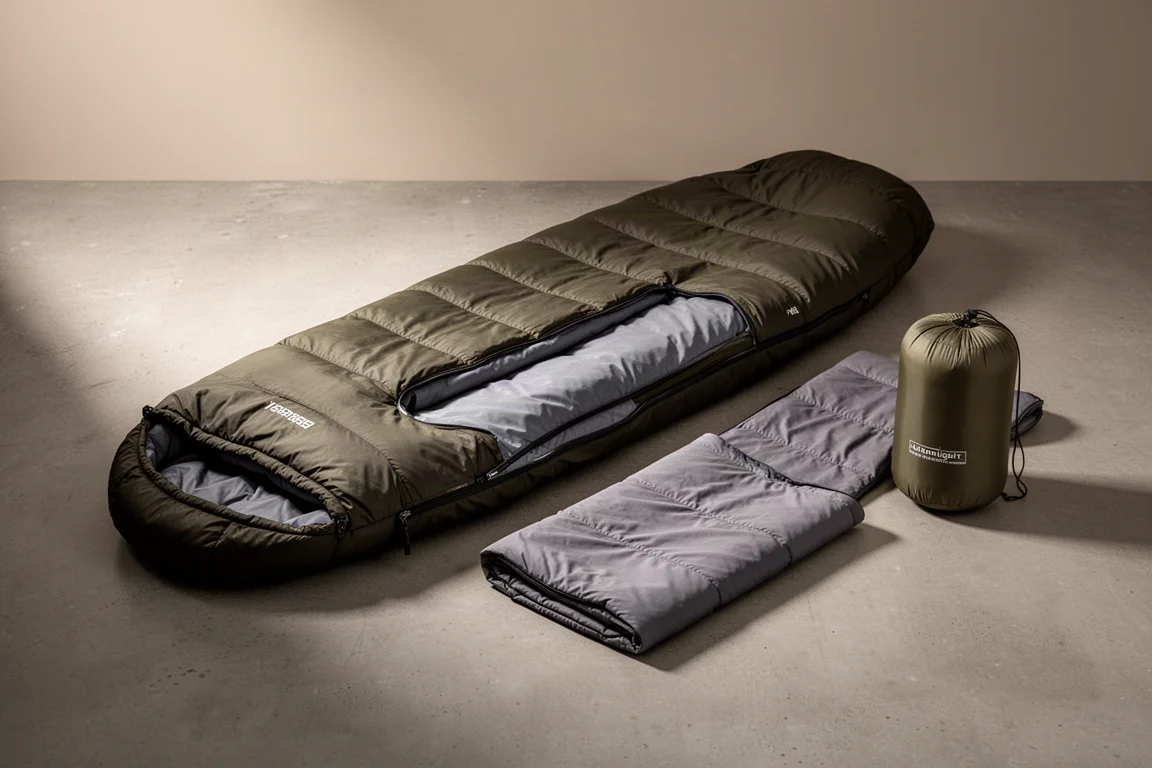
Sleeping Bags
Big Agnes Lost Ranger UL 3-in-1 Sleeping Bag System Review: One Bag, Three Setups
A practical look at the Big Agnes Lost Ranger UL 3-in-1 Sleeping Bag System, covering how the three configurations work, where it shines, and the details worth weighing before buying.