Ski Goggles
Best Ski Goggles 2026: Four Goggles Tested, One Clear Winner
We spent a full winter skiing the Zeal Beacon, POC Nexal, POC Retina Big Clarity, and Oakley Flight Path to find which goggle is actually worth your money.
Introduction
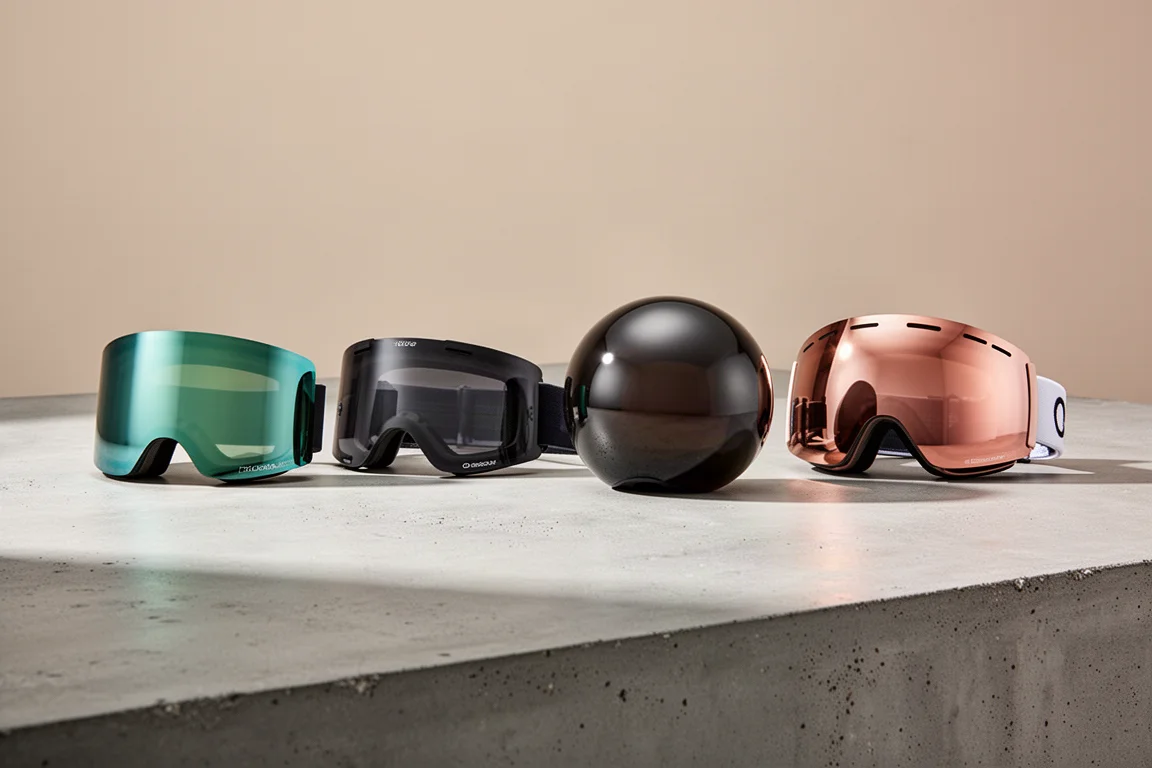
Goggles are one of those pieces of gear that quietly decide whether your day on the mountain is comfortable or miserable. Flat light is the classic killer: when the snow loses definition and you cannot read the pitch, the disconnect between what your eyes see and what your body feels can genuinely make you dizzy. That makes contrast, lens quality, and ventilation the three things worth paying for.
We tested three brands over a full winter: Zeal, POC, and Oakley. Each was skied in real conditions, from sunny bluebird days in France to foggy, low-visibility tree runs. Here is how they stack up, with scores, strengths, and the trade-offs nobody advertises.
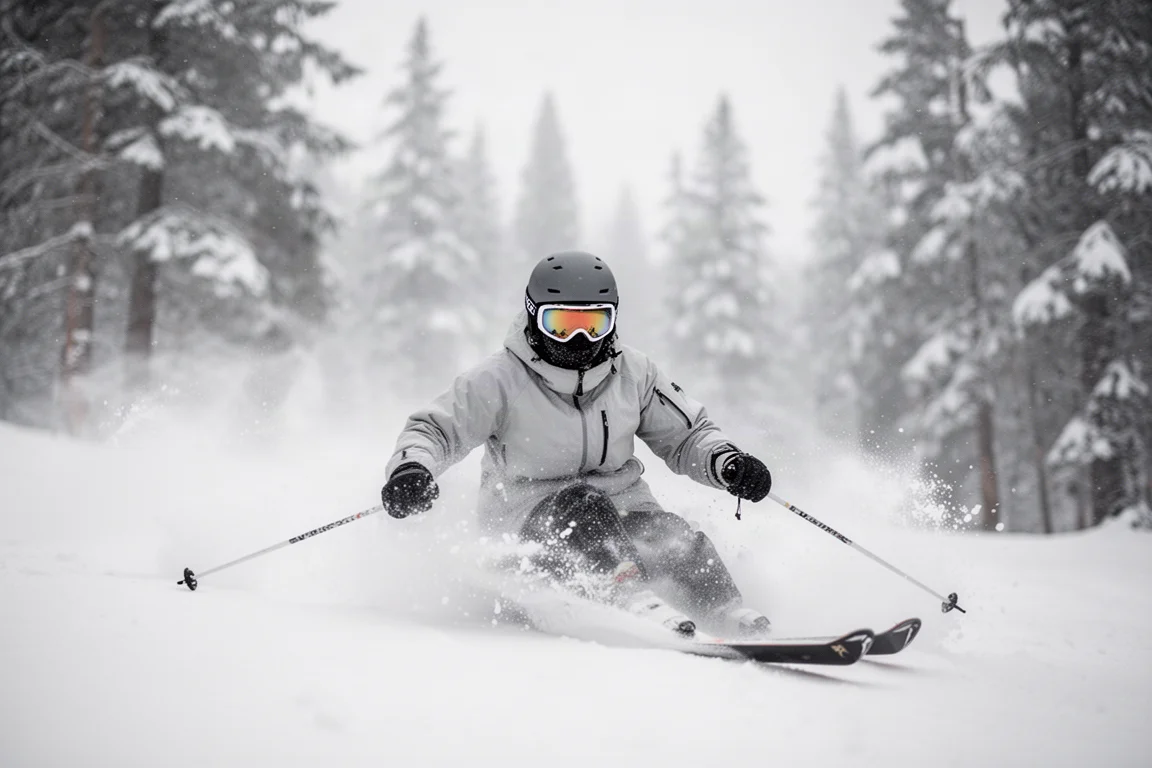
Zeal Beacon
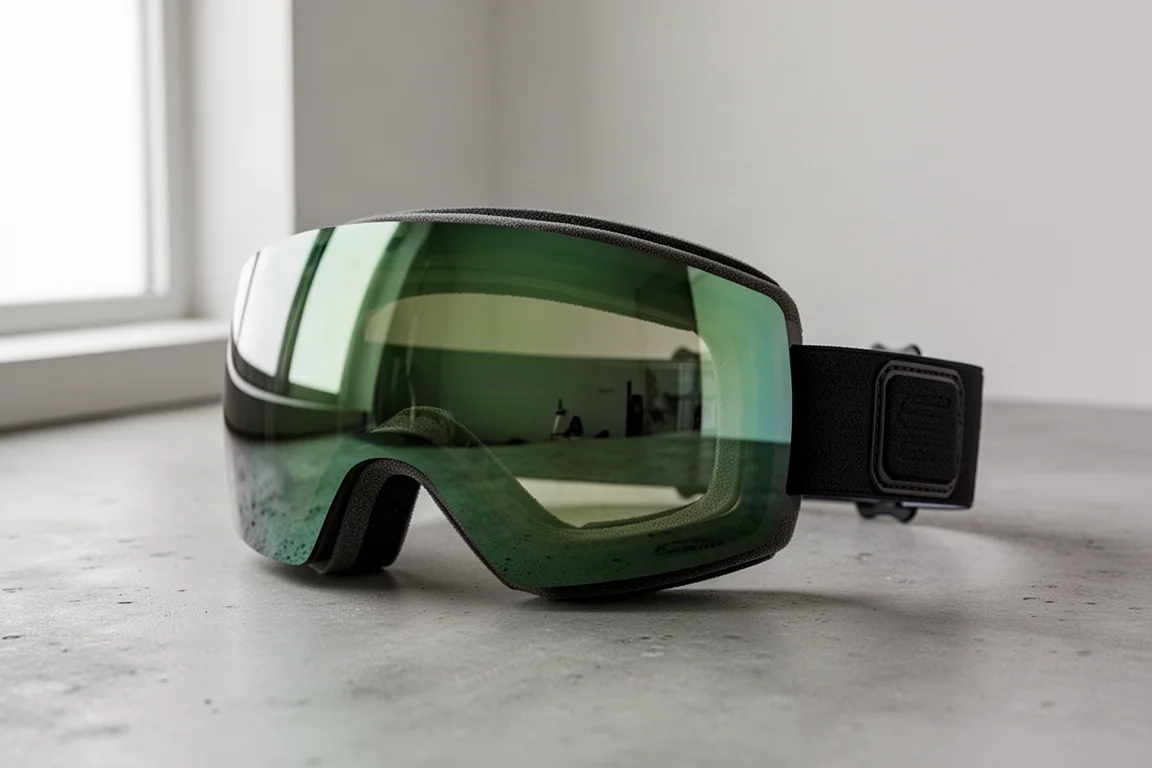
The Zeal Beacon comes in two versions we tested: the Sunny Polarized Phoenix and the Glades Jade Mirror. They retail between $120 and $200 depending on lens and version, though off-season sales bring them down to around $104 and $153.
The standout feature is ventilation. The face padding is deliberately uneven: thicker over the brow, thinner under the cheekbone, which opens up a large covered ventilation channel inside the frame. The result is arguably the best moisture management of any goggle we have used. If you crash and pack the lens with snow, or you are skinning uphill and sweating, the Beacon clears moisture faster than anything else we tried. For humid climates, spring skiing, or tree skiers who fog up constantly, this is a genuinely compelling argument.
The strap also gets points for quality: the rubber grips firmly against the side of the helmet, and the interior latching material feels thoughtfully built. In murky, foggy conditions, the Glades Jade Mirror delivered good contrast in flat light.
The drawbacks are significant, though. The lens tint shifts noticeably as you tilt your head down or glance into the top corners of the frame, and that green-to-blue color progression caused real discomfort and even nausea. It took about an hour of use to adapt, and the discomfort never fully disappeared. The strap elasticity also felt a little stale in both pairs, making a snug fit difficult. Most notably, the Beacon’s distinct frame shape created a goggle gap and a wind funnel at the forehead with a POC helmet, which would be brutal on a cold day.
All things considered, the Beacon scores a 6.8 out of 10. If anti-fog performance is your single priority, it earns a soft recommendation. For everyone else, the lens behavior and fit issues are hard to overlook at a $153 price point, especially when a modest upgrade gets you into a better all-around goggle.
POC Nexal
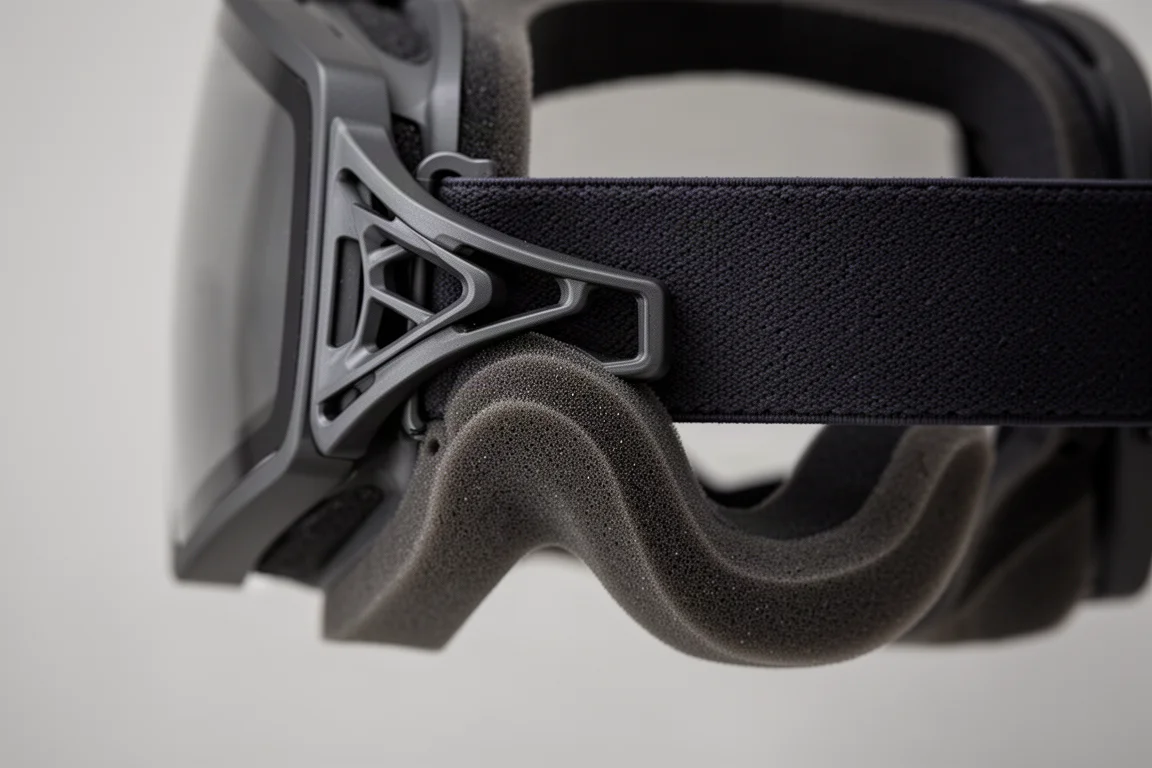
The POC Nexal is the most impressive goggle frame we tested, full stop. POC has been refining helmet-to-goggle integration for years, and it shows. The straps are reinforced with plastic anchors that branch outward, preventing the helmet from pressing down on the frame and creating a remarkably clean fit. There is a snow-versus-sun ventilation switch, though the difference on and off was subtle. The lens-swap system is also said to be easy, if you are the type who swaps lenses.
The genius detail is underneath: where the goggle rests on your face, a small plastic section sits below the cheekbone instead of pressing a tight seal directly on it. It is a more comfortable, race-inspired fit, and the flat, no-nonsense visor shape gives full clarity. Paired with a POC helmet, the integration is essentially seamless.
The lens, however, is where the Nexal falls short of its price. At $270 retail (currently around $180 on sale), you are paying a premium for what is, honestly, a solid but not exceptional lens. It gets roughly 80% of the way to the best lenses on the market. A little glare still gets through on the sunniest days, and low-light contrast is merely good rather than great.
The Nexal earns a 8.4 out of 10. The frame is close to a 9: some of the best engineering in the category. But for this money, the lens should be softer on the eyes and sharper in contrast. If frame fit and helmet integration are your top priorities, buy these on sale without hesitation.
POC Retina Big Clarity
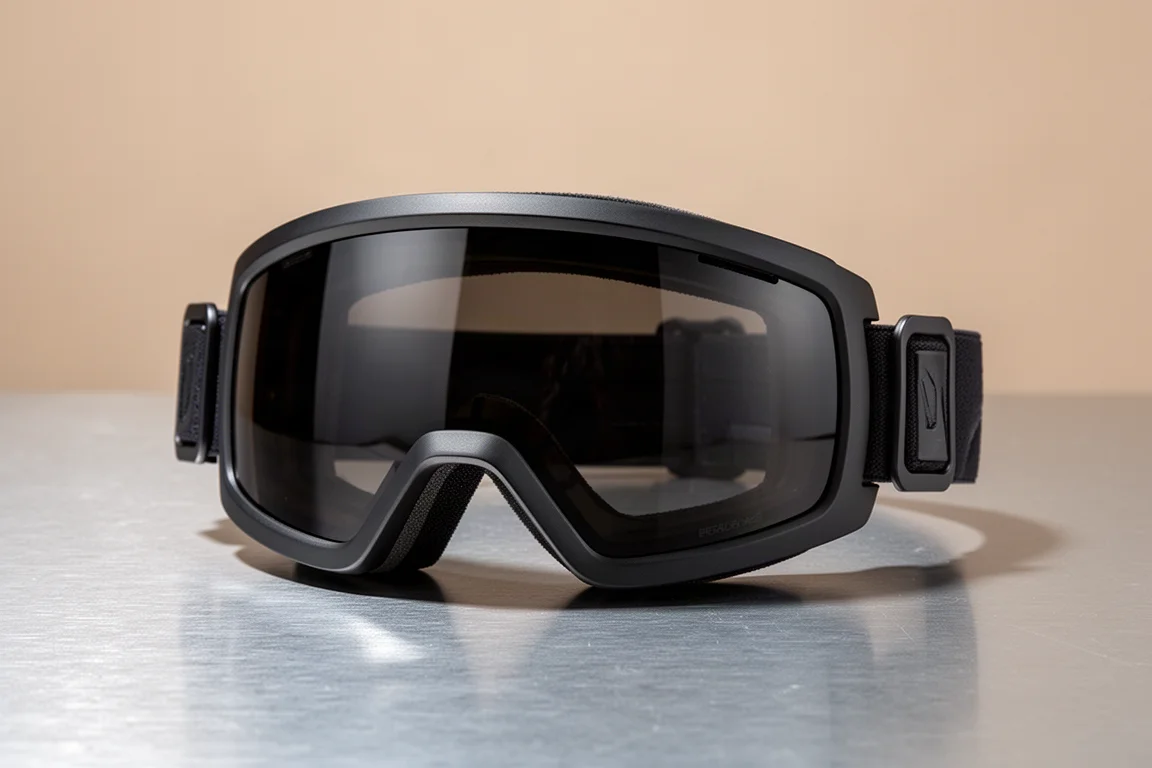
The Retina Big Clarity (or XL) is the goggle we skied for two seasons before trying the Nexal, and it remains a dependable workhorse. Its main strength is handling harsh, bright light, reflecting it well and keeping vision comfortable on high-sun days.
By comparison with the newer options, the lens lands in the same territory as the Nexal: pretty good, not exceptional. It works well with POC helmets, benefits from the same thoughtful frame quality, and never gave us a reason to complain during daily use. It just does not have the cutting-edge face-fit features or the lens softness that would make it stand out today.
For riders already in the POC ecosystem who want a proven, comfortably bright-light goggle, the Retina Big Clarity is still a sensible choice. It simply is no longer the most exciting lens in this lineup.
Oakley Flight Path
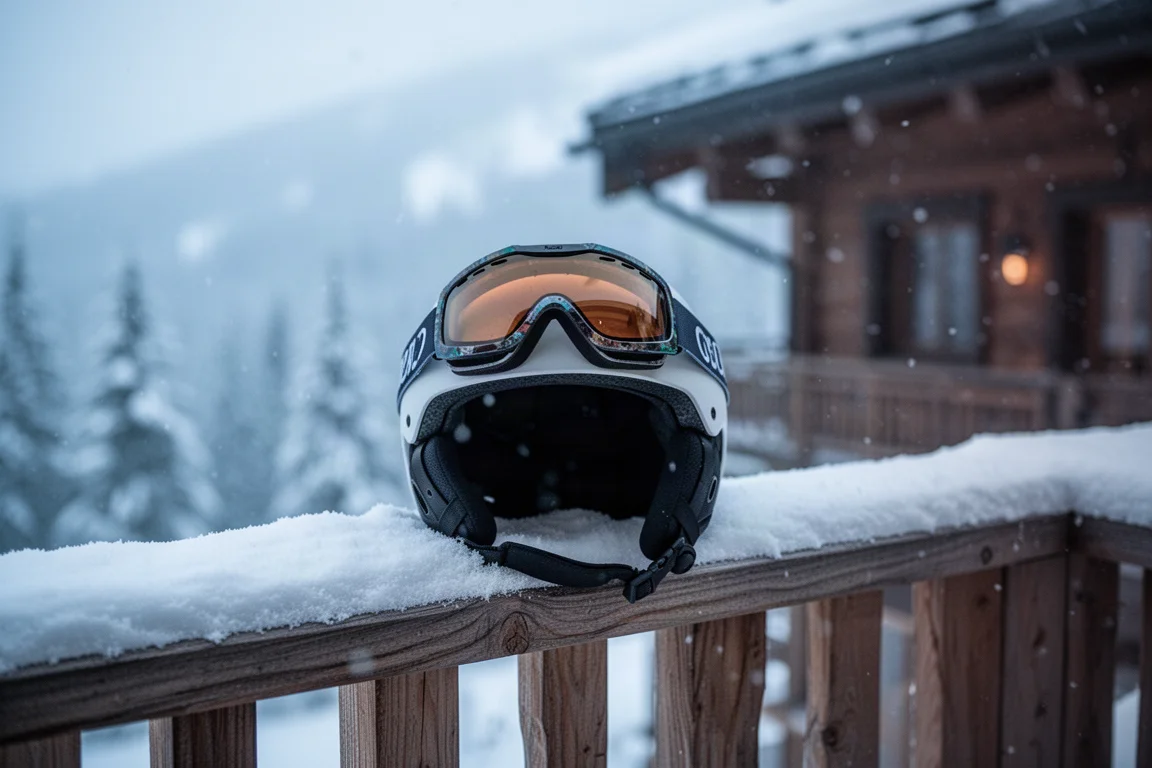
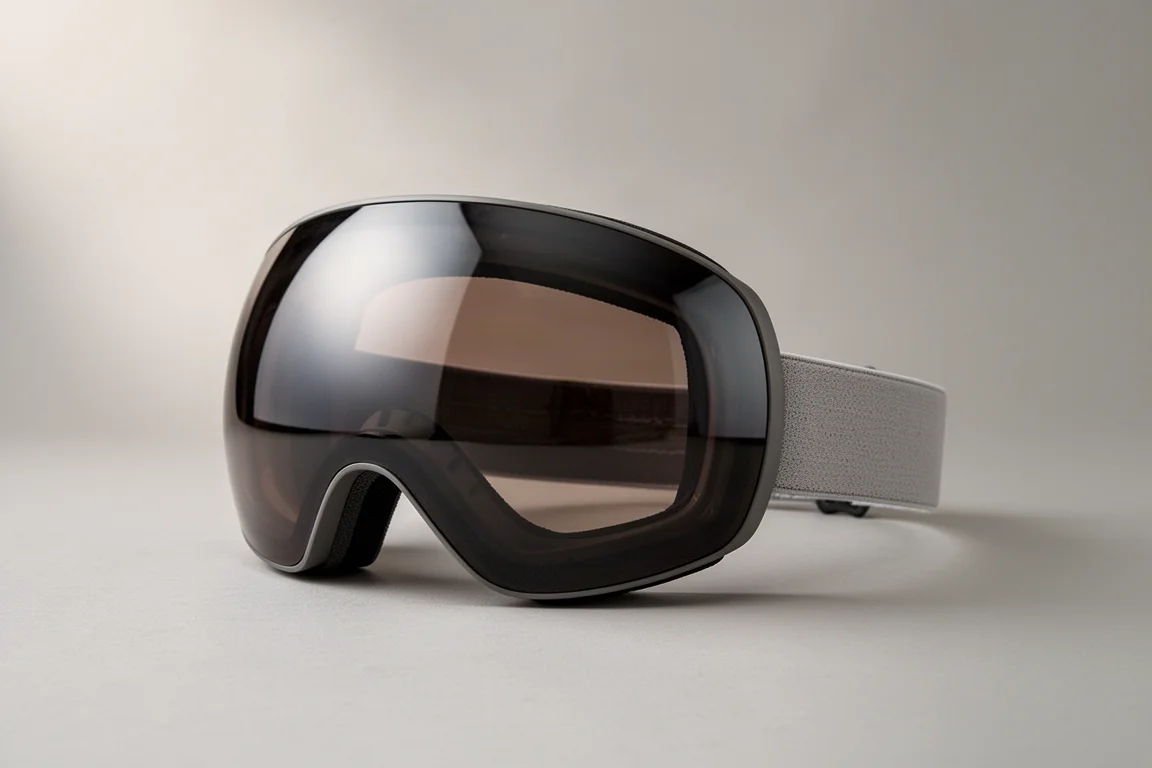
This was our first season with Oakley goggles, and it will not be the last. The Flight Path, fitted with the Prism lens line, turned out to be the best goggle we have ever used, and we bought three pairs within the first year to prove the point.
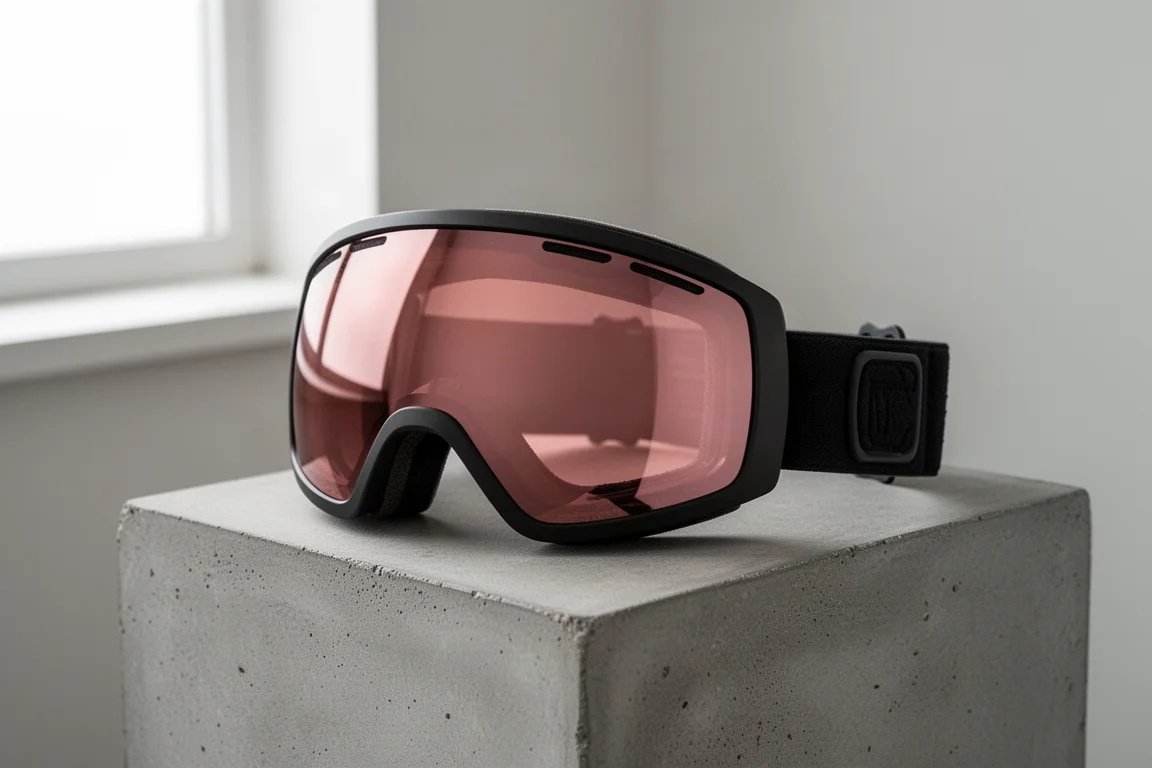
The Prism Rose Gold is the best low-light and powder goggle we have ever owned. The contrast it provides in flat light is the first we have found that actually remedies that vertigo-inducing disconnect between body and brain. The Prism Torch is the pick for blazing sunny days: it filters glare so softly that squinting simply stops, and some UV that leaks through other mirror lenses just does not get through here. The Prism Sapphire covers the in-between conditions nicely.
Fogging performance is also excellent. While the frame does not have the Beacon’s massive ventilation channels, the lens coating resists fog remarkably well and clears faster than any other goggle we have tried. You practically have to abuse it inside the lodge to see any fogging at all.
The one drawback: fit is helmet-specific. Unlike POC’s in-house helmet pairing, the Flight Path does not integrate universally, and on some helmets it needs a strap adjustment now and then to close a small gap. It is a minor grievance, and once dialed in, the fit was perfect.
At $236 retail, with off-season prices ranging roughly $140 to $188 depending on color, it is not the cheapest option. But this is a buy once or cry twice product. The Flight Path scores a 9.3 out of 10 and is our pick for the best goggle you can buy right now.
Overall Buying Advice
If we had to rank these four: the Oakley Flight Path is the clear winner, the POC Nexal is the best-engineered frame, the Zeal Beacon wins on pure ventilation, and the POC Retina Big Clarity is a solid bright-light fallback.

Lens quality matters more than anything else in a goggle, which is why Oakley takes the top spot. But match the pick to your conditions: humid climates and tree skiing favor the Beacon’s airflow, POC loyalists get unbeatable helmet integration, and everyone else should start with the Flight Path and choose a Prism lens for their most common light.
Conclusion
After a full winter of testing, the Oakley Flight Path stands above the rest as the best ski goggle of 2026, with the POC Nexal close behind as the frame of the year. The Zeal Beacon remains a niche but genuine option for moisture-prone riders. Try goggles on with your helmet before buying where you can, and pick the lens tint for the light you actually ski in.
Further reading
Related Reviews
Ski Goggles
Best Ski Goggles With Interchangeable Lenses: Giro, Smith, and Anon Compared
A practical guide to today's interchangeable-lens ski goggles, how each major lens system works, and which models suit glasses wearers, small faces, and wide peripheral views.
Backpacking Gear
Building a 10 lb Base Weight: An Ultralight Backpacking Gear List
A practical walkthrough of the ultralight pieces behind a 10 lb base weight, from a 765 g pack and a roomy one-person tent to a full camp chair and a dependable water filter.
Road Bikes
10 New Road Bikes Worth Watching: Aero, Titanium, Steel and Endurance Standouts
A practical roundup of 10 new road bikes, from aero flagships chasing single-watt gains to titanium, steel and endurance platforms built for real roads.