Backpacking Gear
Best Shoulder Season Backpacking Gear: Warm, Light, and Ready for Cold Nights
The sleep system and layering pieces that keep a shoulder season pack warm and light when overnight temperatures drop into the twenties.
Introduction
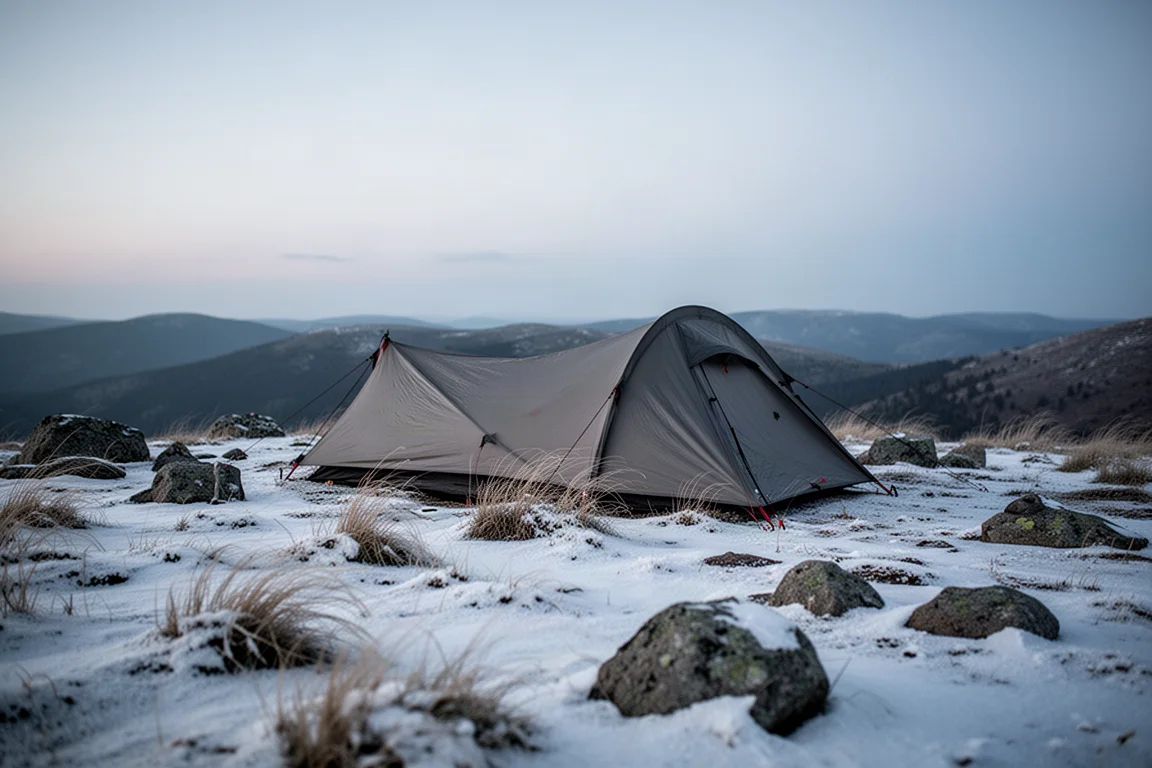
Shoulder season is a balancing act. The days can still feel mild, but the nights turn cold quickly, and the weather can shift while you are still moving. Wind picks up, snow starts falling, and the question stops being how to stay cool and becomes how to stay warm without carrying more than you need.
That balance is what this list covers. Every piece here was used on a cold shoulder season trip where the overnight low reached about 25°F and the morning reading sat at 28°F. Together with the rest of the kit, including a tent, a pack, and a cook set, everything came in under 22 lb with food and water.
The foundation of that kit is the sleep system, and the rest is layering. Get those two things right and a shoulder season pack stays light while still handling nights in the twenties.
What Matters Most in a Shoulder Season Kit
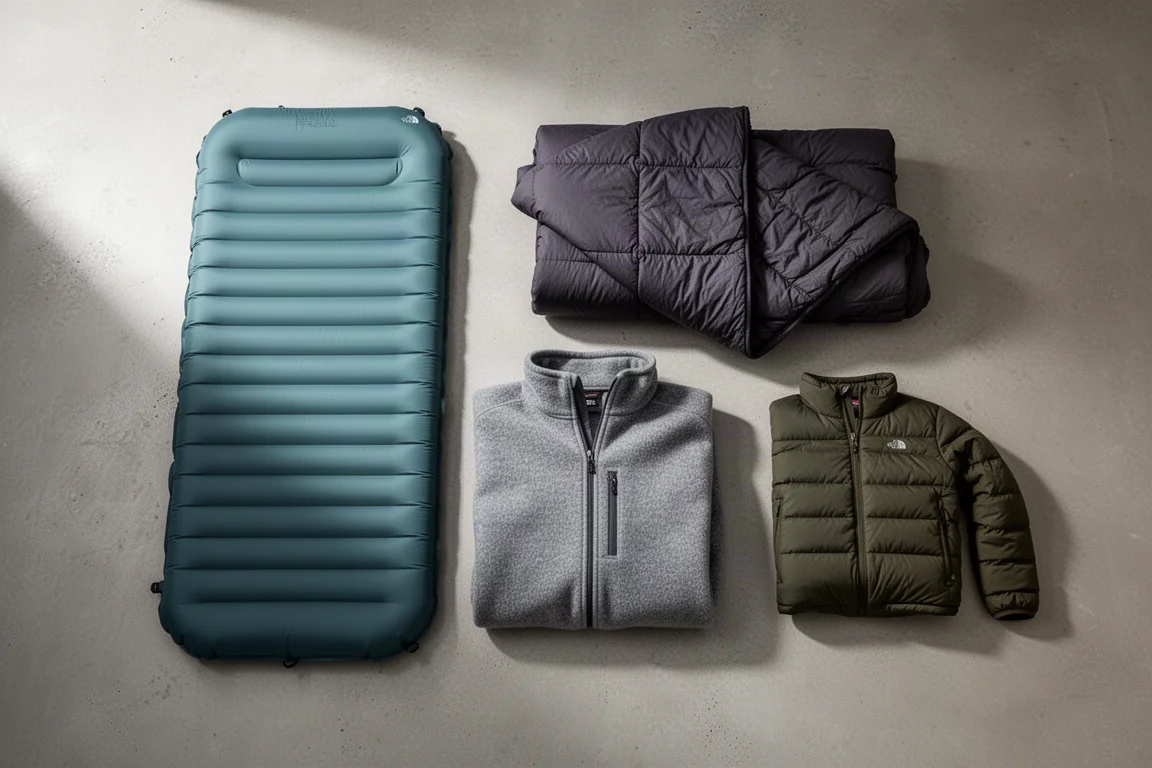
Two items do most of the work: the sleeping pad and the sleeping bag or quilt. They function as a pair, and they are the last line of defense against the cold. If something else in the pack underperforms, these two still decide whether the night is comfortable.
Everything above them is about layering. A breathable mid-layer covers most of the day, an insulated jacket extends the evening, and a rain shell adds one more small margin when conditions demand it. Long underwear is rarely necessary in shoulder season unless you tend to run cold, and it is mostly useful for sleeping.
Nemo Tensor All Season Sleeping Pad
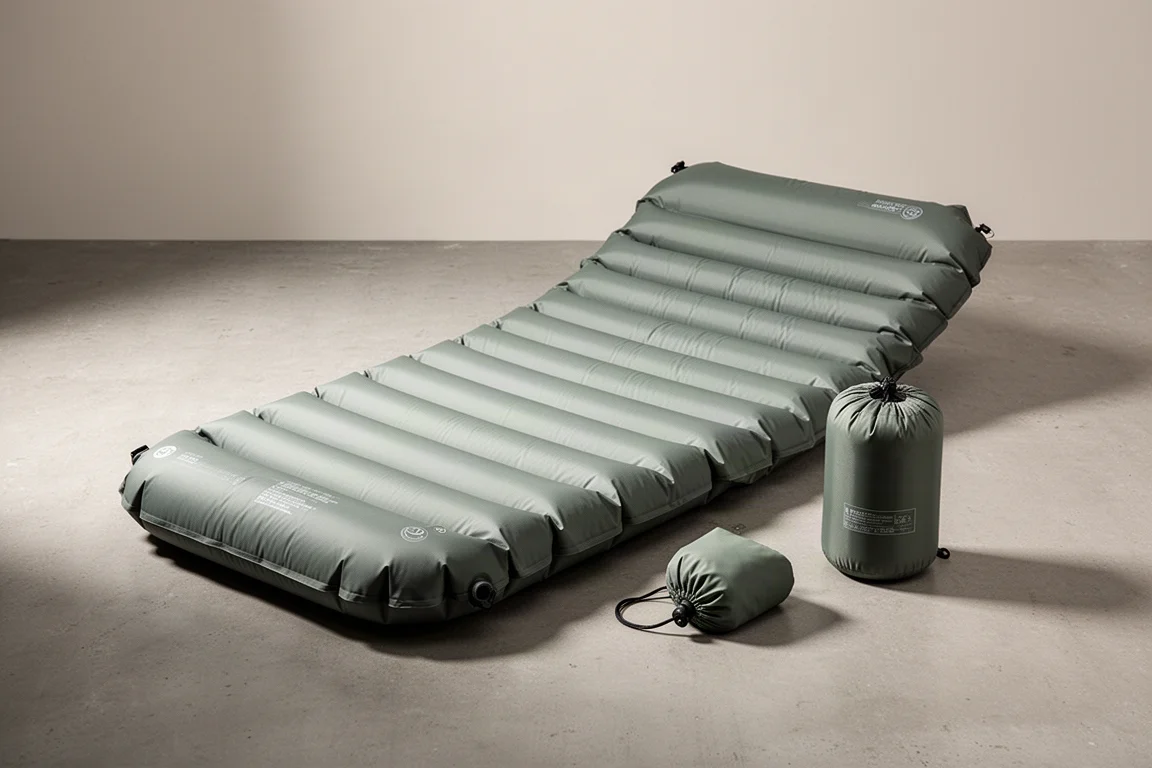
The Tensor All Season is built specifically for shoulder season temperatures, and its R-value of 5.4 should be adequate for all but the coldest conditions. It can also be pushed a little further in a pinch, which gives it useful headroom on trips where the forecast is uncertain.
On a night that dropped to roughly 25°F, the pad held up as intended, which is a fair test of exactly what it promises. It is the pad to look at if you want one option that covers spring, summer, and fall without adding a winter-specific model to the shelf.
Nemo Tensor Extreme Conditions Sleeping Pad
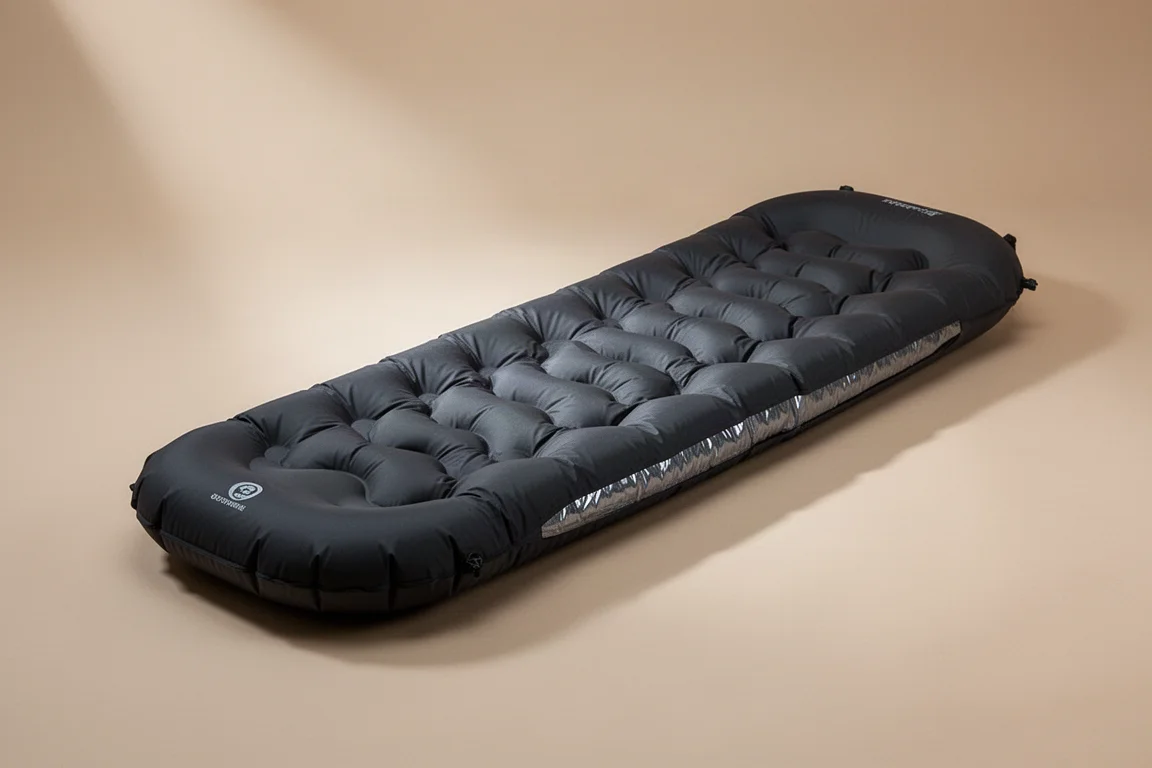
The Tensor Extreme Conditions sits at the colder end of the same line and was used alongside the All Season pad on the same cold night. Both pads went through the same low of about 25°F, which makes the comparison between them straightforward for anyone deciding how much warmth they actually need.
If your shoulder season trips regularly push toward freezing or slightly below, the Extreme Conditions is the version aimed at that range.
Zenbivy 25° Double Quilt
The Zenbivy 25° Double Quilt is rated to 25°F, which puts it right at the temperatures this trip delivered. In practice it sleeps a little warmer than the rating suggests when two people share it, because body heat does part of the work.
Its design is closer to a bed than a traditional quilt. A sheet goes over the pads, and the system includes a built-in hood plus multiple attachment points for the top quilt, which is how it keeps drafts from finding their way in.
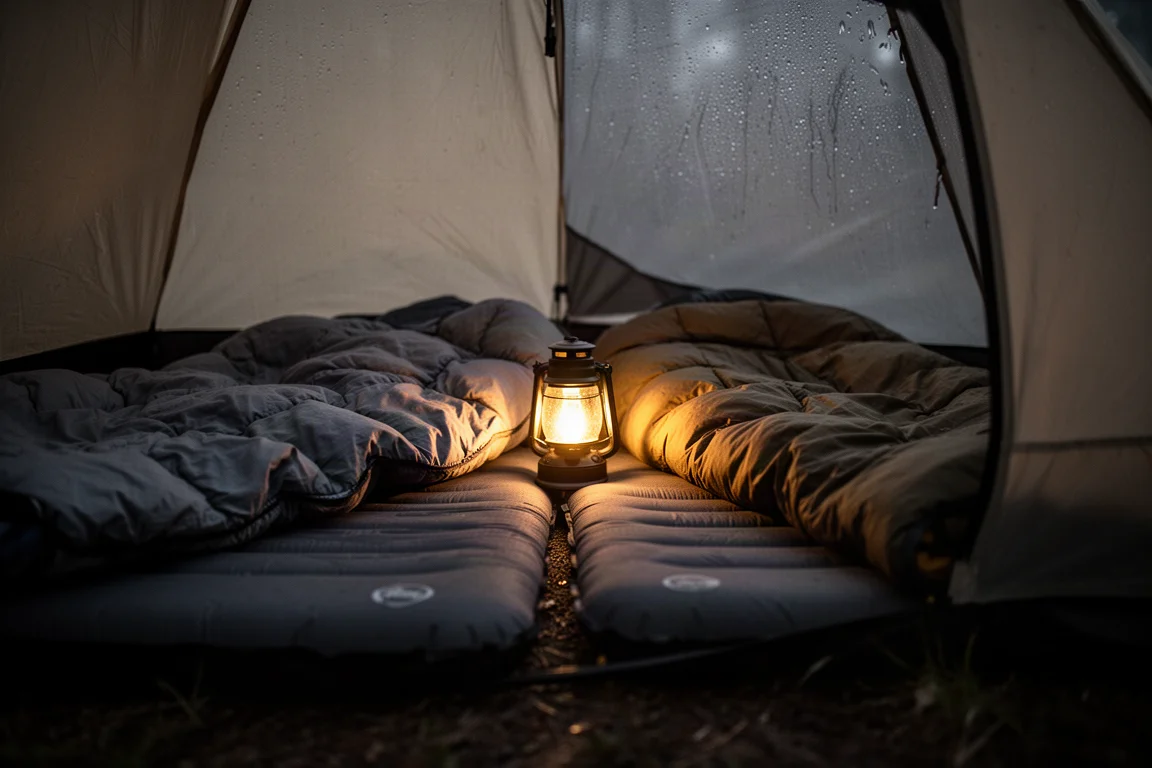
For couples or anyone hiking with a partner, that combination of shared warmth and draft control is what makes it comfortable on a night that sits right at the rating.
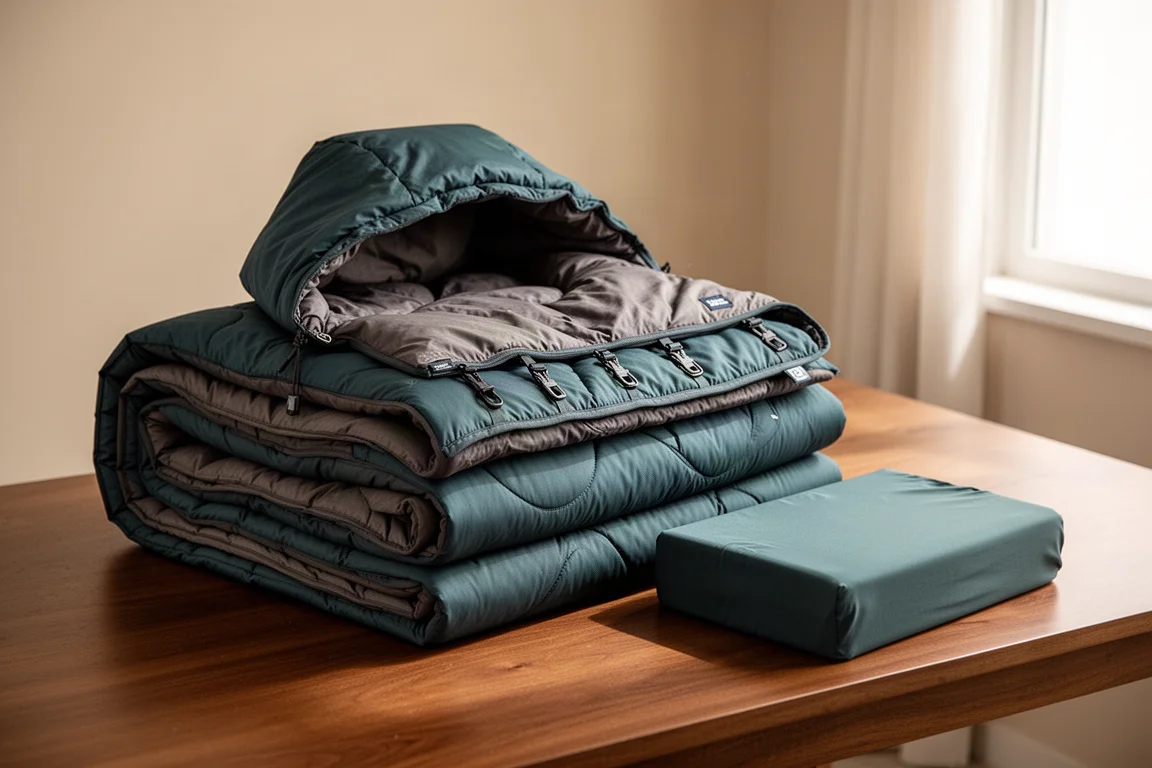
Zenbivy Light Bed
The Zenbivy Light Bed takes the same basic design and scales it down for one person. It keeps the sheet-over-the-pad approach and the attachment system that holds the top quilt in place, which is the part that matters most when the temperature drops.
Solo hikers who like the bed-like layout but do not need a two-person quilt should start here.
Farpoint Alpha Fleece
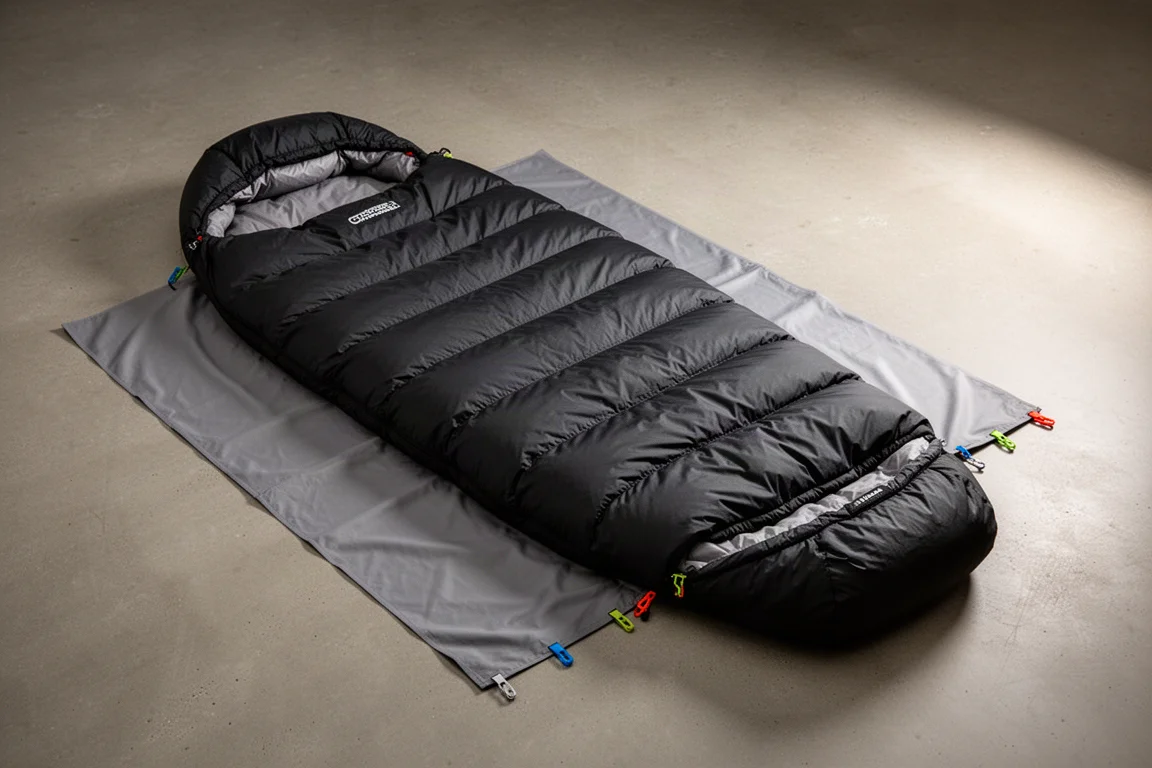
During the day, shoulder season temperatures are often mild enough to hike in pants and a t-shirt. The piece that does the most work in between is the Farpoint Alpha Fleece.
It is a mid-layer that gets the balance right: warm without being too warm, and very breathable, which keeps it comfortable whether you are moving or stopped. It is the mid-layer of choice regardless of temperature, and it earns a place on every shoulder season hike.
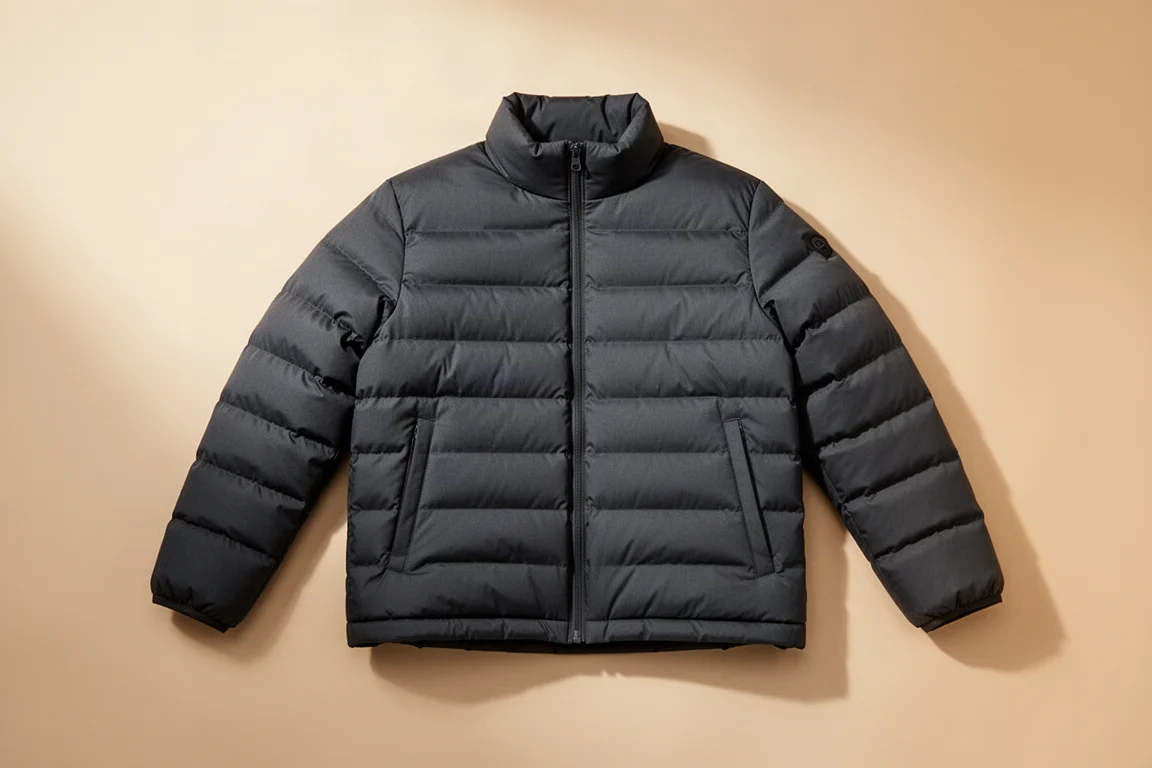
Big Agnes Shovelhead Jacket
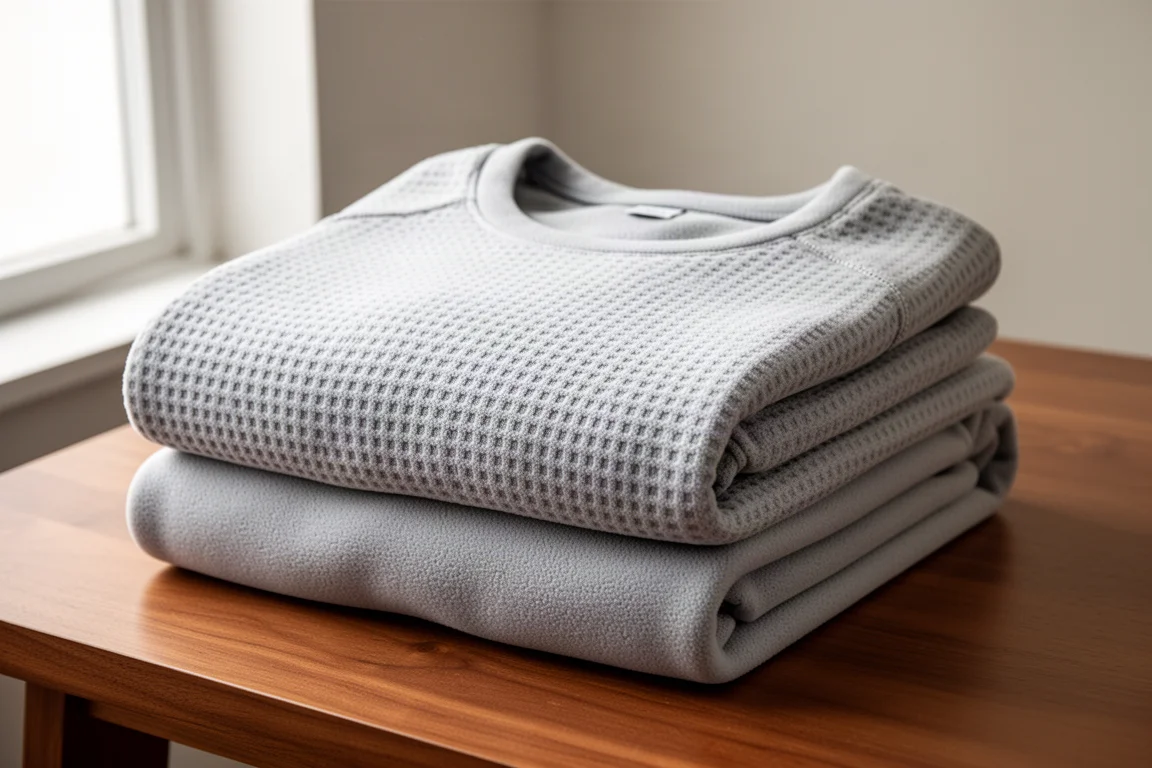
When overnight temperatures head into the twenties, the Big Agnes Shovelhead Jacket adds the warmth the fleece alone will not cover. It uses slightly larger baffles than most puffy jackets, a design choice that seems to work well in cooler weather.
That extra insulation is usually enough to stay comfortable through an evening spent outside watching the sunset.
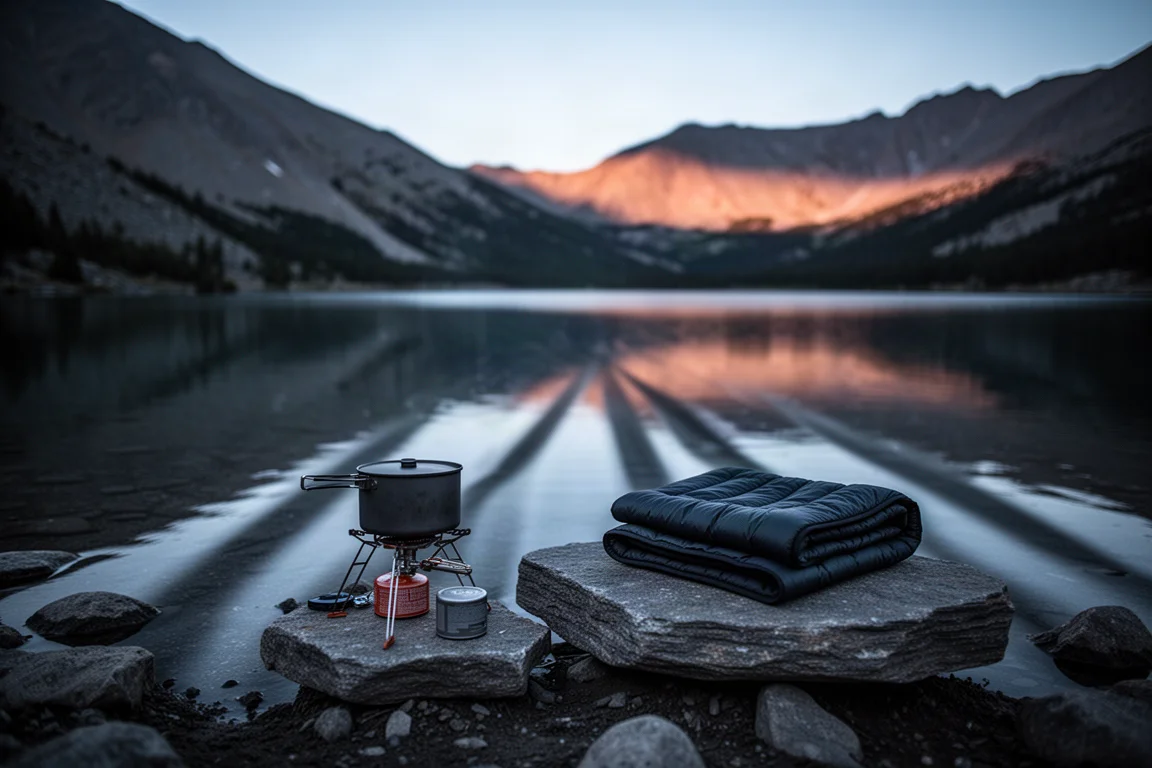
It is the kind of piece that is easy to leave behind on a mild trip and easy to regret leaving behind on a cold one, so it is worth checking the forecast before deciding.
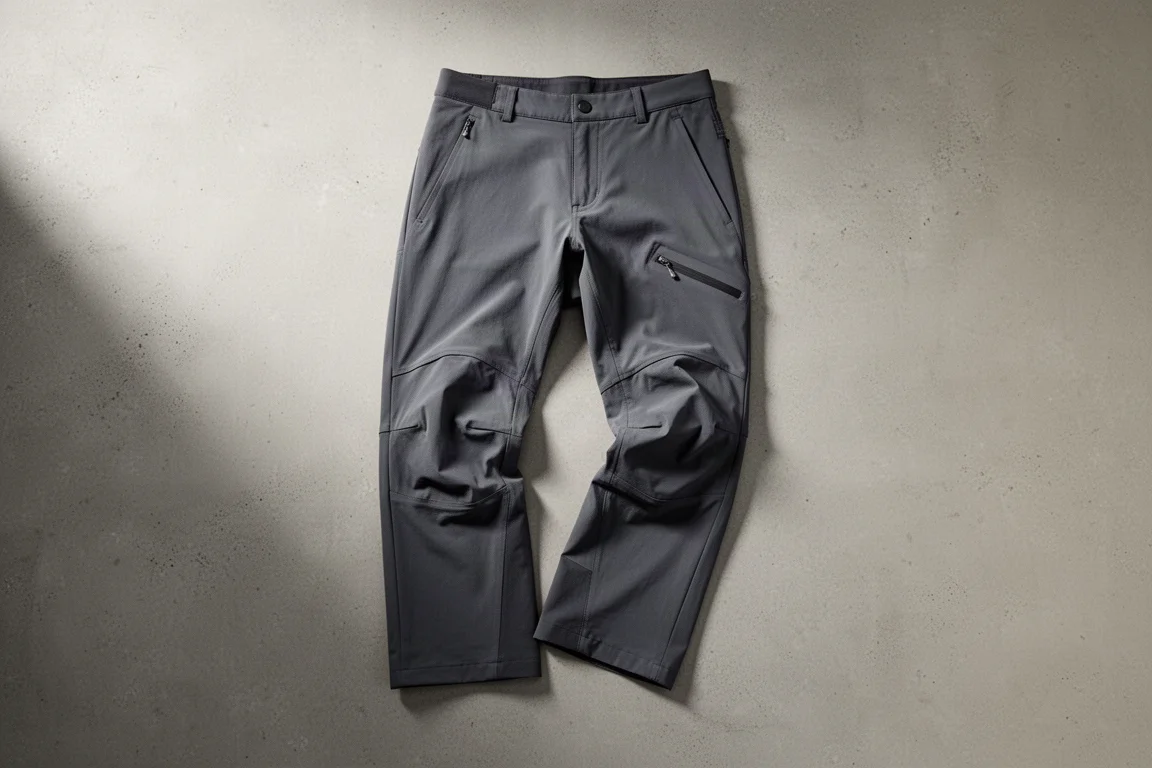
Transcender Pants
Daytime hiking in shoulder season rarely calls for more than a pair of pants and a t-shirt, and the Transcender Pants are the pair that gets used for just about any hike. They are comfortable for everyday trail use and simple to layer over when the weather turns.
Buying Advice for Shoulder Season Backpacking
Build the kit from the sleep system outward. A pad and a quilt or bag that match the temperatures you actually expect will do more for your comfort than any single layer you add on top.
From there, layer for movement: a breathable fleece for hiking, an insulated jacket for the evening, and a rain shell over the top when conditions demand it. A slightly heavier rain jacket paired with rain pants is an easy way to add a few degrees of margin without changing the rest of the system.
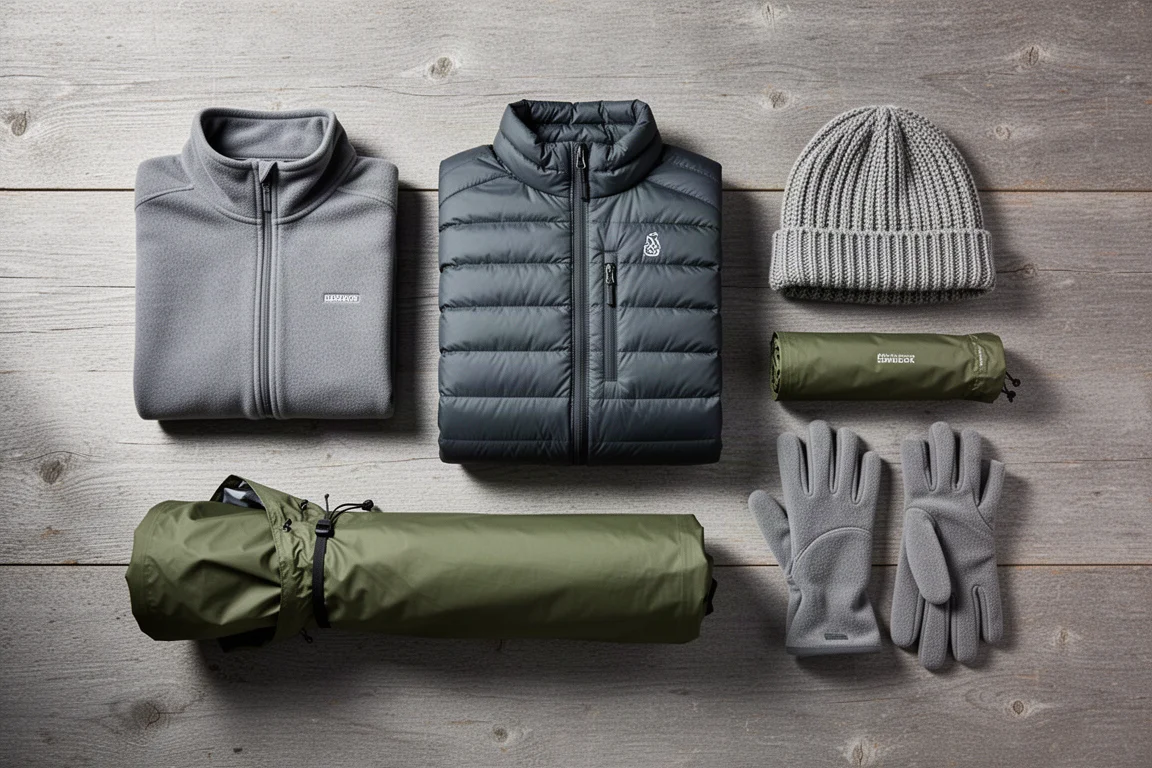
A warm hat and a pair of gloves are the small items that make a real difference at these temperatures, and they are worth packing every time. Long underwear remains optional in shoulder season, useful mainly for sleeping or for those who tend to run cold.
Together, this approach keeps a shoulder season kit effective down to roughly 20°F, and about 15°F at the far end. Below that you are into winter backpacking, which calls for a different set of decisions. Small accessories like a lightweight pot grabber, a trowel, and a compact battery pack help keep the load small without giving up function. A complete kit along these lines can come in under 22 lb including food and water.
Conclusion
Staying warm in shoulder season is less about packing more and more about packing the right things. The sleeping pad and the quilt or bag set the floor for how comfortable the night will be, and the layers above them decide how pleasant the hours around camp feel.
Match the sleep system to the temperatures you expect, add a breathable mid-layer, an insulated jacket for the evening, and a shell for the worst of the weather, and a shoulder season pack can stay light while still handling nights in the twenties.
Further reading
Related Reviews

Backpacking Gear
Building a 10 lb Base Weight: An Ultralight Backpacking Gear List
A practical walkthrough of the ultralight pieces behind a 10 lb base weight, from a 765 g pack and a roomy one-person tent to a full camp chair and a dependable water filter.

Backpacking Gear
A 15-Pound Lightweight Backpacking Gear List for Solo Trips
A beginner-friendly 15-pound backpacking setup built from easy-to-find gear, with notes on what each piece does, how it packs, and where to spend your attention.

Backpacking Gear
8 Ultralight Backpacking Gear Upgrades Worth Carrying
Eight small, affordable backpacking upgrades that solve real trail annoyances, from a pillow that stays put to a fuel valve that rescues leftover canister gas.