Cycling Saddles
Best Selle Italia Saddles: SLR, Novus, and Flite Compared
A practical guide to choosing between the Selle Italia SLR, Novus, and Flite, covering width, shape, cutouts, and saddle setup.
Introduction
A saddle is one of only three points where a rider touches the bike, and it carries a large share of the body’s weight, especially on longer rides. When the fit is wrong, the result is familiar: numbness, chafing on the inner thighs, or a nagging ache that builds through the second hour. Riders who have just changed bikes or riding styles often notice it first, and plenty of experienced riders have never revisited the saddle that came with the frame.
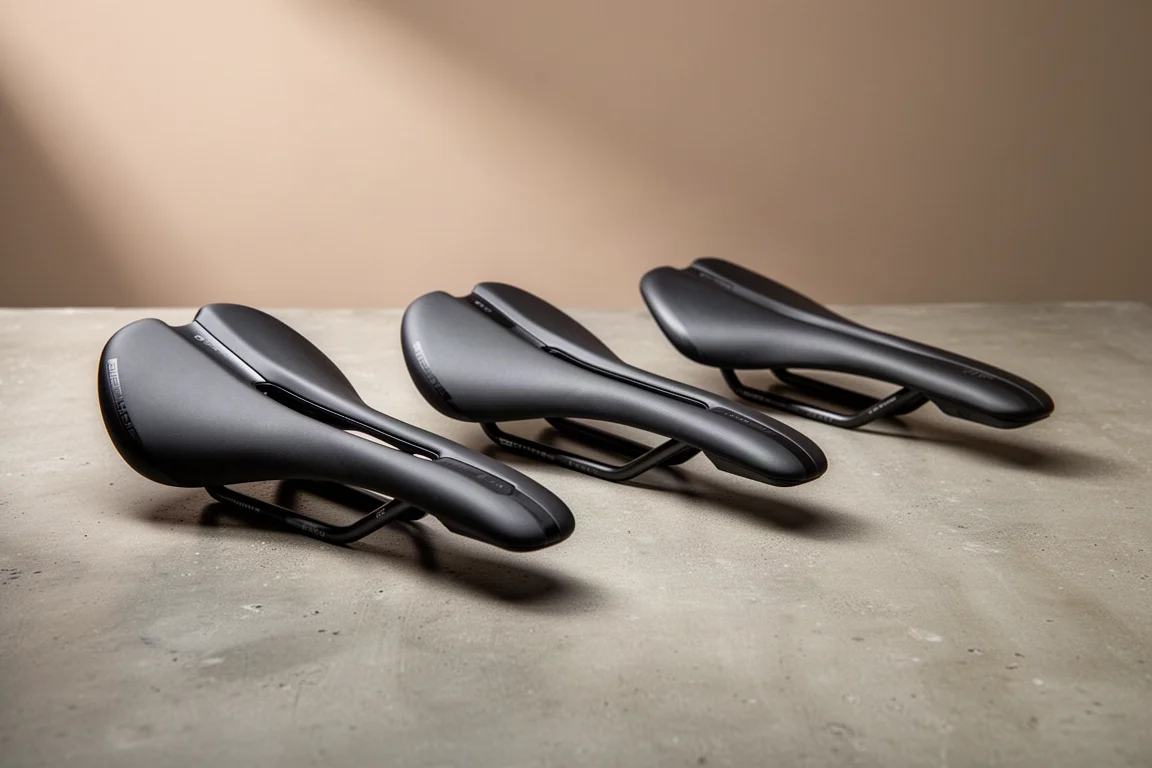
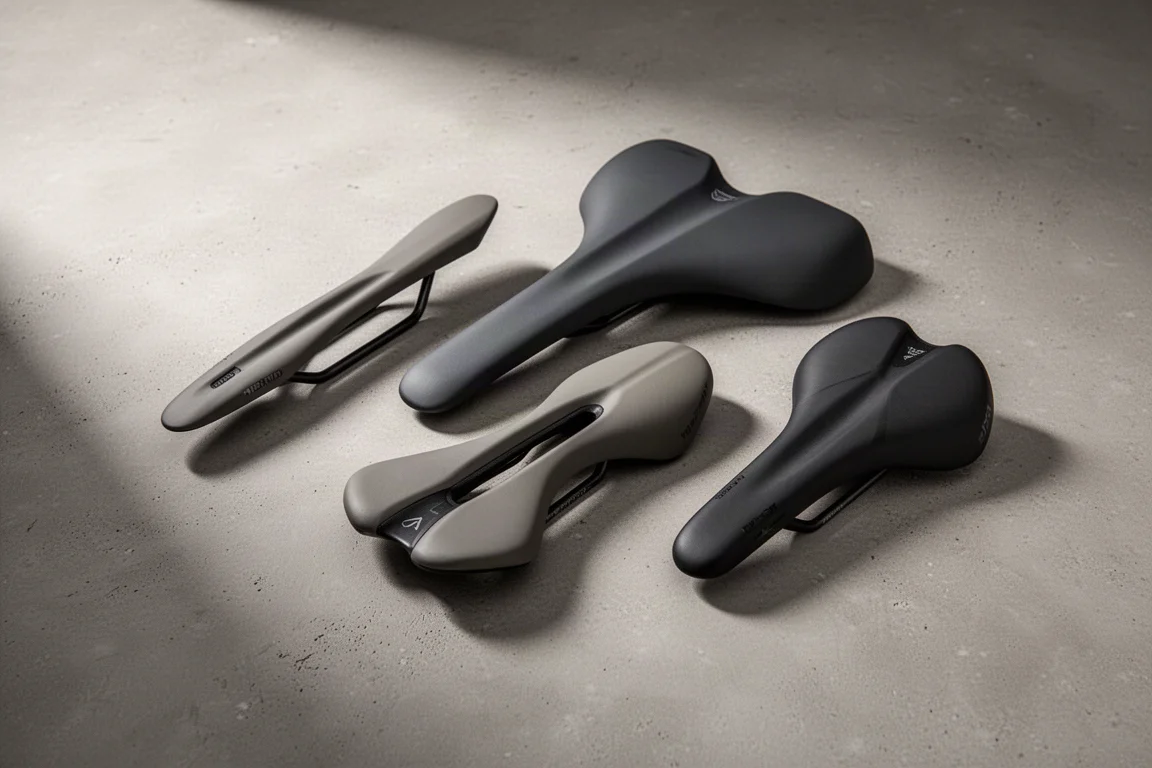
Padding is rarely the answer. What determines comfort is width, shape, and pressure relief, and all three are about matching the saddle to the rider rather than to the bike. Selle Italia’s range illustrates the idea clearly: the Novus, the SLR, and the Flite share a family resemblance but sit at three different points on the curve-to-flat spectrum. This guide explains what each shape is for, and how to work out which one suits you.
What Actually Matters When Choosing a Saddle
The most common mistake is assuming that more padding means more comfort. Deeply cushioned saddles belong on town and city bikes, where the rider sits upright, the journeys are short, and padded bib shorts are not part of the equation. Those saddles have a clear purpose. On a road or gravel bike the riding position changes how weight is distributed, pushing far less of it through the sit bones, so cushioning stops being the deciding factor.
Width is the measurement most riders start with, largely because it is the easiest to take. Most bike shops have a device that records the impression left by the rider’s backside, and Selle Italia’s ID Match system uses a tool of that kind to indicate whether a narrow or wider saddle is the better starting point. Getting this right is not cosmetic. Narrowing from 143 mm to a 130 mm SLR can eliminate chafing on the inside of the thighs, because the section of the saddle designed to sit under the sit bones is finally in the right place.
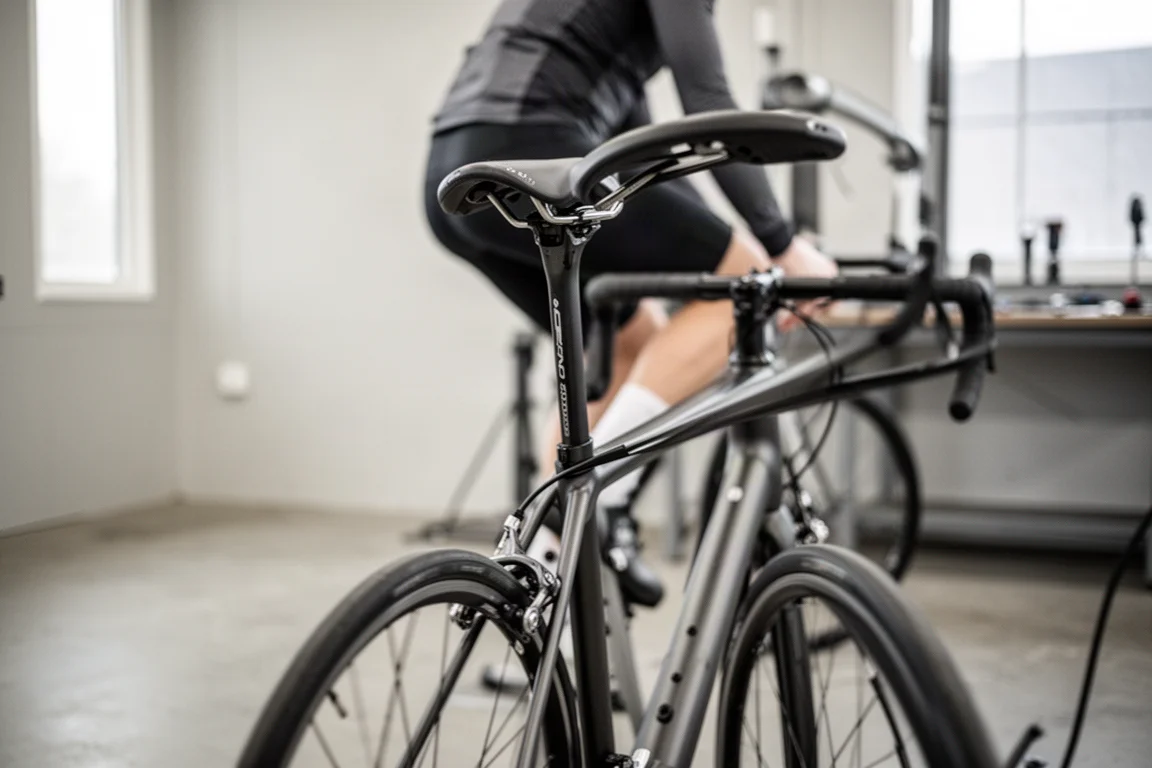
Shape may matter even more than width. It comes down to how the rider sits on the bike, how flexible they are, and whether they prefer a locked-in feel or room to shift around. ID Match approaches this by combining hip width, thigh width, and pelvis tilt into a single fit recommendation. In practice that produces a result such as S3, which points to a narrower saddle with the longest cutout, and a slight curve from back to front so the rider can still move a little.
Selle Italia SLR: A Balanced, Subtly Curved Profile
The SLR is the middle ground of the three shapes. Its profile carries a subtle curve from the rear to the nose, which keeps the rider stable without pinning them in place, and it suits a neutral pelvic tilt where the pelvis neither rotates strongly forward nor sits flat.
That balance is the appeal. Riders who want some front-to-back movement without the looseness of a flat saddle tend to settle here, and the slight curve works alongside the pressure-relief channel rather than fighting it. The 130 mm example above also shows how much difference the right width makes on a profile like this one.
Selle Italia Novus: The Most Curved Option
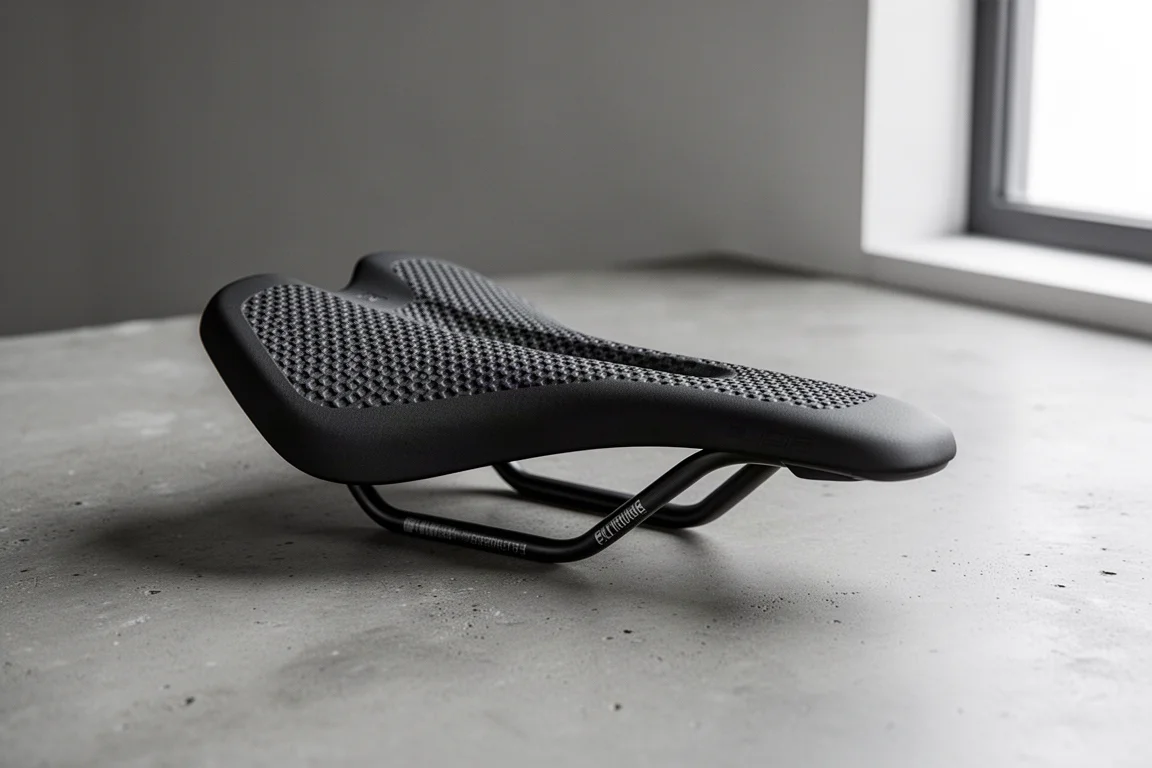
The Novus is the most curved of the three. The deeper shape is intended for riders whose pelvis sits with posterior tilt, where the lower back stays close to the wall in the standing test described below and the riding position is comparatively fixed. The curve holds that position and discourages the rider from sliding forward.
For riders who ride statically, the extra support is the point. The trade-off is that a strongly curved saddle offers less freedom to shift around, so it suits a settled position rather than a restless one.
Selle Italia Flite: The Flattest Profile
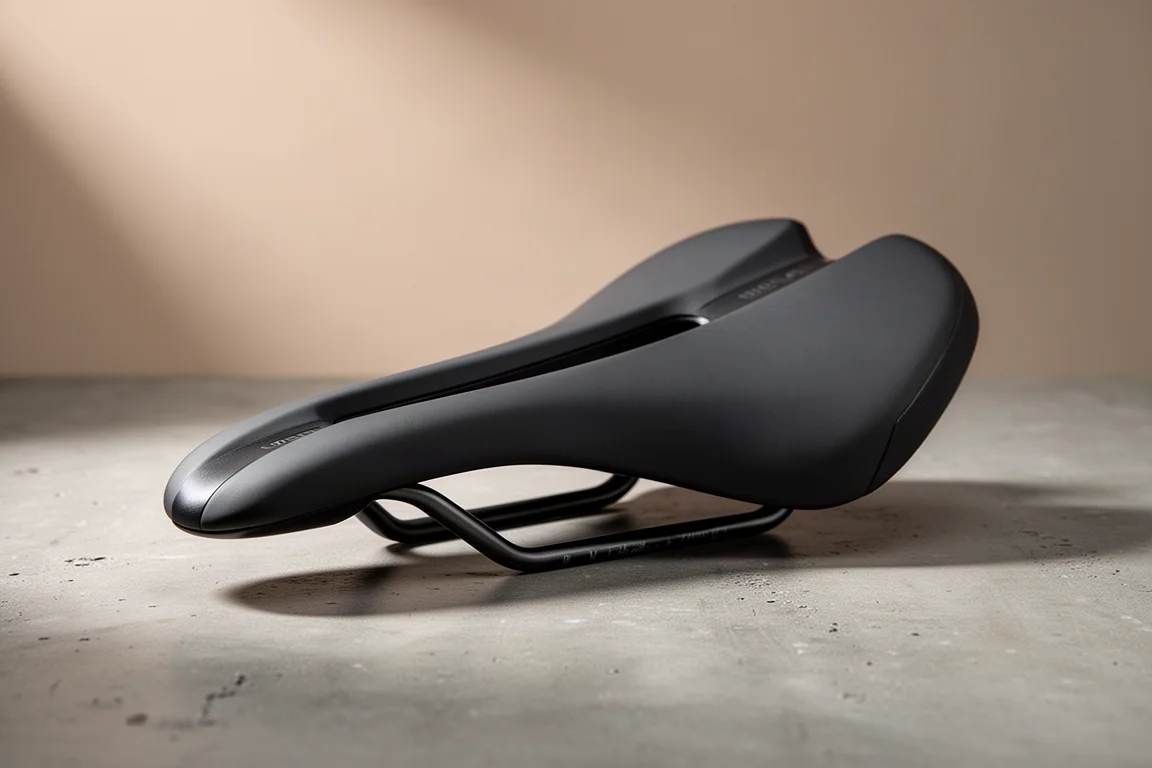
The Flite sits at the opposite end. Its flat profile is designed for riders with anterior pelvic tilt, where the pelvis rotates forward and the lower back leaves a noticeable gap against a wall. Those riders tend to move around on the saddle, and a flat surface lets them do it without fighting the shape.
The advantage is freedom of movement, particularly for riders who change position between climbing, descending, and riding on the drops. The trade-off runs the other way from the Novus: a flat profile gives less of a locked-in feel for anyone who prefers to be held in one place.
Cutouts, Pressure Relief, and Flexibility
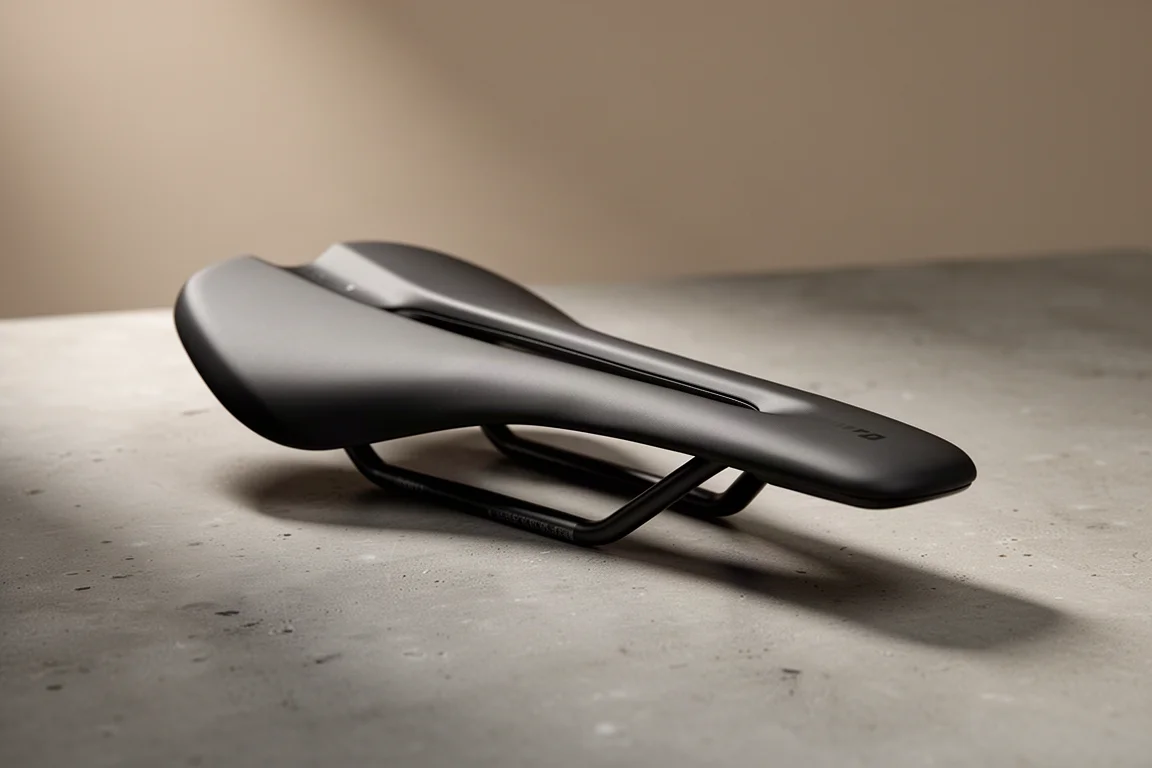
The hole running down the centre of a modern saddle is called a cutout, and its job is to relieve soft tissue pressure and maintain blood flow. Selle Italia builds pressure relief into every saddle in its range, on the basis that it matters across the board, but the length of the relief channel is matched to the rider’s flexibility. A very flexible rider leans further forward and puts more pressure through the soft tissue, so the longest and widest cutout is the recommendation in that case.

Individual preference still counts. Not every rider gets on with a cutout, and comfort is the only measure that matters in the end.
Gender-specific saddles are worth knowing about even if they are not obligatory. Women’s saddles tend to be wider at the back with a shorter nose, which supports wider sit bones and reduces pressure in sensitive areas. Plenty of riders are more comfortable on a unisex saddle, though, so the label is a guide rather than a rule.
Width, Pelvic Tilt, and the Wall Test
A shop fitting tool is the most precise way to establish pelvic tilt, but it is not the only way. Stand with heels, backside, and back against a flat wall, then look at the gap between the lower back and the wall.
A large gap means the pelvis naturally rotates forward, which is anterior pelvic tilt and usually points to a more dynamic riding position. Little or no gap indicates posterior pelvic tilt and a more fixed, static position. Riders who fall in between have a neutral pelvic tilt. That single observation narrows the field considerably: anterior tilt points towards a flat profile such as the Flite, posterior tilt towards a curved profile such as the Novus, and a neutral tilt towards the subtly curved SLR.
Getting the Setup Right: Angle, Height, and Fore-Aft
The right saddle can still be uncomfortable if it is set up badly, and this step is easy to skip. Tilting the nose down loads the soft tissue. Tilting it up pushes the rider’s weight forward onto the shoulders, arms, and wrists, which is its own kind of pain. Somewhere in the middle is usually the answer.
Fore and aft position matters for the same reason, and so does height. A saddle that is too high makes the hips rock from side to side with every pedal stroke. Too low and the rider loses power and may end up with sore knees.
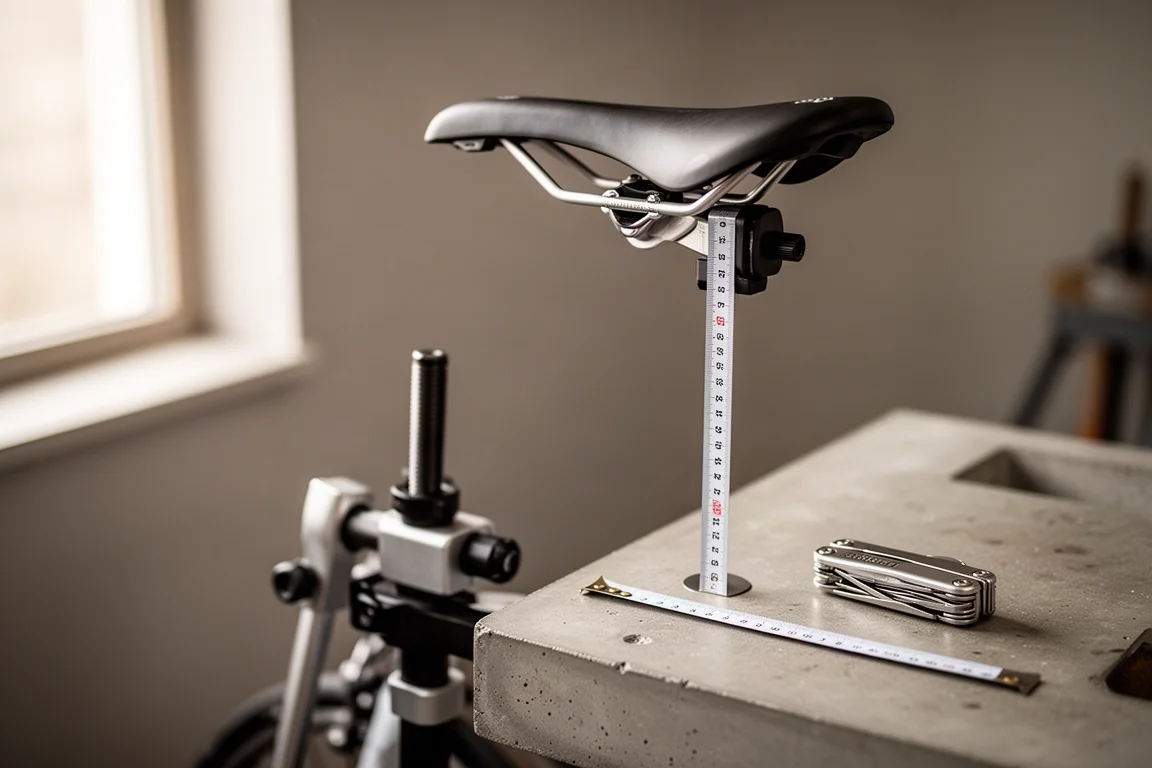
None of these adjustments is dramatic on its own, but together they decide whether a well-chosen saddle actually works.
Why the Rest of Your Kit Matters
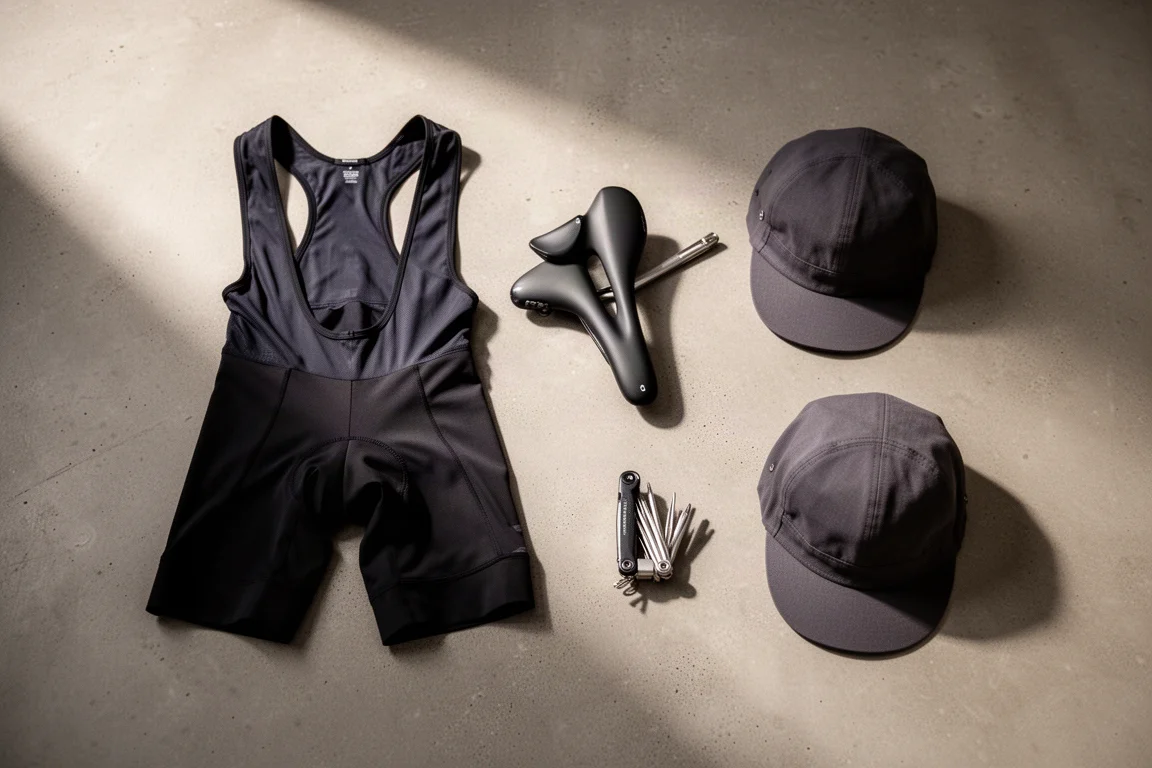
Bib shorts will not rescue a saddle that is the wrong shape, but a well-fitting pair makes a real difference to comfort on the bike, and it is worth treating them as part of the same system rather than an afterthought.
It helps to remember what is at stake. A saddle is one of only three contact points, and it takes a huge share of the rider’s weight, particularly over long distances. When the fit is wrong, the consequences range from numbness and chafing to longer-term injury.
Overall Buying Advice
Start with width, because it is the easiest thing to measure and the most likely to cause obvious problems such as inner-thigh chafing when it is wrong. A shop measurement, or Selle Italia’s ID Match system with its hip width, thigh width, and pelvis tilt inputs, is the most reliable route. If that is not available, the wall test gives a useful rough guide to pelvic tilt.
Then think about shape and cutout together. A flexible rider who leans far forward is likely to want the longest relief channel, while a static rider with posterior tilt is likely to be more comfortable on a curved profile. Padding should be the last consideration, not the first. Once the saddle is chosen, spend the time on angle, fore and aft position, and height, because a good saddle in the wrong place is still a bad ride.
Gendered saddles are available for riders who want to try one, and they are not compulsory. The only test that matters is whether the saddle disappears from your awareness after an hour on the bike.
Conclusion
Saddle discomfort is not something riders have to accept, and the fix is usually a matter of matching shape and width to the individual rather than spending more. The Novus, the SLR, and the Flite cover the three main profiles: curved for static riders with posterior tilt, subtly curved for neutral riders who want some movement, and flat for dynamic riders with anterior tilt. Get the width right, choose the profile that matches how you actually sit, set the saddle up carefully, and the odds of a comfortable ride improve considerably.
Further reading
Related Reviews
Cycling Saddles
Best Bicycle Saddles Ranked: Ten Models Compared for Comfort and Fit
A practical ranking of ten road and triathlon saddles, from wide flared shapes that rub the thighs to narrow designs that support the rear of the saddle properly.
Cycling Saddles
Best Road Bike Saddles 2026: Choosing the Right Width and Pressure Relief
A practical guide to road bike saddle selection, covering pressure relief, saddle width, and two widely known designs, the Selle Italia SLR Boost and the Specialized Power.
Cycling Saddles
Best Road Bike Saddles Ranked: Nine Options From Worst to Best
A fitter's ranking of nine road bike saddles, from wide flared designs that catch the thighs to the narrow shape most riders end up choosing.