Home Audio
Best Sealed Subwoofers Between $2,000 and $3,000: A Practical Roundup
Eleven sealed subwoofers in the $2,000 to $3,000 band, compared by output, cabinet size, amplifier features, and the kind of room each one actually suits.
Introduction
Sealed subwoofers appeal to listeners who want serious low-frequency output without surrendering floor space. A sealed cabinet is usually smaller than a comparable ported design, which matters in rooms where a large box simply will not fit or will not be tolerated. The trade-off is that a sealed design has to work harder for the same result: the driver needs generous excursion and a well-behaved motor, the amplifier needs real power, and the cabinet has to be engineered so the whole system stays composed when it is pushed.
The models below all sit in roughly the $2,000 to $3,000 band and all use sealed enclosures. They differ widely in size, output, connectivity, finish, and the kind of system they slot into most naturally. There is no single winner here. Each one is a reasonable purchase in the right room, and the useful question is which set of compromises fits your setup.
How We Evaluated These Sealed Subwoofers
Four things separate these subwoofers from one another. Output capability across the operating band is the first, since two cabinets of similar size can differ substantially in how much clean bass they produce. Midbass punch is the second, and it is the region most listeners notice first, because kick drums, bass guitars, and the weight of a film score live there.
Deep bass extension is the third, and it is where sealed designs most often give ground, since a small cabinet forces a choice between extension and headroom. The fourth is everything around the driver: amplifier quality, app control, parametric EQ, room correction, connectivity, warranty, and how the cabinet looks in a room that is not a dedicated theater.
Two practical notes before comparing models. Driver diameter is only a rough guide, because excursion and motor design matter as much as cone area, and a well-engineered smaller driver can outperform a larger one in the range that matters. And the room is not a neutral party: where a subwoofer is placed often changes the result more than the difference between two models on this list.
Arendal Sound 1723 Subwoofer 2S: The Most Well-Rounded Option
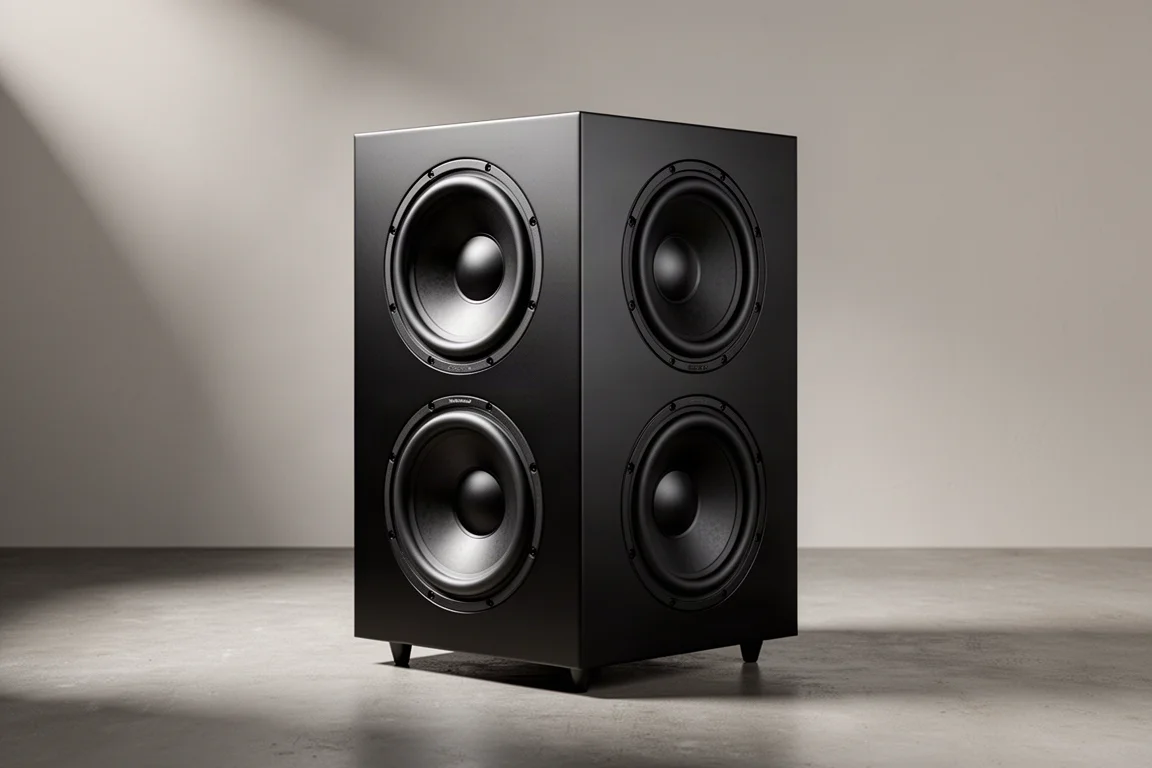
The 1723 Subwoofer 2S uses two 13.8-inch drivers in an opposing configuration. Because the drivers move in opposite directions, the reactive forces largely cancel and the cabinet stays still, which means the enclosure does not walk around or rattle whatever is sitting on it. That stability makes it practical to treat the subwoofer as furniture: it can serve as an end table, or as a stand for a bookshelf speaker.
The amplifier is unusually well equipped for this price band, with XLR inputs and outputs, RCA inputs and outputs, and a seven-band parametric equalizer, all reachable through app control. The cabinet is a taller rectangular shape rather than a cube, and it stays modestly sized given the driver complement. Coverage includes a five-year warranty and a 60-day trial period.
What makes it the most balanced package in this group is that it has no obvious weakness. It does not deliver the highest output here, and it does not have the smallest cabinet, but it handles music and film material without complaint and gives up very little anywhere.
JTR RS1: Maximum Output and Time-Domain Performance
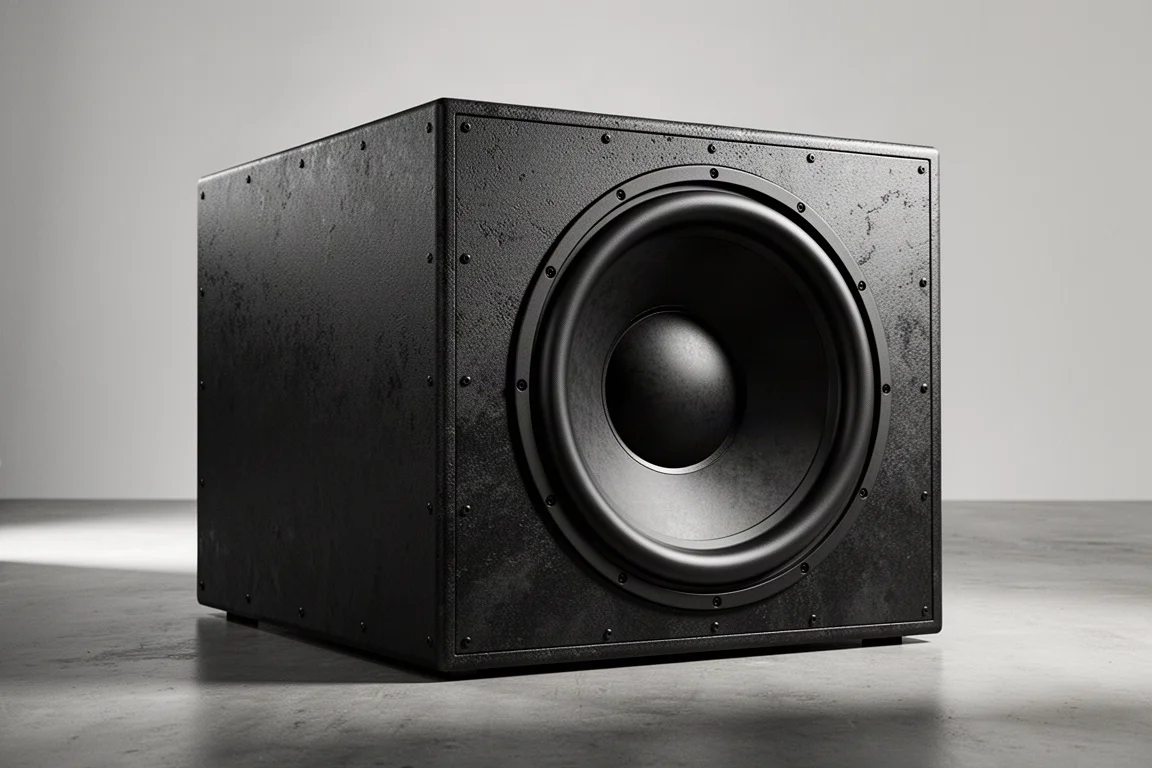
The RS1 is the performance ceiling of this group. Its 18-inch driver is fed by a 2,400-watt amplifier, and the driver itself is exceptional: roughly 35 to 36 mm of excursion, inductance around 0.1 mH, and a bandwidth that stays flat out to around 600 Hz rather than rolling off early. The result is a subwoofer that produces more output than anything else here, and its group delay behavior is the best in the group, with only a few other sealed designs coming close.
That combination has an unexpected consequence. The RS1 is often marketed as a home theater subwoofer, but its time-domain behavior makes it genuinely high fidelity with music as well, which means it is frequently used as a dedicated effects channel when it is capable of considerably more.
The money saved on presentation is what funds the driver and amplifier. The cabinet has an industrial look with no premium finish, and there are very few convenience features. It is built in the United States, and it is the most expensive model on this list.
SVS SB16 Ultra: Deep Bass Without a Ported Box
The SB16 Ultra is a known quantity, and its build quality is arguably the best in this group, even though it comes from a large manufacturer. It weighs around 120 pounds, the heaviest subwoofer here, and it feels like a solid block when you move it. It is neither small nor enormous, but the density is immediately obvious.
Its driver is nominally 16 inches, though measured frame to frame it lands closer to 15 inches. What sets it apart is displacement: an eight-inch voice coil, very high excursion, and a huge surround mean it moves far more air than any other 15-inch-class driver here.
Control is handled through an app with a parametric equalizer, so the subwoofer can be tuned to the room without external processing.
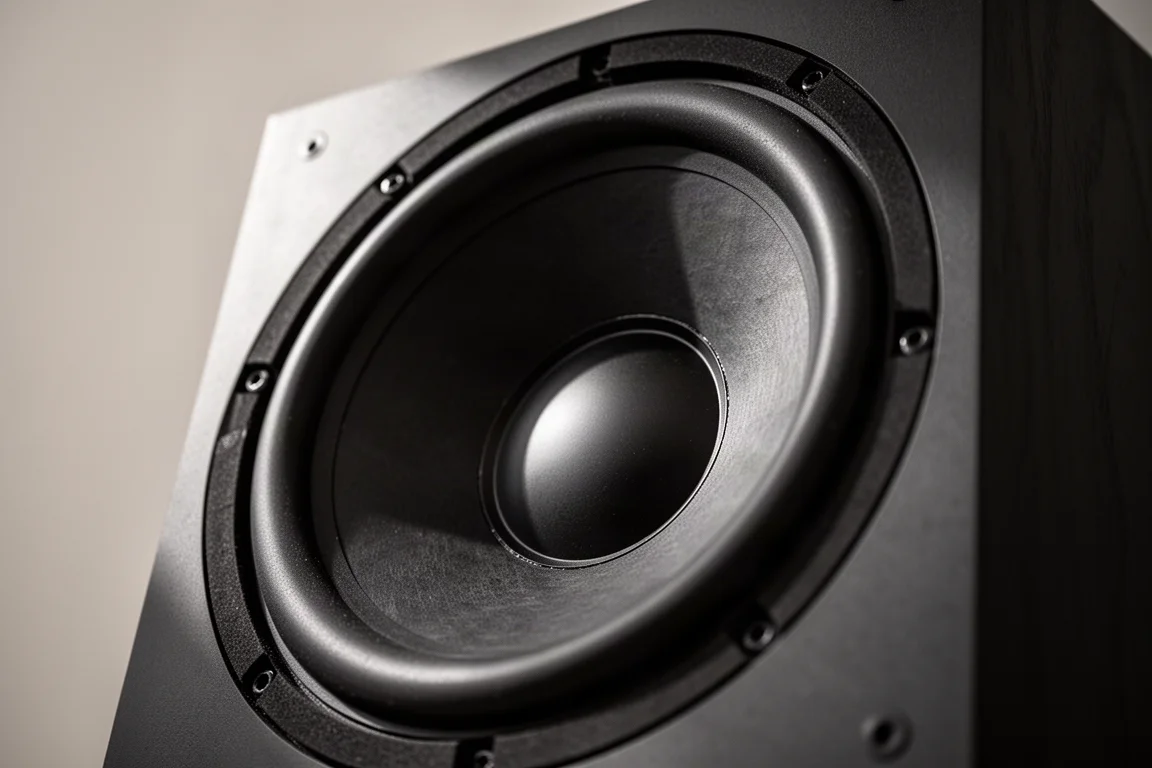
The case for this model is specific and strong. If you want genuine deep bass without the footprint of a large ported cabinet, and you want it in a cabinet that still looks at home in a living room, this is the model that does that job. Customer support is a further point in its favor.
MartinLogan Dynamo: The Most Versatile Integration
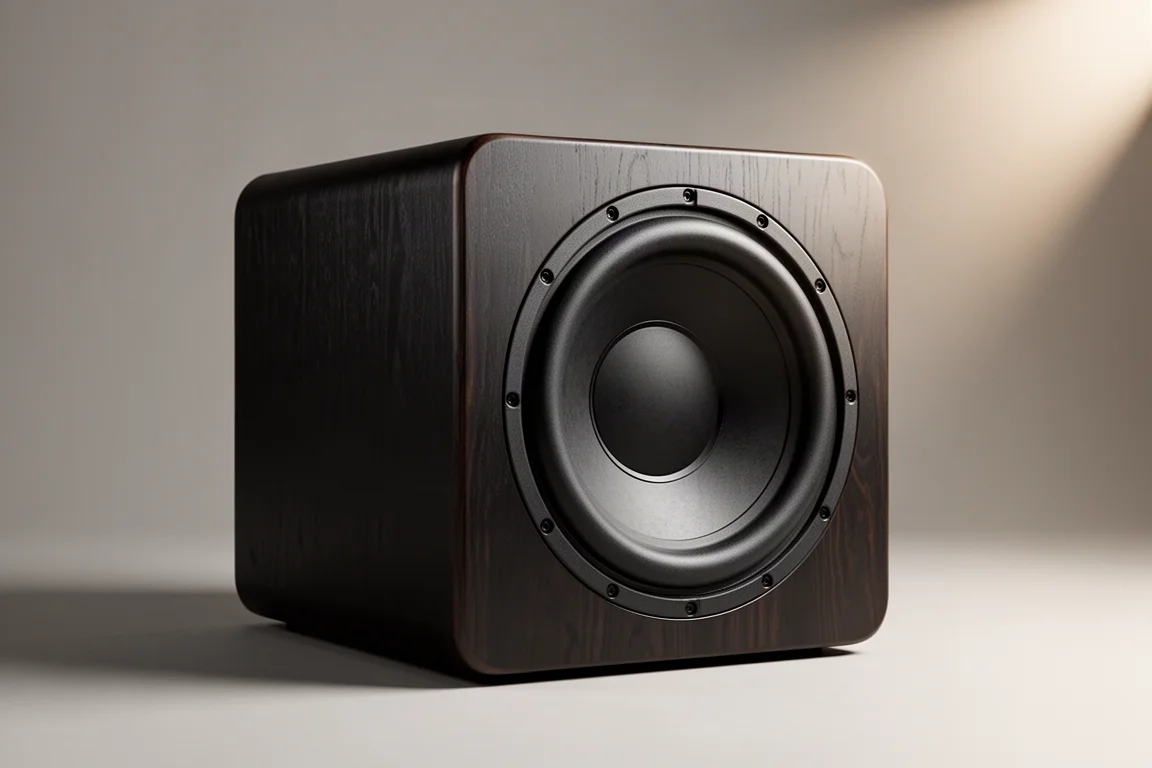
The Dynamo is built around a 15-inch driver with moderate excursion but high sensitivity, which is why its midbass output around 60 to 70 Hz comes close to the far larger JTR RS1. That is a remarkable result from a cabinet that stays relatively small for a 15-inch design.
Its real distinction is flexibility. Anthem ARC room correction is built in, so the subwoofer can flatten the modal problems in a room on its own, and the routine can be run from the app. The driver can be oriented either down-firing or front-firing, and the feet can be repositioned to match, which makes placement easier in awkward rooms.
Connectivity is broader than almost anything else here: balanced and unbalanced inputs, wireless readiness, and speaker-level inputs, which are rare in this price range.
That last point matters for two-channel listeners. A subwoofer with speaker-level inputs can be connected to an integrated amplifier that has no subwoofer output at all, and ARC then handles the calibration. The trade-off is deep bass: output below roughly 20 Hz is not this model’s strength.
REL Acoustics HT/1510: Simplicity and Value
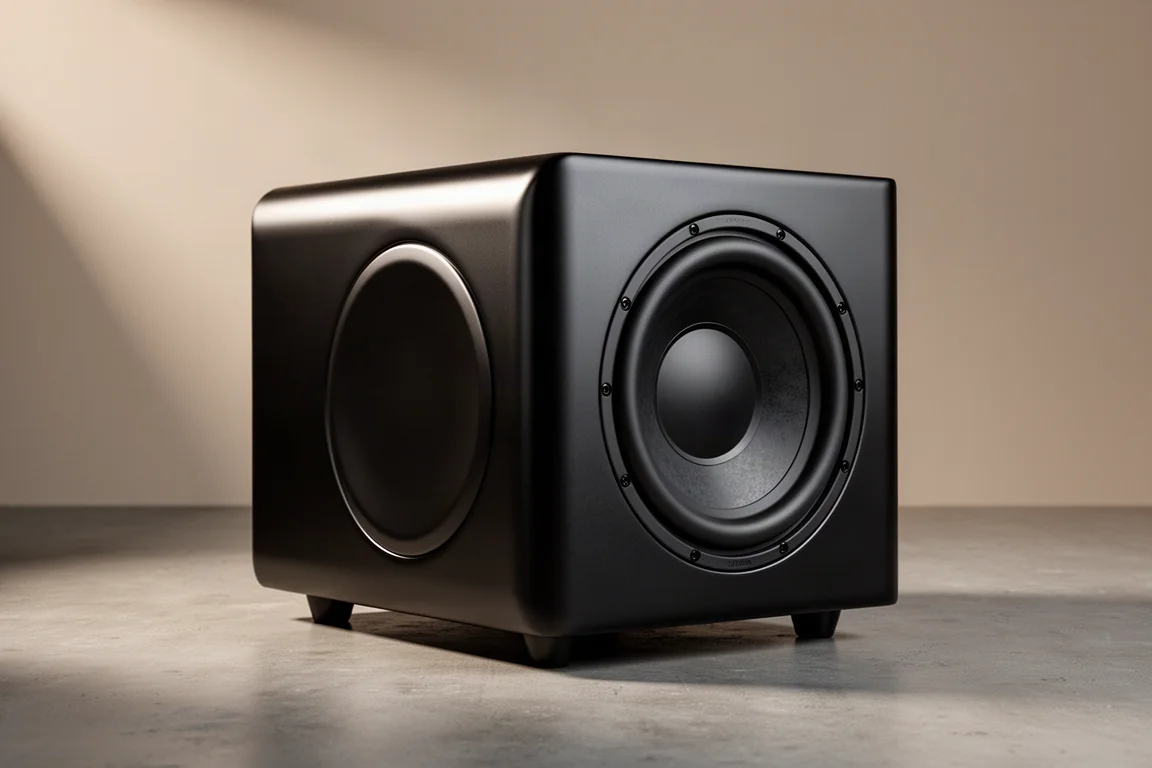
The HT/1510 is the least expensive subwoofer in this group at $1,900, and it pairs a 15-inch driver with a 1,000-watt amplifier. It is also the simplest: there is no digital signal processing, no app control, no parametric EQ, and no room correction. The design philosophy is to interfere with the signal path as little as possible, using a well-matched driver, cabinet, and amplifier rather than correction to reach the target response.
That approach pays off in two measurable ways. The rolloff is a true 12 dB per octave, which lets the subwoofer take full advantage of room gain instead of being filtered away from the deep bass a sealed cabinet can produce. Time-domain performance is also strong as a direct result of keeping the signal path short.
There is no limiter, so the subwoofer can be driven into audible distortion at extreme levels, particularly with test tones rather than program material. Under heavy use it did not bottom out or put its suspension at risk, so the practical limit is higher than the lack of protection might suggest. For the money, it delivers enough output to suit large rooms.
Sigberg Audio 10D: Smallest Footprint, Premium Components
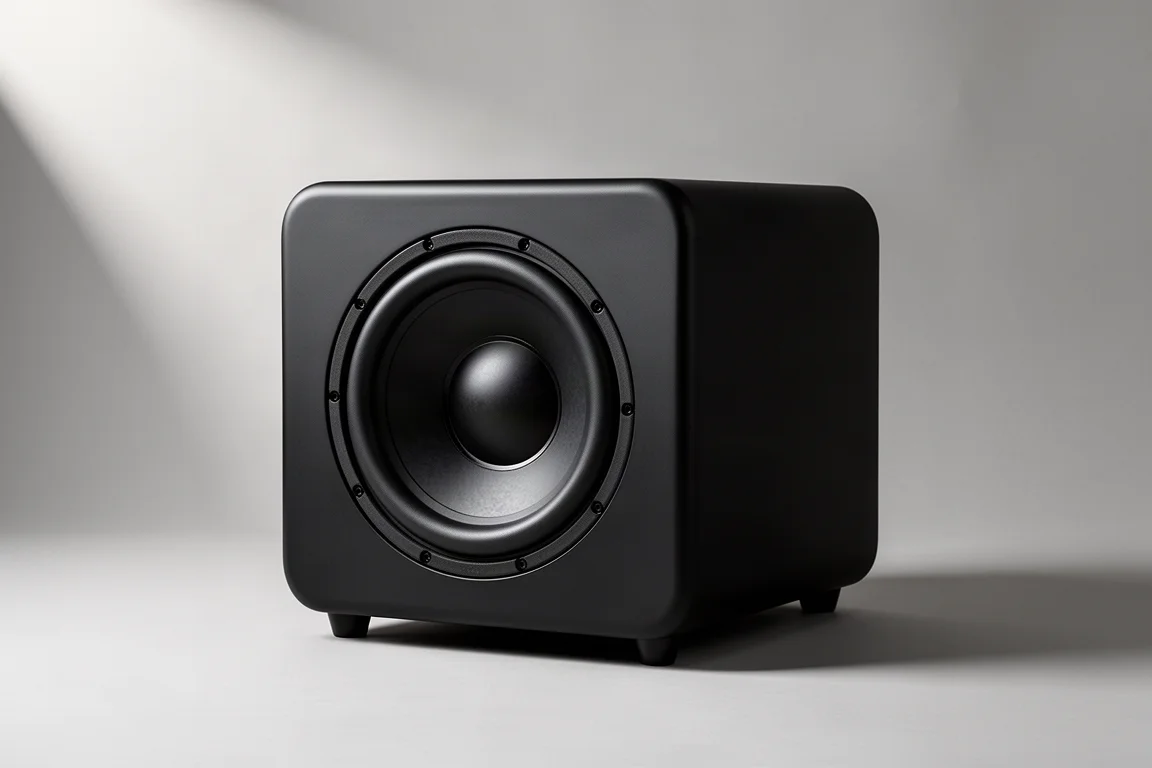
The 10D is the smallest subwoofer in this group by a wide margin, roughly a 14-inch cube, and it is built in Norway. Inside are two 10-inch drivers and a 500-watt Hypex NCore plate amplifier, which is among the highest-quality plate amplifiers available, with extremely low distortion and extremely low noise.
Its feature set is closer to a high-end component than a typical subwoofer: a nine-band parametric equalizer and a bandwidth wide enough to cross over at almost any frequency without concern. Midbass output in burst testing hovers around 116 dB, which is what you would expect from a good 15-inch design rather than a pair of 10-inch drivers.
The one limitation is extension. Rated against a 25 Hz criterion, it lands in a medium room category rather than a large one, though its output above that point is excellent. For music systems that need punch rather than sub-20 Hz extension, that is an easy trade. If space is the deciding constraint, nothing else here comes close.
JL Audio E-Sub: Refined Looks and Dealer Support
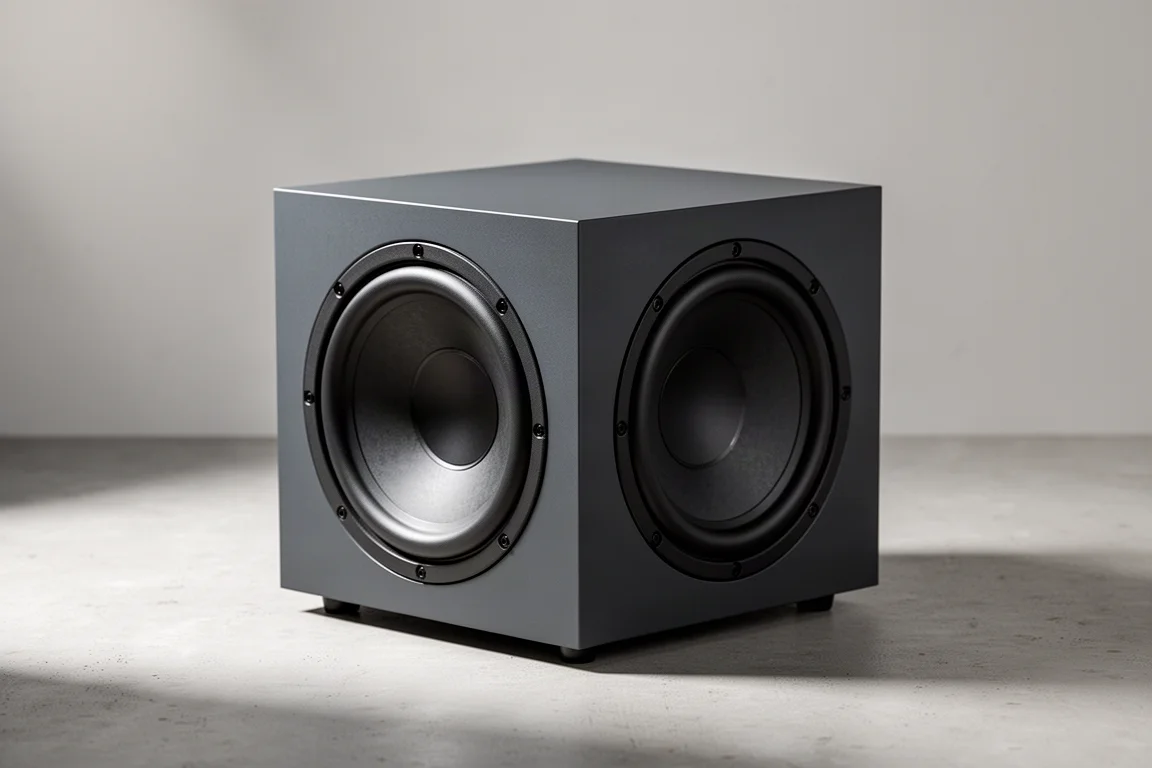
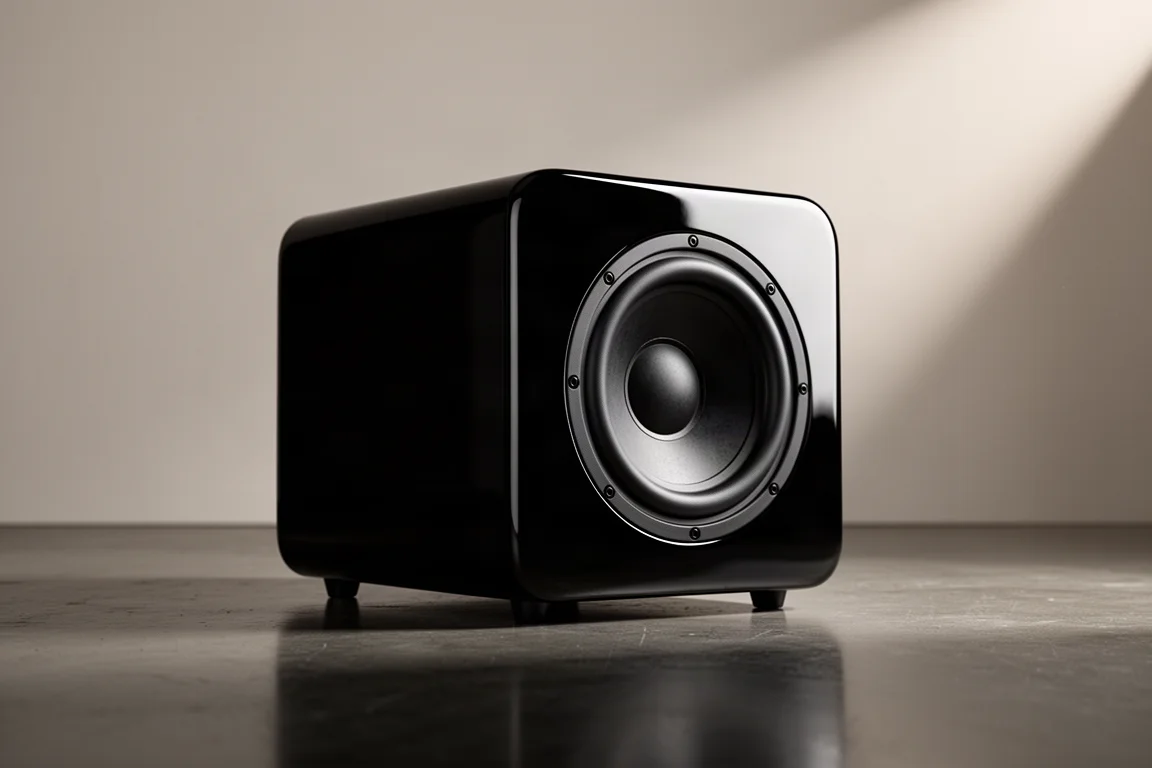
The E-Sub sits in the same price range as the rest of this group and remains a serious option despite being an older design. In high-gloss black, it is probably the best-looking subwoofer here, and it is not a large cabinet, so it fits comfortably in a room where the subwoofer will be visible.
Its strengths are presentation and support rather than raw numbers. Dealer network coverage and customer support are genuine advantages, and the finish quality is a step above the more utilitarian designs on this list.
The trade-off is midbass headroom. If your priority is sheer output in the 60 to 100 Hz region, other models here will give you more. If your priority is a subwoofer that looks like a piece of furniture and is backed by a dealer you can visit, this is a sensible choice.
Hsu Research ULS-15 Mk2: Best Bang for the Buck
The ULS-15 Mk2 has been around for a long time, and nothing in this price band has really displaced it as a value proposition. At roughly $1,000 each, two units ship for about $2,200, which is less than several single subwoofers on this list.
A pair of these delivers tremendous performance, and the value argument goes beyond raw output. Two subwoofers can be placed to cancel out the worst room modes, which is a qualitative improvement in sound quality that no single subwoofer can match regardless of price.
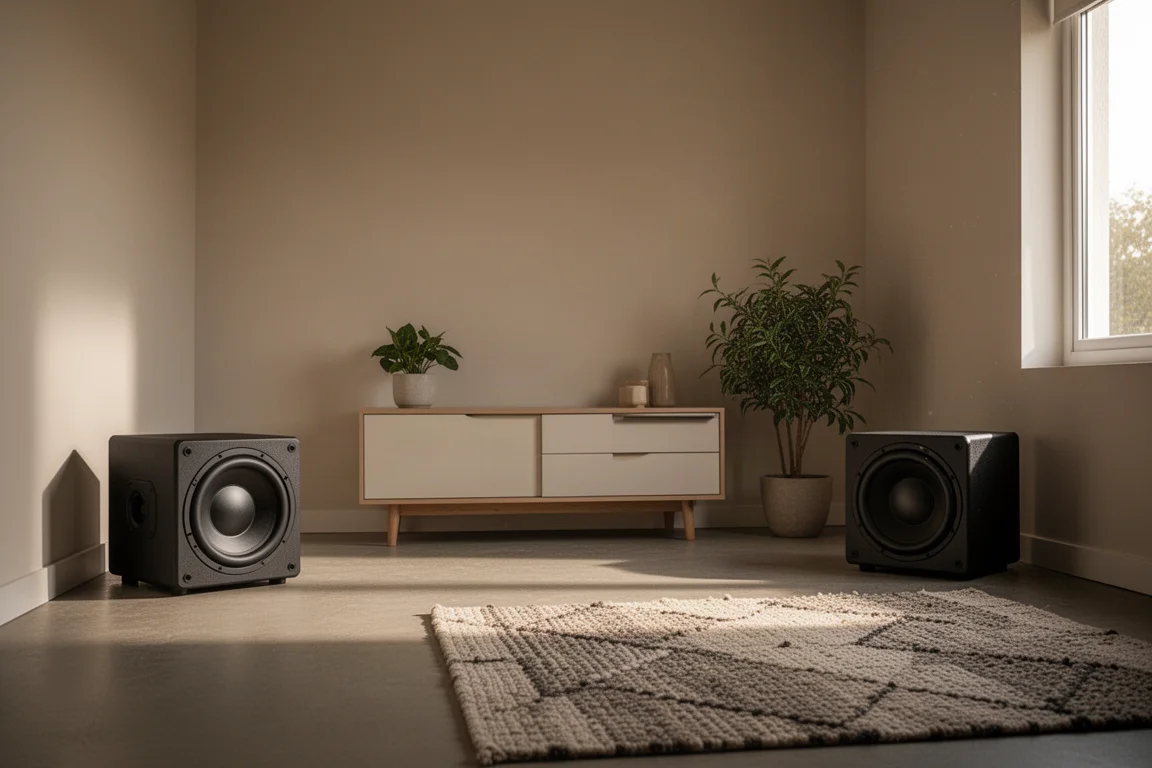
That is the strongest case for this model: not one good subwoofer, but two well-placed ones. The design is older and the amplifier features are minimal compared with the app-controlled models here, but the fundamentals still hold up.
ELAC Varro: A New Dual-Opposed Design to Watch
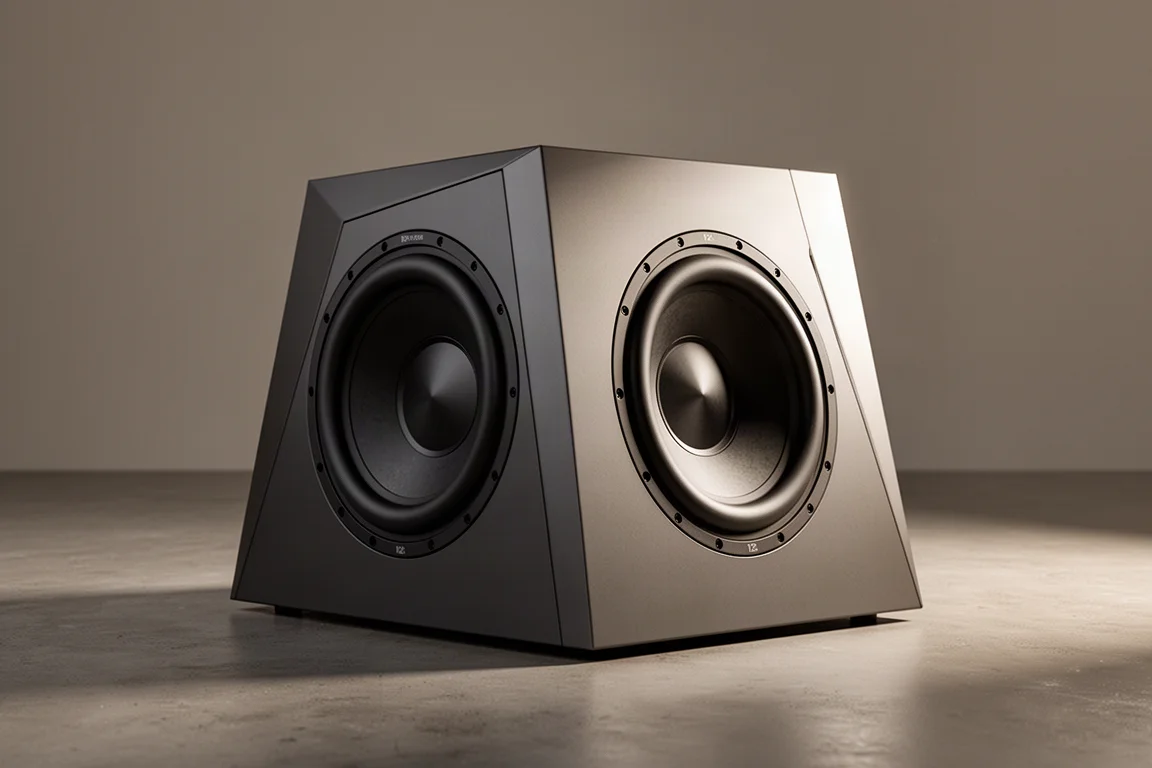
The Varro is a newer entry at $3,000 and takes a different approach to the same problem. It uses two opposed 12-inch drivers in a trapezoidal cabinet, driven by a 1,200-watt amplifier, with app control included. The shape and finish give it a distinctly furniture-like presence rather than the boxy look of most subwoofers here.
The opposing driver layout should bring the same benefit seen elsewhere in this group: a cabinet that stays quiet under load. The specification set is ambitious for the price.
Performance details are less well documented than for the rest of this group, so the sensible approach is to treat the Varro as an option worth auditioning rather than a proven quantity. The design is promising, and it belongs on a shortlist if the aesthetic appeals.
Starke Sound SW15: Multiples for Room Mode Control
The SW15 is a small sealed 15-inch subwoofer with fundamentally good performance and a very attractive price. Three units can be purchased for less than $3,000, and around $2,400 when they are on sale, which changes the math considerably.
On its own, the SW15 is a solid value rather than a standout. Its real strength appears when you buy more than one. Multiple subwoofers can be positioned to address the nulls and peaks that a single subwoofer cannot escape, and that is the single largest quality gain available in a bass system. If you can accommodate three small cabinets and place them well, this route will outperform a single more expensive subwoofer for sound quality.
The cabinet is compact, smaller than the Hsu Research ULS-15 Mk2, which makes the multi-sub approach more practical in ordinary rooms.
Rythmik F18: An 18-Inch Option Under $2,000
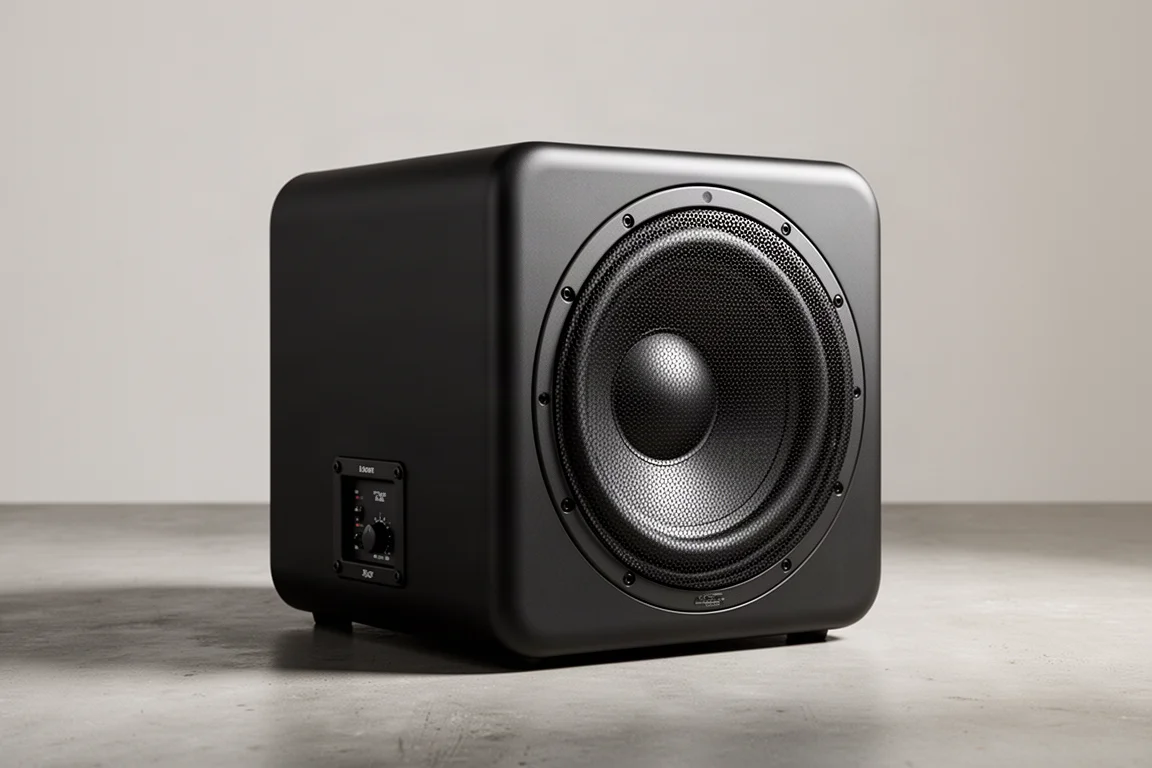
The F18 is one of the few 18-inch sealed subwoofers available for under $2,000. It pairs a 900-watt amplifier with a long-throw 18-inch driver, and its measured performance is well regarded, though it is a design worth experiencing in your own room before committing.
The cabinet is larger than most sealed subwoofers here, which is unavoidable with a driver of that size, but it is not enormous for what it delivers. For listeners who want big-driver output without paying the most in this group, the F18 sits in a useful spot in the market.
Its feature set is more limited than the app-controlled models on this list, so the appeal is the driver and the price rather than convenience.
Buying Advice: Matching a Sealed Sub to Your Room and System
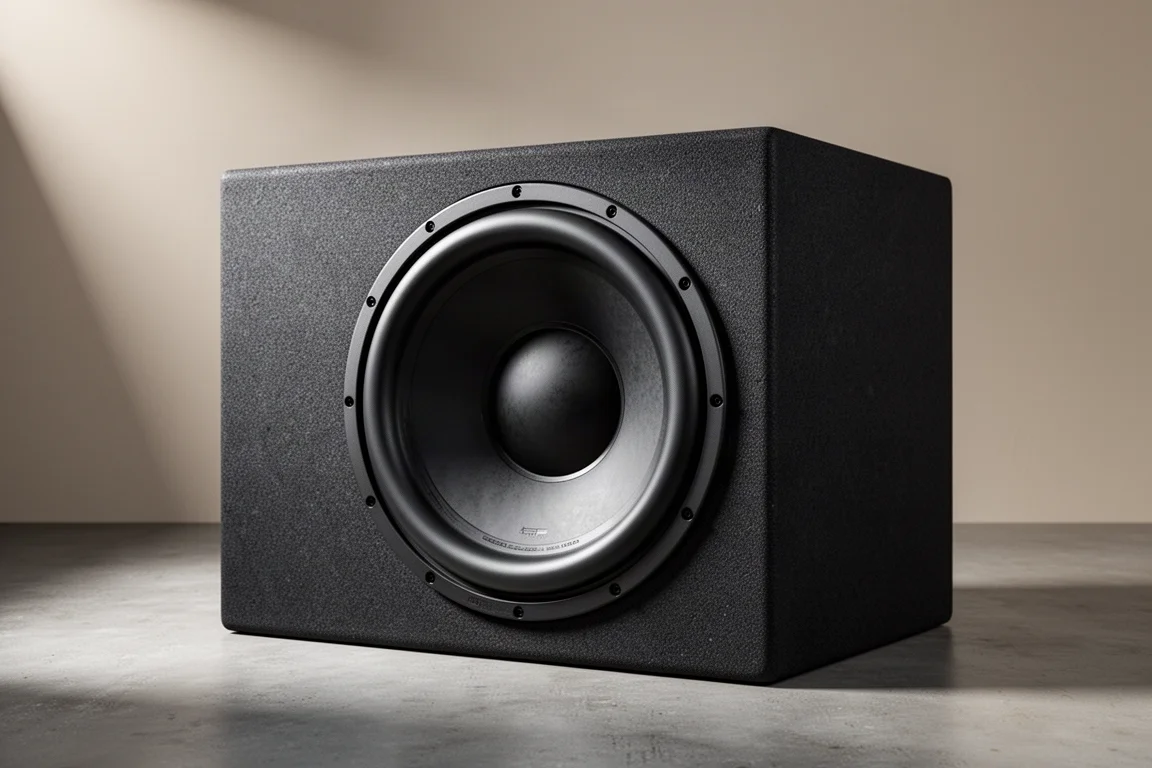
Start with the room rather than the subwoofer. Cabinet size, placement options, and how many units you can fit will determine more of the final result than the difference between two well-regarded models. If you can only fit one small cabinet, the Sigberg Audio 10D is the strongest small-subwoofer option here. If you can fit two or three modest cabinets, a multi-sub approach with the Hsu Research ULS-15 Mk2 or the Starke Sound SW15 will usually deliver better sound quality than a single larger unit.
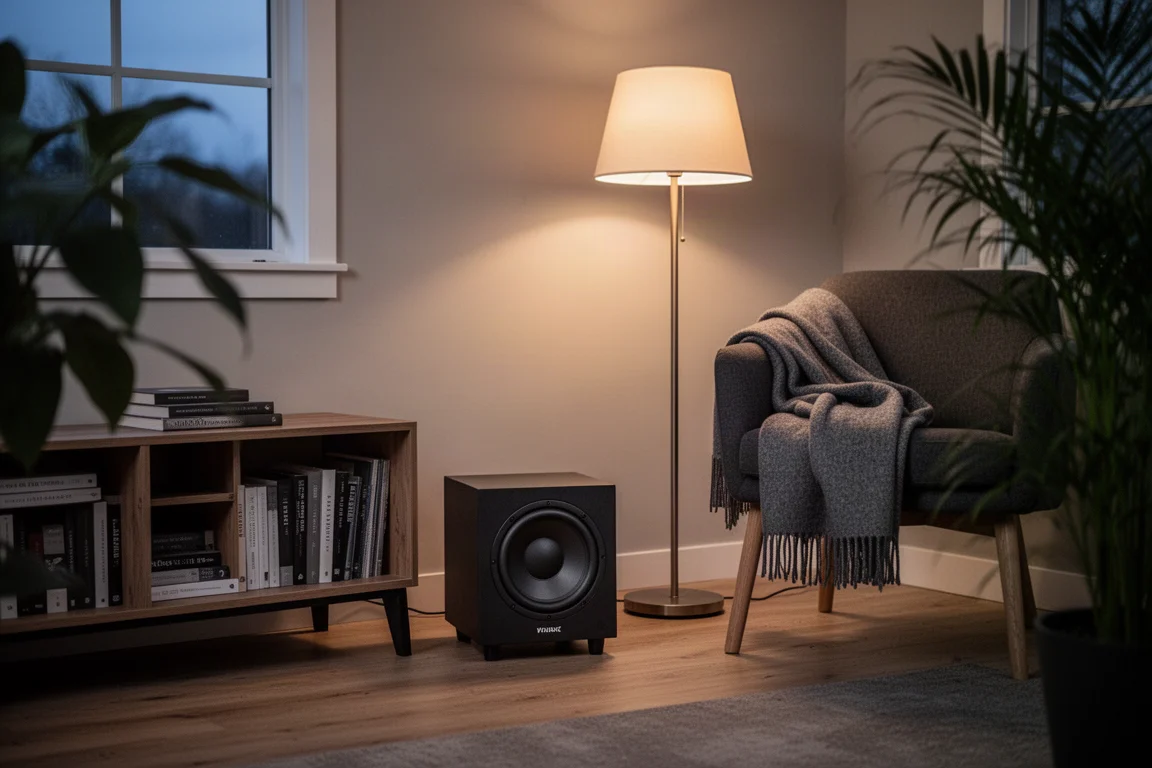
Next, decide what you actually need from the low end. If deep bass from a reasonably sized sealed cabinet is the goal, the SVS SB16 Ultra is the natural fit. If maximum output and the best time-domain behavior matter most and appearance is secondary, the JTR RS1 is the performance answer. If you want a single subwoofer that handles everything competently with no weak spot, the Arendal Sound 1723 Subwoofer 2S is the balanced choice.
Then consider how the subwoofer will connect and be tuned. Two-channel systems without a subwoofer output are best served by the MartinLogan Dynamo, which accepts speaker-level connections and includes Anthem ARC room correction. Systems built around an AV processor can use app control and parametric EQ instead, which puts the SVS, Arendal, Sigberg, and ELAC models on more equal footing. If you prefer a signal path with as little processing as possible, the REL Acoustics HT/1510 is the purist option and also the least expensive. And if the subwoofer will sit in a visible spot in a living room, the finish and proportions of the JL Audio E-Sub, MartinLogan Dynamo, and ELAC Varro deserve as much weight as the specifications.
Conclusion
There is no single best sealed subwoofer in this range, and that is the useful takeaway. The Arendal Sound 1723 Subwoofer 2S is the most complete package, the JTR RS1 is the output and time-domain leader, the SVS SB16 Ultra delivers deep bass from a living-room-friendly cabinet, the MartinLogan Dynamo is the most flexible to integrate, the Sigberg Audio 10D is the best small subwoofer available, and the REL Acoustics HT/1510 is the value pick for listeners who want simplicity. Add the Hsu Research ULS-15 Mk2 or Starke Sound SW15 in multiples and you can beat most of them on sound quality alone. Match the subwoofer to the room and the system, and any of these will serve you well for years.
Further reading
Related Reviews
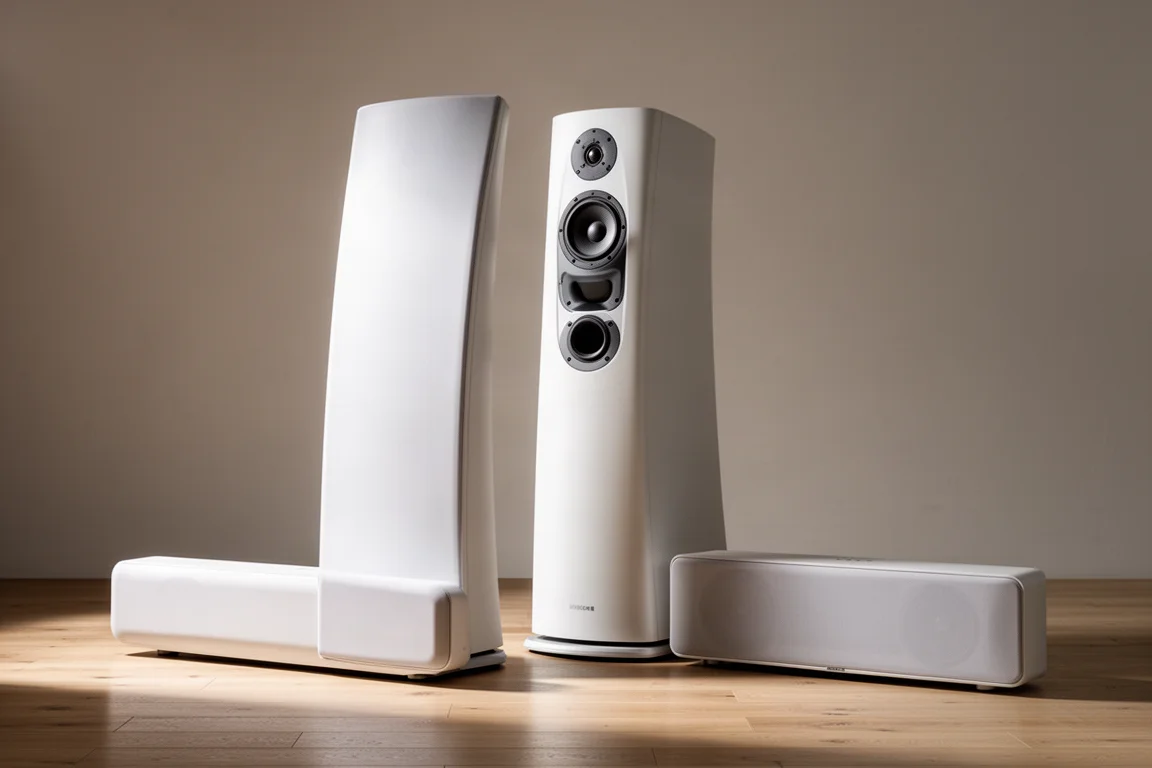
Home Audio
Aperion Novus Tower and Center Review: Punchy Home Theater Sound With Real Refinement
A close look at the Aperion Novus tower and center speakers, from their layered paint finish and punchy bass to the 4-ohm load and what the price actually buys.
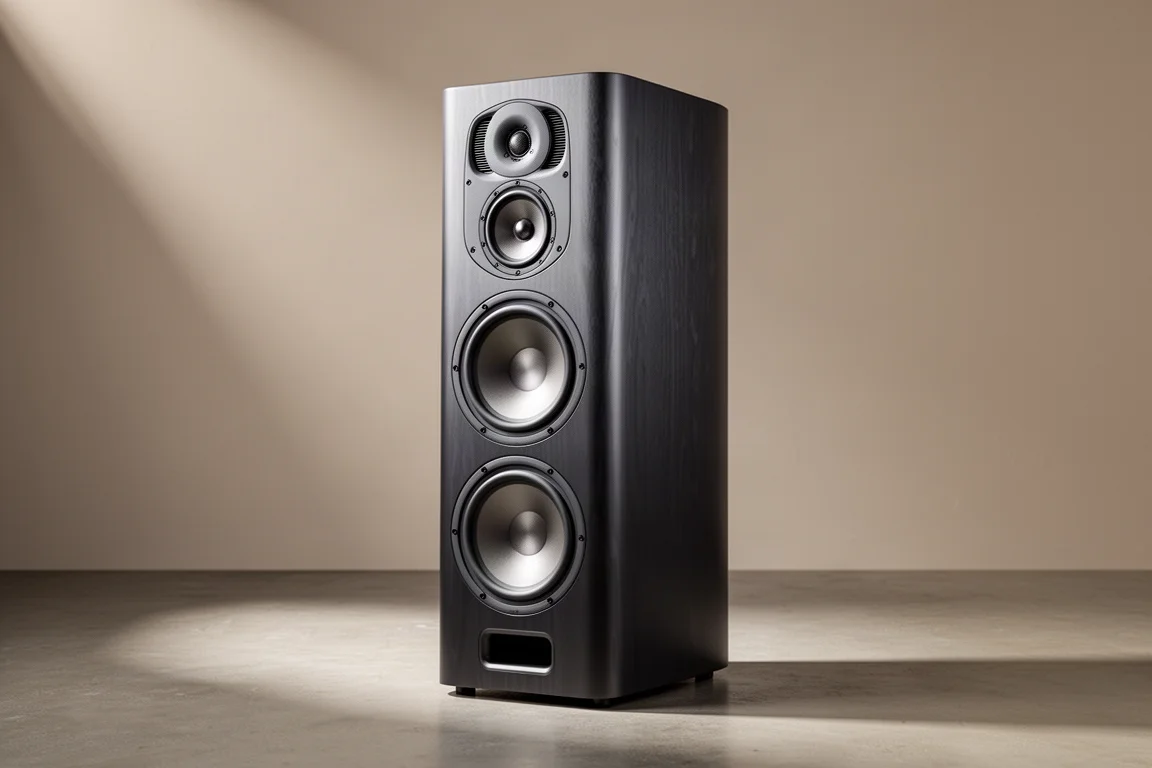
Home Audio
Arendal 1610 Tower Review: Flagship Dynamics in a Room-Friendly Tower
A compact floorstanding tower with three 8-inch aluminium woofers, a 5-inch carbon midrange, and the kind of bass heft usually reserved for much larger speakers.
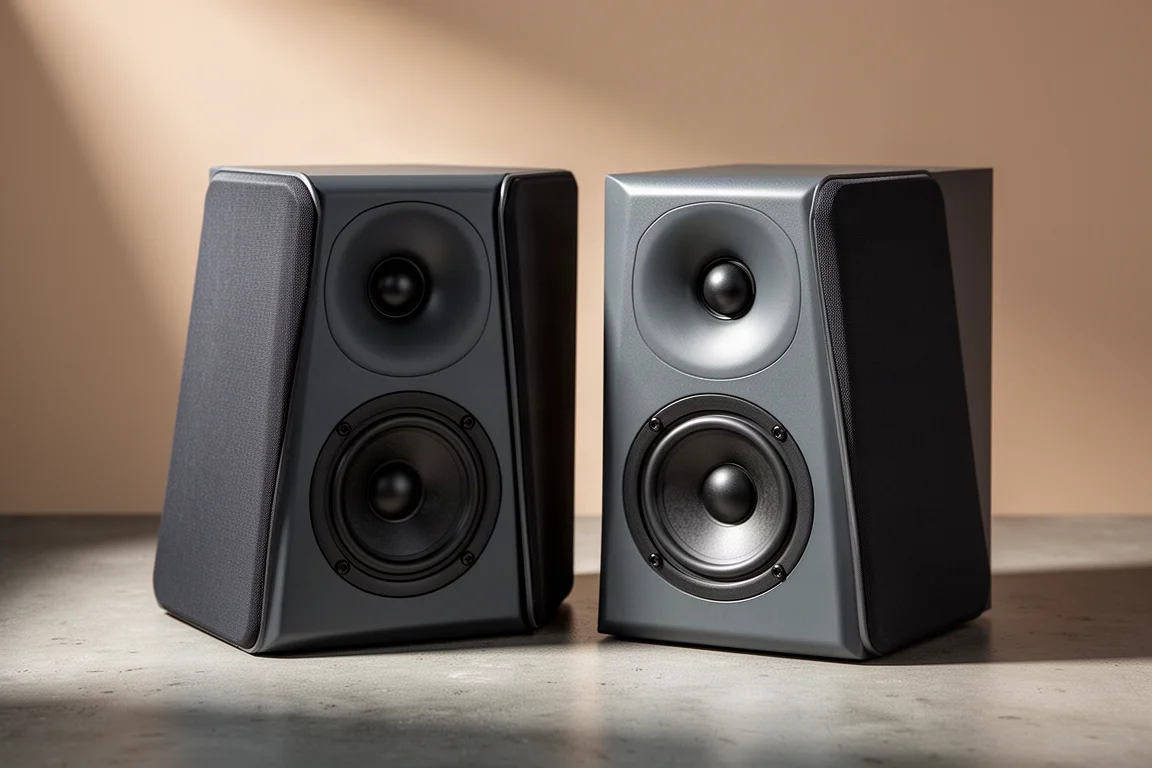
Home Audio
Arendal 1723 S THX Review: A Reference Speaker Built Like a Tank
A practical look at the Arendal 1723 S THX, a sealed, THX-certified speaker with exceptional build quality, a very flat top end, and a midrange that responds beautifully to EQ.