Running
Running Shoes That Defined 2025: Five Standouts Worth a Closer Look
From plush daily trainers to radical super shoes, five running shoes that made the biggest impression this year, with strengths and trade-offs explained.
Introduction
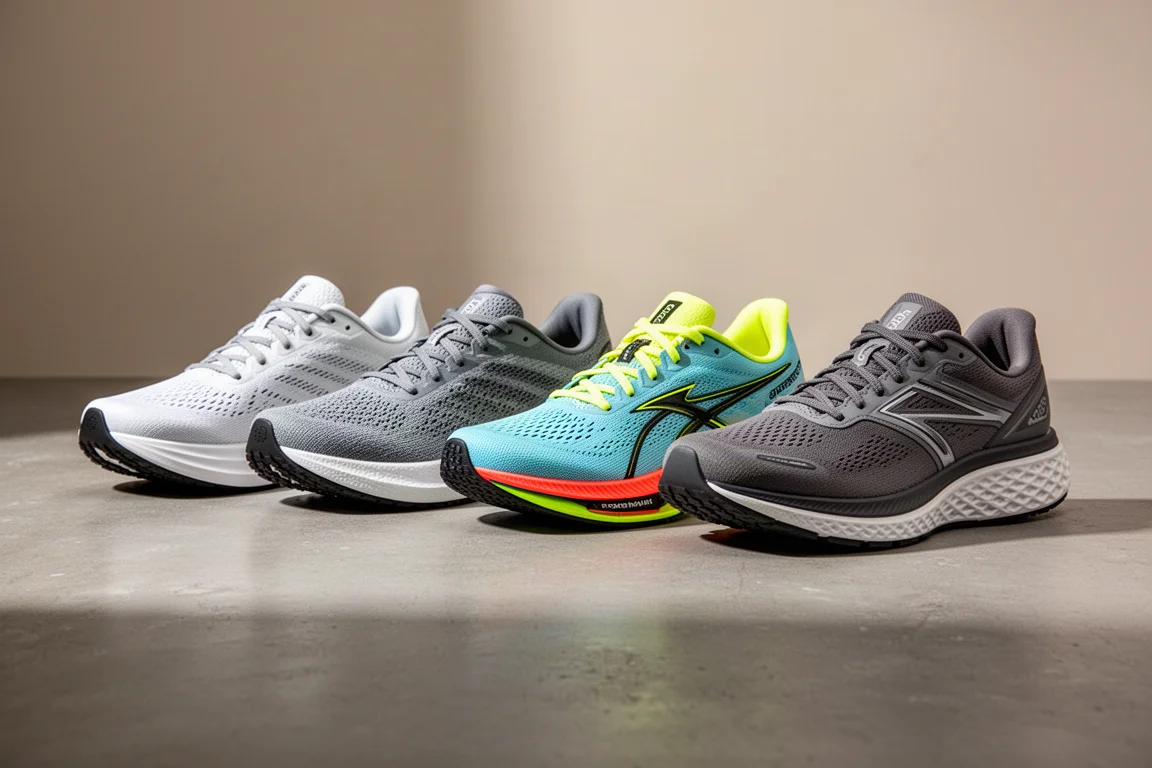
Some years in running footwear are incremental. This one was not. Across daily trainers, max-cushion platforms, and the fastest racing shoes on the market, brands pushed geometry, foam chemistry, and weight savings further than in recent memory. The result is a landscape where the shoe a runner picks matters more than ever, because the gap between a protective easy-day trainer and a razor-sharp race-day weapon has widened dramatically.
This roundup pulls together five shoes that consistently stood out this year across training and racing discussions. Each earned attention for different reasons, and each carries trade-offs that deserve an honest look before you buy.
Why These Shoes Made the Cut
The evaluation here favors three things: whether a shoe delivers a clearly defined purpose, whether the ride quality holds up over real miles, and whether the update meaningfully improved on what came before. A shoe that merely adds stack height does not make this list. A shoe that changes how a specific type of runner experiences their miles does.
Fit also mattered heavily this year. Several high-profile updates shipped with lower volume and snugger fits than their predecessors, which changes who they work for. Knowing that before purchasing can save a frustrating return cycle.
Topo Atmos 2: A Solid Plush Trainer Update
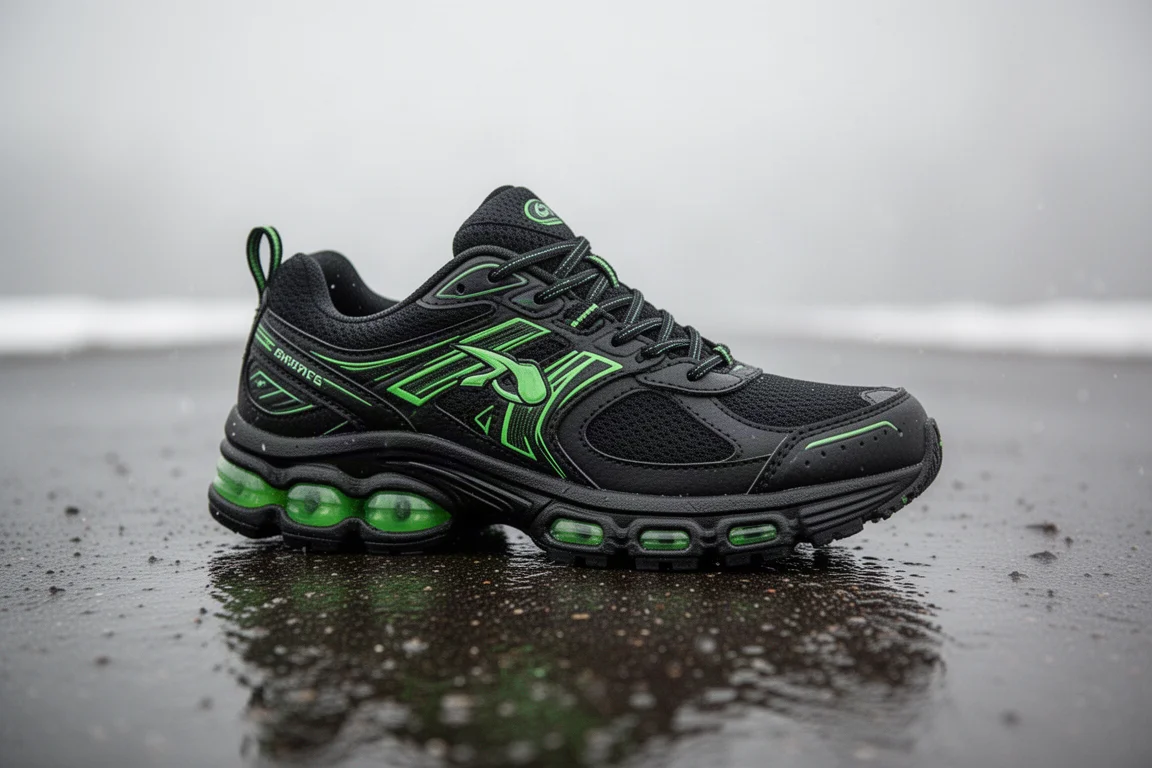
The Topo Atmos 2 is an update to the brand’s plush neutral daily trainer, and early impressions are largely positive. The ride is rhythmic and decently plush, though notably firmer than some competing max-cushion foams. It is still protective underfoot, and the rocker geometry does its job well through the transition.
The upper is a highlight. It follows the classic Topo fit philosophy with an anatomic heel and midfoot paired with a wider toe box, and the softer mesh hugs the foot nicely. The volume sits a little lower than the first version, which most testers welcomed, though a few found the transition between the lacing system and the toe box more snug than expected. If you have a high-instep sensitivity in that area, plan for a short break-in period.
Brooks Glycerin Max 2: A Firm, Stable Take on Max Cushion
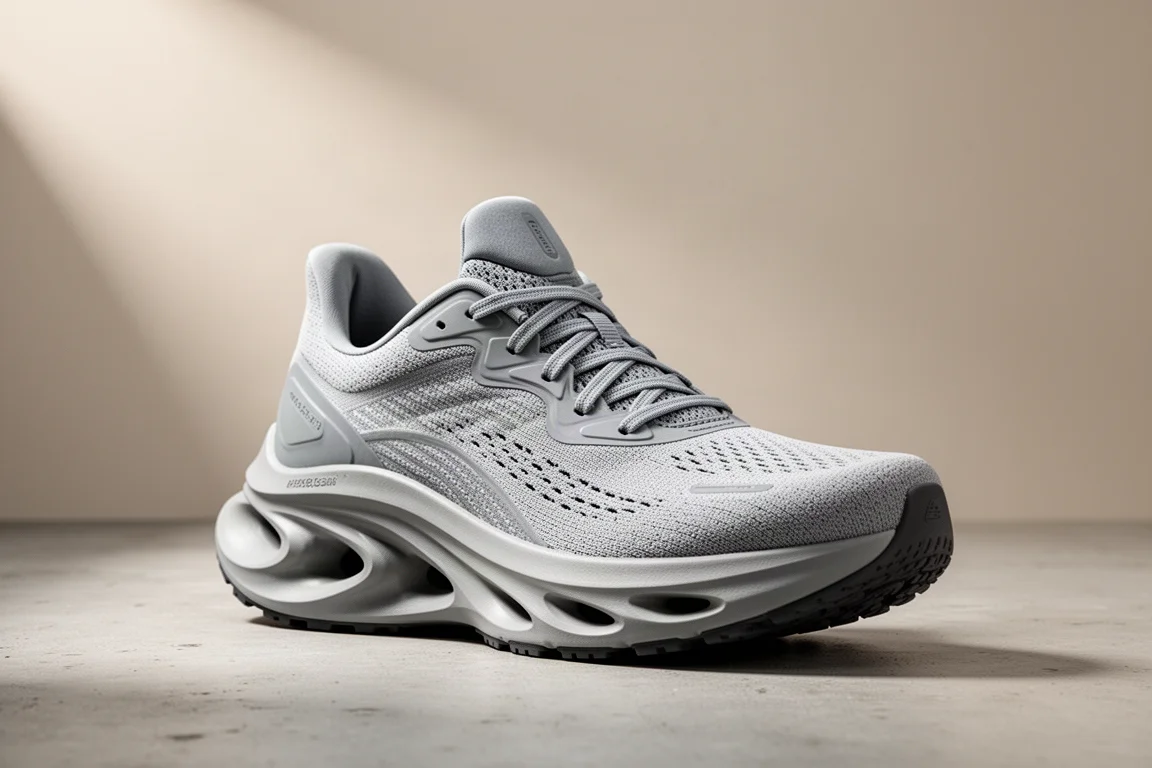
This is one of the most divisive updates of the year, and one of the most interesting. The Glycerin Max 2 firmed up the DNA Tuned midsole considerably, sharpened the forefoot geometry, and increased the rocker. The forefoot feels genuinely responsive, and the heel transition improved thanks to a reduced posterior flare.
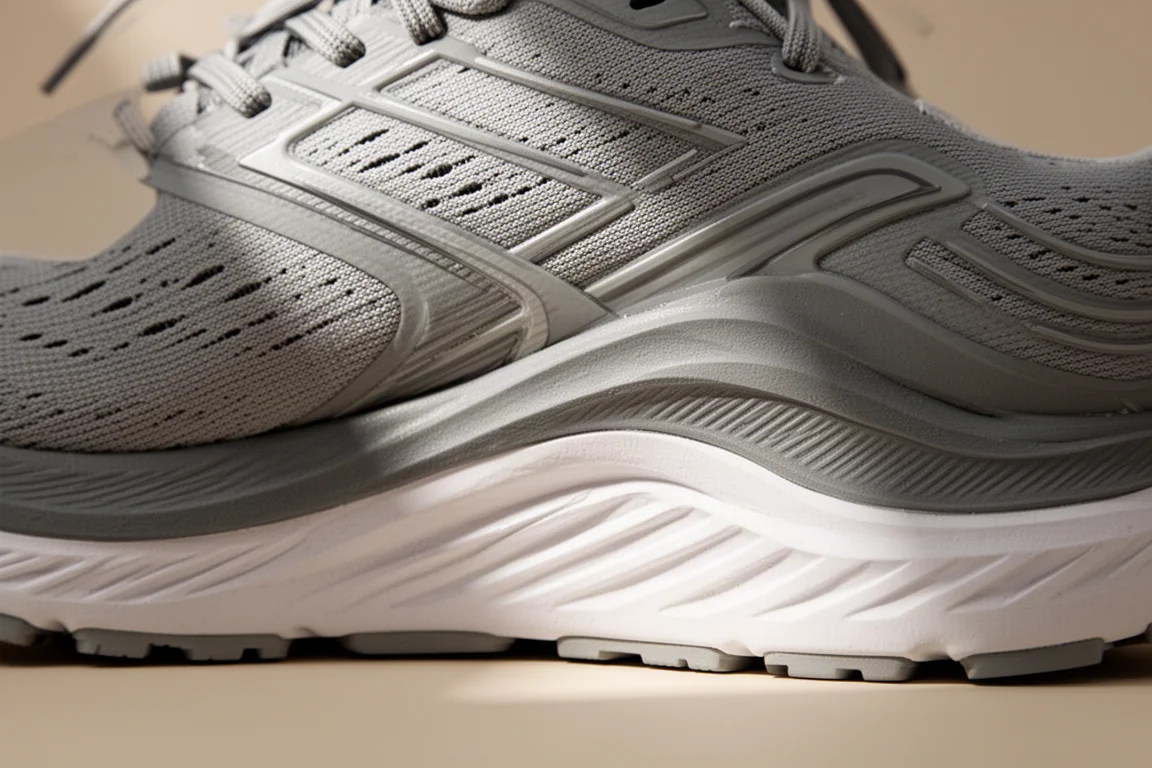
The result is a shoe that no longer feels mushy or unstable the way some found version one. It rides far more stable, almost bordering on mild stability, with prominent medial sidewalls running from heel to forefoot. The thick rubber outsole adds to that planted sensation, and it even held up surprisingly well on light gravel and fire-road style terrain. Trade-offs are real, though: the heel can feel a touch clunky and rigid, the fit is snugger than the roomy first version, the plush jacquard upper runs warm, and at nearly 12 ounces in a men’s size 10 it is not light. This is not a workout shoe, but as a protective, stable, long-run platform it works far better than its predecessor.
ASICS Metaspeed Ray: Light, Bouncy, and Squirrelly
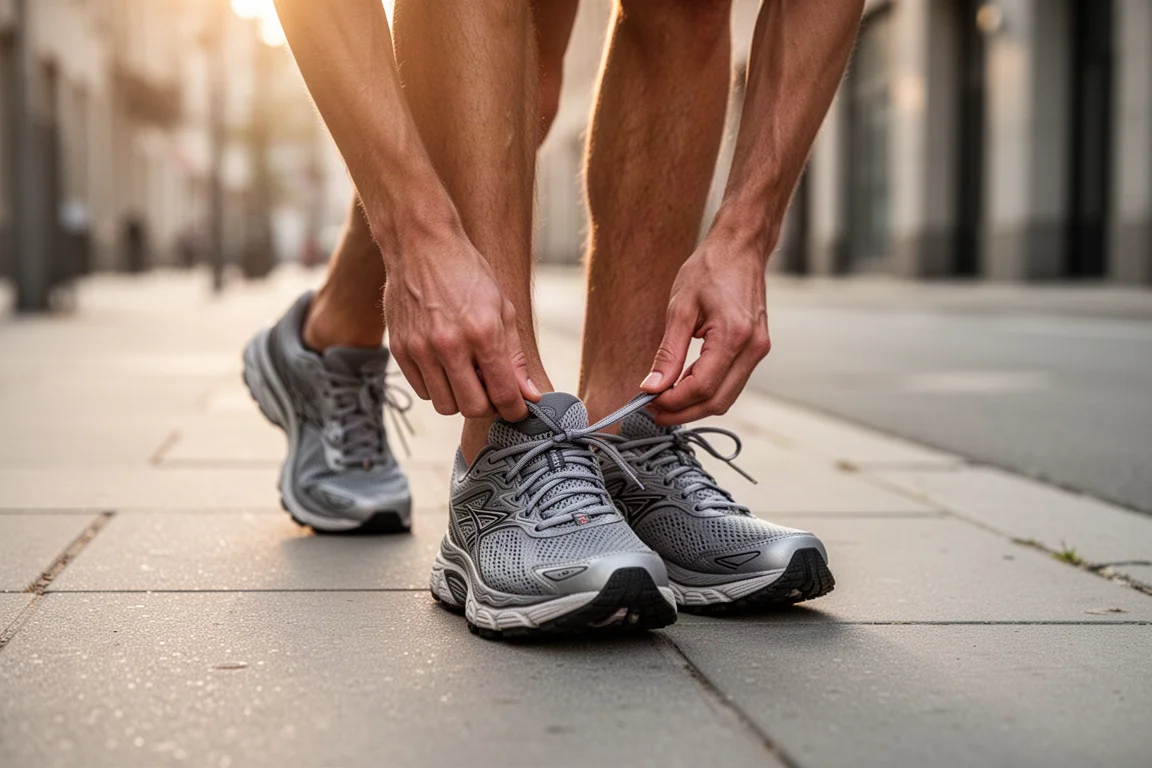
The Metaspeed Ray is the most radical shoe of the year. It packs an ATPU-based FF Leap midsole that is incredibly compliant and insanely bouncy into a sub-5-ounce package at the maximum legal stack height. It ticks every buzzword in modern running: light, responsive, bouncy, plush.
The honest caveat is that it is unstable. The foam compresses aggressively, turns and cambered surfaces are challenging, and most runners will not align with it for long distances. It suits road miles to 5K best, ideally swapped onto the foot right before a race after warming up in trainers. If your mechanics match the shoe, it can stretch to a half marathon or marathon. Traction is also better than its featherweight build suggests. This is a specialty tool, not an everyday racer.
Salomon Aero Glide 3: The Quiet Do-It-All Trainer
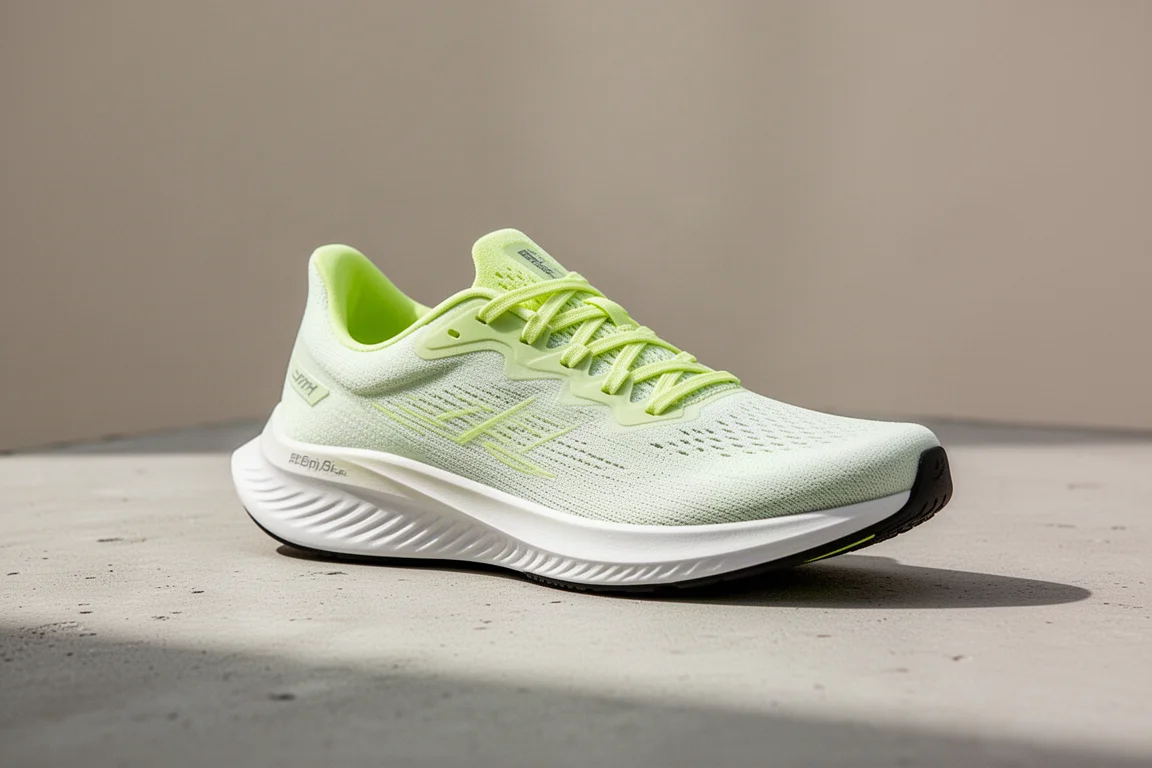
The Aero Glide 3 is proof that a shoe does not need a plate or exotic tech to be excellent. After two underwhelming versions, Salomon rebuilt the midsole and refined the fit, and the result is a genuinely do-it-all lightweight performance trainer. It handles workouts, long runs, and for some runners even longer races, all while keeping the design refreshingly simple.
The upper took a little breaking in, but once it softened it was described as phenomenal. No plate, no gimmicks, just good foam and a good fit. For runners who want one shoe that lasts and covers most of a training week, this is one of the strongest options of the year.
Puma Fast-R 3: Aggressive Innovation Backed by Data
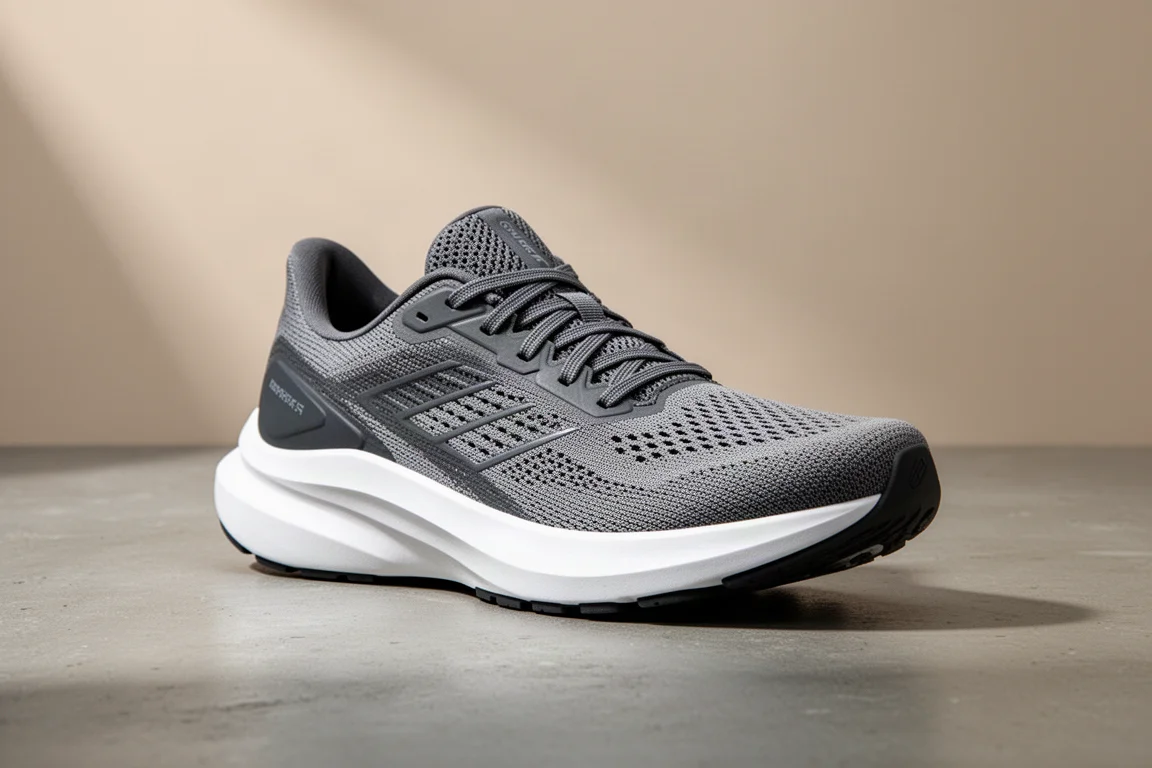
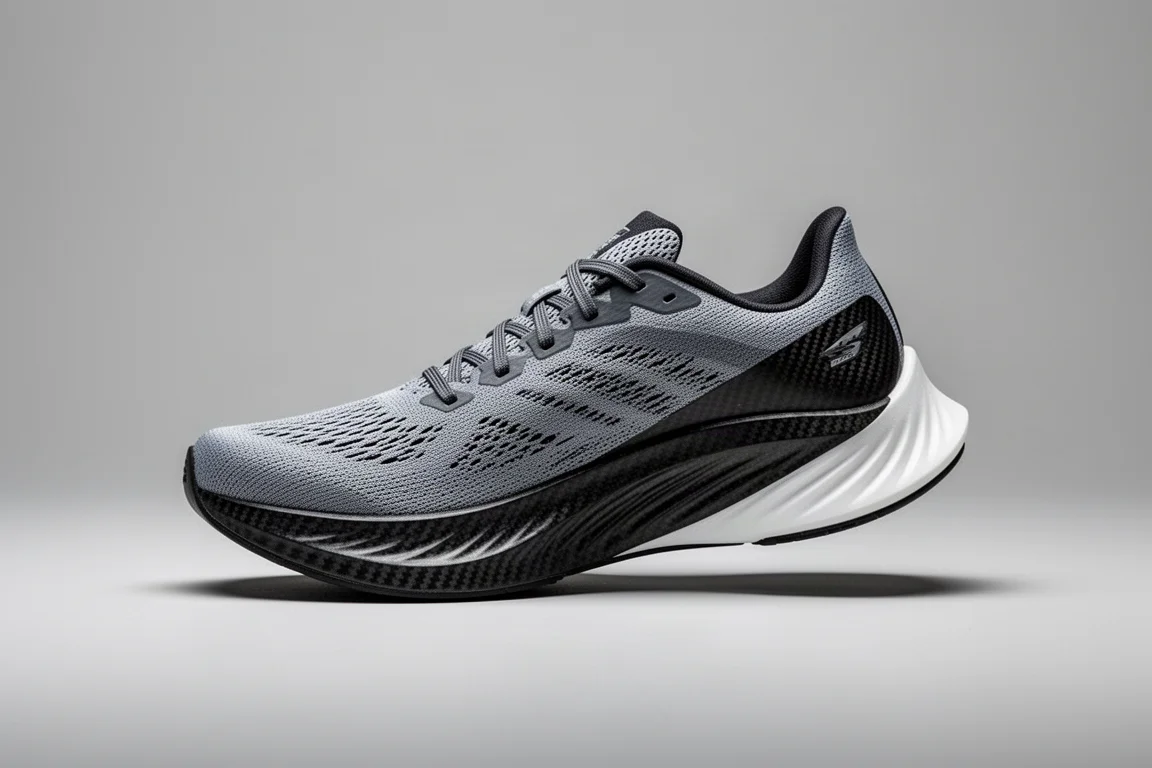
The Fast-R 3 divides opinion. The geometry is extremely aggressive, with midsole cutouts and a lightweight build designed around marathon racing, even though most runners will use it for 5K and 10K efforts. For runners with very stable mechanics, it is a remarkably efficient ride.
What separates it from other aggressive racers is the evidence behind the design. A published study supports the performance outcomes of the shoe’s construction, which is rare in this category. The cutouts do not work for everyone biomechanically, and the shoe demands confident footwork, but as a statement of where racing footwear is heading, it is hard to ignore.
Buying Advice
Choosing between these five comes down to matching the shoe to your actual running, not to the hype. If your week is built around easy miles and long runs on roads, the Topo Atmos 2 offers plush protection with a roomy toe box, while the Glycerin Max 2 trades some softness for stability and a more responsive forefoot. Runners who found older max-cushion shoes wobbly should look at the Glycerin Max 2 first.
If you race, be honest about your distances and mechanics. The ASICS Metaspeed Ray rewards light, efficient runners at short distances and punishes everyone else. The Puma Fast-R 3 is similarly aggressive and best suited to stable runners chasing PRs from 5K up to the marathon. For most runners who want a single versatile trainer that can also race, the Salomon Aero Glide 3 is the safest and arguably the smartest purchase on this list.
Conclusion
The common thread across this year’s best releases is intention. The shoes that worked did one thing clearly and did it well, whether that was plush protection, featherweight speed, or all-around versatility. Before buying, match the shoe to the miles you actually run, check the fit notes carefully, and remember that the most innovative shoe on the shelf is rarely the best daily partner.
Further reading
Related Reviews
Running
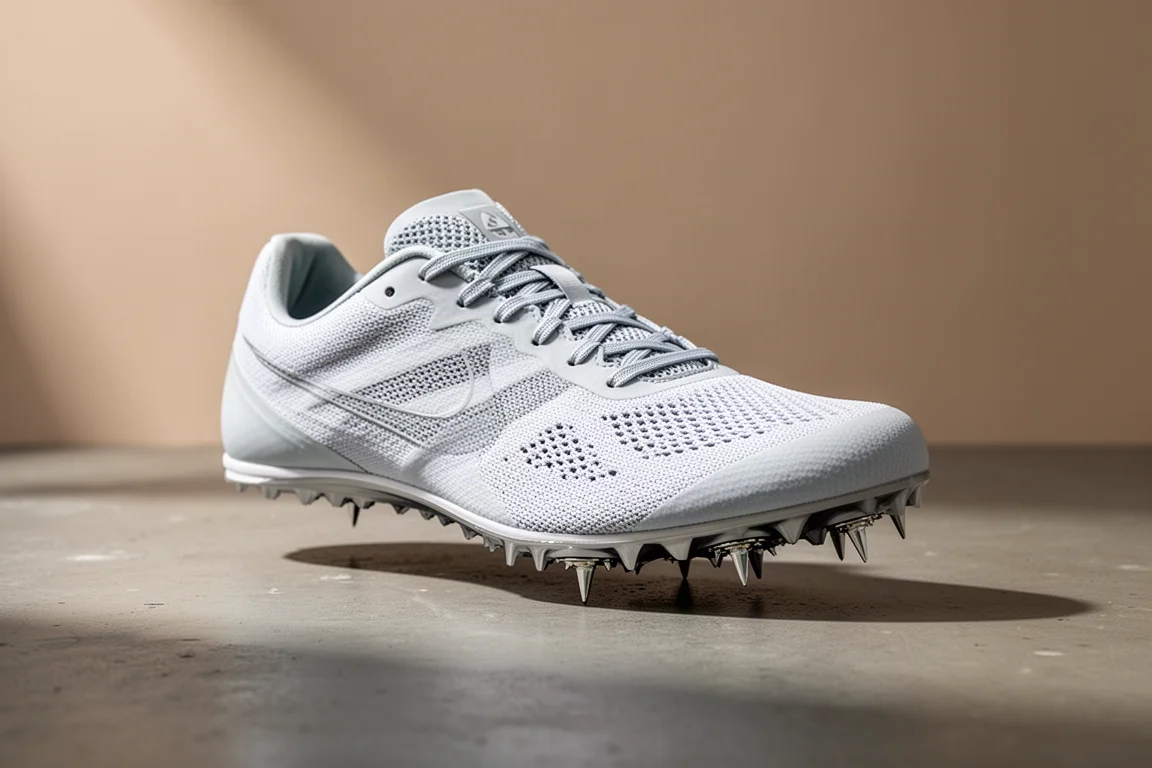
Adidas Adizero Ambition Review: A Middle Distance Spike That Gets the Job Done
A high school middle distance runner puts the Adidas Adizero Ambition through a full track season in the 800m and mile. Here is how it scored.
Running
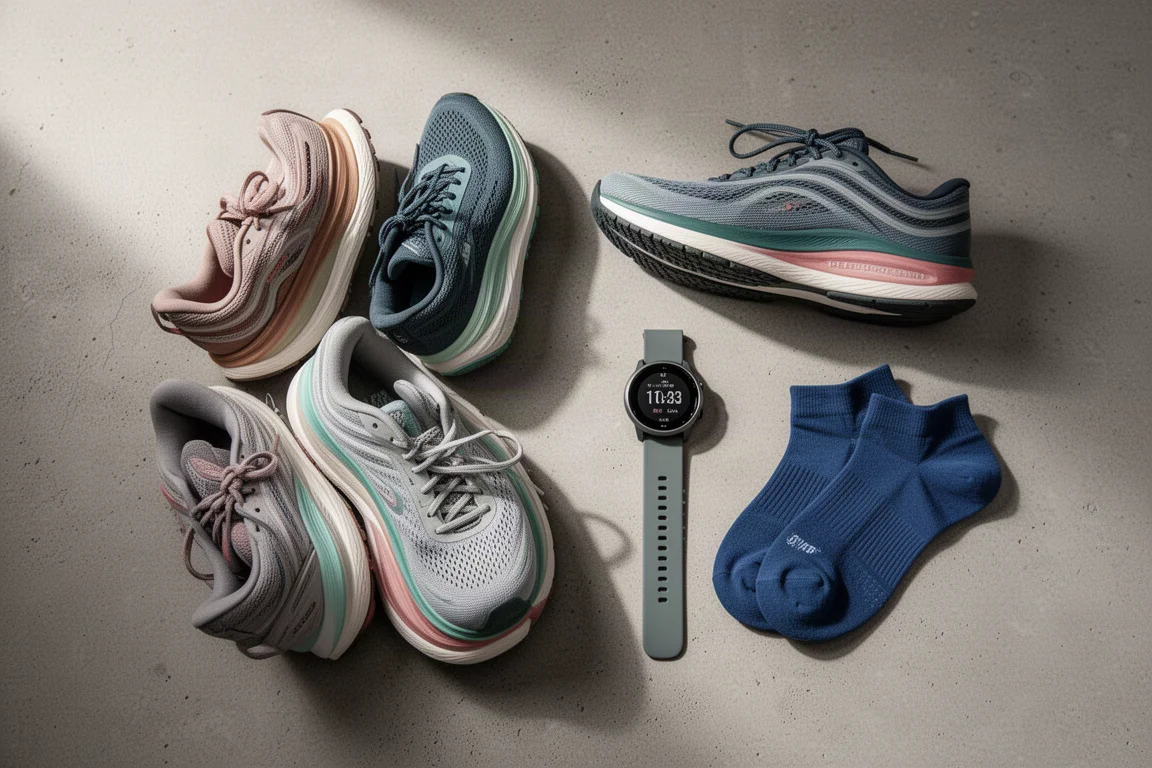
Starting Running Today: The Essential Gear and Beginner Shoes Worth Considering
A practical starting point for new runners: daily trainers, race shoes, and GPS watches that cover most beginner needs without overspending.
Running
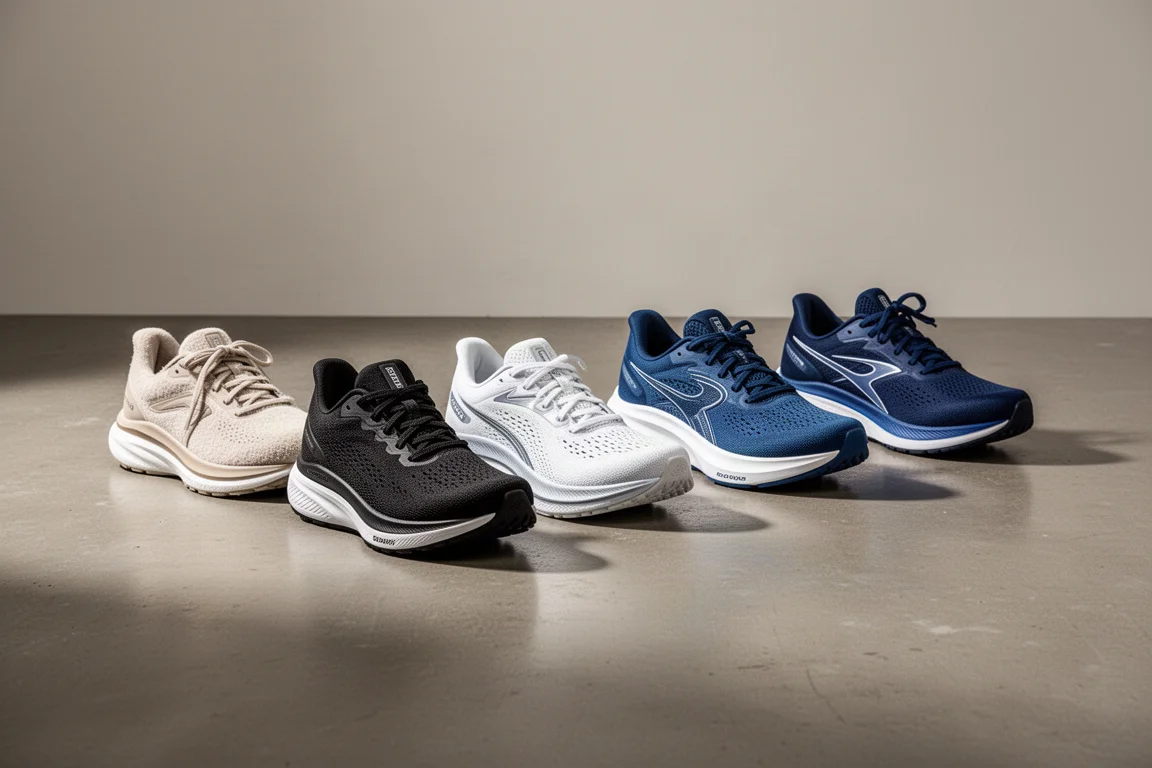
Best Daily Running Shoes of 2025: Our Top Five Picks
Five daily trainers that stood out over a full year of testing, plus the popular models that just missed the cut.