Running
Best Running Shoes 2024: A Five-Category Guide to Building Your Rotation
A category-by-category breakdown of the best running shoes of 2024, from daily trainers and plated trainers to race day rockets.
Introduction
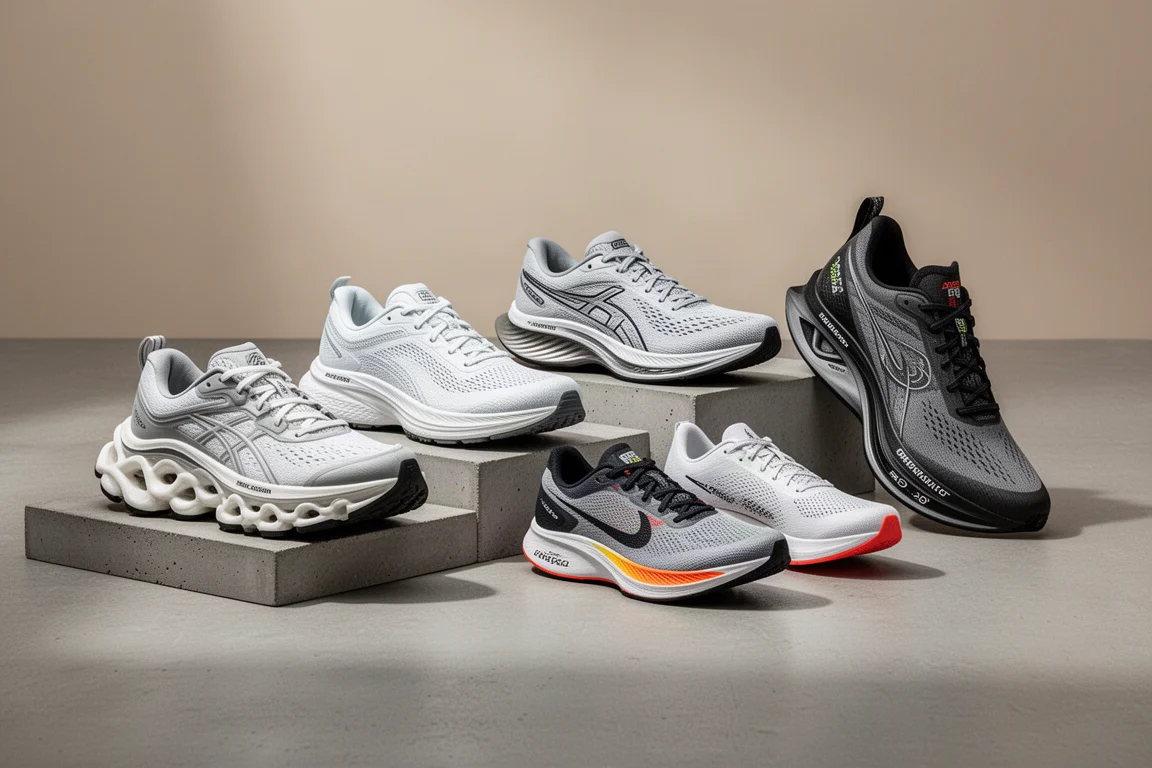
The running shoe market has exploded over the past decade. What used to be a simple three-way split of everyday trainers, heavy support shoes, and lightweight racing flats has turned into a hobby category with enthusiasts spending thousands a year, much like watch collectors or golfers. Brands now offer dizzying lineups: Asics alone has the Nimbus, Cumulus, Superblast, Novablast, Magic Speed, and Metaspeed all competing for attention.
The simplest way to wrangle all of this is to think in five buckets: daily trainer, plated trainer, non-plated speed shoe, race day shoe, and recovery running shoe. There is overlap between them, and a new runner certainly does not need five pairs, but this framework makes it much easier to build a sensible marathon rotation. A sixth category, stability shoes, exists as well, though this guide focuses on neutral options.
Daily Trainers: The Backbone of Your Rotation
Daily trainers cover the everyday miles. On a marathon or half marathon plan, most runs land in the aerobic zone, around 70 to 80 percent of max heart rate, the so-called Zone 2 or conversational pace running. Most daily trainers sit below 10 oz, and a heel stack under 40 mm keeps the ride grounded and dependable. A good daily trainer is sturdy, reliable, and able to pick up the pace when asked while staying comfortable on easy days.

Two traditional picks stand out for 2024. The Adidas Adizero SL has been a favorite for the past year, and the Nike Vomero 17 has recently taken over that role, offering a familiar, dependable ride without overly soft foam or an aggressive rocker.
Recovery Running Shoes and Max Cushion
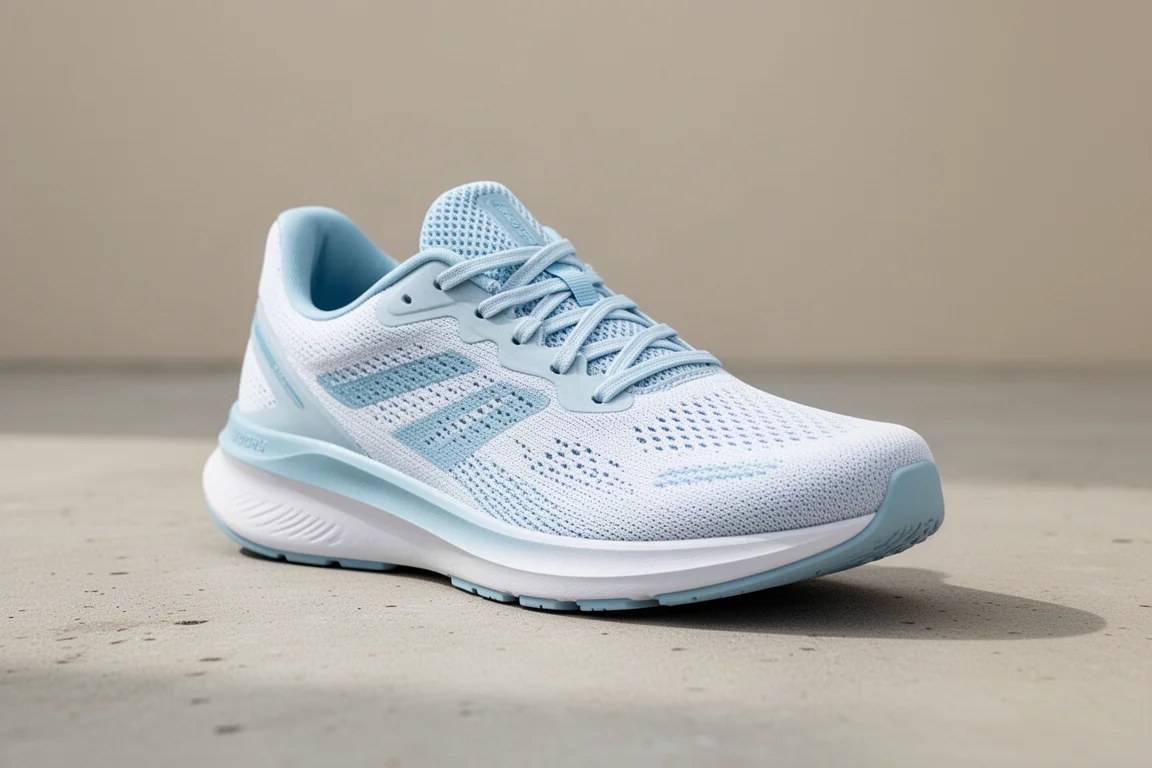
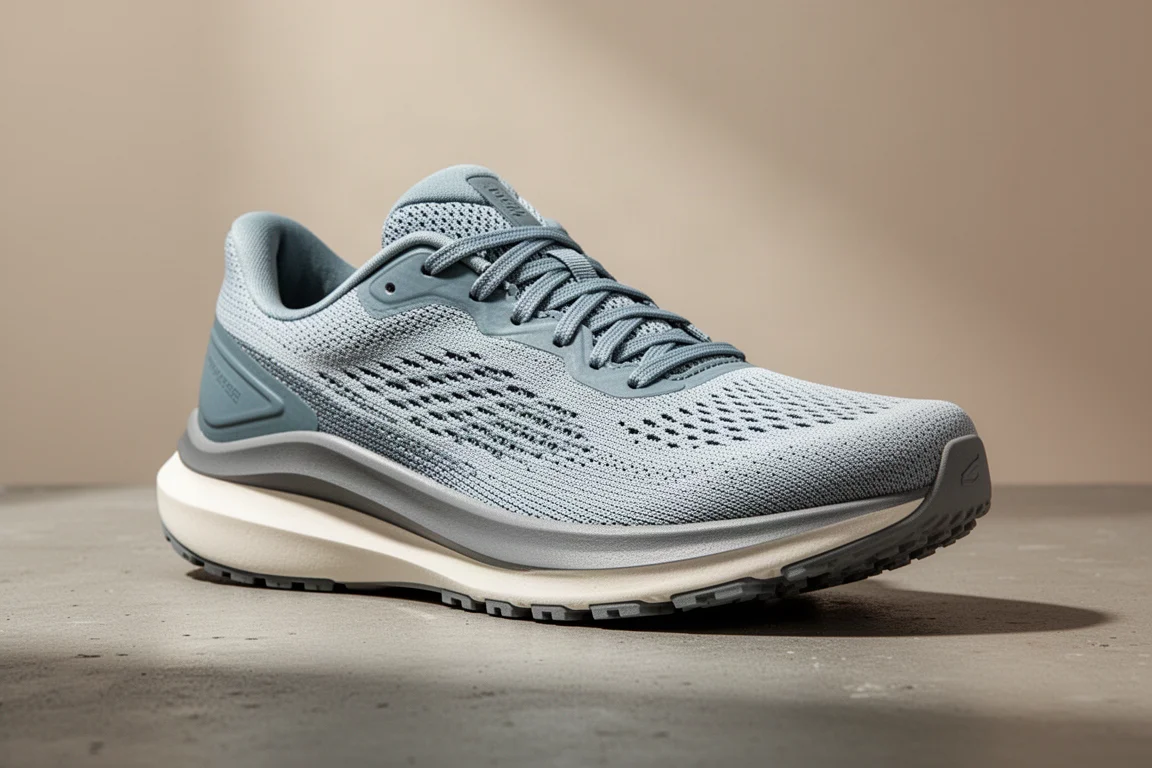
Max cushion recovery shoes occupy their own bucket because they serve a different job: encouraging slow, gentle rolling along on easy days or double-run afternoons. A great recovery shoe has more than 35 mm of heel stack, and some go well past 40 mm.
The Asics Gel Nimbus 25 is one of the best max cushion recovery shoes of the past year, with a heel stack above 40 mm and a rocker up front that encourages that slow rolling feel.
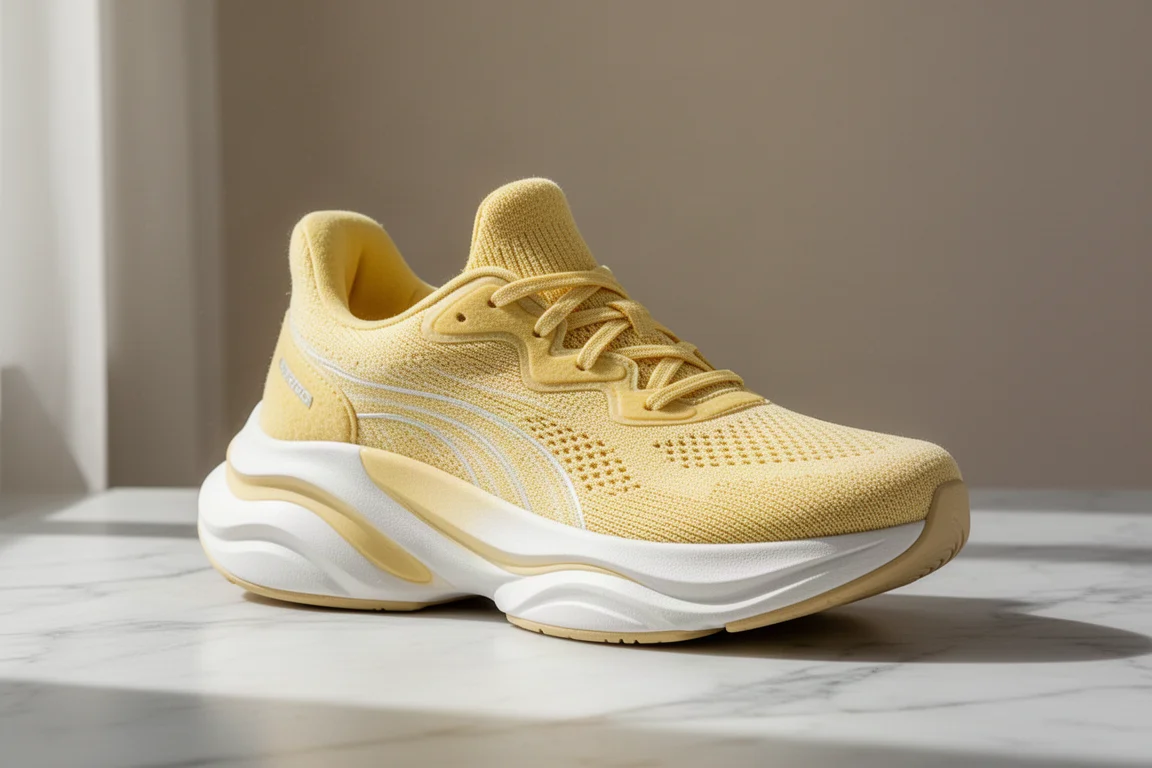
The Brooks Ghost Max, recently in testing, carries 39 mm in the heel and delivers a soft, cushioned ride that discourages rushing.
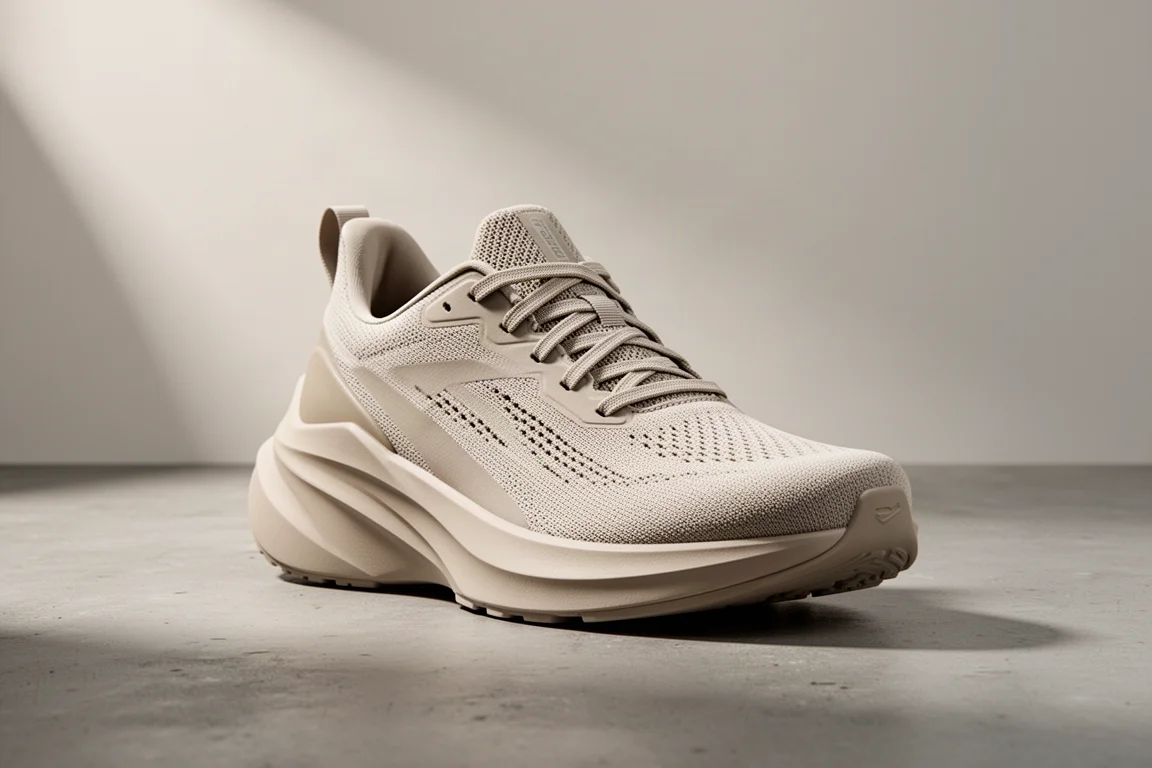
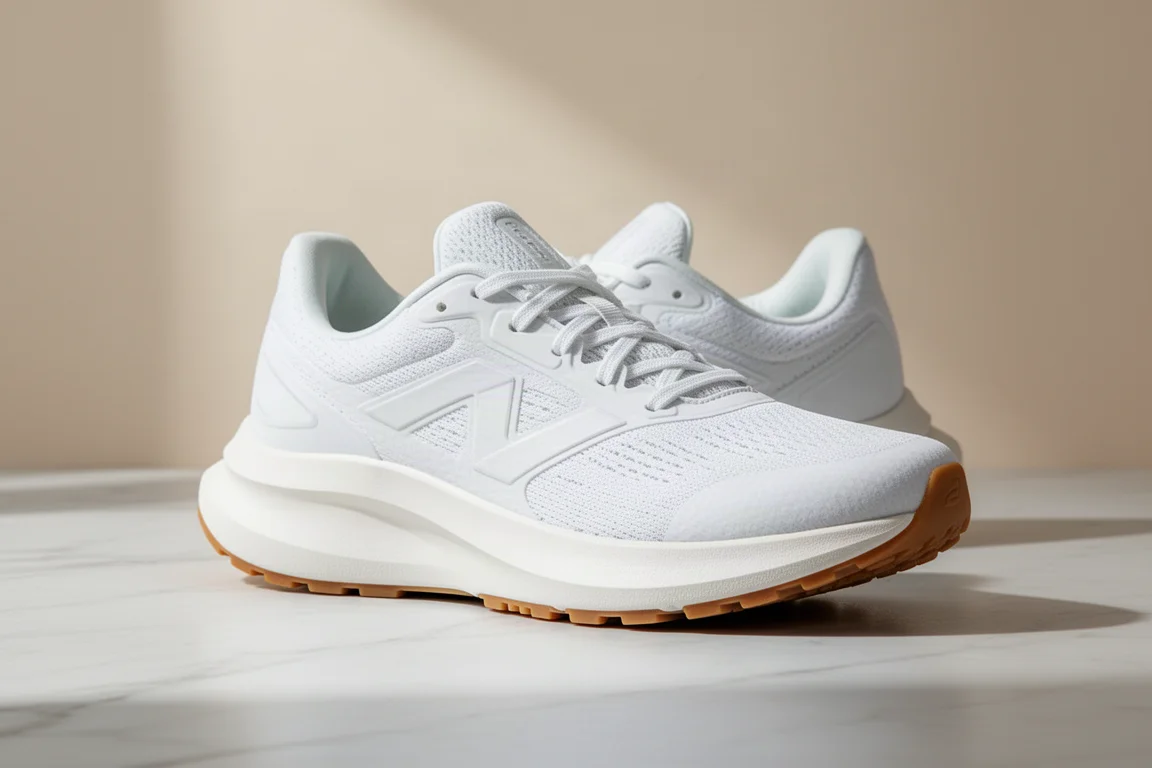
The New Balance 1080 v13 sits at 38 to 39 mm in the heel but has less of a rocker, making it something of a hybrid between daily trainer and recovery shoe.
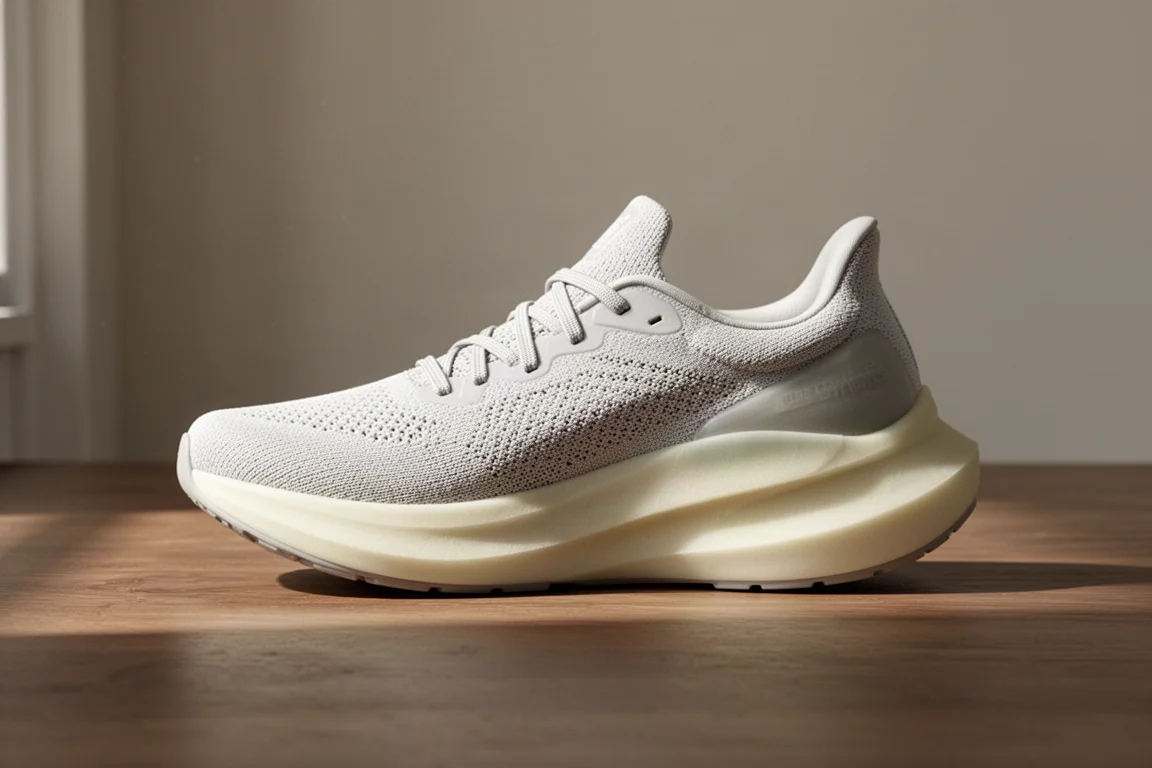
Firmer foams in this class can be a downside, because they quietly encourage picking up the pace, which defeats the purpose of a recovery run. Softness is the whole point of this category.
Plated Trainers: Comfort Meets Speed
Plated trainers have exploded over the past two to three years, and they are arguably the best category for marathon training because they combine comfort with speed. These shoes borrow elements from race day models, such as a plate or energy rod setup and race day foam, and blend them into a trainer that leaves your legs feeling fresher.
The Adidas Boston 12 is the pick here going into 2024. It uses a glass fiber energy rod setup with Lightstrike Pro race foam in the forefoot and a firmer foam in the heel for landings, adding pop and responsiveness for long runs, some everyday runs, and speed workouts at marathon or 5K pace.
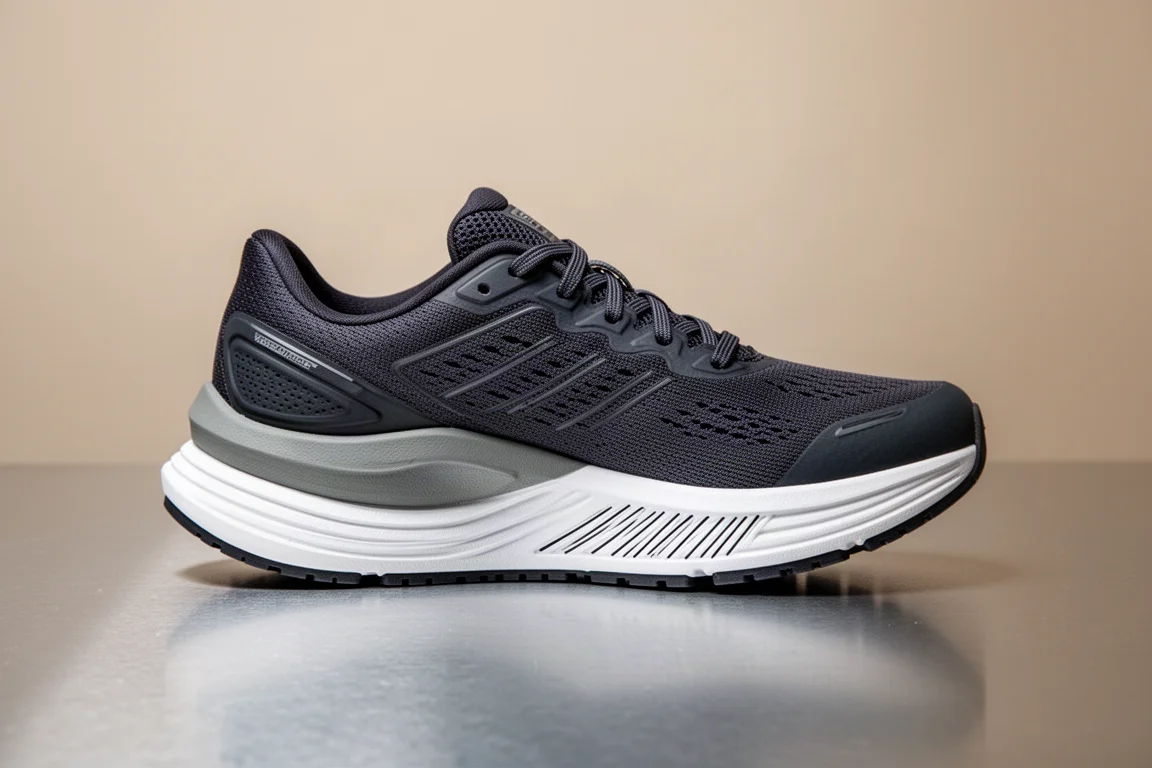
The Puma Deviate Nitro 2 and the Saucony Endorphin Speed 3 play in the same space, both adding pep to everyday runs while absorbing impact and returning energy.
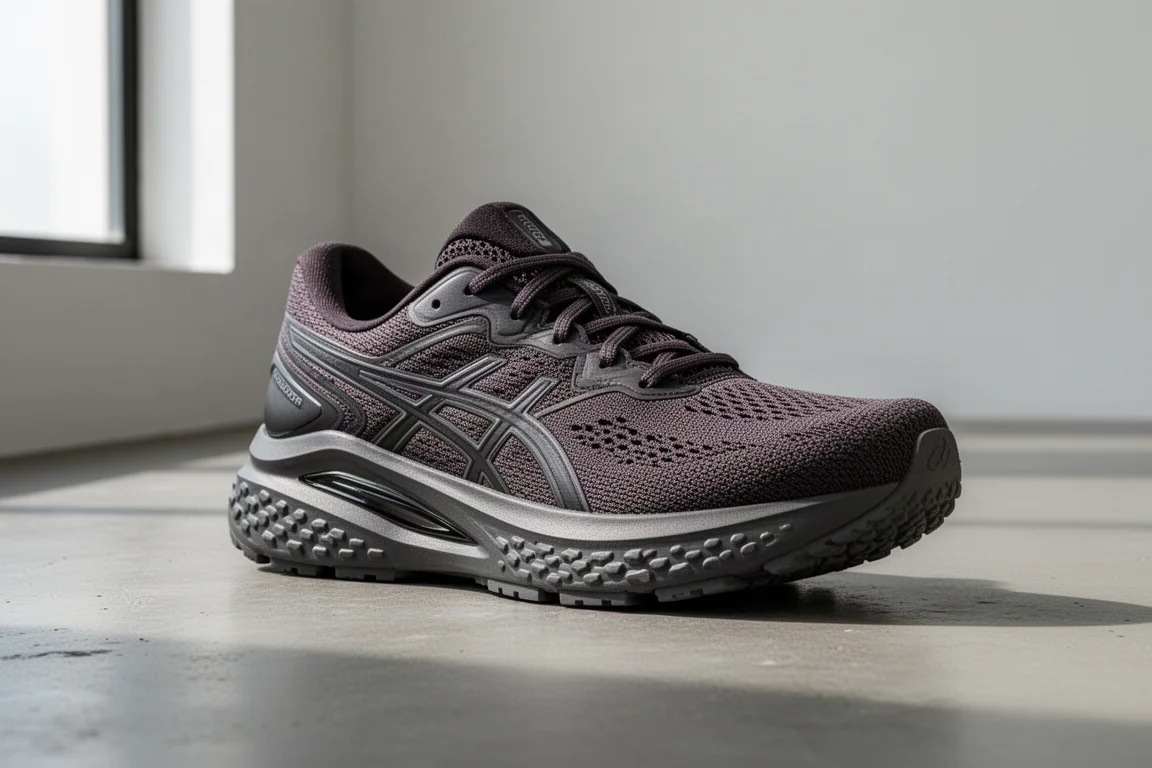
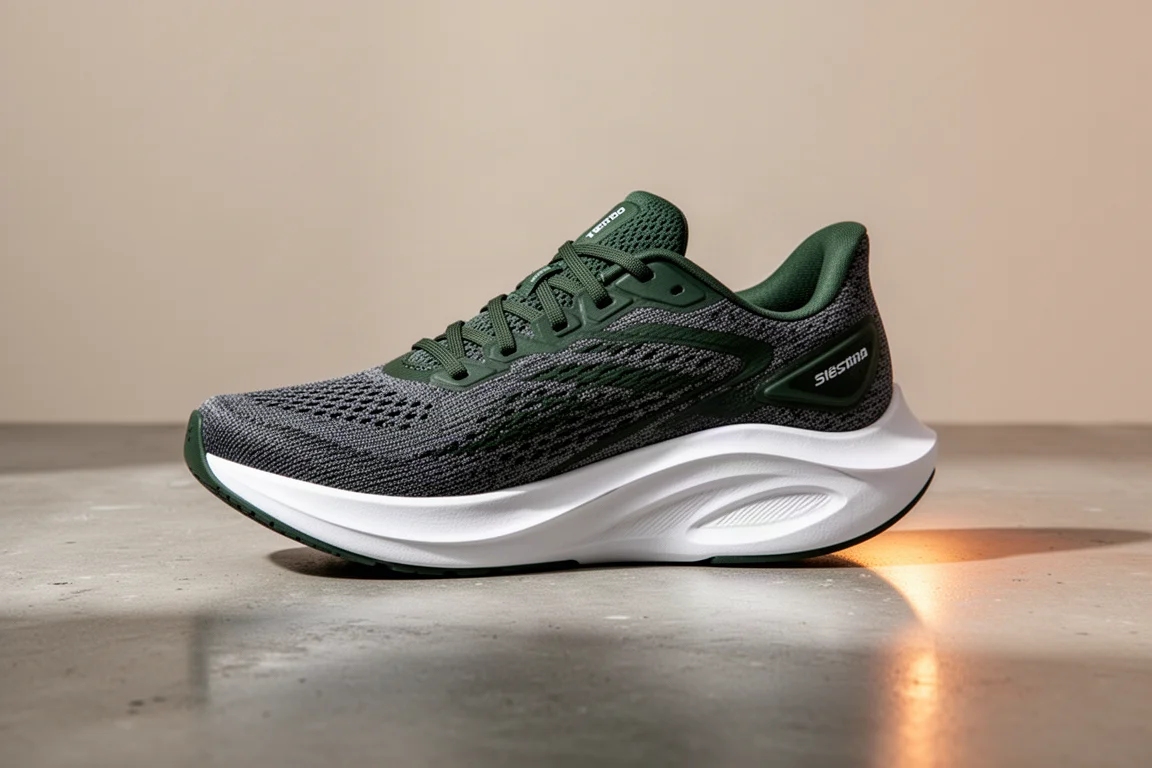
One caution: running exclusively in plated, super-bouncy shoes can weaken the Achilles and lower legs, and rotating between different drops, foams, and plate setups has been shown to reduce injury risk. Some runners use plated trainers as their only daily shoe, but keeping a non-plated option in the rotation builds a more well-rounded, durable runner.
Non-Plated Speed Shoes: Pure Simplicity
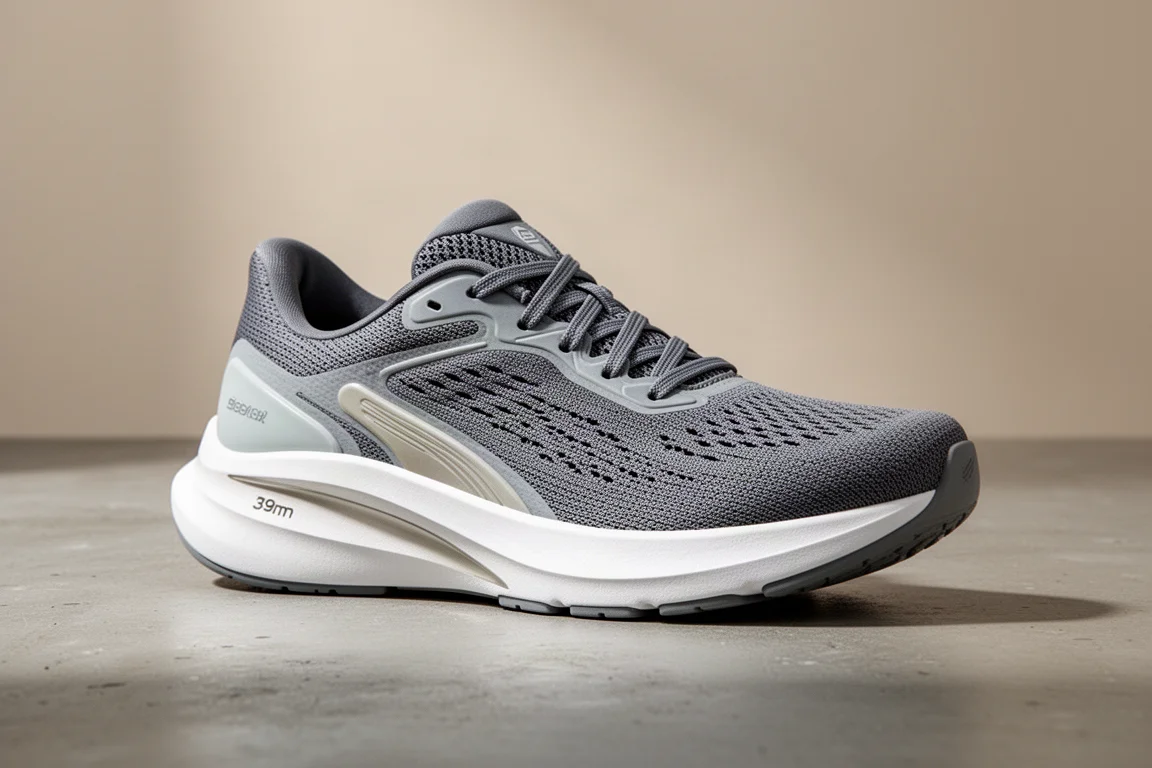
This category, tied with daily trainers for the most appealing, represents the pure simplicity of running. These shoes are lower to the ground, typically lightweight, often below 8 to 8.5 oz for men, and more flexible than plated trainers, giving a natural, connected-to-the-ground feel reminiscent of old school racing flats.

The trade-off is that these shoes leave your legs feeling more beat up, and hitting prescribed paces can be harder than in a plated trainer. They are also less versatile: a shoe like the New Balance Rebel does not shine past around 10 miles. The upside is price, with non-plated speed shoes typically retailing for $130 to $140, often less on sale, versus around $180 for their plated counterparts. They are a fun ride and they strengthen the lower legs.
Race Day Shoes: Where the Tech Lives
The least important but most exciting category is the race day shoe. These are the shoes packed with lightweight bouncy foams, carbon fiber plates, and assorted innovations, designed for assaulting your marathon PR. Expect soft PEBA-style energy foam, a carbon plate, and a super lightweight breathable upper, all together worth roughly a 3 to 5 percent improvement on race day if the shoe suits you.
The Nike Alphafly Next% 3 is the third iteration of Nike’s flagship racing shoe, with Zoom Air pods in the forefoot as its signature feature. It puts you up on your toes with an aggressive geometry that demands strong form and takes some getting used to. Reserve it for the race itself and one or two key workouts beforehand, not for all your long runs, where a traditional trainer builds more leg strength. The price of all that tech is $285.
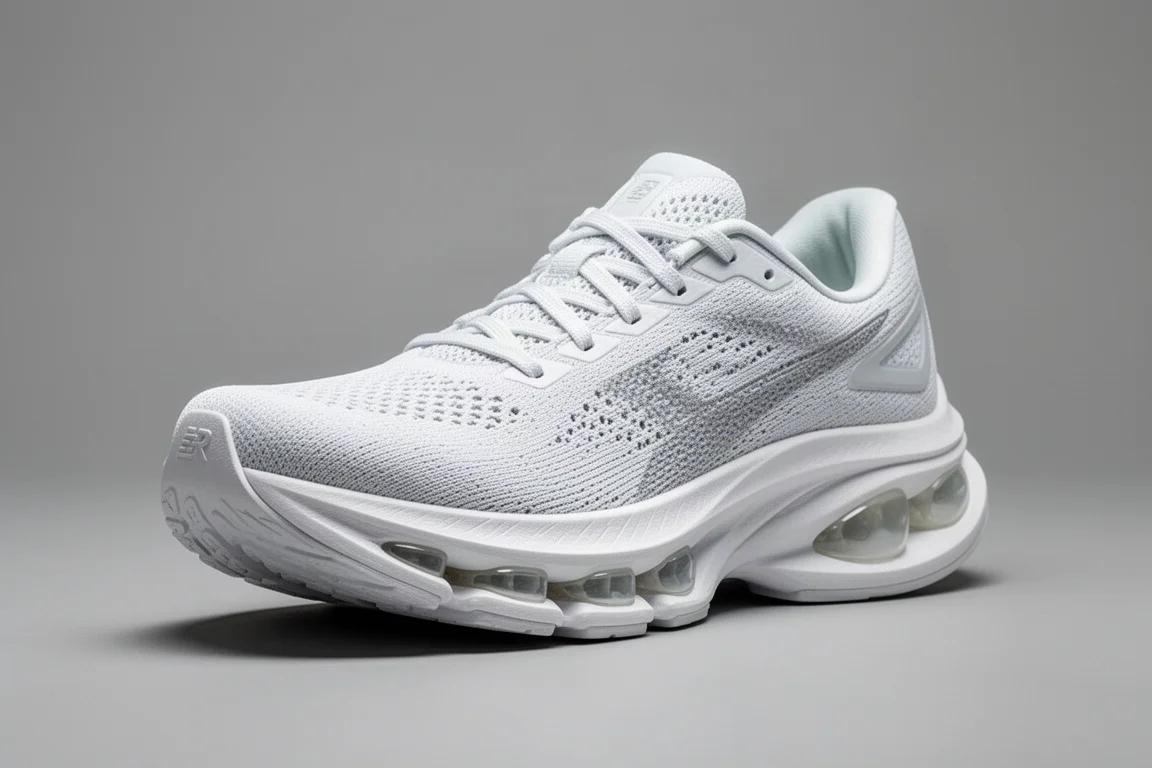
The Diadora Gara is a new arrival, and notably the first widely available race day shoe priced at a $300 MSRP.
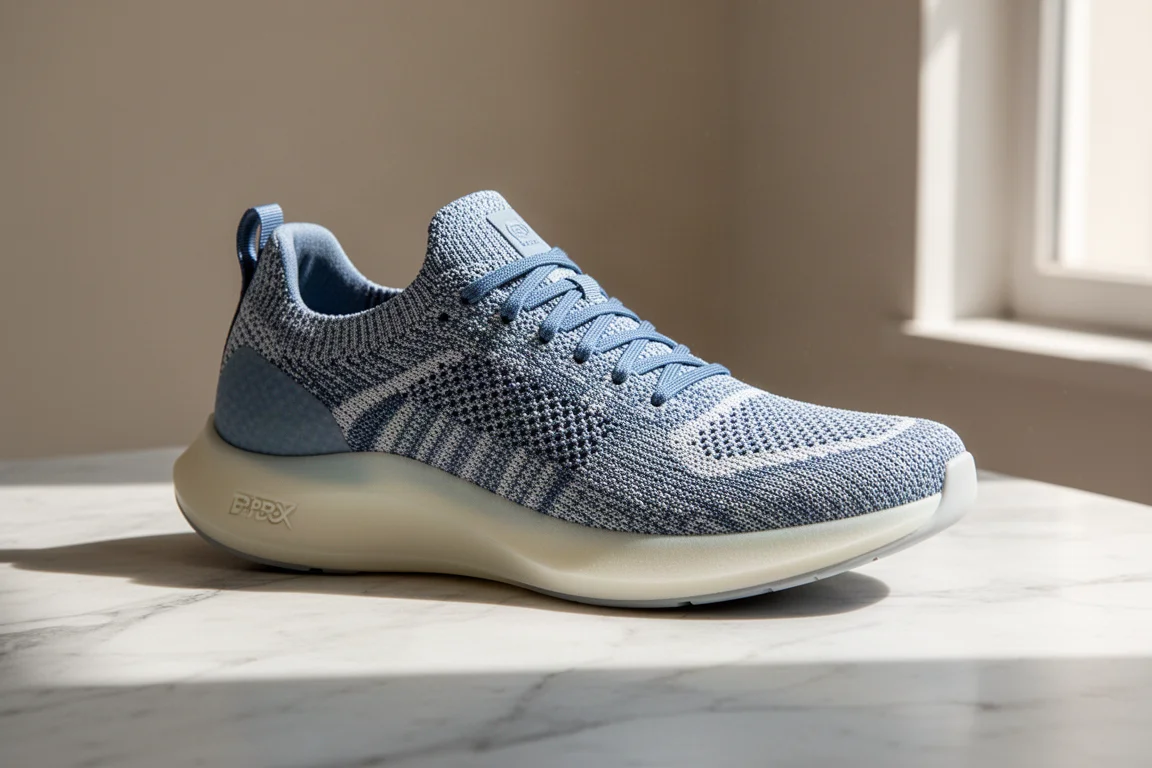
The rest of the marathon race day category sits around $250, while lower-stack 5K and 10K racers typically run $180 to $200.
Asics Gel Cumulus: A Reliable Everyday Option
Not every solid shoe fits neatly into a headline pick. The Asics Gel Cumulus remains a dependable everyday trainer option within Asics’ crowded lineup, useful for runners who want cushioning without committing to max cushion.
Overall Buying Advice
If you are building a rotation, start with one traditional daily trainer for everyday miles, add a max cushion shoe if you run easy doubles or recover heavily, and consider a plated trainer for long runs and quality sessions. A non-plated speed shoe adds variety and lower-leg strength work, and a race day shoe earns its keep only on the biggest days. Rotating between different foams, drops, and plate setups supports long-term running health, and most runners can cover their needs with two or three pairs rather than five.
Conclusion
Five categories, five distinct jobs. Daily trainers and max cushion shoes handle the bulk of your mileage, plated trainers make marathon training more sustainable, non-plated speed shoes keep things simple and strengthen your legs, and race day shoes deliver the tech and excitement when it counts. Match the shoe to the run, and the rotation takes care of itself.
Further reading
Related Reviews
Running
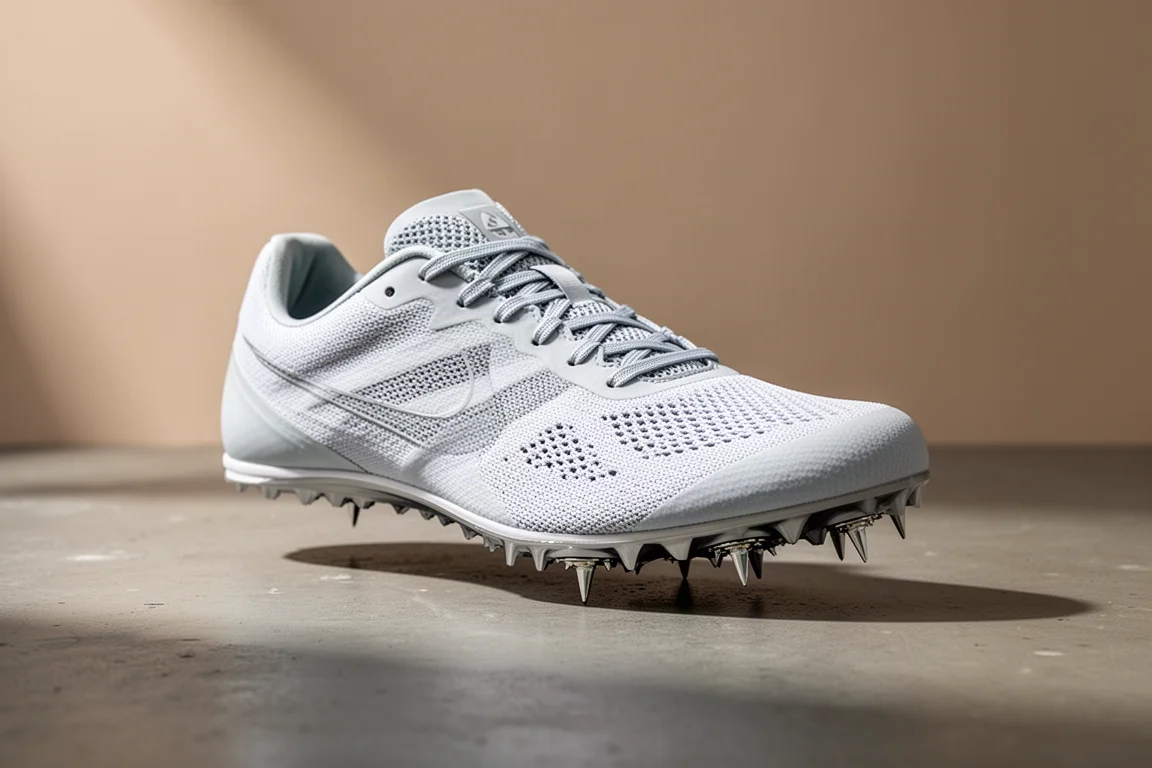
Adidas Adizero Ambition Review: A Middle Distance Spike That Gets the Job Done
A high school middle distance runner puts the Adidas Adizero Ambition through a full track season in the 800m and mile. Here is how it scored.
Running
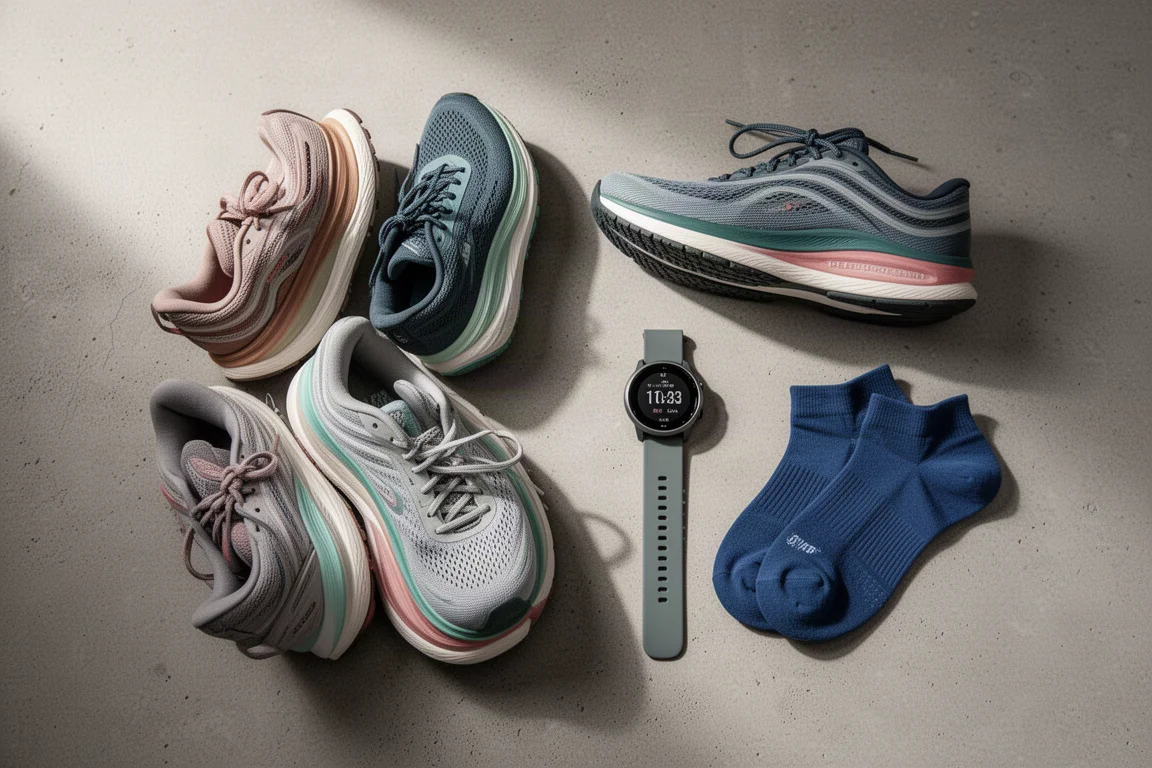
Starting Running Today: The Essential Gear and Beginner Shoes Worth Considering
A practical starting point for new runners: daily trainers, race shoes, and GPS watches that cover most beginner needs without overspending.
Running
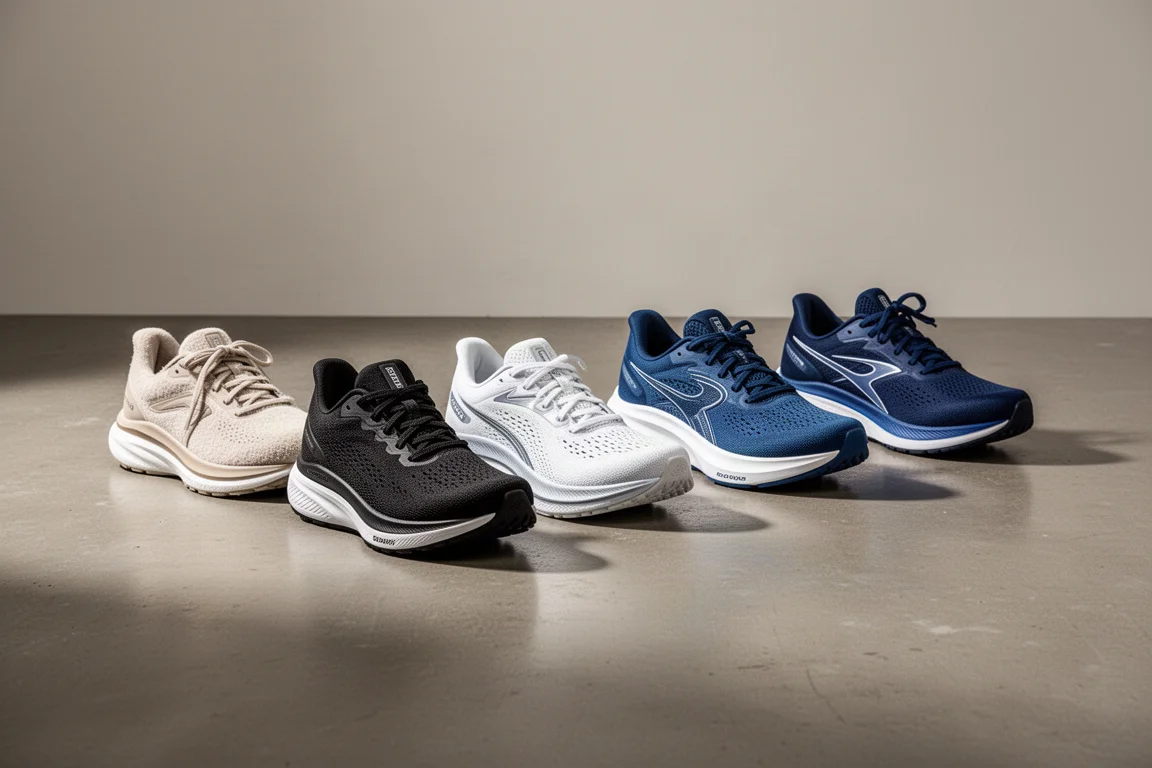
Best Daily Running Shoes of 2025: Our Top Five Picks
Five daily trainers that stood out over a full year of testing, plus the popular models that just missed the cut.