Automotive Sealants
Best RTV Gasket Makers: 13 Brands Put to the Test
Thirteen gasket makers from Permatex, Mopar, Toyota, Honda, John Deere and more, compared on tensile strength, pressure sealing, curing and fuel resistance.
Introduction
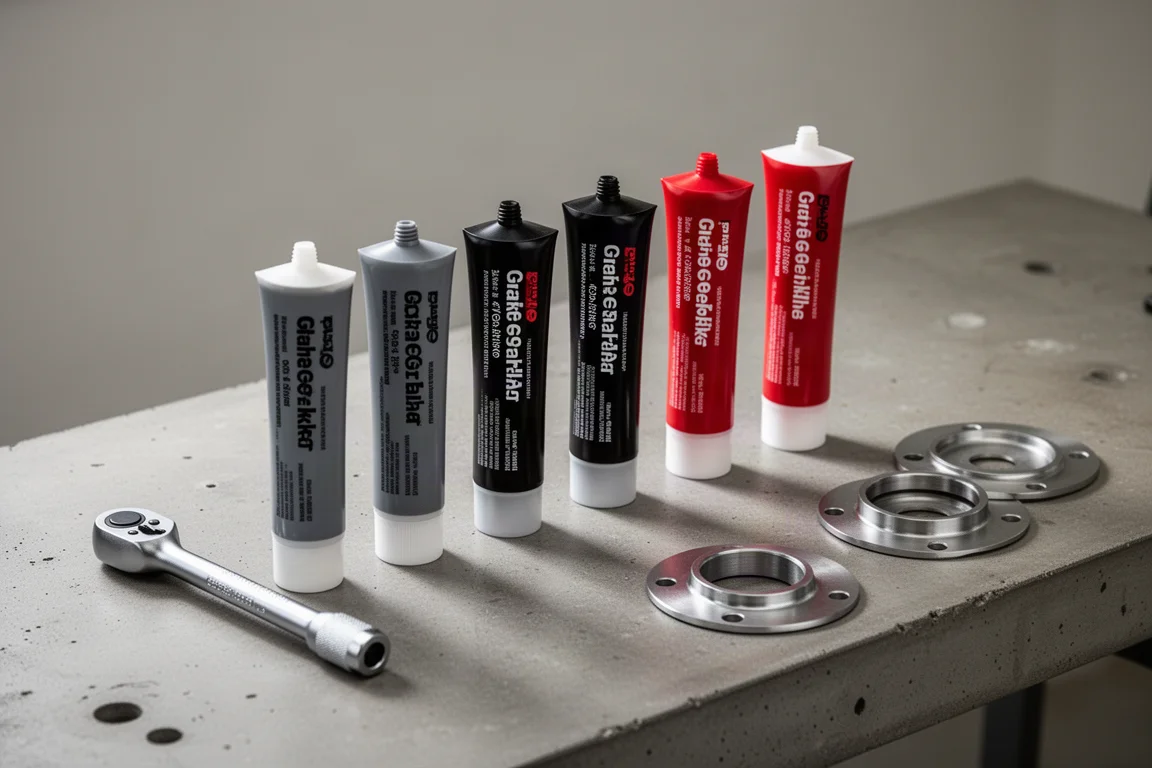
Nearly every major automotive brand sells its own RTV gasket maker, from Permatex and Loctite to Mopar, Toyota, Honda and even John Deere. With prices ranging from about nine dollars to over twenty dollars a tube, the differences between them are not obvious from the packaging. This comparison puts thirteen products through tensile strength testing, a pressure sealing test, a fuel soak test, and a set of application myth-busting checks to find out which one actually deserves a spot in your toolbox.
How the Test Was Run
Every product was applied the same way: test pieces were cleaned with brake parts cleaner, the applicator nozzle was trimmed so a 16-penny nail would barely fit, and a continuous 1/16 to 1/4 inch bead was laid on one surface. Parts were assembled while the silicone was still wet, finger tightened until material began to squeeze out, left to dry for an hour, then torqued to specification. All samples were given 72 hours to cure rather than the standard 24, to be sure every product was fully set before testing.
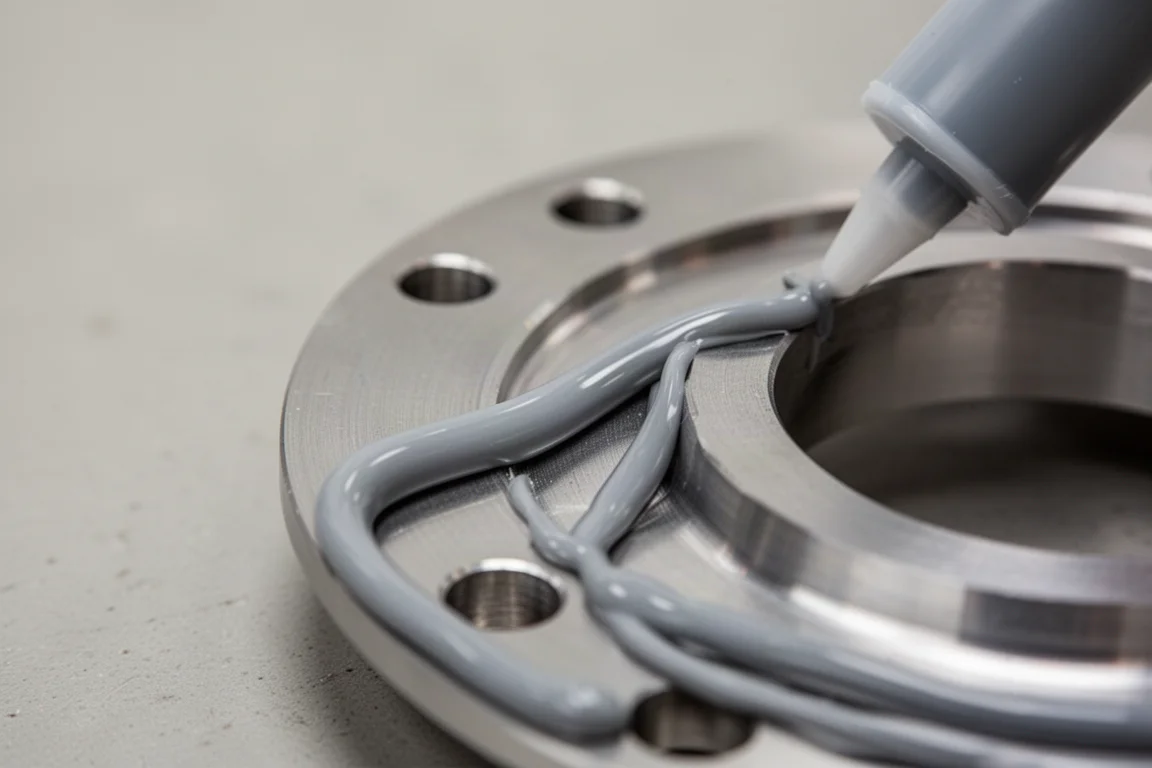
Beyond tensile strength, each gasket maker was weighed per test cup, checked for hardness with a durometer, scored on how completely it cured across a wider surface, and pushed to failure in a hydraulic pressure rig using jack oil, which has a viscosity close to motor oil.
Strength and Curing Results
The tensile test pulled metal-to-plastic bonded pieces apart after 72 hours of curing. The results separated the field into clear tiers:
- Honda Bond: 93.9 pounds average, a commanding lead
- Mopar: 74.6 pounds average
- Toyota FIPG: 72.3 pounds average
- Versachem Mega Gray: 68.7 pounds average
- Permatex Ultra Gray: roughly 62 pounds average
- Permatex The Right Stuff: 59.9 pounds average
- Aisin: 58.4 pounds average
- JB Weld Ultimate Gray: about 50 pounds average
- Pro Seal: 48.5 pounds average
- Loctite Gray: about 38.5 pounds average
- John Deere: about 31 pounds average
- Yamalube 5: only 11.2 pounds average
Curing behavior mattered just as much. Several products, including Permatex Ultra Gray, JB Weld, Mopar, Versachem and John Deere, still had uncured material in the center of wide test pieces even after 72 hours. Toyota FIPG was the standout, fully curing across the entire test area, with Pro Seal close behind at a 11.38mm cured width, followed by Honda Bond at 8.7mm and John Deere at 8.37mm.
Durometer readings added another layer. Permatex The Right Stuff was the hardest at 43, Loctite at 42 and Honda Bond at 41, while JB Weld (15.5), John Deere (16), Pro Seal (17) and Aisin (18) sat on the soft end. The key insight: soft gasket makers with high tensile strength, like Mopar at 24 hardness and 74.6 pounds tensile, consistently outperformed harder but weaker products.
The Pressure Test
The capstone event pressurized sealed clamshell assemblies with jack oil until each gasket blew. Here, the relationship between softness and tensile strength paid off:
- Mopar: just over 1,000 PSI, the best result of the day
- JB Weld: 875 PSI
- Pro Seal: 820 PSI
- Versachem: 790 PSI
- Toyota: 640 PSI before a massive blowout
- Aisin: roughly 600 PSI
- AC Delco: 600 PSI despite being too gel-like to measure hardness
- Honda Bond: began losing pressure at 380 PSI
- John Deere: a massive leak at 200 PSI
- Permatex The Right Stuff: 135 PSI
- Permatex Ultra Gray: 125 PSI
- Loctite: 120 PSI
- Yamalube: leaking at around 20 PSI
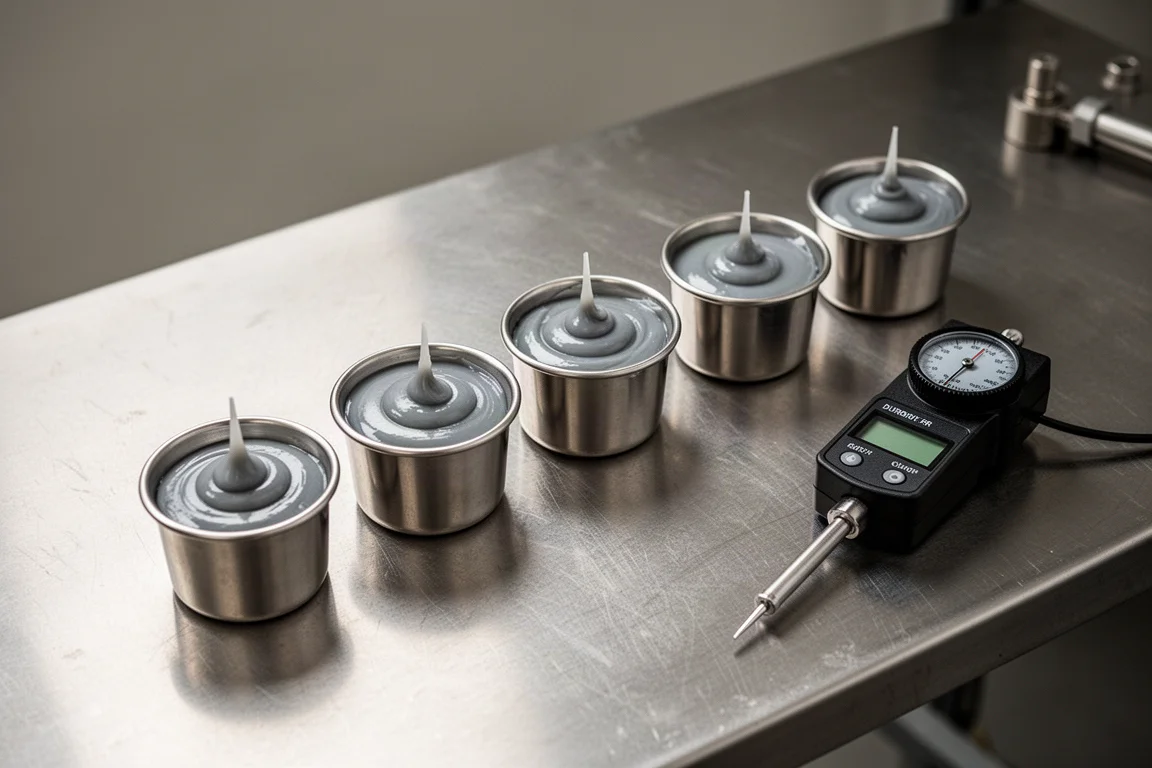
Mopar’s combination of flexibility and strength let it hold a seal long after harder products like Permatex and Loctite had given up. AC Delco deserves a nod for sealing well despite never properly curing as an adhesive, though that same uncured gel quality disqualified it elsewhere.
Fuel Resistance: The E10 Gasoline Soak
None of these products claim gasoline resistance, but a two-hour E10 soak showed dramatic differences. Only three products held up: JB Weld, Versachem and Mopar. Everything else failed in some way. E10 gasoline destroyed Permatex Ultra Gray, Loctite, Aisin, John Deere, Yamalube and AC Delco, which dissolved completely. Honda Bond lost its bond entirely, Pro Seal did not survive, and Permatex The Right Stuff proved to be the wrong stuff for fuel exposure.
If any part of your repair can see fuel contact, Versachem Mega Gray, JB Weld Ultimate Gray or Mopar RTV are the only safe picks from this field.
The Contenders
Permatex Ultra Gray is designed for rigid, high-vibration applications and is assembled in the USA. At about $9 for 3.5 ounces, it forms a hard gasket (35.5 durometer) and held a decent seal to 125 PSI, but weaker tensile numbers and incomplete deep curing hold it back.
JB Weld Ultimate Gray, made in the USA at about $9 for 3 ounces, is one of the softest gasket makers tested at 15.5 durometer, yet it reached an impressive 875 PSI and was one of only three products to survive the gasoline soak.
Versachem Mega Gray resists most liquids including oil, water and antifreeze, and it backed that up: 68.7 pounds average tensile, 790 PSI in the pressure test, and full survival in the fuel soak, all for about $9 for 3 ounces.
Pro Seal Gray RTV is designed to replace cork, felt, paper, rubber and composite gaskets. It fully cured quickly and hit 820 PSI, third best overall, though its 48.5-pound tensile average and fuel failure are worth noting. Around $9 for 3 ounces.
Loctite Gray is aimed at high-torque applications and needs no re-torque after assembly. Its 42 durometer hardness is among the highest, but that stiffness worked against it, with tensile averaging under 39 pounds and a pressure result of just 120 PSI. Gasoline destroyed it. About $9 for 2.7 ounces.
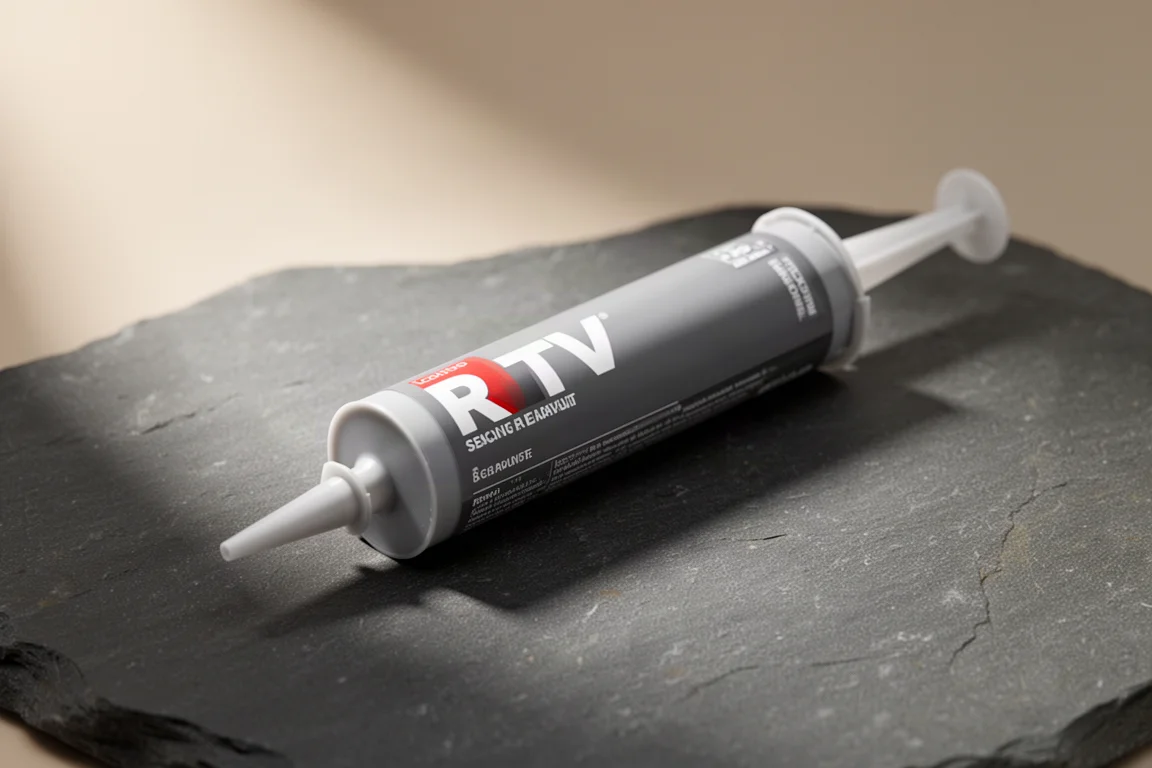
Mopar RTV, at about $13 for 3 ounces, delivered the best overall combination in the test: 74.6 pounds tensile, a soft 24 durometer, the top pressure result at just over 1,000 PSI, and full survival in the gasoline soak. It also left a large uncured area on wide test pieces, so allow generous cure time on broad flanges.
Yamalube 5 is a factory-approved adhesive liquid gasket made in Japan, applied thinly with a brush or putty knife. Its very low viscosity made it hard to work with; it even melted its plastic cup, averaged only 11.2 pounds in tensile testing and leaked at around 20 PSI. Roughly $12 for 2.5 ounces.
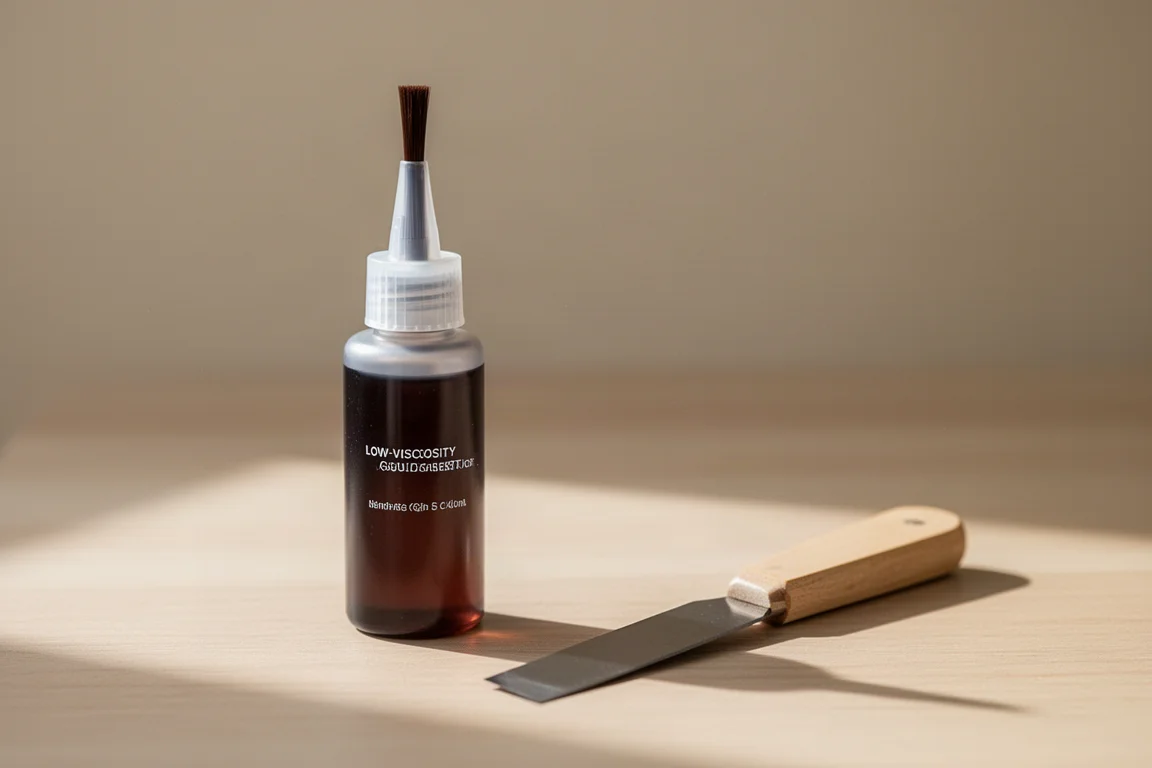
Permatex The Right Stuff claims you can return a vehicle to service in minutes, and it is the hardest gasket maker tested at 43 durometer. But hardness did not help here: 59.9 pounds average tensile and only 135 PSI in the pressure test, plus failure in the fuel soak. About $17 for 3 ounces.
Aisin RTV is intended for water pumps, oil pans, valve covers and timing chain covers, and allows engine start-up in one to two hours. It fully cured well, averaged 58.4 pounds tensile and reached about 600 PSI, but it was destroyed by gasoline. Around $19 for 3 ounces.
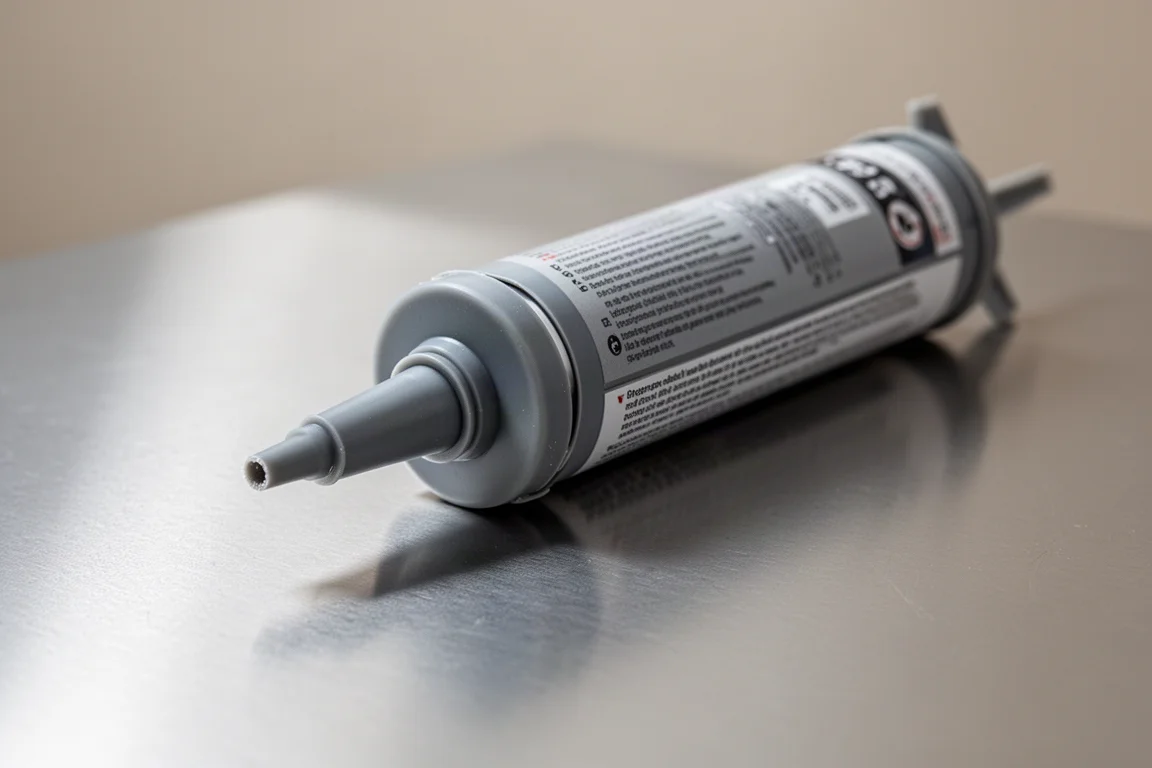
Toyota FIPG (Formed In Place Gasket) is designed specifically for oil pans and camshaft housings, with driving permitted after 30 to 60 minutes. It fully cured across the entire test area, delivered 72.3 pounds average tensile and hit 640 PSI. It failed the fuel soak, however. About $20 for 3 ounces.
John Deere RTV covers valve covers, oil pans, intake manifolds, water pumps and thermostat housings. Its instructions call for a 10 to 20 minute skin-over time, and it averaged only about 31 pounds tensile with a 200 PSI pressure result, though it cured relatively evenly on wide pieces. About $20 for 3 ounces.
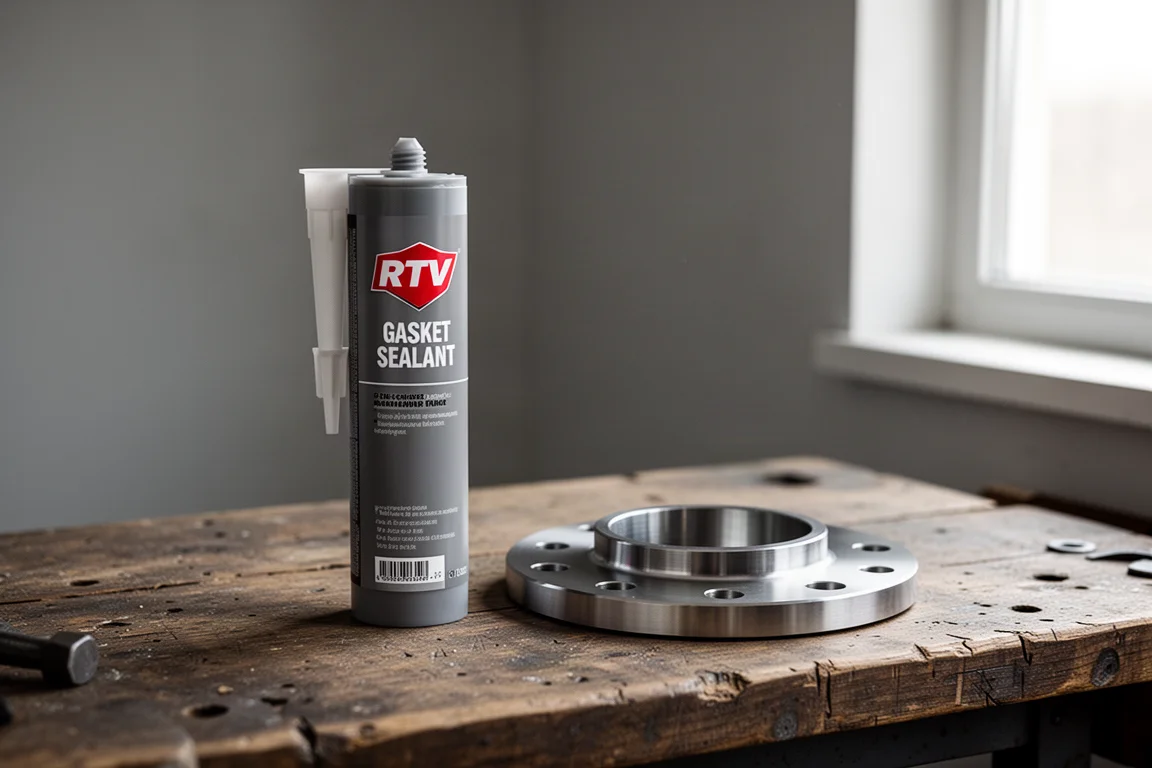
Honda Bond resists oil, water and most chemicals and is applied thinly with a brush or putty knife. It dominated tensile testing at 93.9 pounds average, though its 41 durometer hardness coincided with a pressure result of 380 PSI, and it lost its bond in the gasoline soak. At about $24 for 1.69 ounces, it is also the most expensive per ounce here.
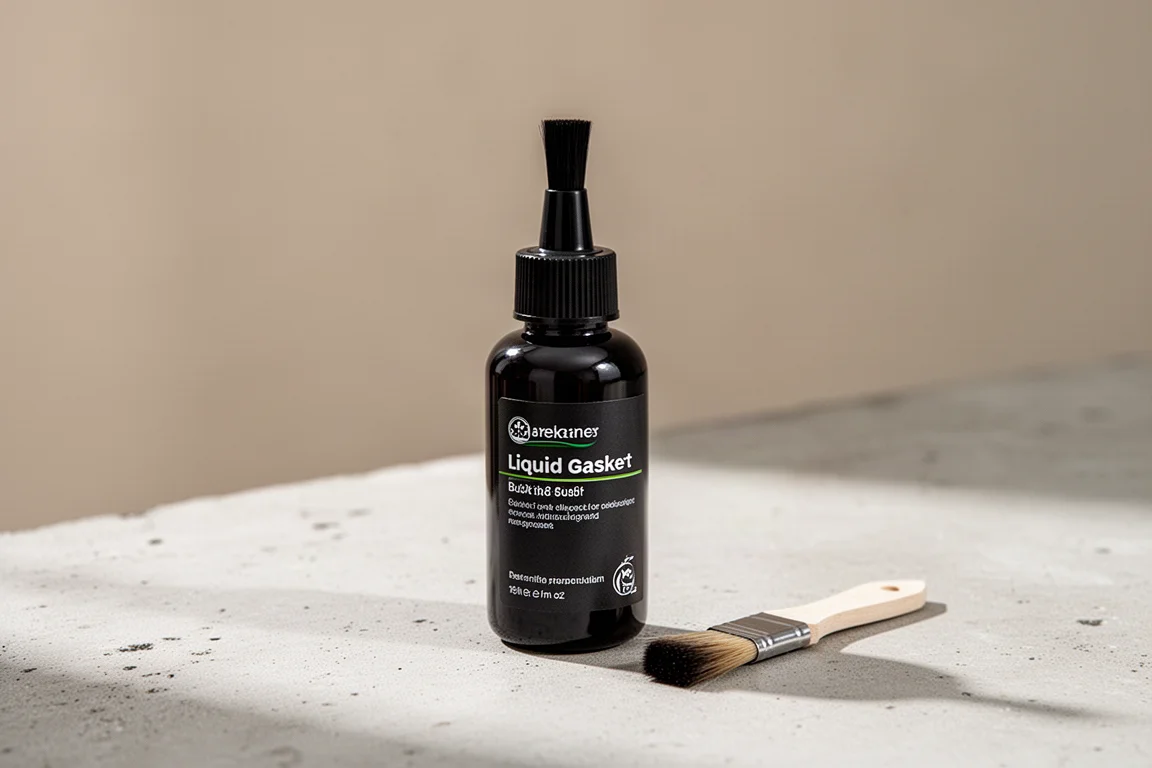
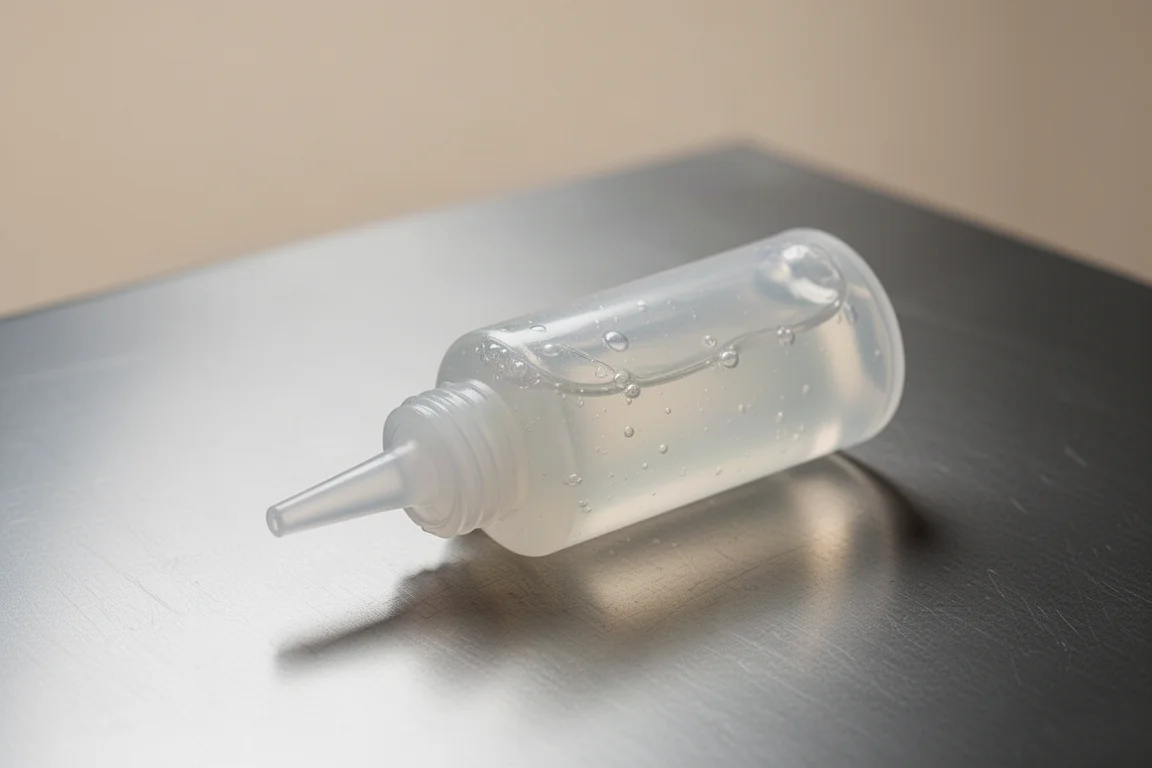
AC Delco Anaerobic Sealant is a single-component medium-strength product that cures between close-fitting metal surfaces and can be used with or without pre-cut gaskets. It never fully cured in these tests and remained gooey, yet it still sealed to 600 PSI, before dissolving completely in the gasoline test.
Application Tips That Actually Matter
The myth-busting tests produced some of the most useful findings. John Deere’s instructions call for a 10 to 20 minute skin-over before assembly. Skipping that wait and torquing immediately raised its pressure result from 200 PSI to 560 PSI, nearly three times better. That likely explains why none of the other manufacturers ask you to let the product skin over: assembling wet works better.
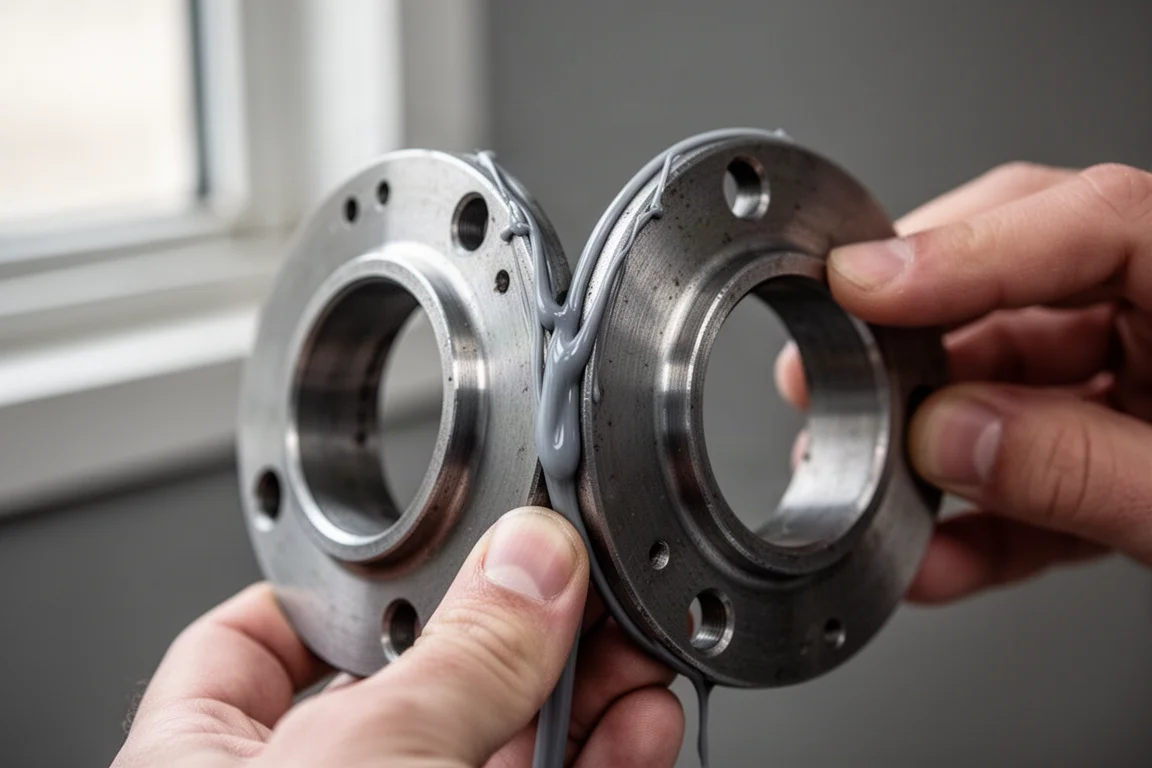
Surface preparation still matters, though. Applying to an oily, uncleaned surface on the same product dropped the result from 560 PSI to 220 PSI. A bare pre-cut gasket leaked at just 5 PSI, and even adding RTV to an imperfectly cut gasket only got it to 30 PSI. A formed-in-place bead on clean metal, assembled wet, remains the best approach.
Conclusion
On average finish across all tests, Mopar RTV Gasket Maker came out on top, with Toyota FIPG close behind and Honda Bond third thanks to its dominant tensile strength. For fuel-adjacent repairs, the shortlist narrows to Mopar, Versachem Mega Gray or JB Weld Ultimate Gray, the only products that survived the E10 soak. And whatever tube you buy: clean the surface, skip the skin-over wait, and give wide beads extra cure time before filling with fluids.
Further reading
Related Reviews

Backpacking Gear
Building a 10 lb Base Weight: An Ultralight Backpacking Gear List
A practical walkthrough of the ultralight pieces behind a 10 lb base weight, from a 765 g pack and a roomy one-person tent to a full camp chair and a dependable water filter.

Road Bikes
10 New Road Bikes Worth Watching: Aero, Titanium, Steel and Endurance Standouts
A practical roundup of 10 new road bikes, from aero flagships chasing single-watt gains to titanium, steel and endurance platforms built for real roads.
Bikepacking Gear
11 Bikepacking Essentials for Long-Distance Cycling
Eleven bikepacking essentials for long-distance cycling, from a steel gravel frame and a two-person tent to helmet lights, packable gloves, and a frame bag that puts weight in the right place.