Rescue Tools
Best Rescue Tools and Multi-Tools: Six Options for Emergency and Everyday Carry
From a budget survival multi-tool to dedicated rescue knives and shears, six rescue-oriented tools compared for glovebox duty, everyday carry, and emergency preparedness.
Introduction
Rescue tools have a strange job. Most of their life is spent sitting somewhere, just in case they are ever needed. That reality shapes what makes a good one: it should be easy to stow, reliable when called on, and priced so you don’t feel guilty about it living in a glovebox.
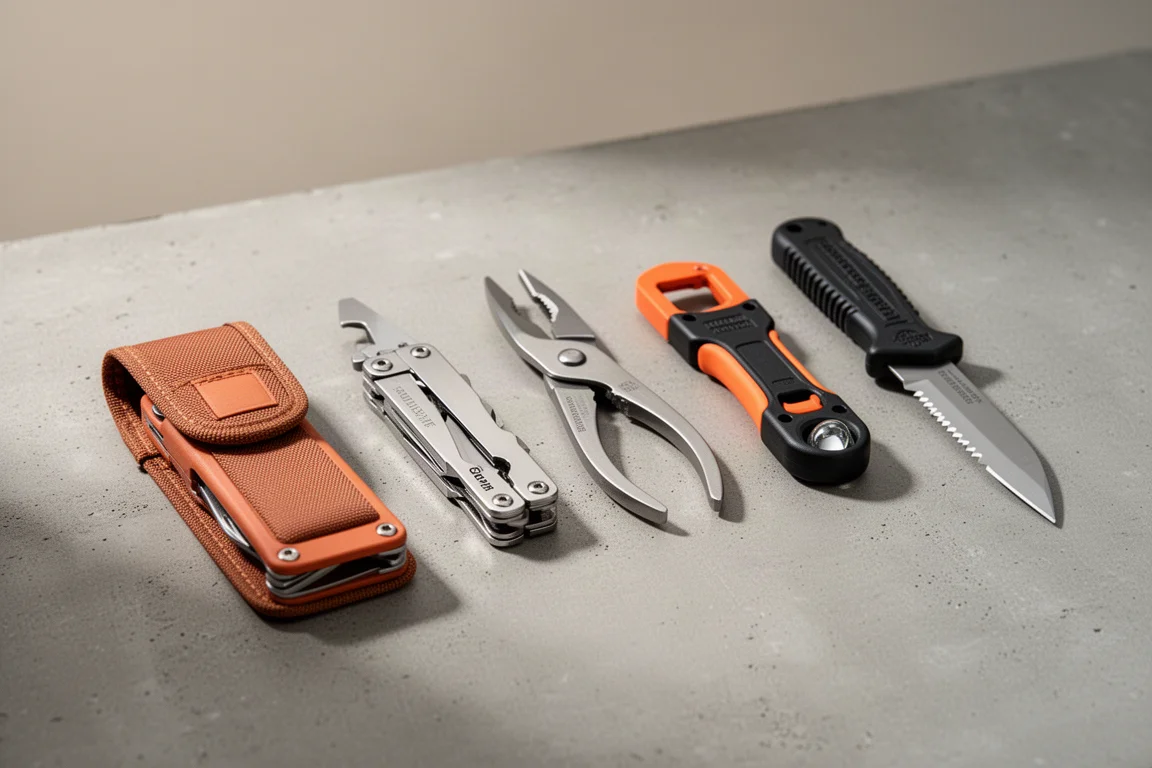
This roundup covers six rescue-oriented tools that approach the problem differently. There is a budget survival-style multi-tool, a full-size multi-tool with survival extras, folding rescue shears, dedicated seatbelt cutters, and a water-focused rescue knife. Each earns its place for a different kind of buyer.
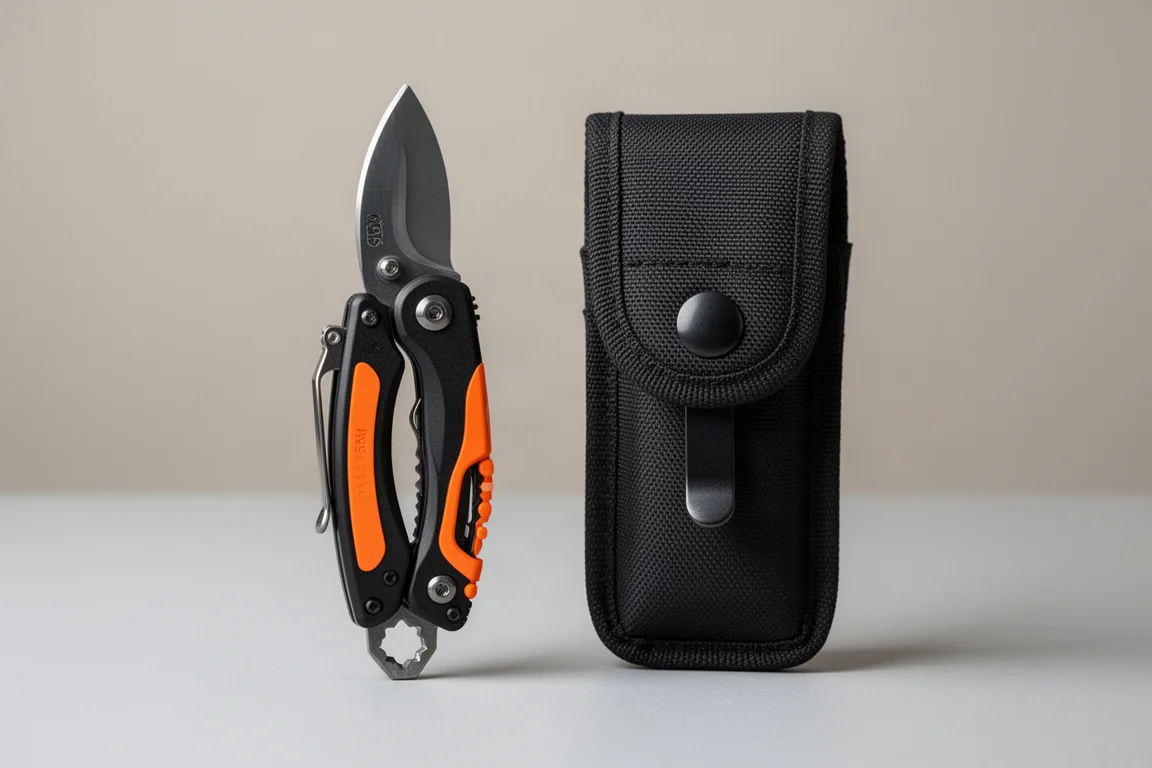
CountyComm SAR 16 Field Deploy
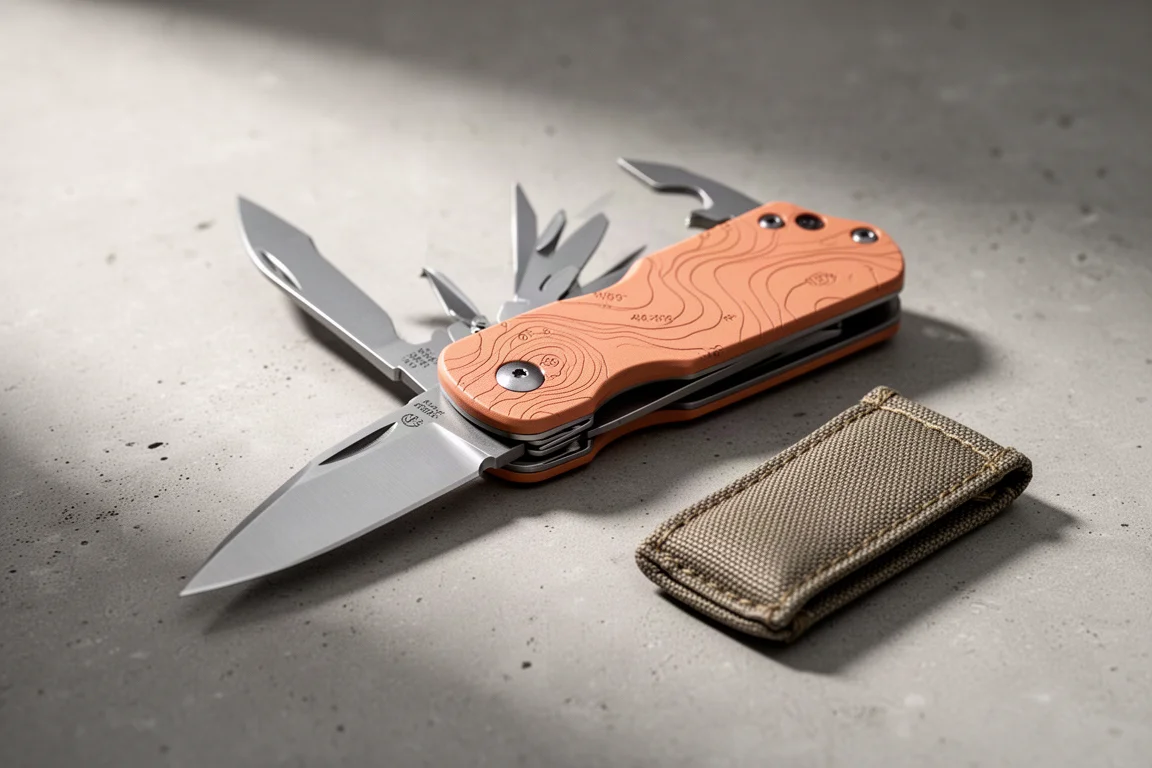
The SAR 16 Field Deploy is a folding multi-tool knife sold with a sheath at $29.95. It packs roughly 16 functions into a muted orange handle, deliberately not a bright safety orange, with a topo map motif on the panels.
Its bit holder takes 5 mm bits, which opens the door to standard quarter-inch, 5 mm, 4 mm, and 3.5 mm bits, though realistically the included selection of hex, Torx, Phillips, and slotted bits will stay as-is. The main blade is 440 stainless, sharp and solid, with a unique shape that allows corner cutting and big slicing. There is a saw with a solid lockup, a bottle opener, a short pry bar, a can opener that actually works, a seatbelt cutter with a liner lock, and a combination whistle and fire steel. Small Torx, hex, slotted, and Phillips wrenches are held magnetically with neodymium magnets, which is a clever access solution.
The seatbelt cutter is less aggressive than some dedicated cutters, and the fire starter and whistle features can feel gimmicky. But fit and finish are genuinely good, and the blade tip stays stout all the way to the end rather than bending like some comparable multi-tools. At $29.95, it delivers well over its price.
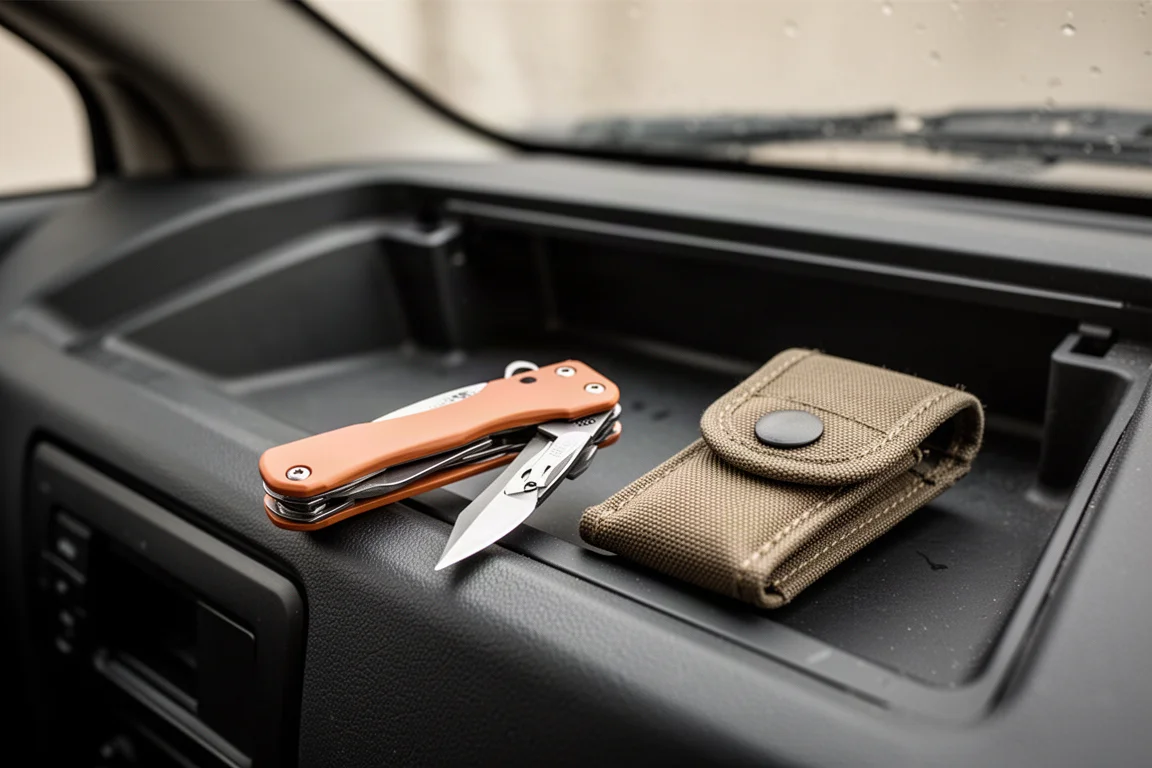
If you want a simple multi-tool with survival features baked in, something to gift, or a tool that can mostly hang out in a console and get used occasionally, this is a strong choice.
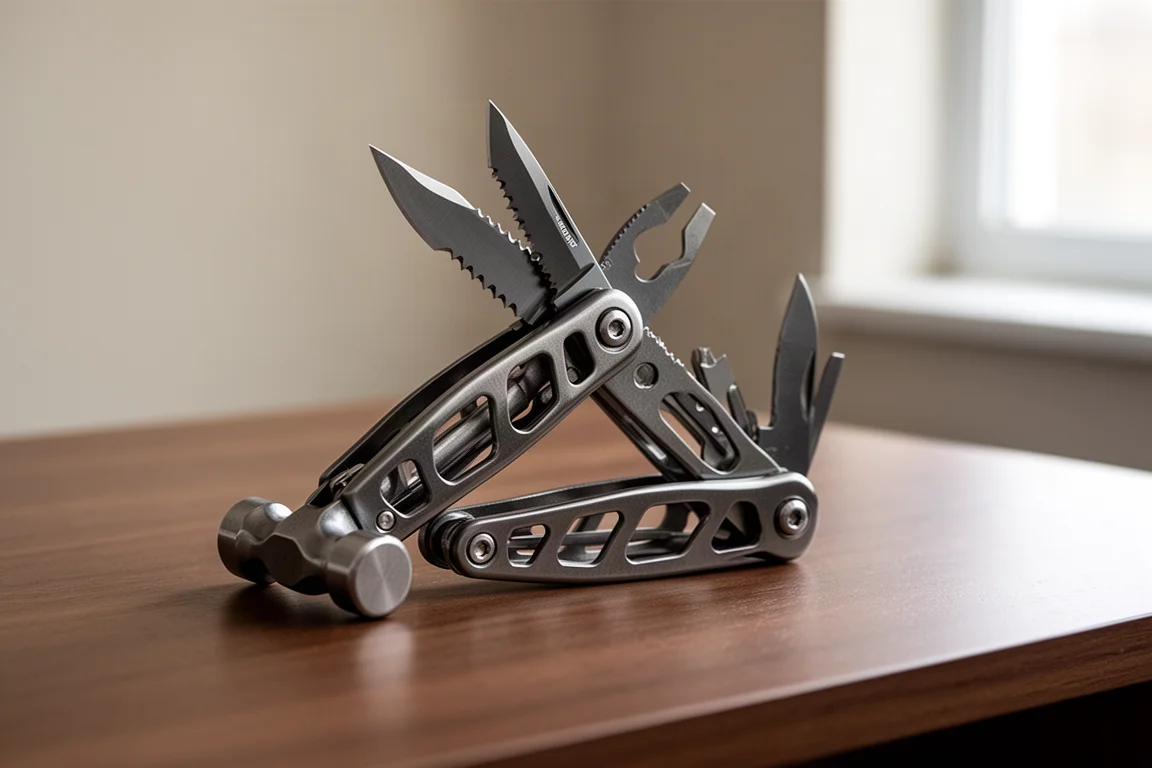
Leatherman Signal
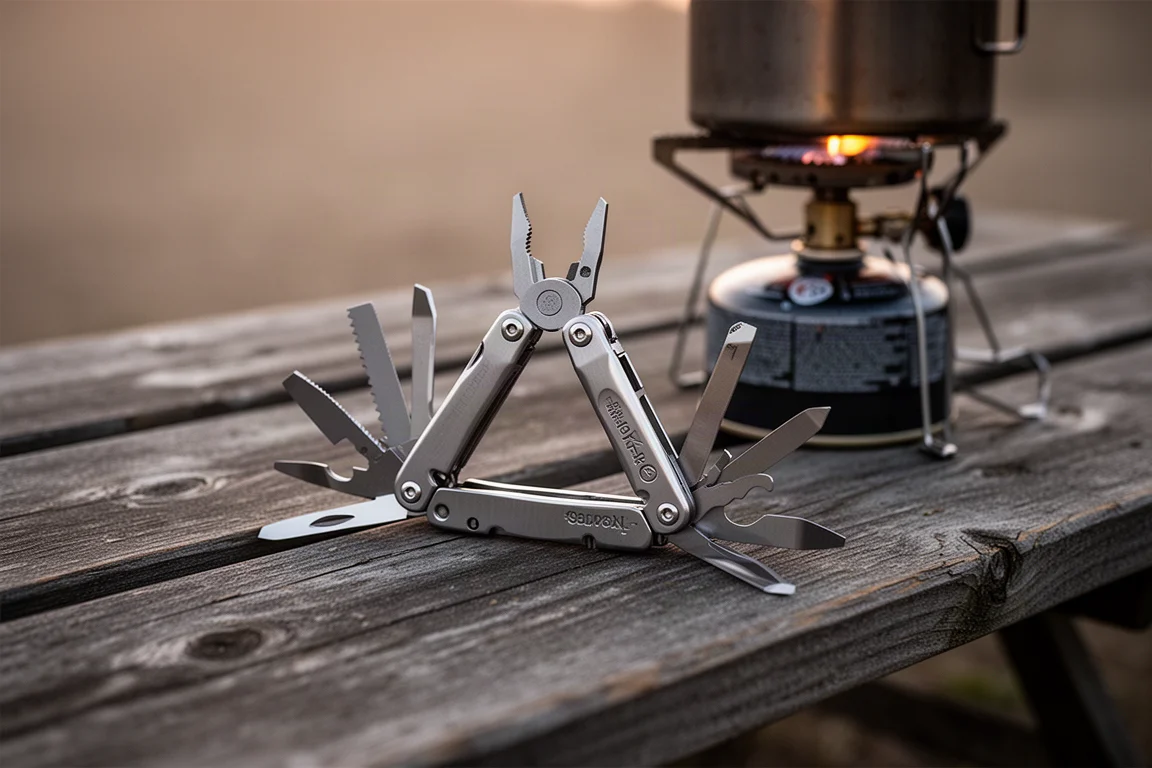
The Leatherman Signal was once easy to dismiss as more gimmick than function. With Leatherman multi-tools now flying past the $200 mark, its mix of pliers-style functionality plus a whistle, fire steel, and knife sharpener looks more sensible in perspective. The more it gets used, the more it earns its keep.
This is the tool for someone who will actually carry and use it regularly, rather than leaving it stowed. If your rescue tool needs to double as a general-purpose multi-tool on trips and around camp, the Signal justifies its higher price better than a stowed emergency tool ever could.
Leatherman Raptor
The Leatherman Raptor is folding rescue shears with a built-in seatbelt cutter. The cutter can be pulled with a finger or grabbed by the whole handle, and the shears themselves are quite nice.
Prices have been going up, but the Raptor remains a great choice for anyone whose rescue scenarios involve cutting clothing, strap, or webbing. It suits medical and first-response contexts where shears are the primary tool and a knife alone isn’t enough.
Benchmade Rescue Hook
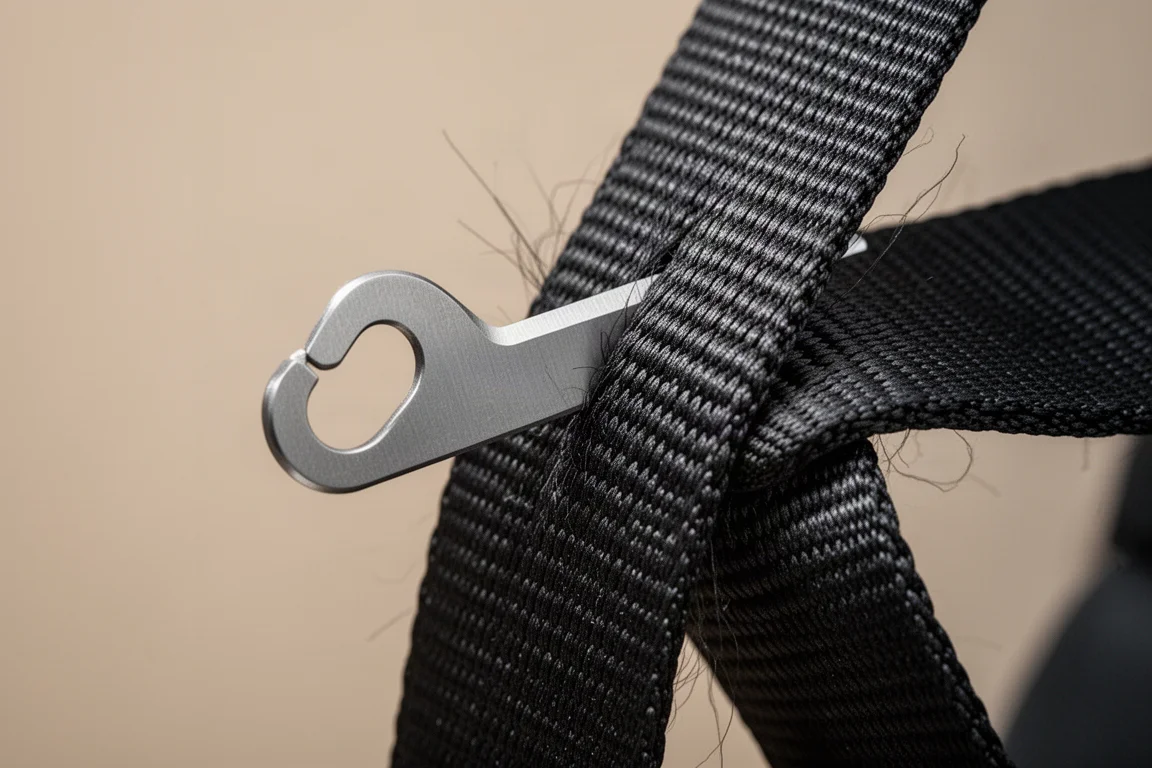
This is a dedicated seatbelt cutter that has traveled under a steering column for a long time. It only has a couple of tools, and it doesn’t even have a glass breaker, which matters at its current price. These days it is pretty expensive for such a focused tool.
What it does, it does well: the cutting hook is more aggressive than the integrated cutters on most multi-tools, and its simplicity is the point. Nothing to deploy, nothing to think about in an emergency. If you want one job done fast and don’t mind paying a premium for it, this is the benchmark.
Benchmade Houdini Pro
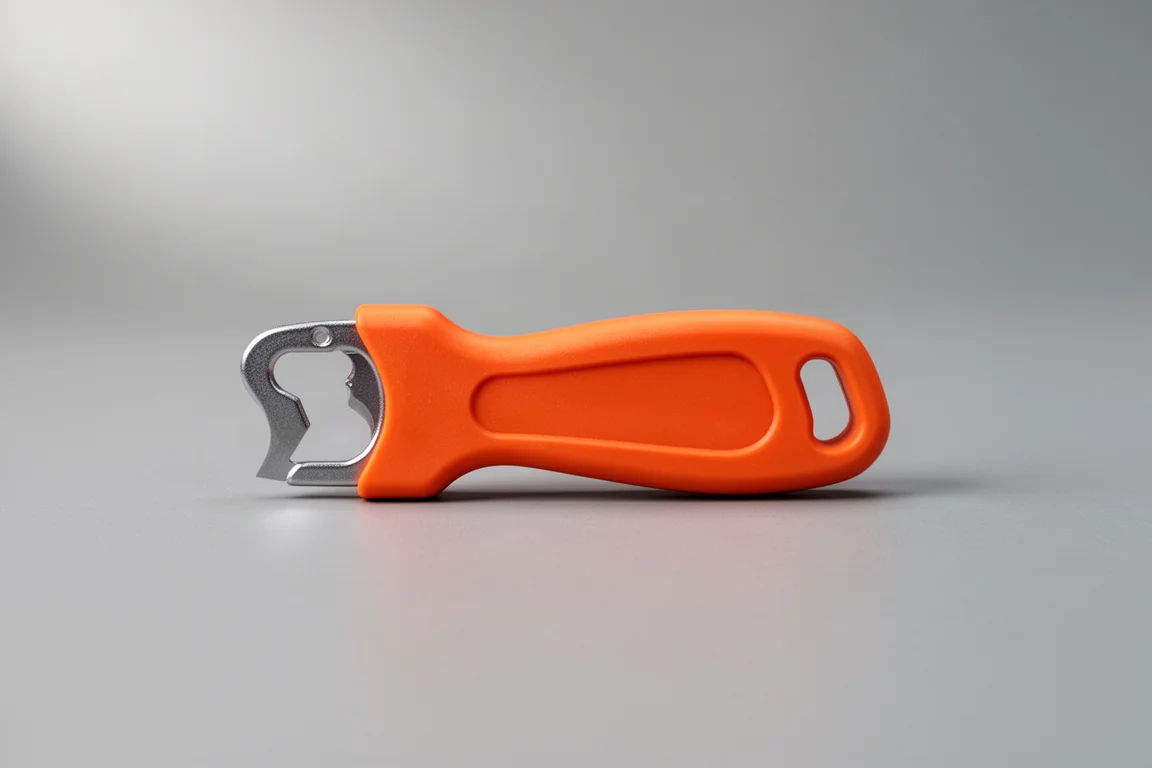
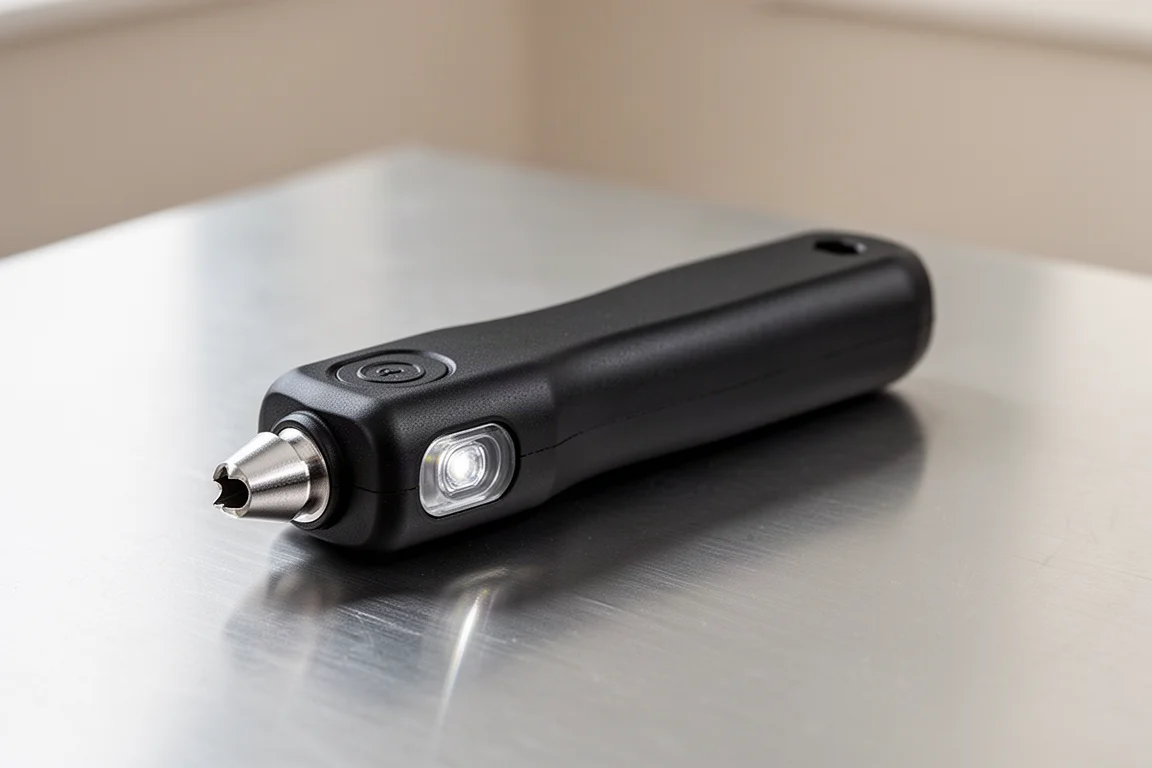
The Houdini is an interesting take on a rescue multi-tool. Made in China and listed back in 2008, it focuses on just a couple of functions: a seatbelt cutter, a small light to help you find the belt in the dark, and a punch-style glass breaker that shatters glass when pushed in. It also has a locking blade and glows in the dark.
It is friendlier to use in a panic than a full multi-tool, and everything is right there. These days it reads more as a collector’s item than a current purchase, but the design still makes sense: a seatbelt cutter, a light, and a glass breaker cover the three most common vehicle-escape needs.
Spyderco Rescue
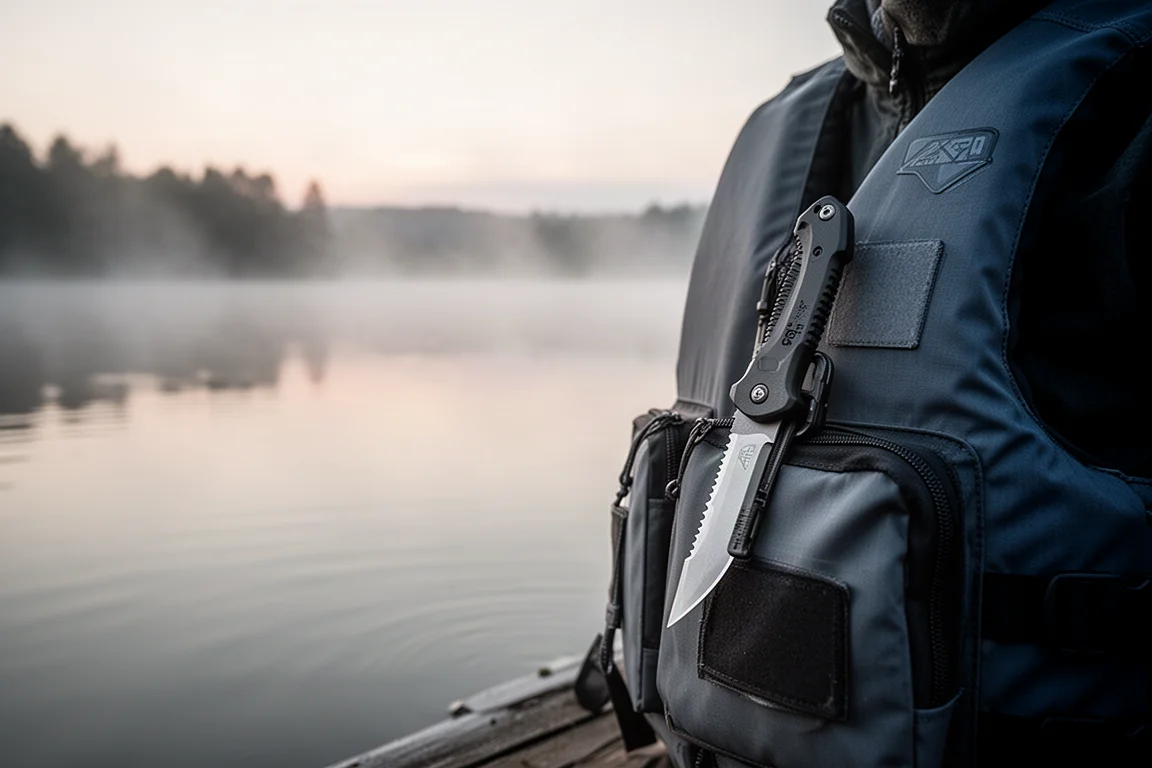
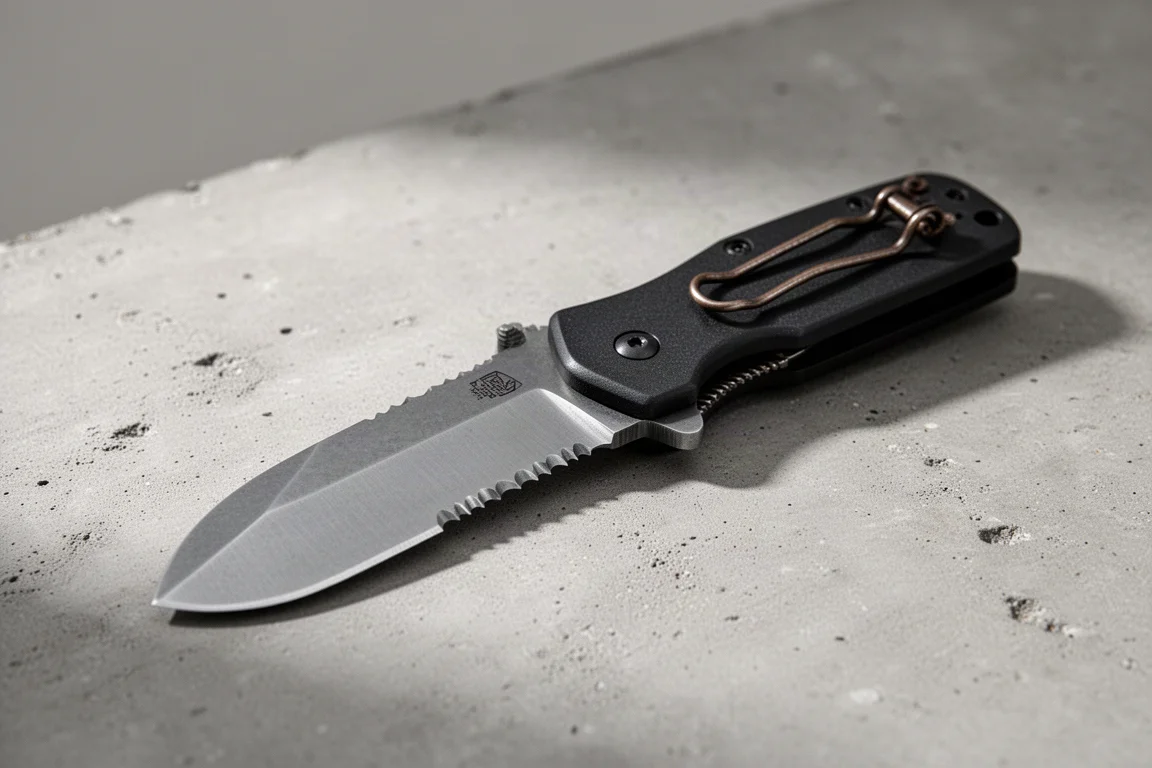
The Spyderco Rescue is a water-focused knife that has gone everywhere with its longtime owner. It combines a short straight section with a big serrated blade that excels at cutting cord, and a big blunt tip that makes it far less scary to use in an inflatable raft or during first aid applications where you are swinging a blade around close to people.
There is a whistle in the back, though it is marginal, and an old-school wire clip that can be adjusted: unscrew it, bend it, and it holds with a lot of deliberate force so you can trust the knife won’t be lost. An orange handle version exists if you want higher visibility.
For anyone on or near the water, this remains one of the most thoughtfully designed rescue knives available.
Buying Advice
The right pick depends on how seriously you take the survival side. If you want a tool that can mostly hang out and be used occasionally, the CountyComm SAR 16 Field Deploy covers a lot of ground for $29.95. If you will use your tool often and want quality throughout, the Leatherman Signal or Raptor make sense despite rising prices.
For dedicated cutting, the Benchmade Rescue Hook is simple and aggressive but pricey for its feature count, and the Spyderco Rescue is the clear choice for water use. Going with individual dedicated tools means building a kit, and then the sky is the limit; going with everything built in means it is always right there when you need it.
Conclusion
Rescue tools reward honesty about your actual use case. A stowed glovebox tool should be cheap and comprehensive, a carried tool should be refined, and a water tool should have a blunt tip. Match the tool to where it will spend most of its life, and any of these six can earn a permanent spot.
Further reading
Related Reviews

Backpacking Gear
Building a 10 lb Base Weight: An Ultralight Backpacking Gear List
A practical walkthrough of the ultralight pieces behind a 10 lb base weight, from a 765 g pack and a roomy one-person tent to a full camp chair and a dependable water filter.

Road Bikes
10 New Road Bikes Worth Watching: Aero, Titanium, Steel and Endurance Standouts
A practical roundup of 10 new road bikes, from aero flagships chasing single-watt gains to titanium, steel and endurance platforms built for real roads.
Bikepacking Gear
11 Bikepacking Essentials for Long-Distance Cycling
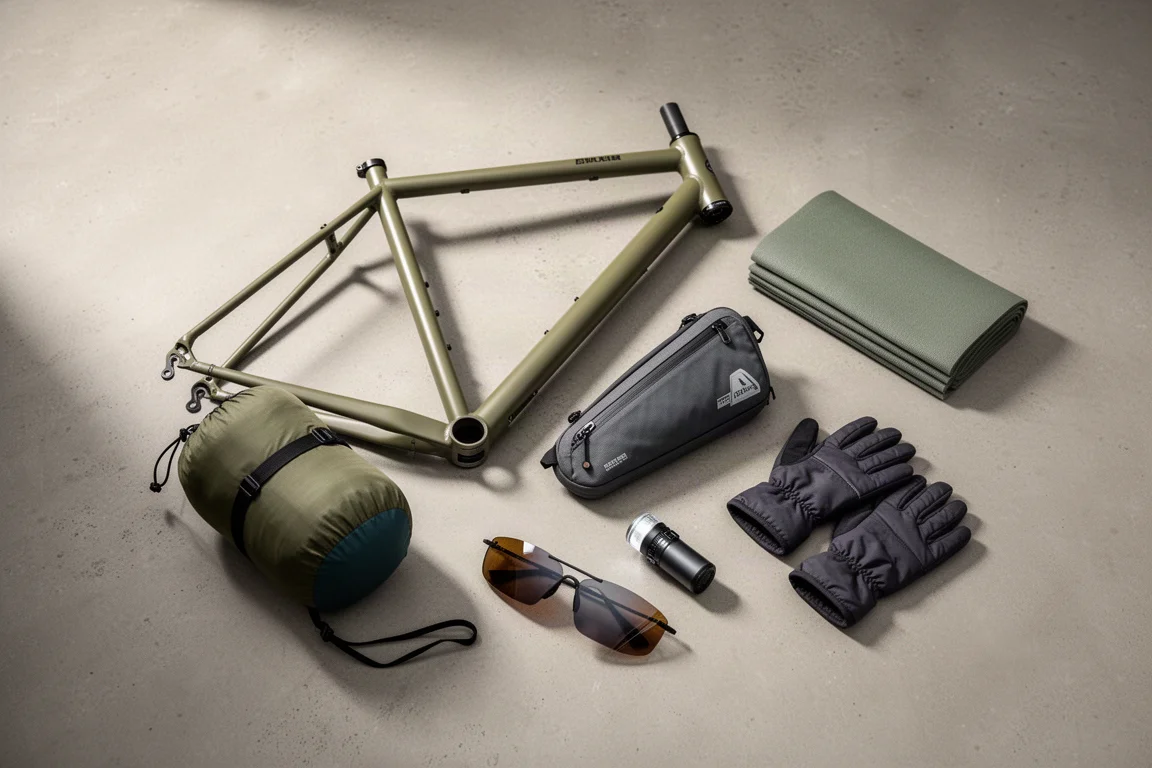
Eleven bikepacking essentials for long-distance cycling, from a steel gravel frame and a two-person tent to helmet lights, packable gloves, and a frame bag that puts weight in the right place.