Camping Tents
Best REI Camping Tents: Which Two-Person and Family Models Are Worth Buying
A practical walkthrough of REI's two-person and family camping tents, covering where the Arete ASL 2, Base Camp 6 and Wonderland shine, and which models are hard to justify.
Introduction
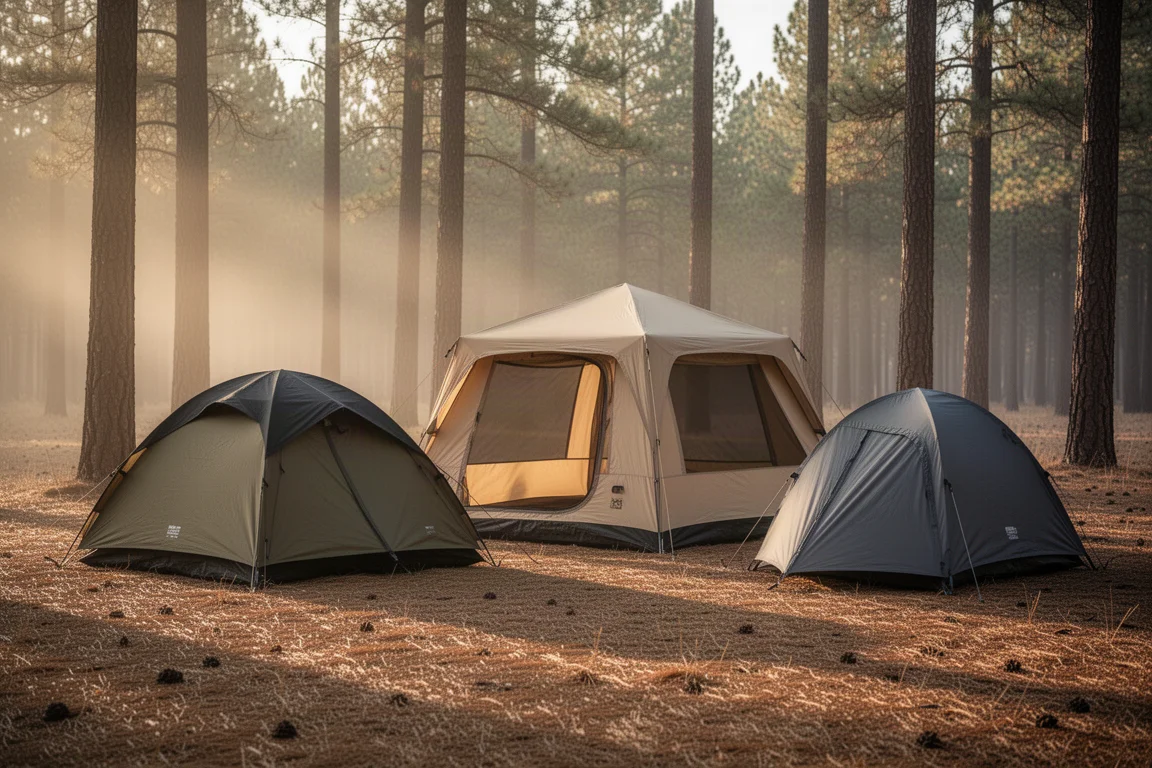
REI’s camping tent range splits into two clear families: portable two-person shelters for backpacking and weekend trips, and much larger family tents built for car camping. The family models come in both four and six-person versions, while the two-person line stretches from a dedicated four-season shelter down to the brand’s cheapest option.
The performance gap inside that range is wide. Some models deliver four-season warmth, generous headroom and premium hardware. Others cut corners on zippers, vents and pole materials in ways that only show up once the weather turns.
This guide walks through each tent in the lineup, what it does well, and where it falls short, so you can match a tent to the way you actually camp.
How These Tents Were Compared
Each tent was scored on the same scale across setup and pack-away time, base area, peak height, storage, rain performance, materials and trail weight. Because price matters as much as performance, those scores were also plotted against each tent’s full retail price.
A tent that lands above that price-to-performance trend line is doing more than its price suggests. One that sits below it is asking a premium for average results.
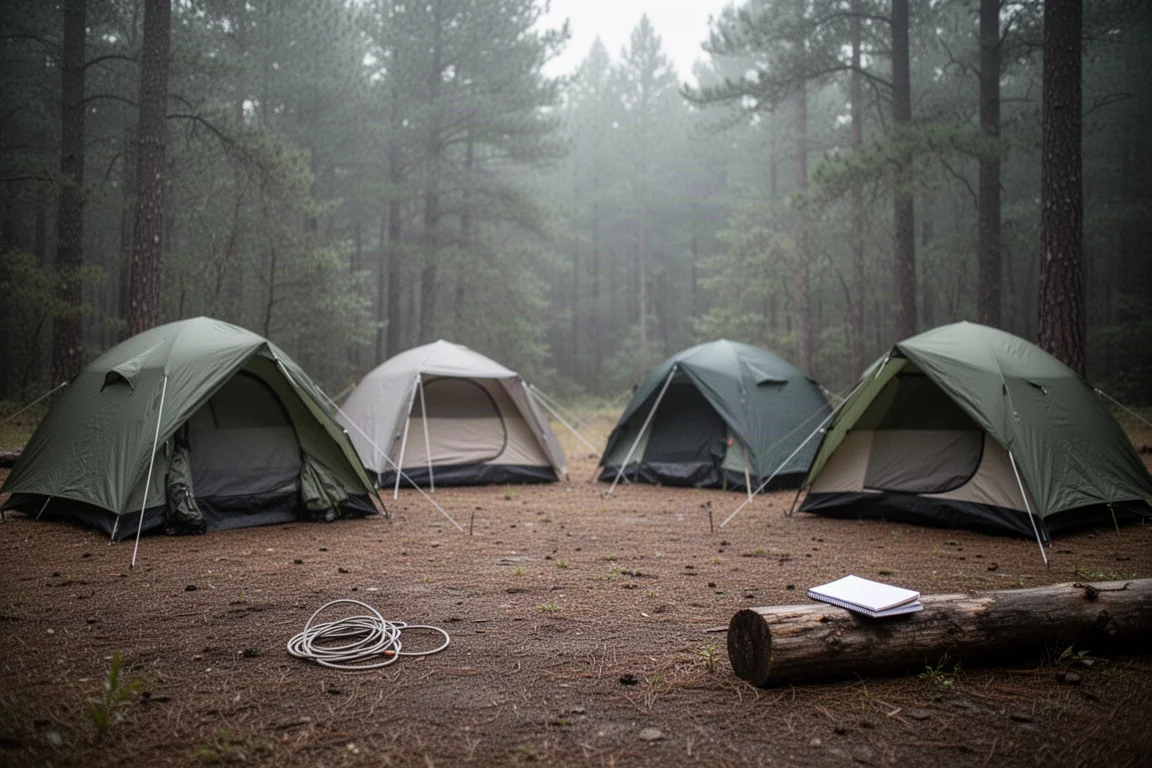
Two structural details kept separating the strong tents from the weak ones. Ventilation that can be opened and closed from inside the tent matters far more than raw mesh area, and a rainfly that reaches close to the ground is the single biggest factor in how a tent copes with wind-driven rain.
One more thing worth knowing up front: REI’s own warranty runs for one year, while at least one comparable tent from another brand carries a considerably longer one.
REI Arete ASL 2 Is Built for Cold Weather
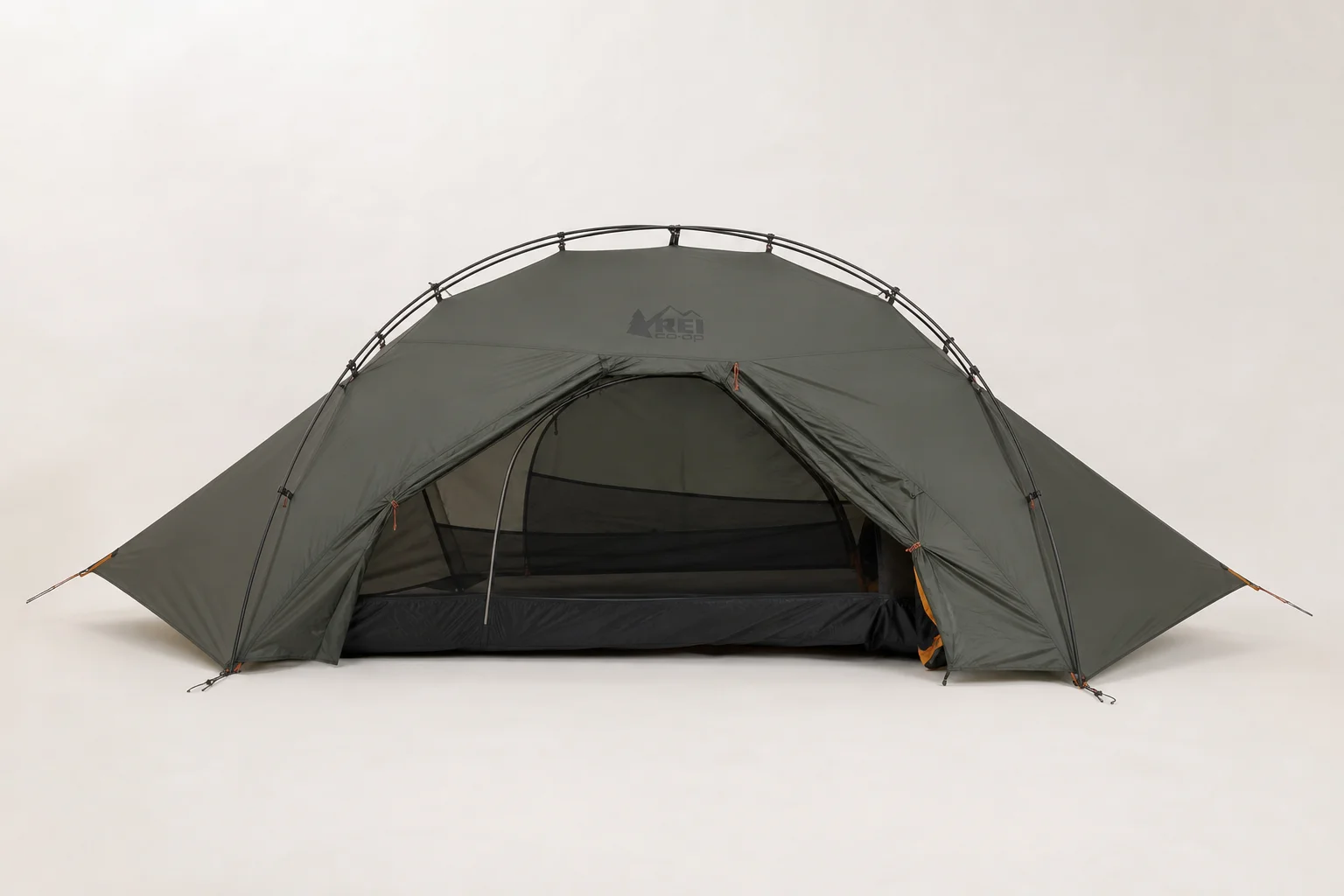
The Arete ASL 2 sits at the top of REI’s two-person range. It is designed for off-season and winter camping, yet its minimum trail weight is unusually light for a tent this hardy.
The defining feature is adjustable mesh. The front window, the top mesh panel and a small triangular vent at the rear can all be unzipped, or fully closed when temperatures drop. Closing everything traps heat effectively: with outside temperatures around 30 degrees Celsius during testing, the interior measured 42 degrees, well above what the other REI tents reached.
That same design is also the main limitation. The Arete carries the least mesh in the REI range, and even fully opened it exposes only around 15 percent of the tent. It is a cold-weather shelter, not a summer one.
In every other respect it is the most livable two-person tent here. It has the highest peak height of the group, the most poles and the most storage. Peak height measures 46 inches at the centre pole, 43 inches at the extended front peak and 40 inches at the rear where two poles intersect, so headroom holds up along almost the whole length of the tent.
Construction is full nylon with DAC poles throughout: DAC Press Fit main poles and cross pole, a DAC FeatherLite NSL cross pole, and DAC stakes. The trade-off is setup time, which runs to roughly 10 minutes, the longest of any two-person tent in the range.
At a full retail price near $450, discounted to just over $300, it represents strong value for a four-season tent.
REI Trail Hut 2 Delivers Mixed Results
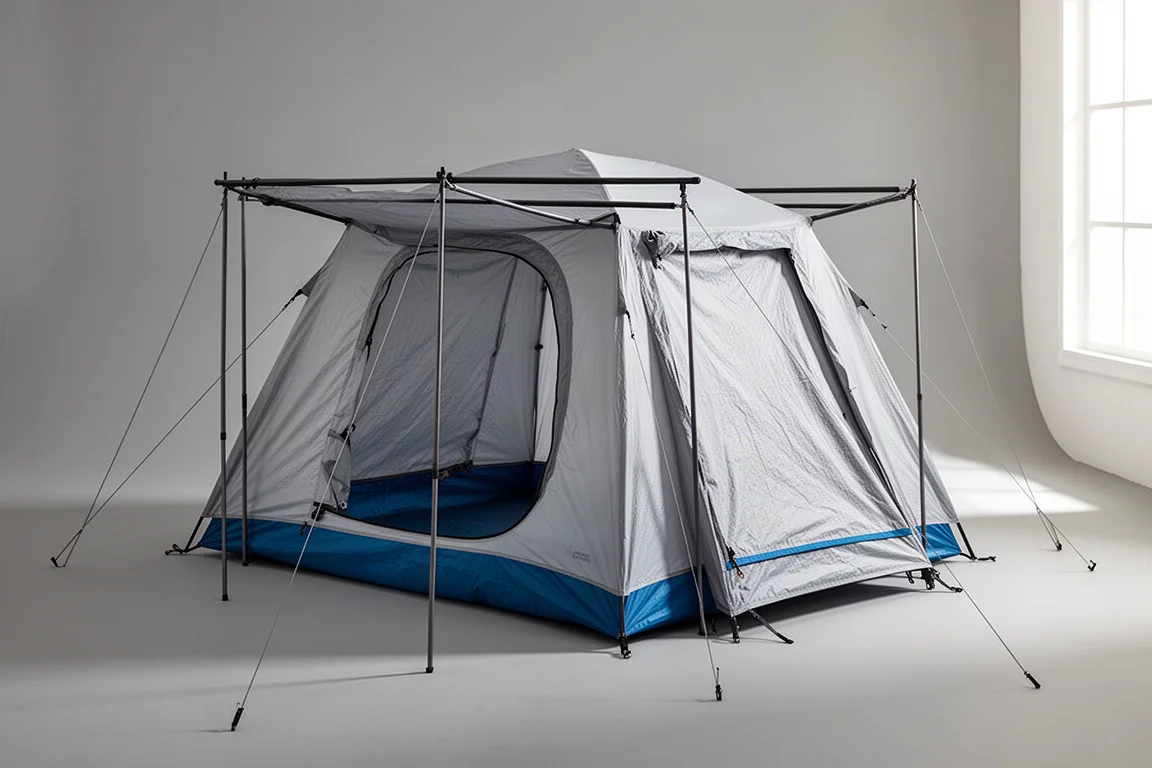
The Trail Hut 2 is one of REI’s best sellers, positioned as affordable, good value and light enough for short backpacking trips. The results are uneven.
Setup and pack-away are reasonably quick, and base area ranks second among the two-person tents. Peak height, though, is by far the lowest in the group, so the interior feels less spacious than the floor plan suggests. Storage is modest, and it is the only REI tent in this lineup without YKK zippers.
Rain protection is where it earns its place. The full polyester construction handles water better than nylon, and the tent came through rain testing lasting from six hours to nearly 24 hours without leaks. The catch is material thickness: the Trail Hut uses the thinnest fabrics of any REI tent here, and its minimum trail weight still is not competitive.
Full retail is $229, discounted to $160. On sale it is decent value, but it is not the tent to choose if space and durability matter more than price.
The North Face Stormbreak Beats the Trail Hut on Space
At roughly the same $200 price point, the Stormbreak is the stronger all-round tent. Retail is slightly lower than the Trail Hut, though it does not include a footprint. Setup takes longer, but the payoff is noticeably more livable space, a larger base area and a longer feature list.
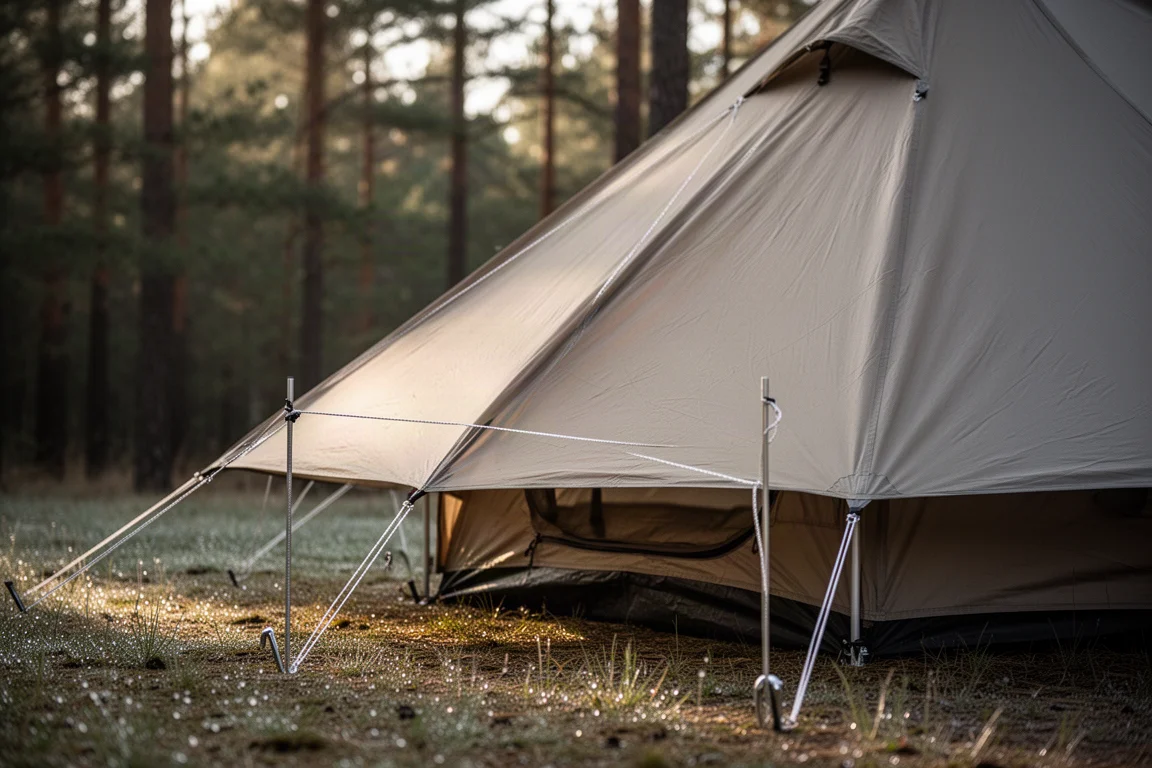
Materials are thicker and stronger, which raises trail weight but also supports a much longer warranty. The one clear weakness is ventilation: the Stormbreak has no vents, though guying out the rainfly on all four sides helps compensate. Even with the Trail Hut discounted and the Stormbreak at full price, the Stormbreak remains the better buy.
REI Trailmade 2 Is the Cheapest Option
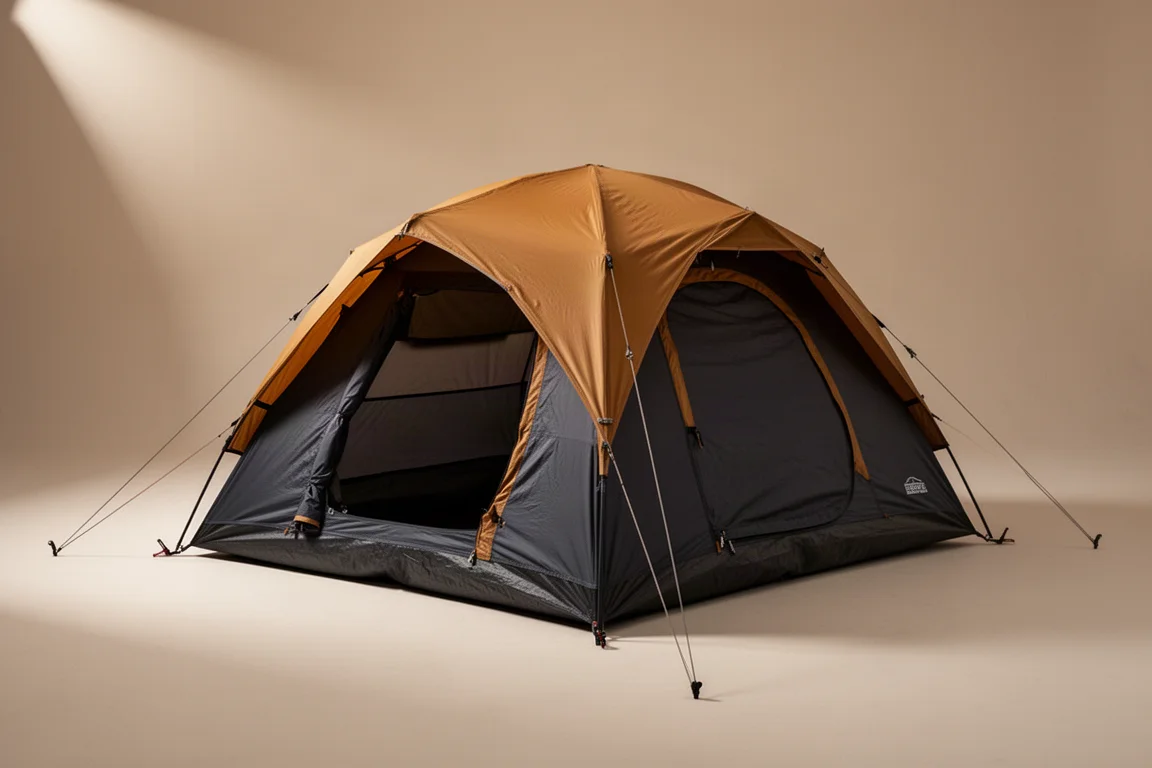
The Trailmade 2 is REI’s cheapest tent, with a full price of $200 that can drop as low as $140 with discounts. It is also the fastest to set up and pack away, and its minimum trail weight comes in at a light 4.1 pounds.
Space is the trade-off. Peak height occurs only at the centre, with the rest of the roof sloping downwards, and storage is limited to two pockets and a single lantern loop. It does include a footprint, which matters when comparing it against similarly priced tents that do not.
As a budget tent on sale, it offers better value than the Trail Hut 2. It is not, however, the best tent at its price.
Teton Mountain Ultra Offers More Tent for Similar Money
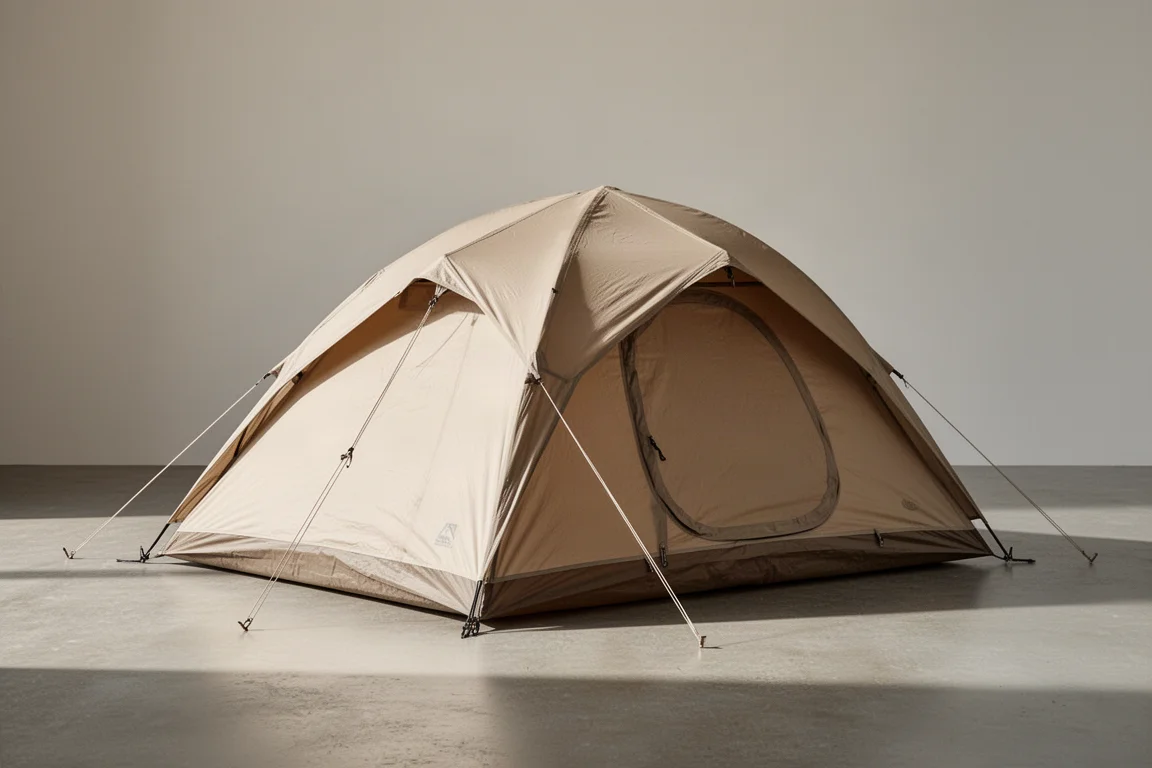
The Teton Mountain Ultra undercuts the Trailmade 2 on full retail price while scoring slightly higher overall. Once discounts are applied the two land at similar prices, and because the Teton omits a footprint, that gap narrows further given footprints typically cost $20 to $30.
The design differences are substantial. An extra ridge pole across the top creates two vertical side walls along the length of the tent, and peak height is four inches higher. Base area is more than three square feet larger.
Both tents have two doors, but the Teton’s door pockets are easier to live with: the fabric tucks into a neat pocket rather than being tied back with toggles. Storage totals two pockets, five loops and a gear loft, against two pockets and one lantern loop on the Trailmade.
Mesh coverage is far greater, which suits summer camping, and there are more vents plus a rainfly that can be staked down on all four sides for better wet-weather airflow. Both tents performed well in heavy rain. Flooring and canopy fabrics are roughly double the thickness of the Trailmade’s, and the rainfly uses ripstop rather than plain polyester, though the extra material makes the Teton noticeably heavier. Warranty coverage is considerably longer as well.
If your budget for a quality tent sits at the entry level, this is the one to go for.
REI Half Dome 2 Plus Adds Space and a Half Rainfly
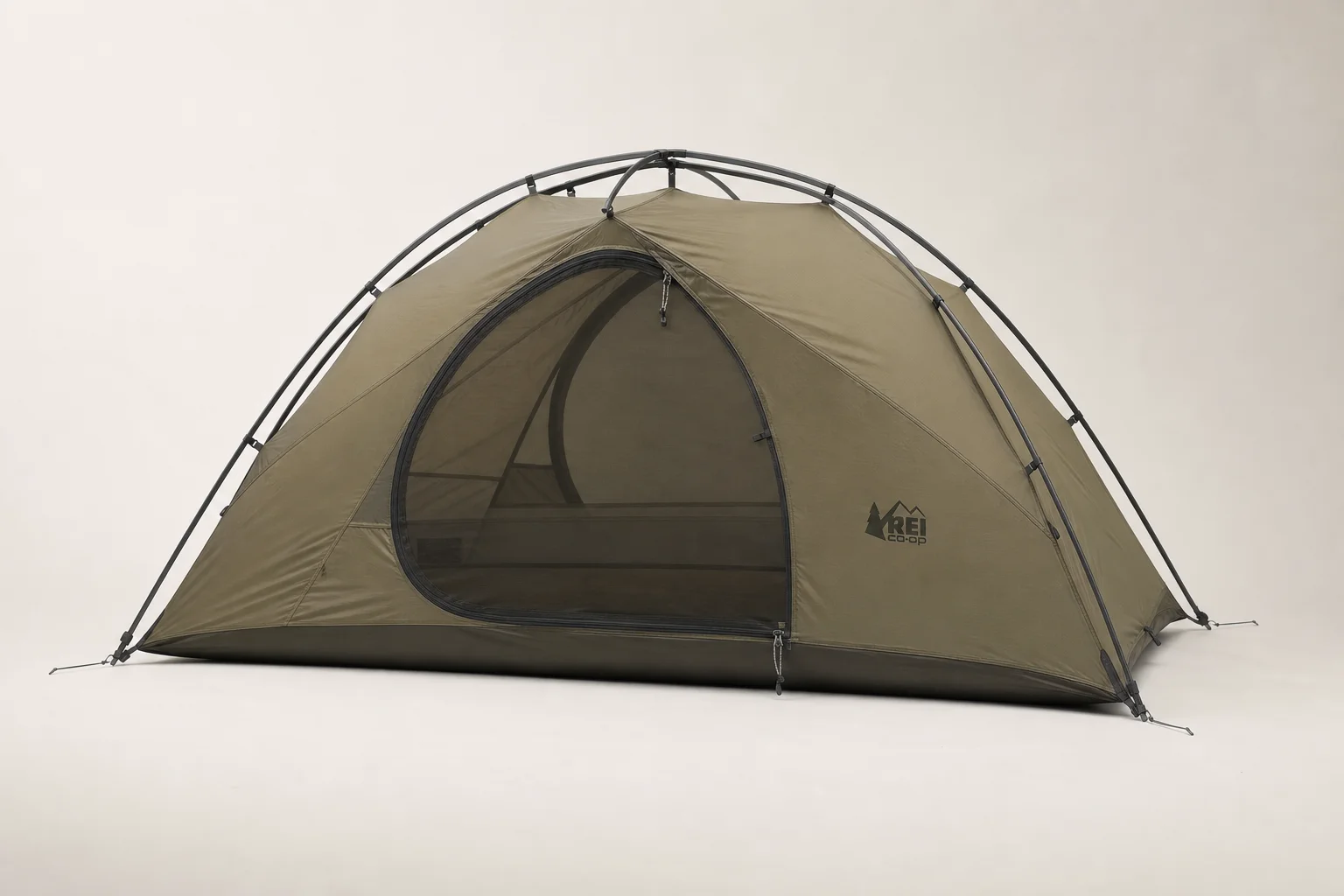
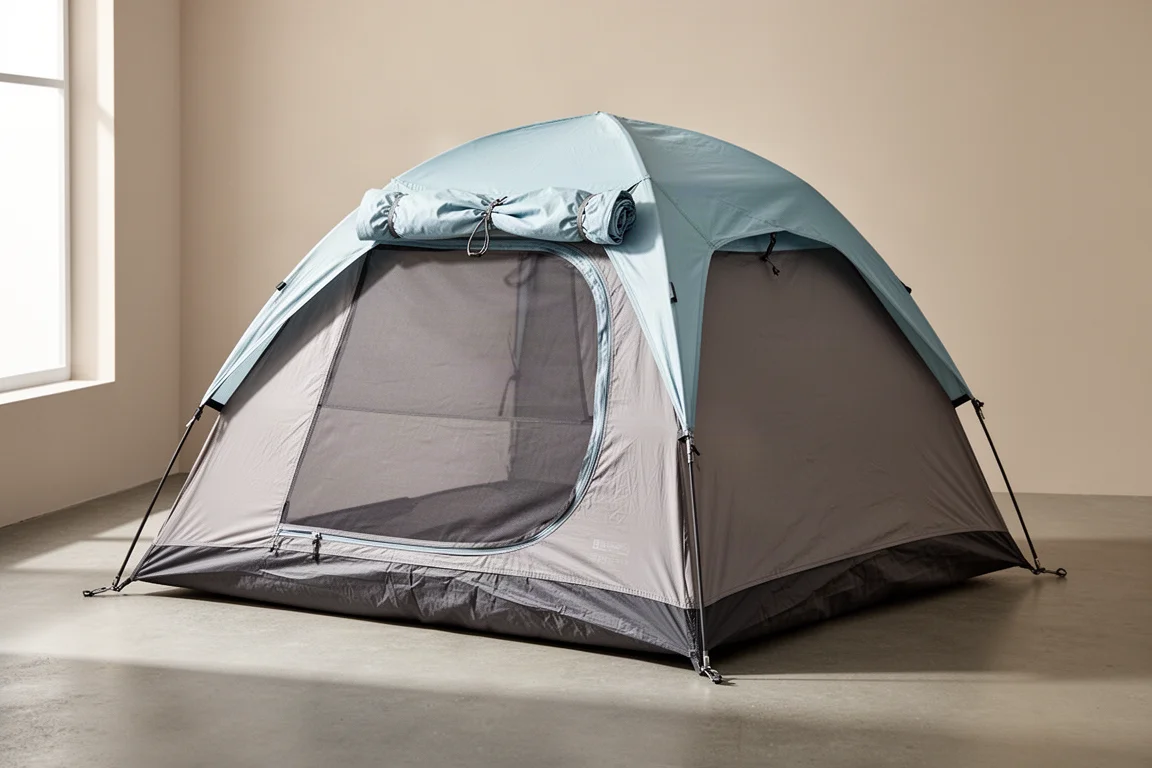
The Half Dome 2 Plus is pitched as a backpacking tent, but with a body made mostly of polyester taffeta the trail weight is not especially light. Its real niche is floor space: it offers a larger base area than a standard two-person tent, so you can bring more gear without stepping up to a three-person model and carrying the extra weight.
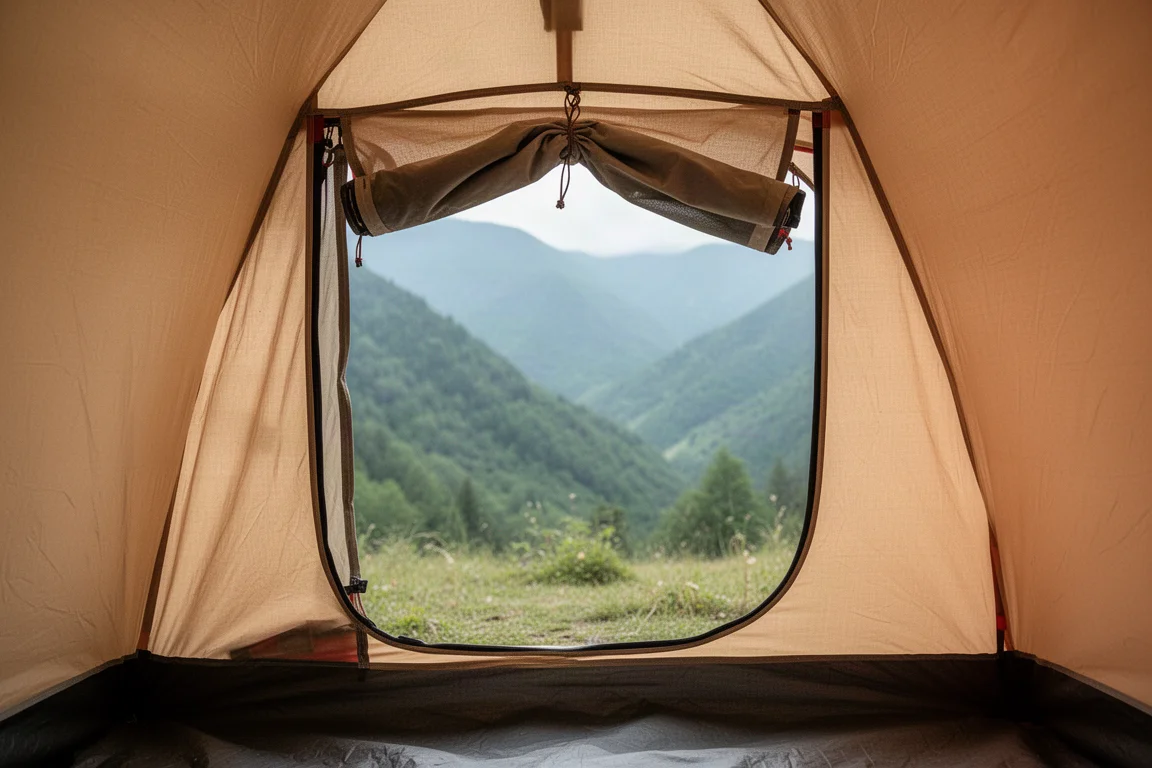
The standout feature is the half rainfly. Instead of removing the fly entirely, half of it can be rolled up and tied off with the toggle at the top of the tent, which opens up the view. If rain arrives, the fly can be rolled back down and the buckles and guylines secured in under a minute.
Scores here are solid, better than the average REI tent. Pricing is not cheap: full retail is $350, discounted to around $250. One thing to keep in mind is that the Stormbreak’s base area is still larger than this two-plus version.
REI Base Camp 6 Is the Best REI Family Tent
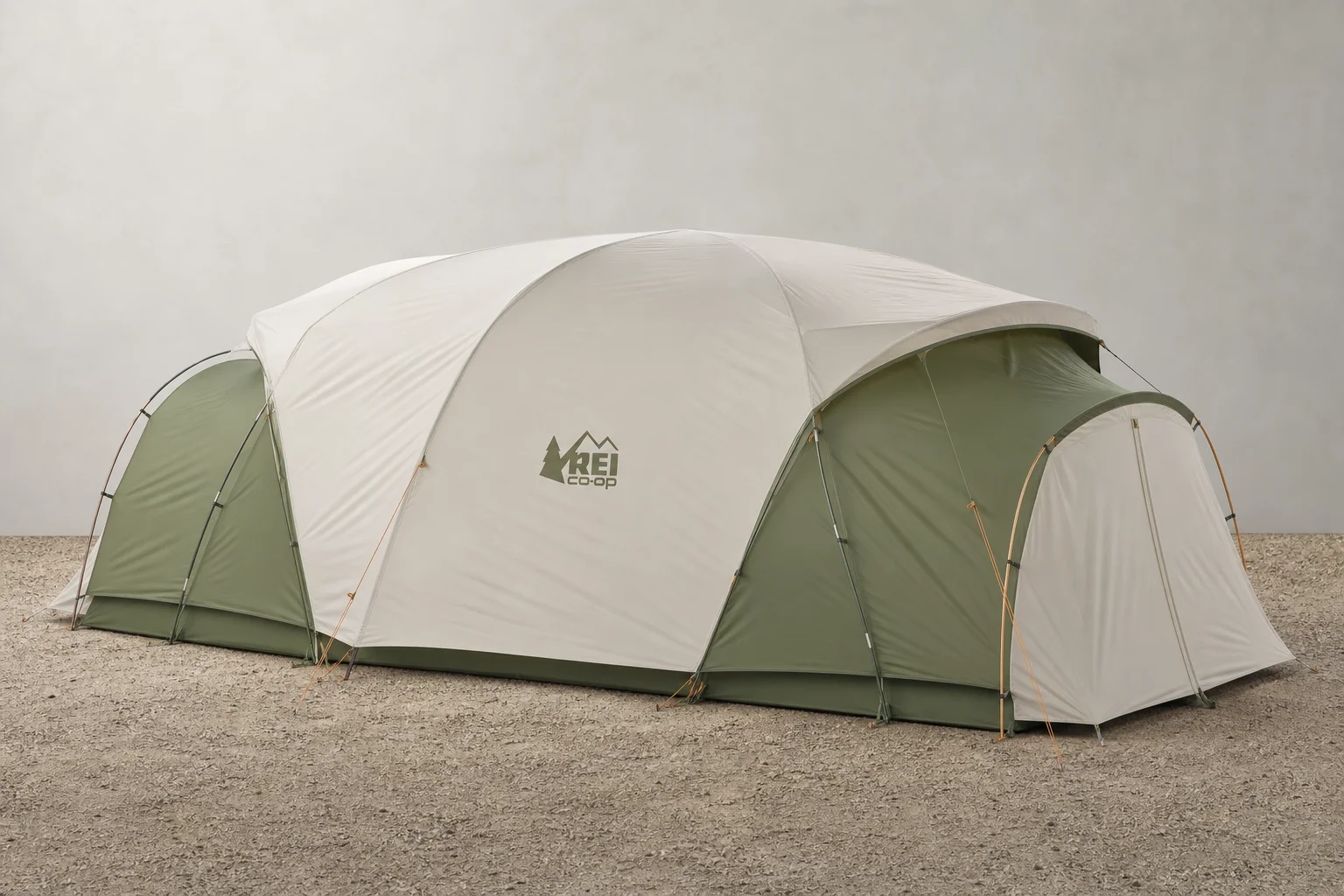
REI’s family tents come in four and six-person versions, and the Base Camp 6 is the strongest of them.
Its base area is enormous, and it is the only REI family tent that includes a vestibule. It actually includes two: a front vestibule of around 31 square feet, roomy enough for a couple of camping chairs, and a rear vestibule of around 21 square feet for gear.
It is also the only tent in this group without vertical walls, since it is a dome design. Four intersecting poles, plus a body that clips and buckles to the frame, pull the fabric outward, and the result feels genuinely spacious for a dome. Storage is exceptional at 14 pockets and 20 loops.
Rain performance is the best of any REI family tent. The full rainfly extends almost all the way to the ground, and after a heavy one-hour rain test there were no leaks at all. Four vents can be opened and closed from inside the tent.
Mesh coverage is low and the vents are small, so it can get hot and stuffy on summer days with the full fly on. Leaving the two doors or the two windows open improves cross-ventilation. That makes it an excellent three-plus-season family tent rather than a summer specialist. Full retail is on the steep side, but a 25 percent discount softens it considerably.
REI Wonderland Is a Summer Tent With a Rain Weak Spot
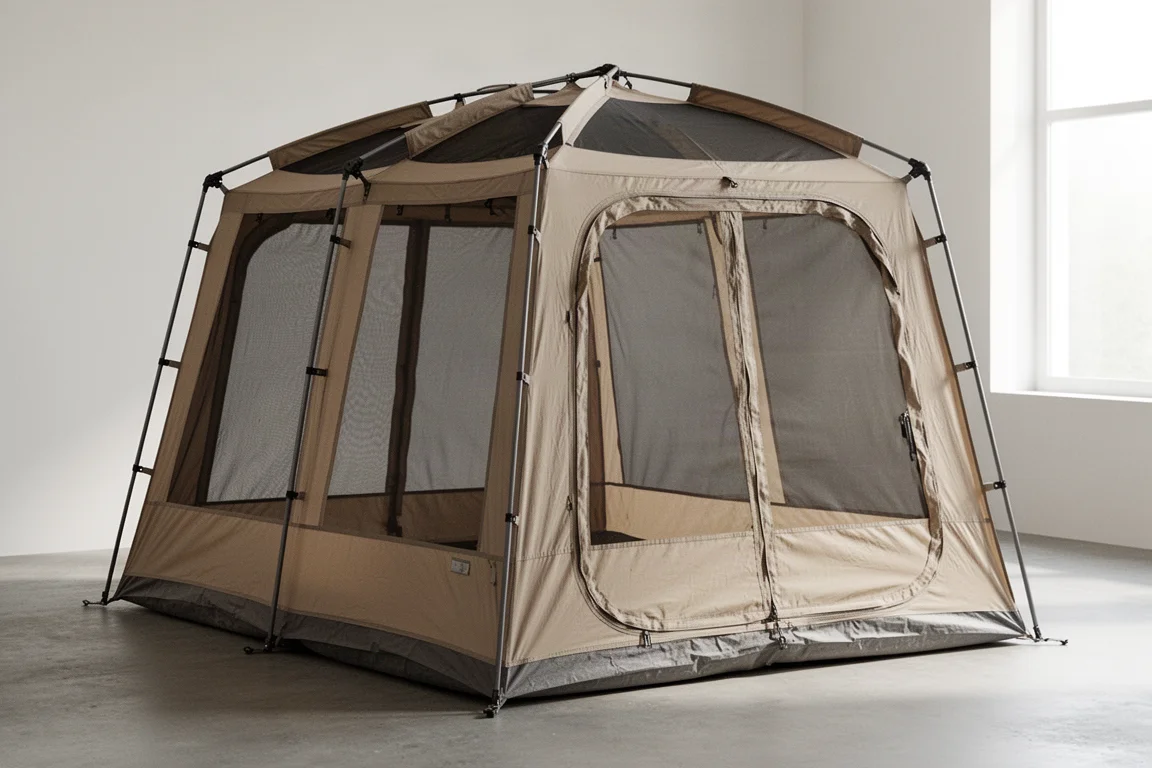
Where a typical summer cabin tent puts mesh only on the roof, the Wonderland runs mesh down the sides as well, covering easily half the tent. It adds two half-door windows and two bottom windows.
Livability is the headline. Three U-poles arch over the sides with a straight pole across the top, holding peak height across almost the entire length: 81 inches at the highest point, 77 inches at one end and 76 inches at the other. The side walls are fully vertical, and you can stand upright anywhere inside.
The doors are the best in the family range. Two oversized doors each take up nearly a full wall, they are tall enough to walk through without ducking, and they zip and unzip one-handed in about two seconds without snagging. The fabric then tucks into a pocket beside the door.
It is also one of the few family tents with a divider, attached with seven toggles and loops to split the interior into two rooms. Each room fits up to three pads, or one queen bed somewhat snugly.
The weakness is rain. The rainfly is not full length and stops short of the ground, leaving a gap to accommodate a window, so sustained heavy rain will find its way in. Wet-weather ventilation is effectively absent: the two vents are tiny door vents that do very little.
It launched at $599, dropped to $419 at 30 percent off, and is now around $100 cheaper than that. It costs less than the Base Camp 6 and scored lower overall.
REI Campwell Struggles to Justify Its Price
The Campwell is the weakest of the REI family tents. Peak height is very low for a cabin tent, there is only one door, and storage is the sparsest in the range.
The rainfly is the bigger problem. It covers only the very top of the tent, so horizontal rain driven by wind can get underneath it and leak badly. There are no vents at all, and the poles are fibreglass, a material more commonly seen on cheaper Coleman and Ozark tents.
At around $300, the only real advantage is that it sets up more easily than the other family tents, and it costs a few hundred dollars less than the rest of the range. It is not worth full price.
REI Skyward Was the Better Cabin Tent
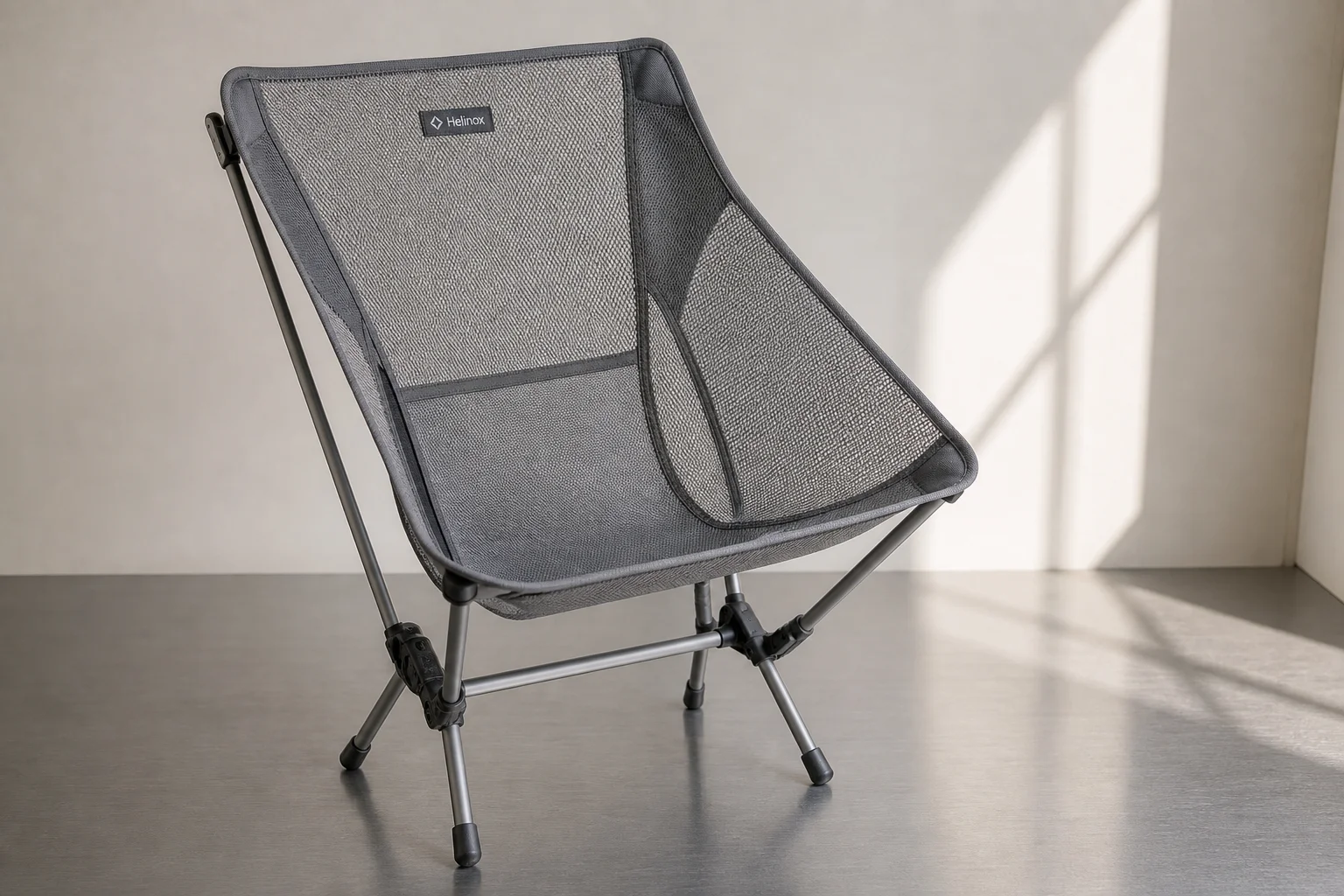
The Skyward is the earlier version of this cabin design, and it was better in almost every way. Peak height is 14 inches higher, and it uses aluminium poles instead of fibreglass.
It also includes a vestibule, which enlarges the usable base area considerably and can be converted into an awning on hot days. It costs only about $50 more than the Campwell.
Buying Advice for Choosing Between These Tents
The right tent depends on when you camp and how you move it.
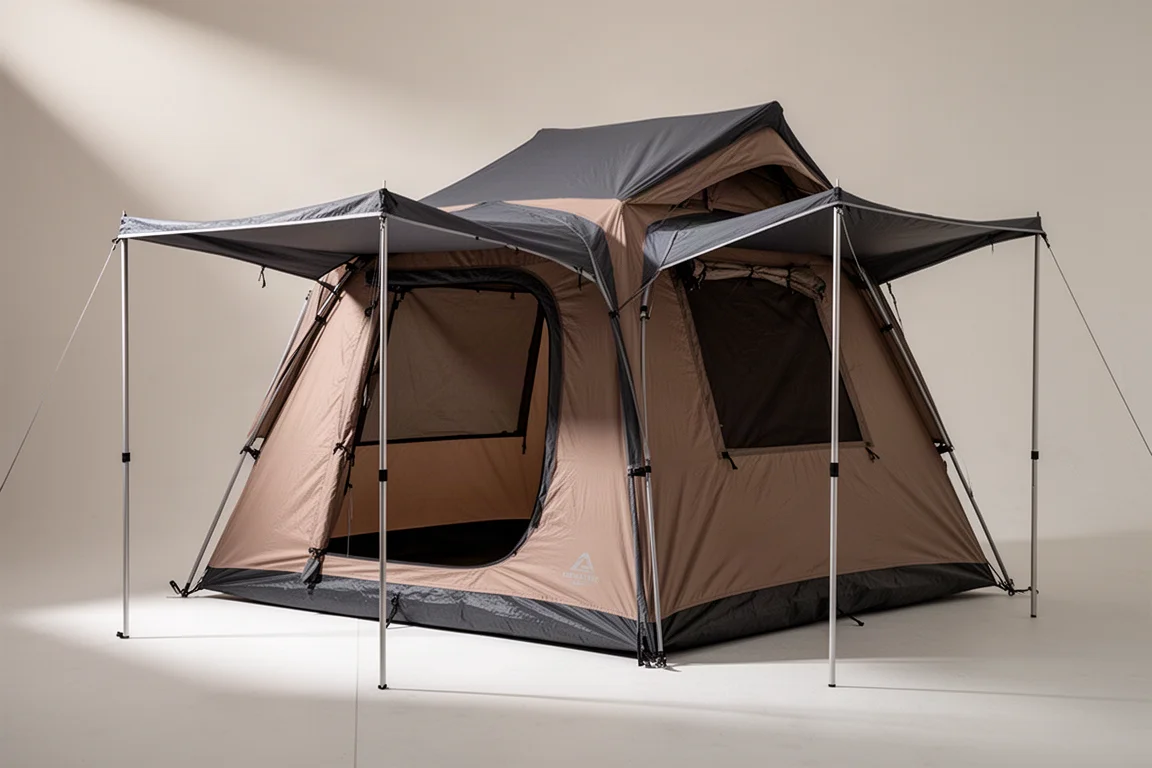
If cold weather is part of the plan, the Arete ASL 2 is the only tent here designed for it, with adjustable mesh and heat retention the others cannot match. For three-season family camping, the Base Camp 6 offers the best rain protection along with the most space and storage. If you camp mostly in summer and want maximum headroom and airflow, the Wonderland is the more comfortable tent, provided you are not expecting prolonged heavy rain.
At the budget end, the Teton Mountain Ultra beats the Trailmade 2 and the Trail Hut 2 on space, materials and warranty, and the Stormbreak remains the best option in the $200 range overall. The Campwell is the one to skip unless an easy setup outweighs everything else.
Weight deserves a mention too. The Trailmade 2 keeps trail weight down to 4.1 pounds, and the Arete ASL 2 stays surprisingly light for a four-season shelter. The Stormbreak and the Teton Mountain Ultra trade extra weight for thicker fabrics and longer warranties, which is a fair exchange for car camping but not for backpacking.
Conclusion
REI’s tent range rewards careful choosing. The Arete ASL 2 is the standout for cold-weather camping, the Base Camp 6 is the strongest all-round family tent in the lineup, and the Wonderland is the most comfortable option for fair-weather summer trips.
At the budget end, the Teton Mountain Ultra and The North Face Stormbreak both outperform REI’s own Trail Hut 2 and Trailmade 2 on the things that matter most over time: space, materials and warranty coverage. The Campwell, at around $300, is the clearest case for spending your money elsewhere.
Further reading
Related Reviews
Camping Tents
3F UL Gear Taiji Two-Person Tent Review: Field Waterproofing Results and Buying Advice
The Taiji pairs an attached fly with a removable inner, but sustained rain exposed untaped vent seams that need sealing before this shelter can be trusted.
Camping Tents
3FUL Gear Lanshan 2 Pro 4-Season Review: A Sub-$200 Single-Wall Trekking Pole Tent
An early look at the 3FUL Gear Lanshan 2 Pro 4-Season, covering its straightforward pitch, generous interior space, and the condensation and seam-sealing questions that come with any single-wall shelter.
Camping Tents
Alps Mountaineering Lynx 1-Person Tent Review: Big Value in a Small Budget Tent
A close look at the Alps Mountaineering Lynx 1-Person Tent, covering real interior dimensions, materials, setup time, ventilation limits, and who should buy it.