Reef Aquarium Dosing
Best Reef Tank Dosing Solutions: All-in-One, Two-Part, and Complete Systems Compared
A practical guide to reef dosing categories, from single-bottle all-in-one solutions to two-part systems and complete multi-bottle regimens.

Introduction
Once corals settle in and start growing, alkalinity begins to dip and supplementation becomes part of the routine. The difficult part is not deciding whether to dose, but deciding what to dose, because the reef market carries an enormous range of bottles, powders and multi-part regimens that all promise the same basic outcome.
The choice becomes far easier when the options are grouped into three categories. All-in-one solutions deliver calcium, magnesium, alkalinity and trace elements from a single container. Two-part systems, which sometimes extend to three or four parts depending on the system, separate each component into its own container. Complete systems put an entire regimen into three or four bottles that are dosed in equal amounts.
Each category solves a different problem, and the right pick depends far more on tank size, coral demand and how much control you actually want than on which label looks most advanced.
How to Choose a Reef Dosing Approach
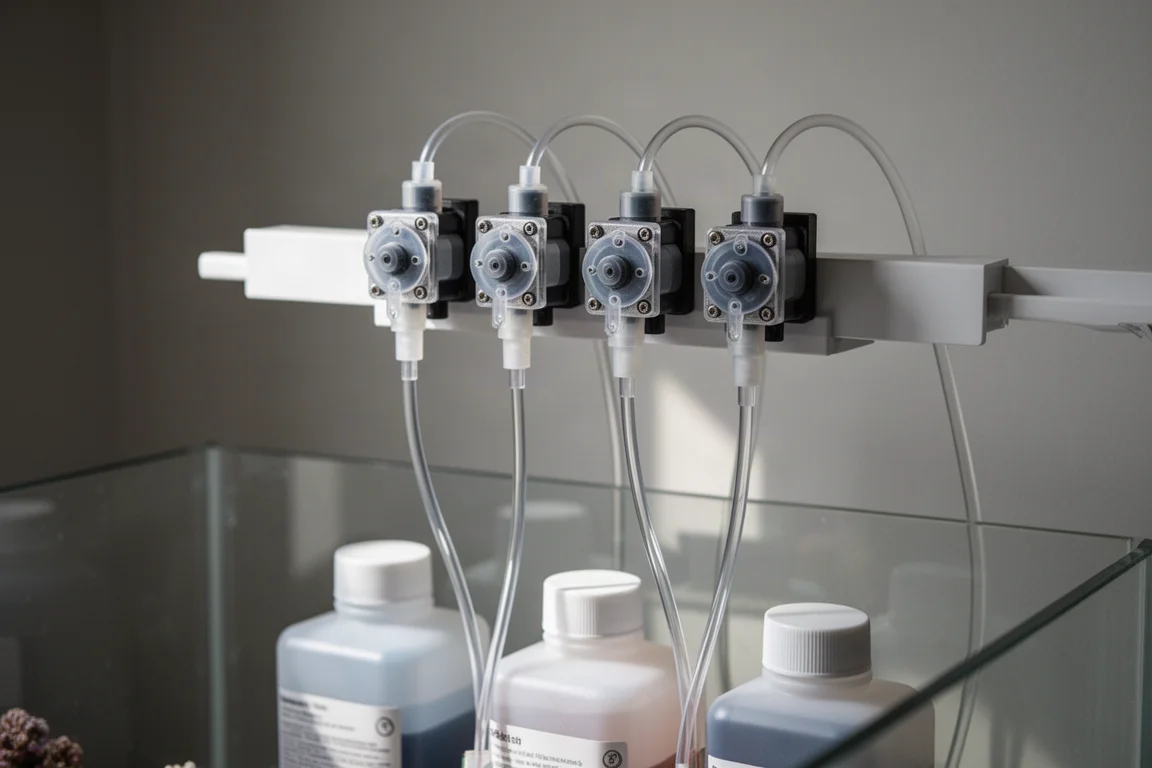
Three questions matter most. First, how much calcium and alkalinity does the tank consume each day? A lightly stocked system with a few soft corals and a young mixed reef draws very little, while a mature tank packed with stony corals can consume large amounts daily. Second, how many dosing channels are available? A single-head doser, or dosing through an auto top-off, rules out multi-part regimens entirely. Third, how much control do you want over individual parameters?
Cost sits alongside those questions rather than above them. Two-part systems bought as dry powder are typically the cheapest way to run a tank day to day, while all-in-one liquids and complete brand systems cost more in exchange for convenience.
Testing habits belong in the same conversation. Any dosing method only works if levels are checked and the dose is adjusted to match consumption, and tanks that are tested regularly are far easier to keep stable than tanks dosed on a fixed schedule that never changes.
All-in-One Solutions: One Additive, One Dosing Head
Both products in this category work on the same premise. Calcium formate forms the base of the solution, and bacteria in the aquarium process it into calcium and carbonates that corals can use. The chemistry sounds complicated, but the practical result is the opposite: calcium, magnesium, alkalinity and trace elements all arrive from one dosing head, with no multiple supplements to keep track of.
The trade-off appears in heavily stocked tanks. In a very large system packed with corals, the bacteria responsible for converting the calcium formate may not keep pace with demand, and a separate calcium supplement may be needed on top. In a beginner tank or a smaller, moderately stocked system, one dosing head is enough to keep everything in range. A kalkwasser setup is another single-additive route worth knowing about, since it adds a pH boost these solutions do not, but it is limited by evaporation: a tank that only evaporates a gallon of water a day can only receive a gallon of kalkwasser, which may fall short once demand climbs.
Tropic Marin All-For-Reef
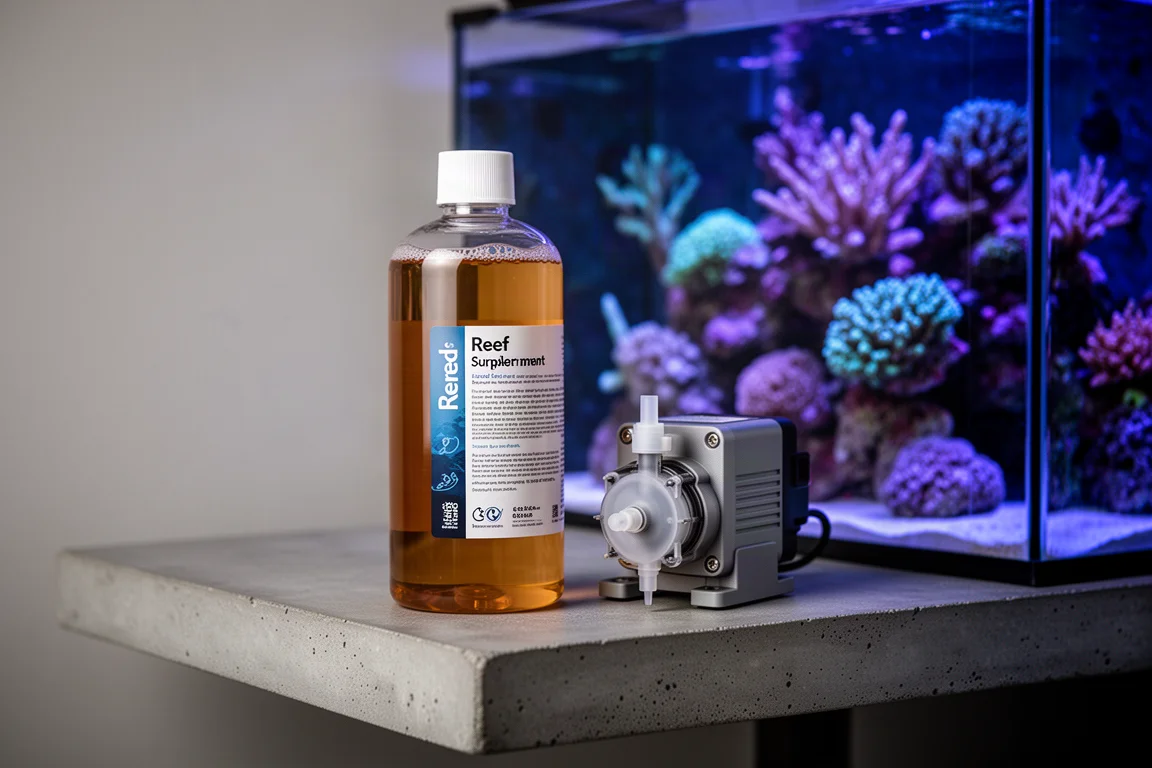
All-For-Reef is available as both a liquid and a powder. The liquid is the more convenient option, while the powder version substantially changed the cost picture for the line and made it far more affordable to run over time.
The appeal is the routine itself: one dosing head, one additive, and coverage of calcium, magnesium, alkalinity and trace elements without juggling multiple bottles.

Aquaforest 3 in 1
Aquaforest 3 in 1 is a relatively new arrival built on the same calcium formate premise, and it follows the same single-container logic: one solution delivering calcium, magnesium, alkalinity and trace elements to the tank.

Two-Part and Multi-Part Systems: Maximum Control
Two-part systems split the work. Alkalinity, calcium, magnesium and trace elements each get their own container and their own dosing channel, which means the tank’s chemistry can be adjusted one parameter at a time. Basic two-parts, such as a BRS two-part approach or the Tropic Marin Balling method, cover only calcium, alkalinity and magnesium with no trace elements added. That is often enough for a young tank, which simply does not consume trace elements the way a mature stony coral system does.
Other two-parts, such as ESV B-Ionic, mix trace elements directly into the components, so the same regimen can carry a tank from its early days through to maturity without a mid-course switch to a different product line.
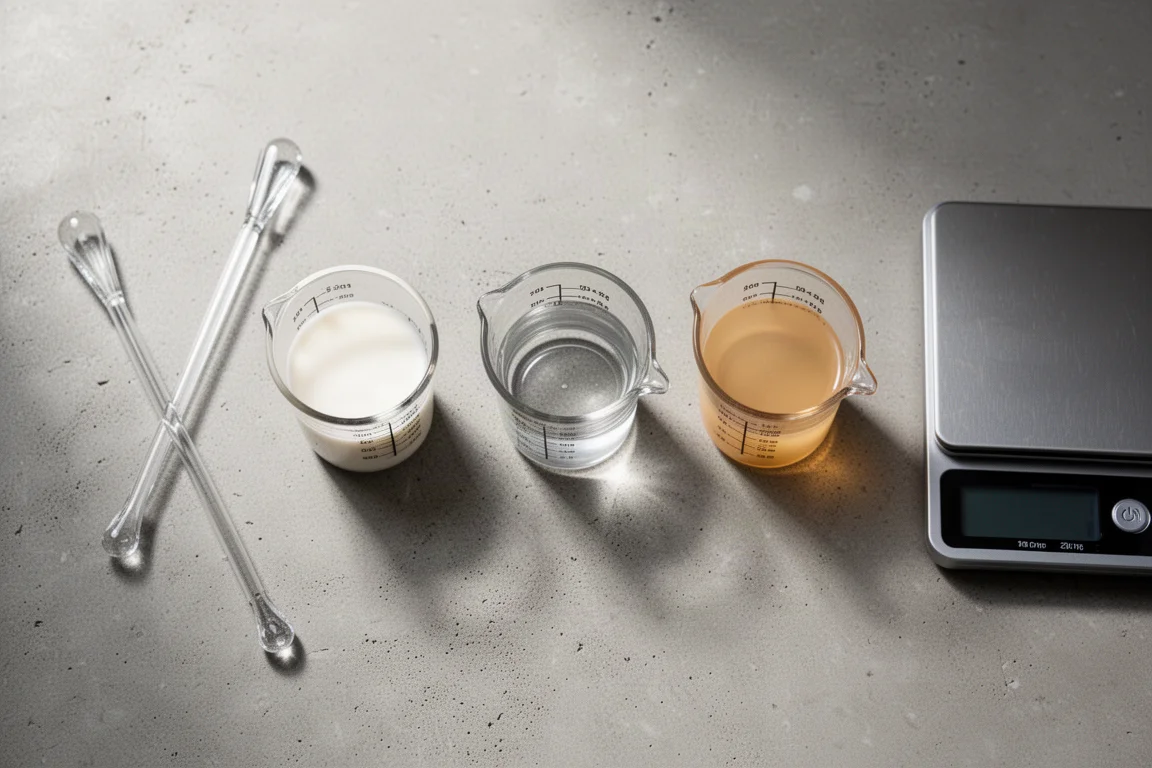
There are two main reasons to choose this category: cost, because dry powder two-parts are among the most affordable ways to dose, and control, because every parameter is dosed separately. This is also the category to reach for when levels need a major correction. If dosing begins six months after corals have been growing, alkalinity might sit at 5 while the target is 8 or 9, and a two-part is the practical way to bring it up before any other approach takes over.
Even if a different method is planned for the long term, keeping a two-part on hand makes it possible to buffer levels up or bring them down whenever needed.
BRS Two-Part
The BRS two-part covers calcium, alkalinity and magnesium without trace elements, and it is sold as a dry powder, which keeps running costs low. It suits a younger tank that needs the foundation minerals and nothing more.

Tropic Marin Balling Method
The Balling method follows the same structure, keeping calcium, alkalinity and magnesium separate and free of added trace elements. It offers the same parameter-by-parameter control, and it works well for keepers who want to steer the tank’s chemistry directly.

ESV B-Ionic
ESV B-Ionic mixes trace elements into its components, so a tank receives them throughout its life rather than only once it matures. That removes the need to switch additives partway through, which keeps long-term dosing simple.

Complete Systems: Full Formulations in Three or Four Bottles
Complete systems, offered by brands such as Red Sea and Triton, put everything a reef needs into three or four bottles. All of the bottles are dosed in the same amounts, which makes the daily routine straightforward, but these systems usually require three or four dosing heads and they come with nuances that matter. Red Sea’s regimen, for example, can be programmed directly into the brand’s own four-head doser, and only calcium has to be tested for that particular system.
Pairing equipment, additives and test kits from the same brand is the simplest way to run any of these systems, since each manufacturer builds its instructions around its own testing and dosing hardware.
Triton Core 7
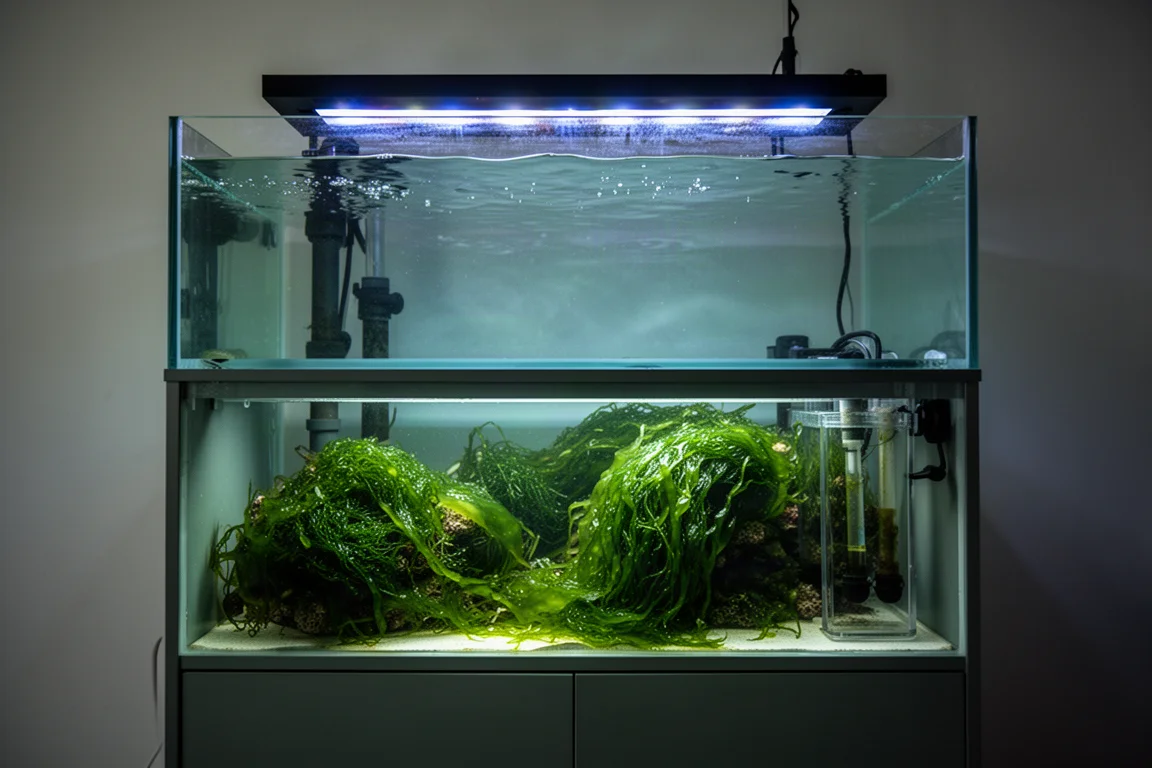
Triton Core 7 is built around growing macro algae, which means a large refugium with a substantial macro algae mass is part of the method. If a large refugium is not part of the plan, Triton’s Other Methods line is less particular about exactly how the system is operated.
Regular ICP testing is recommended alongside Core 7, because the results show precisely what needs to be dosed and in what amount.

Cost, Control, and Complexity Compared
Running costs and daily effort move in opposite directions across the three categories. A two-part system bought as dry powder is typically the least expensive way to dose, but it asks for the most attention because every component is dosed and adjusted separately. All-in-one solutions cost more per unit of calcium delivered, and the powdered versions have narrowed that gap considerably, but they reduce the routine to a single channel.
Complete systems sit at the other end of the scale. They remove most of the day-to-day decision-making, since every bottle is dosed in equal amounts, but they demand more hardware, more testing and more consistency with the brand’s instructions. The honest trade-off is between the number of dosing channels a tank can support and the amount of control a keeper actually wants.
Buying Advice: Matching a Method to Your Tank
A beginner tank or a smaller system with modest coral demand is the clearest case for an all-in-one solution. One dosing head, one container, and coverage of calcium, magnesium, alkalinity and trace elements make it easy to start dosing correctly rather than starting with a complicated regimen.
Keepers who run larger, high-demand tanks, or who want to steer individual parameters, are usually better served by a two-part system. A basic two-part covers the foundation minerals cheaply, and a version with trace elements mixed in avoids a product switch later on. If a high-demand tank stays on an all-in-one, expect to add a separate calcium supplement once growth takes off.
Complete systems suit reefers who want a single brand-matched regimen, are willing to run three or four dosing heads, and will test regularly, ideally with ICP testing. Whichever route you take, keep a two-part on hand. It is the fastest way to bring alkalinity and calcium into range if dosing starts late or levels drift.
Testing and Day-to-Day Dosing Habits
Dosing without testing is guesswork, no matter which category you choose. Alkalinity is the number most keepers watch daily, with calcium and magnesium checked less often, and the dose itself should be adjusted as coral growth changes consumption. A method that worked perfectly six months ago is not guaranteed to match today’s demand.
When dosing starts well after corals are established, bring parameters into range first with a two-part, then begin the chosen regimen on top of stable numbers. Adjusting everything at once makes it difficult to tell which change had which effect.

Consistency pays off more than any single product choice. Stick with one brand’s additives, dosing equipment and test kits so the instructions line up, and test on a regular schedule rather than only when something looks wrong. Complete systems in particular reward this discipline, and ICP testing makes it possible to catch a shortfall before the corals show it.
Conclusion
Reef dosing comes down to a simple question about how much simplicity or control a tank actually needs. All-in-one solutions such as Tropic Marin All-For-Reef and Aquaforest 3 in 1 keep the routine to a single dosing head, with the powdered format easing the cost. Two-part and multi-part systems, from a basic BRS two-part through the Tropic Marin Balling method to ESV B-Ionic, cost less to run and give the most control, which matters most when levels need correcting. Complete systems such as Triton Core 7 handle everything in three or four equally dosed bottles, at the cost of more hardware and regular testing.
Any of the three can work well. Picking the one that matches the tank’s daily demand, the available dosing channels and your willingness to test is what keeps corals growing steadily.
Further reading
Related Reviews
Reef Aquarium Dosing
Tropic Marin All for Reef Review: Single-Solution Dosing for Stony Coral Tanks
A close look at Tropic Marin All for Reef, a calcium formate based reef dosing solution that supplies calcium, carbonate, magnesium, and trace elements without the sodium chloride buildup of traditional two-part dosing.

Backpacking Gear
Building a 10 lb Base Weight: An Ultralight Backpacking Gear List
A practical walkthrough of the ultralight pieces behind a 10 lb base weight, from a 765 g pack and a roomy one-person tent to a full camp chair and a dependable water filter.

Road Bikes
10 New Road Bikes Worth Watching: Aero, Titanium, Steel and Endurance Standouts
A practical roundup of 10 new road bikes, from aero flagships chasing single-watt gains to titanium, steel and endurance platforms built for real roads.