Aquarium Dosing
Best Reef Tank Dosing Methods Compared: Two-Part, Balling, and All for Reef
A practical look at reef dosing methods and five products that cover them, from budget dry kits to a one-part all-in-one solution.
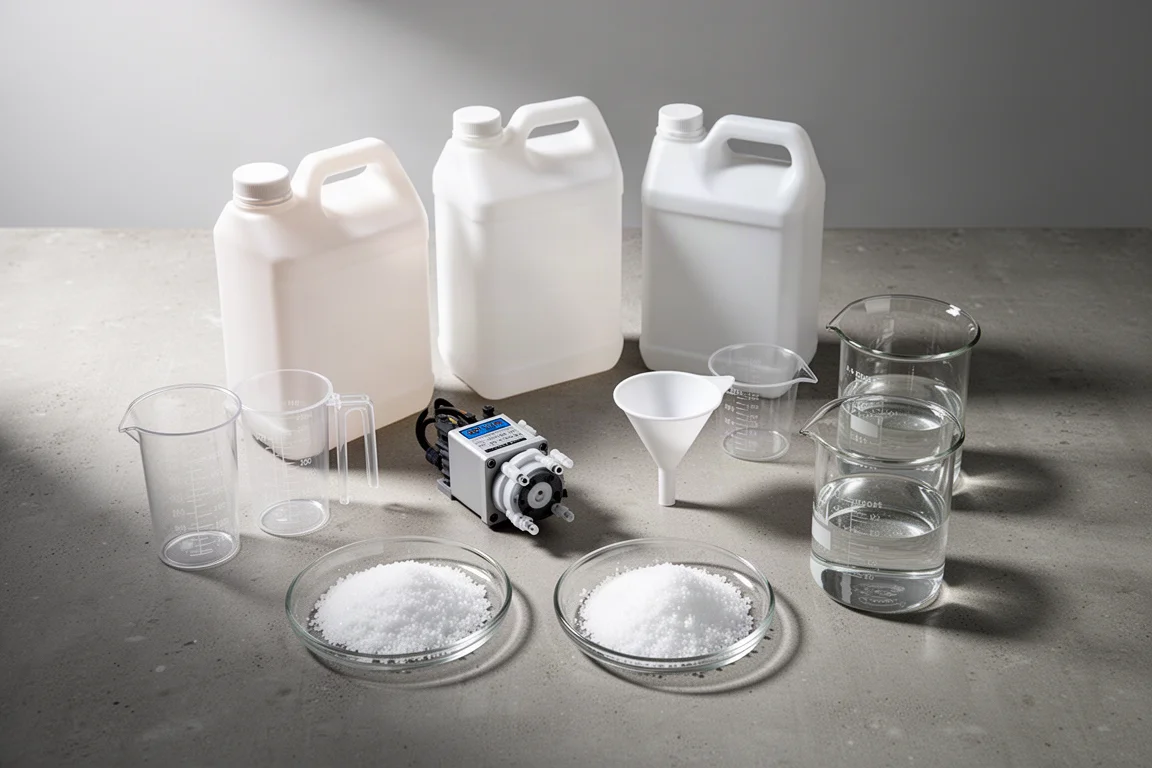
Introduction
Reef tank dosing has a naming problem. Three different products are commonly described as two-part systems, even though one of them ships with three components and another arrives as a single container.
The confusion is historical. Traditional two-part dosing means one calcium supplement and one carbonate supplement, typically calcium chloride and sodium carbonate, better known as soda ash. As stony corals grow they consume both and convert them into calcium carbonate, the material their skeletons are built from. If that were the entire process, dosing really would be a two-part job.
It is not the entire process. Corals also consume major, minor, and trace elements. Weekly water changes replenish much of that, but over time a tank receiving only calcium chloride and soda ash can drift out of chemical balance. That is why systems built to add the correct ratio of everything exist, and why the line between two-part and three-part is blurrier than the labels suggest.
This roundup covers five products that represent the main approaches, two dry kits from BRS Pharma, a trace element supplement and a one-part solution from Tropic Marin, and a liquid two-part from ESV.
How to Think About Reef Dosing Methods
It helps to separate the dosing methods from the products that deliver them.
Traditional two-part dosing, with calcium chloride and soda ash, remains a strong option for most tanks. Combined with weekly water changes, it replenishes the major, minor, and trace elements a reef needs.
Adding magnesium to that routine creates a more balanced approach. Magnesium is crucial for coral growth, but it is consumed far more slowly than calcium chloride and soda ash, so it usually only needs to be dosed occasionally.
Kalkwasser is a popular one-part method, normally added to an auto top-off reservoir, and it is especially useful for raising pH. Most kalkwasser products do not include trace elements, though a separate trace element supplement can cover that gap. Kalkwasser can also cause buildup on pumps, so periodic cleaning with citric acid matters for their longevity.
Then there are the more complete systems. The Balling method adds trace elements on top of calcium, alkalinity, and magnesium, while a one-part calcium formate solution with added trace elements delivers everything in a single bottle.
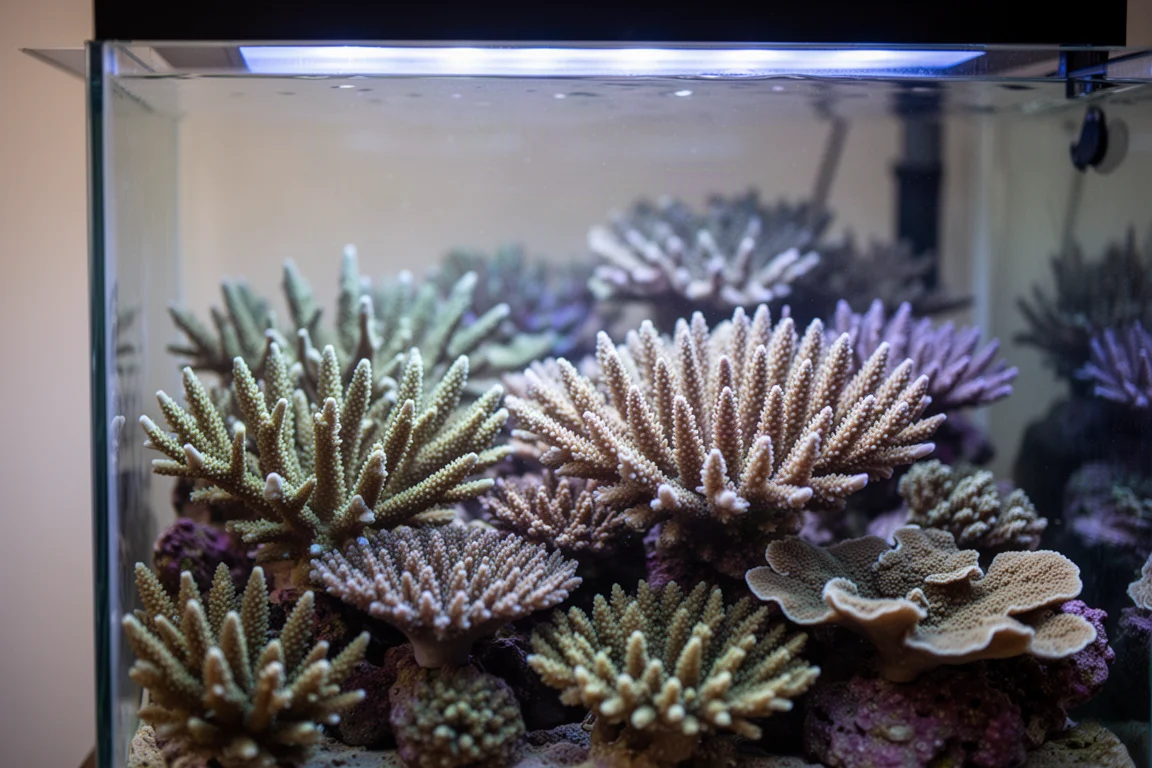
When choosing between them, the practical questions are tank size, how densely it is stocked with stony corals, how many dosing pumps you are willing to run, and how much you want to spend. A lightly stocked tank and a 100-gallon system packed with stony corals have very different needs.
Budget Pick: BRS Pharma Calcium and Alkalinity Starter Package
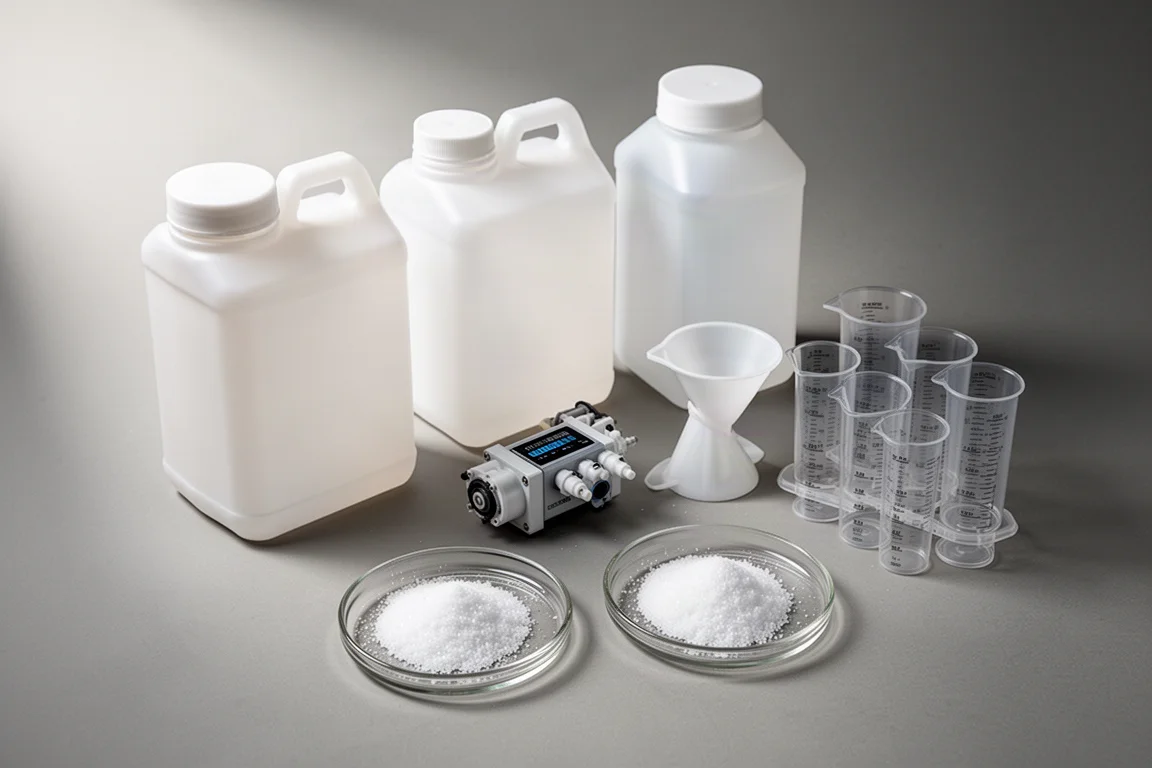
For reef keepers whose primary concern is budget, this is the most direct route into dosing. The kit bundles calcium chloride, soda ash, and a magnesium supplement together with three mixing jugs, pumps, a funnel, and measuring cups.
One honest quirk: because of the magnesium supplement, this two-part package is really a three-part system. In practice that matters less than it sounds, since magnesium only needs to be added every so often, so on most days the routine genuinely is a two-part dose. Mixing is simple, and you can either dose by hand each day or set up dosing pumps.
Most Complete Dry System: BRS Pharma Balling Method Package
This package takes the same dry approach and adds trace elements through Tropic Marin Part C. The daily routine becomes calcium chloride, soda ash, and Part C, with the magnesium supplement added as needed.
It is inexpensive for how comprehensive it is, and for a large tank heavily stocked with stony corals it is likely the most affordable balanced option available. The trade-off is complexity, since four separate parts make the routine noticeably more cumbersome than a single-bottle solution.
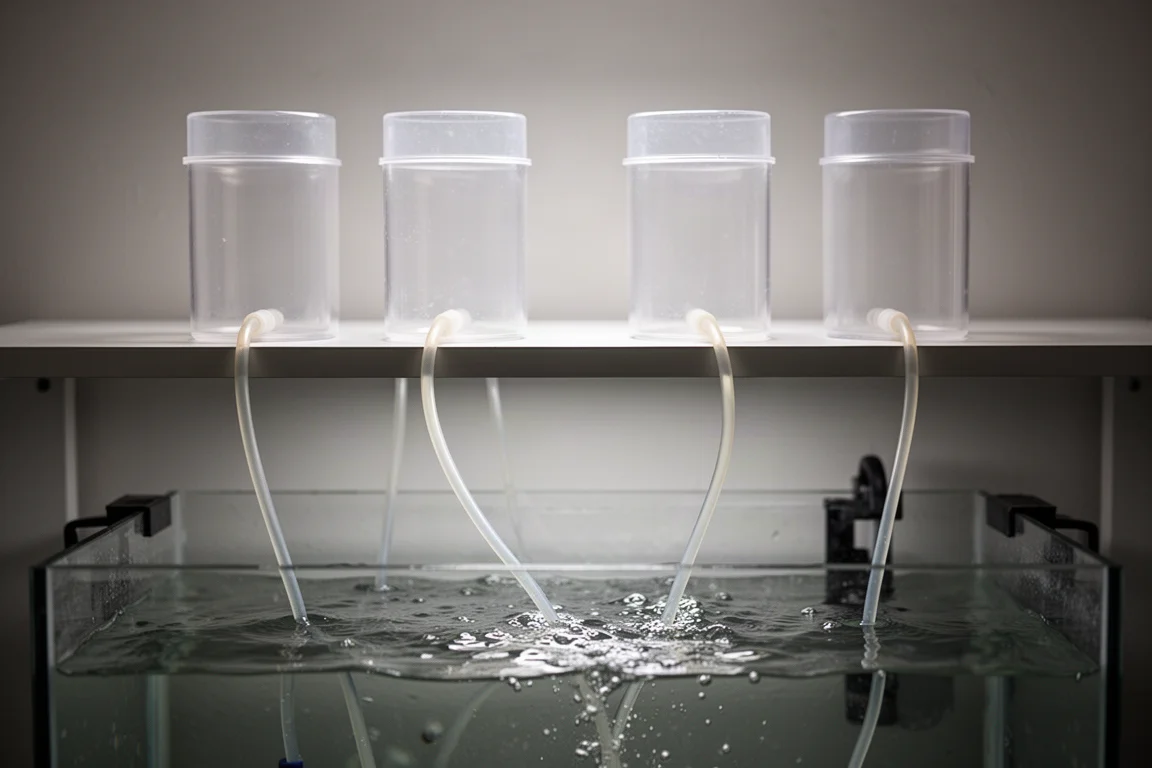
If you are comfortable with the ritual of mixing and dosing several components, that extra effort buys a full spread of major, minor, and trace elements in one coordinated system.
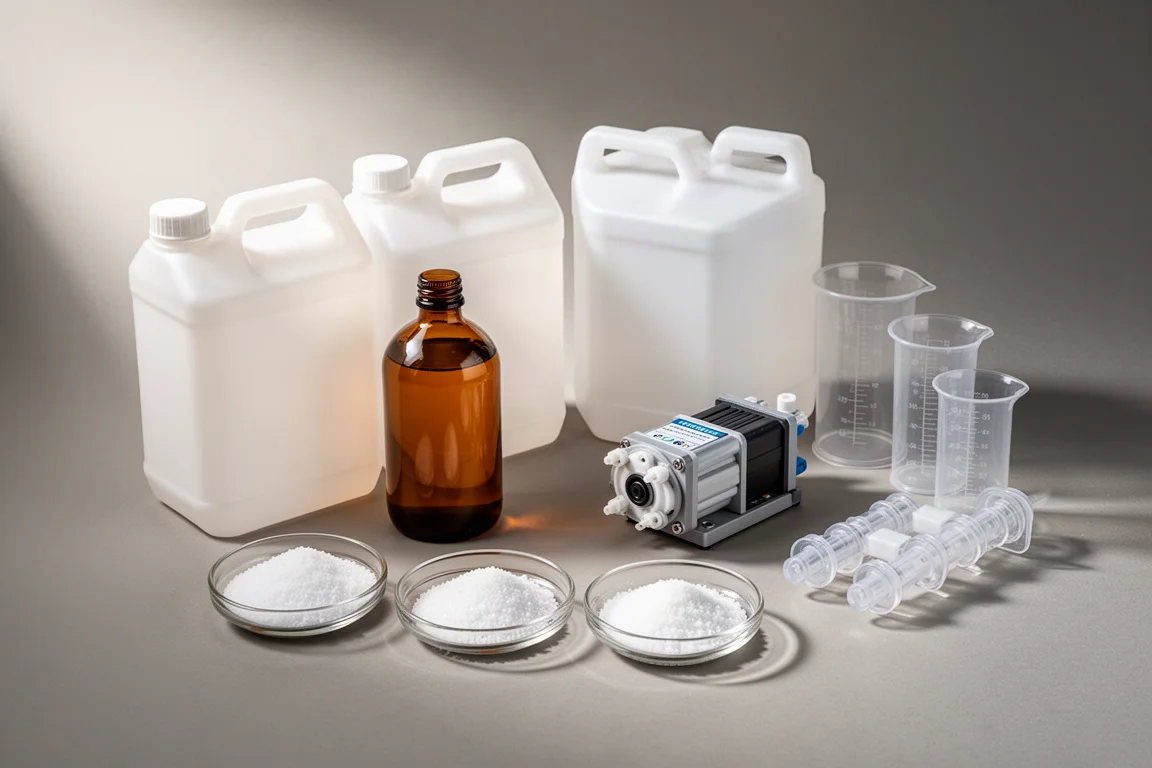
Trace Elements for the Balling Method: Tropic Marin Part C
Part C is the trace element component of the Balling approach. It is the piece that turns a calcium and alkalinity routine into a complete one, supplying the major, minor, and trace elements corals consume alongside calcium and carbonate.
For anyone already running dry calcium chloride and soda ash, adding Part C is the simplest way to close that gap without switching systems entirely.
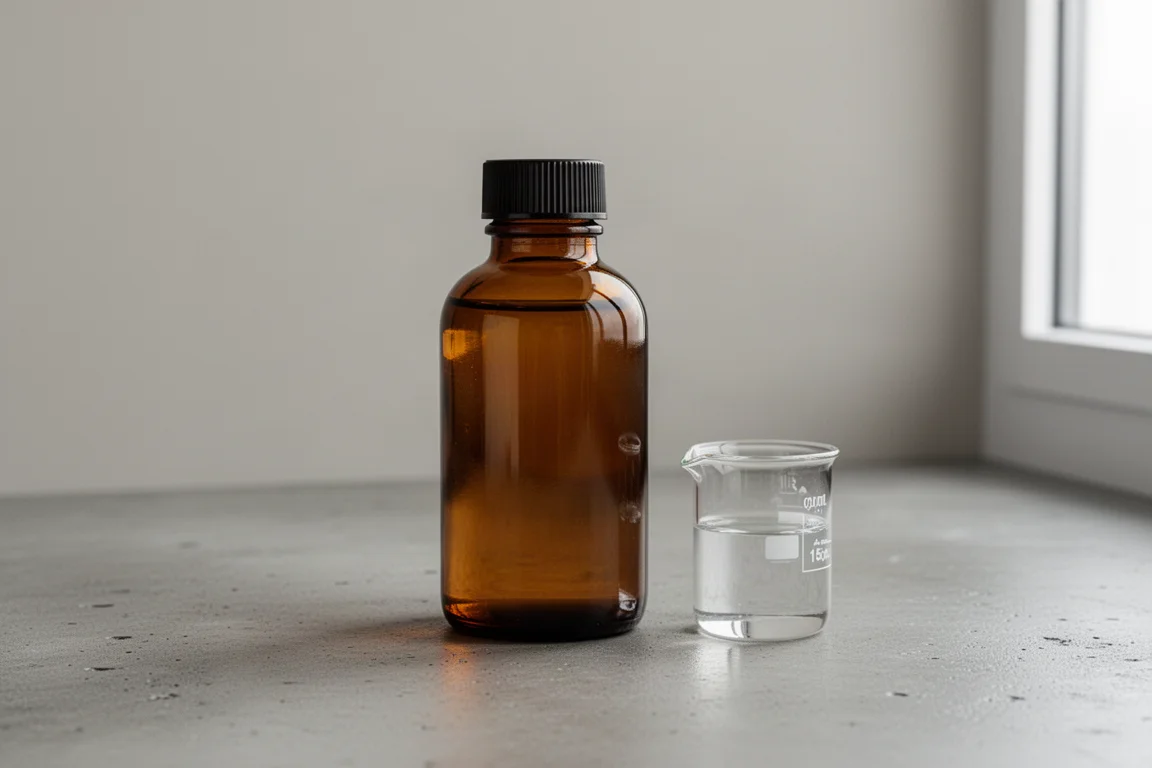
Simplest Option: Tropic Marin All for Reef
All for Reef is a one-part calcium formate solution with added trace elements, and it is the simplest method here by a comfortable margin. A single solution doses every major, minor, and trace element, and does so in the correct ratios.
It is not the cheapest route for a 100-gallon tank packed to the brim with stony corals, but for most other setups it is a very tidy solution. You can buy it pre-mixed, though buying the dry supplement and mixing it at home saves a meaningful amount of money. One dosing pump per tank is all that is required, and a batch can be mixed and a dosing pump set up in about 15 minutes.
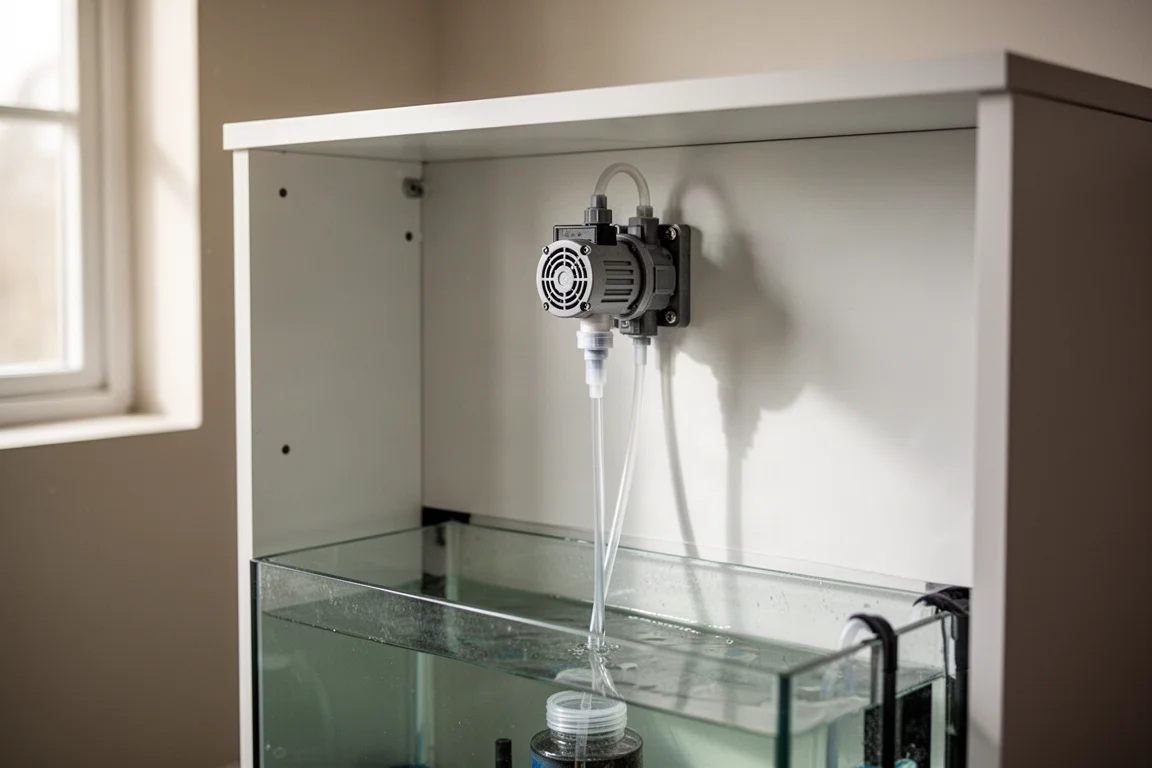
Consumption is often lower than people expect. As a reference point, a well-stocked mixed reef tank can consume as little as roughly 12 milliliters of All for Reef per day, which keeps running costs modest on a moderate system.

Traditional Liquid Two-Part: ESV B-Ionic
ESV B-Ionic is the liquid version of traditional two-part dosing. It delivers calcium and carbonate in a ready-to-use form, with no powder to weigh or mix.
For reef keepers who want the classic two-part approach without the measuring and mixing, this is the familiar choice. As with any traditional two-part routine, plan on weekly water changes to keep major, minor, and trace elements topped up.

Buying Advice: Matching the Method to Your Tank
The right choice depends far more on your tank than on the products themselves.
A modest mixed reef with moderate consumption is well served by a single one-part solution. You get one container, one dosing pump, and a routine that takes minutes to learn.
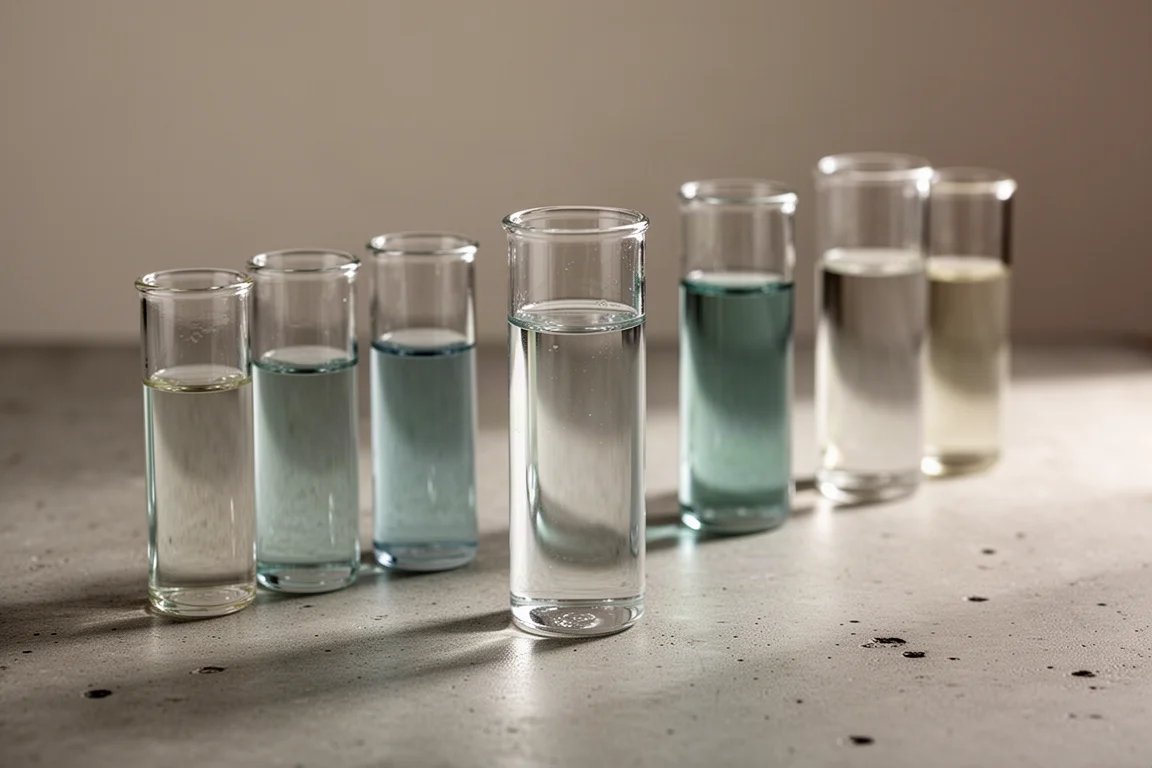
If budget is the deciding factor, the BRS Pharma starter package is the most economical entry point, and it scales smoothly once you add dosing pumps. When you want more complete element coverage without moving to a fully automated one-part system, the BRS Pharma Balling Method Package with Tropic Marin Part C is the balanced middle ground.
Large tanks that are densely stocked with stony corals tend to favor the more comprehensive systems, where coverage is broader and the cost per element is lower. Smaller systems rarely need that much machinery, and the simplicity of a one-part solution usually wins.
Whichever route you take, weekly water changes remain the foundation that keeps major, minor, and trace elements in range. Dosing works best as a complement to that habit, not a replacement for it.
Conclusion
The naming is messy, but the underlying logic is simple. Traditional two-part dosing covers calcium and carbonate. Adding magnesium improves the balance. Adding trace elements, whether through the Balling method or a one-part calcium formate solution, completes the picture.
Pick the method that matches your stocking level and your appetite for a daily routine, and the chemistry becomes far less intimidating.
Further reading
Related Reviews
Aquarium Dosing
Best Alkalinity Additives for Reef Tank pH: 10 Popular Dosing Solutions Compared
A measured look at how ten popular single and two part alkalinity additives affect reef tank pH, from bicarbonate based solutions to carbonate blends and the strongest pH boosters.

Backpacking Gear
Building a 10 lb Base Weight: An Ultralight Backpacking Gear List
A practical walkthrough of the ultralight pieces behind a 10 lb base weight, from a 765 g pack and a roomy one-person tent to a full camp chair and a dependable water filter.

Road Bikes
10 New Road Bikes Worth Watching: Aero, Titanium, Steel and Endurance Standouts
A practical roundup of 10 new road bikes, from aero flagships chasing single-watt gains to titanium, steel and endurance platforms built for real roads.