Aquarium Dosing
Best Alkalinity Additives for Reef Tank pH: 10 Popular Dosing Solutions Compared
A measured look at how ten popular single and two part alkalinity additives affect reef tank pH, from bicarbonate based solutions to carbonate blends and the strongest pH boosters.
Introduction
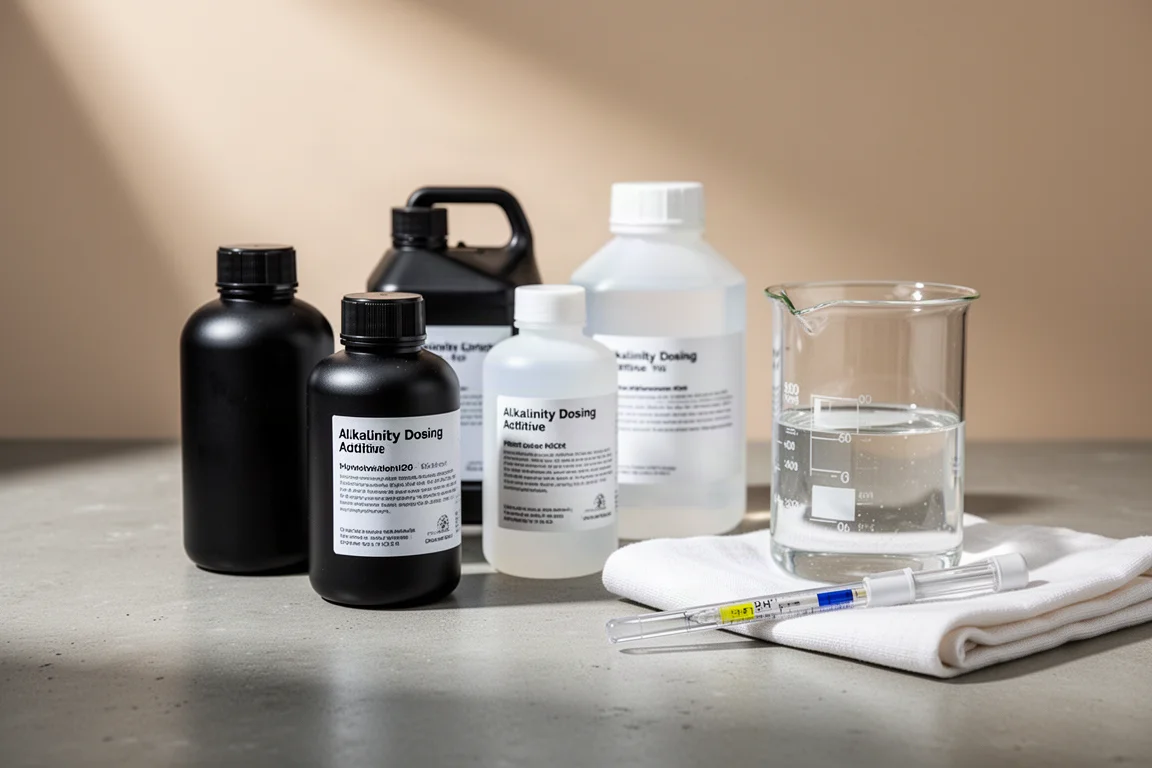
If your reef tank sits at a pH you would like to raise and hold higher, the easiest lever is usually the alkalinity additive already on your shelf. CO2 scrubbers, refugiums, fresh air skimmer lines and whole home air exchangers all have their place, but each one asks for hardware, space or changes to the room around the tank. A single or two part alkalinity supplement asks only for a dosing routine you probably already follow.
The complication is that alkalinity additives do not affect pH equally. Some move it measurably, some barely register, and the strength of the effect changes what handling precautions make sense. This guide walks through ten popular single and two part dosing additives and what happened when each was measured directly.
How These Alkalinity Additives Were Compared
Fourteen popular single and two part additives went through the same protocol. Each product was mixed to its manufacturer’s directed concentration, then enough solution was added to a test tank to raise alkalinity by one dKH. pH was recorded before and after the dose, so the figures below can be compared against each other on equal footing.
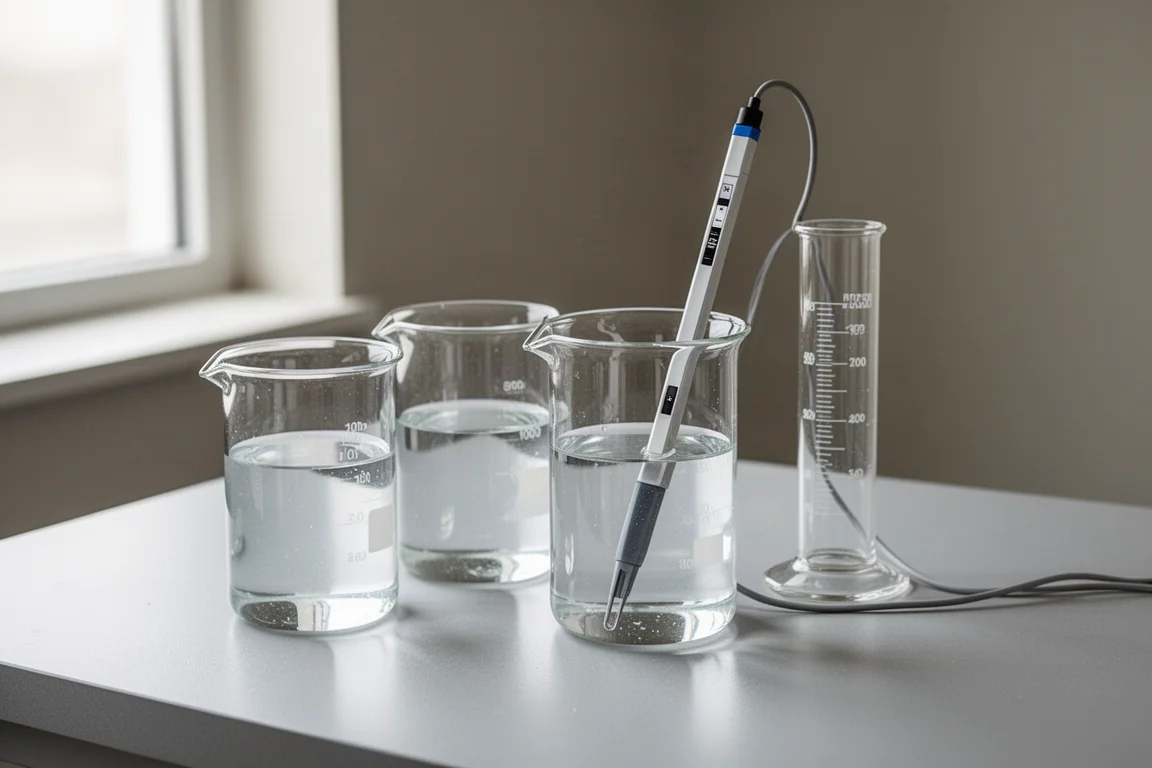
A second check looked at whether each solution produced the white cloud that appears when soda ash or sodium carbonate is dosed and that is absent with bicarbonate based solutions or calcium hydroxide. That clouding is a practical clue about which ingredients a manufacturer is working with, even when the label or the safety data sheet does not spell them out.
A few baseline behaviors are already well established. Sodium bicarbonate should not have a significant or measurable impact on pH. Soda ash, or sodium carbonate, should raise pH moderately. Many manufacturers use a blend of carbonate and bicarbonate. Hydroxide based chemistry produced the largest pH response of the entire group in this test, roughly a 0.41 shift from 8.03 to 8.44, and additives of that type also carry the most demanding handling considerations.
BRS Sodium Bicarbonate: The Mildest Result
BRS Sodium Bicarbonate produced no measurable change in pH when dosed to raise alkalinity by one dKH. It also showed no clouding in the poof test, which fits its identity as a 100% pharma bicarbonate.
That makes it the wrong tool for chasing pH, but the right tool for large alkalinity corrections where a simultaneous pH spike would be unwelcome. If your system needs alkalinity and your pH is already where you want it, this is the predictable option.
Red Sea Reef Foundation: Two Formulations, Two Behaviors
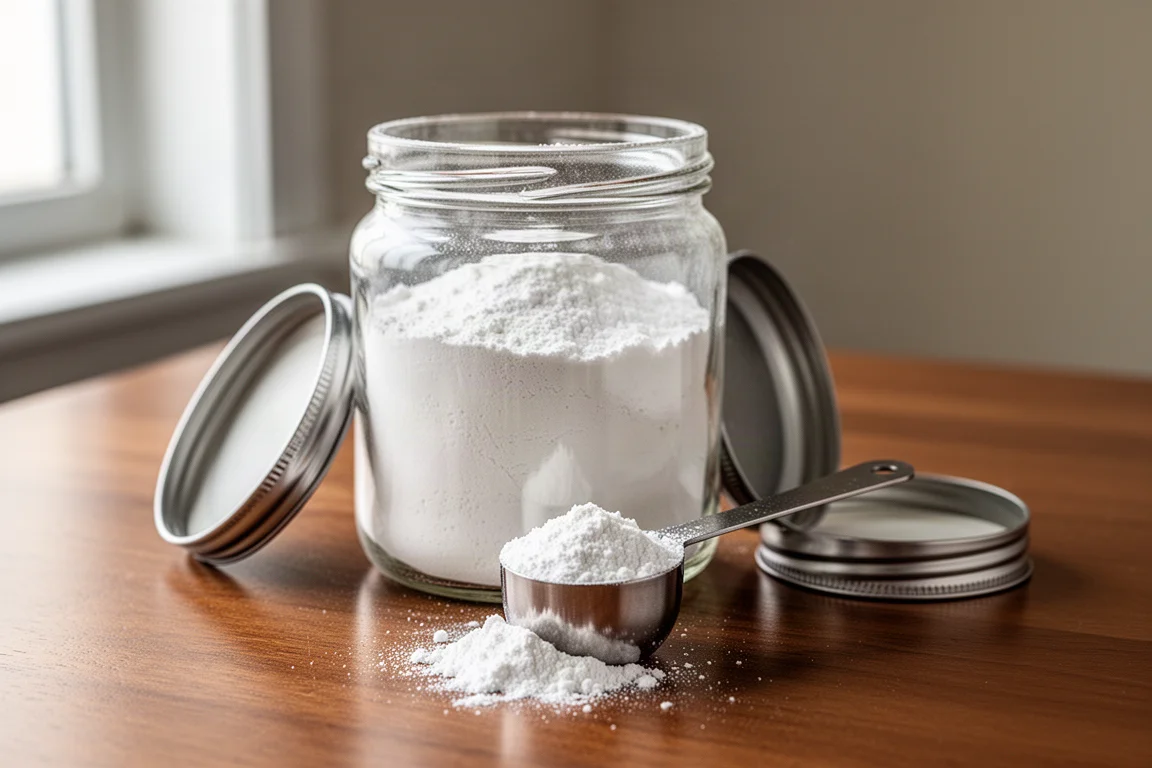
The dry Reef Foundation formulation changed pH by less than a hundredth, effectively nothing, and produced no clouding, which points to a primarily bicarbonate based solution. The liquid version behaved very differently and landed at a pH increase of 0.25, matching the strongest performers in the test.
If pH is part of your decision, that gap between the two forms is the single most important detail to check before buying.
Aquaforest KH Plus: Minimal pH Shift
Aquaforest KH Plus moved pH by 0.01, a change in the negligible range. It produced no white cloud either, suggesting a primarily sodium bicarbonate based formula even though the ingredient list is not stated explicitly.
That combination suits reefers who want a dependable alkalinity supplement and are not looking for a pH effect at all.
Tropic Marin Part B: Bicarbonate Chemistry
Tropic Marin Part B raised pH by 0.04, the largest shift of the bicarbonate group but still small in absolute terms. The product is a 100% pharma bicarbonate and showed no clouding, so the modest number matches the chemistry.
For two part dosing where alkalinity control is the priority and pH support is a secondary concern, this is a straightforward choice.

ATI Essentials: A Small but Measurable Lift
ATI Essentials increased pH by 0.08, placing it at the low end of the carbonate and carbonate bicarbonate blend group. It did cloud the test water, consistent with a carbonate component in the mix.
That result makes it a mild option: more pH effect than a pure bicarbonate, less than the carbonate heavy products further down this list.
Two Little Fishies C-Balance: A Moderate Bump
Two Little Fishies C-Balance raised pH by 0.14 and clouded the test water, which places it among the carbonate and carbonate bicarbonate blends.
The 0.14 figure sits comfortably between the near neutral bicarbonates and the group at 0.2 and above, so it appeals to reefers who want a modest, unhurried pH benefit.
Brightwell Reef Code B: Consistent Results Across Forms
Both the dry and the liquid versions of Brightwell Reef Code B raised pH by 0.2, an identical outcome in either format. Clouding appeared in the poof test, indicating carbonate chemistry.
Getting the same number from both forms is useful, because your choice between them can be based on handling preference rather than on pH behavior.
ESV B-Ionic: A Carbonate Based Response
ESV B-Ionic increased pH by 0.2 and clouded the test water, a pattern consistent with a carbonate based solution.
Reefers running a two part routine who want a moderate pH lift without moving into the most reactive chemistry will find this sits in a familiar middle ground.
BRS Soda Ash: A Trusted Carbonate Option
BRS Soda Ash raised pH by 0.21, a clear step above the bicarbonate options. It clouded the water in the poof test, as soda ash should.
Soda ash is the middle path: a real pH benefit, familiar handling, and less exposure to the kind of spike that follows an overdose of the most concentrated additives.
Triton Method Part 3: Among the Highest pH Boosts
Triton Method Part 3 raised pH by 0.25, tied with the liquid Red Sea formulation for the largest increase among the additives covered here. It also carries a full lineup of minor and trace elements built into the system.
That combination is why it stands out for reefers who want pH support and trace element dosing handled together.
Overall Buying Advice
Start with what you are actually trying to fix. If you need to move alkalinity a long way with no pH side effect, the bicarbonate group is the safest and most predictable choice. If you want a small pH edge alongside alkalinity support, the carbonate and carbonate bicarbonate blends sit in the middle, and they are also more forgiving than the most concentrated additives if you overshoot a dose.
It is worth remembering that the figures in this test describe a single dose sized to raise alkalinity by one dKH. How much a given additive shifts your tank pH from day to day depends on how much of it you dose to hold alkalinity steady, so this ranking is a guide to relative behavior rather than a fixed outcome for every system.
Matching the additive to the job matters more than chasing the biggest number. A product that lifts pH strongly is only an advantage if your dosing routine and your handling habits are comfortable with it.
Conclusion
There is no single best alkalinity additive for pH, only the one that matches your goal. Bicarbonate based solutions leave pH essentially untouched and remain the safe choice for large corrections. Carbonate and blended products add a modest, useful lift with forgiving handling. The most reactive chemistry in this test produced the biggest pH change along with the most demanding safety considerations, and it deserves the extra caution that comes with that. Pick the group that matches your tank and your comfort level, and the dosing routine you already have will do the rest.
Further reading
Related Reviews
Aquarium Dosing
Best Reef Tank Dosing Methods Compared: Two-Part, Balling, and All for Reef
A practical look at reef dosing methods and five products that cover them, from budget dry kits to a one-part all-in-one solution.
Saltwater Aquarium Setup
10 Questions About Cycling a Saltwater Aquarium: What You Need to Know
Essential questions and answers for cycling a reef tank or saltwater aquarium, from biome building to light management and bacterial supplements.
Aquarium Equipment
Adaptive Reef Hybrid Algae Reactor Review: One Reactor, Three Ways to Grow Algae
A close look at the Adaptive Reef Hybrid Algae Reactor, which runs as an algae turf scrubber, a macro algae reactor, or a refugium, and pairs with the AI Blade Refugium LED.