Privacy Gadgets
Best Privacy Gadgets 2026: Four Tools for Taking Back Control
A practical roundup of four privacy-focused devices: a handheld wireless signal tool, a rebuilt portable music player, a small computer running network-wide ad blocking, and a modular laptop.
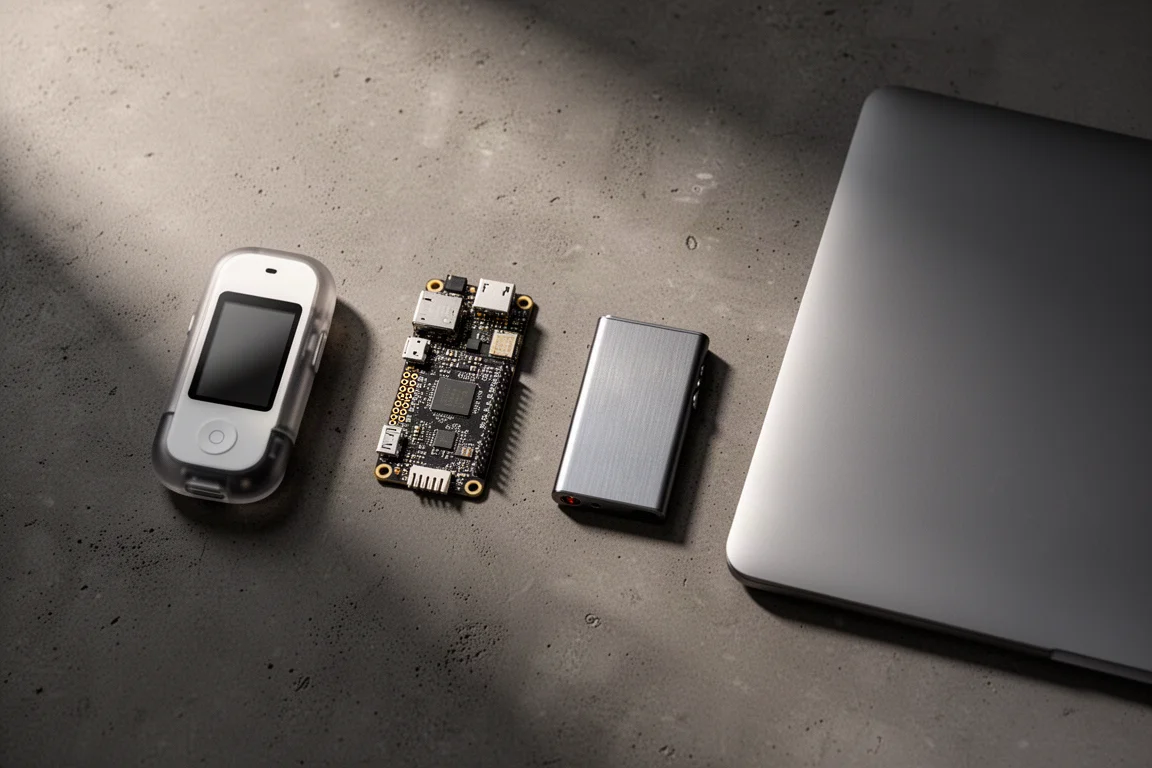
Introduction
Some people accept whatever defaults ship with their devices. Others prefer to decide for themselves what leaves their network, what a gadget remembers, and what it forgets. The four tools below come from that second mindset.
They are not variations on one idea. One is a handheld wireless signal tool, one is a portable music player that has been rebuilt rather than restored, one is a small single-board computer acting as a network filter, and one is a modular laptop running an open operating system. What they share is a single principle: the person holding the device should be the one deciding how it behaves.
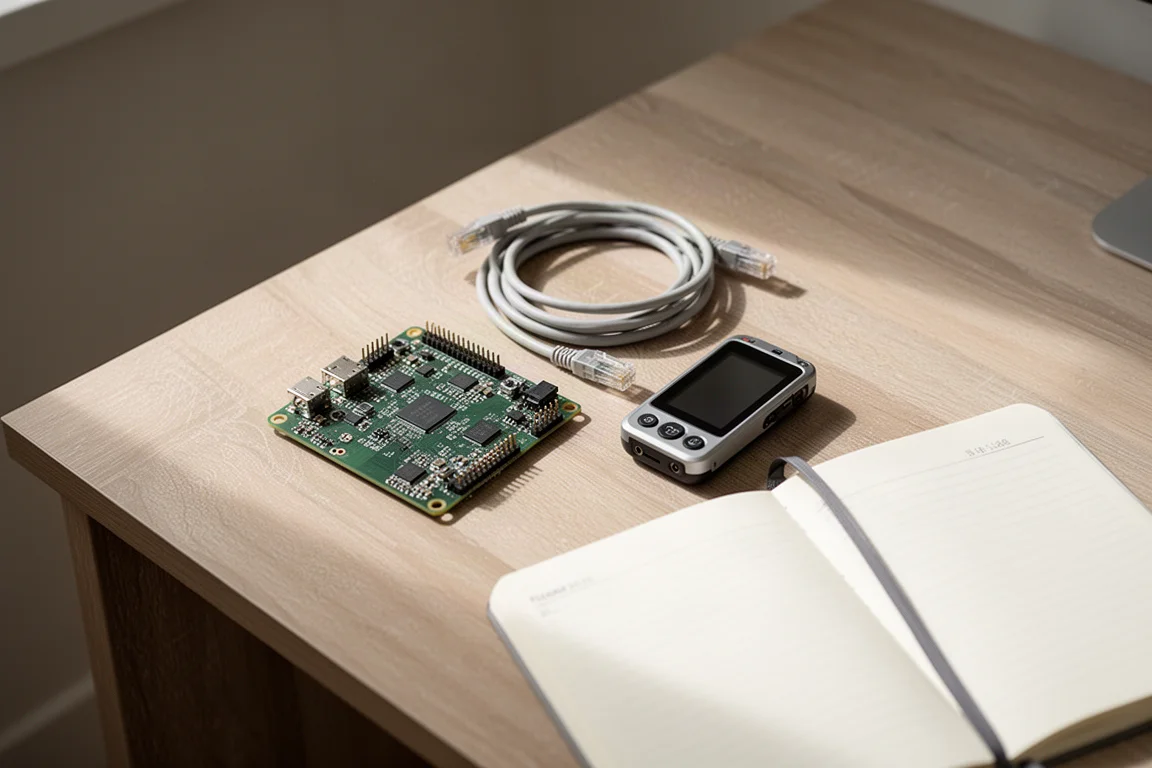
The wider setup around these four also includes a Tails USB drive that boots an amnesic operating system, a travel router that hides which devices are connected to a hotel or rental network, and a self-programmed e-ink watch built on an Arduino board. Not every reader needs all of it, and adopting one item is not a commitment to adopting the rest. Each piece simply solves one specific problem well.
How We Evaluate Privacy Gadgets
Four practical questions shape these recommendations. Does the maker explain what the hardware actually does? Can the owner inspect or change the software running on it? Does it keep working without a cloud account tied to it? And how much friction does it add to ordinary daily use?
A device that is technically private but painful to operate tends to get abandoned within a week. A device that is convenient but opaque never becomes private in the first place. The strongest candidates hold both sides in balance: predictable behaviour, honest defaults, and enough control for the owner to change the settings that matter to them.
Flipper Zero: A Wireless Signal Swiss Army Knife
The Flipper Zero is a small handheld tool for examining the wireless signals that surround us every day. Air conditioning units, building entry systems, and countless other everyday objects exchange data over short-range radio, and almost all of that traffic is invisible during normal use.
The device can enter a learning mode, register a signal from a remote control, and then replay or emulate it. A household air-conditioner remote can be captured in seconds and reproduced from the Flipper itself. The appeal is less about any single trick and more about making the invisible layer of everyday technology tangible, which is why it is often described as a Swiss Army knife for wireless technology.
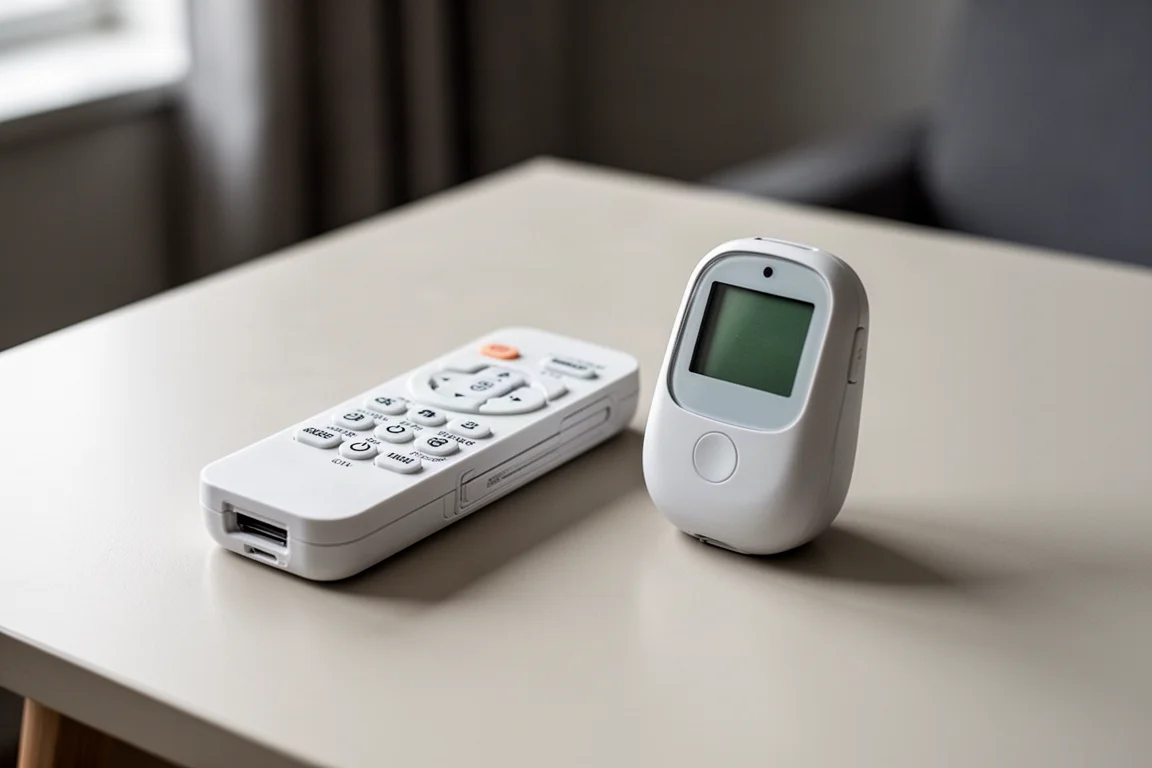
For anyone curious about how the objects around them actually communicate, this is a compact and genuinely hands-on way to find out. It rewards experimentation rather than passive use.
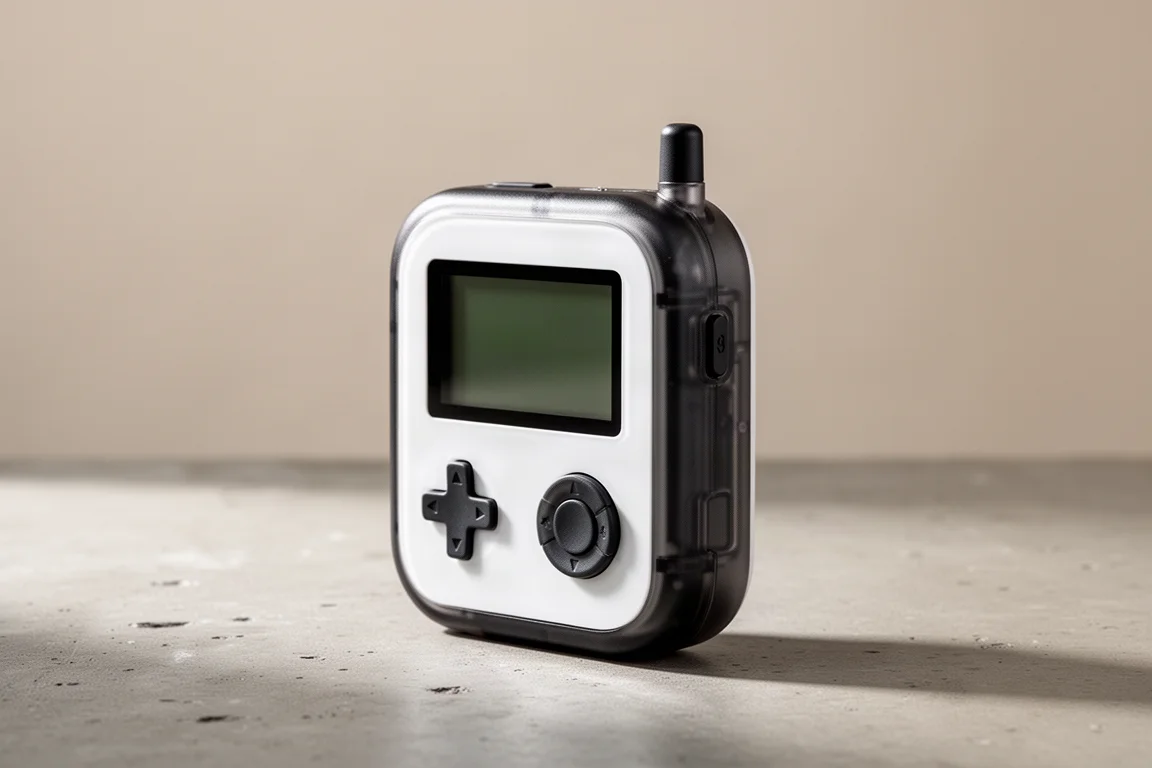
Modded iPod Classic: Music Without the Subscription
Music streaming services collect a considerable amount of listening data, and a rebuilt portable player sidesteps that entirely. The music lives on the device, nothing about what is playing is reported back to a server, and there is no monthly subscription to maintain.
This particular player has been modified rather than restored. The original mechanical hard disk has been replaced with microSD card storage, and a USB-C port now sits where the older connector used to be. The firmware has also been swapped for Rockbox, a distribution that offers far more control over the interface than the stock software, and which happens to be capable of running Doom.
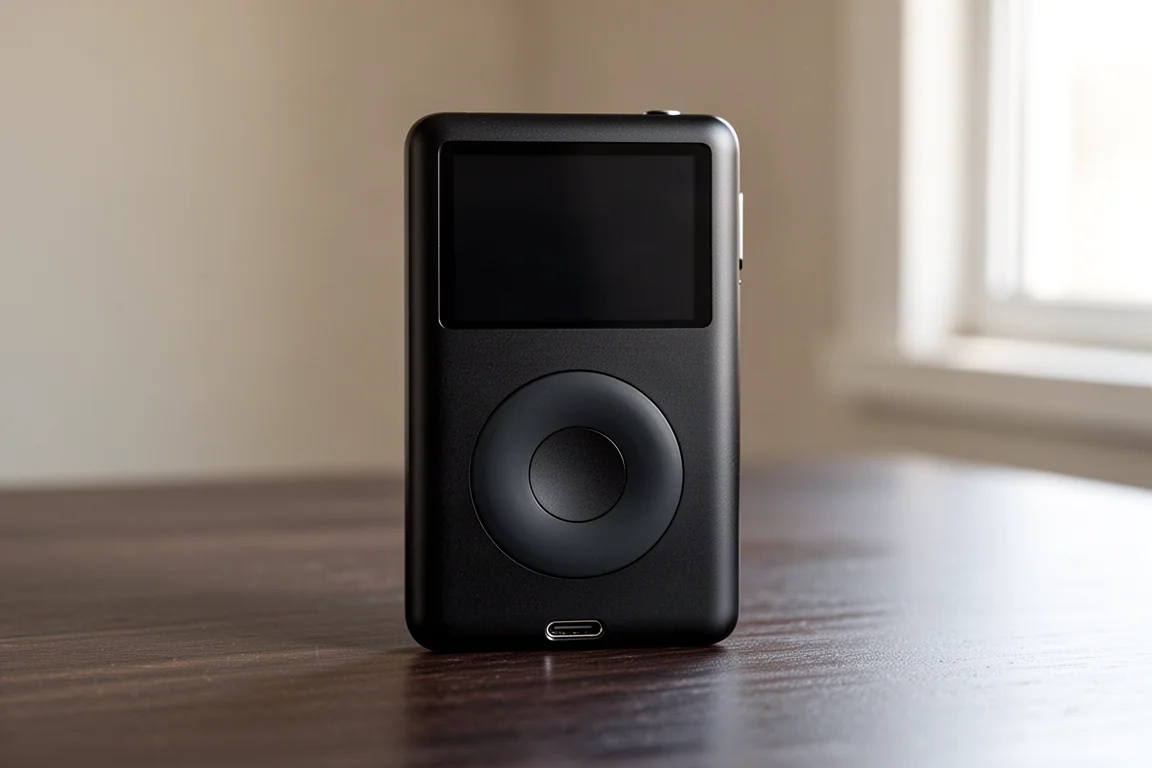
Wired headphones complete the picture. Bluetooth earphones broadcast a constant search signal while they are switched on, so pairing a wired set and turning Wi-Fi and Bluetooth off on a phone removes that background chatter during a commute. The result is a music setup that behaves like a library rather than a feed.
Raspberry Pi 3B: Network-Level Ad Blocking
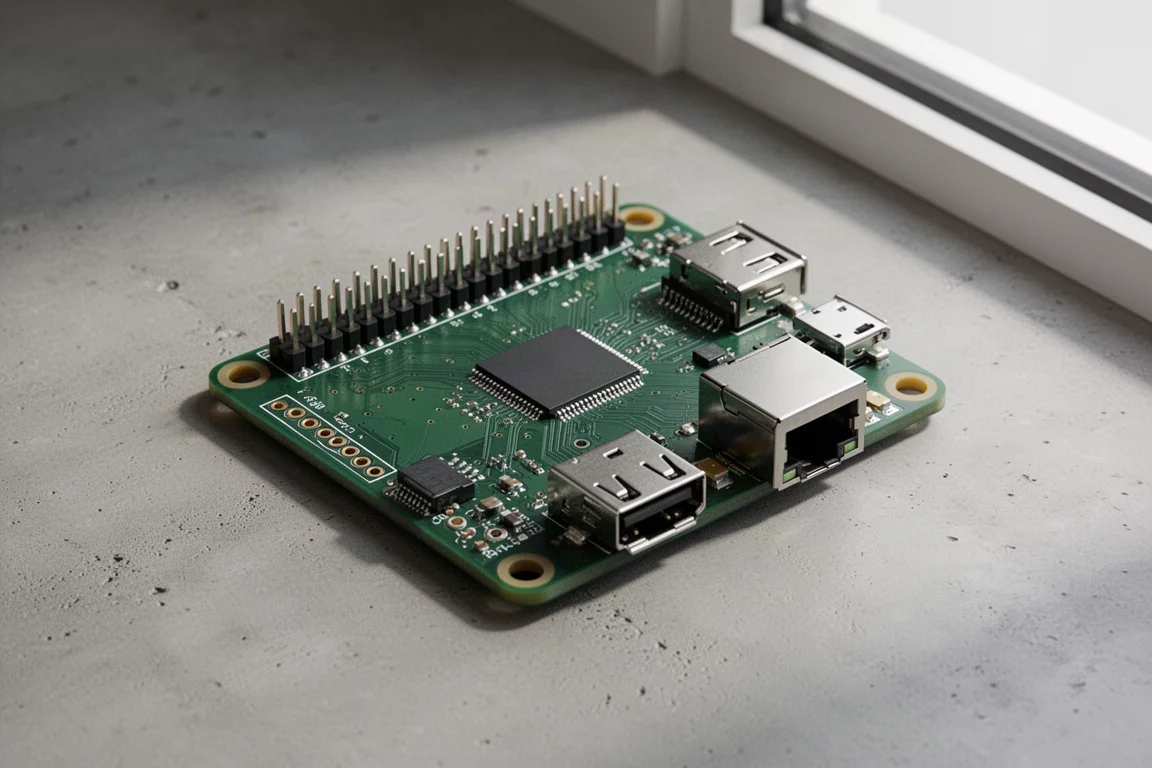
An older Raspberry Pi 3B can quietly take on one of the most useful jobs in a home: filtering advertising and tracking domains before they ever reach a phone, laptop, or television.
The Pi runs Pi-hole alongside Unbound. Pi-hole acts as a network-level ad blocker by taking over DNS resolution, the process that translates a readable address into the numeric address a computer actually connects to. Anything matching a block list is discarded before it arrives, and the block lists themselves are compiled and shared freely by communities on sites such as GitHub.

Unbound extends the idea. Rather than forwarding every lookup to an outside resolver, the Pi handles more of that work itself and keeps the answers locally, gradually building a small local map of frequently visited services. A query log then shows both what has been requested and what was stopped, which is a useful way to see how much background traffic a typical household generates.
Framework Laptop: Modular Hardware, Open Software
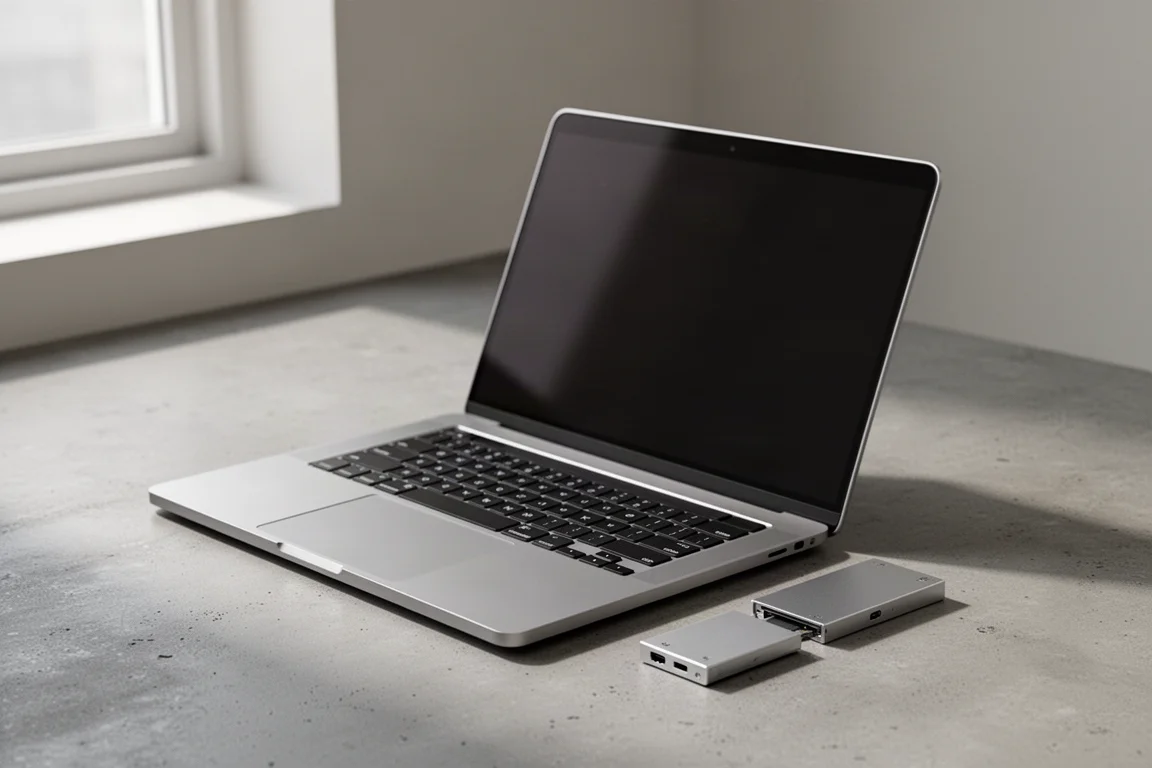
The Framework Laptop is a notebook designed to be assembled and maintained by its owner. Its ports are hot-swappable cards: if the power connector currently sits on the right and would be more useful on the left, it can be moved in seconds, and the freed slot filled with a different module.
That modularity extends to the operating system as well. This machine runs Linux, and the majority of the code in that distribution is open source, which means anyone with the technical interest can read it and check that the software is doing what it claims to do. Openness by itself does not make a computer more private or more secure. What it provides is control, and control is what allows an owner to make those improvements deliberately rather than hoping for them.
Buying Advice: Matching the Tool to the Risk
The right starting point depends on the problem that actually bothers you. Anyone who wants to stop paying monthly for music and keep their listening habits off a server will get more from a rebuilt portable player than from a network appliance.
For a household, the network filter is usually the highest-leverage change, because one small computer improves every device connected to it. For anyone curious about the signals their own home emits, the handheld wireless tool is the most direct way in. And for buyers who expect to keep a machine for years and want to repair and reconfigure it themselves, the modular laptop is the piece that pays off over the longest horizon.
None of these choices demand technical expertise to be worthwhile, though most of them reward curiosity. They are also not all-or-nothing decisions, and each one can be adopted on its own terms.
Conclusion
Four devices, four different jobs. The wireless tool answers curiosity, the rebuilt player removes a subscription and a data trail, the small computer protects an entire network at once, and the modular laptop puts hardware and software choices back in the owner’s hands.
What ties them together is a way of thinking rather than a product category. The default setting is not the only one available. It is simply the path of least resistance, and for a growing number of buyers that is no longer reason enough.
Further reading
Related Reviews

Backpacking Gear
Building a 10 lb Base Weight: An Ultralight Backpacking Gear List
A practical walkthrough of the ultralight pieces behind a 10 lb base weight, from a 765 g pack and a roomy one-person tent to a full camp chair and a dependable water filter.

Road Bikes
10 New Road Bikes Worth Watching: Aero, Titanium, Steel and Endurance Standouts
A practical roundup of 10 new road bikes, from aero flagships chasing single-watt gains to titanium, steel and endurance platforms built for real roads.
Bikepacking Gear
11 Bikepacking Essentials for Long-Distance Cycling
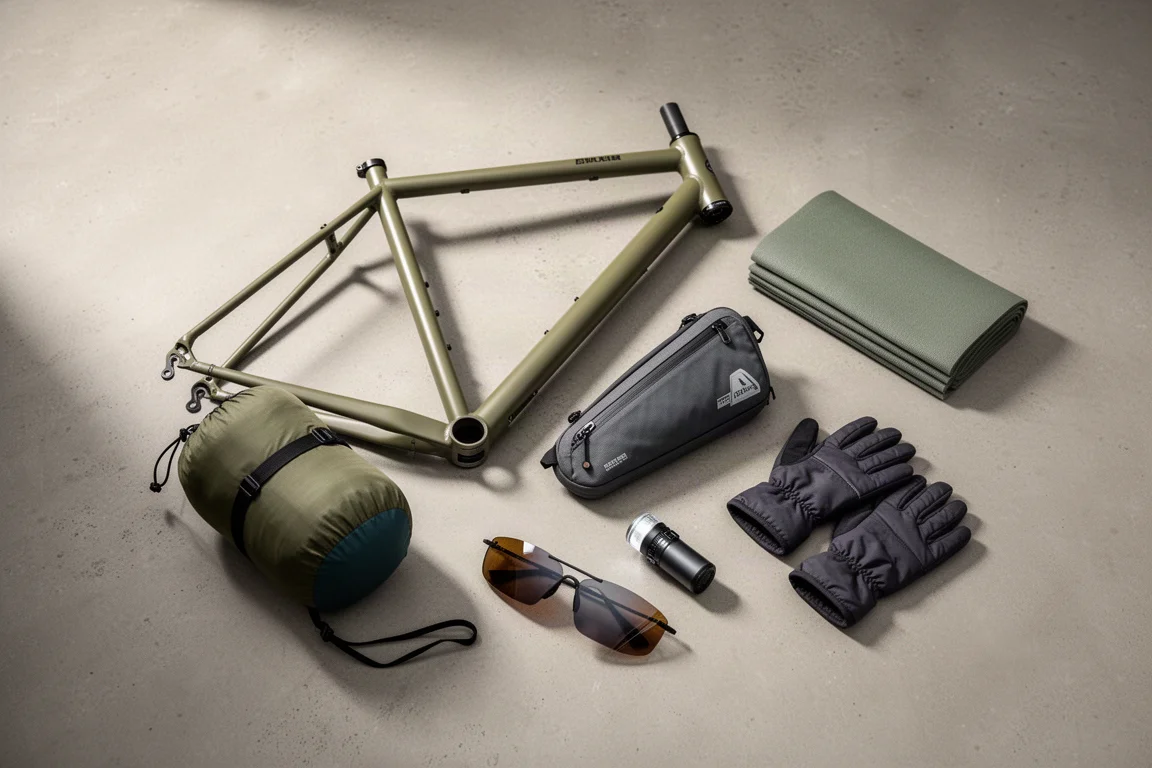
Eleven bikepacking essentials for long-distance cycling, from a steel gravel frame and a two-person tent to helmet lights, packable gloves, and a frame bag that puts weight in the right place.